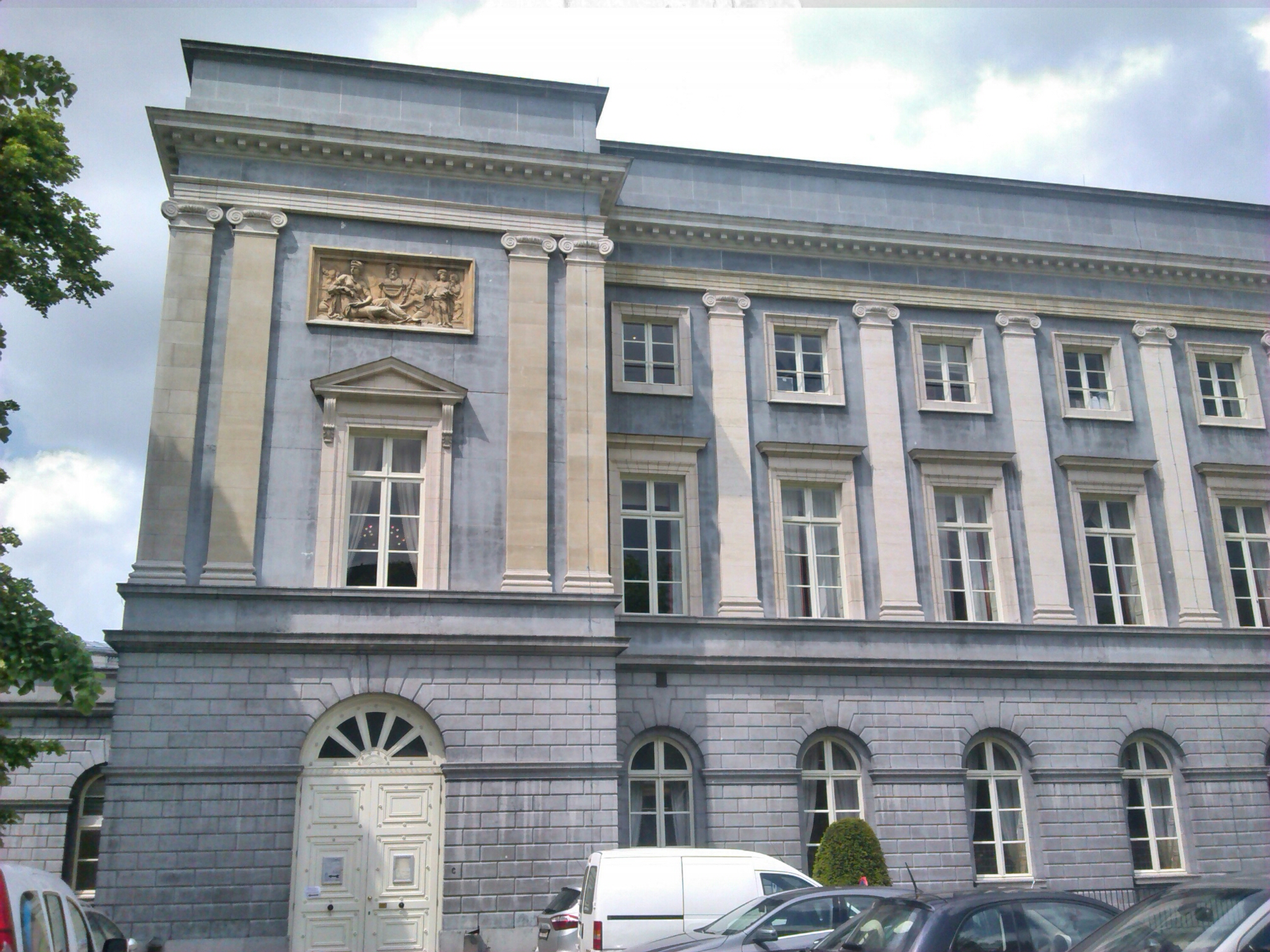
Flen

Tomorrow morning I will be on a plane again. A short trip this time, 3 days up and down to the south of Sweden, where we have a meeting with the MIREN-network (all our colleagues from all over the world who study plant invasions in the mountains like I do).
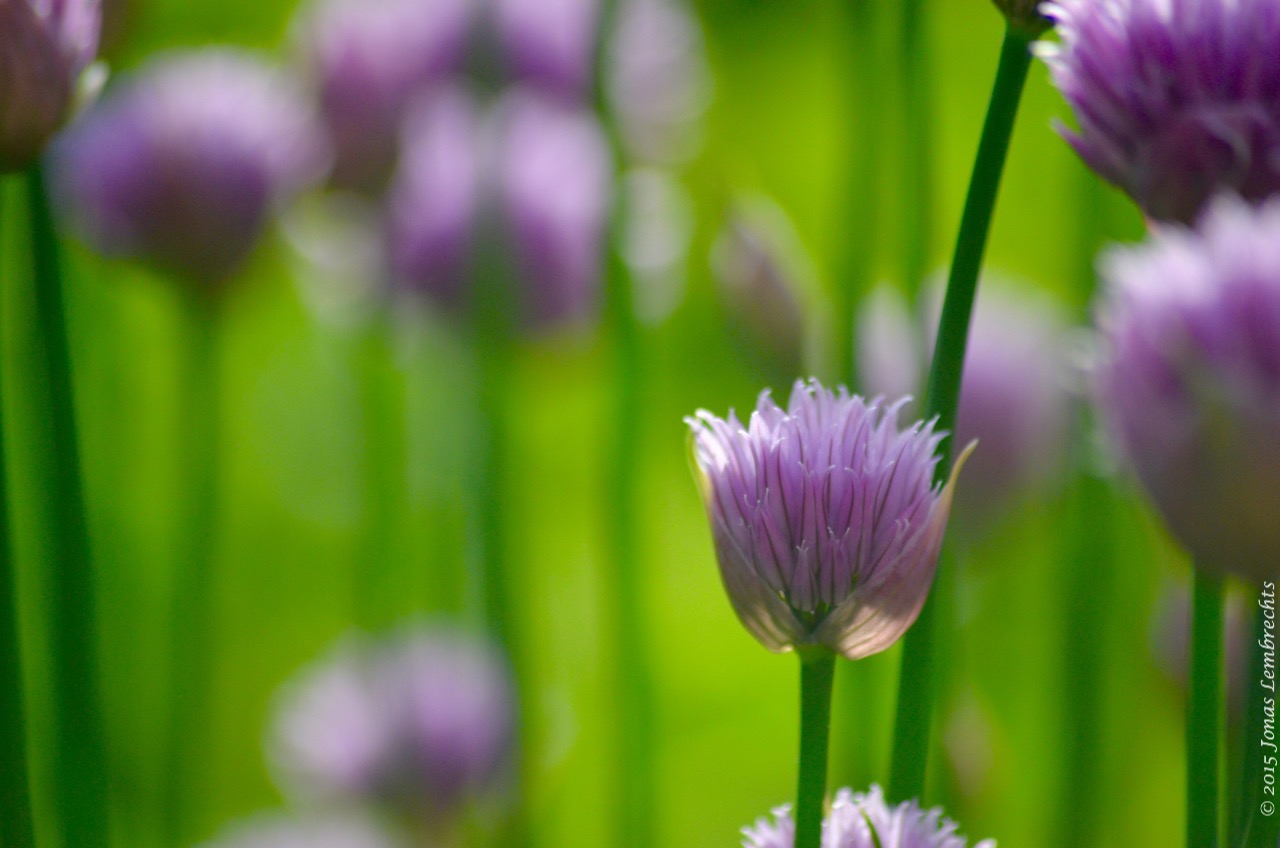
Flowering chives

I had a busy time the last weeks preparing as many results as possible for the three main parts of my work that are going to be discussed there, and now I am packing my bags.
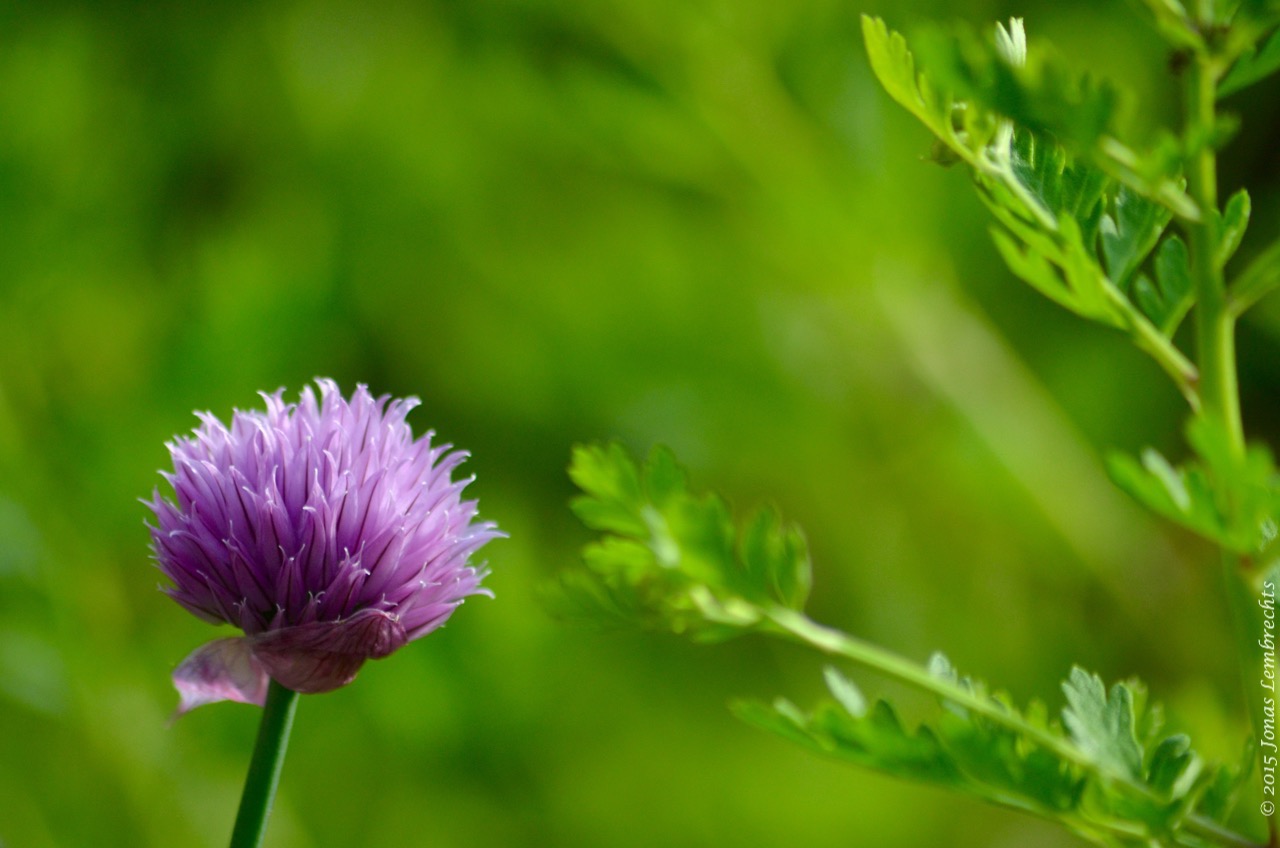
 Flowering chives

I always love these kinds of meetings, as they force me to wrap things up and summarise how far I am with my work. When everything is listed, the summary looks pretty good, but I can see some busy summer months ahead!
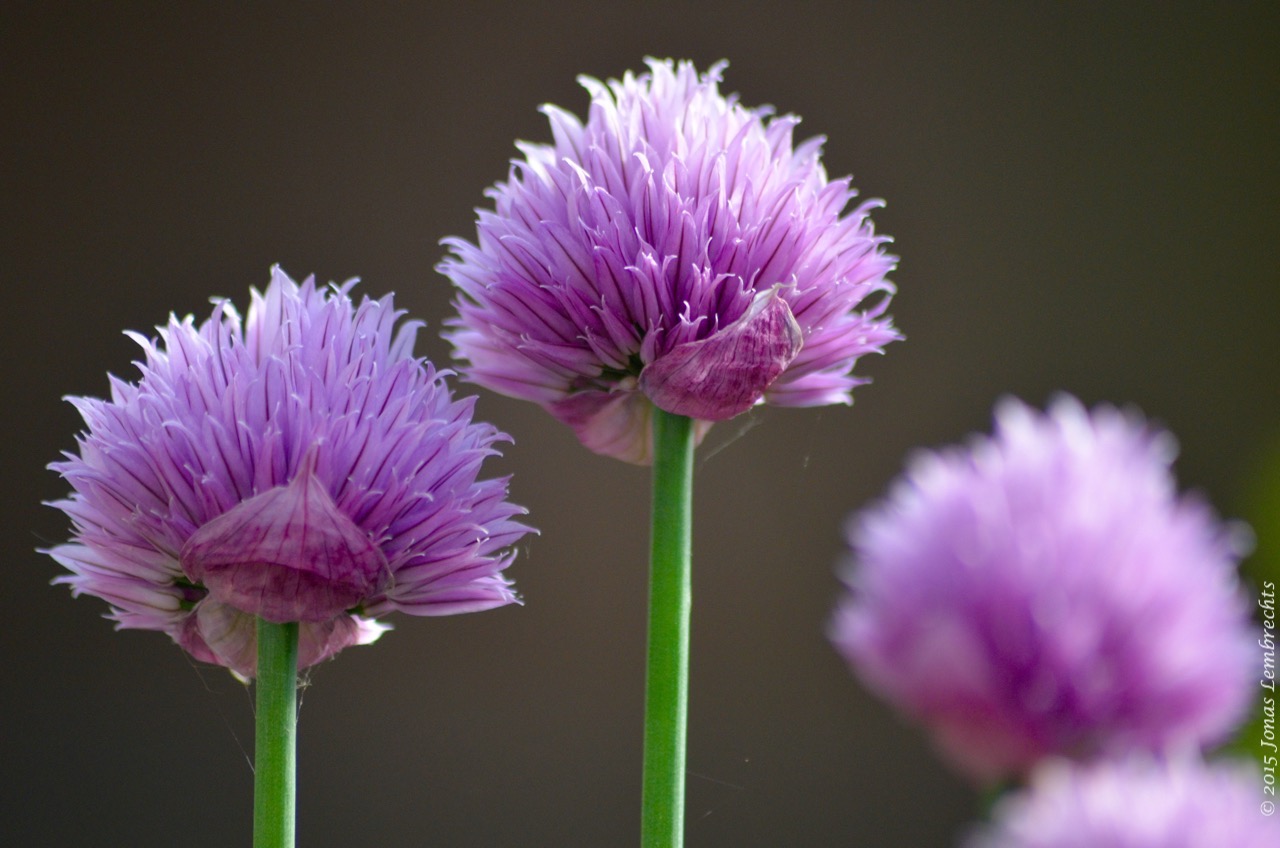
 Flowering chives

But first, I will enjoy the sunny spring weather in Flen, a little village south of Stockholm. And under this nice sun, I will gather plenty of useful ideas for future work and get useful comments on what I have been creating. Just hoping there are not too many interesting things to do!
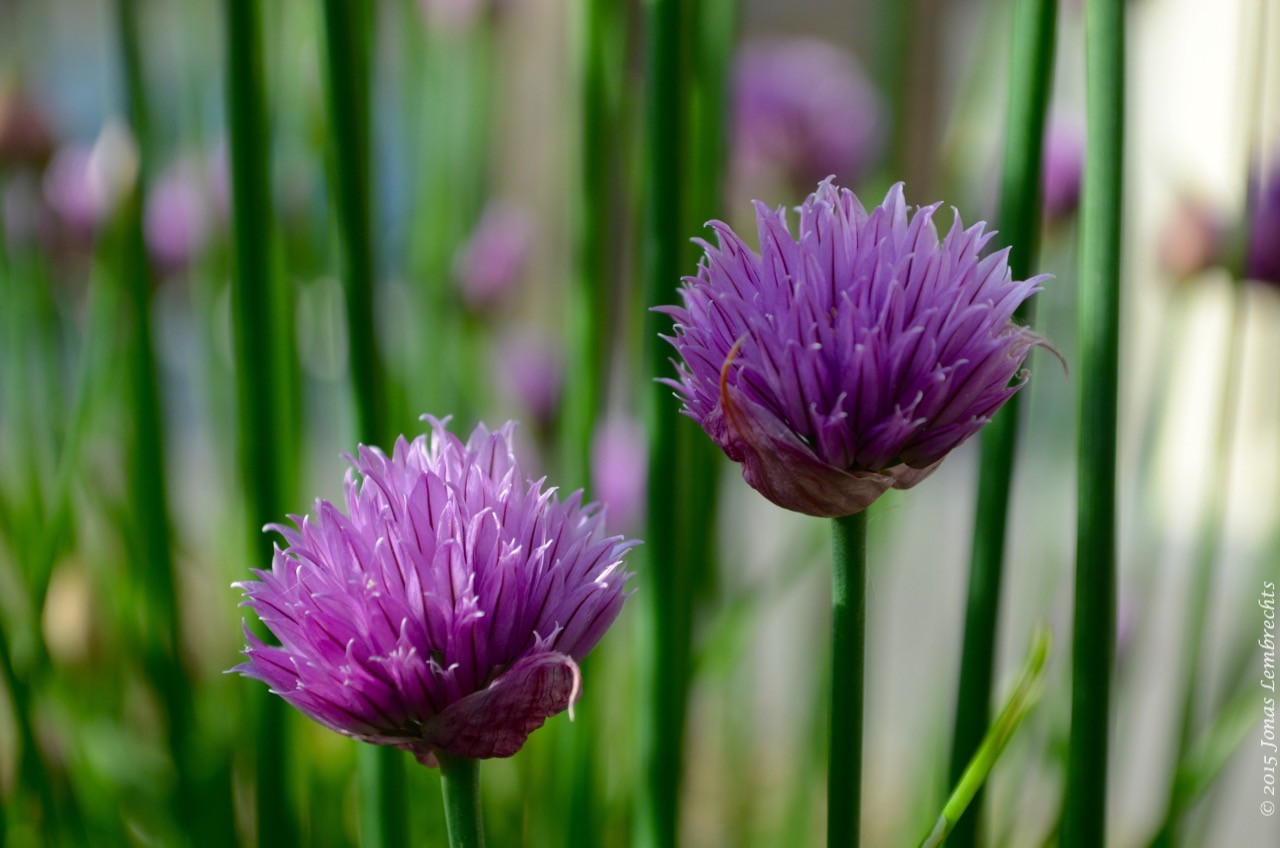
Flowering chives

The associated pictures have nothing to do with Flen, off course, but I just wanted to show the spring feeling from the garden in Belgium, as those pretty flowers seem to fit in the moment. 

Flowering chives

Posted in Sweden | Tagged , , , , , , , , , , , , | 1 Comment

That’s invasive!

Science has to keep up with the rest of society, in order to stay meaningful. Luckily, science is all about innovating, so the good ideas are plentiful.

Broom

Through the ‘Empowering biodiversity research’ conference in Brussels, Belgium, where big datasets in ecology got the praise they deserve – I stumbled upon a precious little thing that might symbolise the future of large-scale data collection in biodiversity conservation.

That precious little thing is called ‘That’s invasive’ and it is a smartphone app (available for Android ànd iPhone!) to collect data on some major plant and animal invasive species.

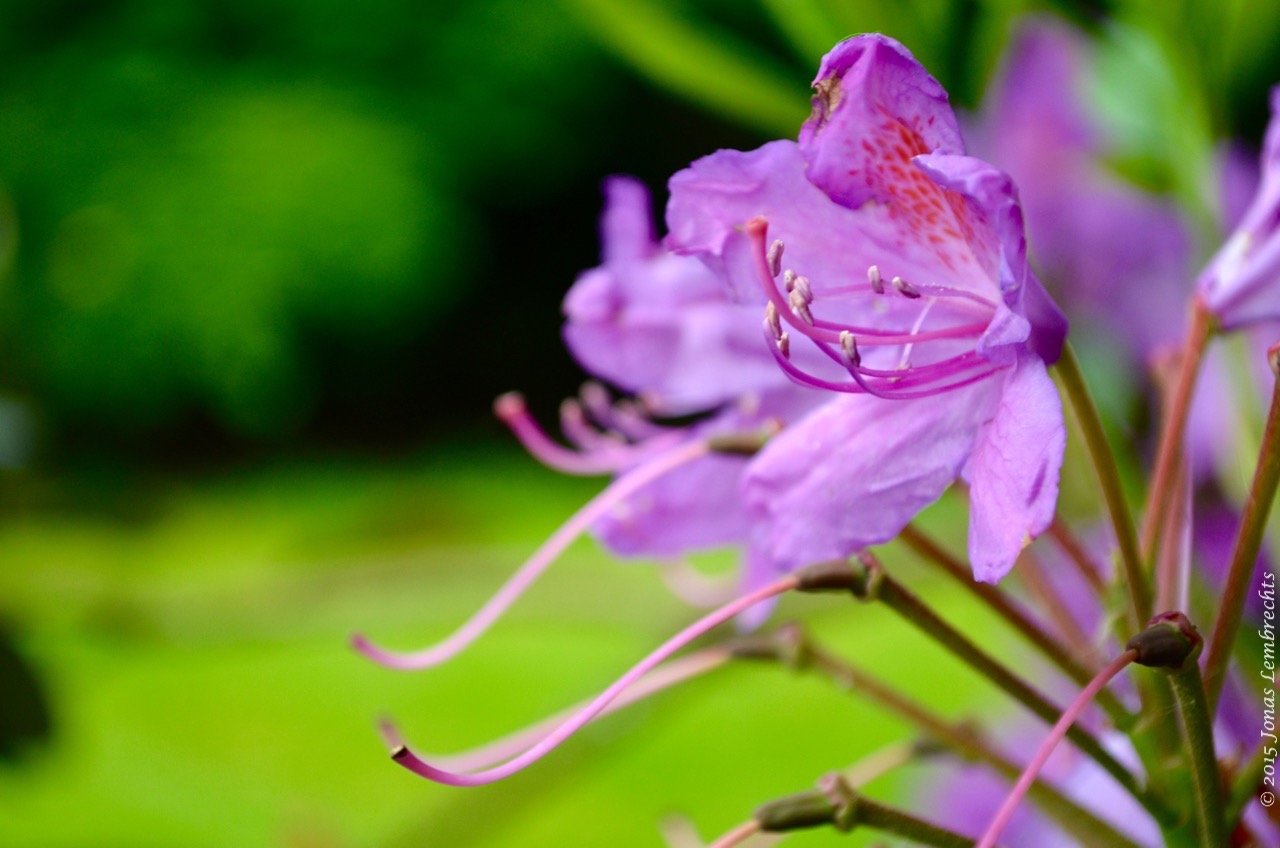
Invasive rhododendron, beautiful flowers, but unfriendly against all other plant species. Record its presence through the app.

Invasive rhododendron, beautiful flowers, but unfriendly against all other plant species. Record its presence through the app.

The app contains 24 highly invasive species from Europe, with clear pictures and explanations. It is very user-friendly (again, that’s part of the future) and allows you to locate the invader on a map, upload pictures and specify the level of invasion . The app contains animals like the American Mink, Canada Goose, Ring-Necked Parakeet and American Bullfrog, together with a bunch of water plants and species like Himalayan Balsam and Giant Hogweed.

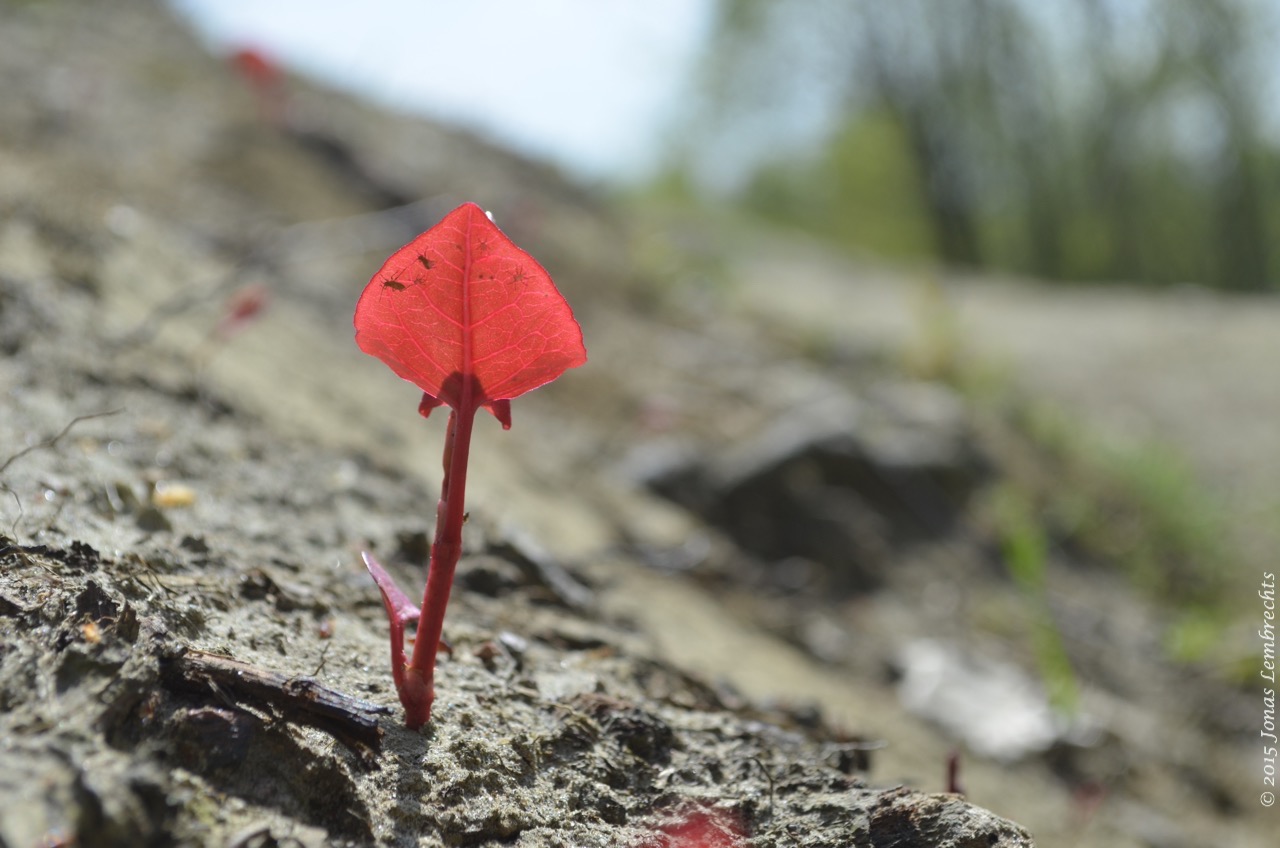
Seedling of Japanese knotweed, enough to trigger a whole new invasion! The app could help following these new outbreaks.

Seedling of Japanese knotweed, enough to trigger a whole new invasion! The app could help following these new outbreaks.

With enough community awareness, this app could be the key to follow plant and animal invasions at the front line and as such, it definitely deserves our support and a bit more publicity!

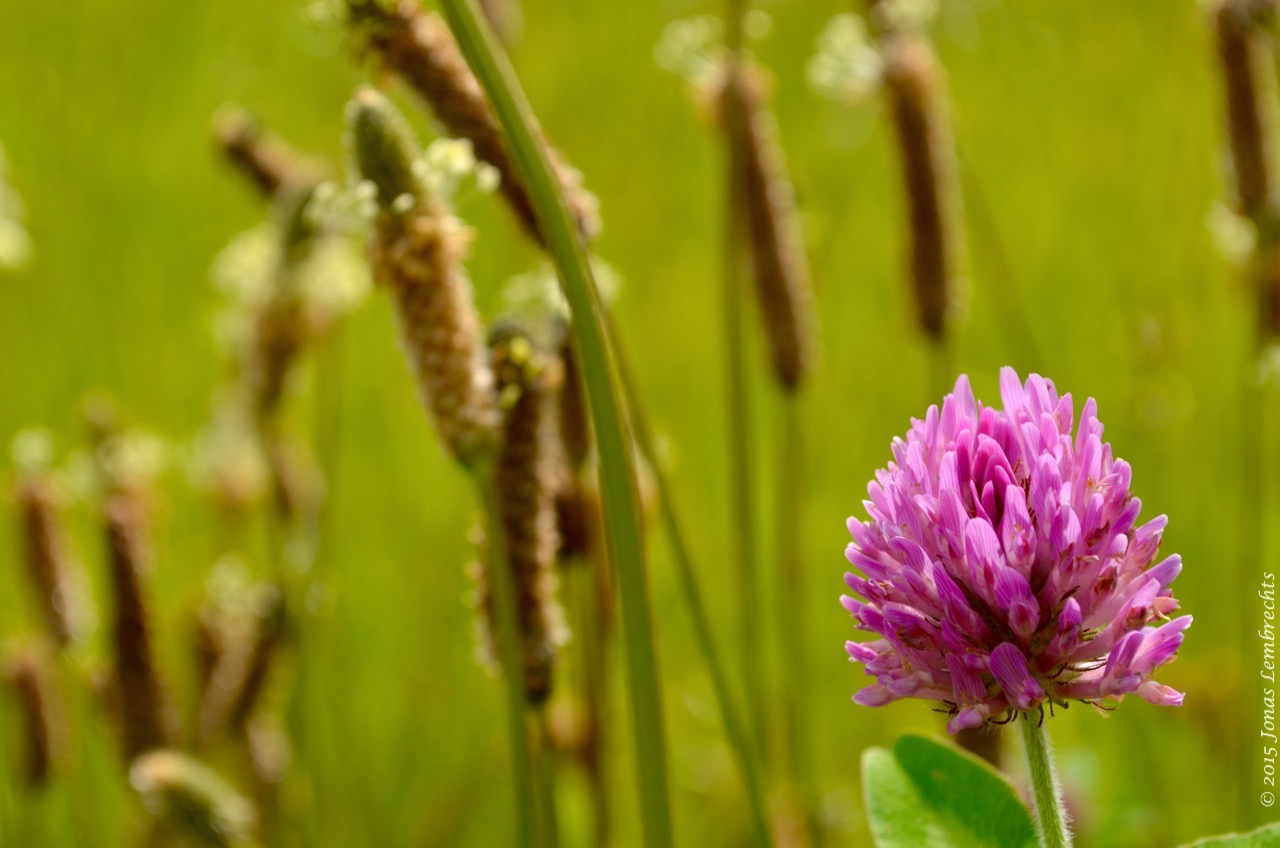
Currently, the app focusses on 24 European invaders, but it could do with some more species and a global scale. Tracking the global expansion of red clover, for example, would be a nice extra.

Currently, the app focusses on 24 European invaders, but it could do with some more species and a global scale. Tracking the global expansion of red clover, for example, would be a nice extra.

Find more information on the website of RINSE and start recording your own invasive species!

Posted in Belgium | Tagged , , , , , , , , , , , , | 3 Comments

University of the Arctic

DSC_0148

It are the little things that can make someone happy. Some of my Swedish pictures are featured on the website of the University of the Arctic.

DSC_0061

That idea is already nice, but I also find it nice to be associated with this initiative. As they say it themselves: the University of the Arctic (UArctic) is a cooperative network of universities, colleges, research institutes and other organizations concerned with education and research in and about the North.

DSC_0241

This page shows you a nice map with a bunch of yellow dots, with all the institutes associated with the University of the Arctic. They study a broad range of disciplines, from business to art in their aim to connect everything that is known about the Arctic.

DSC_0035 - Copy - Copy

Such a global collaboration effort deserves some support, as it might strengthen the future of this precious cold region.

DSC_0096

Posted in Sweden | Tagged , , , , , , , , , , , , | 3 Comments

Hidden in the woods

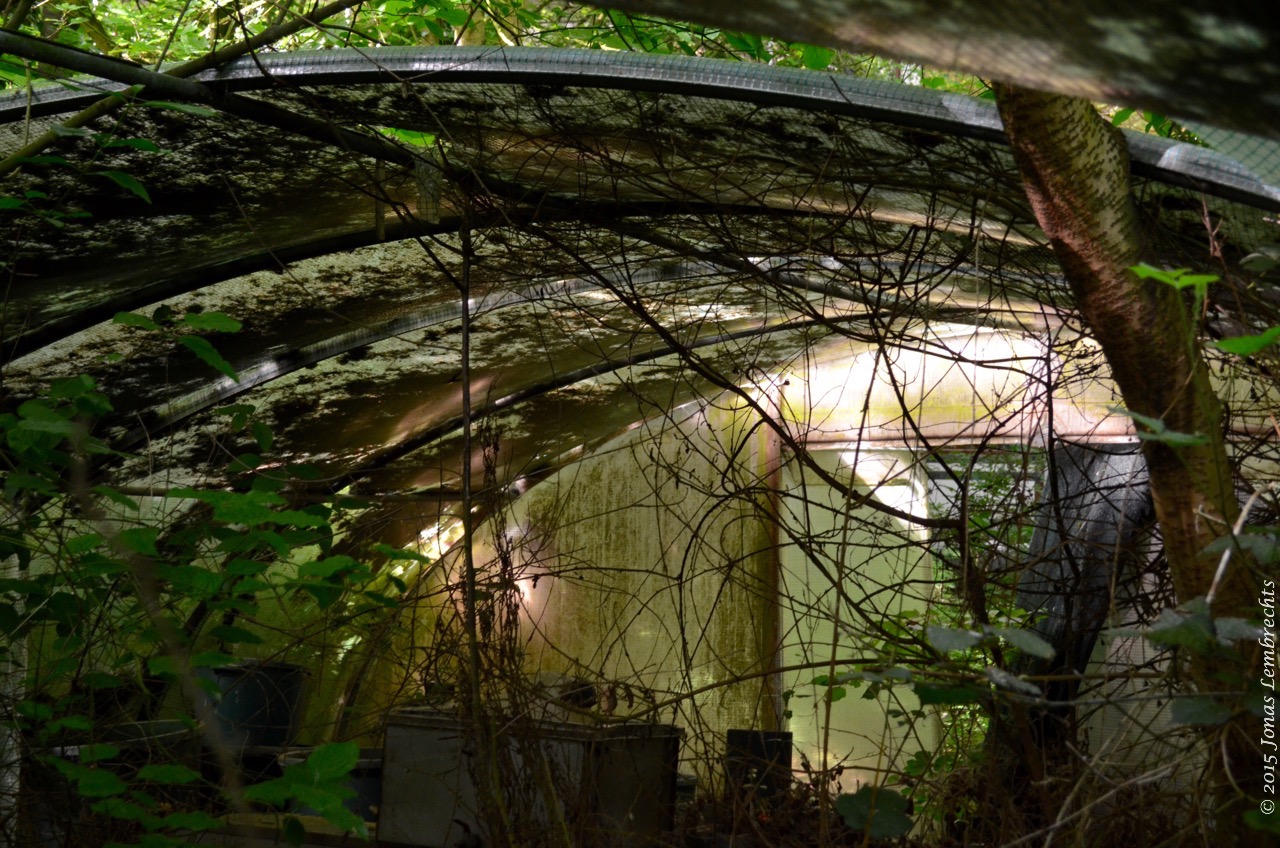
Where is the greenhouse?Underneath the cover of a dense forest canopy behind our office buildings on campus, there hides an old and forgotten greenhouse.
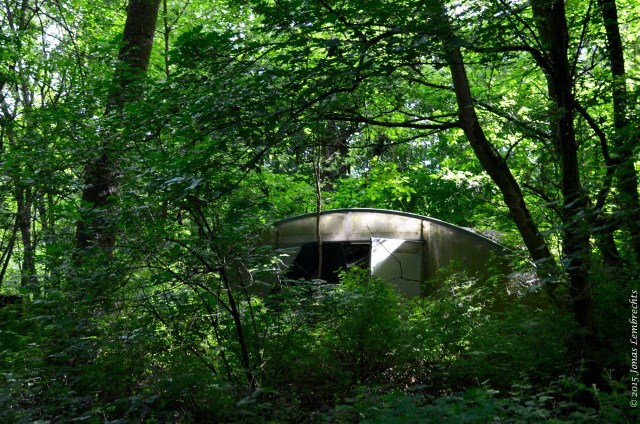
Greenhouse in the woods

In summer, it is almost invisible from the forest edge, as it is completely overgrown by a wild and dense network of nettles, thistles and sprouting trees. It has been standing there for over 30 years, abandoned and forgotten, slowly deteriorating.

That's a messy greenhouse

Inside, it is a terrible mess, and the greenhouse might seem totally lost for any purpose, just waiting year after year for its death sentence. The metal construction however perfectly survived the battle against time, and it is that unbeatable quality that will safe its life.

DSC_0014

For our experiment this summer on the university campus, I was looking for a rain-out shelter to simulate extreme drought conditions. And despite its bad conditions, this greenhouse might perfectly fit those plans.

DSC_0011

So next month, we will dismantle the structure and move it to our experimental field site. The content – a complete mess accumulated over 30 years of non-use – will be thrown away, as will be the useless remainders of the cover.

Tropical forest-style

And then: a new life, a new beginning… and for me a perfect solution for my practical problem!

Posted in Belgium | Tagged , , , , , , , , , | 4 Comments

Empowering biodiversity

image

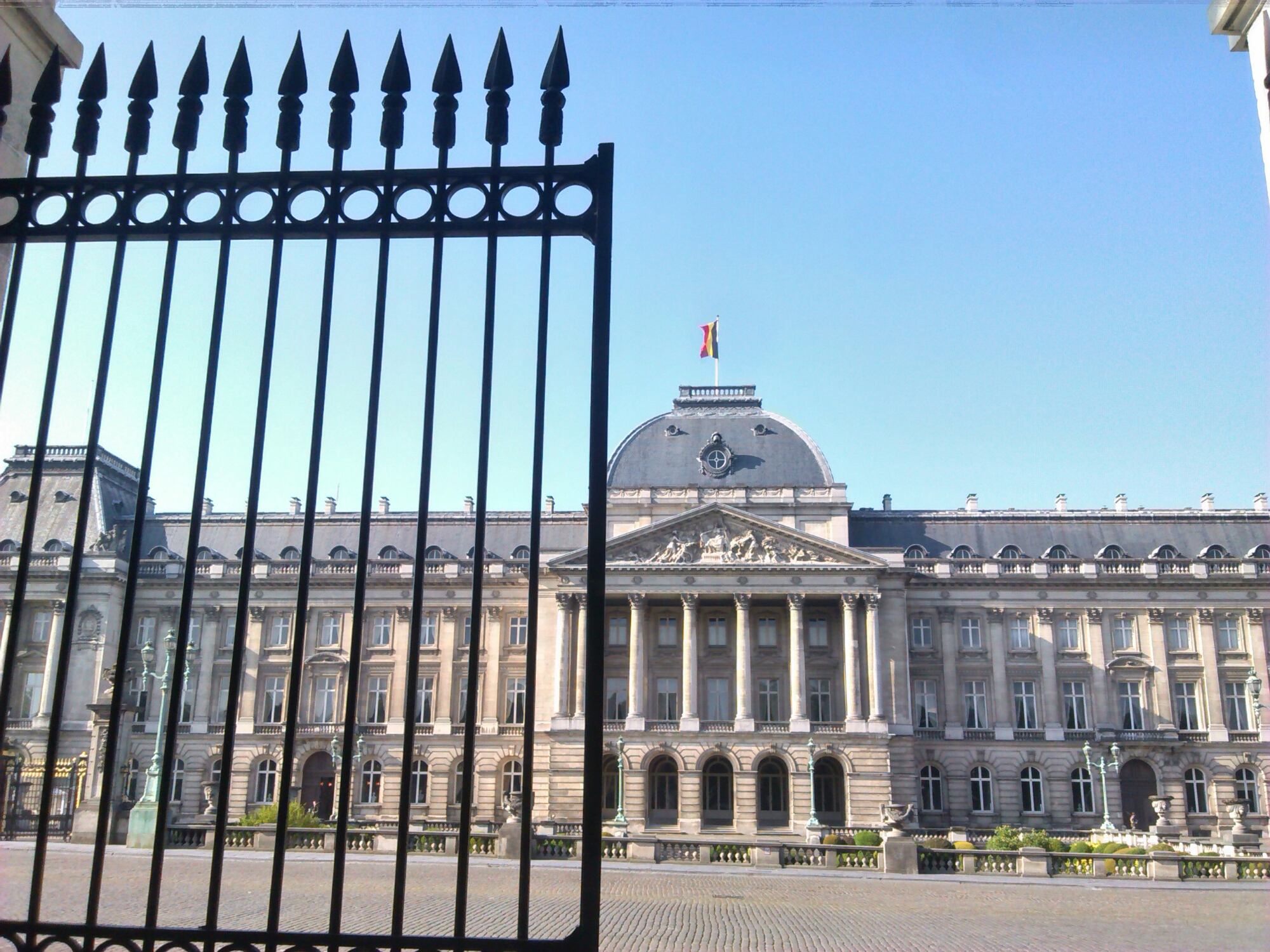
Presenting close to the royal palace

Off to beautiful Brussels today for a conference on the use of large scale datasets in ecology (the future!).

image

The place to be

I present a poster on my plans to model the distribution of mountain invaders based on our global dataset.

image

In the meantime, I improve my knowledge on everything that is happening and possible in this fast changing field.

image

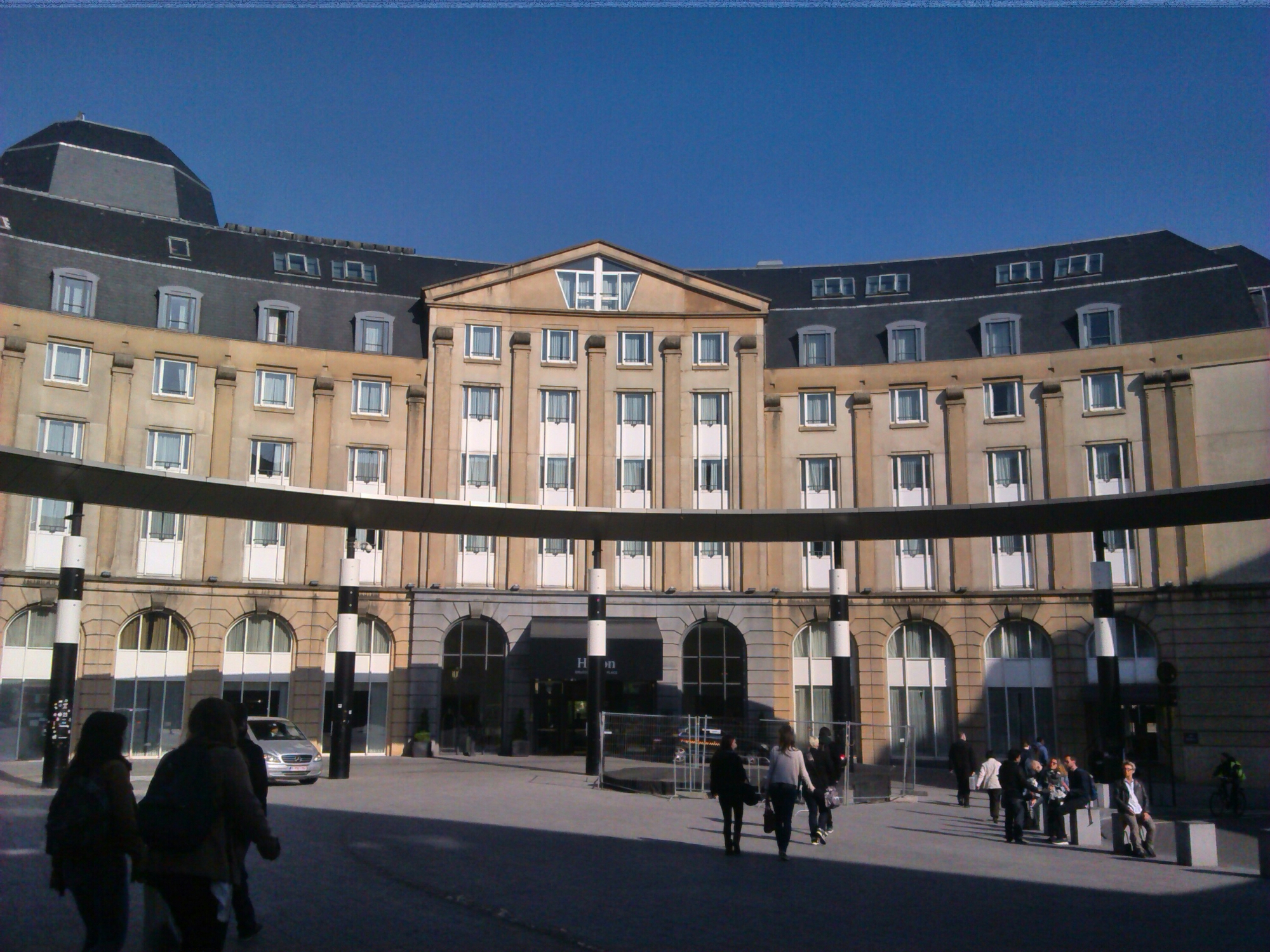
The royal academy in Brussels

Posted in General | Tagged , , , , , , , , | Leave a comment

Follow your nose

In between the corrections of the reports of my students in the course on forest types, I took some free time roaming through little forest patches in the southern half of Flanders, close to the capital.

Wood garlic in Hellebos

It was in one of these patches that I stumbled on a nice surprise, early on an otherwise normal spring morning in May. The surprise was called wood garlic and was preceded by an unmistakable fragrance. Following my nose, I found whole forest floors filled with this nice wild garlic plant with its white starry flowers.

 Wood garlic in Hellebos

For a guy who spent his whole life in Antwerp in the north of Flanders, these forests filled with wood garlic are an uncommon sight. The species prefers loamy nutrient-rich soils right outside seeping areas; conditions that are hard to find in my home region.

Wood garlic in Hellebos

And that is a pity, cause this species represents a highly valuable forest type with a wonderful feel (and smell!) But be quick if you still want to see their delicate beauty this year, cause most of the little white stars are fading to green at the moment of writing.

 Wood garlic in Hellebos

The students did a fine job with their reports, although they, too, seemed to struggle with  the borders of the different forest classification. If you move ten meters, and your understory changes completely to the complete other side of the spectrum, this task is indeed not an easy one.

Posted in Belgium | Tagged , , , , , , , , , , , , , | 3 Comments