Last week, we properly kicked off the fieldwork season. Under a bright April sun, we made our way to ‘De Boeije’ – a cosy, somewhat hidden farm right on our own campus at Utrecht Science Park.
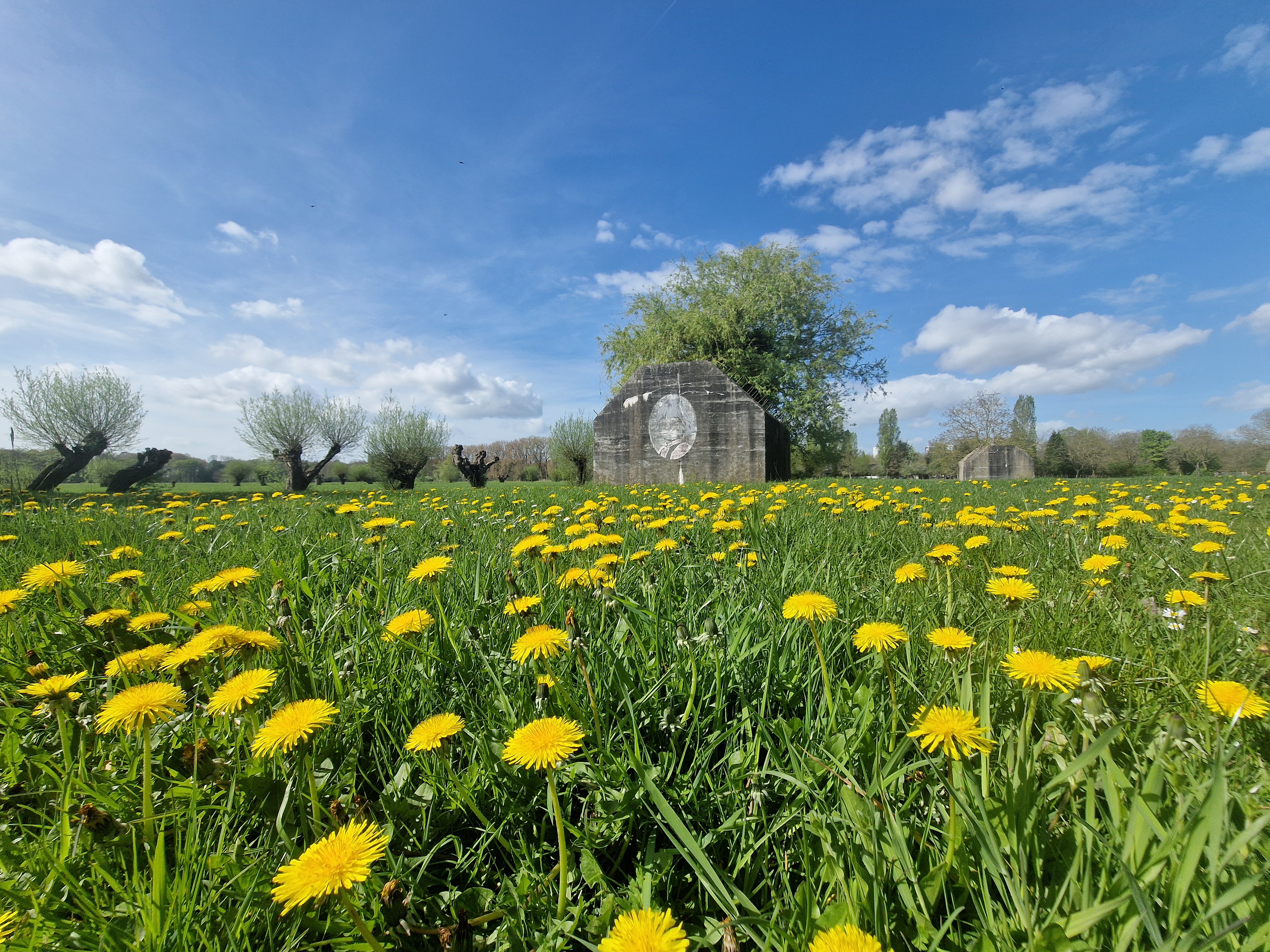
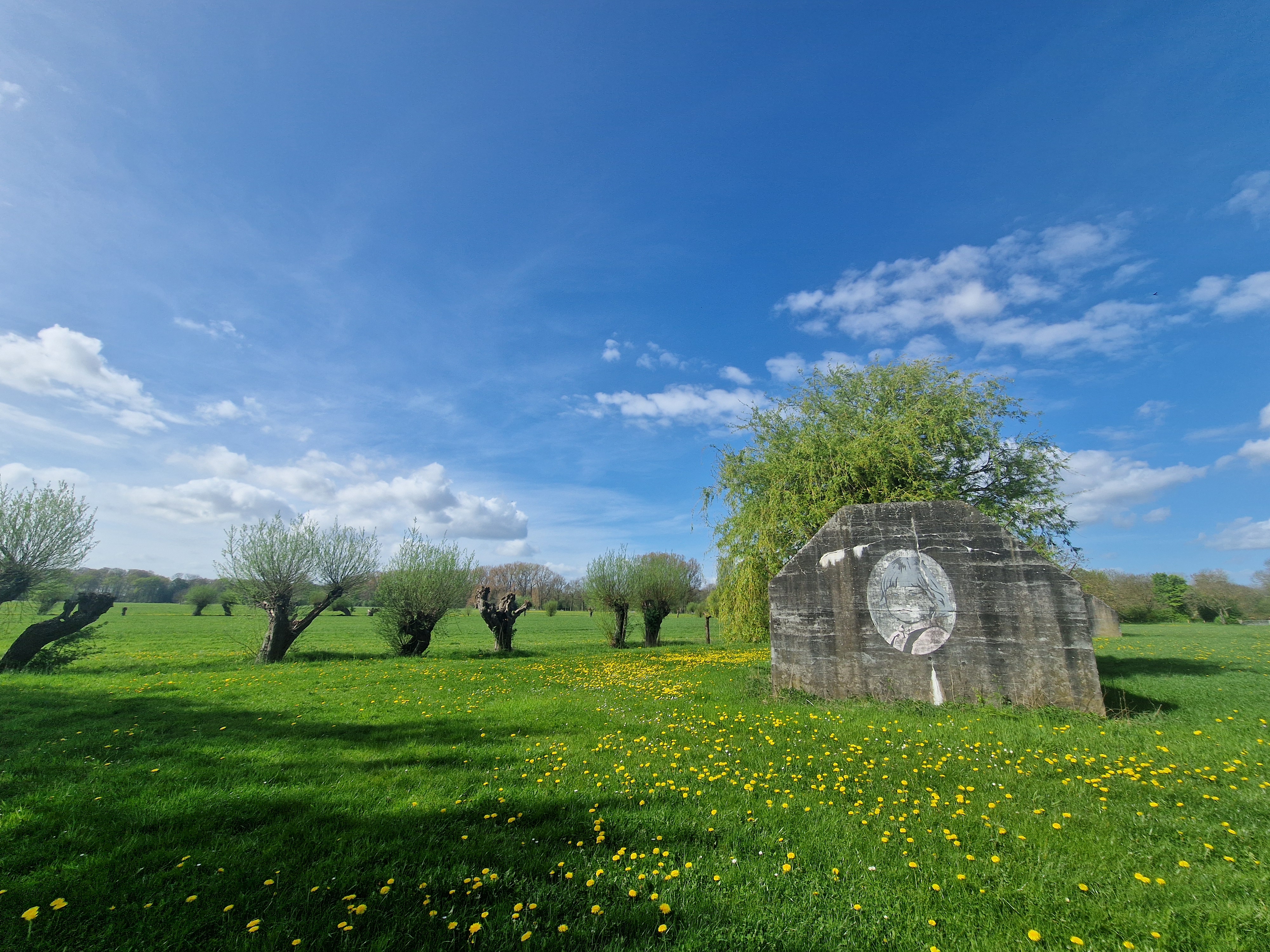
I’m not sure how many of the thousands of people passing through the campus know about this little gem, but it’s well worth a lunchtime walk to the southwest corner on a sunny day.
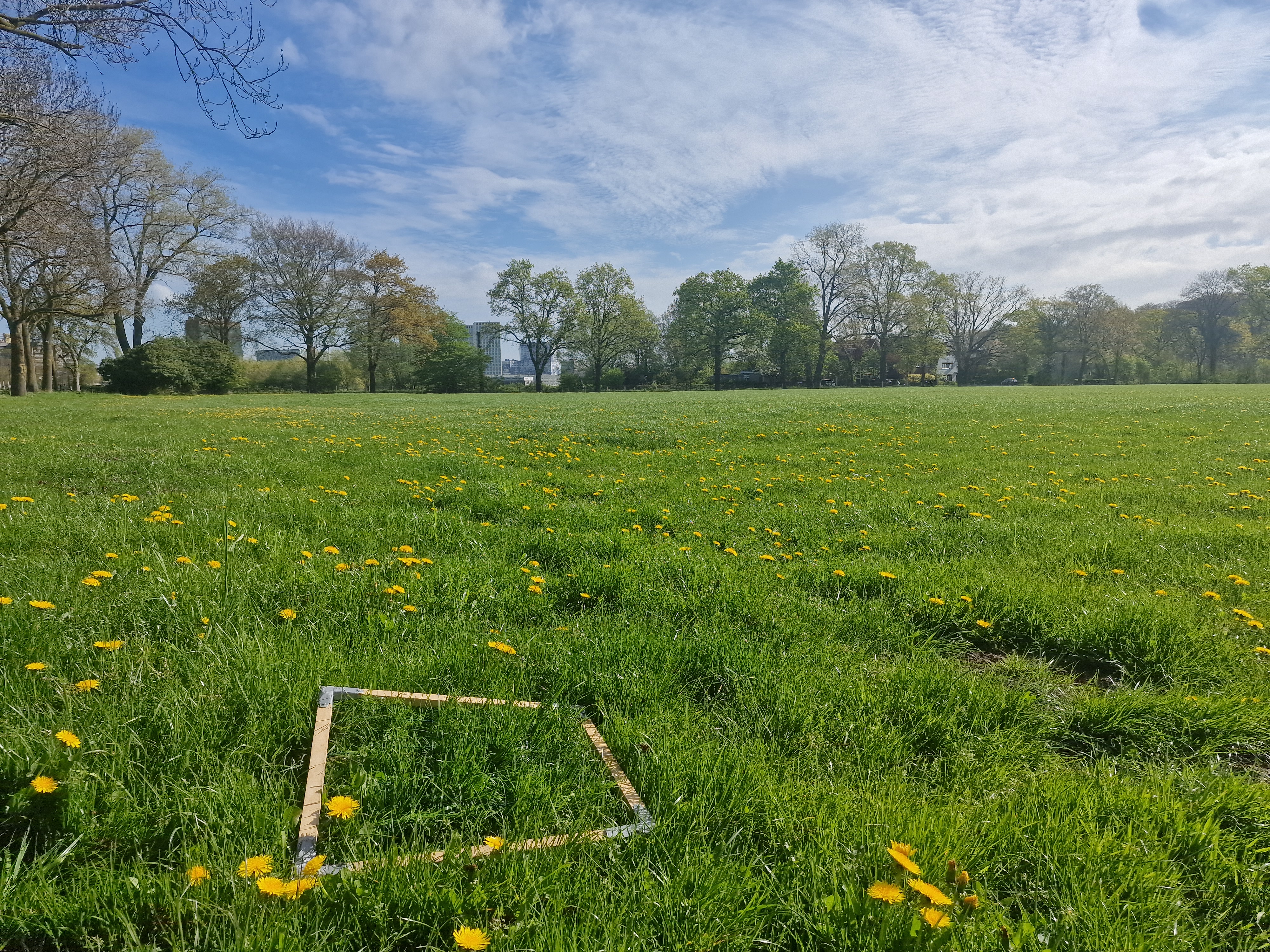
This time, though, we were there for more than just a walk. We’re monitoring biodiversity as part of our global Ecological Fractal Network. Across the site, we sample vegetation in 1 × 1 m plots at multiple spatial scales to understand how biodiversity is distributed – and, crucially, how it can be maximized across those scales.
This hidden farm is one of the project’s flagship sites. Here, we are not just observing change, we are actively helping to shape it. De Boeije has been made into a Living Lab as part of Utrecht University’s Pathways to Sustainability. Within this Living Lab, we’ll collaborate with a wide range of stakeholders – from farmers and neighbours to schools and scientists – to experiment with more biodiverse and sustainable forms of agriculture.
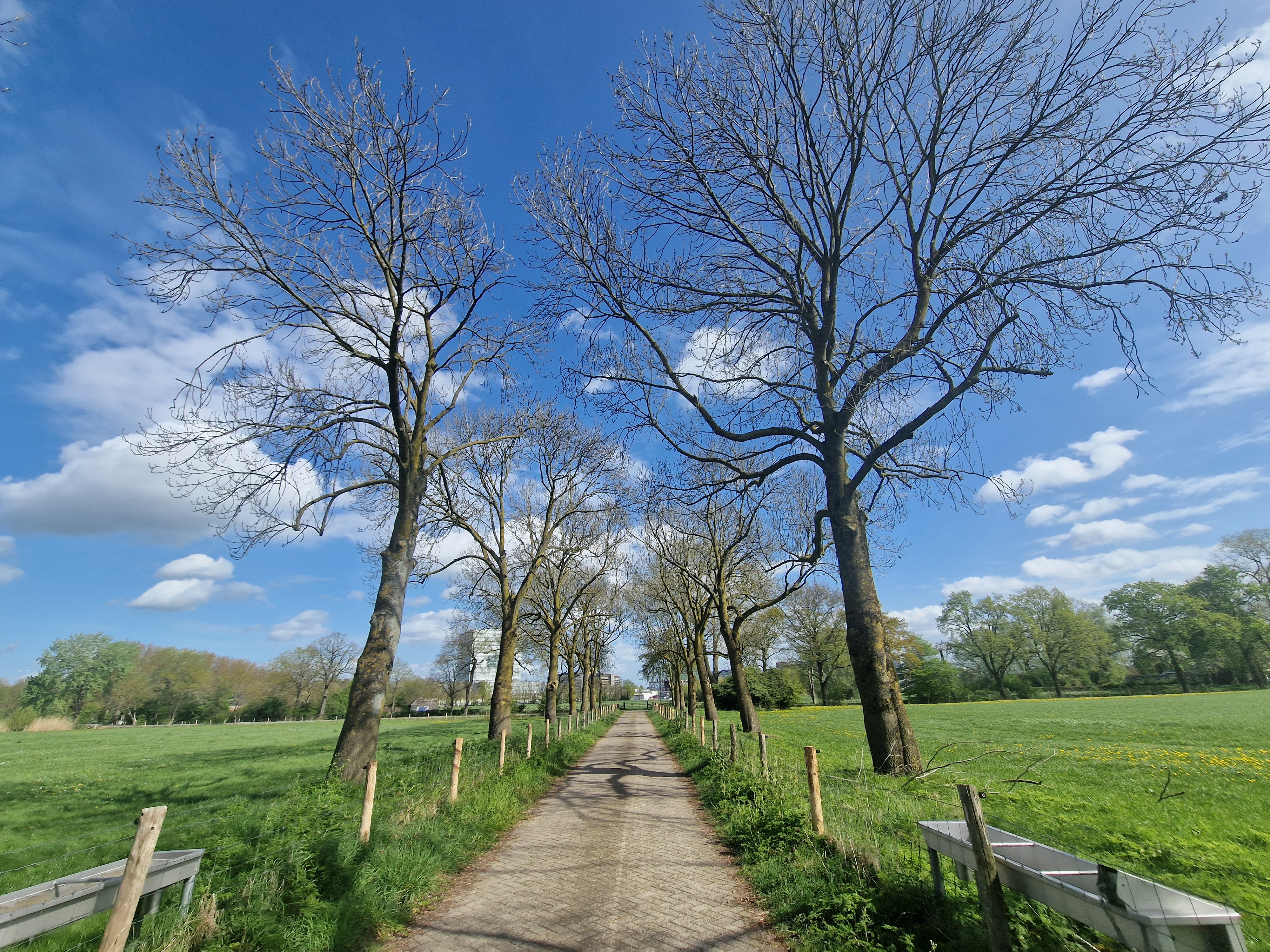
Funny thing: we were already monitoring biodiversity here, and that monitoring has now neatly turned into the monitoring of baseline conditions, before these changes will take place. As the photos show, the farm is already relatively low-intensity, but we expect (and hope) to see further substantial improvements in the coming years.
And when those changes happen, we’ll be there to quantify them!


