Put it to the test

Research equipment should live up to high standards. And that is not only limited to the expensive stuff, everything should be high quality so it will not ruin the results.

Today, I tested some waterproof markers on their ability to survive harsh conditions. I had five different ones, all of them at least claimed to be waterproof and suited for outdoor marking.

image

I tried them all on the white plant labels that would serve to mark every patch of seeds, so we will be able to find them back next season (so they should be able to survive a summer and a winter).

image

Then I used the power of my thumb to simulate a ‘harsh condition’. The second one was a complete lie, one soft swipe with my finger and all the letters were gone! The others did much better. Mister Edding 8055 lost most of his color, but the three ‘permanent’ markers came out as quiet permanent.

I decided that the one on the right won the game, and started marking my 1728 labels.

image

Read my latest post about all these preparations for the field season on the Arctic Research blog

And take your time to take a look on the right of this blog, were I created a new PHOTO GALLERY of my time in France!
Posted in The research | Tagged , , , , , , | 2 Comments

The escape of the morpho’s

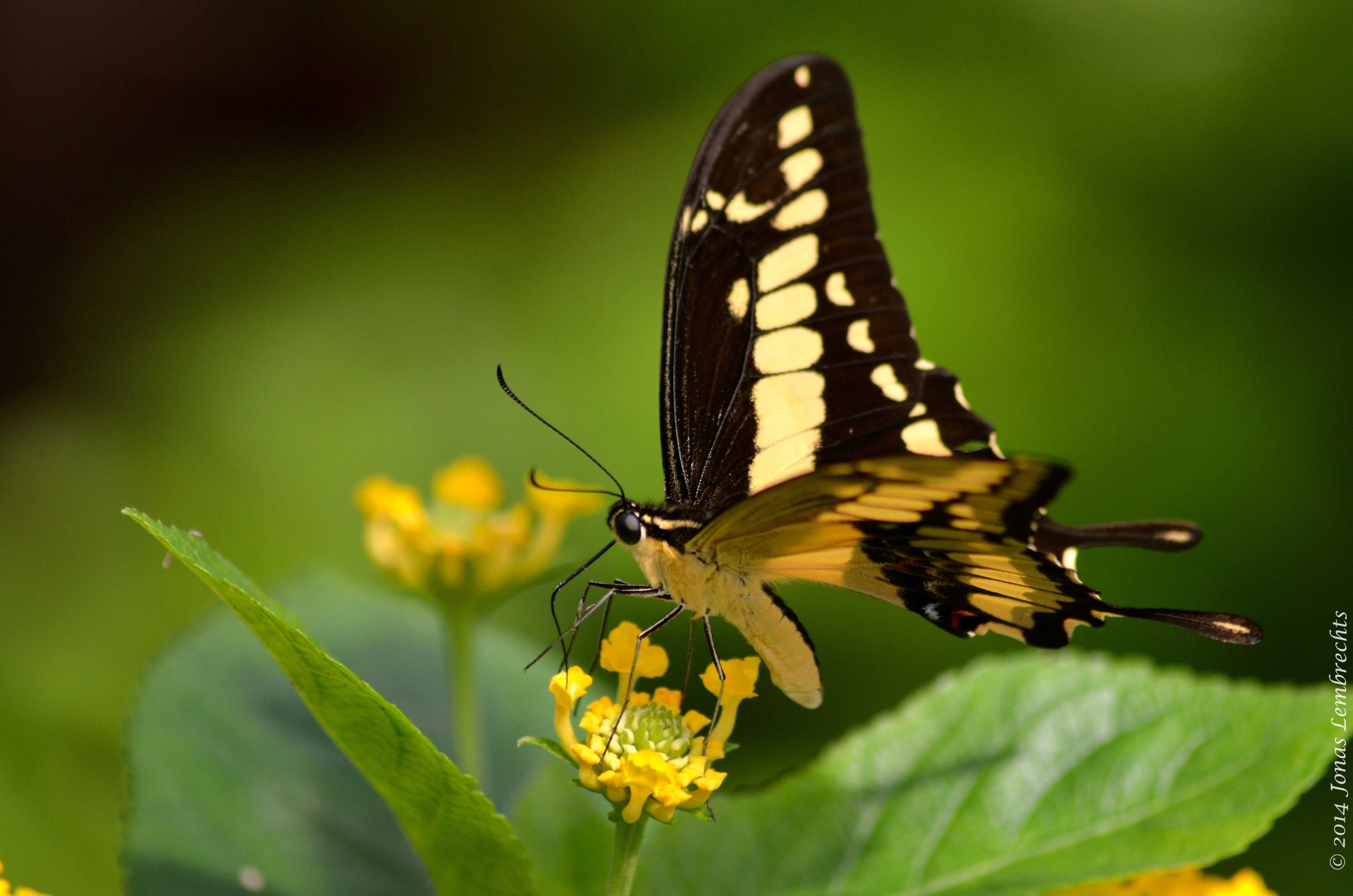
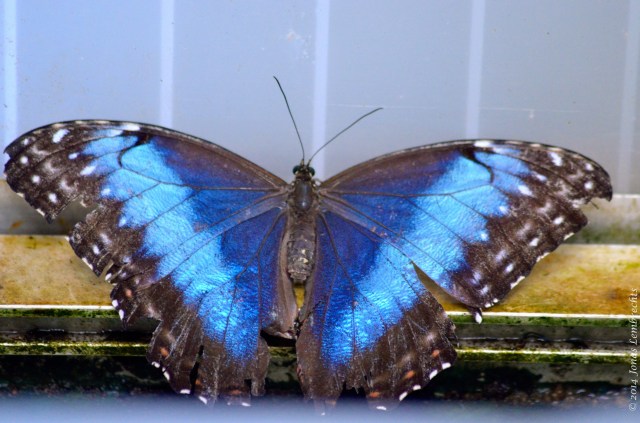
It sounds like the title of a cheap science fiction movie, but the title roll is played by fragile, beautiful butterflies. The severe hail storms of a few weeks ago damaged the glass dome of the butterfly garden of the Zoo of Antwerp, allowing several blue morpho’s to escape.

Blue morpho in butterfly garden

They are an impressive sight, with their 15 centimeters of span. Now, they might be bringing a little bit of South-American rainforest to the Antwerp city center.

This escape can serve as a classical example of how alien species appear in our natural system. However, it also shows immediately that not all aliens should be treated with the same fear.

Butterfly garden

Chances are limited that the morpho’s, with their fragile wings and love for the hot humidities of the rainforest, will follow the same path as, for example, ring-necked parakeets. We can be fairly certain that they will not survive long enough in our climate. The first day of winter will already be impossible to survive.

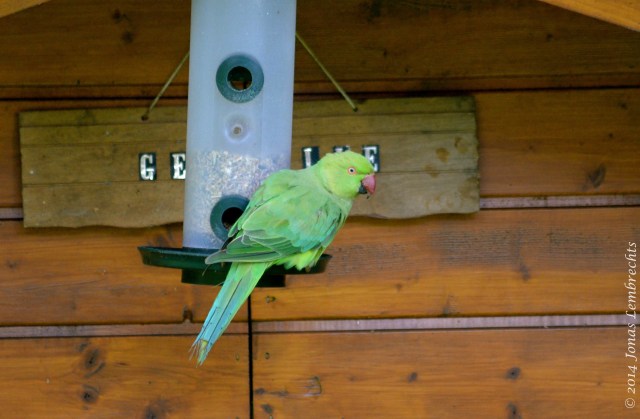
Ring-necked parakeet around Brussels

Ring-necked parakeets managed to establish a large population in Belgium from some escaped couples in the parks of Brussels. They are definitely facilitated by our habit to provide food sources for winter birds.

So: alien species, yes! Introduced by humans, yes! Invasive species? Not very likely. They probably belong to the 99 percent of introduced species that never even manages to establish a population.

But let this story be an example of how easy these introductions occur. We only needed one hail storm to release a completely new species in our ecosystem. In this case still a very visible species, it gets even less controlable with smaller species!

  Butterfly garden

Posted in Belgium | Tagged , , , , , , , , , , | 7 Comments

Stuck in Paris

Strikes in France, it seems to be a well-known event… For more than a week, the railway system had been working on reduced power due to striking of the employees. Uncertainty in the provided information tried to ruin what had been an otherwise smooth conference.

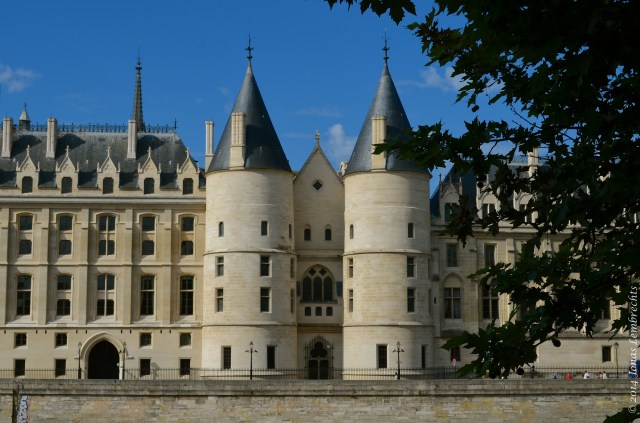
La Conciergerie and the Seine, Paris

Luckily, with the help of a good anticipation of the situation by the organization and a trustworthy minimum service on the tracks, we managed to reach Paris three hours earlier than expected. It took away an important part of my night’s rest, but it also gained me half a day in a sun-drenched city of international beauty.

Louvre, Paris

The latter almost made up for the former, as I decided to take a walk past some of the main attractions of the city.

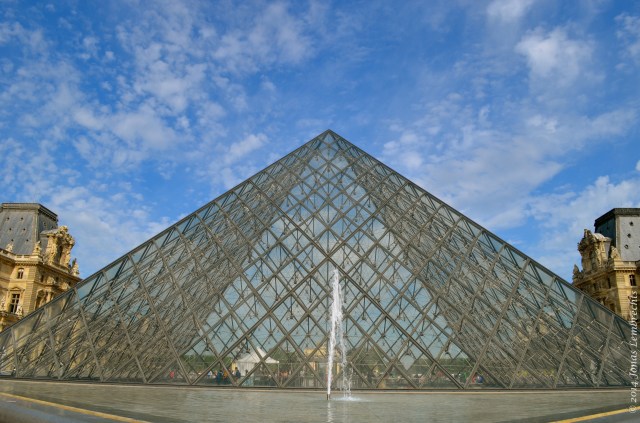
The glass pyramid of the Louvre

With the sun at the exact right temperature, the city showed itself from its best side. Thanks to a subway system free of strikes, I managed to see everything from l’Île de la Cité to the Eiffel tower, with impressive old buildings falling over each other around every corner.

La Conciergerie in the Palais de la Justice, Paris

Eiffel tower, Paris

I completely regained my love for this city, now I experienced a relaxing stroll along the Seine and through the Jardin des Tuileries.

Arc on the Place du Carroussel, Paris

Definitely a city worth the visit, even when it is involuntary!

Fountain in front of the Louvre    Louvre museum

Posted in France | Tagged , , , , , , , , , , , | 2 Comments

Hot and alive


It is summer in the Loire valley.

Common mullein and Loches castle

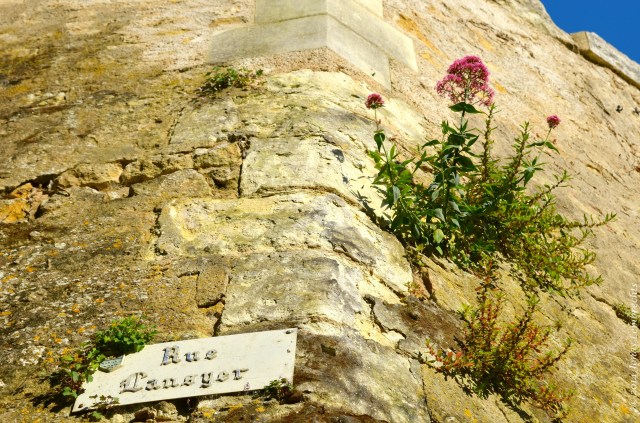
The old stones and castles are burning under the sun. Plants and flowers in the city experience dramatically high temperatures as they stubbornly survive between cracks and stones. I am walking through the streets, sneaking from shadow to shadow, breaking my head on why those plants deal way better with the hot sun and stones than I can.

Plant growing on wall

Those plants that battle the city summer provide a nice example of some of the main headlines of the conference here: what are the climatic limits of organisms? What kind of climate extreme kills plants and animals, and even more importantly: which ways do they have to change their own environment to overcome those challenges.

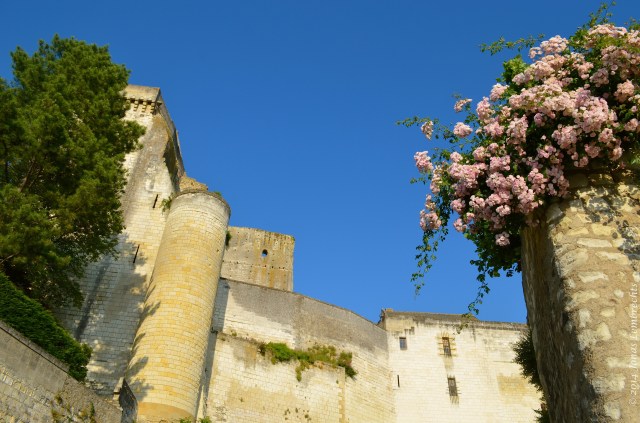
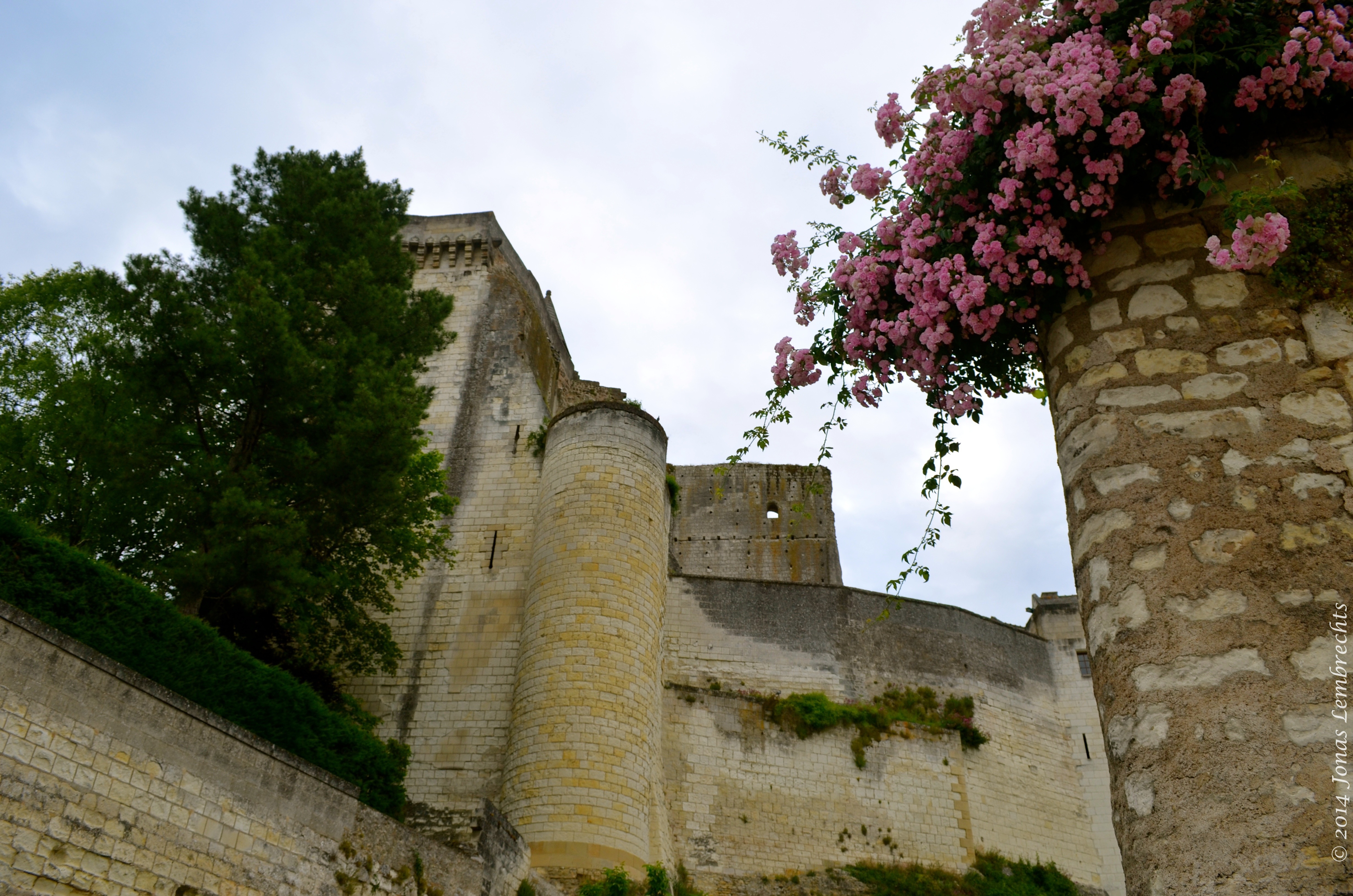
Castle Loches with roses

The most important take-home message here is that organisms never experience the climate and environment like we do. The temperatures that they experience might be completely different from what it looks like from our point of view. Moreover, they have an arsenal of opportunities to battle the extremes, even when they are unable to move to the shadow. Those two things combined might actually explain a lot of their surviving powers.

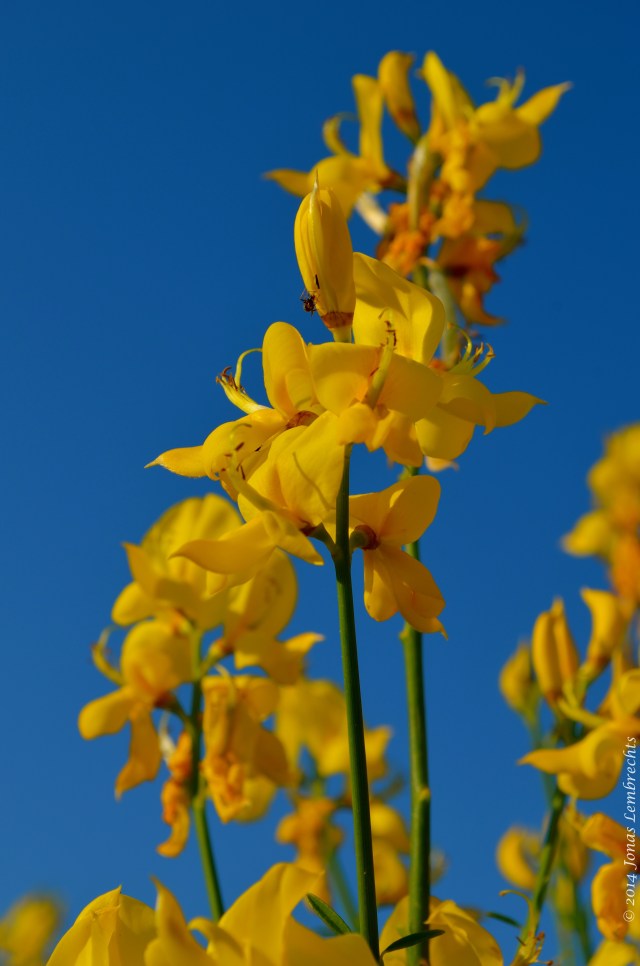
Yellow broom flowers

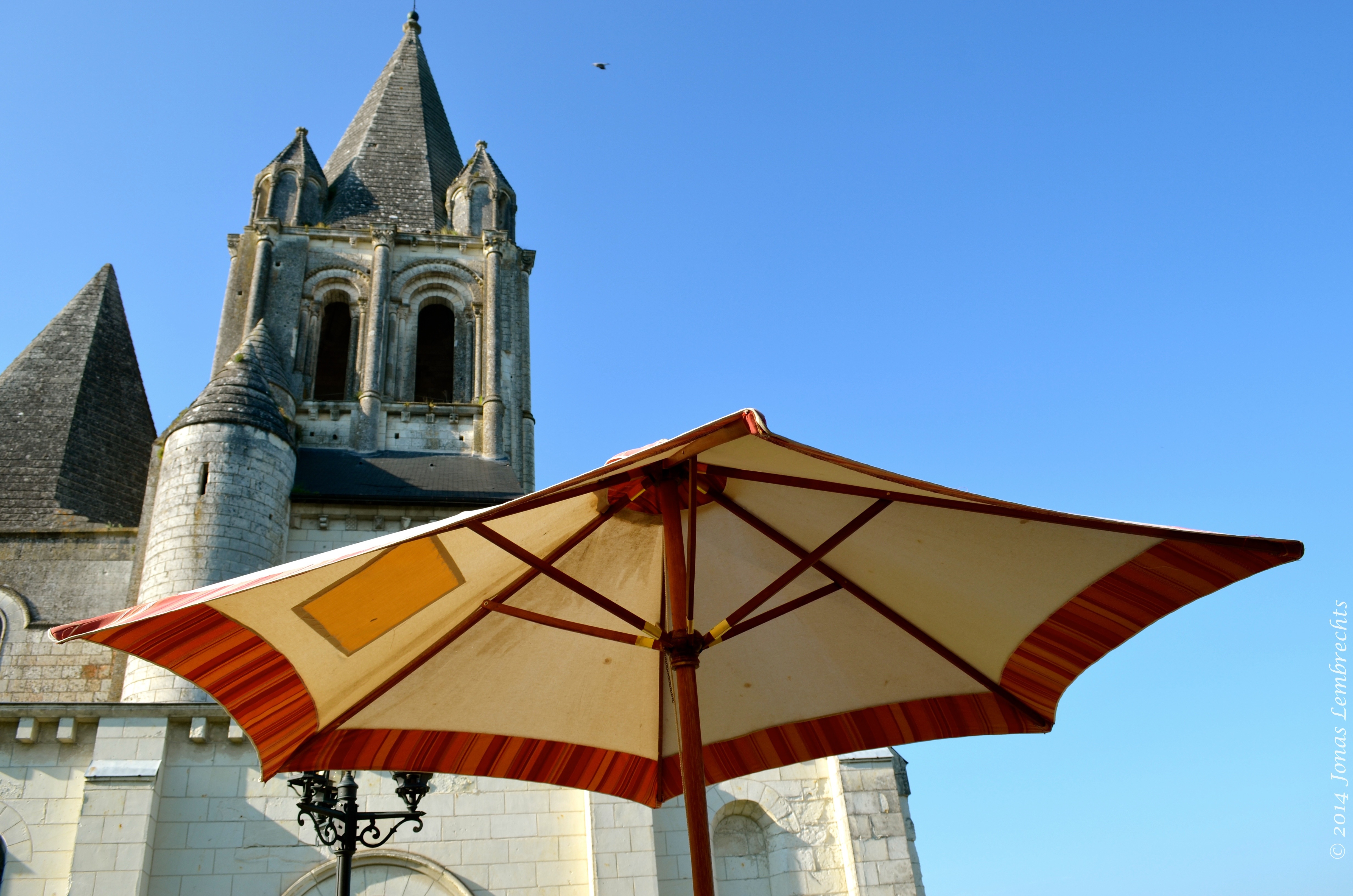
I found myself a cold fresh drink under a sun screen, summarized all the interesting things that were discussed at the conference and promised myself to get to the heart of how plants manage to beat me again and again in dealing with the extremes.

   Chilling in the Loches sun

Posted in France | Tagged , , , , , , , , , , , | 2 Comments

Between old stones

It is an old village, a valley filled with old stones and castles in the heart of France.

Dungeon in Loches

It might seem outdated and dead, but the old stony walls are blooming with flowers.

Summer flowers

The workshop that is going on overlooking these old stones is everything but old. Leading scientists from all over the world in the field of climate change biology gathered here to refine the focus of our questions: we should get away from the large-scale averages of climate and climate change that are currently used. We should bring down the scale to the level that is really experienced by the organisms: meters, or even centimeters.

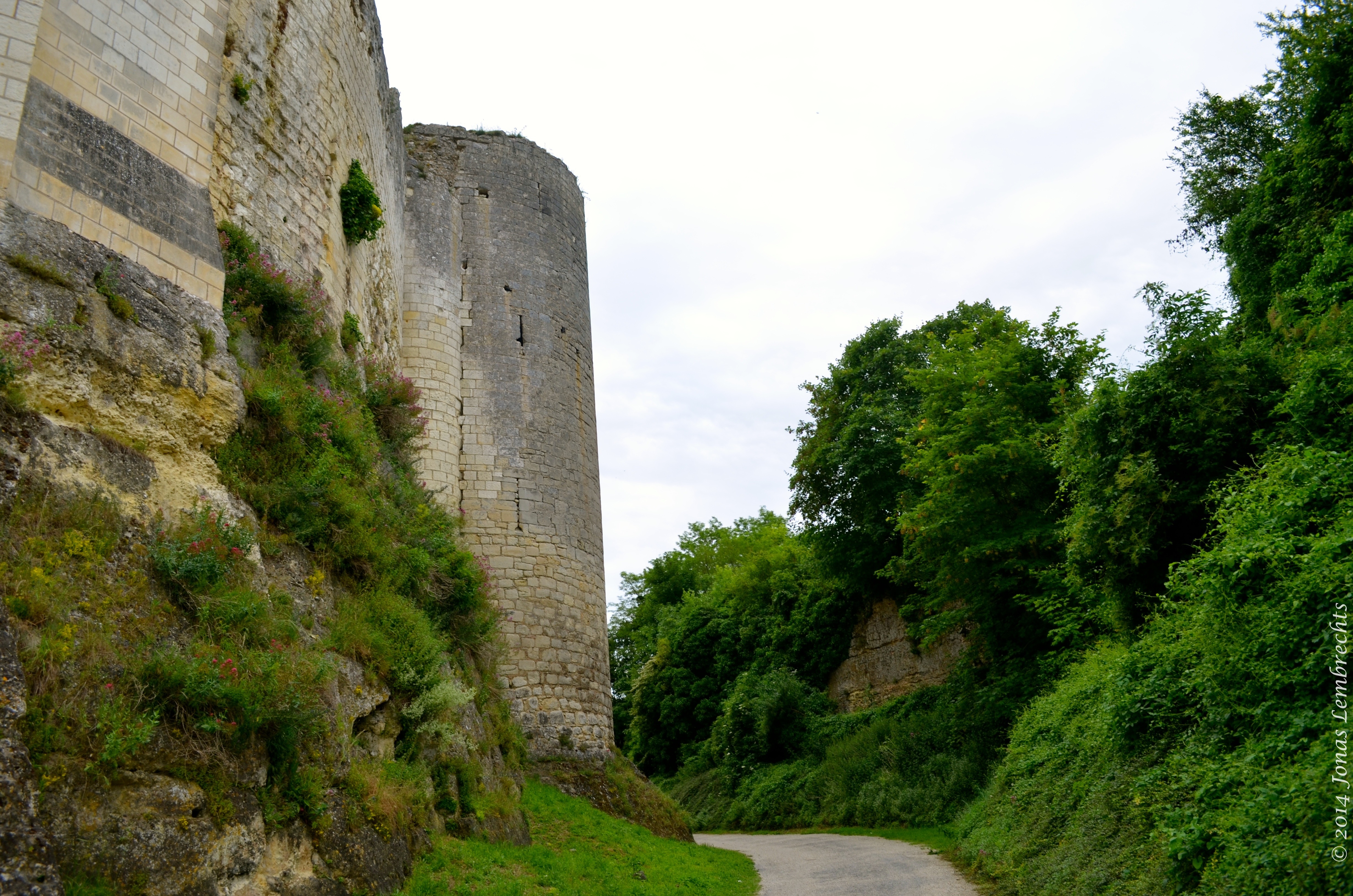
Castle dungeon in Loches

Only then, we can find reliable predictions of what the future will bring us. Only then, we might find ways to understand how plants and animals really experience the shifts in their environment.

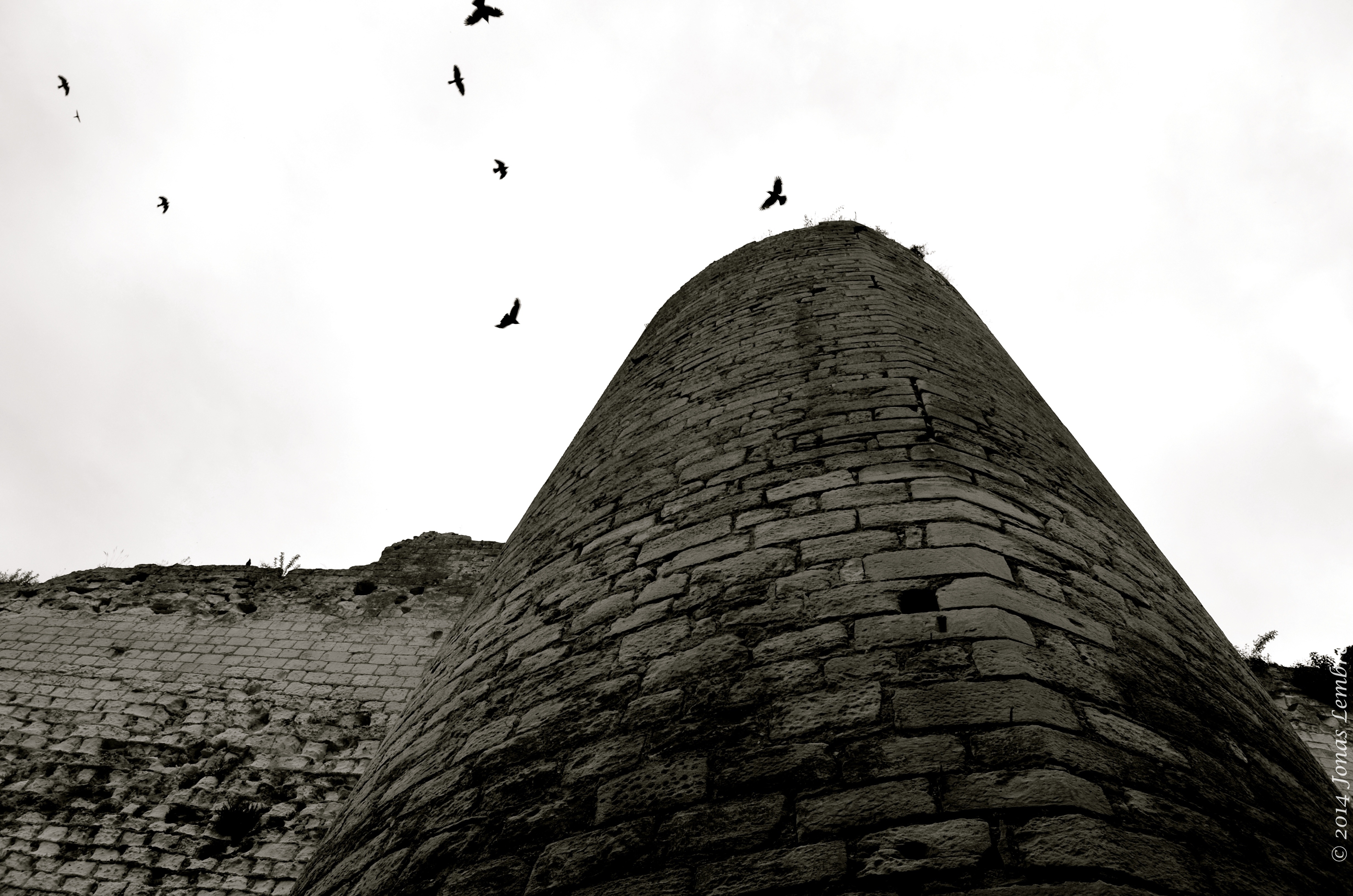
Crows around the tower, Loches

A major challenge, but the old walls of the Loire castles serve as witnesses of the power of a gathering of great scientists: together, we will find the answers we are looking for. And that is exactly why we are here.

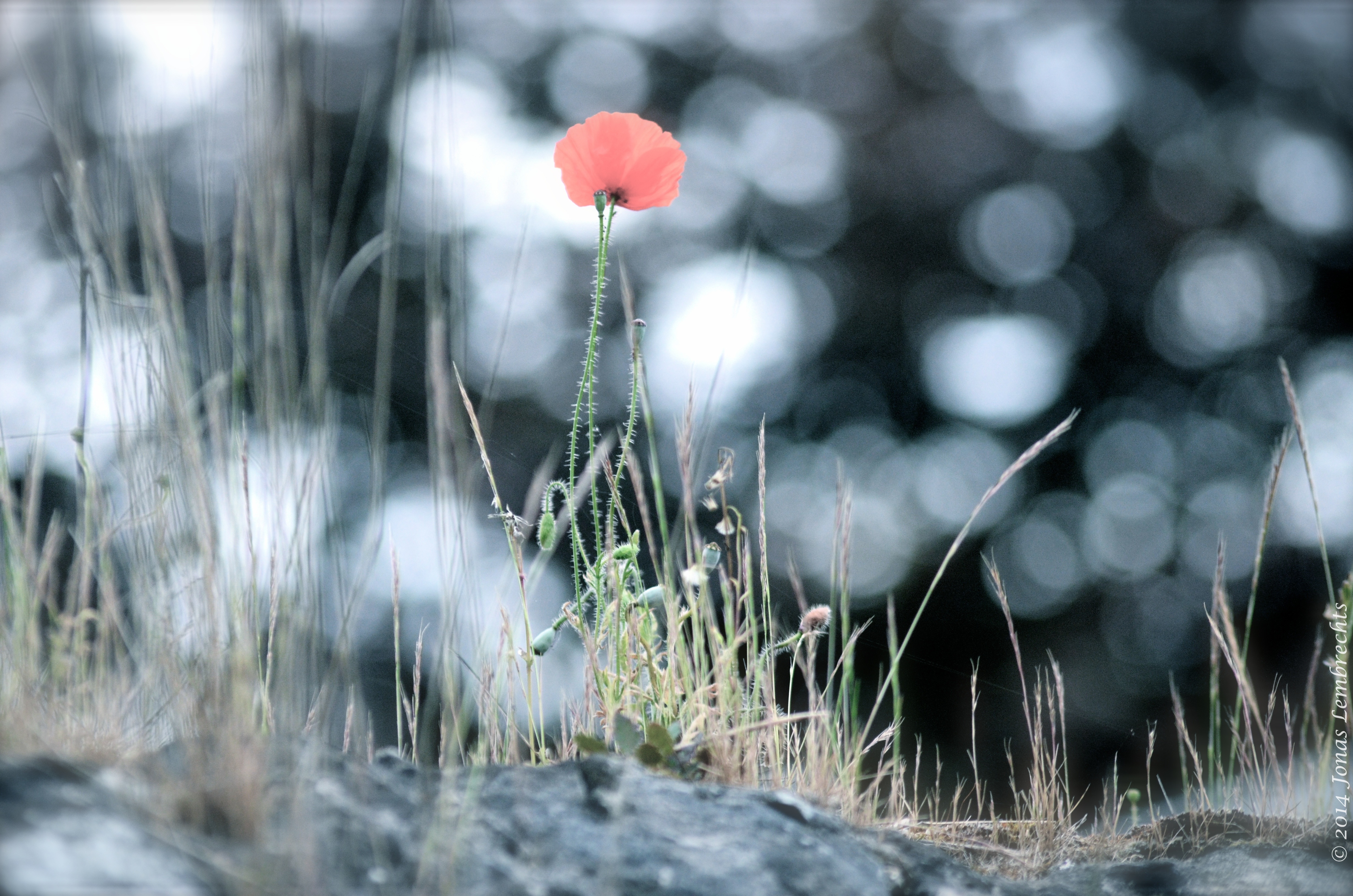
Poppy

Posted in France, General | Tagged , , , , , , , , , , | 4 Comments

Extreme


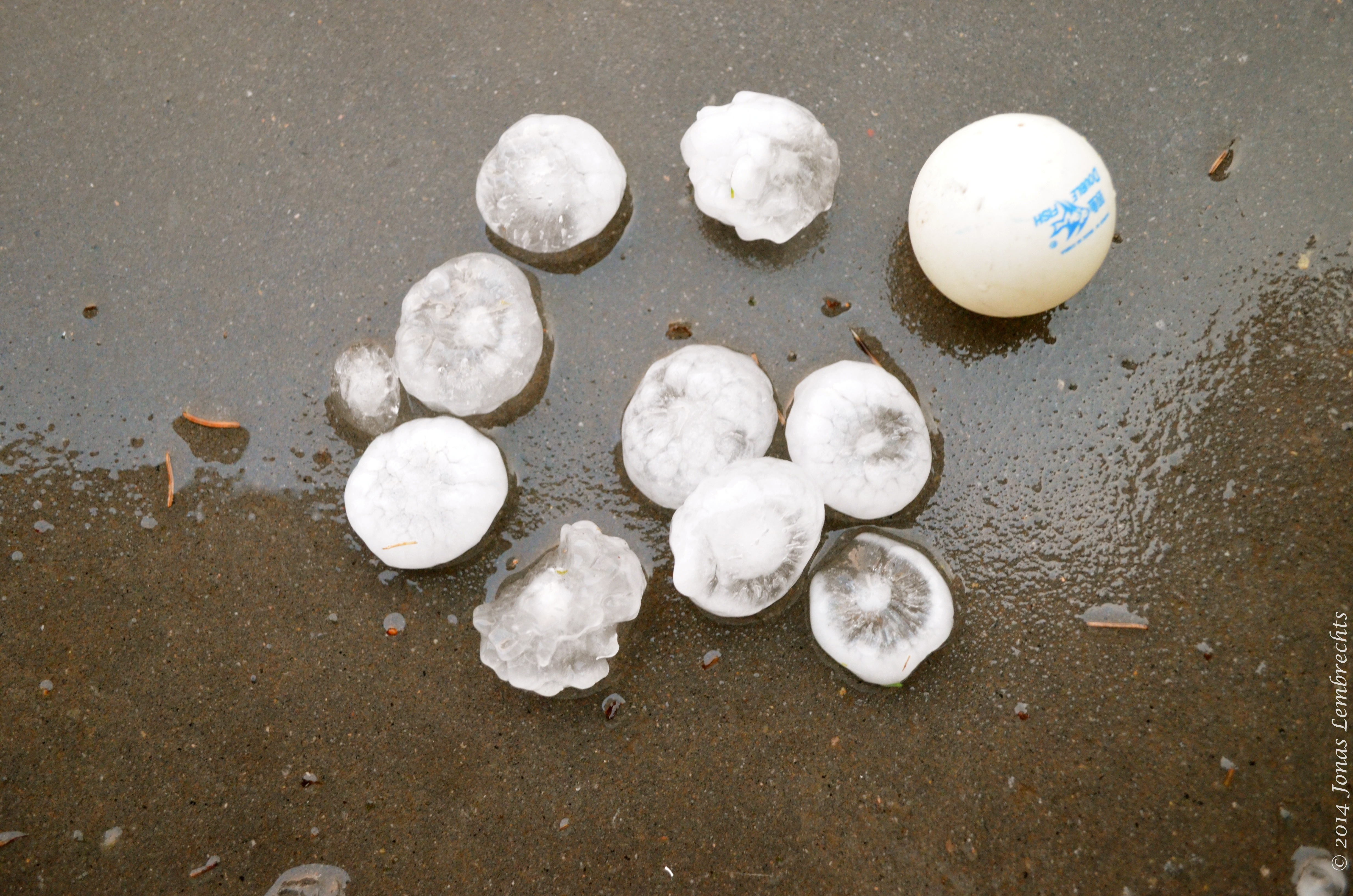
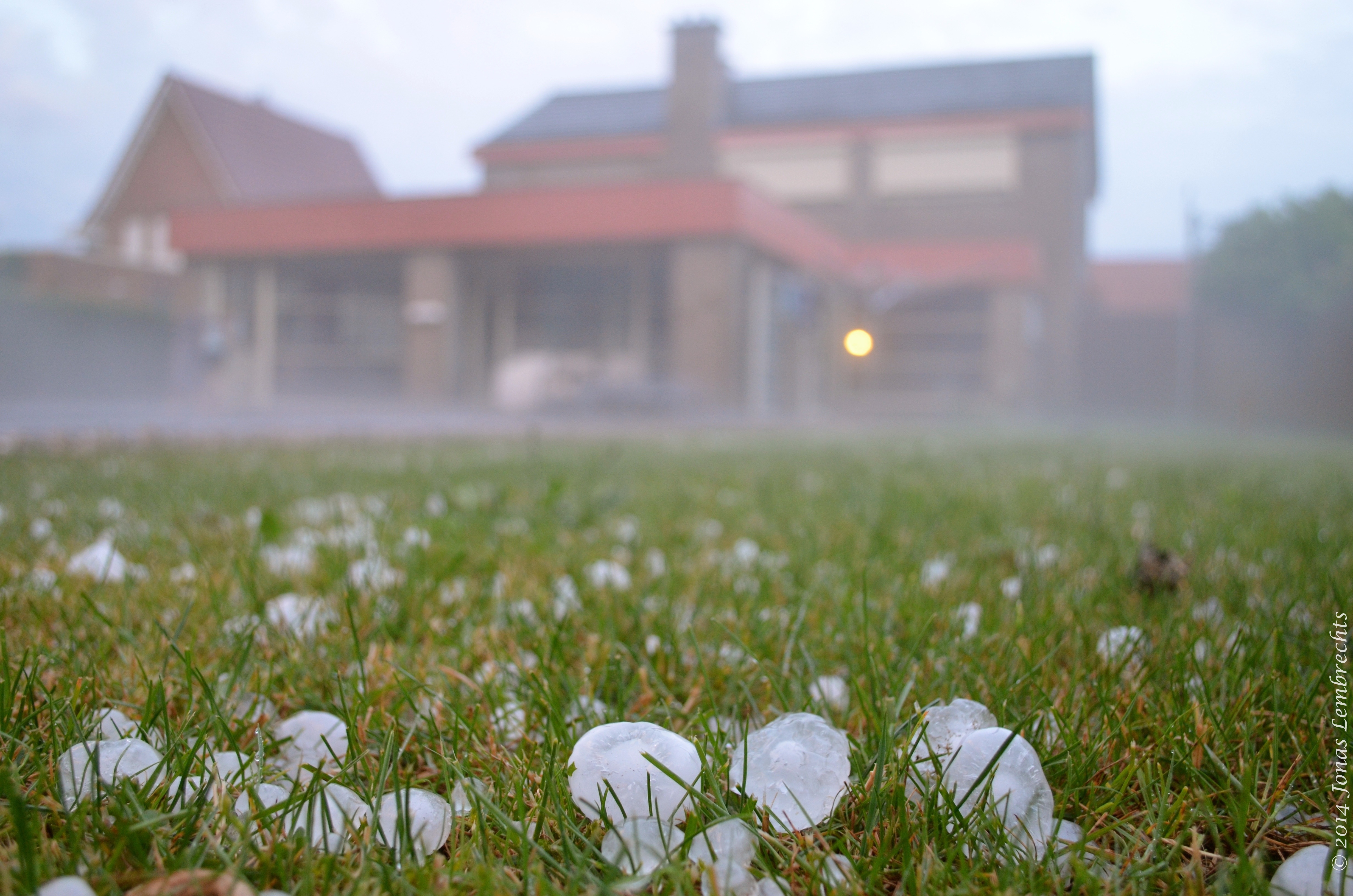
Last night brought extreme weather conditions to Belgium. After a hot summer day, hailstorms swept over the country, dropping hail stones of several centimeters.  Hailstones and pingpong ball

The storm resulted in a lot of economical, agricultural and natural damage, although it lasted not longer than fifteen minutes. Those fifteen minutes were however enough for the hailstones to perforate windows and greenhouses and many other unprotected things all over the country.

Hailstones in grass

Such hail storms provide a good example of temporal variation in microclimate. I have been focussing on its spatial counterpart, which gives different climate over a distance of a few centimeters or meters. But it is not only on a spatial scale that we can see deviations from the average climate. Over time, extreme weather conditions may happen, that may differ a lot from the average Those extremes, like hail storms, long heat waves or large floodings, may be much more limiting for plant growth than the average climate ever will.

Hail storm

Climate change will most likely bring us more of these extreme weather events in the future. So even if the average climate would not change too drastically, those higher chance of extremes will still strongly influence species survival and distributions.

Huge hail stones

I have been focussing my research a lot on the spatial variation in microclimates, but this huge hail storm made me realize that the temporal variation can not be ignored. I did not have the opportunity to check what the hailstones did to my disturbance experiment, but it made me at least realize that all these extreme events should be taken into account to understand the results.

Posted in Belgium | Tagged , , , , , , , , | 3 Comments