Why science brings me to France

Science is not something you do on your own. It may sometimes look like that if you count all the lonely hours behind the computer, but the best results will always be reached together with others. This collegial help manifests itself on a variety of levels: it can range from a quick question to the colleagues sharing my office, over the highly valuable discussions with and input from my supervisors, to international collaborations to compile and process global databases.
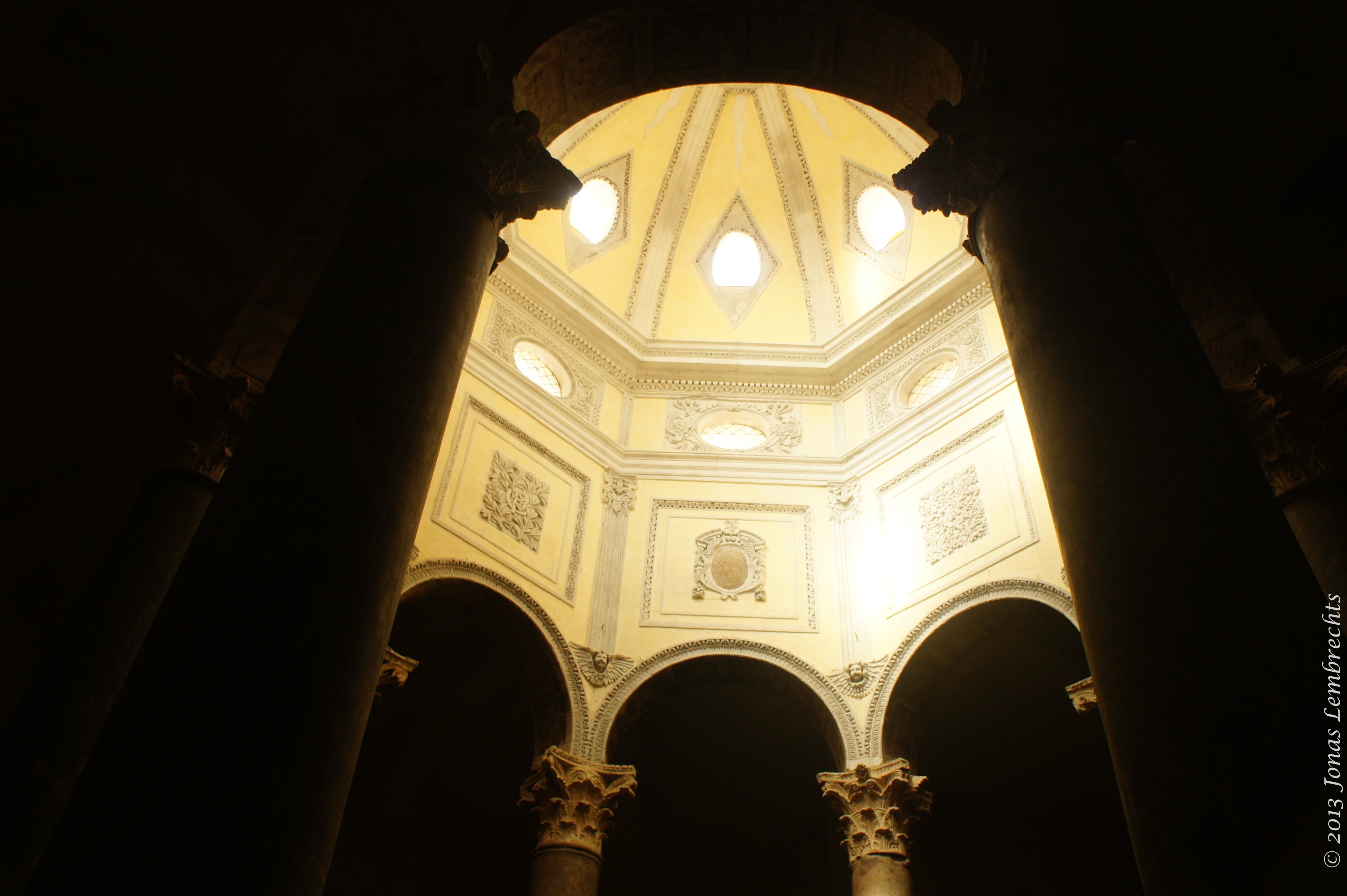
Provence

Provence

It is extremely important to work on an extended scientific network. In my situation as an early career ecologist, I can climb to unexpected heights by just asking the help from people that have many more years of experience. Other scientists hand over awesome ideas for new research directions, fresh views on problems you were already struggling with forever, or a background that gives them crucial expertise you do not (yet) have on your own.
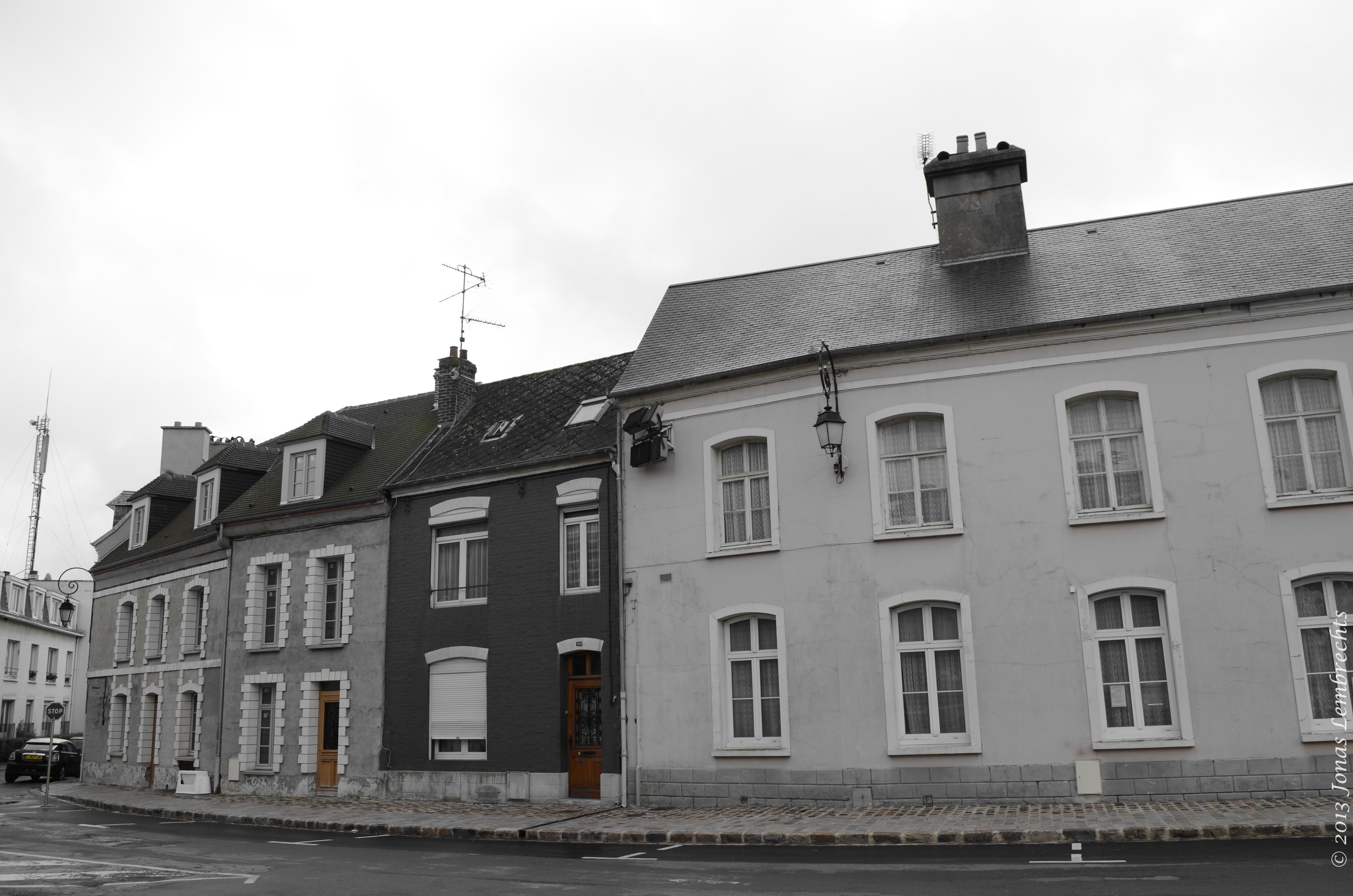
Picardie

Picardie

With that philosophy in mind, I will travel to France, next week. I got the (highly appreciated) opportunity to represent my supervisor at a scientific workshop in Loches, in the Loire region. I am preparing for 3 days of interaction with other scientists working on the same subjects as I am. Such things provide an incredible learning experience!
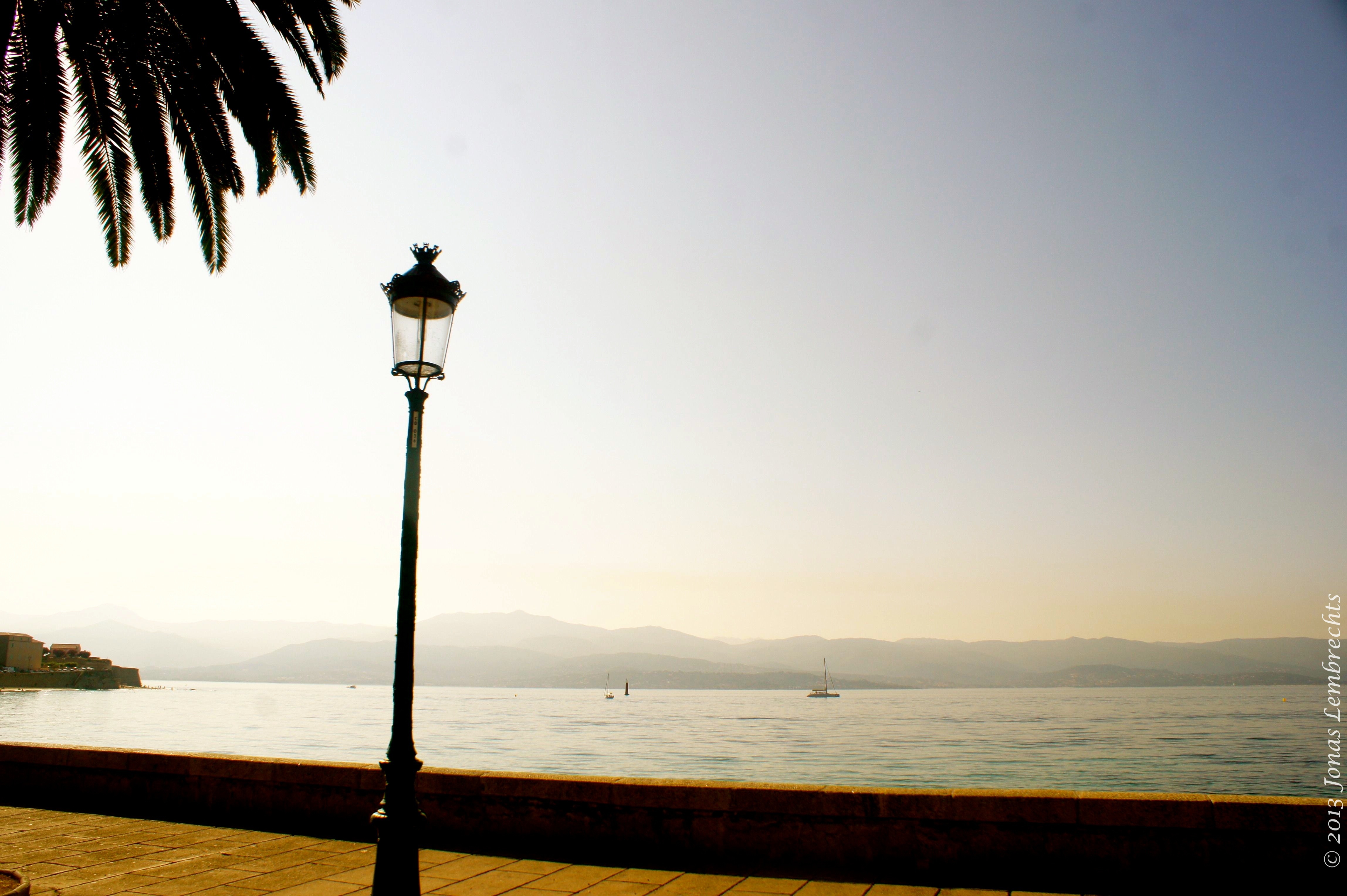
Corsica

Corsica

Moreover, some of the ‘big names’ in my discipline will be there to give presentations! The benefits of those encounters are simply endless, trust me.
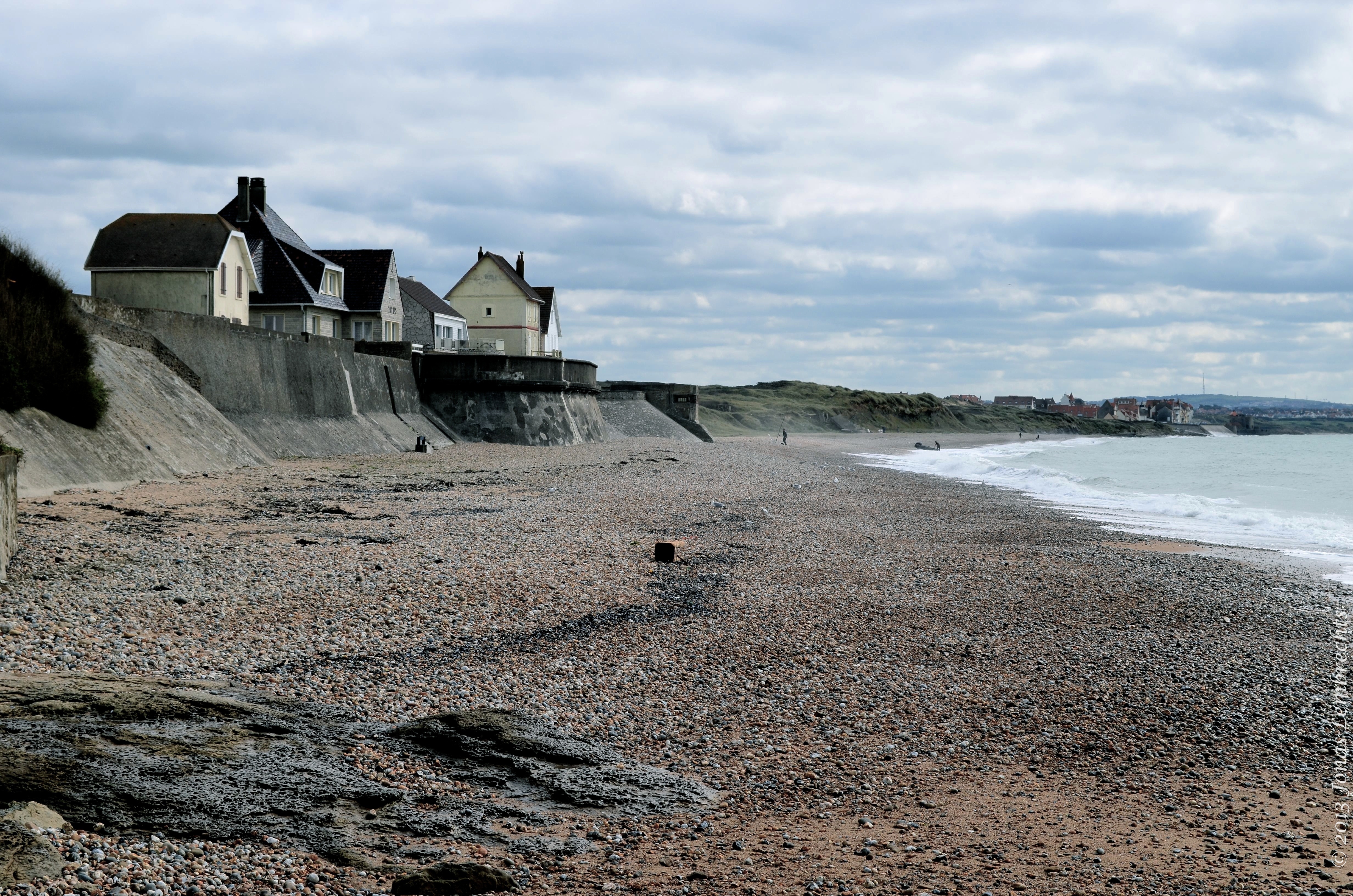
Picardie

Picardie

Additional advantage: the workshop will bring me to the medieval city of Loches in a picturesque part of France where I have never been before! Visits to France are always a nice experience, which I try to prove with pictures from previous visits to the country.
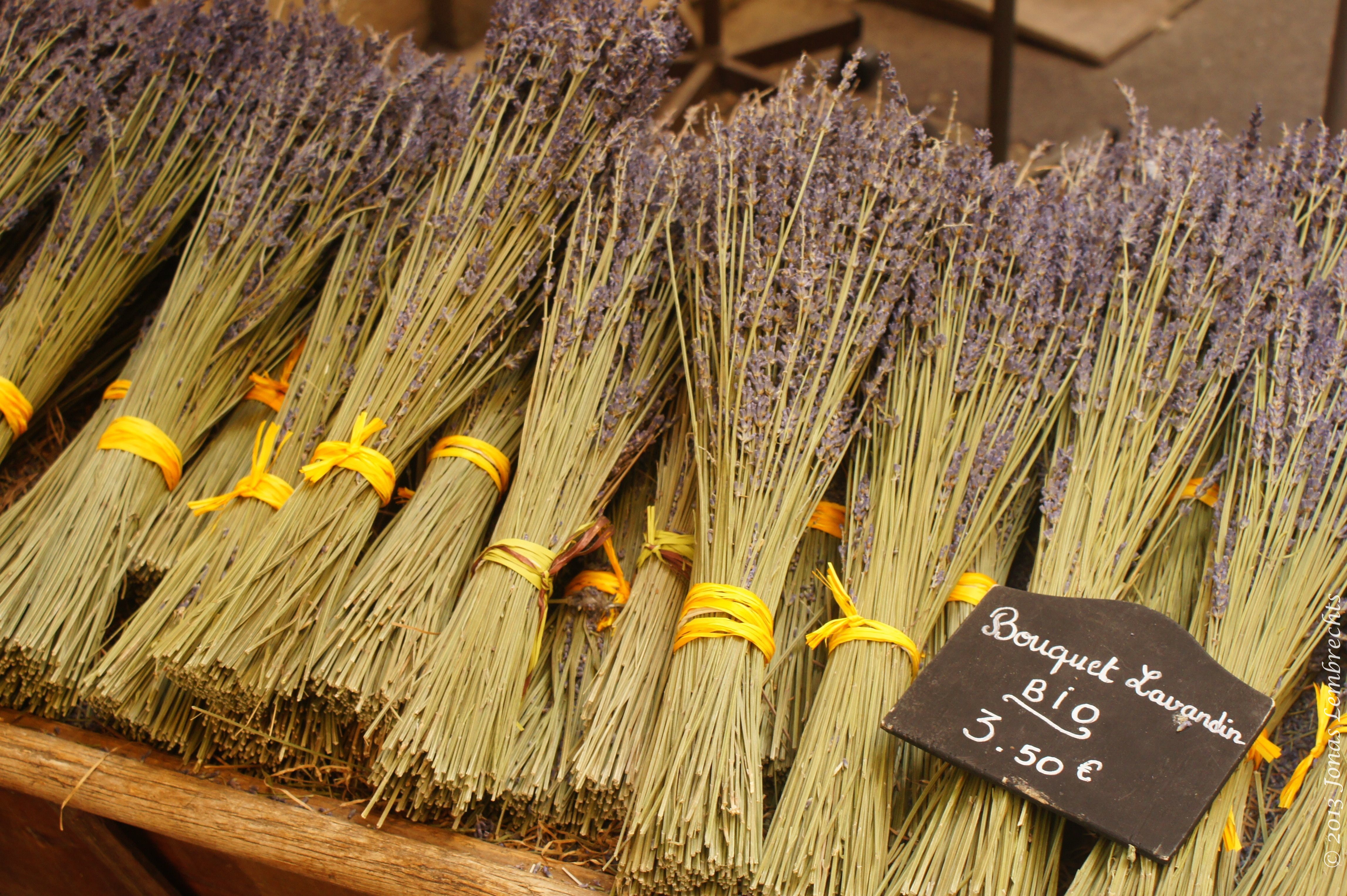
Provence
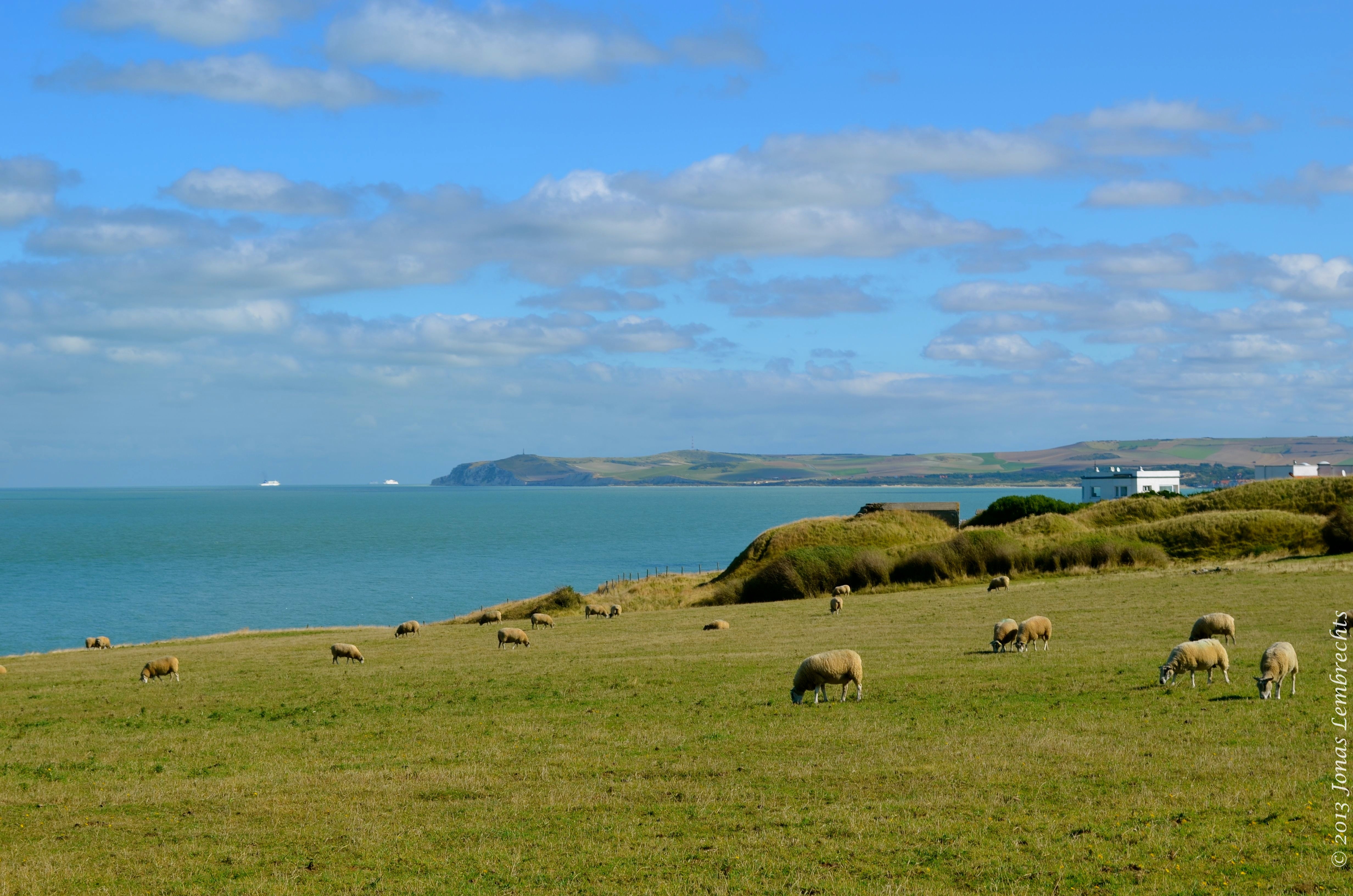
Provence

Pas-de-Calais

Pas-de-Calais

Posted in France | Tagged , , , , , , , , , , | 3 Comments

Nature on walking distance

To compensate for all the work behind the computer the last few weeks, I am happy with every minute in free nature.

A pine cone

A pine cone

I do not need to go very far, all places with sun and living things can make me happy.

A clumsy baby jackdaw, not sure at all about how to use  its wings

A clumsy baby jackdaw, not sure at all about how to use its wings

This post tries to honor this local nature, that always manages to give me a good mood to go to work.

A good paw hygiene is essential for the big hunter

A good paw hygiene is essential for the big hunter

Soon enough I will return to science and travel, but for now I stay in the garden.

The beautiful detailed view of horsetail

The beautiful detailed view of a horsetail

In Flanders fields, poppies are the sign of summer

In Flanders fields, poppies are the sign of summer

Posted in Belgium | Tagged , , , , , , , | 5 Comments

The magic of modeling

Not all the work in my PhD is as photogenic as it might have looked from my posts here. A significant part of it even looks a lot more like a normal desk job, with a lot of computer work.

Modeling

But this computer work is not at all less exciting than all the photogenic parts, and many of the results may be even more valuable for my research than those from the time I spend outside.

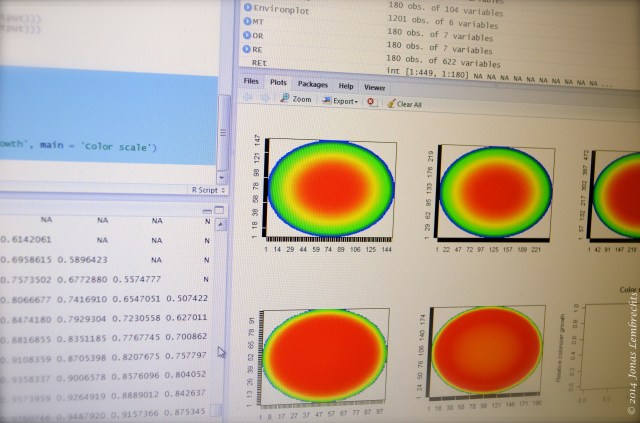
At the moment, a big part of my time goes to the development of a theoretical model of plant invasion in vegetation gaps.

Analytic geometry

With the help of some long-lost high-school analytical equations, a whole bunch of fantastic modeling tricks and skills learned from strangers on the internet and the endless trial-and-error inherent to modeling, an impression of the real world is slowly brought to life on my computer screen. Without all the noise.

Modeling in R

And that is the major advantage of this approach. You can predict highly complicated patterns and processes that would otherwise stay out of sight in nature, because of the inconvenience created by the noise that results from the interaction of thousands of real-time changing factors. Looking for proof in nature becomes a lot easier if the models first tell you what exactly to look for.

It’s a kind of magic, only a quiet time-consuming one, but the results will be not less spectacular.

Posted in Belgium, The research | Tagged , , , , , , , , , , , | 4 Comments

California!

All my traveling and working abroad really starts to pay off! I will present the results of my first paper from Northern Scandinavia on the biggest ecology congress there is: the ESA conference in Sacramento, California, in August this year!

Stone men figure in Abisko, Sweden

This opportunity will create a big chance to make some publicity for my scientific results and to network with other mountain ecologists and invasion specialists from all over the world. It will make my work again that little bit more global.

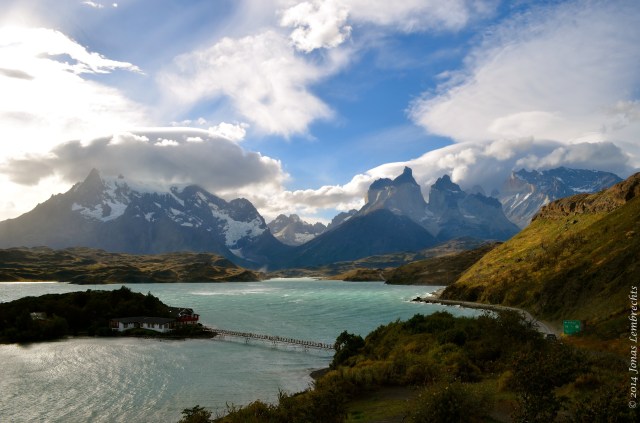
  The blue massif and lake Pehoe

It will also add another country to my list! You can find a menu on my blog with all the countries where I have been writing about (click on the menu with the title ‘on top of the world‘). This conference-opportunity adds the USA to a list that at the moment contains Chile, Lapland, Belgium, Tanzania, Tenerife and Luxembourg.

Wave breaking on the rocks in Tenerife

So many places, so many opportunities to expand my scientific knowledge and so many chances to take pictures. The pictures in this post give a broad impression of the wide variety of landscapes and environments I have seen the past year.

Sunrise and morning nebula in Luxembourg

I end my post by asking for help from all the American readers of my blog. If I have a couple of days in Sacramento to visit the area, what are the places I definitily have to see? Please leave some comments below, and I will try to go there and document my trip with awesome photographs!

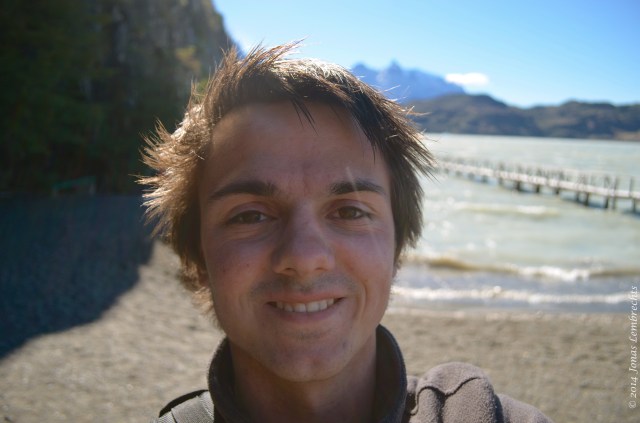
#Selfie

Posted in Canary Islands, Chile, Luxemburg, Sweden, Tanzania, USA | Tagged , , , , , , , , , , , , , , , | 11 Comments

The ultimate measuring experience

They look like tiny batteries, round metal cells that hide a measuring instrument and a little bit of memory-space. They are (relatively) cheap and very robust. They are called iButtons and they are more valuable to me than an iPhone. This is a post about a measurement device, but one that definitely deserves some lyrical reviews.

Soil temperature iButtons

The best thing about them is their unrivaled survival skill. Just put them a few centimeters beneath the soil surface (maybe wrapped in some parafilm) and let them log the temperature for as long as you want.

Histogram of soil temperature sensors

We will leave them behind in fields all over the world, from Sweden to Chile and in all my gaps in my Belgian experiment.  On their own, these iButtons will help me answer several important research questions about mountain ecology and the effects of disturbance. They can bring my PhD to a whole new level of importance for science!

Soil temperature sensor tower

Just imagine how much they can tell us! They can show the temperature gradient in the mountains, they can reveal the influence of the roadsides on this temperature gradient and they can help tracking the exact perfect location for plants to grow! They cover the whole year, the cold winter snows and the peaks on a sunny summer afternoon. The best thing is: you can leave them behind in the field without any problem as they are strong enough to survive most outside adventures, but cheap enough to survive the losses.

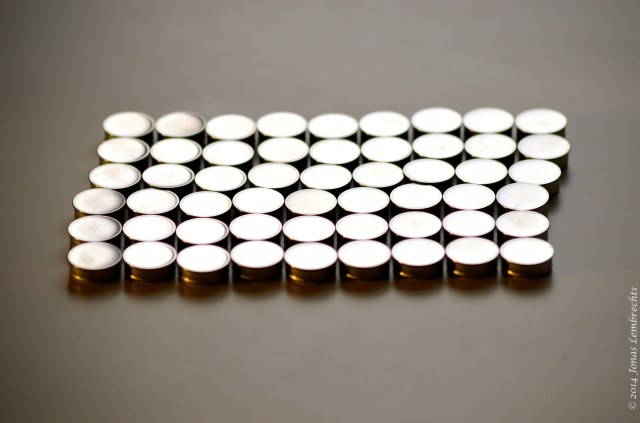
60 iButtons, one experiment

When my PhD becomes successful, it will to a large degree be thanks to them. Some of the most exciting parts of future fieldwork will be to search for these little instruments where I left them behind, to find them back in the vastness of nature and download their important content.

iButton

In brief: this iButtons are magical!

iButtons

Posted in The research | Tagged , , , , , , , , , , , | 14 Comments

The fate of the basil

I passed the ultimate test to see if I can be a plant ecologist and I am proud of it: I managed to take care of 4 species of basil from seed to maturity, without letting them die!

Two colors of basil

Of course, there was a bit of luck involved. There were a couple of hot days where they were living on the edge, ruthlessly forgotten (by me!) in the sun behind the window. But it was never closer than almost. Remember from this post how tiny the seedlings were in the beginning, and admire their perfection now!

Basil leave with droplet

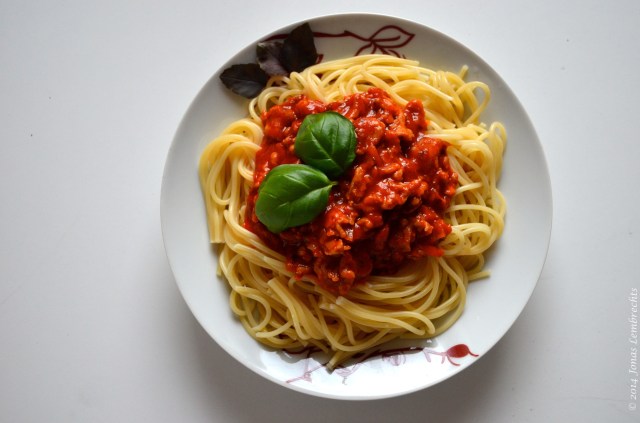
No better way to celebrate this success story than with a delicious spaghetti with basil leaves. I managed to take a picture of the plate in undisturbed conditions only seconds before I enjoyed this well-deserved dish.

Spaghetti with basil

I will not get many scientific publications out of this experiment, but the accomplishment certainly was at least as valuable! And my tummy certainly approves…

Pasta with tomatoes and basil

Posted in Belgium | Tagged , , , , , , , , , , | 4 Comments