The summer is for fieldwork

All of a sudden, it was summer in Belgium. After the horrible cold and boring rains of the beginning of last week, the last days gave us steel-blue skies with for now the brightest sun of the year. Ideal circumstances to spend the day in the field!

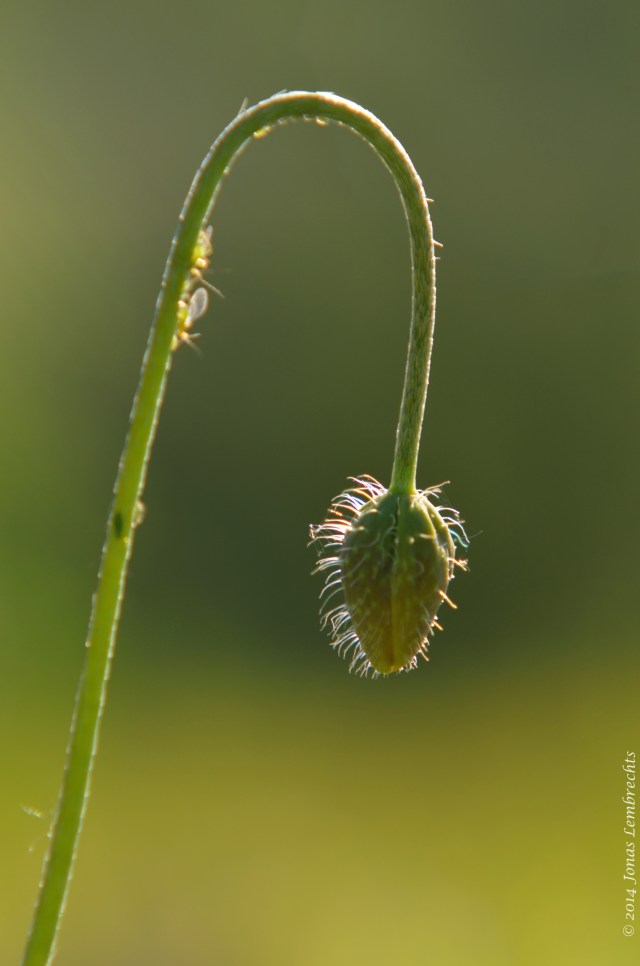
Flower in bud

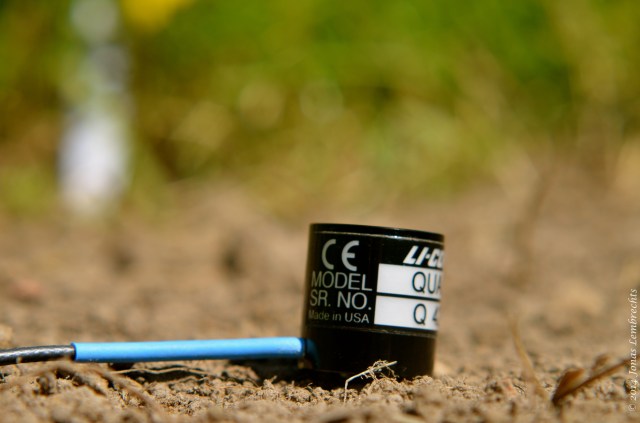
I spent a whole day measuring light availability and surface temperature in the field, two factors with major importance for my plants. On a bright summer day like this, the differences are huge. Temperatures range from 15 °C in the shadows of the vegetation to a murdering 45 °C on the dry sand of my disturbed plots, all due to almost hundred-fold changes in light.

Measuring light with Licor

Infrared imagery FLIR

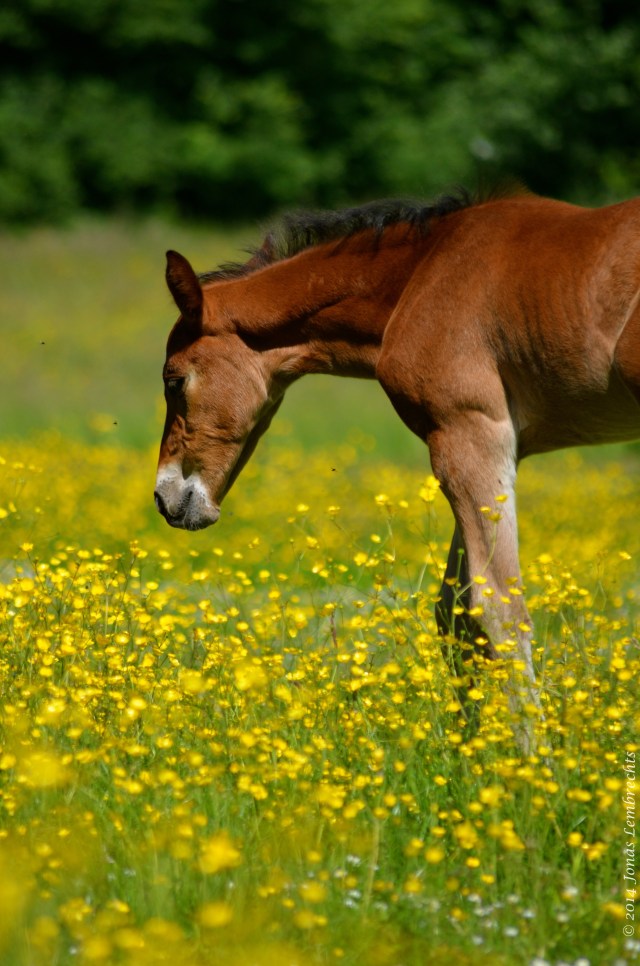
I could feel the sun beating on my own head, too. I had to be careful that I would not dehydrate myself, like the soil in the gaps, and every few hours I took a small break to cool down in the shadow and admire the little foal in its bright yellow buttercup field.

Foal in buttercup field

All is now in place to start an amazing field season. If everything goes as planned, I will end the summer with data for two papers and installed experiments for at least three more. And that is only the beginning!

Foal following mama's tail

Posted in Belgium, The research | Tagged , , , , , , , , | Leave a comment

Expanding to the tropics

Each year, the bachelor students at my university get the opportunity to go to Tanzania and perform their own small research project there in the context of their Bachelor project. This year, there is finally a group that chose plant ecology (declining the opportunity to work with monkeys, lizards or exotic birds!).

This means I get the chance to supervise a project, which I think is a fantastic opportunity! There is no traveling involved for me, though. I will be in Sweden at the time, but I will help guiding them through preparation and processing of experiment and results. I experienced this fantastic Tanzanian trip myself, back in 2010, and I am happy to revive these glorious days with unforgettable animal-encounters again,  albeit from the side-line.

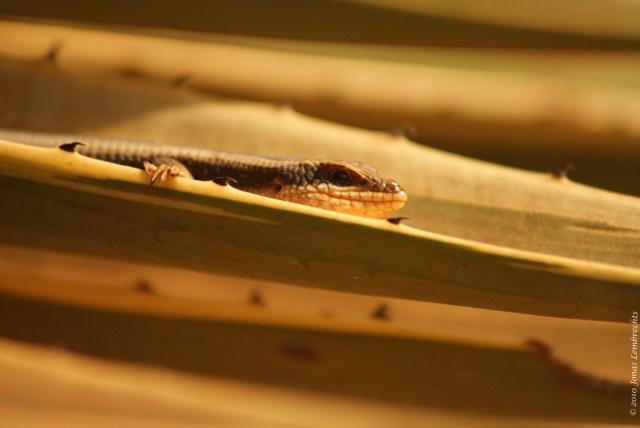
Lizard in agave

The major win for me is that I will receive some information on the processes occurring in the tropics. The students will look at gap regeneration and microvariation in a savanna grassland, a topic closely linked to my research in Belgium and the subarctic. Their small contribution of data will indicate if comparable processes are going on in the tropics.

Savannah ecosystem

You will have to allow me a moment of nostalgia and let me flip through the pages of my photo album once again… At the time, I was less ‘into plants’ than I am now. We studied hand preference in vervet monkeys, adorable little cuties with more opportunistic behavior than fear for people. (They did not always use their both hands, like the one in the picture!)

Vervet monkey

What made the whole field campaign unforgettable were of course the visits to some of the worlds most impressive national parks. If the students would keep one eye open for vegetation gaps, while using the other to absorb the fantastic environment, I would already be really happy.

Safari

I just hope they come back with some nice stories and pictures to share.

Canoes on a lake

Posted in Tanzania, The research | Tagged , , , , , , , , , , , | 2 Comments

A black-listed ball of fur

The raccoon can currently be seen as a winner in the evolutionary race for survival. They seem to spread more and more in their native range in North America, because they can profit from the new niches created by urbanization. But there is more. Since the second half of the 20th century, they have increasingly been recorded from Europe, Russia and Japan. This success-story makes raccoons a fantastic example for my story.
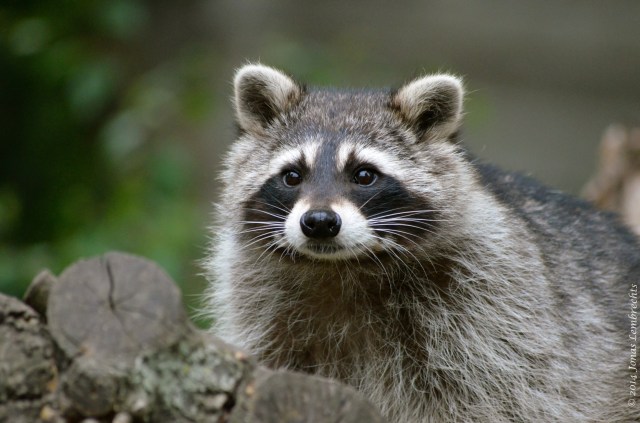
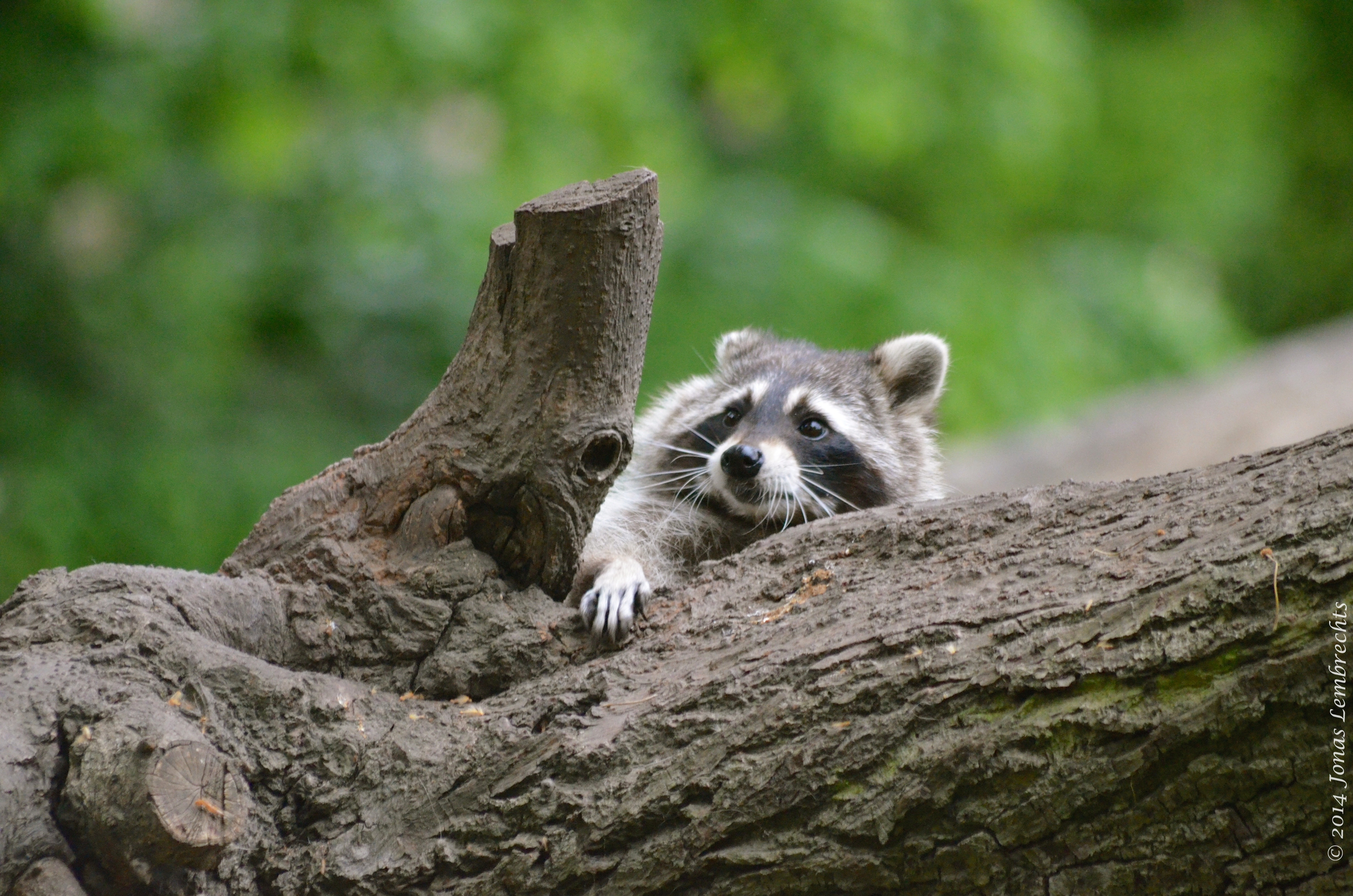
Raccoon

After some deliberate releases in Europe (oh, they are funny to hunt down!) and escapes from zoo’s and households (oh, they are funny to have!), they took some time to adapt to the European environment. It turned out there was no raccoon-like animal in Europe (they now are the only representative of their family on the continent), so the raccoons took their chance. They started spreading steadily to France, the Netherlands, Austria, Switzerland, Luxembourg and many other countries…

Raccoon in hole

Currently, they managed to work their way up to the highest regions of the Belgian alien species watchlist. They are seen as a high environmental hazard, but their range is still restricted, as they only occur in large numbers in the southern part of the country.

All in all, these cute balls of fur are getting very well adapted to the European environment. That is bad news for a lot of other species, because the raccoon eats almost everything in its reach. However, the chance of them munching away a whole bird species is limited. Their ecological damage is hence present, but not dramatic.

Their main danger lies somewhere else: they are carriers of a large set of illnesses. In North-America, raccoons are the main carriers of rabies (there is a possibility that this will occur in Europe too). They also host a variety of worms that can be a serious problem for human health (better stay away from their faeces, you are warned!).
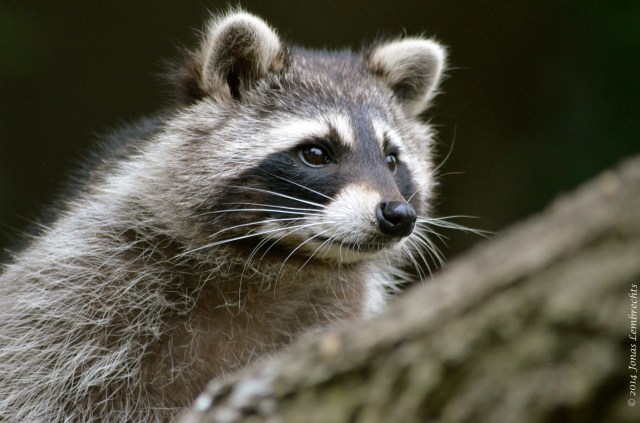
Raccoon close-up

However, it is not the potential impact that intrigues me most. What I find most interesting is the quick adaptation to the urban environment, in such a way that raccoons could expand their range dramatically over the last few decennia. There is a clear parallel with the plant species in my mountain studies, with their perfect adaptations for human disturbances. This helps them all the way up in the mountains, possibly even higher than could ever be expected from their historic distributions.

It is those species that should be watched carefully, as they will most certainly be the future winners in the game of life: the species adapted to the anthropogenically disturbed area, the quickest growing ecosystem in the world.

Raccoon

Pictures from a recent visit to the ZOO.
Posted in Belgium, The research | Tagged , , , , , , | 9 Comments

Next-level gardening

I have been shoveling, digging and ploughing like a madman lately (all for this project). I imagine the mare in the neighboring field warning her little baby to stay away from this crazy scientist-gardener, who seemed to be randomly digging circular holes in the field.

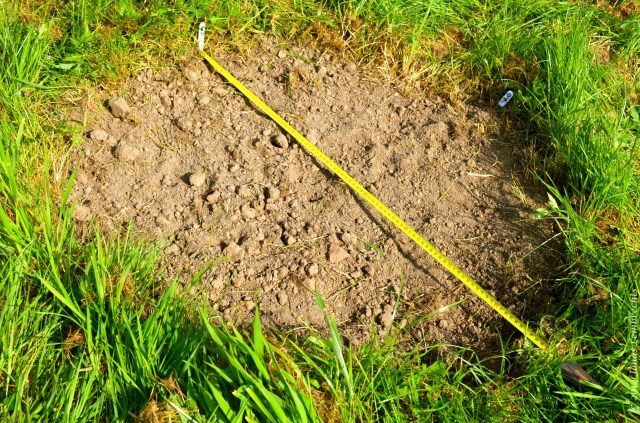
Big gap

That was serious business, as the present vegetation had a dense root network. I tried to remove as many of these roots as possible, as I want to prevent harsh competition of my seedlings with the other vegetation within the gaps. Luckily, I got some help from a local hardworking mole, who had been putting a lot of effort in the building of molehills all over the field.

Tiny gap

As these kind of natural disturbances are exactly what I want to simulate with the experiment, I thanked him kindly and added his gaps to my experimental setup.

Experimental side

Now all gaps are set and ready. I installed a first set of soil temperature sensors and quickly checked the effect of the warm spring weather on within-gap variation. Everything seemed to be going as planned. The north-eastern side of my gaps (the sides that face the afternoon sun) quickly heated up to well above 30 °C. I wanna see those gap invaders cope with that!

Gap

The gap invaders themselves have to wait one more month before they can show what they are capable off.  I need the temperatures to be just that little bit more extreme over a long period to establish a clear difference.

Spade

Posted in Belgium, The research | Tagged , , , , , | 1 Comment

Selling my pictures

You can now buy a selection of my pictures on Fotolia, Dreamstime, Shutterstock and 123RF (follow the links and check out my portfolio).
Rainbow in Torres del Paine

As a photographer, it is nice when pictures do not have to pile up in a dark and dusty corner of the harddisk where you never look at them again. This blog can be seen as my first successful attempt to do a bit more with all these images from all over the world.

Black-necked stilt

Selling my pictures is my second successful attempt. I joint forces with the established stock photography sellers, as they give the best practical frame to get what I want. I am now still trying out several different websites before I decide which one matches best with me and my portfolio.

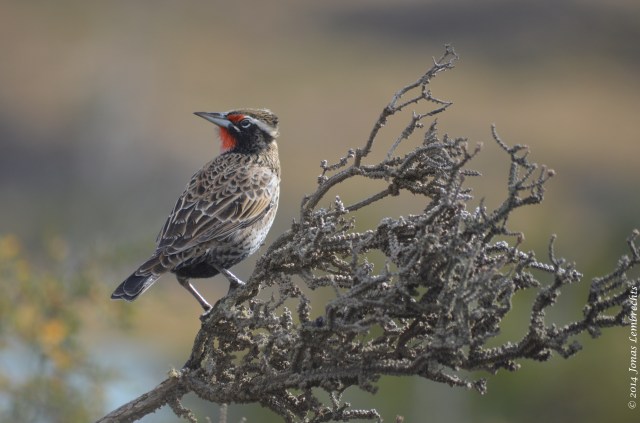
Long-tailed meadowlark

Currently, Fotolia turns out to be my first choice, but Shutterstock might become a highly valuable alternative in the near future, as I only recently got accepted as a contributor.

Inca tern

Obviously, these websites have a very strict selection process. They only accept what they expect to be useful for their customers, so I have to be picky with submissions. Readers interested in purchasing pictures from my website that are not, or not yet, available on the sites may always contact me.

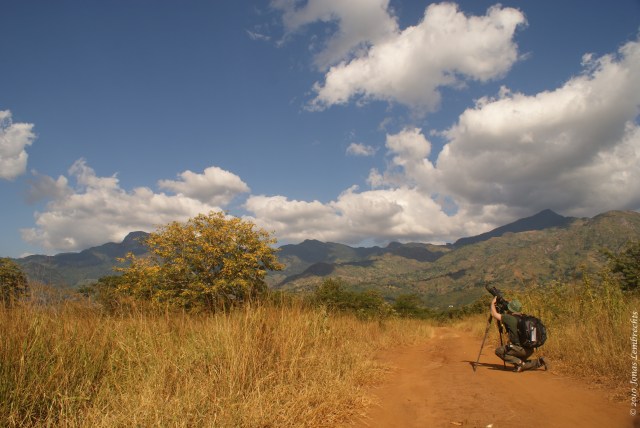
Dead tree and the blue massif

Images from my Fotolia-portfolio

Posted in General | Tagged , , , | 5 Comments

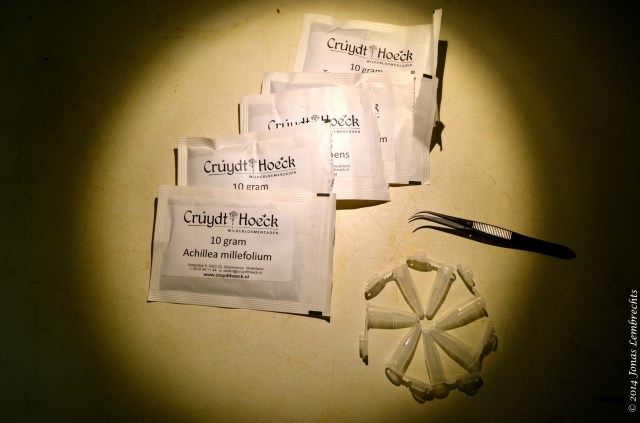
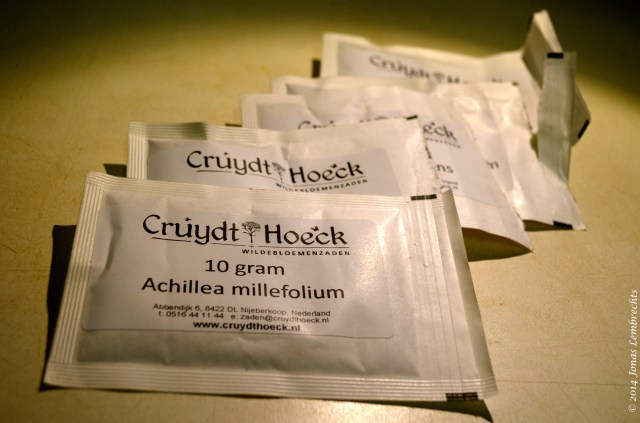
Seeds!

Last week, we spent long hours in the basement of the university building, counting thousands, even ten-thousands of tiny plant seeds.

Working on it!

They need to be counted cautiously, so we know the exact seed input at every labeled sign of the experiment in the field. Only then, we can reliable compare values of germination and species survival under the different treatments. Let us just hope we can find them back…

Undisturbed plot

We precisely counted every time 5 and 30 seeds of our 6 study species, which added up to a stunning amount of 30.240 (!) plant seeds. More than thirty thousand seeds, all of them ready to be planted. A large fraction of them will never even germinate; they will help expanding our knowledge of the limits for plant invasion. Those who do manage to germinate, however, those will mark the circumstances where we should be especially alert for an increase in alien invasion in the future.

Seeds

Over the next few weeks, I will dive back in the basement to count even more: my gap invasion experiment also asks for seeds. Luckily, long hours of training make you faster.

Posted in Belgium, The research | 3 Comments