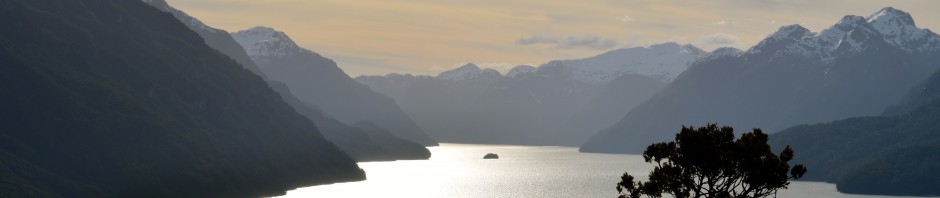
The most beautiful view on the lake

The north of Europe is a land filled with mountains and lakes. All these amazing views make the extraordinary ordinary, as the nicest viewpoint is just around every corner.
DSC_0029

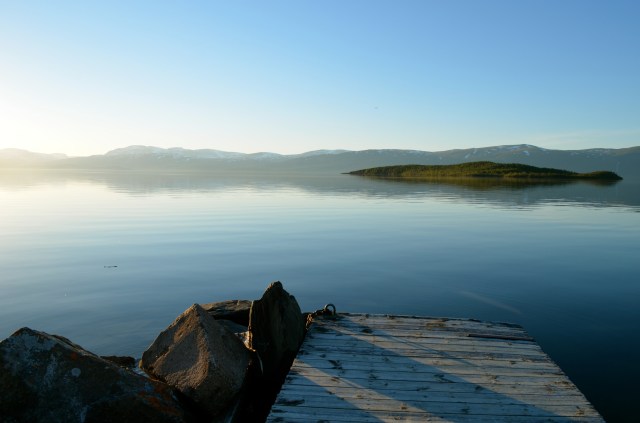
I realized that by the end of the week, we will have seen the famous lake Törneträsk from all possible viewpoints. And as every viewpoint again wants to be the most amazing one ever, I am still highly in doubt which one of them will in the end be rewarded with the title of ‘most amazing view on the lake’.
Chairlift to Nuolja mountain

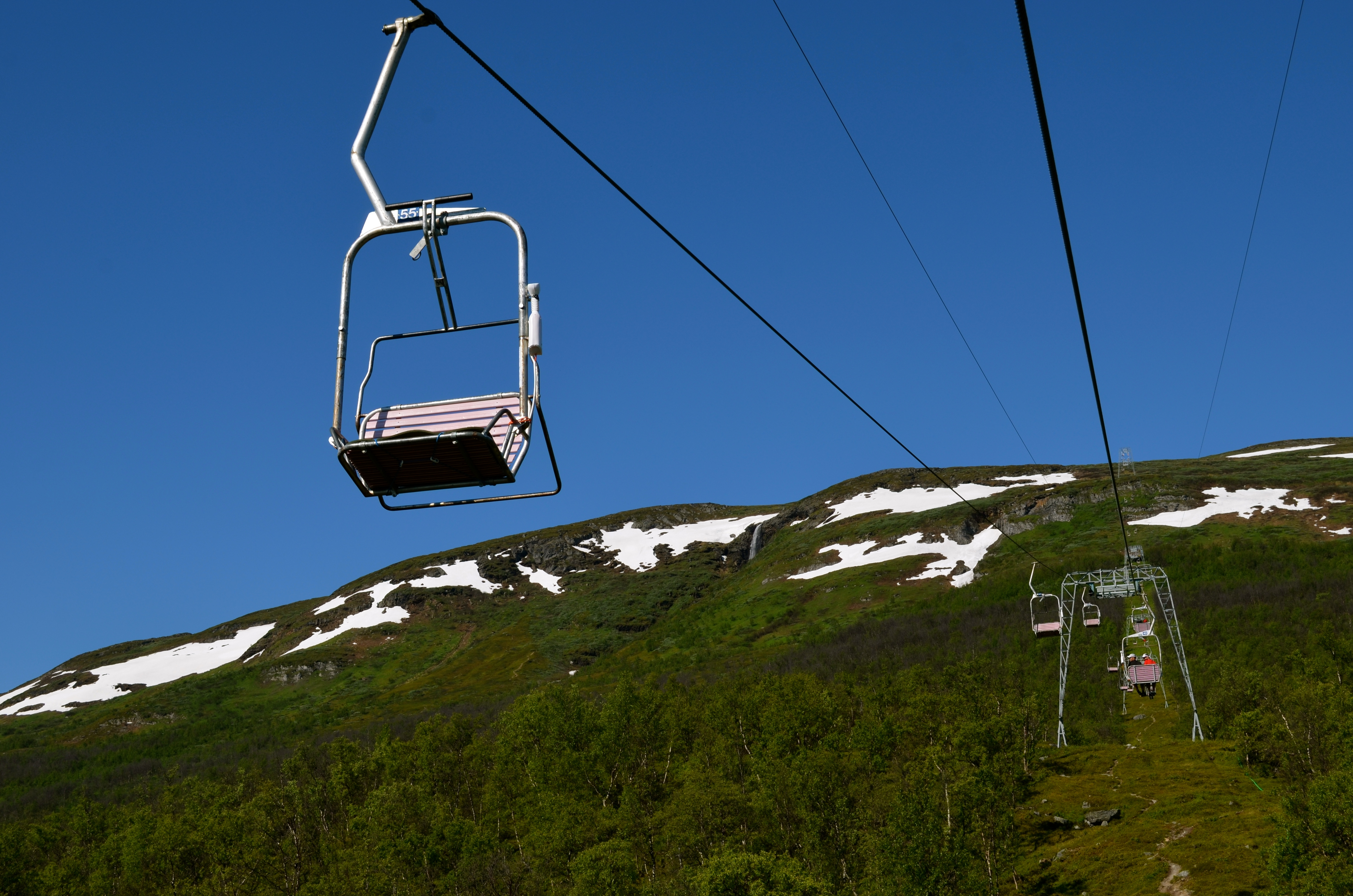
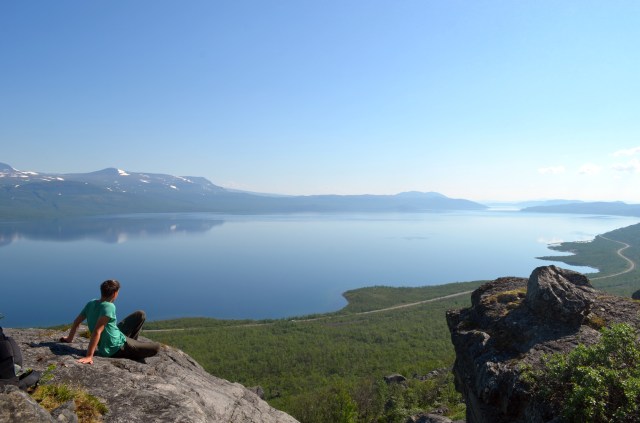
It was nice to see the landscape slowly unfold in all its majesty as the chairlift brought us to our plots on 900 meter, but the rewarding view after a long day of climbing even added to the satisfaction of the panorama.
Overviewing the lake

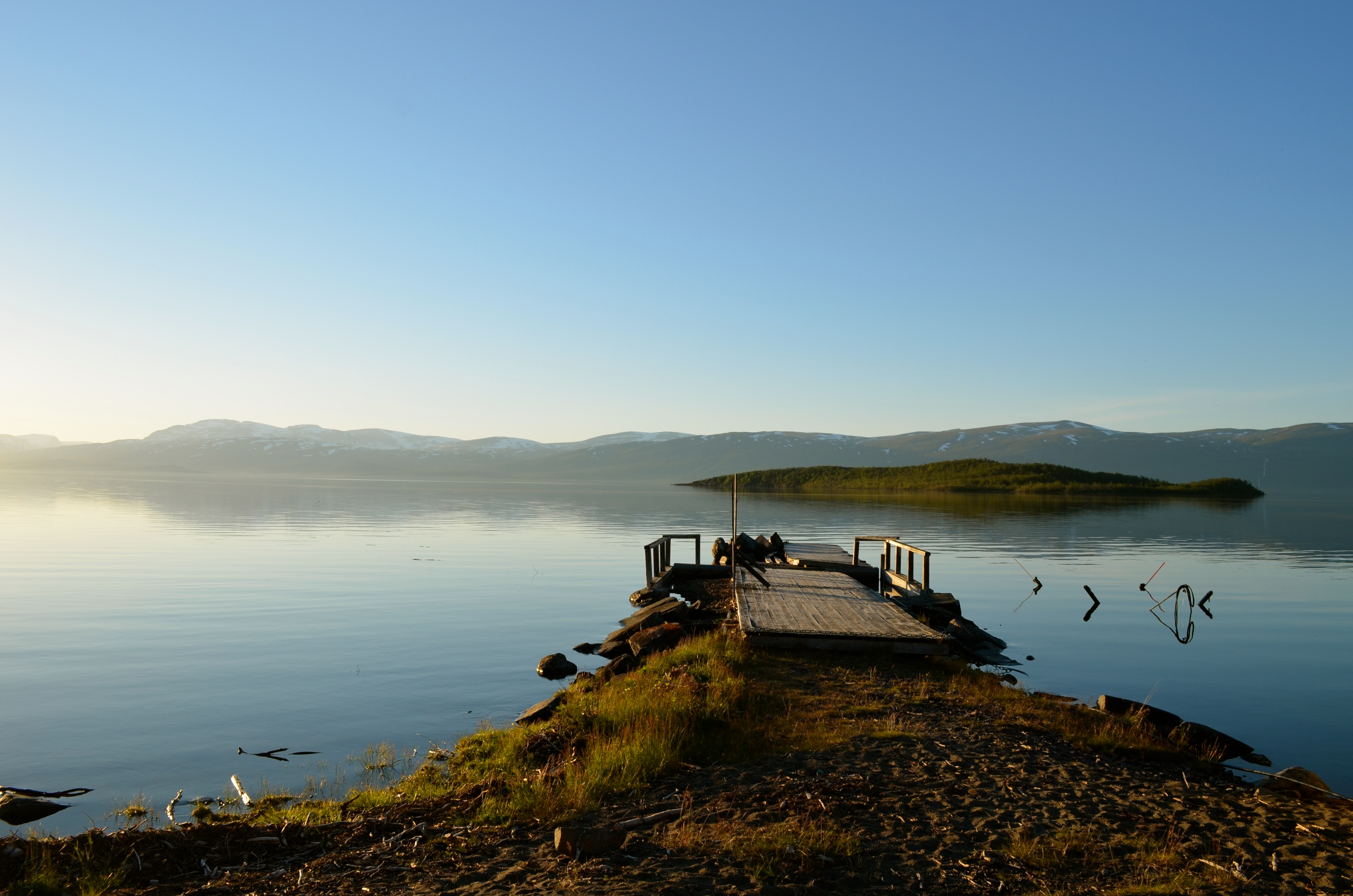
Another candidate came from a short walk after a long day in the field. The little beach at the research station definitely popped straight out of a fairytale.
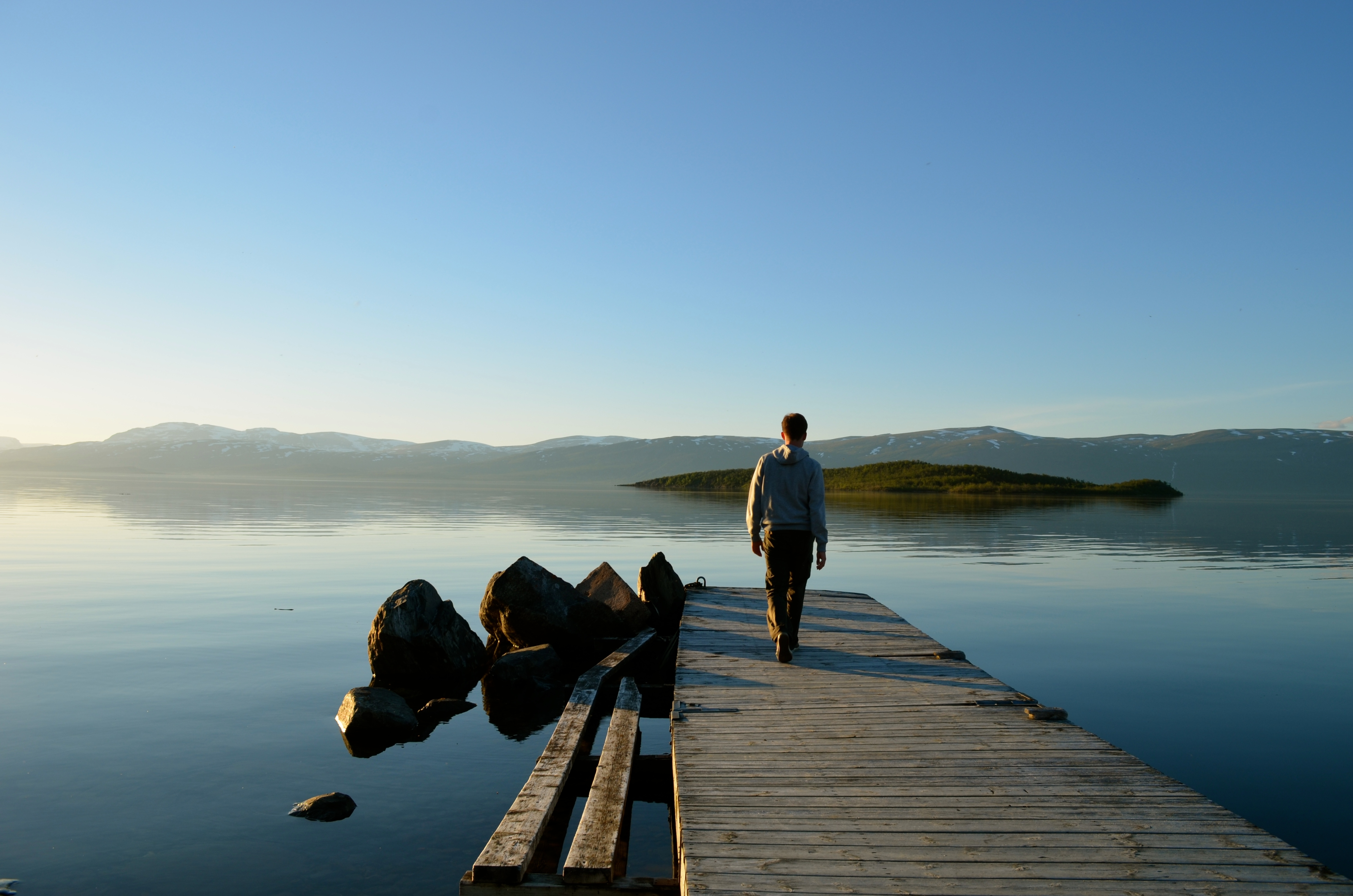
Enjoying the Swedish views Törneträsk lake

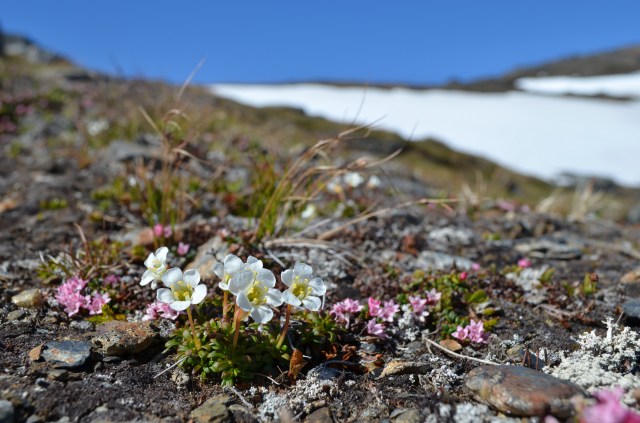
But the last one might be the ultimate winner of the title: the panorama seen from the level of the plants. We have been working with our nose centimeters from the ground all the time, so we know how it is to be close to the ground.
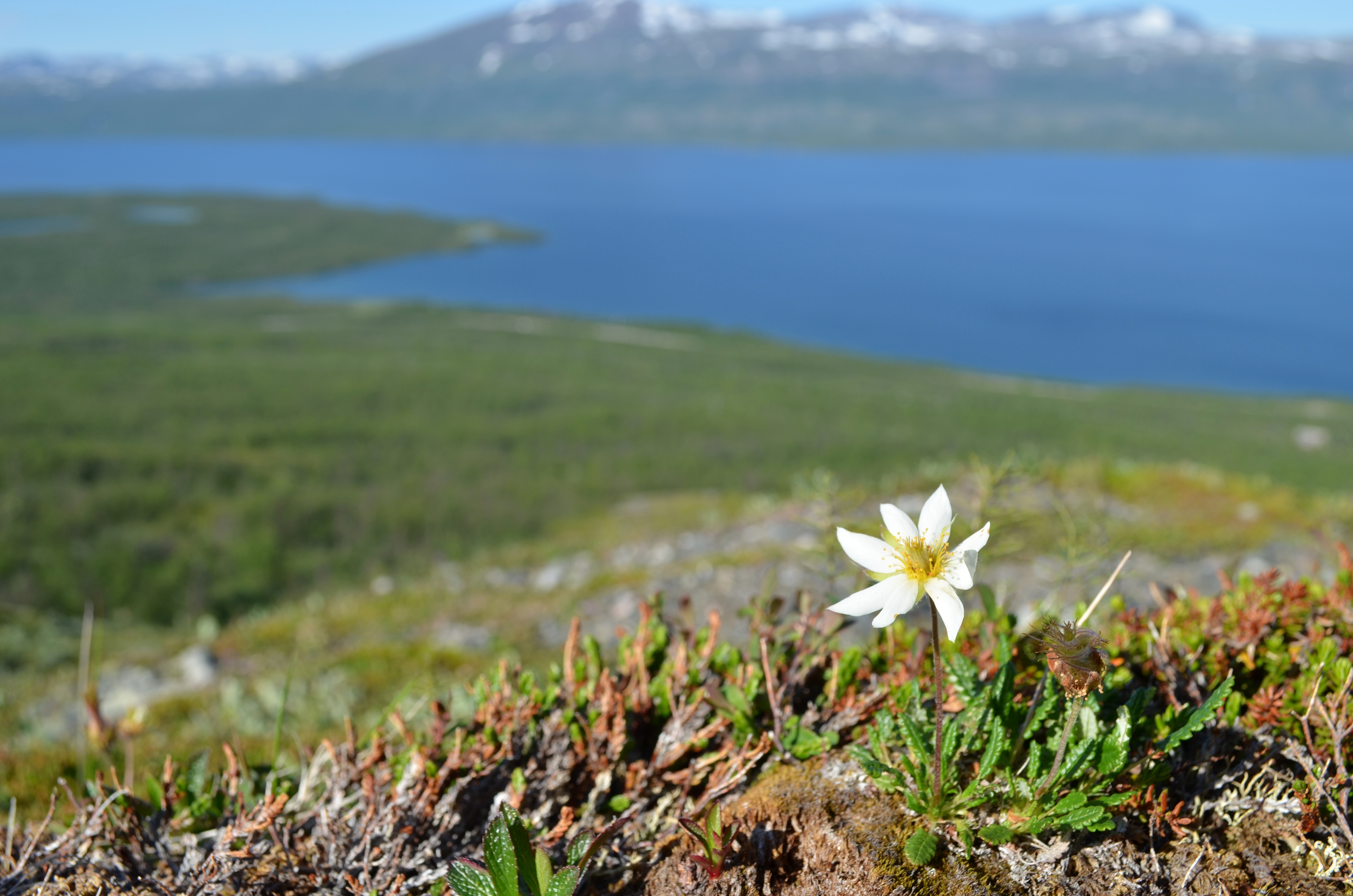
Arctostaphylos above Törneträsk

So this is my winning view: one of these tiny plants I have been working on to identify, proudly growing on a dry and hostile rock, celebrating his victory over the microclimate with an amazing view on the lake.

You just have to love them, my little survivors.

Posted in Sweden | Tagged , , , , , , , , , , , , , , | 8 Comments

Pretty flowers and angry lemmings

The first day of our field trip to Abisko was already a big win. We had both weather ànd nature on our site, which resulted in some unforgettable views and moments.

Globe-flower overlooking the valley

We left Belgium in warm summer weather, but skies in the north were even brighter and the sun seemed to burn even harder.

The alpine spring

In the mountains, plants showed their most beautiful looks while they were profiting from the first really good days of warm sunshine. In July, the Subarctic spring is in full glory.

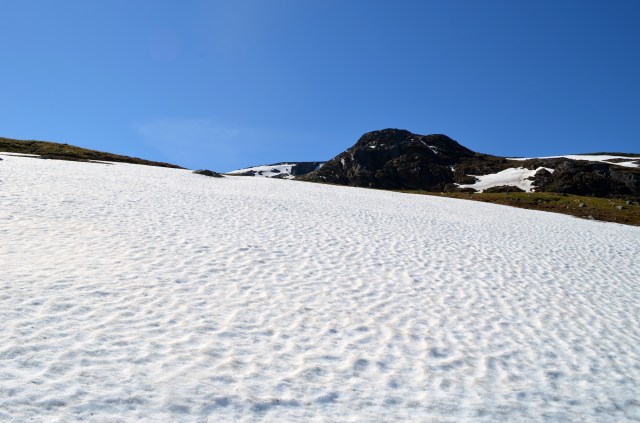
Snow in the mountains

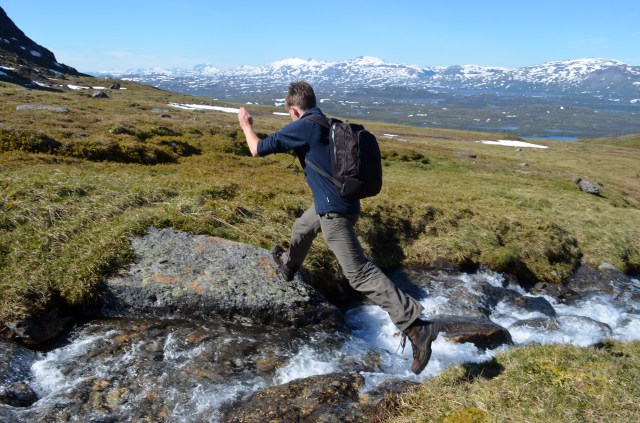
Snow was melting everywhere, making our climb to the highest elevation quite the adventure. We had to cross large patches of snow. Creeks and rivers were all flowing with melting water. Even the path was often changed into a roaring river.

Jumping over melting water

The first lemmings were also out, an event proudly illustrated by a very brave example that did not want to believe it was disadvantaged by its size. It showed its fierce teeth, roared like a tiny little lion and jumped centimeters in the air to get us out of his territory. Unfortunately for the fiery animal, he was sitting in the middle of our plot, so finally he had to taste defeat.

  Angry lemmingOh, and by the way: the experiment looked nice, everything is working well!


Posted in Sweden | Tagged , , , , , , , , , , , , , , , , | 2 Comments

In the Norwegian sky

image Live view from the norwegian sky, on my way to the subarctic for ten days of fieldwork!

Posted in Sweden | Tagged , , , , , , | Leave a comment

Skyhigh

A lot of my work is about microvariation in landscapes, and how this hidden world is wat really matters to nature. Mapping this microvariation however gives some big challenges, because for an optimal view of variation, you should look down on the world from above. It is unfortunately impossible to get such an overview of a landscape from our approximate 1 meter 70 of human height.

Drone and the keep of Loches

Drone with camera

However, scientist can now make use of a fantastic new tool, allowed by the commercial availability of drones. As they are steadier than every other flying object before, capable to move in all possible directions and can hang mouse-still in the air, camera’s attached to drones are the perfect way to capture landscape variability in a scientifically usable way.

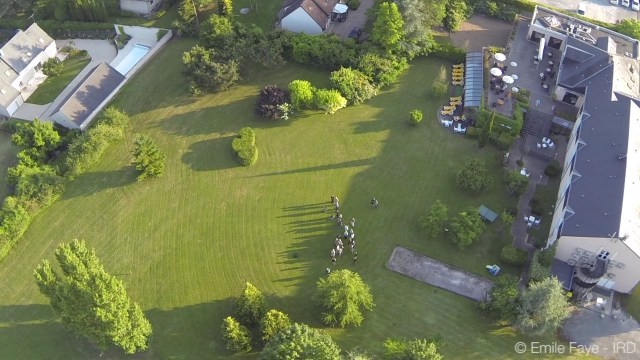
Drone image of the hotel in Loches

Drone demonstration at the Heteroclim Conference in France

While regular imagery with drones is now almost an affordable buy for individuals, the technique needs some more years to get easily applicable for thermal imagery (its main possible application in my research). Thermal cameras are still very heavy and ask for heavier and bigger drones, at ten times the price of the regular ones.

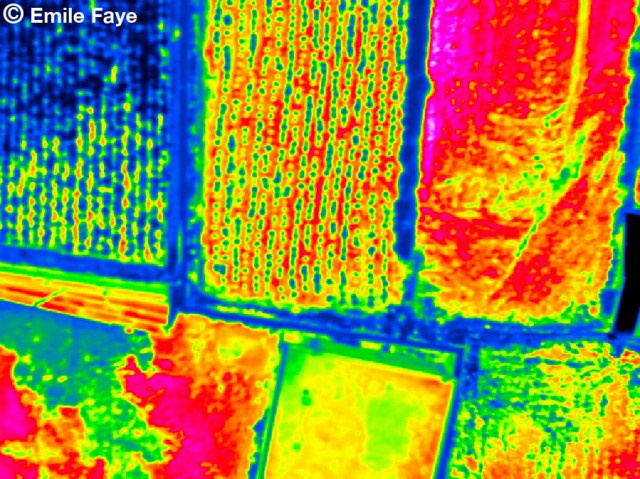
Agricultural Thermal Landscape

Thermal image of an agricultural landscape, clearly showing the regular patterns created by humans

For now, I can only admire and promote the work of my colleagues in France and hold on to the fact that similar, even more applicable, scientific results can be obtained with a good set of dataloggers (my own precious iButtons!). The possibilities for microclimate research are however endless, so this drone is definitely high on the wish list!

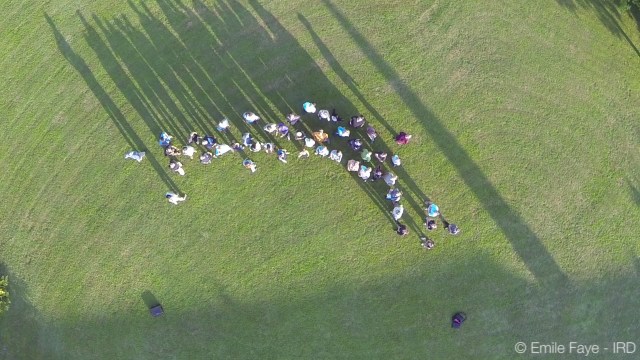
Scientists admiring the test flight of the drone

Impressed scientists under a test flight

More info soon: Faye et al. Strong discrepancies between operative temperature mapping and interpolated climatic units in agricultural landscapes. Submitted to Global Change Biology.

    Drone flying over Loches

Posted in France, The research | Tagged , , , , , , , , , , , | Leave a comment

Summer solstice

This weekend brought the longest days of the year in the Northern Hemisphere, and we even got blessed with fantastic summer weather.

Evening in the Norwegian mountains

In the far north, these are the days of the splendid midnight sun, a stunning sun that stays in the sky for days in a row.

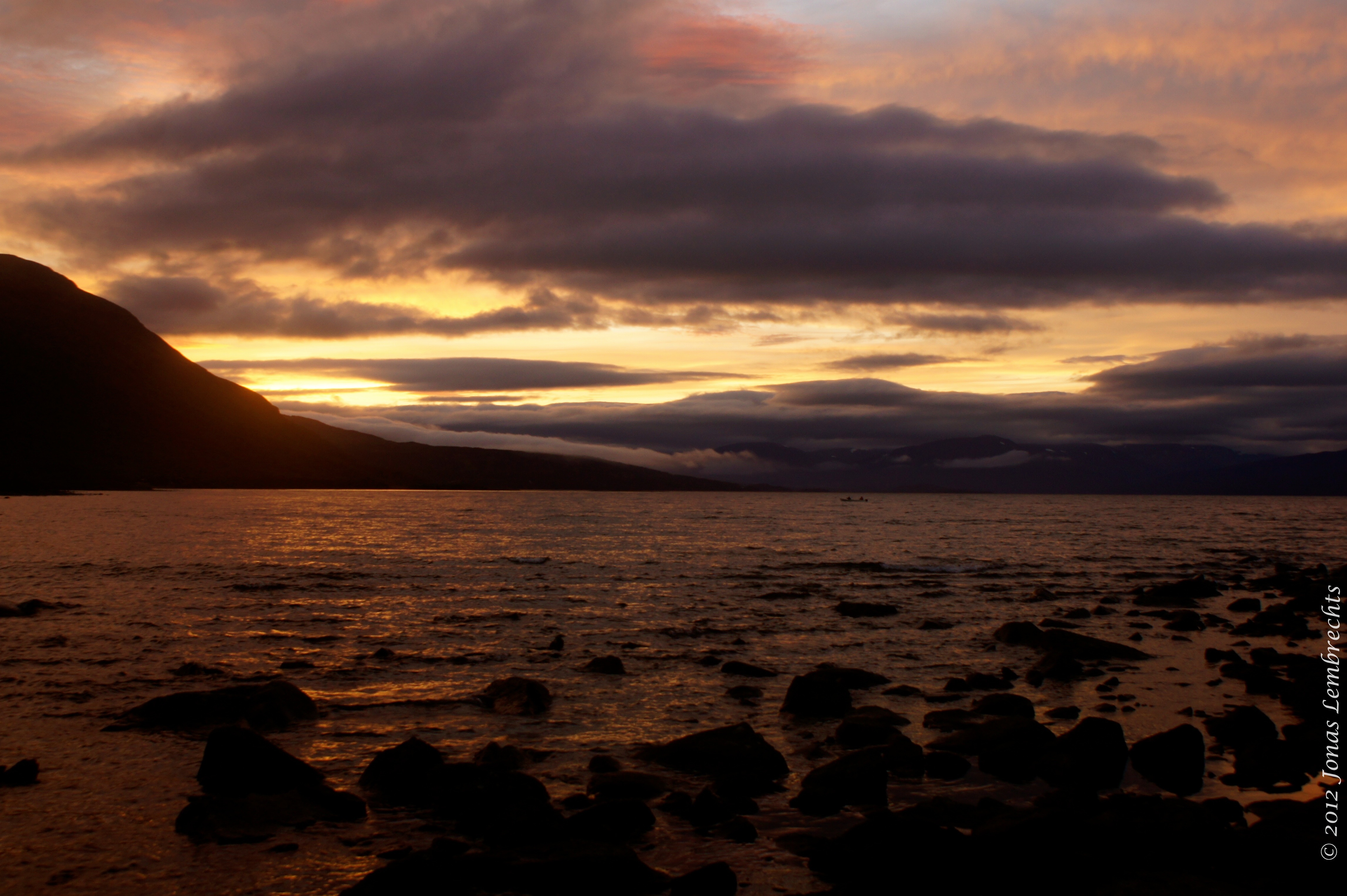
Setting sun above Lake Törnetrask, Abisko

This midnight sun truly brings in a surrealistic experience. You can see the sun slowly approaching the mountains on the horizon around midnight, covering the world in an orange-yellow glow, only to see it rise again moments afterwards.

Rhinanthus flower

These are good times for the Arctic plant life, because they can profit of 24 undisturbed hours of sunshine. This is however no unnecessary luxury, because the growing season is dangerously short up here. The long days are the only thing allowing them to grow a few centimeters every year.

Midsummernight sun in Lapland

Sunlight will however come from all directions during the day, and the sun will never rise high above the horizon. The result is a variety of microhabitats with different temperatures and light availability, all more or less suitable for different species.

Törnetrask lake with midsummer night sun

When we go to Sweden for our field trip in July, we will still have days of 24 hours for a while. When going back at the end of August, the dark winter is again on its way, so the midnight sun will have to give way again to the northern light.

Posted in Sweden | Tagged , , , , , , , , , , , , | Leave a comment

Long hours of preparation

New post on arctic research!

Long hours of preparation.

Posted in General | Tagged , , , , , , , | Leave a comment