Soft with a rough edge

This is the last post about last weeks’ mountain ecologist meeting in Flen in Southern Sweden. Find a (new!) picture gallery here or click on it on the right of my website.
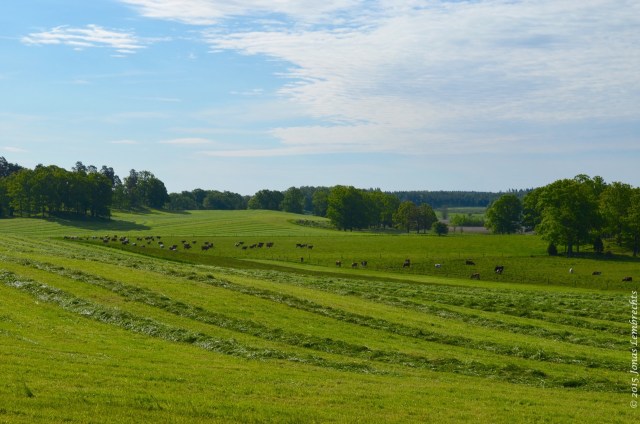
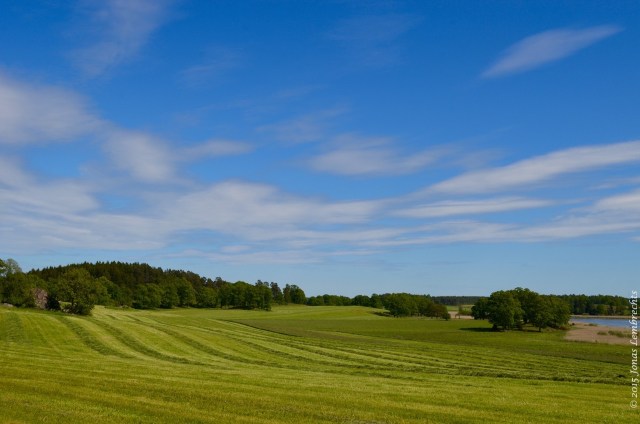
Agriculture is beautiful

I experienced southern Sweden as a soft place. Soft rolling hills, splendid soft shades of green, and the softest meadows with freshly mowed hay. This omnipresent softness came as a big surprise to me, as I only knew Scandinavia from the harsh world above the polar circle.
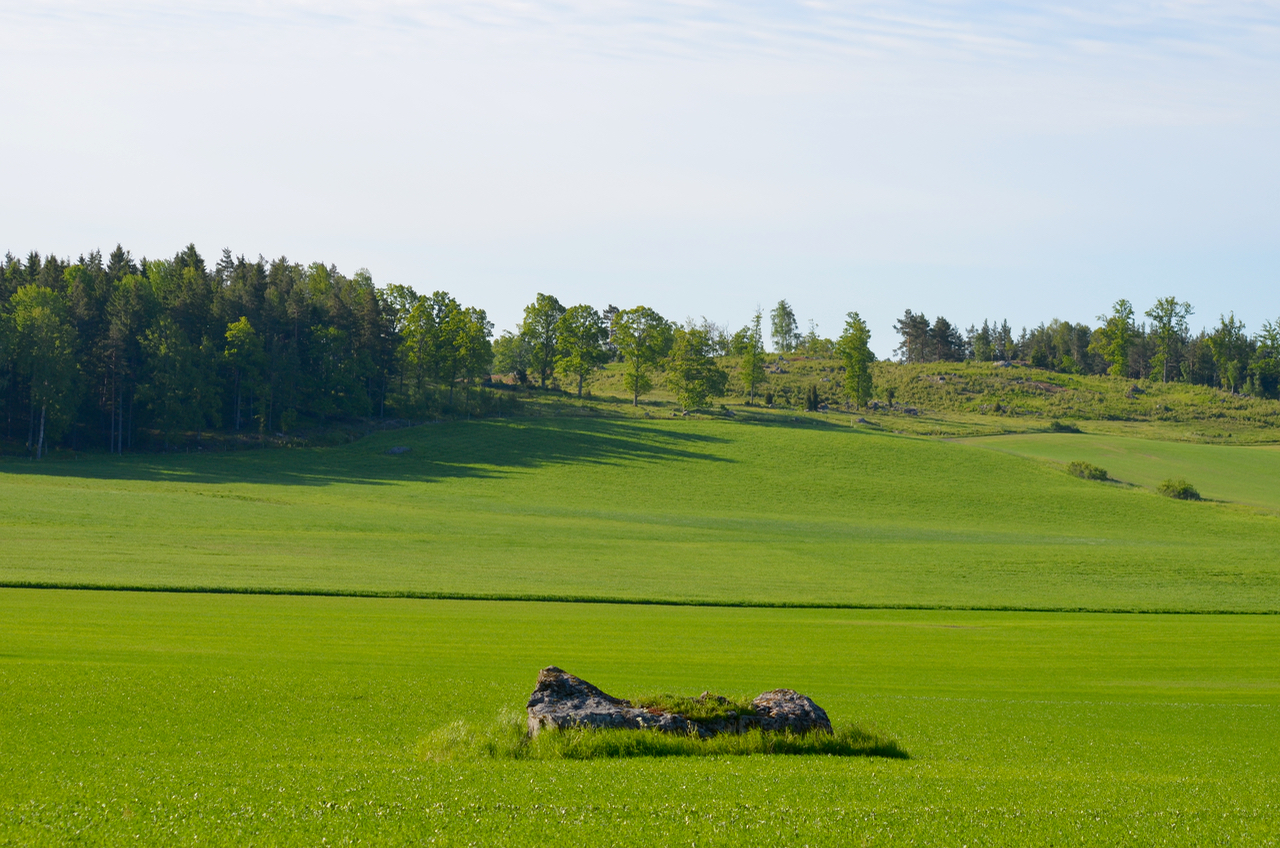
Soft with a rough touch

It might have been hard for me to believe I was indeed in Scandinavia, if it would not have been for the scattered spots of roughness in the landscape. Some of them obvious, some of them not, all of them bringing the northern feeling to the countryside. Some mythical Northern God had dropped massive stones on the fields in his wrath and now they marked the hidden doors to the below ground mansions of trolls. That is the Scandinavia I grew up with!

Rough rock in soft field

It was an intriguing sight to face these huge blocks of granite in the middle of the fields. The must have been impossible to remove for the farmers, as they probably weigh several tons. Now they are lying there peacefully, in plain sight, as a warning that circumstances might not always be as mild here as they felt on this warm day in the end of spring.
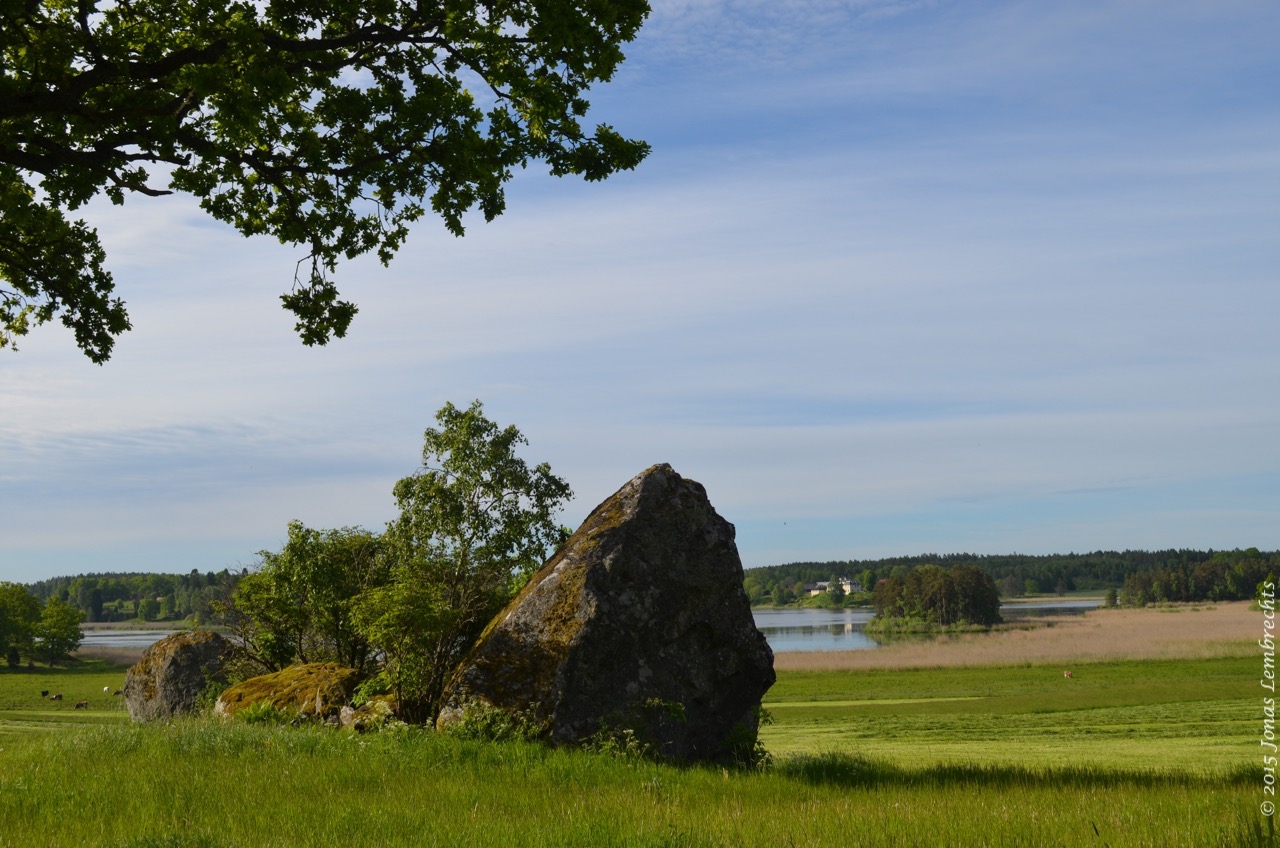
Rough rock in soft field

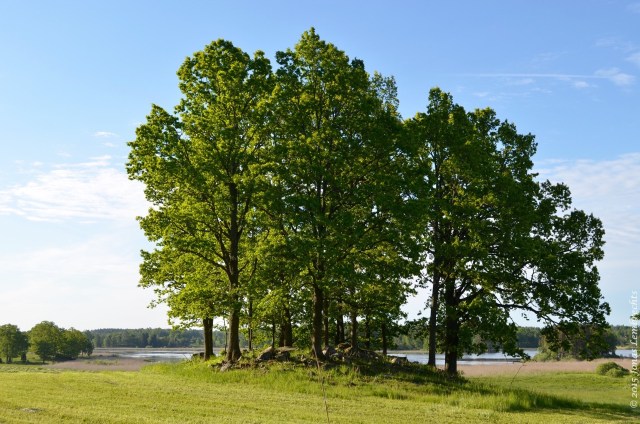
Some of the bigger patches of roughness even hosted trees and stood as dots of diversity in the landscape. All together, these rough edges made for a much more interesting agricultural landscape than I had ever seen before.

Forest patch in a field

Forest patch in a field

I could just wander around through these fields aimlessly for hour after hour, enjoying every new surprise behind every next corner.

DSC_0267

A rock, a peaceful lake or a little Scandinavian farm house, just wander through the picture gallery on the right of my site and let Scandinavia amaze you.
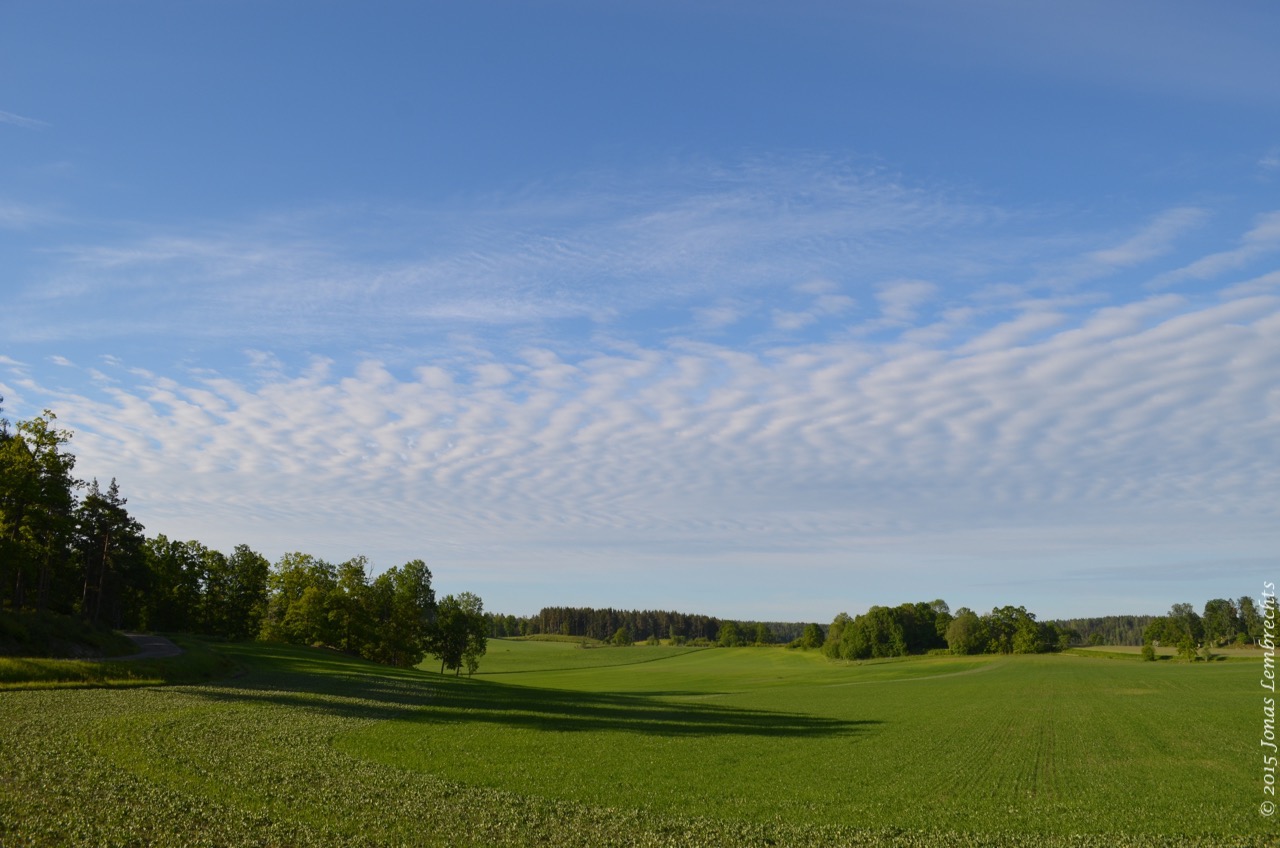
DSC_0286

Posted in Sweden | Tagged , , , , , , , , , , , , , , , | 2 Comments

Summer is coming

DSC_0422

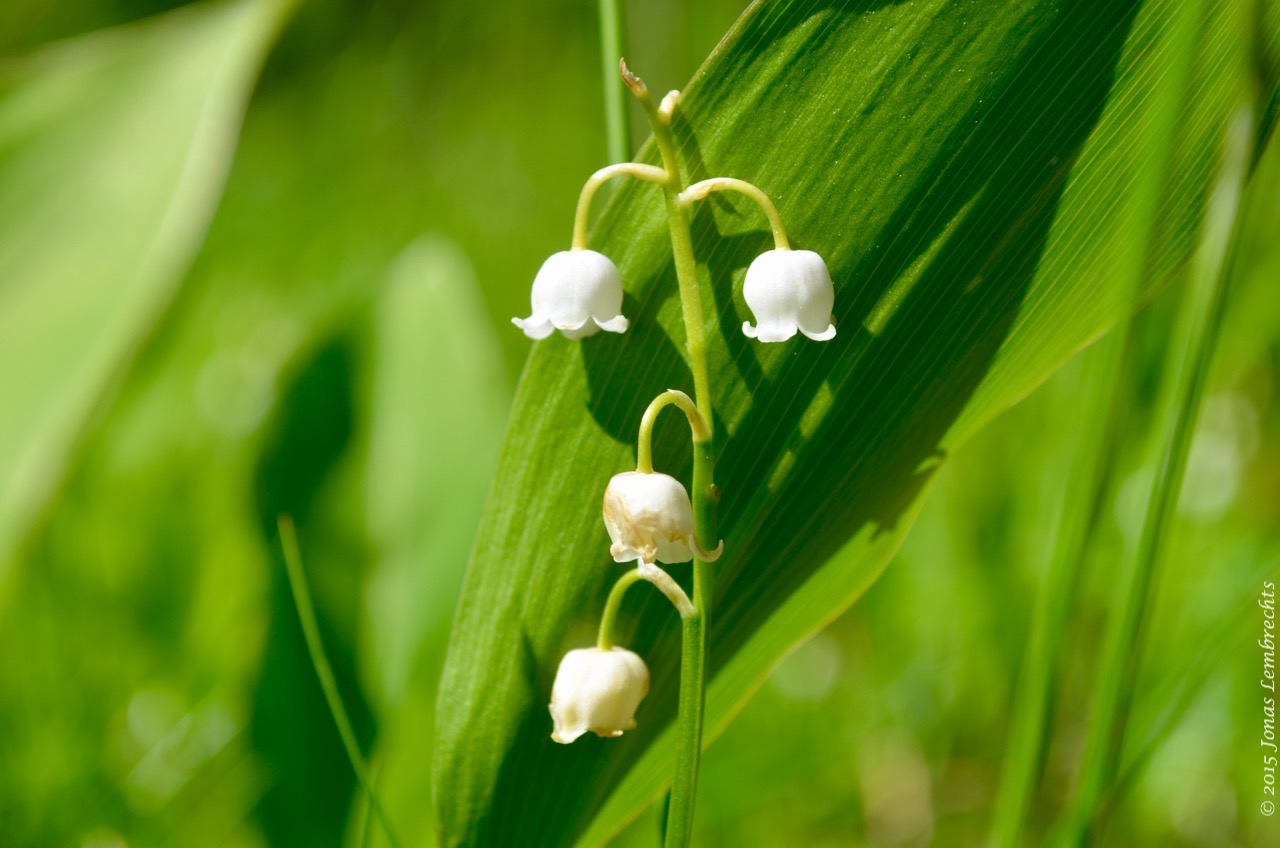
Lily-of-the-valley

While I visited the little Swedish village of Flen for our international meeting, spring slowly turned into summer.

The early plant species of the season were still in full glory everywhere, but the next generation was already taking their positions. This marks the most diverse flowering period of the year, as both spring and summer flowers were giving the best they had.

DSC_0404

As could be expected, the farmers had noticed the countryside had moved from the starter to the main course. They used the nice sunshine for a first harvest of the hay on the lands. I was surprised this harvest could be so early in the season even this far in the north, but this region in the center of Scandinavia turns out to be highly productive for agriculture.

DSC_0409

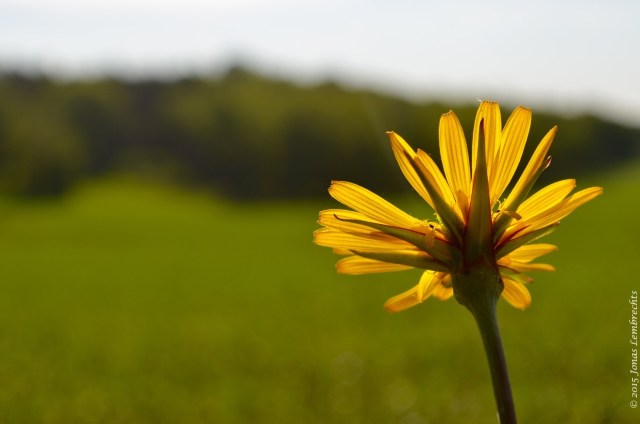
For those up early enough in the morning, the meadow salsify (‘morning star’ in Dutch) showed its stunning ritual, slowly revealing its beautiful yellow flower to honour the morning sun.

Still closed at 6:30 in the morning…

… and open at 7:30!

This comfortable sun also brought plenty of insects into motion, like this splendid looking minstrel bug.

DSC_0358

As I realised while I looked with aww at all this natural power during my morning walks before breakfast, my PhD research is also slowly heading from spring right into summer.

DSC_0198

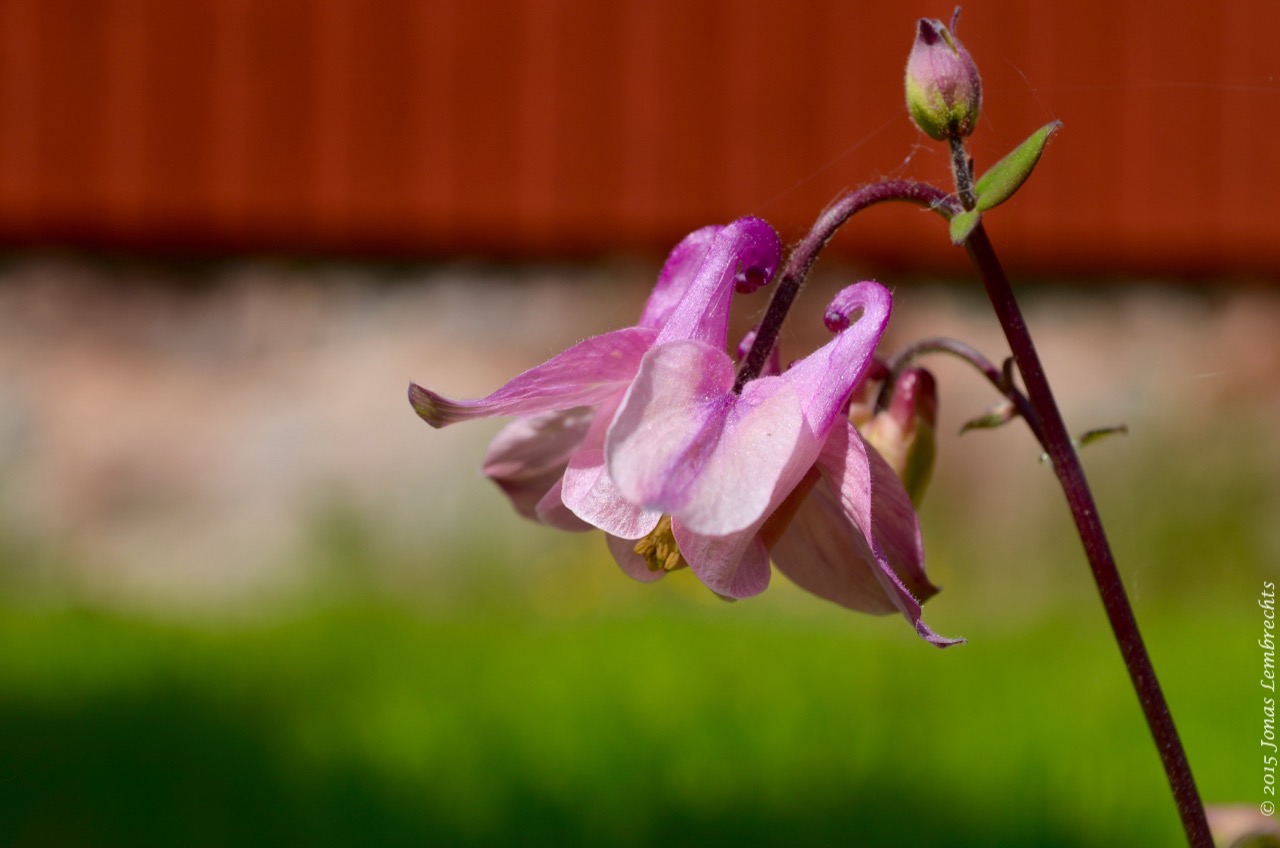
Beautiful pink silene flower

My first plans are almost ready for a harvest, while new and bigger plans are getting into motion. These three days in Sweden were as much a boost for the Swedish vegetation as they were for me. I got the chance to present some of my ongoing projects, as well as strengthening ongoing and future collaborations.

DSC_0311

For once, all the right people where in the right place at the right time, which sparked interesting discussions and launched exiting ideas. I had the chance to meet of some of the heroes of my favourite research papers in real life and – even better – discuss projects with them, a dream for every young scientist.

DSC_0279

So I decided the message of this meeting should be as hopeful as perfect spring weather: the summer of my PhD will be exciting, and the harvest plentiful.

 DSC_0387

Posted in Sweden | Tagged , , , , , , , , , , , , , , , | Leave a comment

Standing on the shoulders of giants

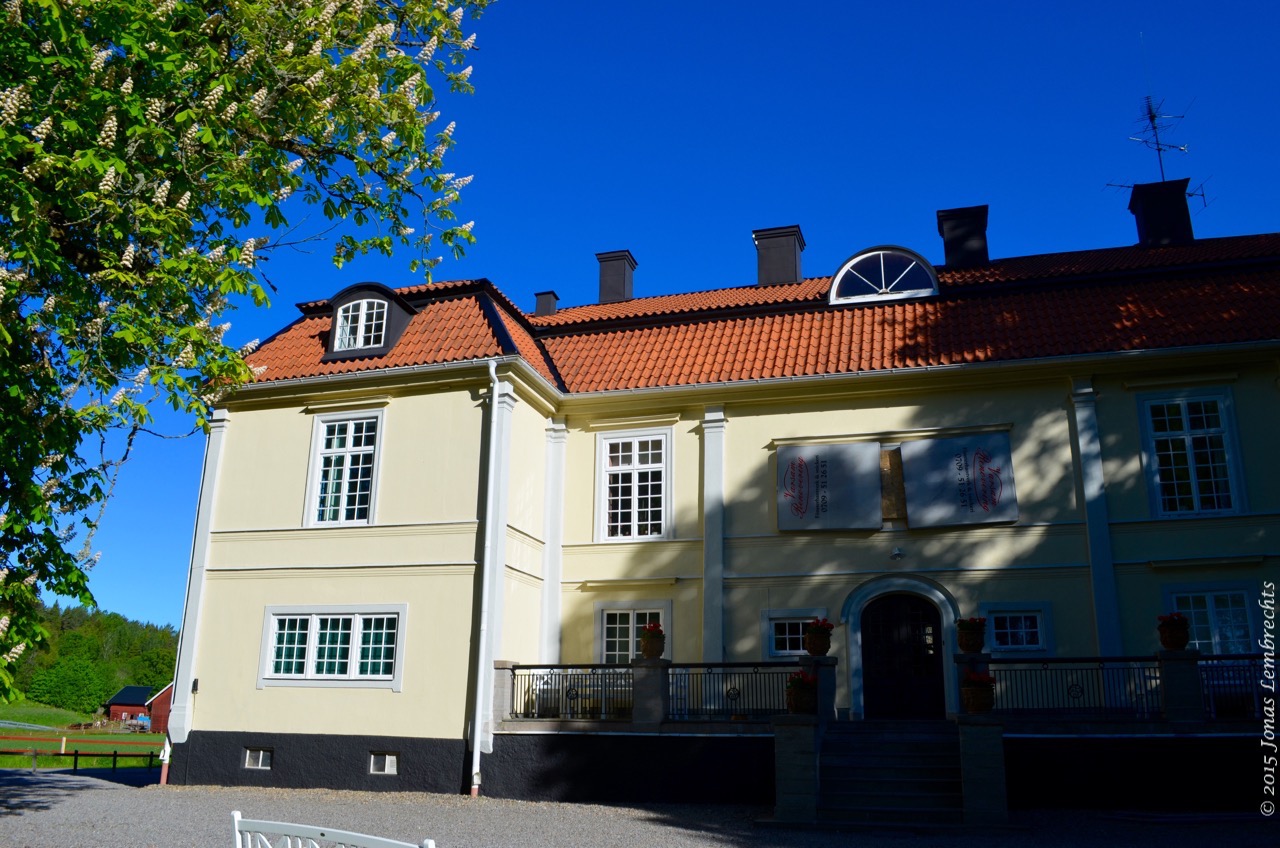
Ekenäs Herrgård is an old mansion in the south of Sweden, close to the village of Flen and on a one hour drive, with a cute old black train, from the capital Stockholm.

DSC_0233

Ekenäs Herrgard

We were so lucky to have a meeting there last week, on arguably the most beautiful spring days the whole of Sweden will have ever experienced (at least to my experience).

DSC_0431

The ultimate location for a meeting

I have to admit I felt a bit humble in this old mansion, with its books of more than 300 year old and its furniture for which I do not even dare to take a guess of age and value.

Me, barely a quarter of a century on my count, talking science with the ‘big boys’, in a house that has seen generation after generation of visitors.

DSC_0371

The history of the queen of Sweden (with a real report on her international travels), a little book from 1689.

And still, I should not worry too much about my own value. I am a scientist, and I am proud of what we are trying to accomplish. We have an important quest in front of us: understanding the future of mountain ecosystems and taking actions for their conservation.

The mansion of the meeting: Ekenäs Herrgård

Old but beautiful

We might make a difference, but we might as well not. Nobody can however argue that we did not try. We had a highly inspiring meeting with a group of enthusiast scientists, all passionated by their subject, and all eager to solve all remaining mysteries.

DSC_0235

The mansion seemed to approve of our mission, welcoming us with the best hospitality we could imagine.

Old rooms

Finding inspiration for the future in the beauty of the past

I am sure our hard work will pay off in the end, although it might take some time. And as has always been said (traced back at least to the old Isaak Newton himself): we are standing on the shoulders of giants, adding our small but significant findings to an ever growing mountain of knowledge.

The mansion of the meeting: Ekenäs HerrgårdIf that is not worth the effort, nothing is.
Posted in General | Tagged , , , , , , , , , , , , , , | 1 Comment

Flen

Tomorrow morning I will be on a plane again. A short trip this time, 3 days up and down to the south of Sweden, where we have a meeting with the MIREN-network (all our colleagues from all over the world who study plant invasions in the mountains like I do).

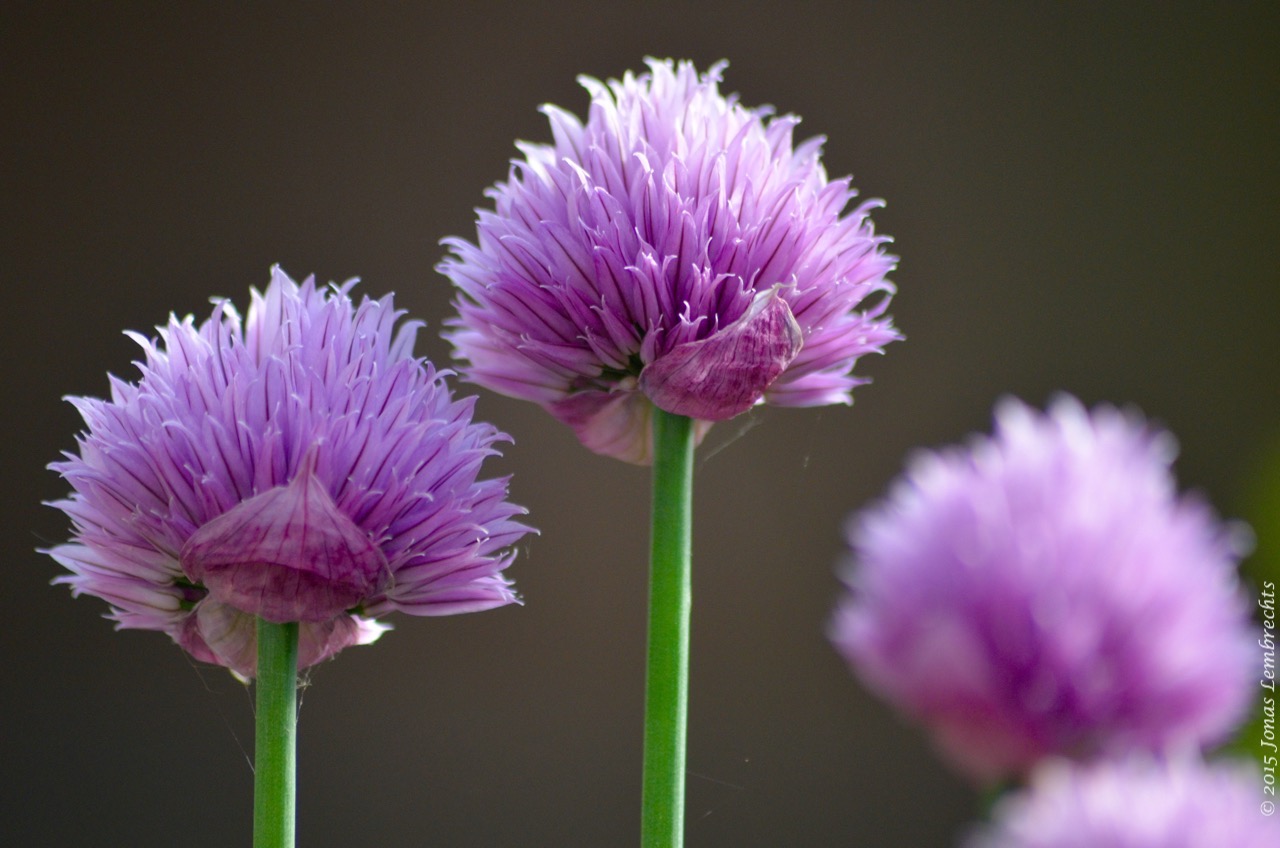
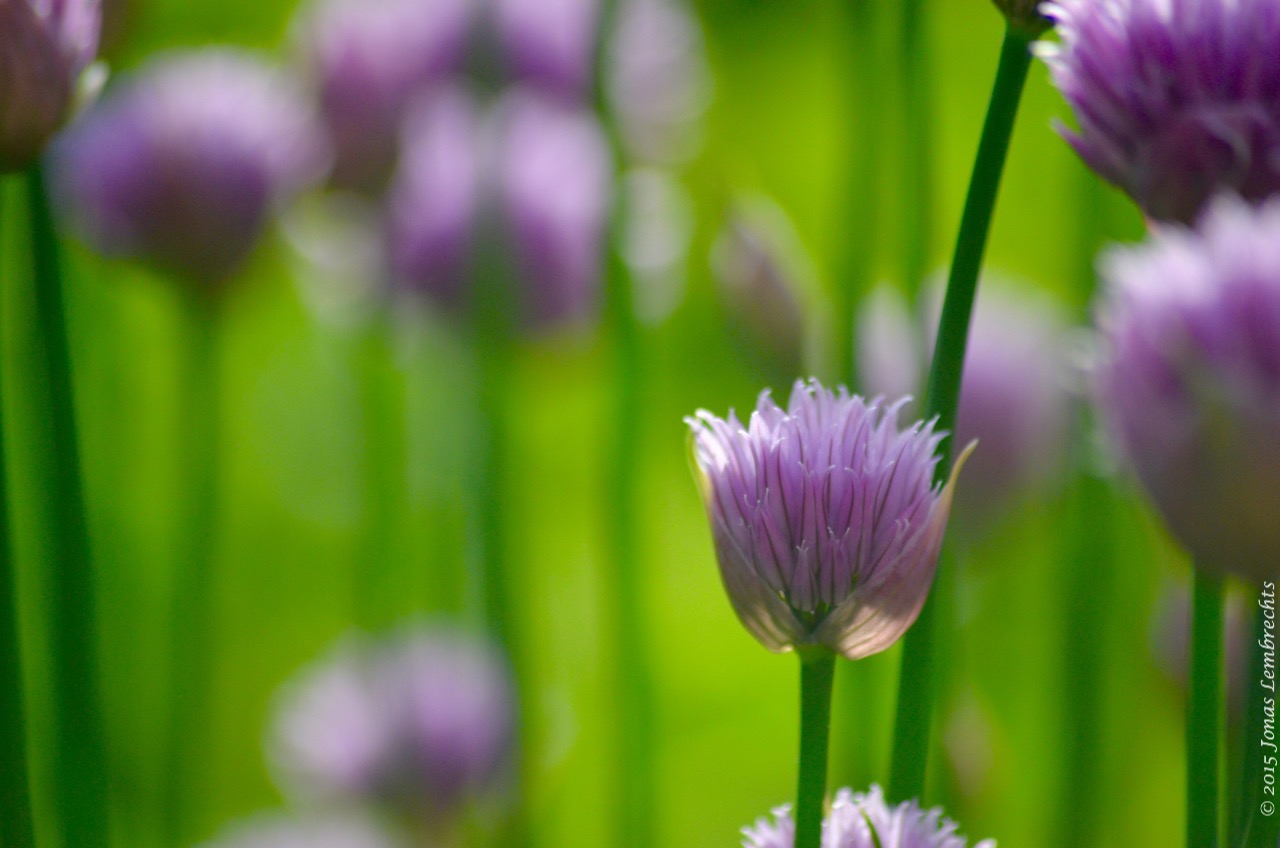
Flowering chives

I had a busy time the last weeks preparing as many results as possible for the three main parts of my work that are going to be discussed there, and now I am packing my bags.

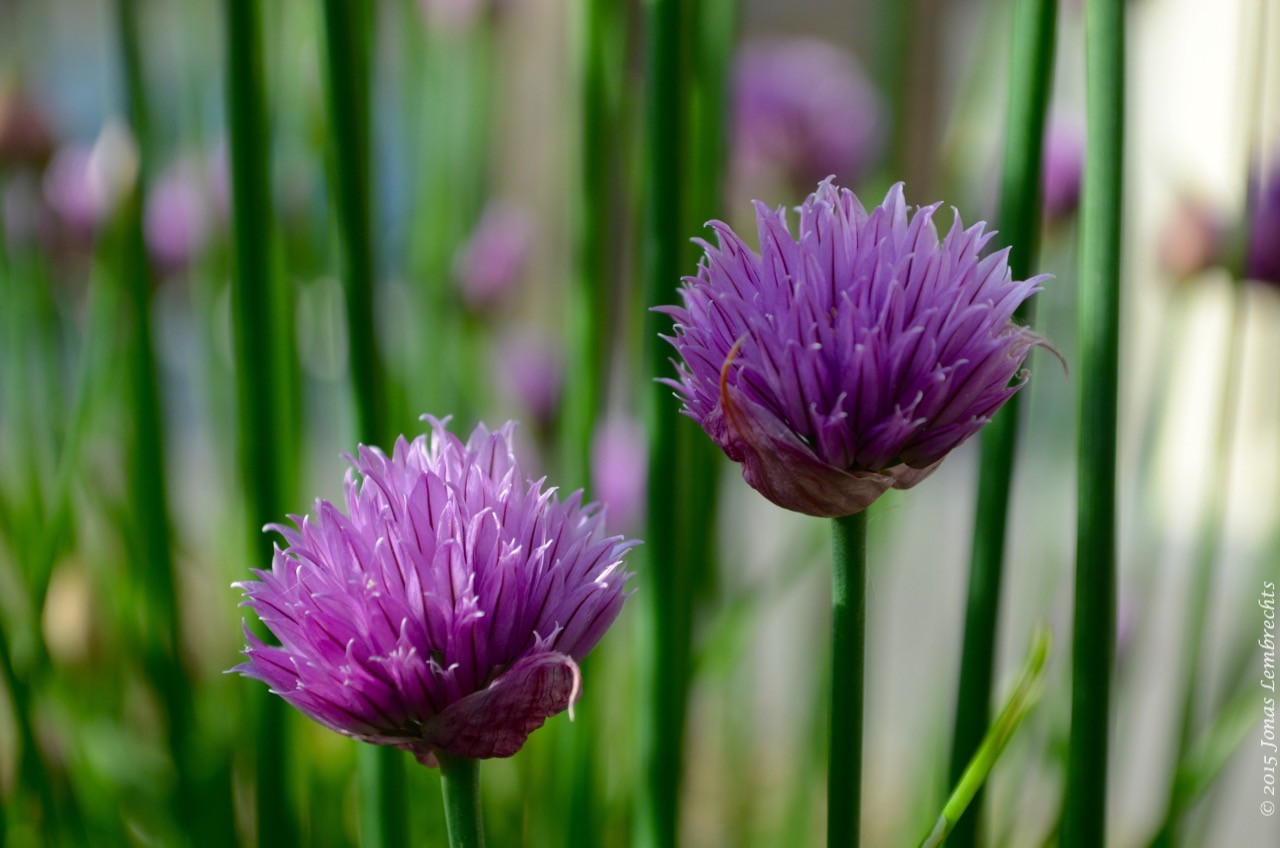
 Flowering chives

I always love these kinds of meetings, as they force me to wrap things up and summarise how far I am with my work. When everything is listed, the summary looks pretty good, but I can see some busy summer months ahead!

 Flowering chives

But first, I will enjoy the sunny spring weather in Flen, a little village south of Stockholm. And under this nice sun, I will gather plenty of useful ideas for future work and get useful comments on what I have been creating. Just hoping there are not too many interesting things to do!

Flowering chives

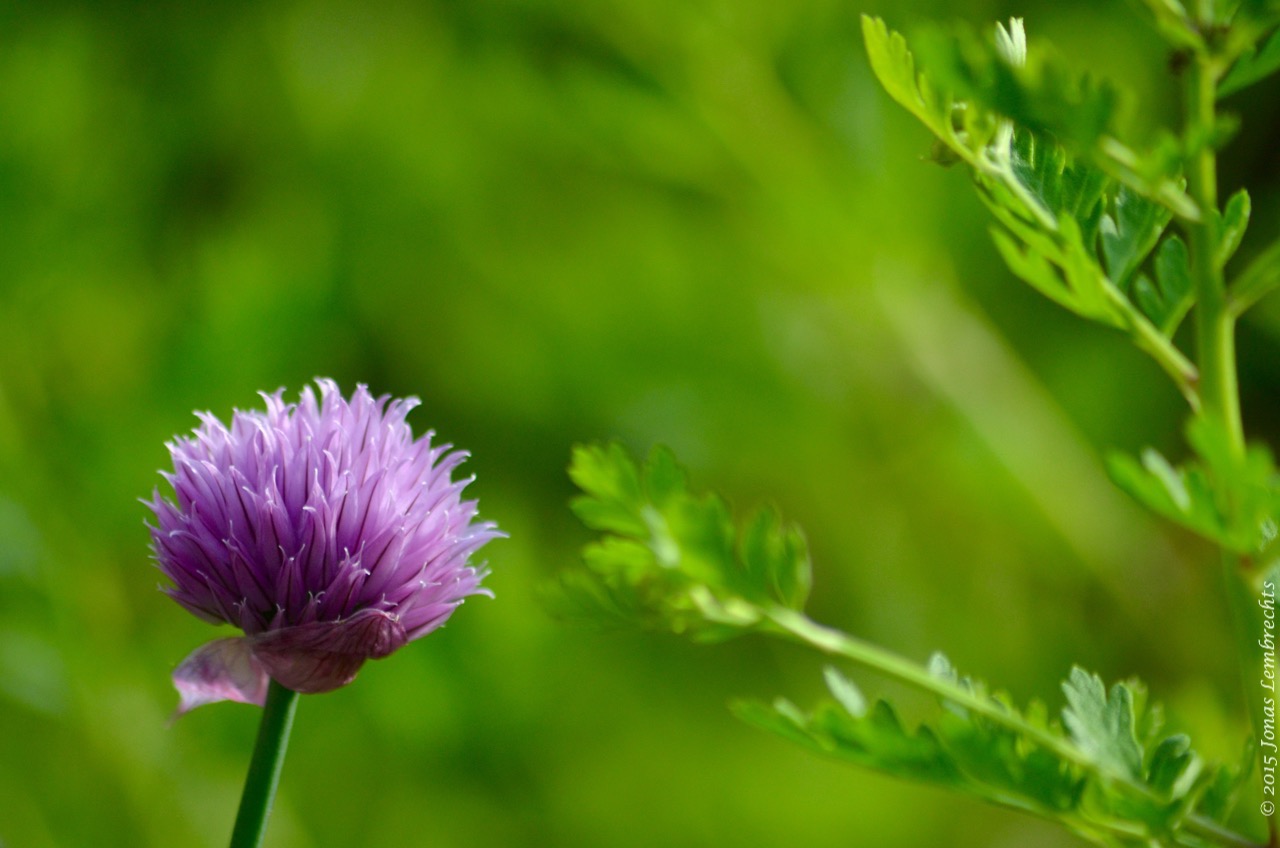
The associated pictures have nothing to do with Flen, off course, but I just wanted to show the spring feeling from the garden in Belgium, as those pretty flowers seem to fit in the moment. 

Flowering chives

Posted in Sweden | Tagged , , , , , , , , , , , , | 1 Comment

That’s invasive!

Science has to keep up with the rest of society, in order to stay meaningful. Luckily, science is all about innovating, so the good ideas are plentiful.

Broom

Through the ‘Empowering biodiversity research’ conference in Brussels, Belgium, where big datasets in ecology got the praise they deserve – I stumbled upon a precious little thing that might symbolise the future of large-scale data collection in biodiversity conservation.

That precious little thing is called ‘That’s invasive’ and it is a smartphone app (available for Android ànd iPhone!) to collect data on some major plant and animal invasive species.

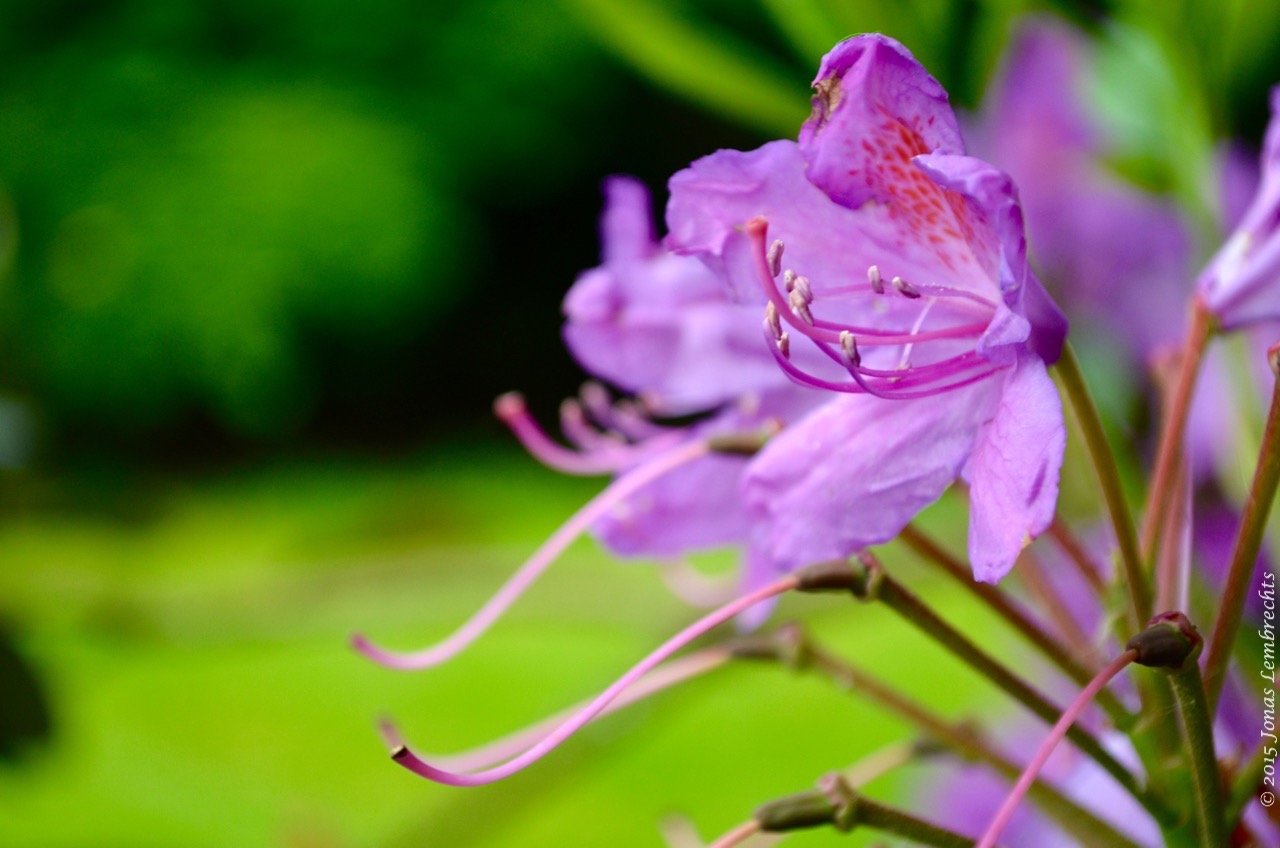
Invasive rhododendron, beautiful flowers, but unfriendly against all other plant species. Record its presence through the app.

Invasive rhododendron, beautiful flowers, but unfriendly against all other plant species. Record its presence through the app.

The app contains 24 highly invasive species from Europe, with clear pictures and explanations. It is very user-friendly (again, that’s part of the future) and allows you to locate the invader on a map, upload pictures and specify the level of invasion . The app contains animals like the American Mink, Canada Goose, Ring-Necked Parakeet and American Bullfrog, together with a bunch of water plants and species like Himalayan Balsam and Giant Hogweed.

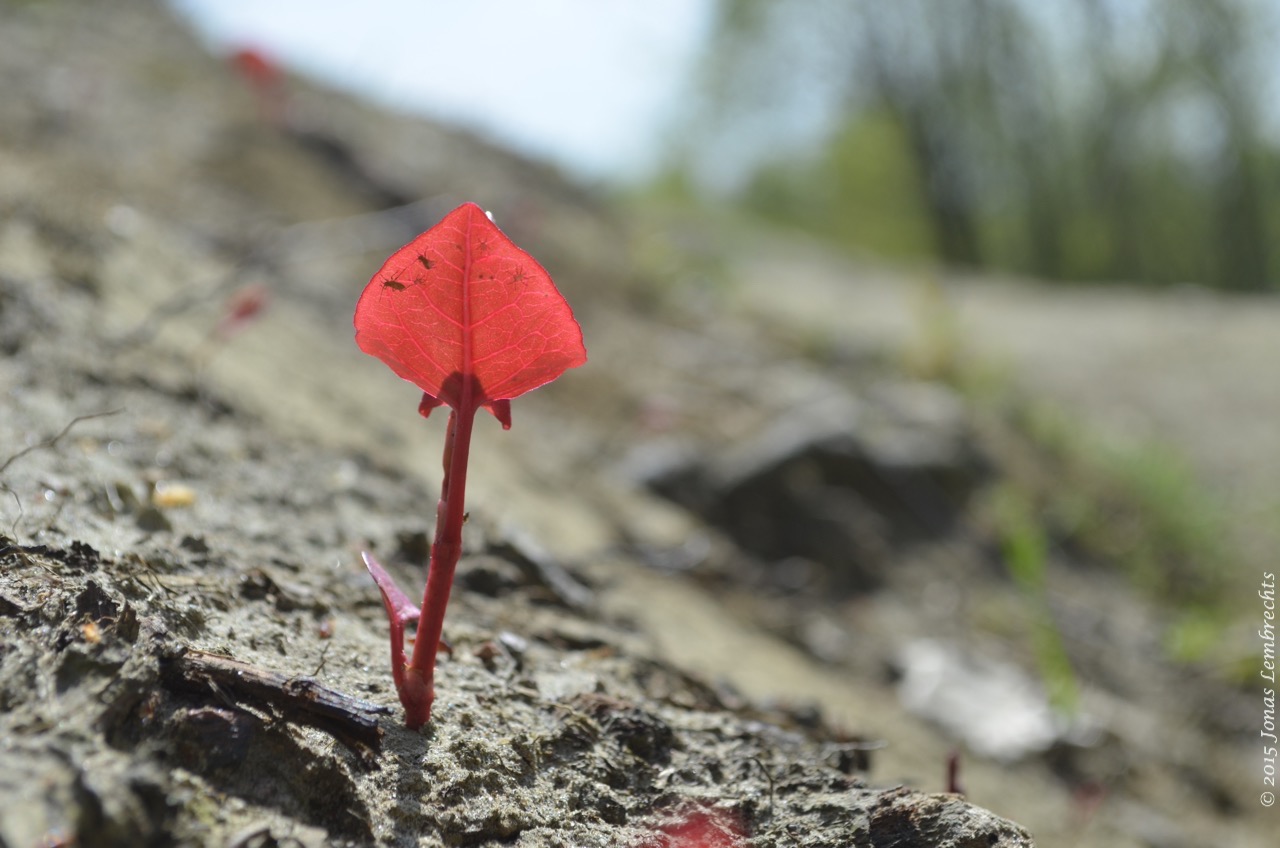
Seedling of Japanese knotweed, enough to trigger a whole new invasion! The app could help following these new outbreaks.

Seedling of Japanese knotweed, enough to trigger a whole new invasion! The app could help following these new outbreaks.

With enough community awareness, this app could be the key to follow plant and animal invasions at the front line and as such, it definitely deserves our support and a bit more publicity!

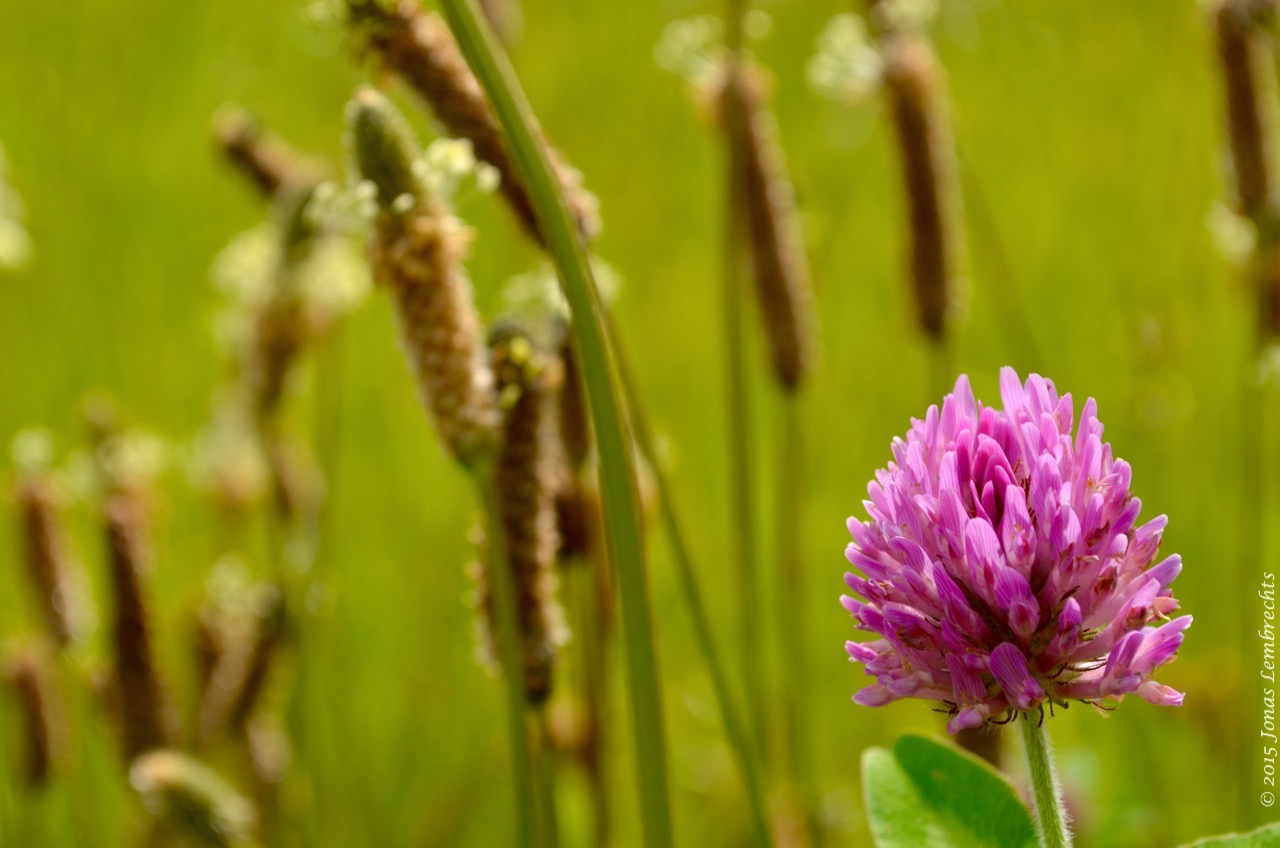
Currently, the app focusses on 24 European invaders, but it could do with some more species and a global scale. Tracking the global expansion of red clover, for example, would be a nice extra.

Currently, the app focusses on 24 European invaders, but it could do with some more species and a global scale. Tracking the global expansion of red clover, for example, would be a nice extra.

Find more information on the website of RINSE and start recording your own invasive species!

Posted in Belgium | Tagged , , , , , , , , , , , , | 3 Comments

University of the Arctic

DSC_0148

It are the little things that can make someone happy. Some of my Swedish pictures are featured on the website of the University of the Arctic.

DSC_0061

That idea is already nice, but I also find it nice to be associated with this initiative. As they say it themselves: the University of the Arctic (UArctic) is a cooperative network of universities, colleges, research institutes and other organizations concerned with education and research in and about the North.

DSC_0241

This page shows you a nice map with a bunch of yellow dots, with all the institutes associated with the University of the Arctic. They study a broad range of disciplines, from business to art in their aim to connect everything that is known about the Arctic.

DSC_0035 - Copy - Copy

Such a global collaboration effort deserves some support, as it might strengthen the future of this precious cold region.

DSC_0096

Posted in Sweden | Tagged , , , , , , , , , , , , | 3 Comments