Close to home

Somehow, smoothly and almost unnoticed, I entered a truly different phase in my PhD, and it is a phase I find surprisingly comfortable.
Fot - 3

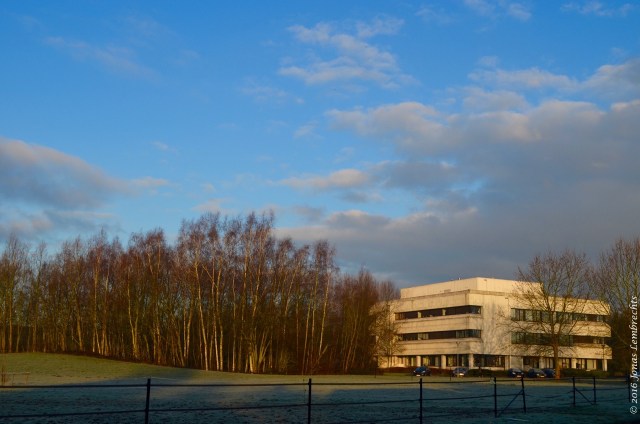
University building in the morning sun

It is that point at which most of the fundamental data is collected, when everything is getting nicely organised and you know exactly what data you have. A phase that thus clearly shifted the focus from data collection to writing and analysing.
Fot - 5

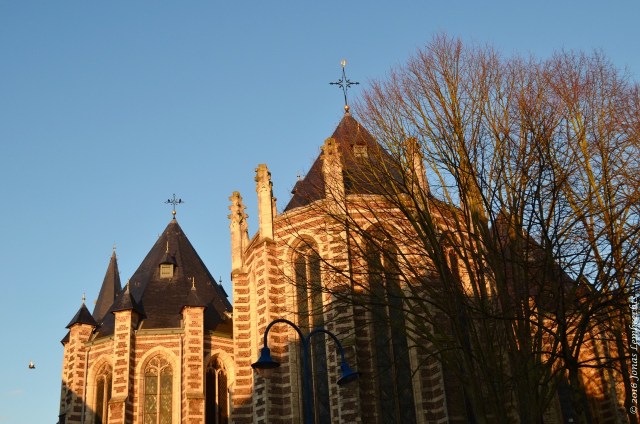
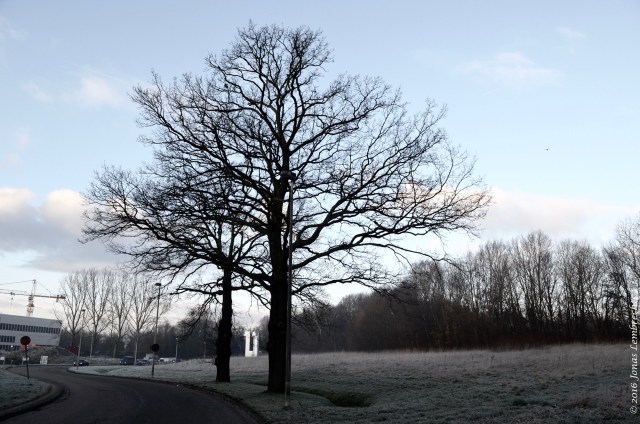
At the moment, there is thus not much travelling going on, except of the daily routine, biking from home to work and back (the tiny travels on which these pictures were taken). But that is a good thing. Data analysis is a demanding task, that asks for my attention for an extended period of time.
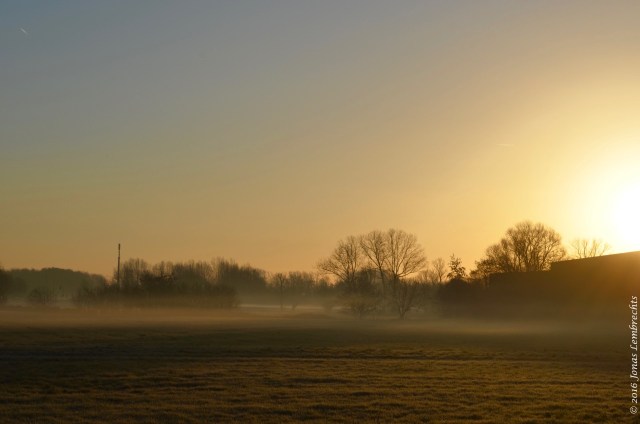
Fot - 1

Mist and morning sun

The good thing is, I know what I wat to tell. All the hypotheses for all sub-projects are already developed, and now it is the exciting work to search for answers within the data. And as I said, I find this phase surprisingly comfortable.
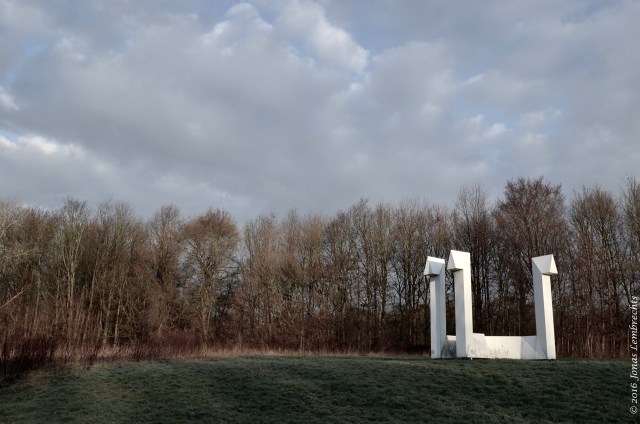
Fot - 6

The 3 swans, art on the university campus

It is comfortable, as I clearly notice that I learned a lot during the previous years. There has been serious trial and error, but through all these errors I worked towards a wide arsenal of skills that I can now use to go out and beyond.
Fot - 4

If 2012-me would have known me, he’d probably have been very impressed.

Posted in Belgium | Tagged , , , , , , , , , , | Leave a comment

An elegant proof of global warming

An easy yet elegant experiment to prove the role of carbon dioxide in global warming and show its effect to children, that was the question my colleagues were working on. The experiment is in fact really elegant, so I am happy to share it with you.

img_20160226_130517_24982885100_o

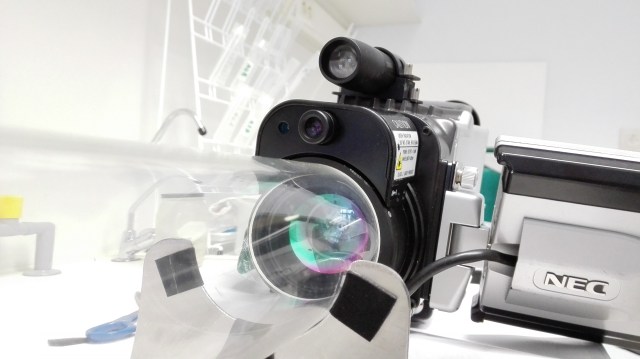
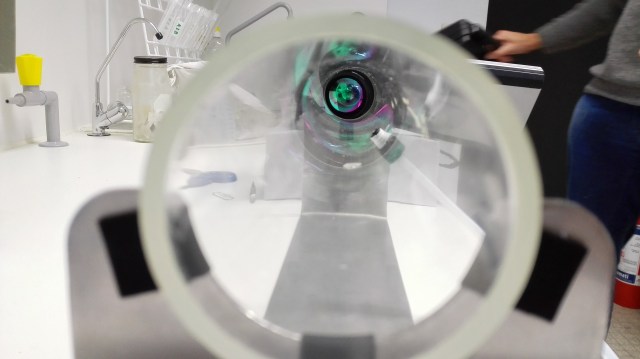
Experimental set-up, with from bottom to top: a glass of hot water, a tube with carbon dioxide and a thermal camera

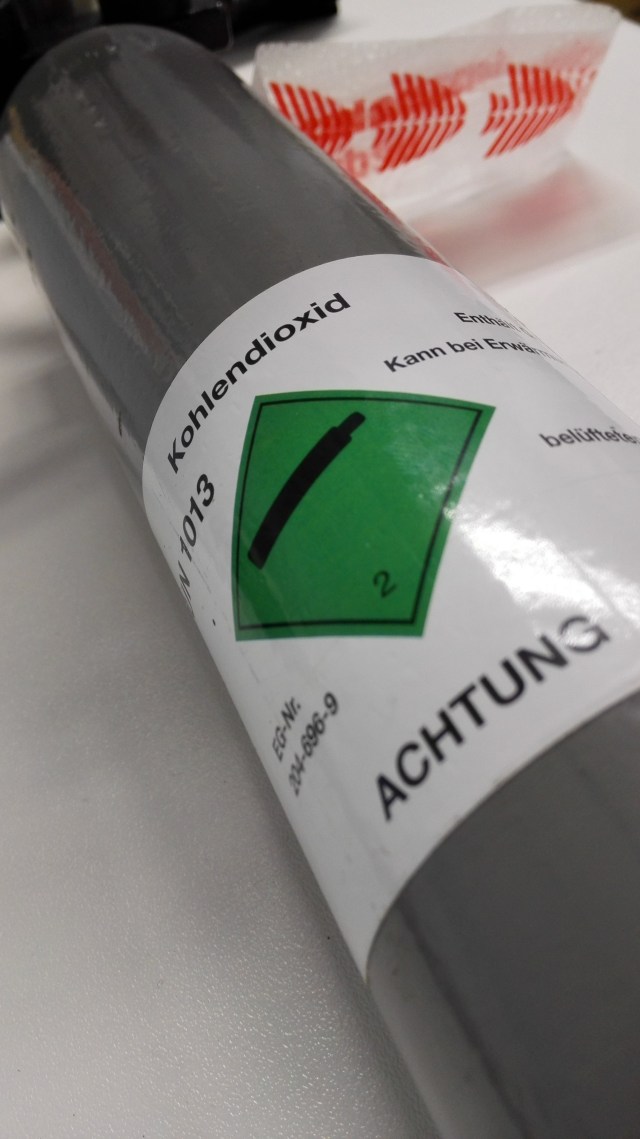
What you need is in the first place a tube, connected to a carbon dioxide source (our imaginative atmosphere). At one end of the tube, there comes a warm object (a candle, a glass of hot water, the earth, or anything else you have at hand), the other side of the tube is guarded by the thermal camera (the exact reason why I got involved, as thermal camera specialist).

img_20160226_130506_25278483325_o

The thermal camera

The thermal camera will pick up the temperature of the warm object through the recording of infrared radiation. However, if we pump the invisible gas carbon dioxide into the tube, the temperature shown on the monitor will go down!

img_20160226_130542_24982889240_o

Interestingly, it is not really the temperature of our candle that is not really going down. The candle gives of infrared radiation, the camera records exactly that. However, carbon dioxide is highly effective in absorbing this infrared radiation (at least part of it), which is exactly why we call it a greenhouse gas. The heath will not be able to escape through the tube and get recorded by the camera, so the temperature appears lower.

img_20160226_130604_25160244362_o

The same thing would appear on our screen if we would imagine the thermal camera looking from outer space towards our earth. Earth omits heath as infrared radiation, our imaginative camera records it. However, several particles in our atmosphere, of which carbon dioxide is the most famous one, absorb this radiation and keep it trapped. The temperature of the earth gets higher, as less heath can escape towards our ‘thermal camera’ and outer space. So: the temperature on the camera appears lower, exactly because our candle/earth is warmer (which is an important sentence to grasp the meaning of the experiment).

img_20160226_130533_25160241792_o

Pressure gauge of the bottle with carbon dioxide

It took us some finetuning of the temperature range of the camera, but in the end we managed to show the pattern as nicely as the scientists in this video. Now, my colleagues will take this little experiment to the children’s university at the end of this week, to give a bunch of 8 till 14-year-olds an awesome day, a nice encounter with science and a reasonable idea of how global warming works.

Posted in Science | Tagged , , , , , , , , , | Leave a comment

A reward for 2012-me

Let’s go back to summer 2012. I am working on my masters thesis in Norway in what was arguably the wettest fieldwork summer till today.

SONY DSC

Empetrum hermaphroditum, one of the main species of the native vegetation in our experimental plots.

Aim of the project was at first to get an idea of the distribution of the non-native species along the mountain roads from the Norwegian fjords till the highest elevation.

SONY DSC

But when we were on it, sampling plants along these roads for a month, we discovered that many other species showed peculiar patterns as well. Not only the non-native species seemed to be affected by the roads, several native species saw their distributions altered as well.

SONY DSC

A discovery that made me very excited, especially because we had not really been looking for it.

SONY DSC

And yet, despite all the excitement, we did not have sufficient data at that time to prove what we were observing. I had to be patient, wait for more data – from our MIREN colleagues – and try a more elaborate approach later.

SONY DSC

And now, finally, almost 4 years later, we will publish these exciting patterns we observed in 2012. We are finalising the global paper that shows what we wanted to show, and thus, very soon, I will be able to give a beautiful present to 2012-me. A present that will make him very happy.


Posted in Norway, Science | Tagged , , , , , , , , , , , | 2 Comments

A mildly booming business

We have been spending considerable amount of time uploading my pictures on Fotolia, one of the main websites for stock photography.

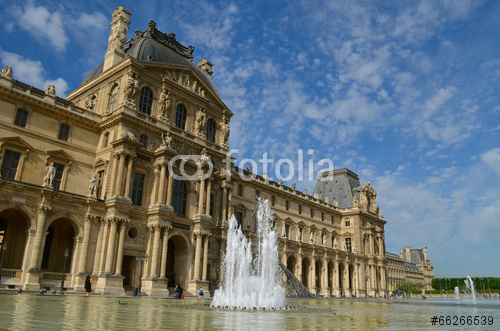
fotolia_66266539

The Louvre museum in Paris, on my way home after a work visit to Loches, France

It is a lot of work to get them on there, but the occasional reward makes it a lot of fun. You can find my ever-growing portfolio here.

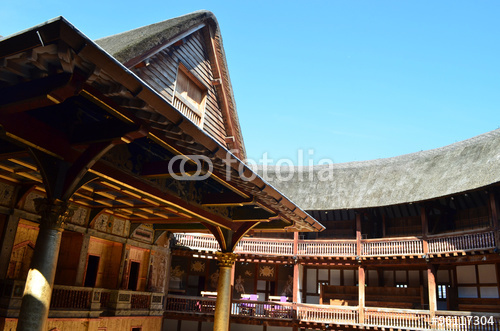
fotolia_96117304

Shakespeares Globe in London, on holiday

I currently have almost 3000 pictures online, and sold more than 350 of them, which makes me mildly proud. It is never gonna make me rich (and you definitely do not want to calculate how very little we earn for an hour of work!), but selling 350 pictures is tremendously more than I would have ever thought possible.

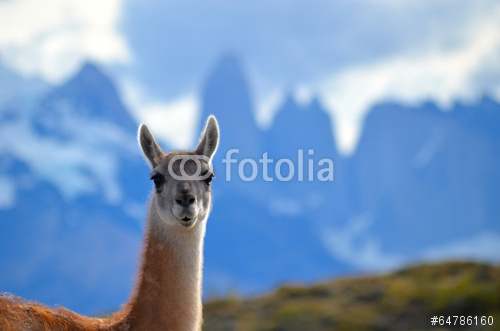
fotolia_64786160

A guanaco in the Chilean Andes, after an experimental field campaign 

It is funny to see what kind of pictures sell the easiest. This posts shows some of the bestsellers in my portfolio, and it is immediately clear that exotic travel destinations do very well.

fotolia_64786147

Cows in a Patagonian valley, after a field campaign in Chile

Landscapes, but also famous cityviews are thus high on the list, but they contrast sharply with the dull pictures that seem to get at least as much attention: car parks, traffic signs, spoons, the more ‘normal’ it is, the easier it sells.

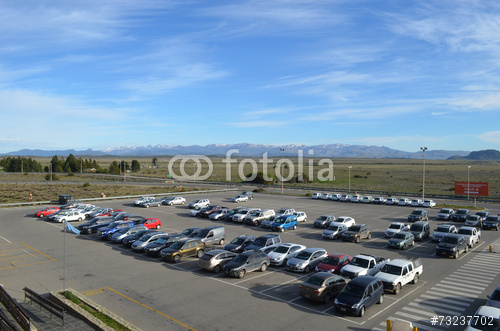
fotolia_73237702

Car park of the airport in Bariloche, Argentina, after a meeting with colleagues

But surprisingly, even my work seems to sell, as illustrated by this detail of stress measurements on our university campus.

fotolia_96116414

Measuring fluorescence in colonisers of experimental gaps at the university, Antwerp, Belgium

For someone who likes to make pictures as an extra to his main job in ecological research, selling some pictures through Fotolia is a nice reward. I will never be able to resist the urge to make pictures anyway, so better make the most of it!

Posted in Photography | Tagged , , , , , , , , , , , , | Leave a comment

Travelling the world

… without getting anywhere!

I am working on some very interesting global models now, bringing together all the data from our colleagues in mountain regions all over the world. I aim to bring together all this data to make maps of the distribution of our invasive plants over the world.

Fot - 2

It allows me to hop easily from Norway to Hawaii, from Australia to Chile, from Yellowstone to Switzerland. It is nice travelling to all these places, without the burden of taking the plane…

Okay, okay, I admit, not as good as actually being there, but it stays nice to keep the research broader than just my own little village. The patterns we find and will find, are true on a large scale, and that is increasingly important in science.

Fot - 1

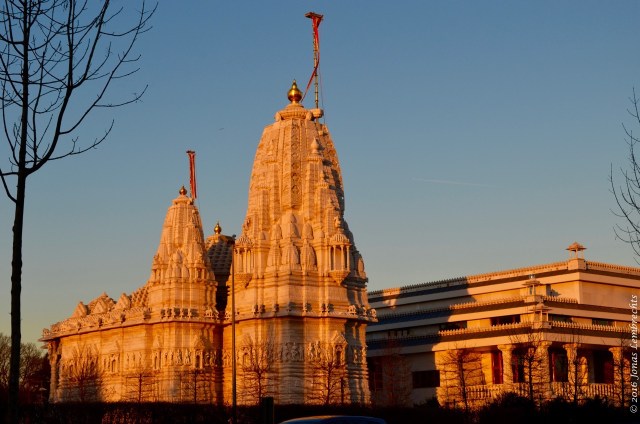
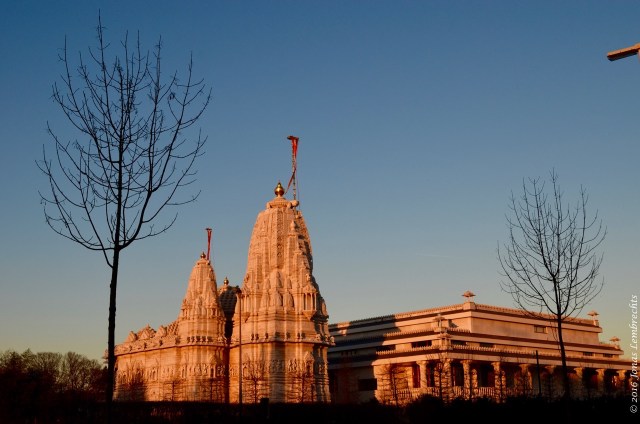
On the same note: I travelled to India, yet also without getting anywhere. There is a big (the biggest outside of India) Jain temple in Wilrijk, the place where I work, and in the evening sun it looked perfectly suited for every travel website. It took me only a quick stop on my way home, but it gave the real feel of India.

Posted in Belgium | Tagged , , , , , , , , , , , | 1 Comment

A fifteen minutes city trip

I am on a roll with my computerwork! With fieldwork being on hold till summer is back, I can thoroughly work on all the data analyses, and that is going very smooth.

With all that working inside, I feared however that I would totally miss the beginning of spring. Luckily, I had the opportunity last week for a fifteen minutes city trip to the ever-amazing city of Antwerp.

Fot - 3

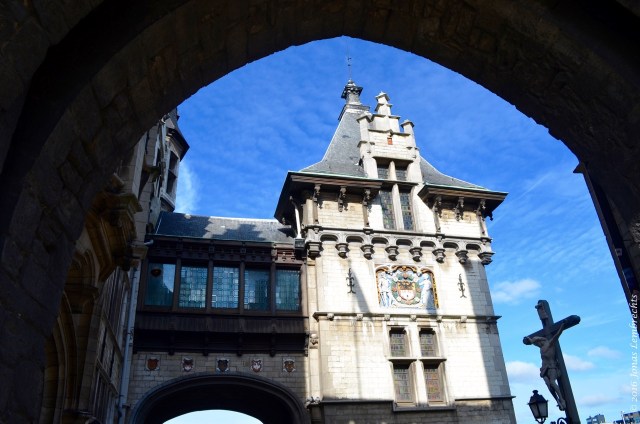
The inner tower of Het Steen, the old fortress on the shore of the river Scheldt

Sun was shining, the first hint of warmth was in the air, birds were becoming more active, the first few on my list of anticipated signs of spring could be crossed off.

Fot - 2

Beautiful view over the river Scheldt.

By the way, I can truly recommend the concept of the fifteen minutes city trip to everybody! When the sun is out, you do not need more time to breath in the atmosphere of a city. Important is, you should not hurry. Just use one landmark that would shine the brightest in the sun and take in its beauty. In that way, a fifteen minutes citytrip is always better than no citytrip at all.

Fot - 4

And after that, it is back to work with a fresh mind and fresh energy to get these awesome papers written!

Fot - 1

The statue of Lange Wapper and Het Steen.

Posted in Belgium | Tagged , , , , , , , , , , | 2 Comments