The 3D Lab closes 2020

Our goal here in The 3D Lab is to use our skills to help fight the biodiversity crisis. Important. Urgent. Complex. Never finished.

Of course, this is a battle we won’t win overnight, nor will we manage on our own. But I hope we did add some stones to the mountain over the last months. In the last post of the year, we traditionally look back using some of our most-read stories, to evaluate what goals we achieved.

So here comes: The 3D Labs’ 2020 in our 10 best stories!
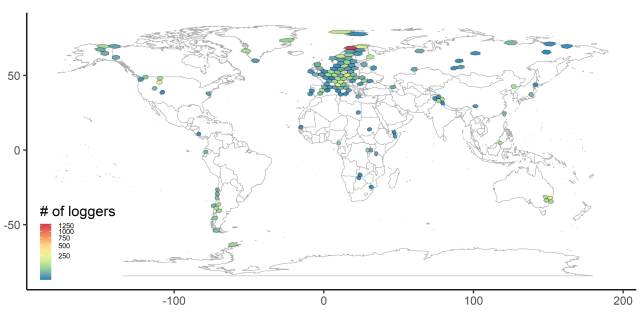
Figure 18b
Call for remote research sites
  1. We launched a call for the whole world to help out with the SoilTemp-database. Important, as we believe that biodiversity can’t be saved without good climate data, and coverage is poorest in many of the most biodiverse regions. The call has been widely successful, with sensors now measuring all across the world, from the depths of the jungle in Congo to remote Canadian islands.
IMG_20200227_075750_1
Microclimate ecology and biogeography – meeting in Sweden

2. We joined an enthusiastic panel of microclimate experts in a mansion in Sweden to discuss the most important questions to tackle while moving forward. A reflection exercise that allows us to first study what’s most important. Hopeful observation: microclimate ecology is ready to gear up for the future!

IMG_20200303_081923
Collaborative ecology at the Oikos-conference in Reykjavik, Iceland

3. We discussed how we as ecologists can take up our task to preserve our biodiversity in a rapidly changing world, and how we should do so before things get too far out of hand. The ecological conference in Reykjavik, Iceland, could serve as an important and hopeful example.

4. We used our expertise against the global pandemic that has been raging throughout 2020. More importantly, we argued that we as ecologists should NOT use our expertise here. A humble lesson on how science keeps learning and still has so much to learn, and how tricky that is if scientific conclusions need to guide global decision-making.
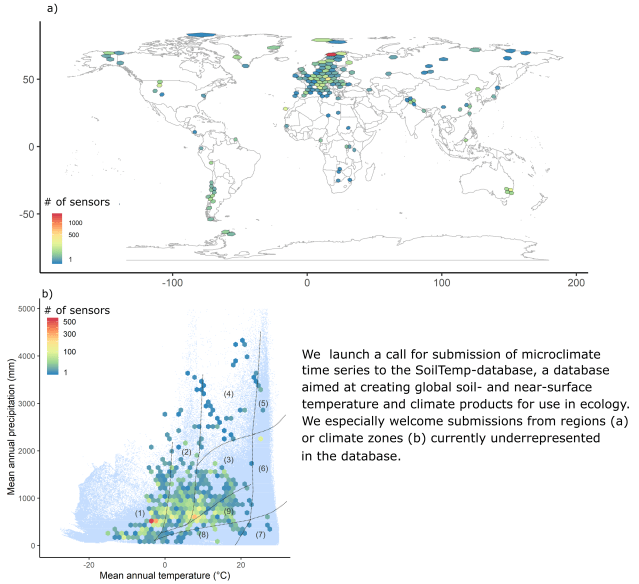
Graphical abstract
Graphic summary of our first SoilTemp paper

5. We published our first paper on the SoilTemp-database, arguably our ‘biggest gun’ in the fight against the biodiversity crisis at the moment. Very short summary: do you have microclimate measurements? Get in touch!
40081535343_57fda61861_o
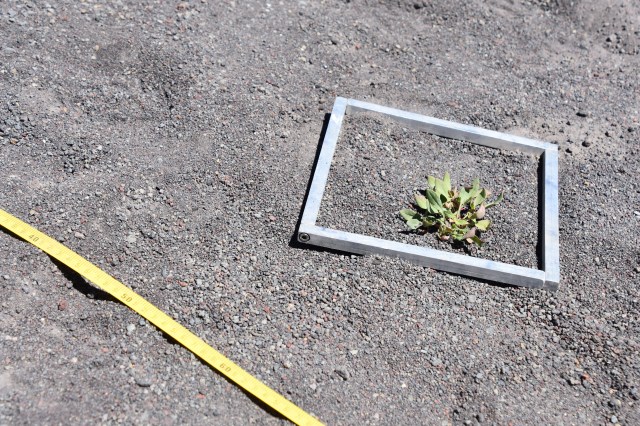
Vegetation monitoring on a volcano in the Andes

6. I published a commentary piece on how I see global change ecology move forward, and which data we need to achieve what we want to. Dubbed ‘the holy trinity’, these three should remain our targets on the horizon: long-term monitoring, microclimate measurements, and experimental tests of how organisms deal with the climate.

7. We published another paper – in Science this time – in which we warn that we are far from there with the microclimatic part of the above statement: we don’t know what will happen with that microclimate towards the future, as long as our climate predictions do not take into account local interactions with land use.
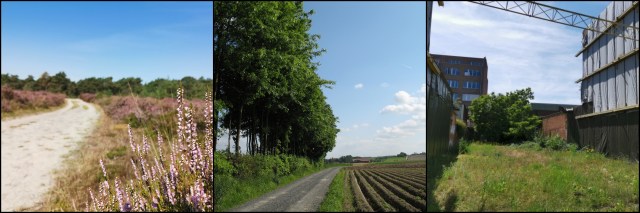
NatureOrNot (1)
Are these landscapes nature to you, or not?

8. Next up was our #NatureOrNot survey, launched in July. What we wanted? Opinions about nature! How do you see nature, and how does that affect the way we should be conserving the valuable bits of green we have left?

9. A first sneak peek into the data from 8. shows us that Belgians see nature in their municipality deteriorating, with 75% of respondents indicating a decline over their lifetime. No surprises there, but we will be digging deeper in the next year to find out the whole story!
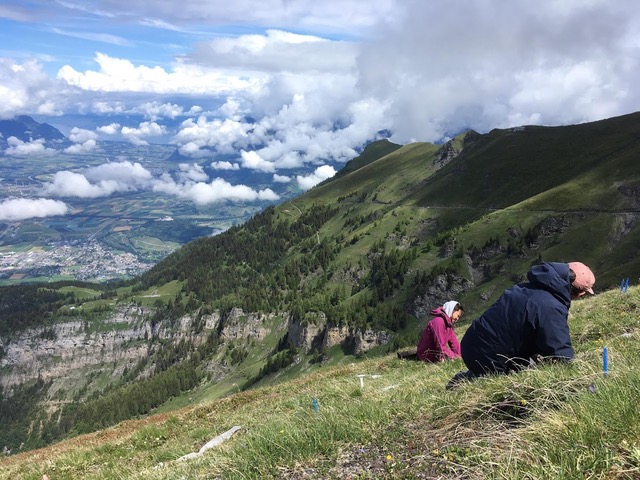
RangeX-research in the Swiss Alps, photo by Loïc Liberati

10. We end this overview with good news for the future: 2021 will in many aspects be a LOT bigger than 2020 was. Two of the big guns we’ll be loading? ‘We are very pleased to announce that next year, with MIREN, we will be heavily involved in two large international projects that have been recommended for funding through BiodivERsA.’

Posted in General | Tagged , , , , , , | Leave a comment

Show us your best

The 3D Lab closed off the year with a fun meeting last Friday. All members were asked to present 1) their favourite figure they made the last year, and 2) a figure they hope to make the next year.

And, oh boy, what a rewarding experience that was! I’m not going to share the beauties we got to see, as most of them are currently unpublished surprises for you for next year, but I don’t want to keep my main conclusions from you:

  1. Figures in ecology can be so diverse! We saw maps, scatter plots, beautifully enhanced tables, interactive plots, conceptual schemes… All of them impressive in their own regard, all of them containing a wealth of information that helps move science forward. Figures truly are the flagship of science, and the new generation of scientists sure knows how to use them.
  2. The 3D Lab is growing in expertise. Every new year, each of the members adds so much new knowledge to their own baggage, and new members join that help deepen and broaden the collective knowledge of the Lab. This is a realisation that fills me with utter joy, as it means that the team is growing and better armed every day to tackle the questions we hope to answer. This also allows for better support of each individual: find the knowledge where it is located and have each expert do what he does best.
  3. The year 2021 is looking bright. The Lab has some ambitious and beautiful figures in mind to make and publish, and I’m looking forward to support all its members in achieving this. The scientific discoveries hiding in these figures are what truly makes them worth the effort. After all, there is a world we are trying to save!
  4. Finally, we agreed we were very lucky we had a Virtual Lab in place before the global pandemic hit us. We already knew how it is to support each other from a distance, and have a team in place that can help each other get through the science even when physically distant and were thus ready to face the storm when it hit us all in the face. The Lab is far from perfect – there is only so much a Virtual Lab can replace – but I feel I can say The 3D Lab has been there for its members when they needed it.

So stay tuned for what The 3D Lab will deliver in the next year, as we are all very excited for what is to come!

Walking towards the white unknown on the horizon that is 2021. There will be dark clouds on our way, as we know from the year that passed, but what I see is mostly hope. And brave little legs that can’t be stopped.
Posted in Belgium, Science | Tagged , , , , , , | Leave a comment

RangeX

We are very pleased to announce that next year, with MIREN, we will be heavily involved in two large international projects that have been recommended for funding through BiodivERsA (https://www.biodiversa.org).

The first project is called RangeX (“Mechanisms underlying the success and impacts on biodiversity and ecosystem functioning of range-expanding species under climate change”; https://www.mountaininvasions.org/rangex), and emerged from the MIREN workshop held at the Furkapass in Switzerland in 2019. RangeX will examine processes and impacts of plants that are expanding their ranges following climate warming, and aims to use this knowledge to inform policy regarding range-expanding plant species in mountain regions. It will combine replicated experiments in MIREN regions, observations of biotic interactions above and below-ground across elevation gradients, and analyses of MIREN survey data to derive insights into the mechanisms of plant range expansions in mountains. Finally, it will also provide information relevant for management and policy related to range expansions of both native and nonnative species.

The second BiodivERsA project is ASICS (https://www.coldregioninvasives.com/the-asics-project), which will combine MIREN data with other data from a range of taxa to study the redistribution of biodiversity in cold environments (Arctic, Antarctic, alpine) globally. More information on this project will follow soon!

Photo: Loïc Liberati

We are really excited to get started with these projects in 2021! The3DLab will be most heavily involved in ASICS, where we function as representative of both MIREN and the SoilTemp-network. However, RangeX is now already recruiting four postdoc and one doctoral researchers to begin in April 2021, so that is worth the share. All information on that can be found in this PDF or on the dedicated website of RangeX.

Photo: Chelsea Chisholm
Posted in Science | Tagged , , , , , , , | 2 Comments

Congo

Sometimes, a picture reaches me that might not look too special at first, yet has major implications for scientific progress. This is one of them: a TMS4 mini-weather station in the midst of the rainforest of DR Congo!

It shows that we are keeping true to our promise to expand the global scope of the SoilTemp-network, in our struggle to represent microclimate in the whole world. A daunting task, especially in the tropics. But now, thanks to Matti Barthel and colleagues, we have more eyes and ears in DR Congo again, and our global map is again coloring a bit darker. It took us longer than hoped for (global pandemic, you know?) but persistence is key, and now the little mushrooms are brightening up the rainforest.

Fingers crossed the little things withstand the times.

Posted in Congo | Tagged , , , , , | Leave a comment

Throwback to last summer fieldtrip in Belgian cities

Guest post by Charly Géron, our urban ecologist!

Last summer was -normally- the last field season of my PhD which tries to better understand how cities influence alien plant invasions. One would think that the last field season would be easy and a bit melancholic, but actually it was most stressful to organize. Due to the Covid-19 situation, the trips I had to do between the Belgian cities but also the help of the students were maybe not possible which questioned my fieldwork organization.

However, I really cannot complain as we found ways to make it work, so I was really lucky compared to some less fortunate colleagues. Even better, the team we formed with the students was very efficient and the mood was always very positive!

We then began our quest for alien plants in urban and rural Belgium, driving more than 1700 km.

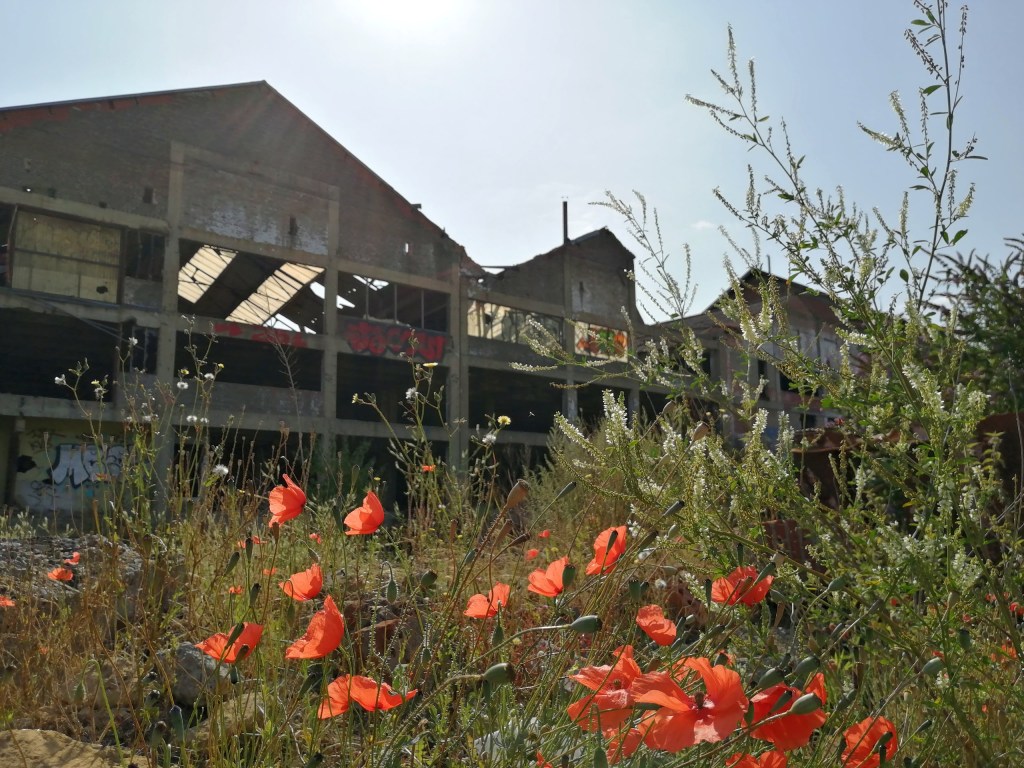
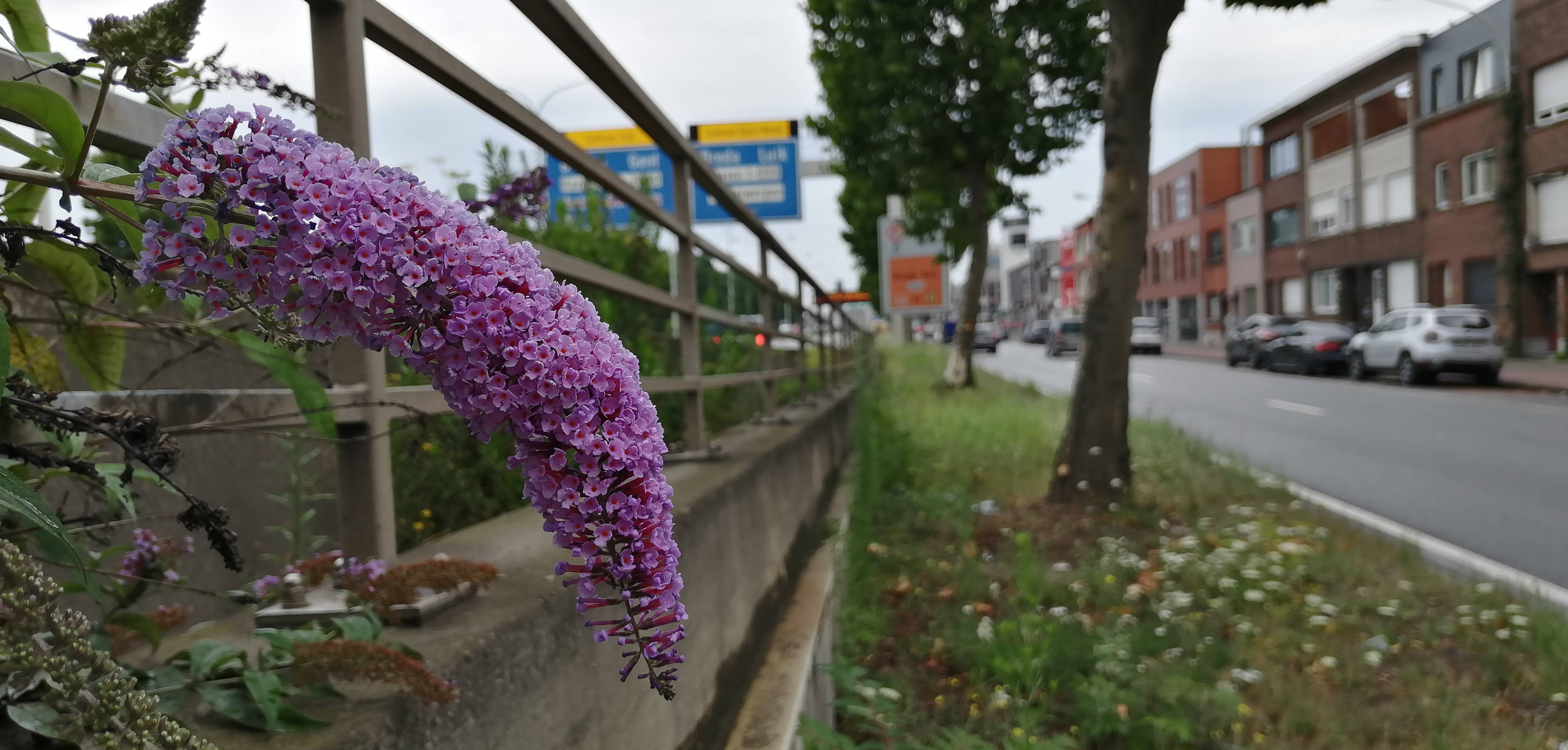
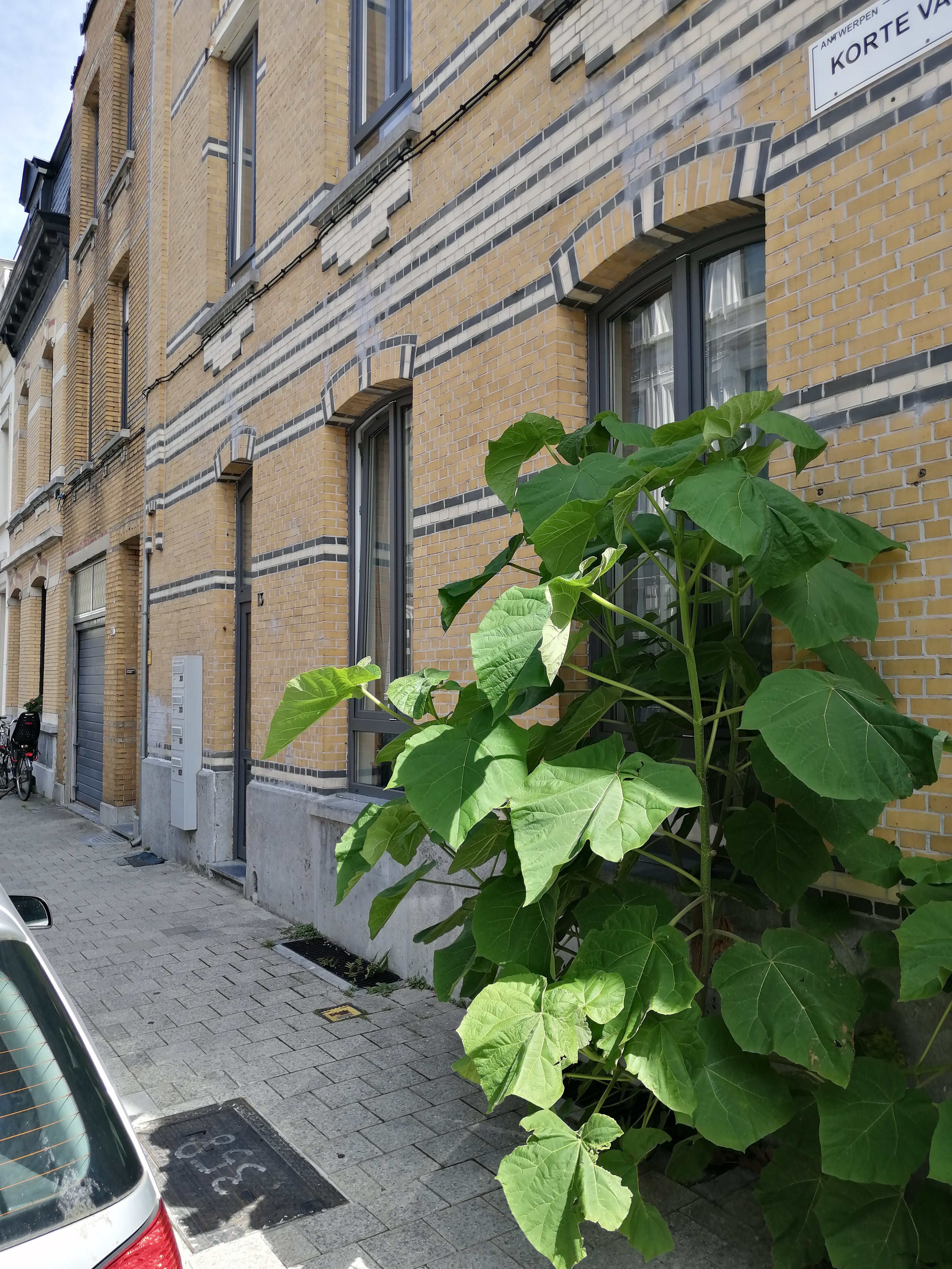
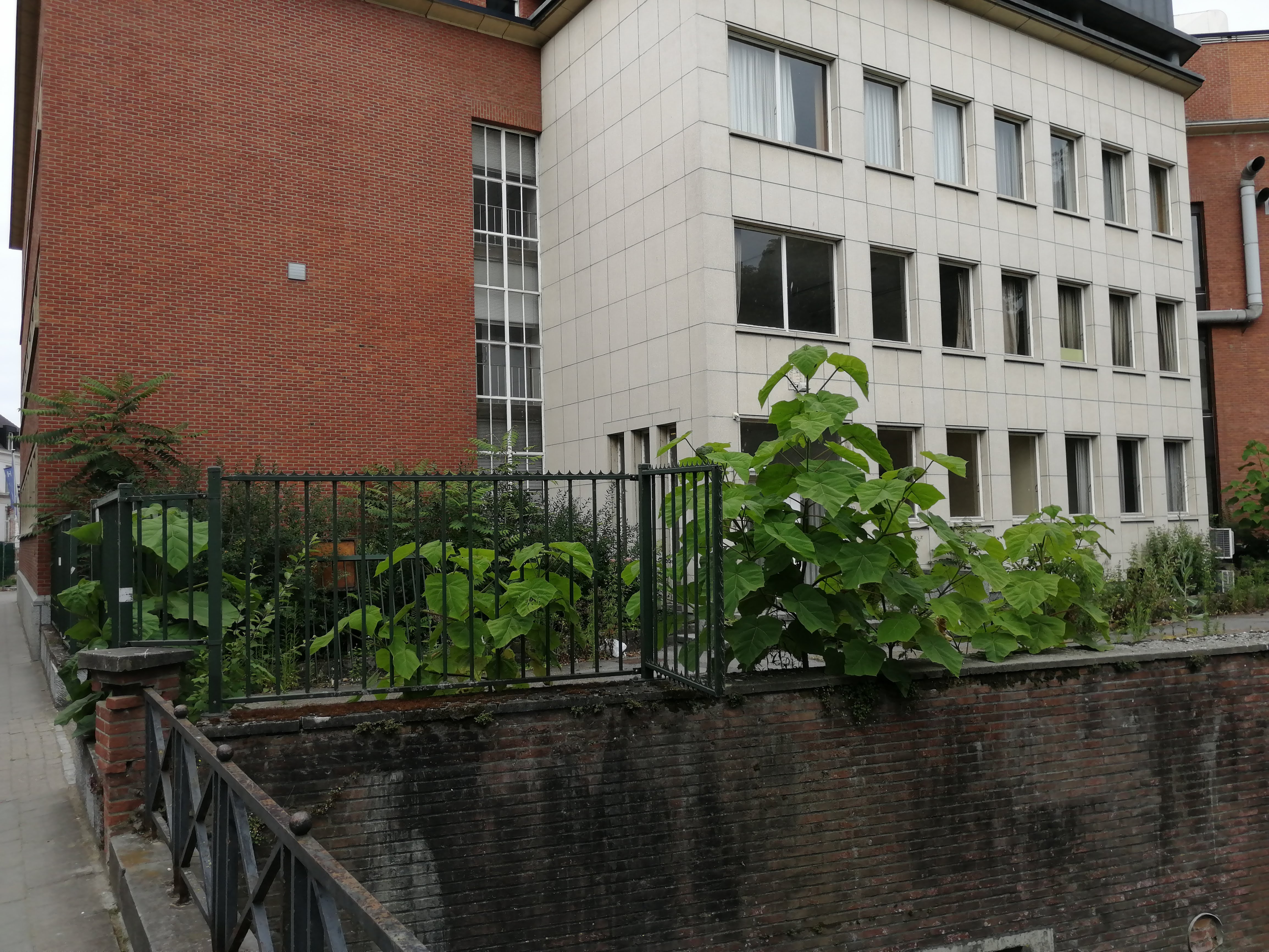
I already hear what you are going to say, plants in cities are rare except in parks and gardens. Well, that is totally untrue! Actually, plants are everywhere, in every pavements cracks, walls, or road sides. As a plant lover this makes me very happy. The most fascinating point of this fieldwork is that alien plants grow in the most unexpected spots!

The elaborate look of these exotic species play with us. We tend to love those bright flowers and gigantic leaves, so we plant them and introduce them to new areas, from where they can escape and potentially impact native plants. That is one of the reasons why we need to better understand why and how they thrive in cities.

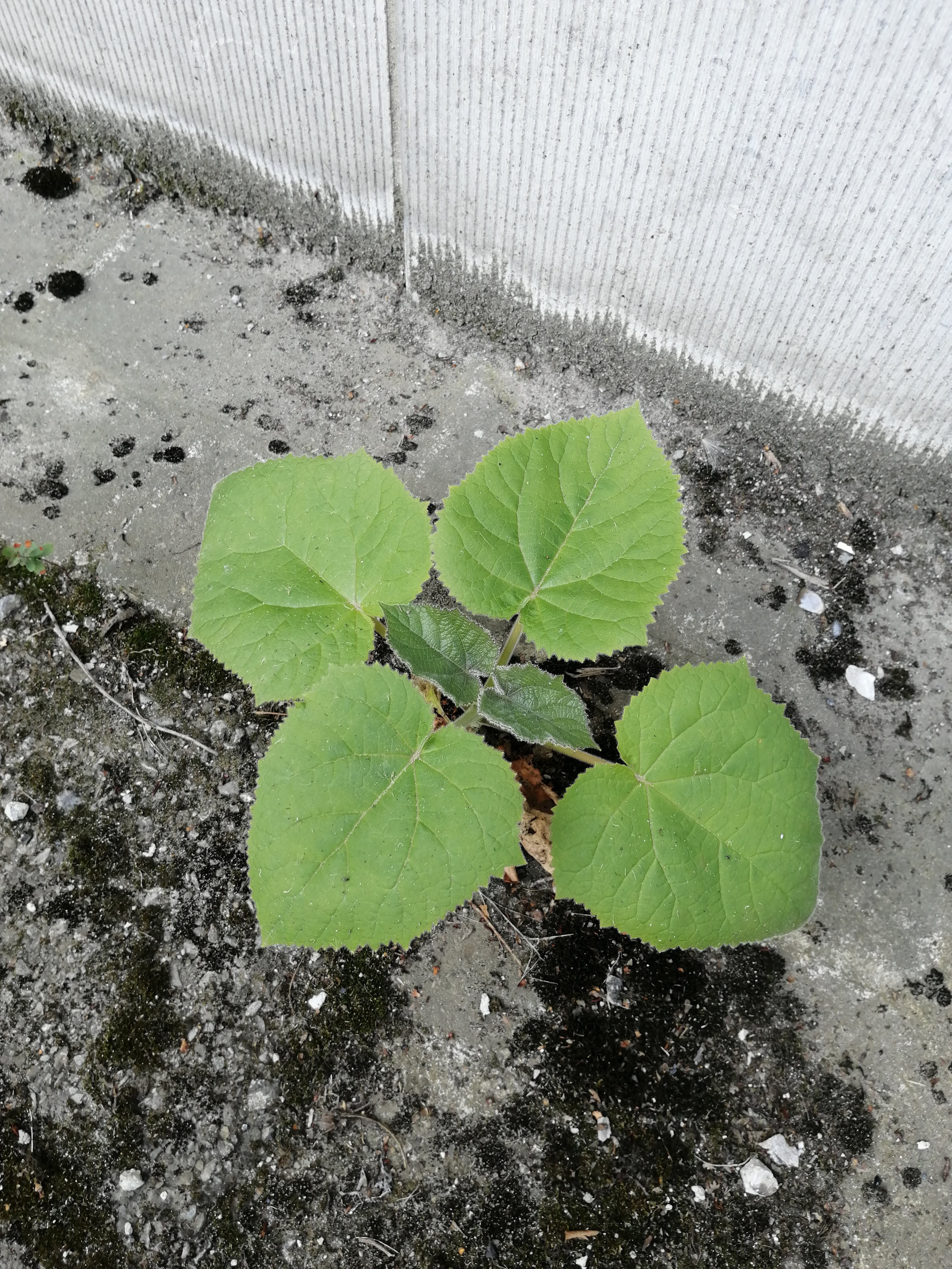
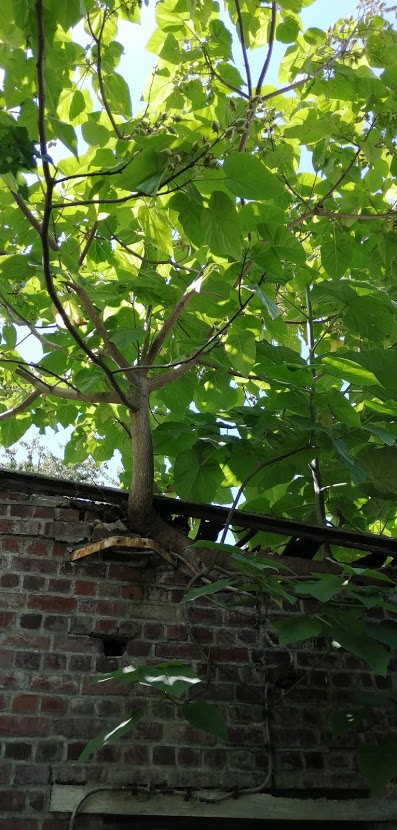
Another characteristic of urban areas is their perpetual evolution. A parking lot can become a chic housing estate within a year, when in the same time frame an old house becomes an abandoned brown site. With that in mind, some of the plants I studied simply disappeared… However, we had many good surprises, with tiny sprouts becoming lush and strong trees.

How amazing! Great for my experiment, not so much for the local environment. That is an important dilemma of being a biologist studying alien plant invasions, being amazed by a gigantic invader yet being concerned for the local ecosystem!

Buildings with high amount of alien plant species. They seem to enjoy these footwalls!

In the end, we got enough time to finish the field work and be back at the university with our hands full of samples!

Posted in Belgium, General | Tagged , , , , , , | Leave a comment

#NatureOrNot

Our #NatureOrNot survey has been an unexpectedly big success! More than 1300 people informed us about what they consider nature and what not. The poster above, made by master student Naomi De Vries who’s in charge of the project, summarizes nicely (and beautifully) what all of this is about.

Wander through her ‘Instagram-feed’ and learn what her thesis is about. And then, stay tuned for the actual results, which we are frantically working upon!

Posted in Belgium, General, Netherlands | Tagged , , , , , , , , | Leave a comment