Vandals!

It is one of the major challenges in field ecology, although it is not more than a practical question: how can I leave my scientifical equipment out in the field?

You want to measure soil water content during the whole growing season, but don’t want to travel up the mountain every day?
You are on a hunt for mammals that are very hard to see and you want to leave a camera trap in the forest?
You put seeds of your favorite alien species in the soil and want to put some sticks to mark the plot?

There are plenty occasions that field ecologists have no other option than to leave very expensive (economically and/or emotionally) material in the field, unprotected an vulnerable for our worst enemies: vandals!

It happens more often than good for science: vandals take away your equipment, damage it, destroy it or in any other way they ruin your experiment. I know a story of an experiment high in the mountains in Northern Scandinavia, on a place where nobody ever comes. The small sticks that marked the experiment where all carefully collected and put on a pile. It is not less than a horror story for every field ecologist, because it could imply everything from a small delay to starting over from the very beginning.

All my own plots were still intact last time I checked, and most of them should be save, but as soon as someone starts mowing the plots closest to the city, the experiment is doomed. And save in my office in Belgium, I have no way to save them if needed.

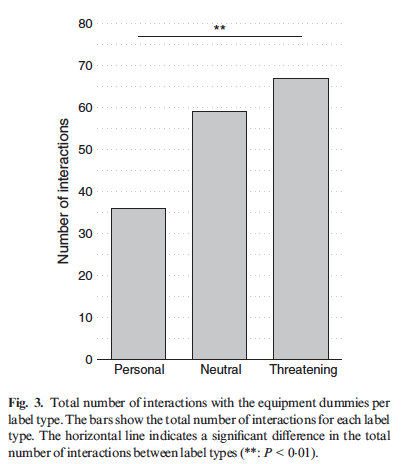
I read a fascinating article about this issue (more easy info here). It is a (real) scientific publication about dummy boxes that looked like expensive scientific equipment. In order to find a way to avoid damage by vandals, the scientists attached 3 different messages: a neutral one (please don’t disturb), a very aggressive one (something like: we are watching you, police will find you if you mess with this box!) and a more personal approach, associated with a cute picture of a squirrel to melt the heart of even the meanest vandal.

As you may have guessed, the cute squirrel won the contest, as the least contact with vandals was recorded (most of the time moving of the box, but also opening, damaging or even stealing of all that precious research material!). Maybe more surprising is the fact that the aggressive sign had the least impact.

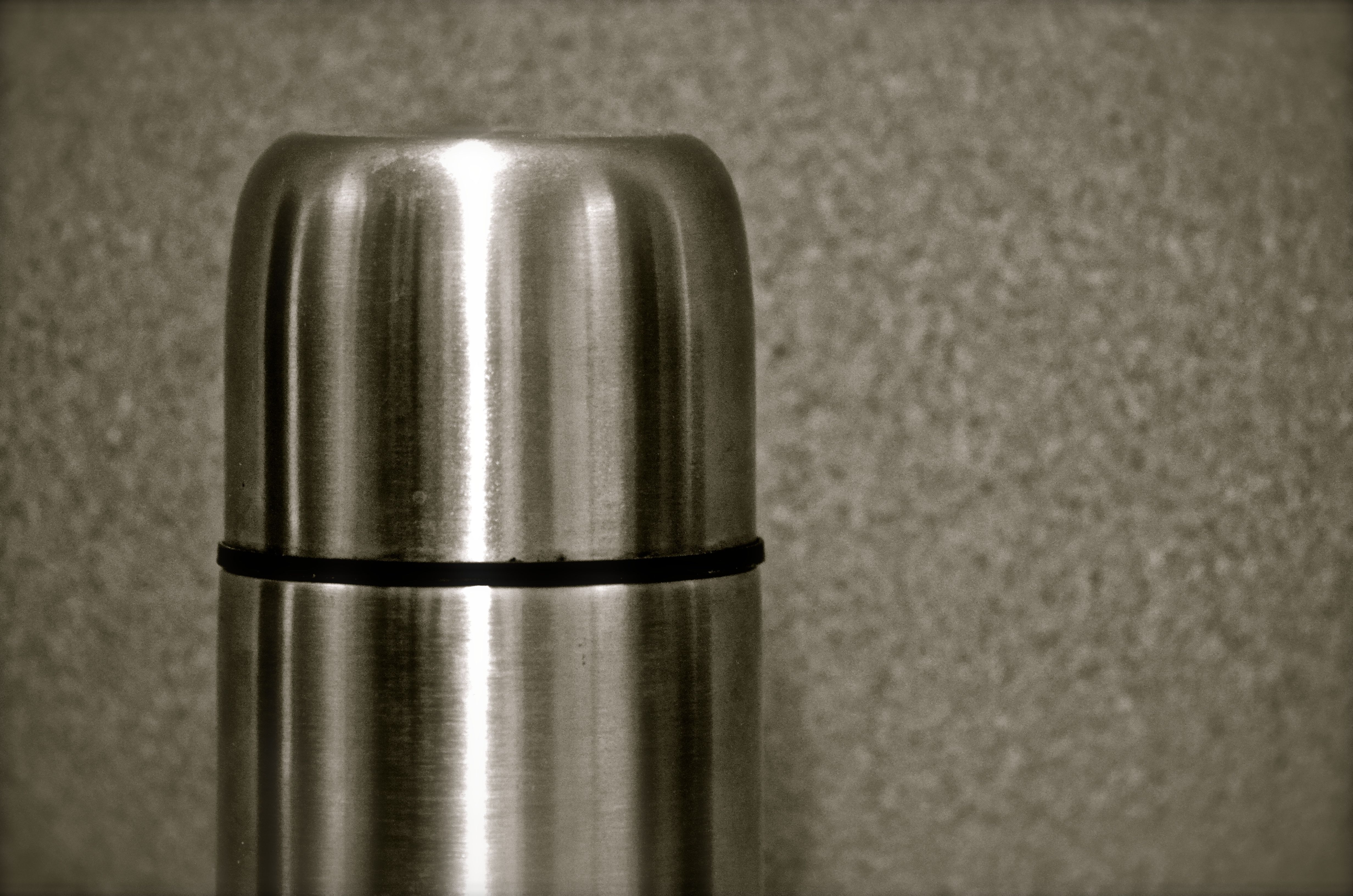
Scientific equipment

After: Clarin BM, Bitzilekis E, Siemer BM, Goerlitz HR (2013) Personal messages reduce vandalism and theft of unattended scientific equipment. Methods in Ecology and Evolution. doi: 10.1111/2041-210X.12132

Moral of the story: if you ask vandals kindly to stop vandalizing, you have the highest chance they’ll listen.

Posted in General | Tagged , , , , | 2 Comments

At the zoo

One day, halfway my quest to become a biologist, I had to make the tough choice between plants or animals. Although I truly loved both, I had to choose; there is not enough time to dedicate your scientific life to two such different disciplines.

Many people wonder why I chose the plants, those silly motionless creatures that are obviously much less interesting than these merry furry animals. My answer lies in the fieldwork: I just fell in love with the way in which plant ecology was done in the field, which to me sounded much more exciting than behavioral ecology. That is why I decided to leave the animals for my spare time.  To enjoy them as much as ever, but without the need to work with them all day.

Sometimes, I almost regret this decision, especially when I am at the zoo. There, all these funny animals look at me with in their eyes the message: “Don’t you wanna know why I behave so weird?” But then I remember the joy of what I am doing now. I quickly take a picture of the funny face and go back to my seeds, nutrients, soil samples, mountain views, squishy cushion plants, tiny but lovely seedlings, proudly growing flowers and the glorious wonder of how all these ‘motionless’ plants manage to travel more than the average migratory bird.

Here (and in the photo gallery ‘Animals’, check it out!!) I share some of these funny faces with you. I kindly invite you to regret my decision with me…

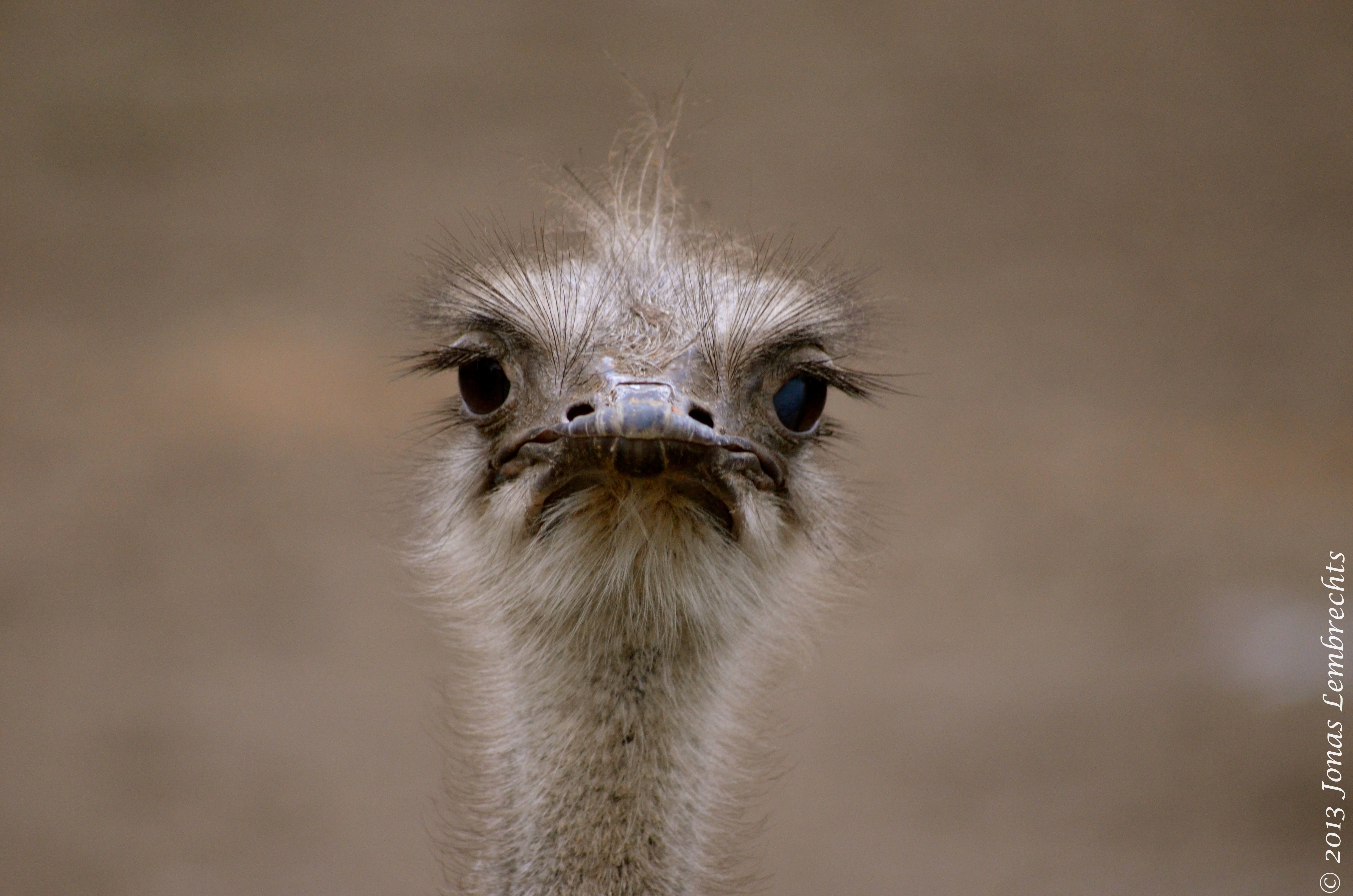
Ostrich

Meerkat

Posted in Belgium | Tagged , , , | 4 Comments

Bringing nature to the office

The main advantage of being a field ecologist is the field. You have to go outside to collect your data. The main disadvantage, however, is that this fieldwork takes at most 10 percent of your time, while the other 90 you are still looking at the screen of your computer. Trying to read everything that exists, trying to proof something that you have seen or trying to write something that convinces other people from what you have seen.

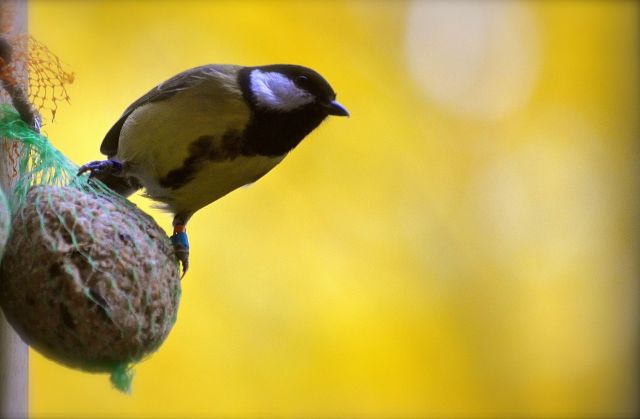
If lack of free air is driving you insane, it helps to bring nature closer to the office. I am lucky to have a window overlooking a forest, for it helps me feeling a little bit connected with the nature I study.  It is however just a small patch of forest, so to make things a little bit more exciting (I aim at my own personal National Geographic documentary), I put out some bird food. Today I got my first visitor, which of course made me really excited.

Great tit

I even saw this little beauty from a distance longing for the food, so I hope I can get him a little bit closer the next days.

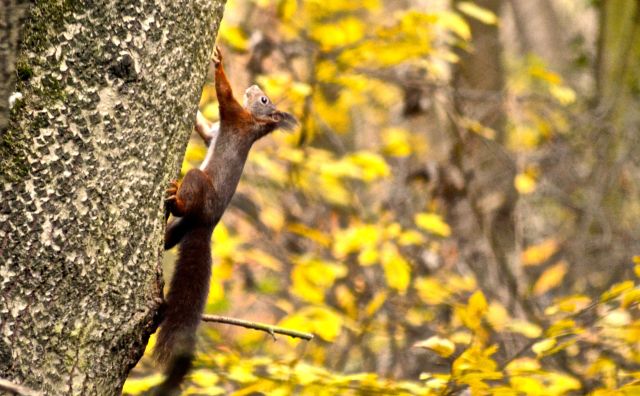
Squirrel

Posted in Belgium | Tagged , , , | 2 Comments

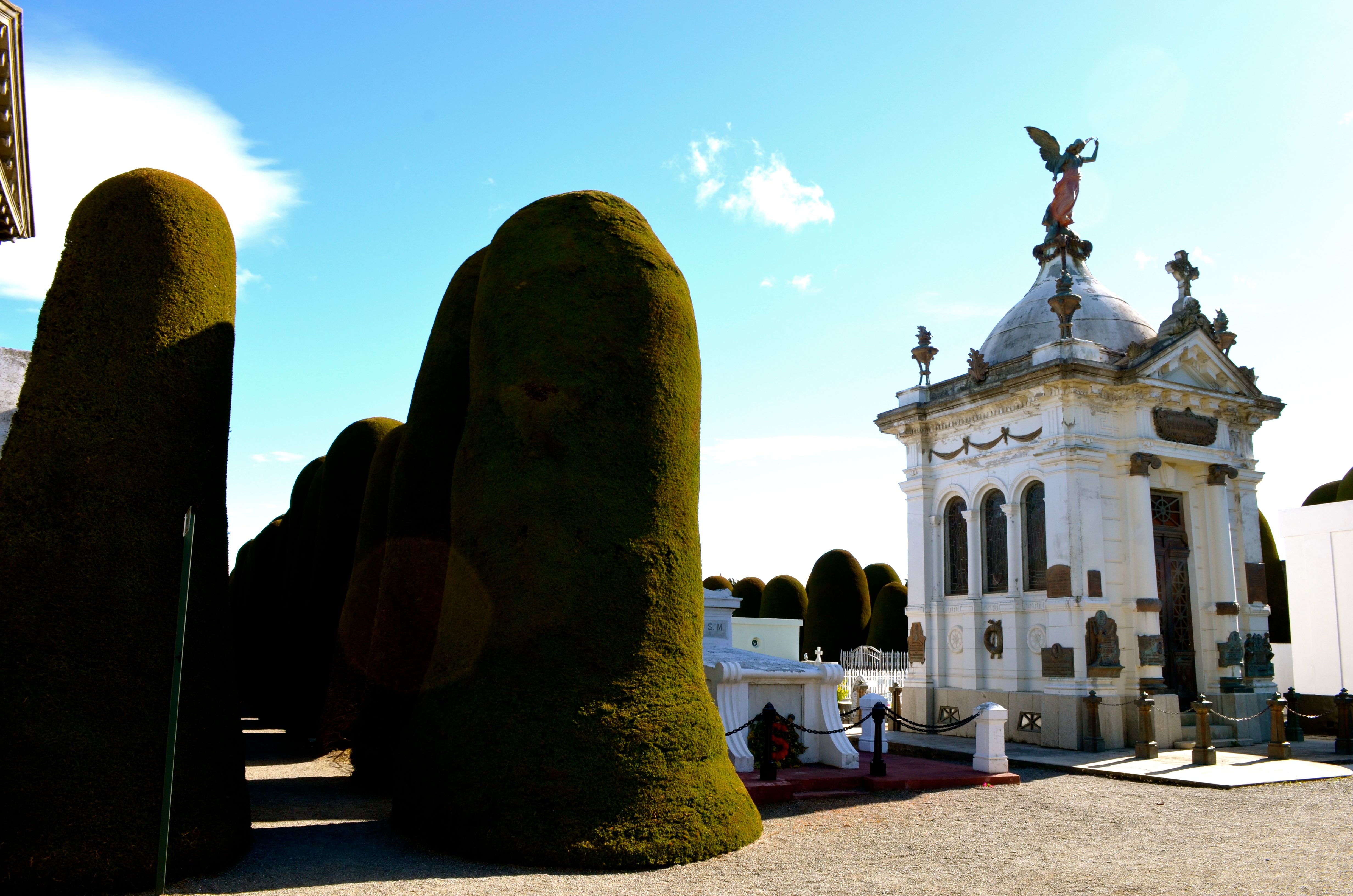
Walking with the death

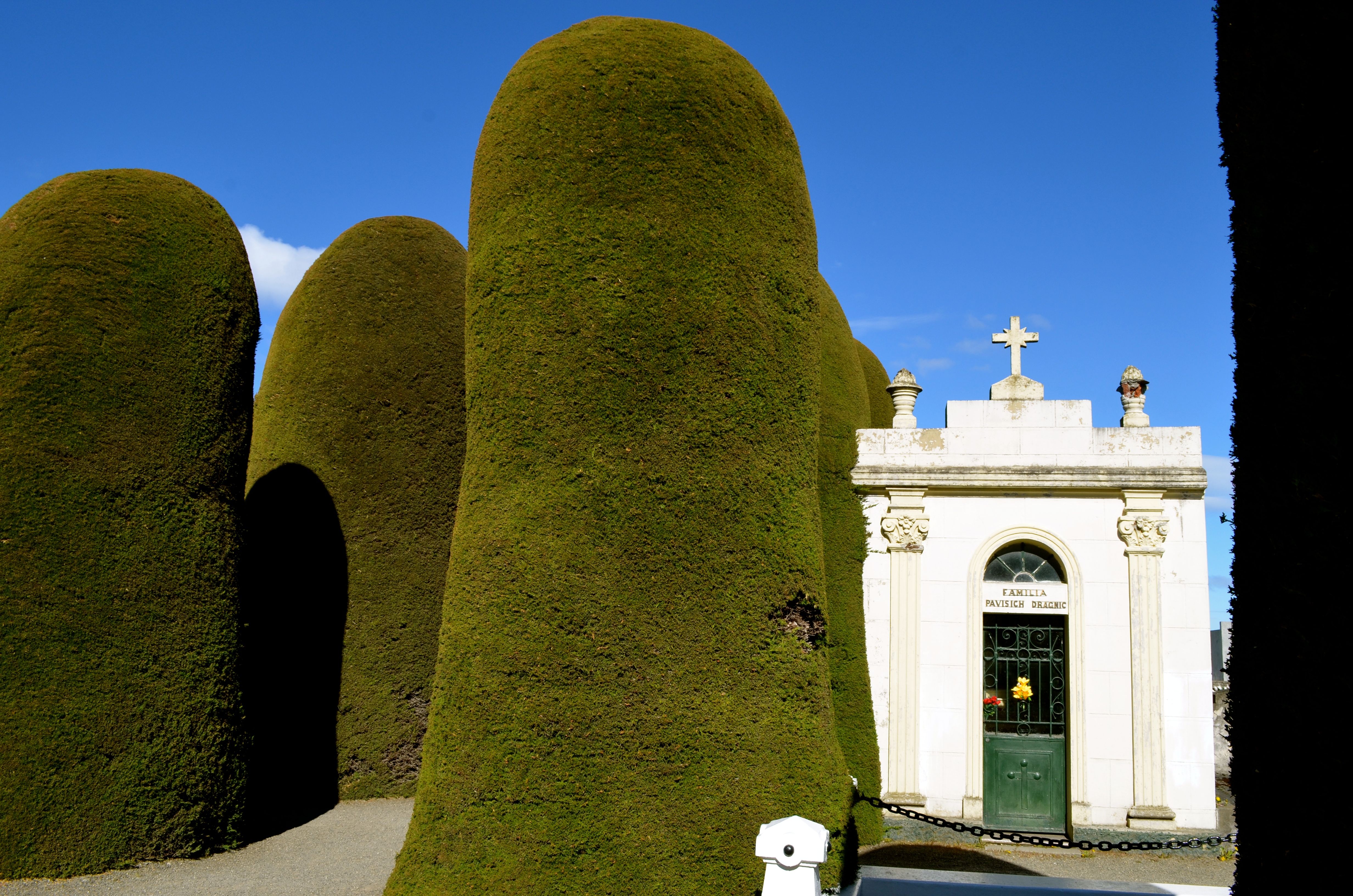
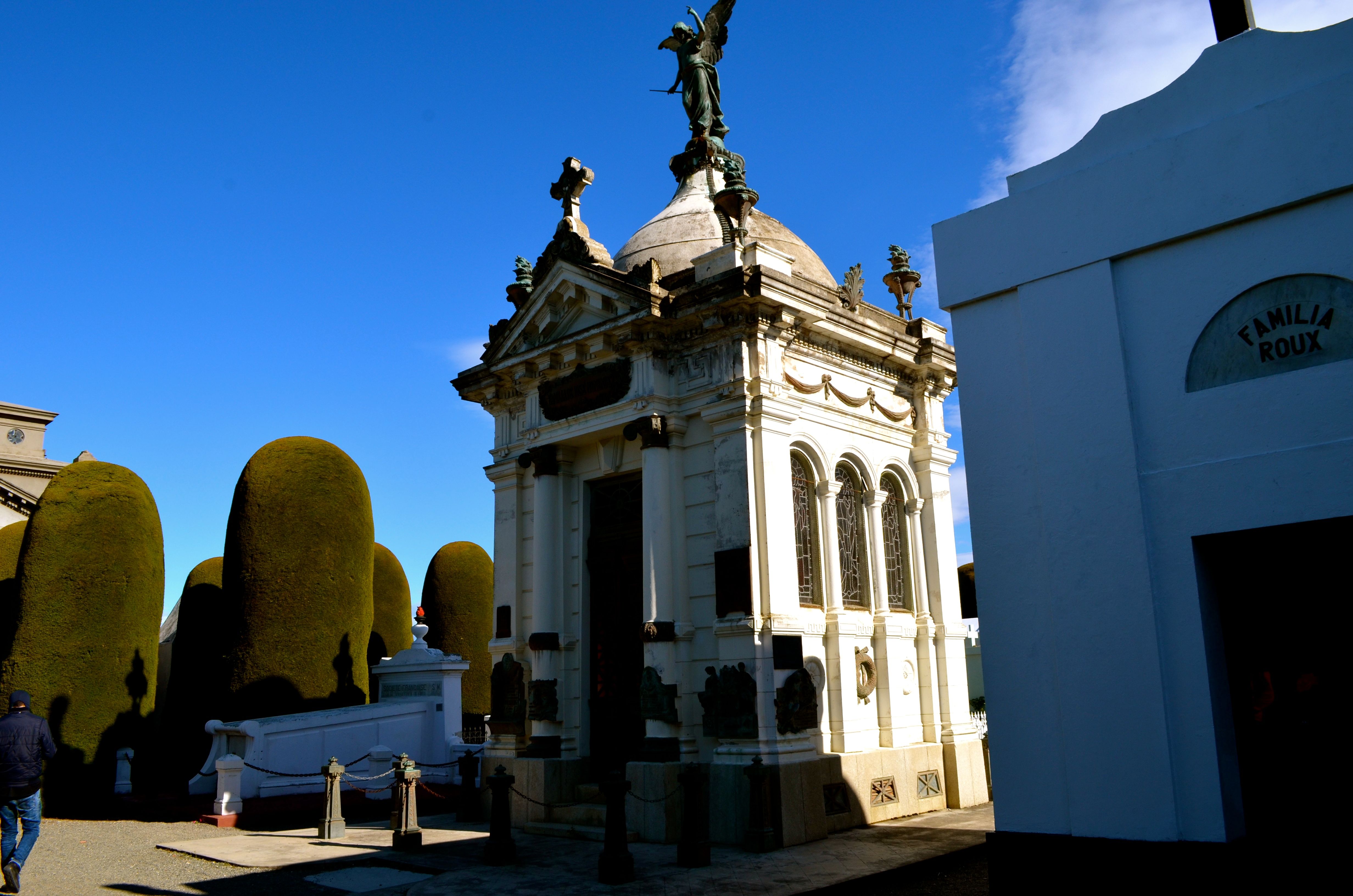
One of the main places worth seeing in Punta Arenas serves the death, not the living. It is intriguingly beautiful for a city with so few attractive places. So impressive that it even got listed by the CNN as 1 of the 10 most beautiful cemeteries in the whole world.

Cemetery Punta Arenas cipress

Cemetery Punta Arenas4

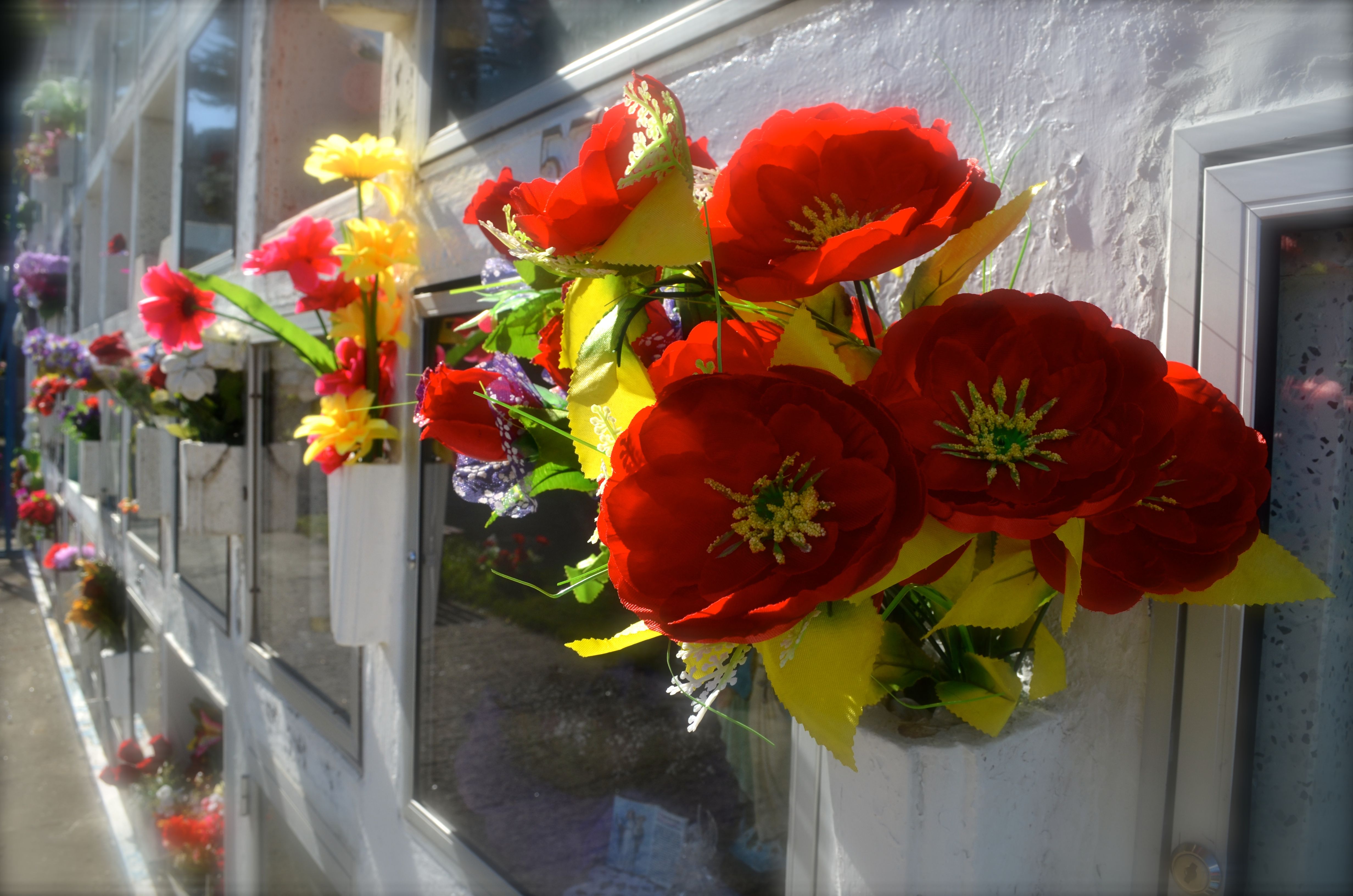
The cemetery really deserves the nomination, because the Chilean people take good care of their deceased relatives (at least those who can afford it). The cemetery serves as the eternal home for some of the wealthiest local families from the 19th and 20th century. Even some of the real pioneers of the region from whom the whole population descents, found their final resting place here.

Cemetery Punta ArenasCemetery Punta Arenas3

One of them was Sara Braun, the extremely wealthy and (as the rumours say) beautiful wife of one of the pioneers in sheep cattle raising in the area. According to the legends, she declared the main gate should stay closed forever when she finally went through it to be buried in her marvellous chapel. So it remains till today; secondary entrances are everywhere, but the main gate is hermetically closed as an honor to the last wish of Sara Braun, who on her own  provided most of the grandeur the city has today.

Cemetery Punta Arenas flowers

Cemetery Punta Arenas cross

Posted in Chile | Tagged , , , , , | Leave a comment

Dressed like a scientist

JacketI finally bought something I already needed for a very long time: I got myself some nice, warm, cosy, wind-protecting clothing. All this time I had been working in the field without the appropriate jacket. Try to imagine! How was I ever going to become a field ecologist without a real jacket!? It’s a shame, it really is. The comfort of the scientist makes or breaks the research.

But from now on, I am perfectly prepared for all possible circumstances in the field. A whole day of rain? No problem! Winds that even throw your whole backpack from the mountain? I don’t care at all! Even the snowy conditions on the Chilean mountains won’t scare me anymore, I just crawl safe and warm back into my jacket with adjusted fleece sweater.

Posted in Belgium | Tagged , , | 3 Comments

Pictures from Chile

I’m currently safely back in Belgium and found some time to look at my favorite views from my visit to Chile. I’ll add some of them to this post and upload more interesting pictures to the photo gallery ‘Punta Arenas’ on my homepage.

Strait of Magellan

Snow and spring

Bird

Posted in Chile | Tagged , , , | 6 Comments