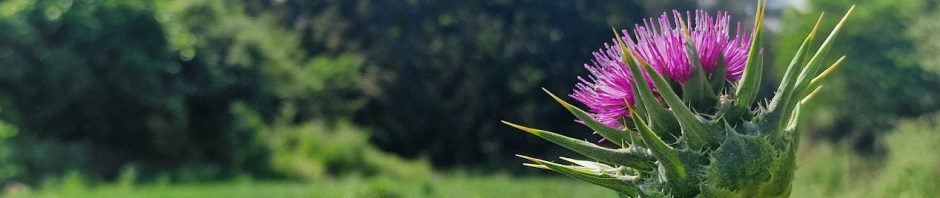
Last week, I spent a few days just outside of Barcelona for a PhD defence. Perfect timing, I thought, to finally cross the magical boundary of 500 unique species on iNaturalist. I had been hovering just below it for a while, and to me, that number always felt like the line between a casual observer and a slightly more committed enthusiast.
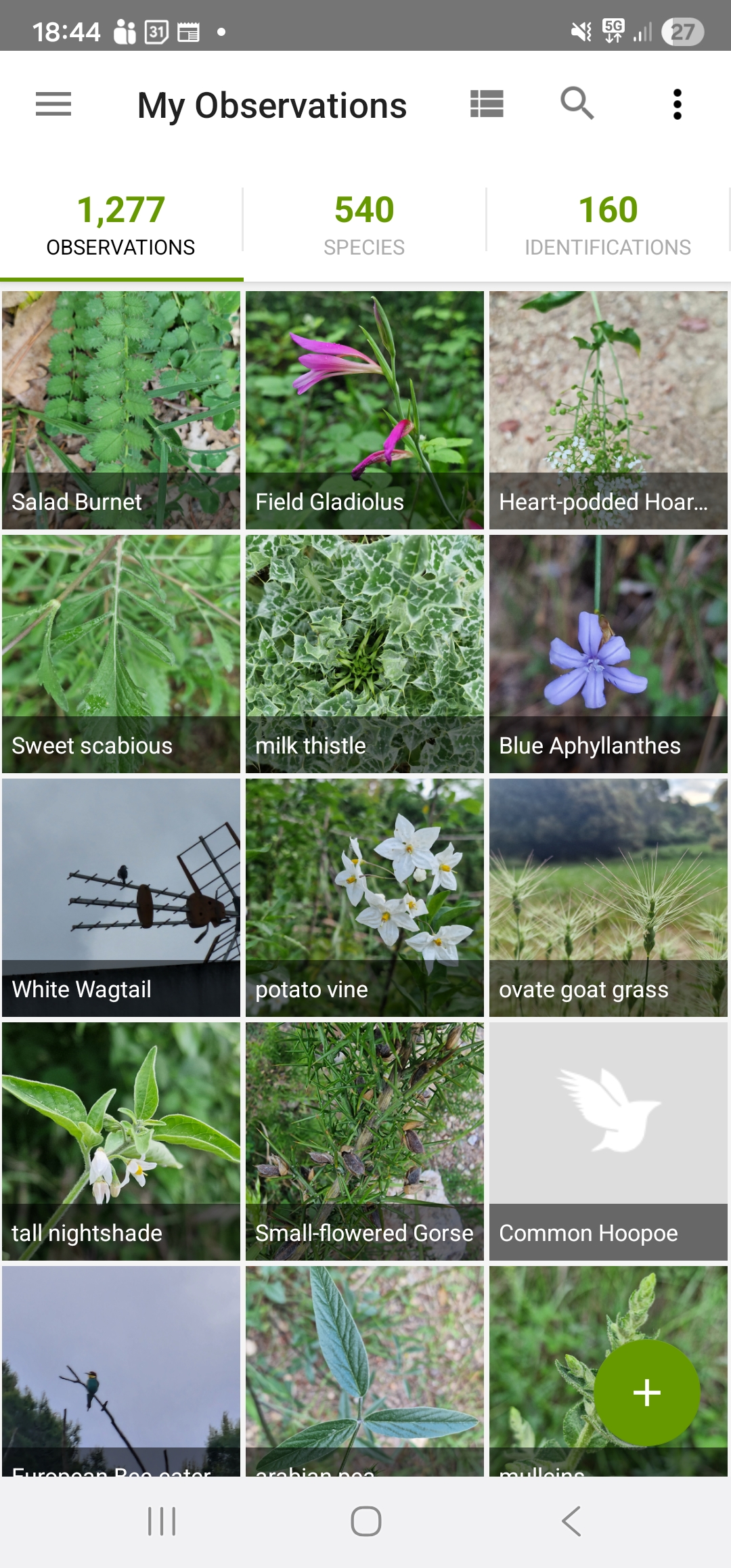
Now, oh boy, was that easy.
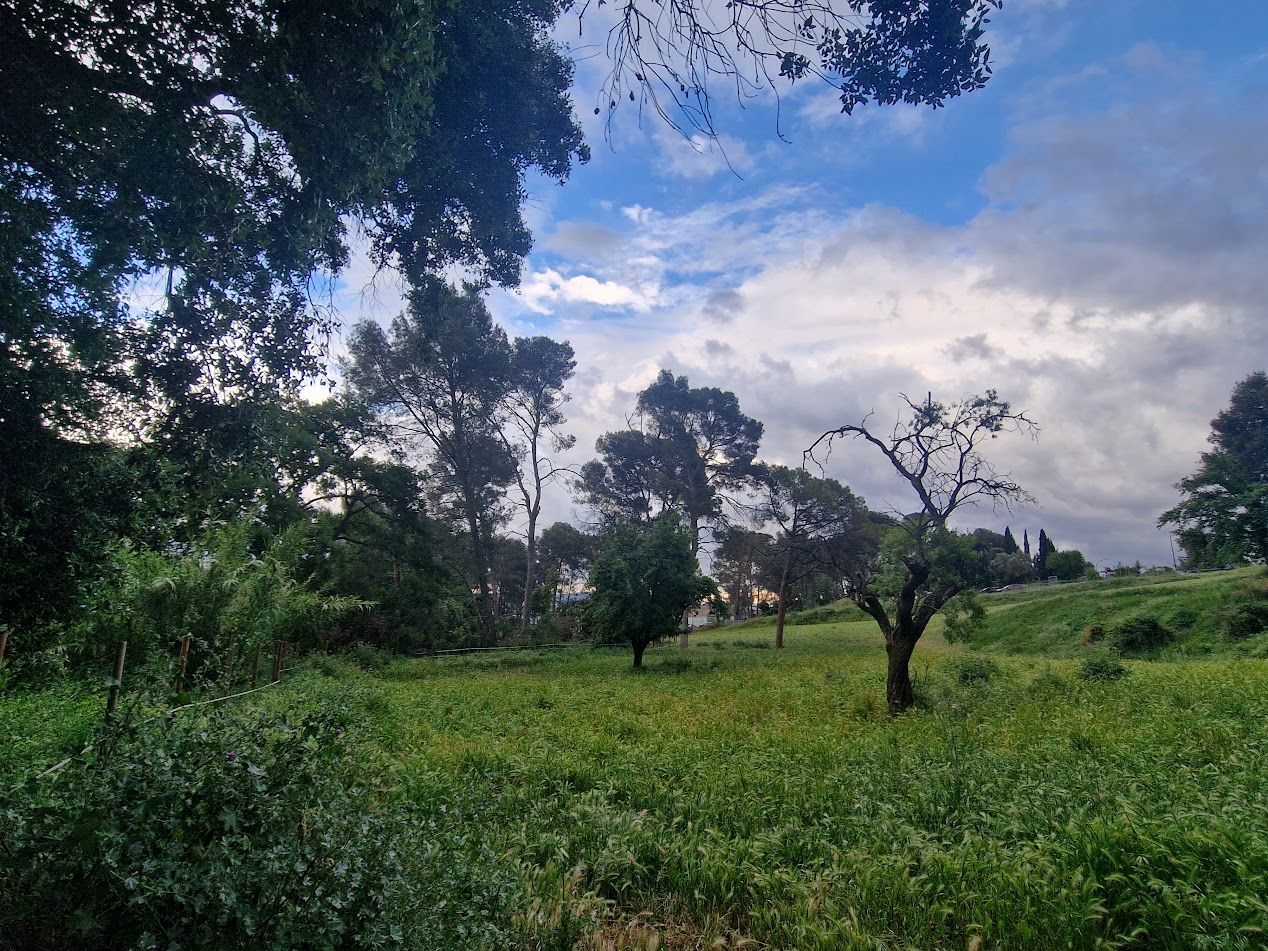
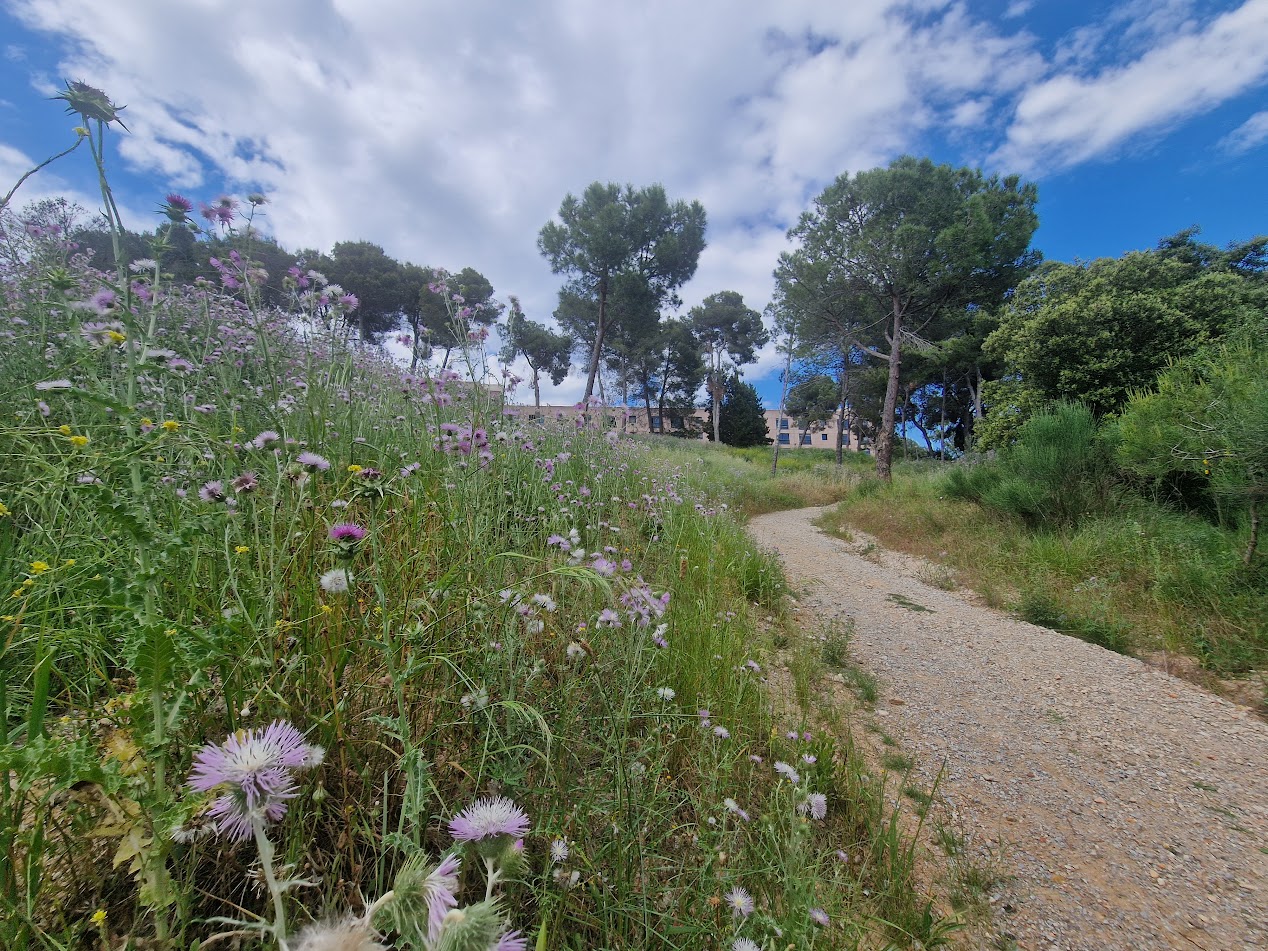
Just a small walk – about an hour – from the train station to the campus, and the boundary was crossed, and then some: 45 new species added to my list. Of course, finding new species is always easier when visiting a new place. But there was something else going on too. The landscape was just that little bit… messy.
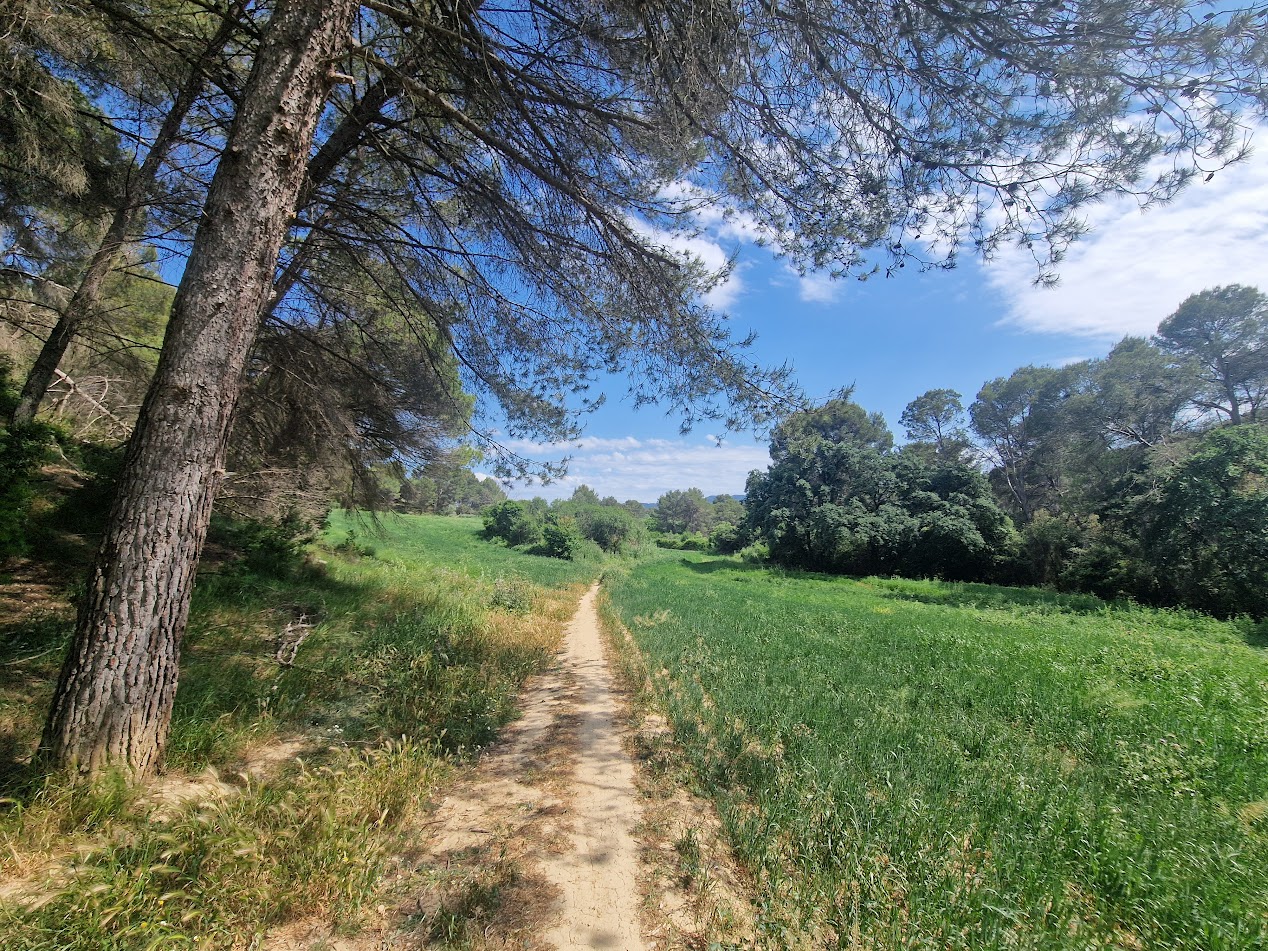
A kind of messiness that has become unfortunately rare in the Netherlands, yet is so important for biodiversity.
It was farmland, but farmland filled with corners, slopes, edges, shrubs, trees, and tiny neglected patches where wildflowers could persist. The borders between “field” and “nature” were blurry. And those blurry borders were full of life.
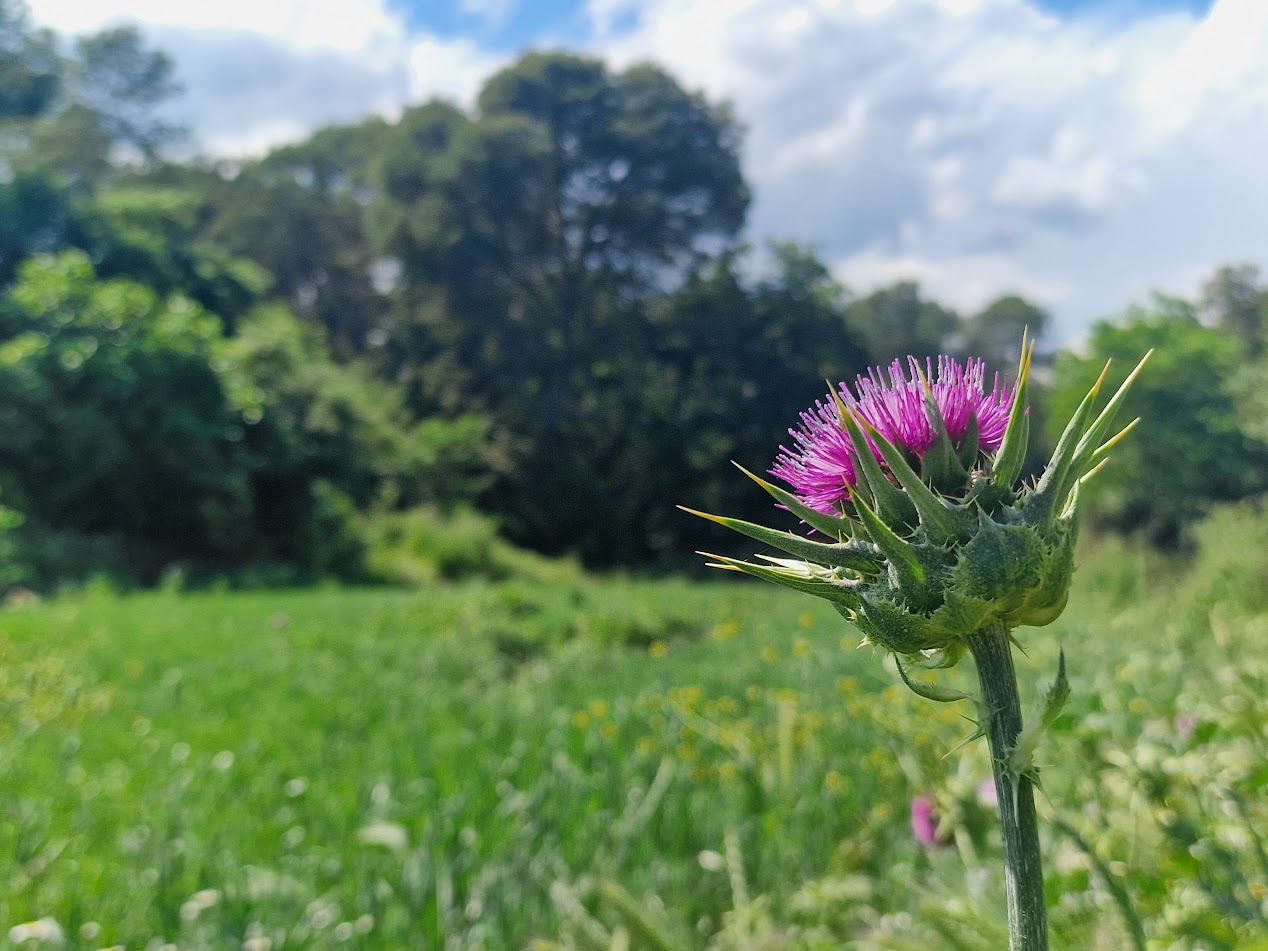
That kind of landscape heterogeneity is harder to find in the Netherlands nowadays. Partly because we simply lack the topographic variation of places like Barcelona, where a gradient from a dry hilltop to a wet valley can create many different habitats within a short distance. But also because our landscapes have become increasingly optimized and tidy over time. Fields are cleaner, straighter, and more intensively managed. The small irregularities that once created space for biodiversity have often disappeared.
And when bits of semi-natural vegetation do remain, they are frequently affected by excess nitrogen deposition. Many of these places become dominated by a few highly competitive species – brambles, nettles, coarse grasses – leaving less room for the wide variety of plants that once characterized them.
Walking there made me realize how much I miss that ecological messiness in the Netherlands. Because these messy landscapes create opportunities for iNaturalist enthusiasts trying to reach arbitrary milestones, of course, but more importantly: because they create opportunity for plants, insects, birds and nature to thrive.
Until then, I suppose I’ll keep boosting my species list elsewhere.


We have lots of “messy” places over here and are encouraged to make more in our yards (as long as it is allowed in neighborhoods).