Eating hay and looking pretty

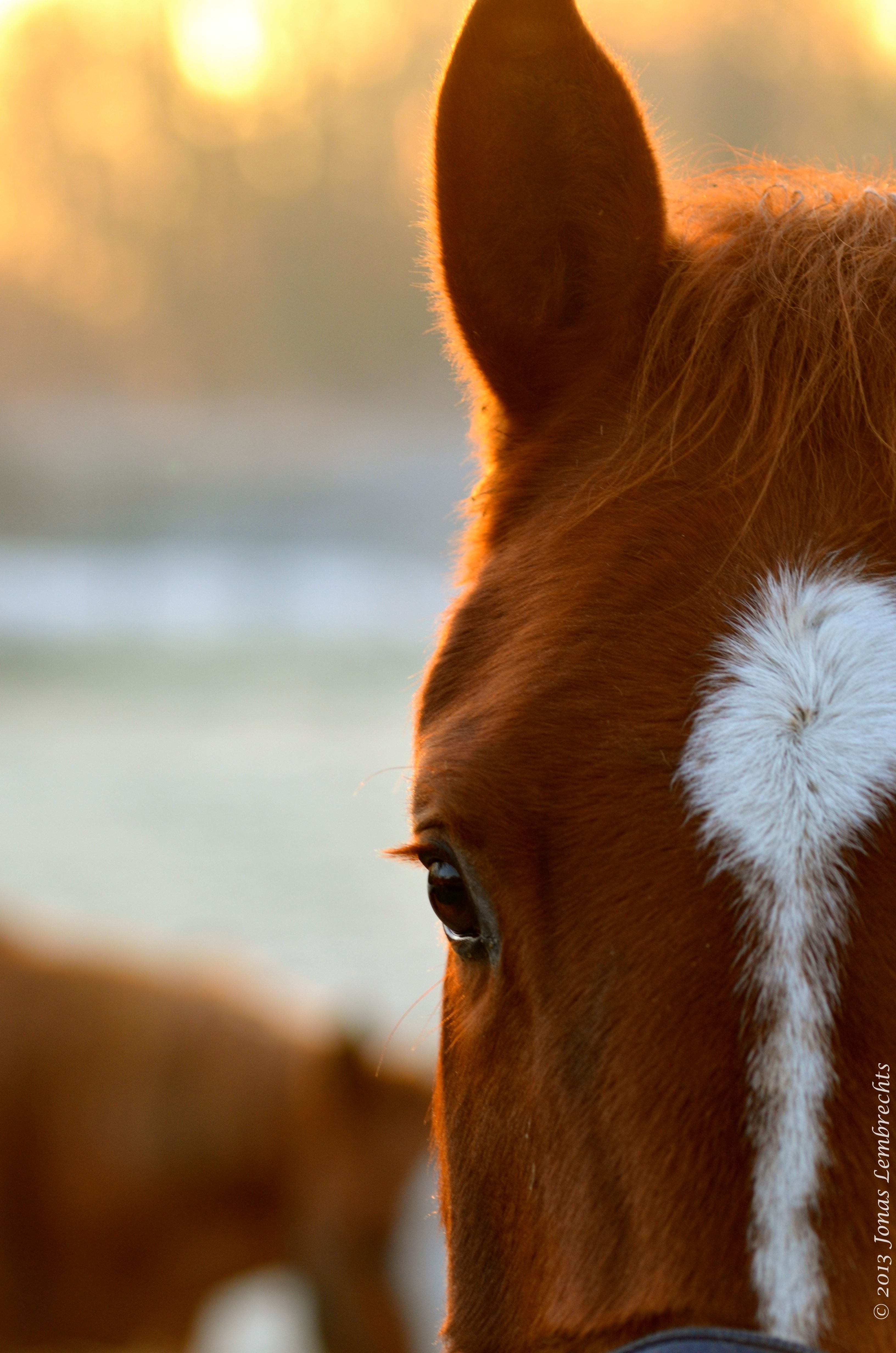
Horse-eye

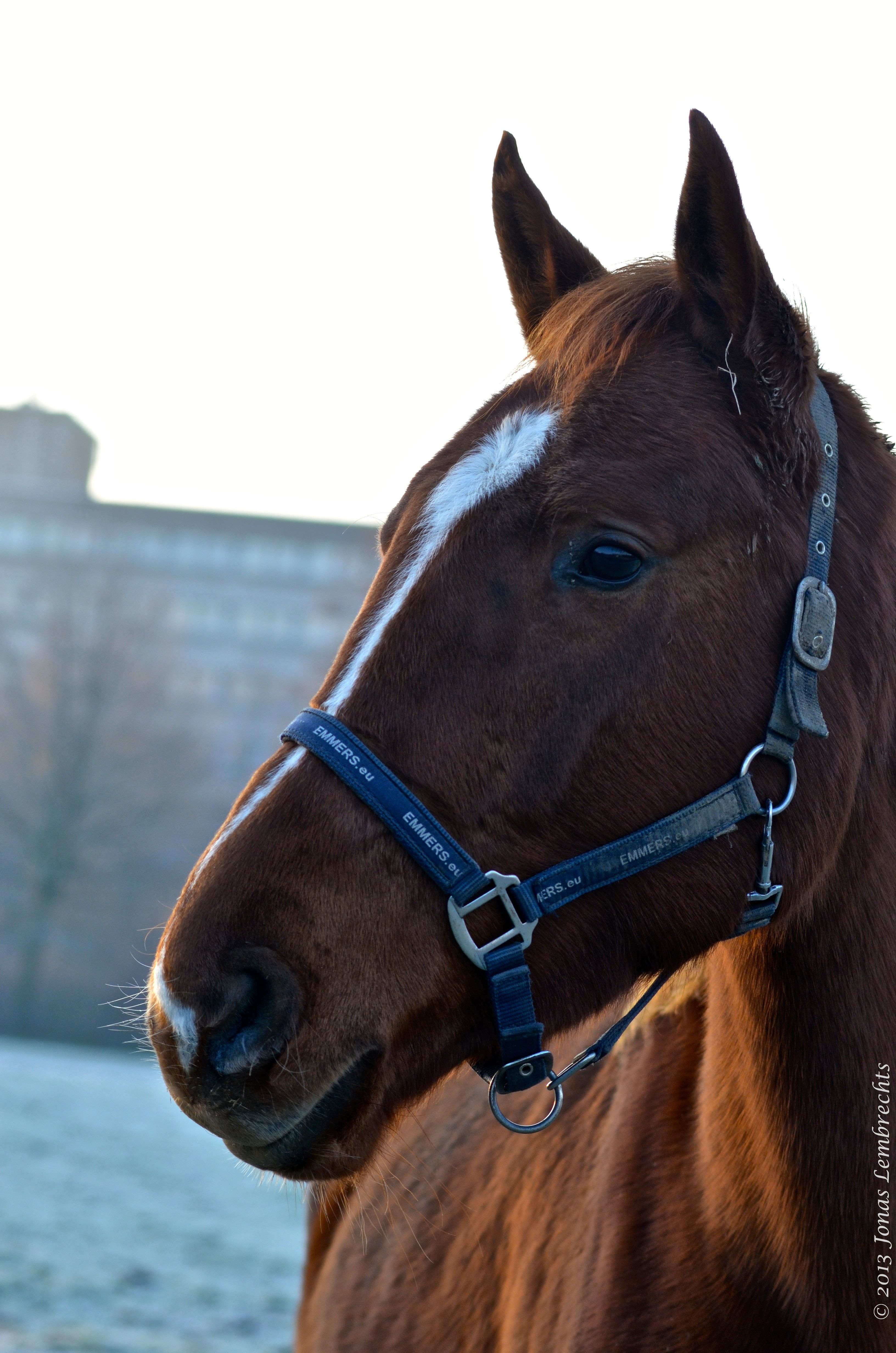
I already mentioned it in my previous post: working on a campus that is kicked out of the Antwerp city center is nothing to feel sad about. It gives me the satisfaction of a warm welcome by these beautiful horses everyday on my way to work.


Horse-head

Most of the time they are just standing there close together, eating hay and looking pretty. But what else should a happy horse do?

Horse-ear

Posted in Belgium | Tagged , , | 3 Comments

City-visit

I spend all my working days at the university of Antwerp. The city of Antwerp itself however stays out of sight most of the time, because the life sciences have their own green campus outside the city center.

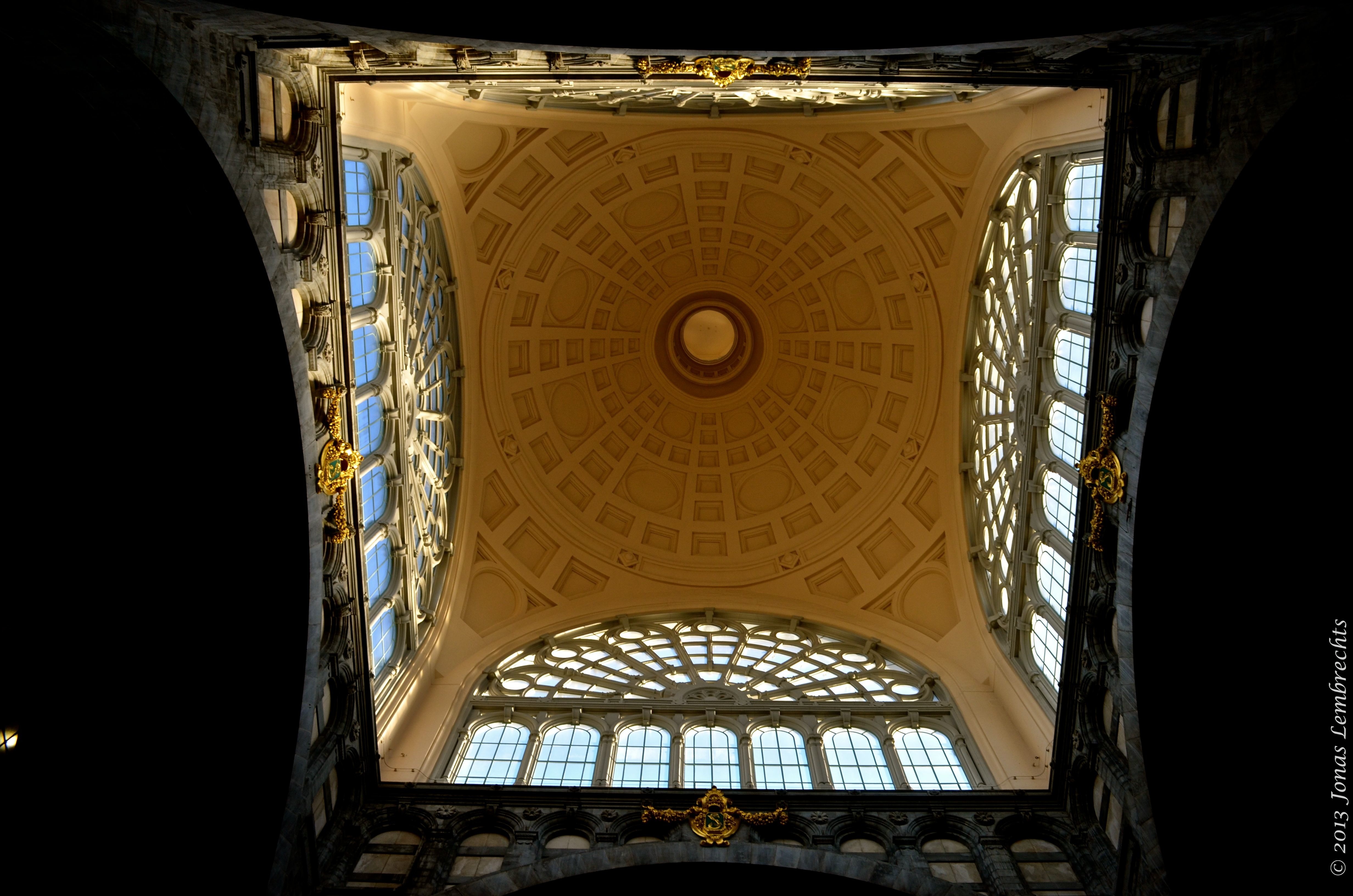
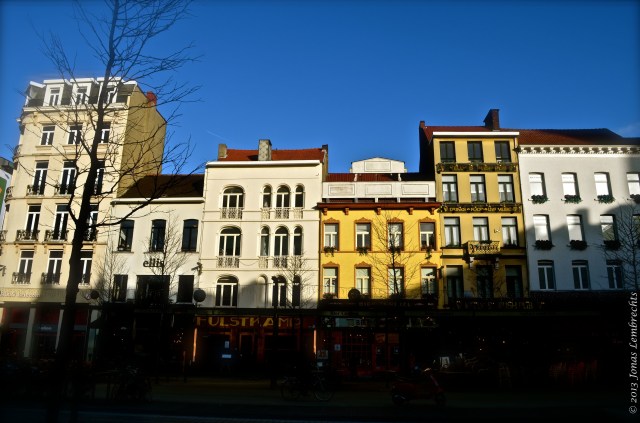
Working outside the city center has two main advantages. First: I have the beautiful countryside as a working environment. Second, I can visit the city of Antwerp as a real tourist, enjoying such internationally celebrated landmarks as the Central Station and the main shopping street.

Antwerp central station

Antwerp city

Antwerp city

I decided to visit Antwerp for some hours in this wonderful December-period (Christmas-shopping, you know), in which random kinds of decoration were put all over the city. The giant wooden Christmas balls especially pleased me, even though I missed their pretty little lights at night.

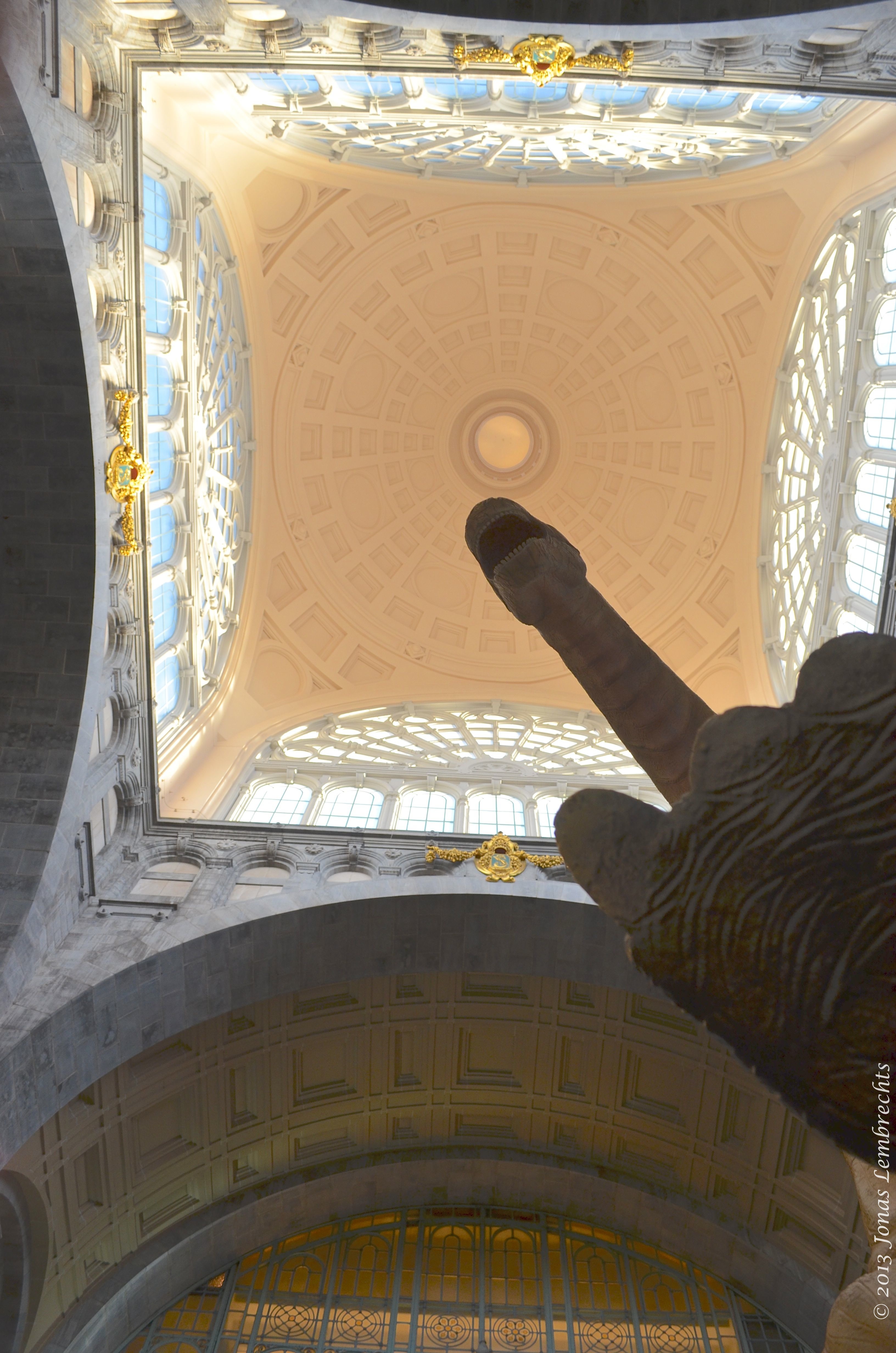
Christmas balls  The Central Station already had a reputation of special attractions, this time in the shape of a dinosaur, mighty and tall as he overlooked the central hall. I positioned myself under his raised foot and tried to imagine the beating of my heart if he would be real and towering over my head like that.

He from his side did not seem to notice me at all.

Central statiosaur

Posted in Belgium | Leave a comment

Survival tricks from the plant world

What I find highly fascinating about plants is how they trick us all. At first sight, they look so helpless. Which, I assure you, they are NOT!

There is this saying: “if you don’t like it where your are, just move, you are not a tree”. True, if a tree grows somewhere, it can not move anywhere. Plants however possess a whole scala of possibilities to find the right spot in the first place, or to make a spot fit their strenuous needs. If you don’t like it in the desert, because there is no water, there is no reason at all to give up. Just growing several tens of meters of root system does the trick perfectly. The same holds true for nutrients. If you do not find enough food, just bond with a bunch of fungi and let them bring you everything you want. Helpless? Not at all!

And then there is that one fascinating trick I really love: if you don’t know the faith of your children, just make thousands. Send them out to all directions of the wind and hope they find a good life. Chances are high that at least part of your offspring finds what they need.

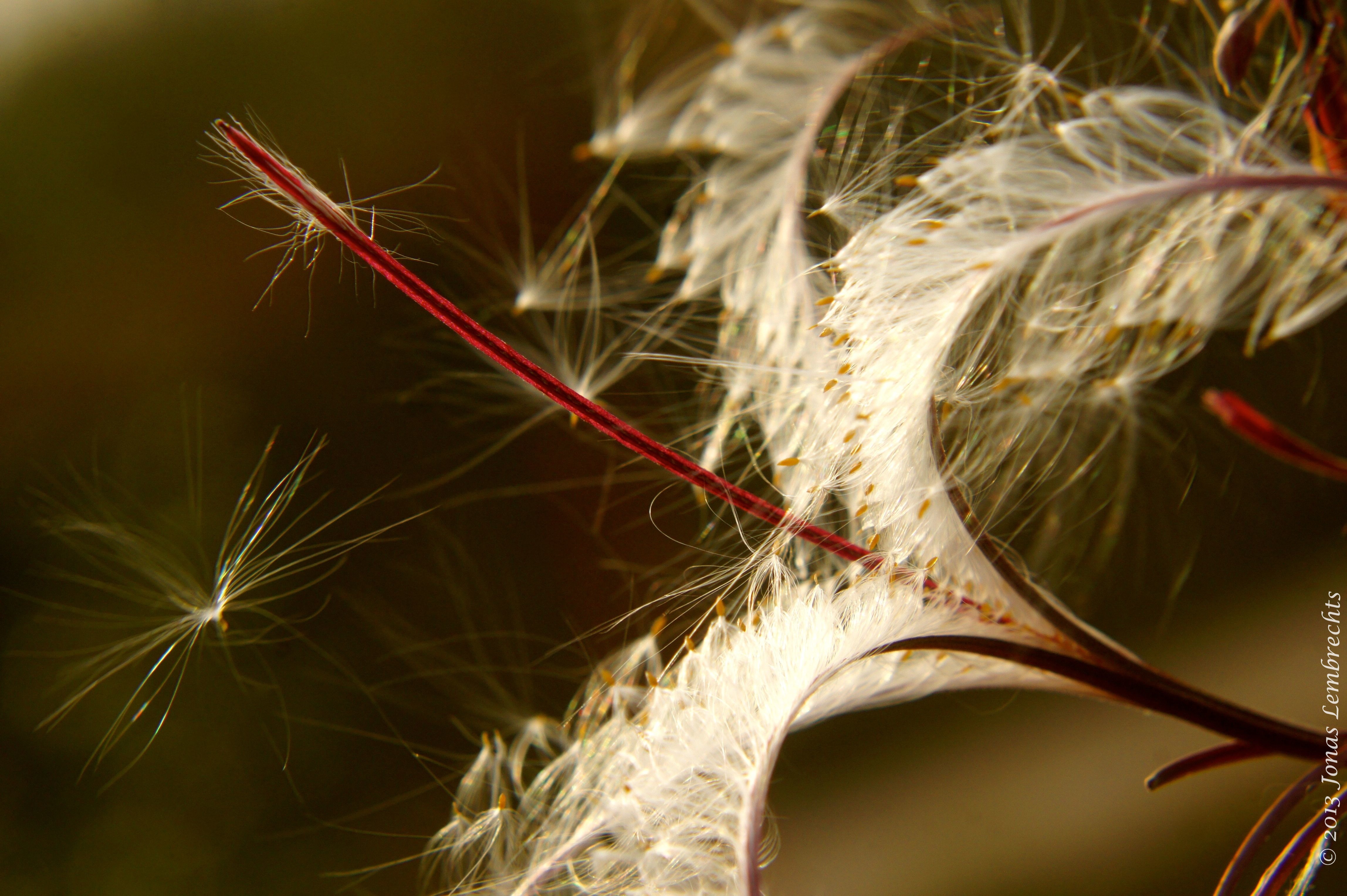
Willowherbseeds Travel tricks

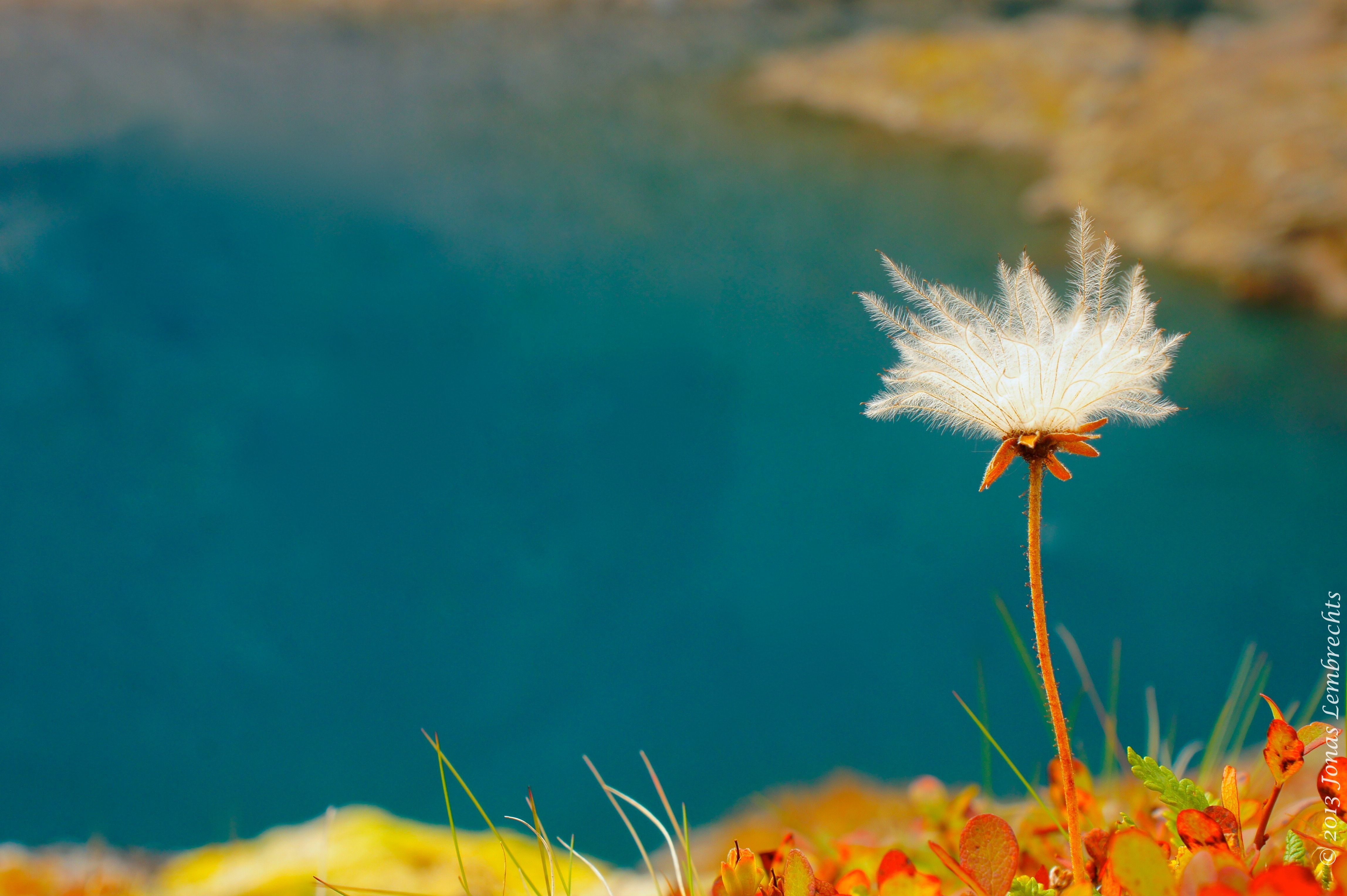
I like how some plants give every one of their children a little parachute and, with the blessing of mummy, launch them into the sky. It is wonderful to see how successful this strategy turns out to be. So wonderful I made it a major factor of my research: traveling plants and how they find their perfect location.

Fluffy seeds overlooking the Trollsjön


Posted in The research | Tagged , , , , | Leave a comment

A cold scientist is not a scientist

I already shared a lot of stories about the cold (here, here and here).  As a researcher in the subarctic mountains, this cold is  an omnipresent companion, so it is definitely worth the thoughts.

It is from uttermost importance to keep your internal temperature sufficiently high in the field; not only for your physical health (although the own body should always be more important than the research), but also for the sake of the experiment. ‘A cold scientist is not a scientist,’ and beside feeling unhappy, he starts making mistakes he will regret later on. Thinking is difficult when you feel frozen, but it is even more difficult to give the fieldwork all the angelic patience it deserves (and that’s a lot!).

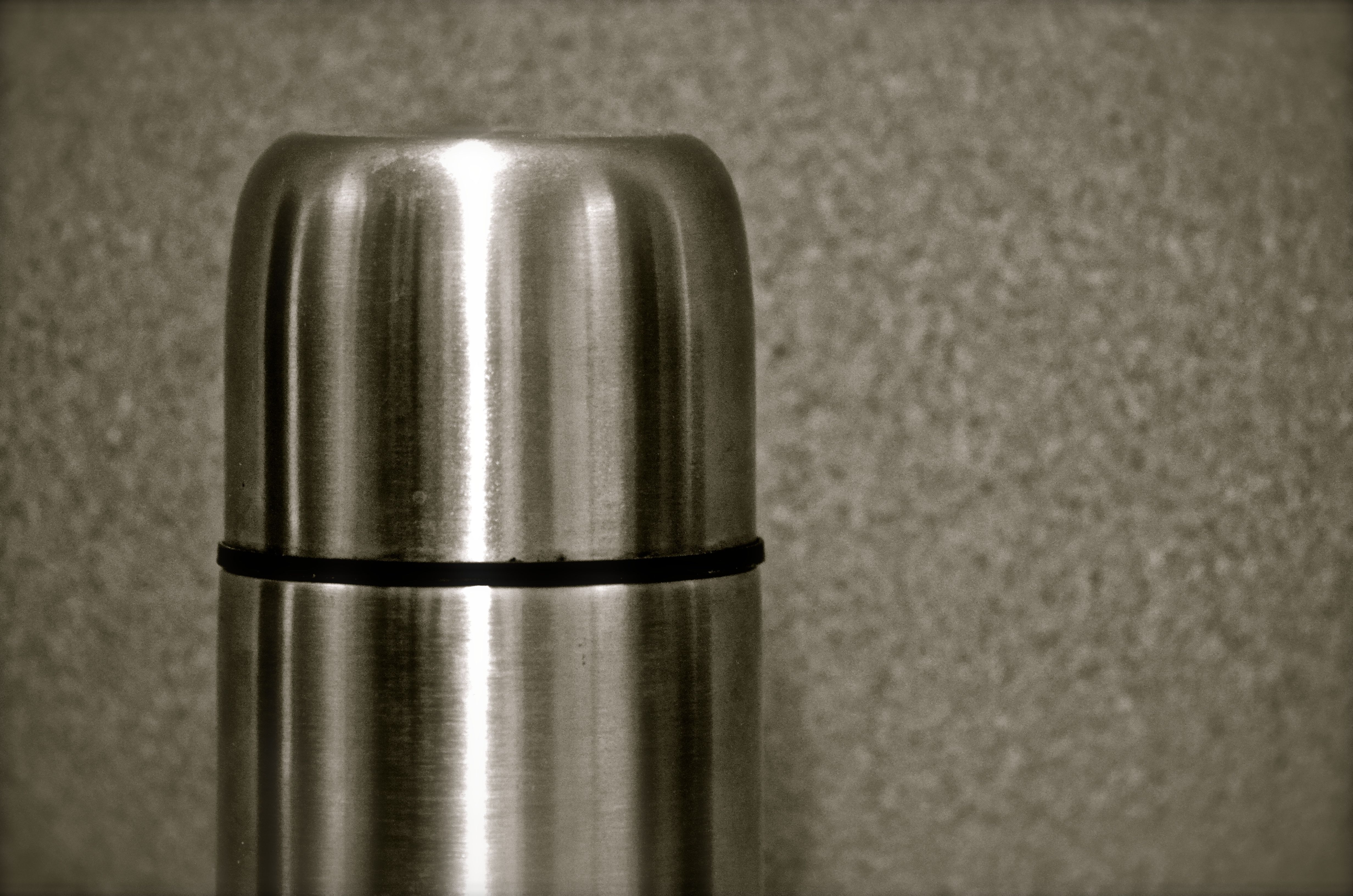
Luckily, I found another fantastic tool to fight this omnipresent companion: my beloved, highly isolating tea thermos. It keeps my tea warm forever, and if you add a lot of sugar, it also provides the sweet kick that keeps you going forever!

Science, here I come!!

Tea, please

Posted in Belgium | Tagged , , , | Leave a comment

Vandals!

It is one of the major challenges in field ecology, although it is not more than a practical question: how can I leave my scientifical equipment out in the field?

You want to measure soil water content during the whole growing season, but don’t want to travel up the mountain every day?
You are on a hunt for mammals that are very hard to see and you want to leave a camera trap in the forest?
You put seeds of your favorite alien species in the soil and want to put some sticks to mark the plot?

There are plenty occasions that field ecologists have no other option than to leave very expensive (economically and/or emotionally) material in the field, unprotected an vulnerable for our worst enemies: vandals!

It happens more often than good for science: vandals take away your equipment, damage it, destroy it or in any other way they ruin your experiment. I know a story of an experiment high in the mountains in Northern Scandinavia, on a place where nobody ever comes. The small sticks that marked the experiment where all carefully collected and put on a pile. It is not less than a horror story for every field ecologist, because it could imply everything from a small delay to starting over from the very beginning.

All my own plots were still intact last time I checked, and most of them should be save, but as soon as someone starts mowing the plots closest to the city, the experiment is doomed. And save in my office in Belgium, I have no way to save them if needed.

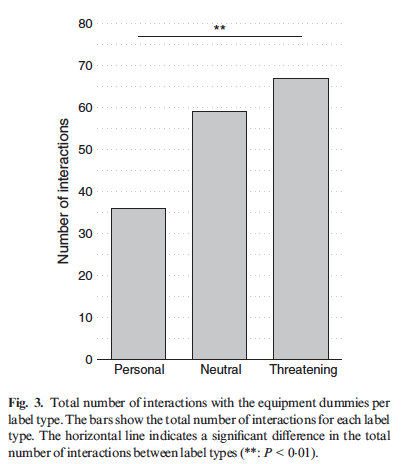
I read a fascinating article about this issue (more easy info here). It is a (real) scientific publication about dummy boxes that looked like expensive scientific equipment. In order to find a way to avoid damage by vandals, the scientists attached 3 different messages: a neutral one (please don’t disturb), a very aggressive one (something like: we are watching you, police will find you if you mess with this box!) and a more personal approach, associated with a cute picture of a squirrel to melt the heart of even the meanest vandal.

As you may have guessed, the cute squirrel won the contest, as the least contact with vandals was recorded (most of the time moving of the box, but also opening, damaging or even stealing of all that precious research material!). Maybe more surprising is the fact that the aggressive sign had the least impact.

Scientific equipment

After: Clarin BM, Bitzilekis E, Siemer BM, Goerlitz HR (2013) Personal messages reduce vandalism and theft of unattended scientific equipment. Methods in Ecology and Evolution. doi: 10.1111/2041-210X.12132

Moral of the story: if you ask vandals kindly to stop vandalizing, you have the highest chance they’ll listen.
Posted in General | Tagged , , , , | 2 Comments

At the zoo

One day, halfway my quest to become a biologist, I had to make the tough choice between plants or animals. Although I truly loved both, I had to choose; there is not enough time to dedicate your scientific life to two such different disciplines.

Many people wonder why I chose the plants, those silly motionless creatures that are obviously much less interesting than these merry furry animals. My answer lies in the fieldwork: I just fell in love with the way in which plant ecology was done in the field, which to me sounded much more exciting than behavioral ecology. That is why I decided to leave the animals for my spare time.  To enjoy them as much as ever, but without the need to work with them all day.

Sometimes, I almost regret this decision, especially when I am at the zoo. There, all these funny animals look at me with in their eyes the message: “Don’t you wanna know why I behave so weird?” But then I remember the joy of what I am doing now. I quickly take a picture of the funny face and go back to my seeds, nutrients, soil samples, mountain views, squishy cushion plants, tiny but lovely seedlings, proudly growing flowers and the glorious wonder of how all these ‘motionless’ plants manage to travel more than the average migratory bird.

Here (and in the photo gallery ‘Animals’, check it out!!) I share some of these funny faces with you. I kindly invite you to regret my decision with me…

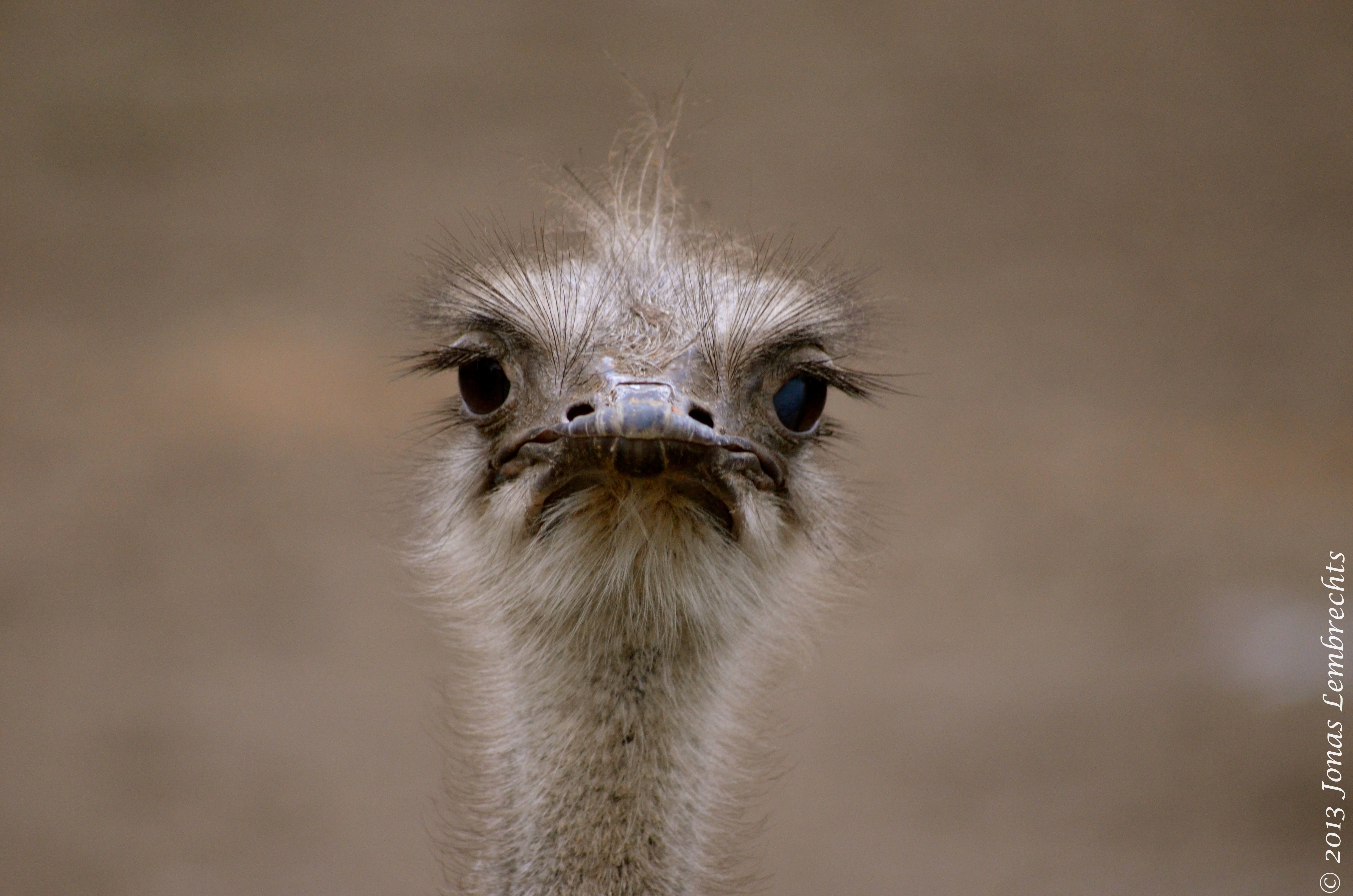
Ostrich

Meerkat

Posted in Belgium | Tagged , , , | 4 Comments