Raging storm

On thursday evening, a massive cold front rolled over Belgium, accompanied by dark and dangerous clouds and severe thunderstorms.

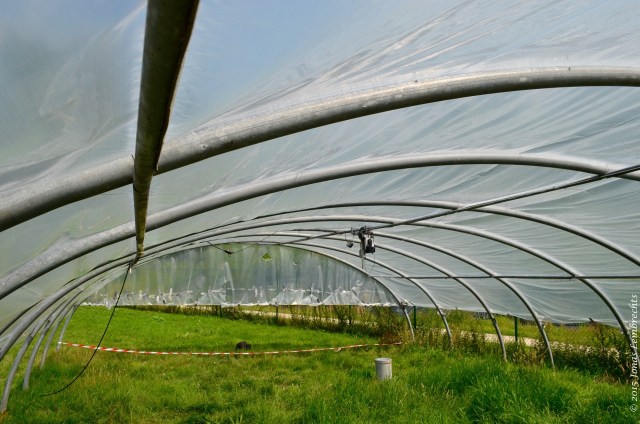
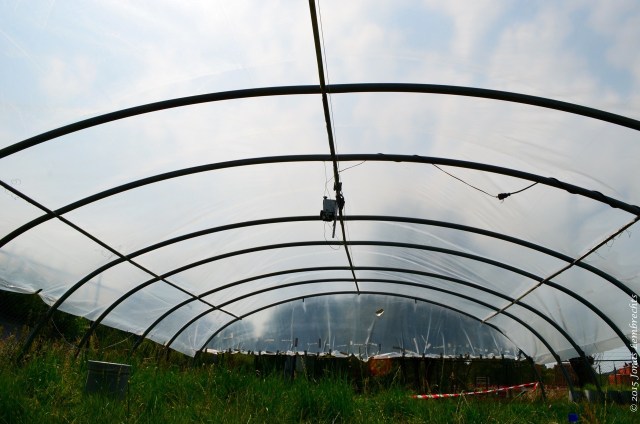
Cold front after hot summer weatherOf course I was worried about my greenhouse, although we had attached it as good as we could. But it had been having ‘mood swings’ its whole life already, and the design made it very easy for the wind to get trapped underneath.

Wind-catching design

A huge sailing boat to sail the storm

The worries were not undeserved, because next morning, the damage at first sight seemed huge: the plastic foil had lost the battle, only being hold in place by the net in the middle (no pictures, too worried). Bad luck.

But after a closer investigation, it turned out that only one of the replica’s got any rain, and luckily one of the control plots. Even the drought plot that seemed to be fully exposed to the elements showed no signs of water in the measurements. Maybe the largest damage only happened right after the storm?

DSC_0062

At least the net did not move an inch!

What a relief, no damage done! Of course we put the plastic in place again, and we hope it is even stronger now. Let us just hope there are no more storms on the way!

Posted in Belgium | Tagged , , , , , , , , , , | 1 Comment

Protected

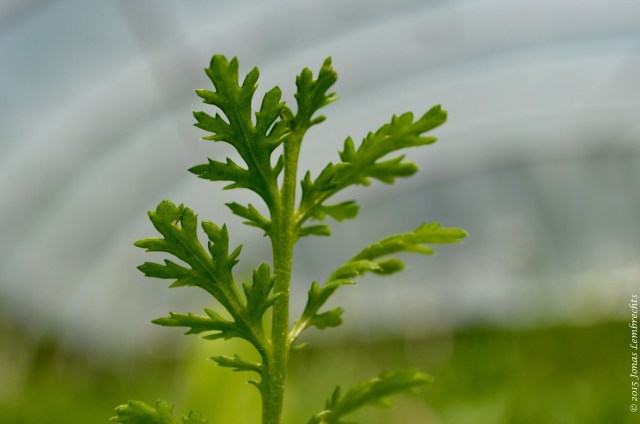
Achillea millefolium

Achillea millefolium

During with the nice and persistent heath we were experiencing in Belgium, we started our drought experiment on the university campus.

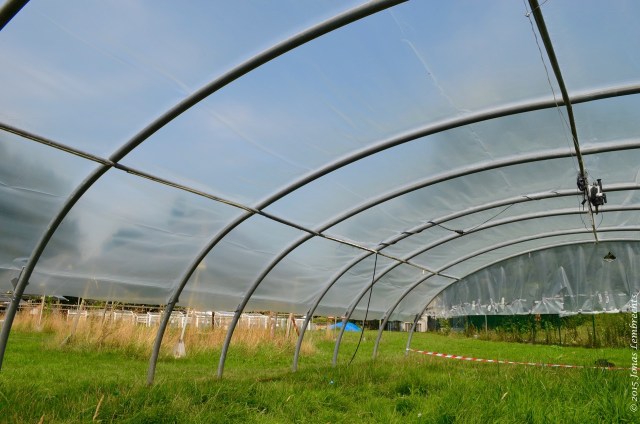
Greenhouse

With the help of some very welcome extra hands, we put ten by twenty meters of plastic foil over our greenhouse to keep out the rain. The lowest meter stays open to allow the wind to flow through, otherwise it will start heating up as well (like a ‘true’ greenhouse would).

Ecological experiment in greenhouse

It was our final chance to start the drought, as our plants were growing crazy fast and establishing very well within our experimental gaps. If we would wait much longer, they would grow too strong to experience much damage from our experimental drought.

Measuring light on the bottom of the gap

Measuring light on the soil surface

By now, half of the gaps have suffered a persistent drought of one and a half week. Plants in the gaps clearly slowed down their fast growth, compared to those that generously get precious water from us once every two days.

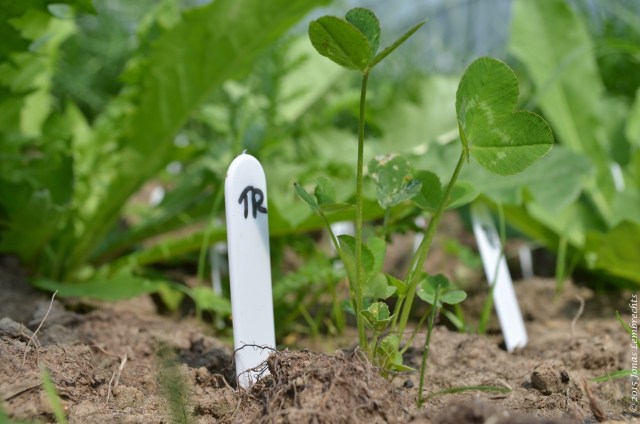
White clover

White clover

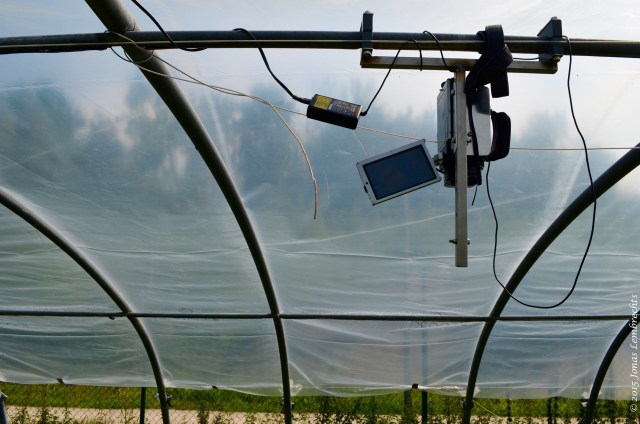
 With the thermal camera, we closely monitor the temperature in our gaps, especially now, during the drought. On a nice day, temperatures on the soil surface easily rise above 40-45 °C.

Greenhouse with thermal camera

But not all plants seem to mind the heat that much. If their roots reach deep enough to maintain access to the precious soil water, they can keep their temperatures low, often staying more than ten degrees below the environmental temperature.

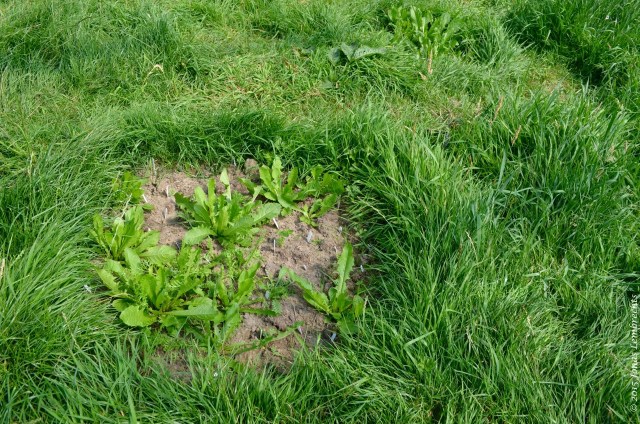
Grassland gap with colonisers

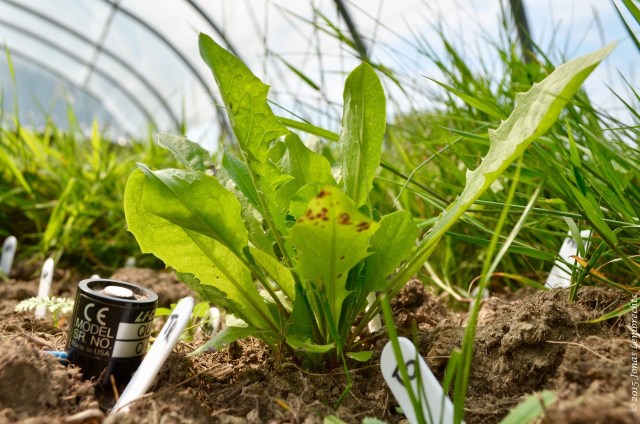
Control gap, with happy dandelions

But with persistent drought and hot temperatures, the soil water will get increasingly difficult to access, making their life a lot more difficult. I’ll keep you updated!

Greenhouse with thermal camera

Posted in Belgium | Tagged , , , , , , , , , , | 3 Comments

Symmetrical sunset

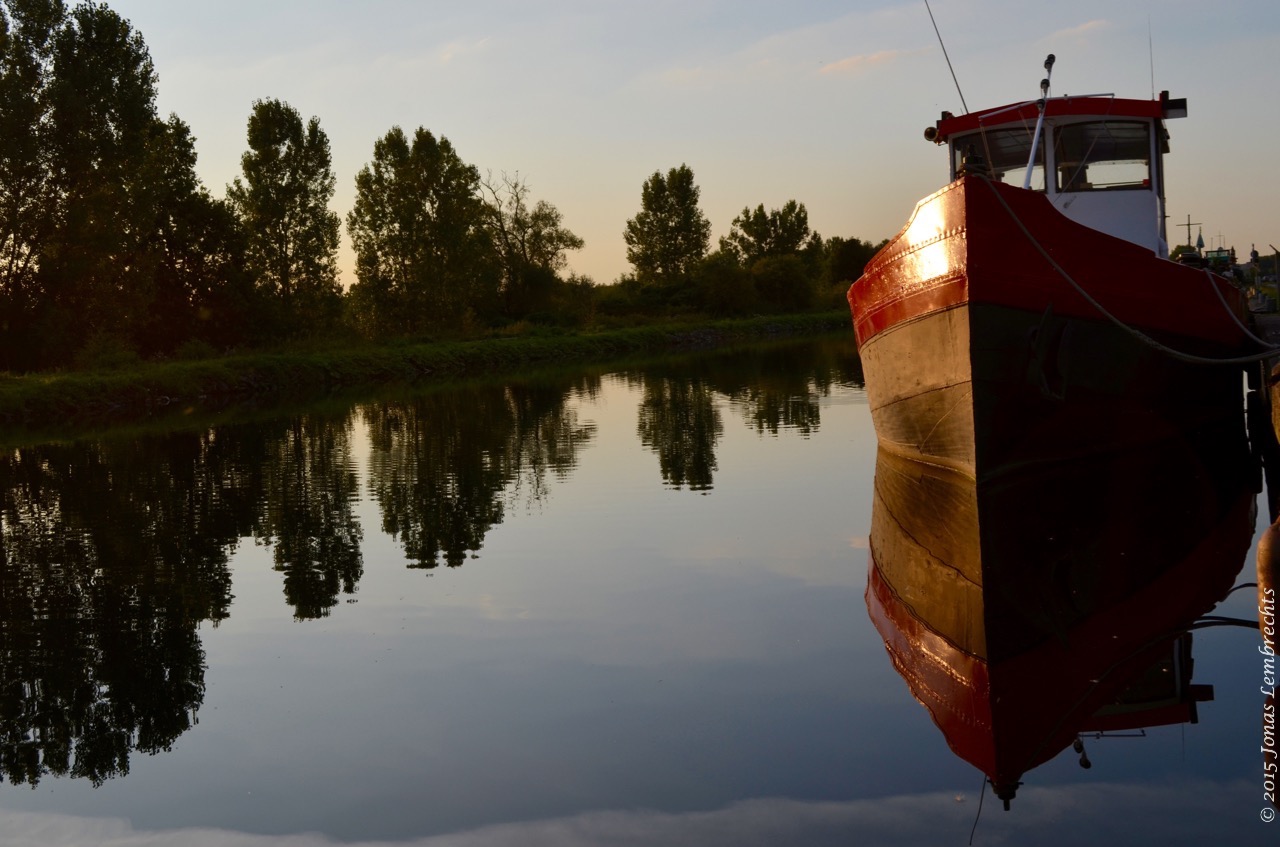
An eccentric yet beautiful sunset over the Leuvense Vaart in Mechelen, Belgium.

DSC_0064

The day had brought a small depression with a little bit of rain, but not enough to take away the heat that was lying heavily on the country.

DSC_0036

The cloud was giving away to an open sky, preparing for another week of agreeable weather. This could mean that the stress on our plants might reach a critical point this week, especially in the open sandy soil in the big gaps.

  DSC_0061

I will have to keep a close eye on them!

DSC_0004

Posted in General | Tagged , , , , , , , | 2 Comments

Summer in the polders

Great burnet flower

Great burnet flower

After all these mountains from my previous posts, it is again time for some good ol’ nature from back home!

Purple loosetrife in Dutch polders

Purple loosetrife in Dutch polders

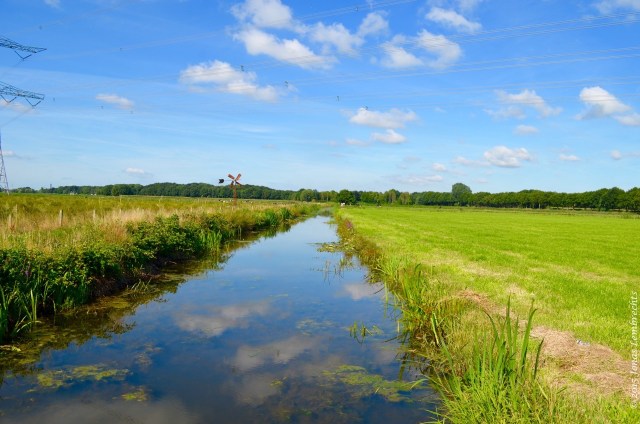
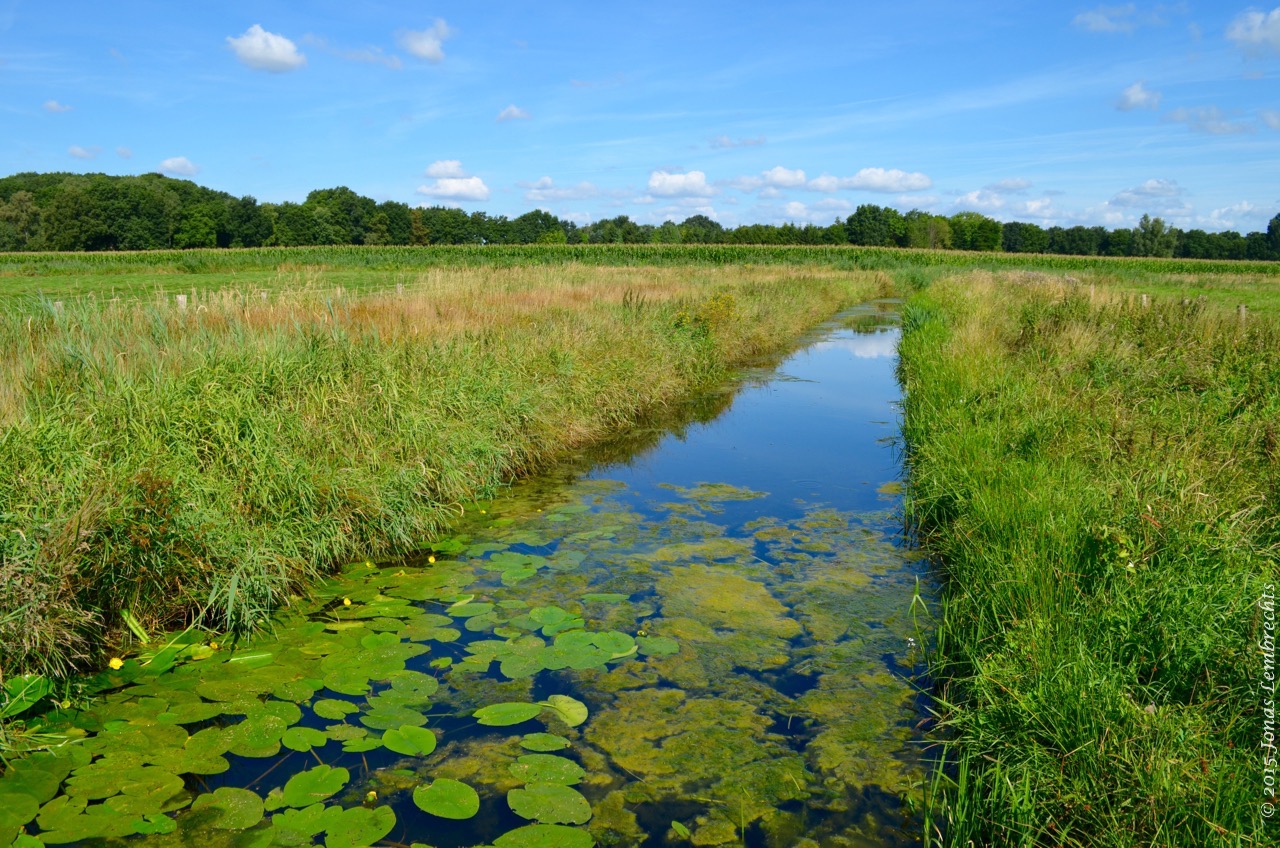
This is a series celebrating the little pieces of nature in between the agriculture, with pictures from the polder landscape close to Breda in the Netherlands.

Flat!

Flat!

No mountains here, only flat meadows and straight horizons. A nice alternative view to the endless spiky horizons in Sweden and Norway.

Wind mill in polders

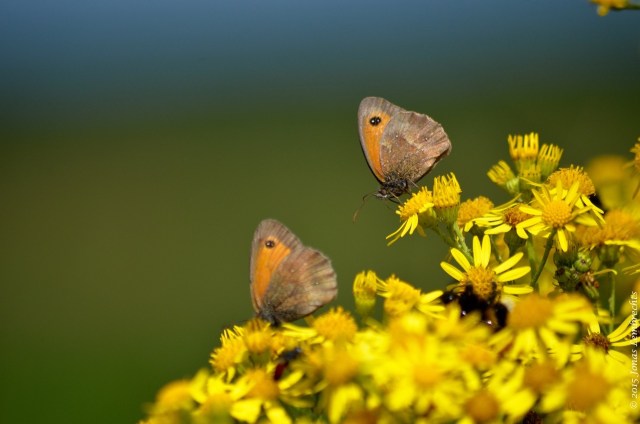
Summer is hot here in Western Europe, and I do not mind at all. Neither do the butterflies, as there were virtually thousands of them on all flowers.

Meadow brown

Meadow brown

For my drought experiment at the university campus, this nice weather is also a good thing. No worries about keeping the plants dry or about rising soil water levels. A much quicker and more thorough stress experiment then I could have anticipated.

Polder landscape

Polder landscape

More about the cool plants in my experiment there will follow soon!

DSC_0174

DSC_0099

Posted in Netherlands | Tagged , , , , , , , , , , , , | 3 Comments

Above the polar circle – skua’s and buttercups

Mountain ecologist Jonas Lembrechts spent ten intense fieldwork days above the polar circle in Sweden and Norway, where he follows non-native plant species and their spread in the mountains. This post is the last one in a serie on this expedition. The story appears simultaneously in Dutch on Scilogs.be and in English on this website.

‘If they don’t go home on their own, I’ll make them!’ Probably the exact thoughts of the Arctic skua as it prepared in the distance for a new attack. His eyes were talking about murder…

DSC_0201

Arctic skua preparing for the attack

We accidentally stumbled upon the territory of this very inhospitable arctic hunter gull, and we had no other choice than bending to its will. The birds are known for their merciless attacks on unwelcome guests, in order to protect their eggs against potential danger, and our experience was the very proof.

DSC_0141

Hiding for the wrath of the skua

I have to admit these merciless tactics are not unnecessary, as their eggs are lying unprotected in the middle of the open tundra, an easy catch for all interested hunters (if they managed to get past the fierce dives). We did not mean the bird any harm, but we cannot blame the skua for the brave defence of its offspring.

Arctic skua in Lapland

Luckily it did not get dirtier than some dazzling dives, inches above our heads. As soon as it realised we were harmless and just accidentally passing by on our way to the top, the bird landed on a strategic rock to watch us with the same murderous look in its eyes. We knew what it was capable of, so we did not feel any need to trigger it more.

DSC_0212

Skua on its favourite look-out

It was our last climb before I would temporarily head back to Belgium, and it was a beautiful day. We had one more hike up to a thousand meters elevation and at the end of that hike, my favourite plots were waiting.

DSC_0147

A plot with a view

Undisputed number one due to their unrivalled views, of course. But also because of their ideal location: a small meadow on the north-facing slope of the valley of  Låktatjåkka, almost horizontally and virtually not flooded in spring. Moreover, the plot has a near perfect orientation and matches vegetation-wise very well with its counterpart at the other side of the valley. A dream scenario for our experiment, but that much luck is rarely offered to an ecologist that left the safety of campus greenhouses.

DSC_0154

Counting plants

On the north facing slope, summer days are far from endless. It takes a lot of time before the first sun ray hits our plots in spring, and even in midsummer, sunlight is limited. Surprisingly, our plots will get the most direct sunlight in the middle of the night. It is then that sun passes in the north: over the mountains on the horizon in the previous picture.

DSC_0170

Meadow buttercup aiming high

Plants do feel the burden of this short summer. We were almost in the middle of July, and spring was not even truly on its way here. Between the dry brown sedges of last year’s growth, we could however find some brave progressive individuals. Determined to leave no ray of sun unused, they produced flowers in the metaphorical blink of an eye. 

DSC_0179

Hurrying however is not an unnecessary luxury here. Growing, flowering ànd producing seeds, all in one growing season, it is not an easy task in this little meadow. The end of august is already on its way again, and then I will be back for the next harvest. The flowers from the pictures will probably face the early winter without worries, as they started their work in time. Our teeny tiny experimental plants, however, are used to the long and mild Belgian summers and thus far from ready. I assume first snowfall will catch them totally by surprise!

DSC_0180

Posted in Sweden | Tagged , , , , , , , , , , , , , , , , | 4 Comments

Above the polar circle – it can go swift once in a while

Mountain ecologist Jonas Lembrechts spent ten intense fieldwork days above the polar circle in Sweden and Norway, where he follows non-native plant species and their spread in the mountains. This post appears in a serie on this expedition. The story appears simultaneously in Dutch on Scilogs.be and in English on this website.

The other side of the mountain: much steeper, but probably our better option.

DSC_0055

Our rematch on the other side of the mountain asked a lot of dedication from our leg muscles, as we had to hike up (almost…) vertically next to the waterfall. This ‘stairway to heaven’ brought us in no time far above the treeline in a rocky wasteland, where plants had to have some solid roots to stay where they were.

DSC_0094

It is up there the reindeer feel at home, they can enjoy the beautiful view on the valley and the barren circumstances they strangely seem to like the most.

DSC_0042

We made much more progress than the day before, so in no time we reached the little hut at ‘the other side’ of the river: a cosy wooden chalet with ‘soft’ wooden beds where tired hikers could have a well-deserved night of sleep. If they managed to cross the river, of course…

DSC_0249

There we had a surprising meeting with this brave little snail, probably taking even more time than we to hike all the way up to the 1000 meter plots.

DSC_0039

With this progress, the day turned in another nice and beautiful hike. We jumped up and over rocks like trained reindeer, but we were getting used to that now anyway. Our plots at a thousand meters were luckily free of snow, and there even were some plants that survived the winter. Another win!

DSC_0123

After this, one more day to go in the field, and our trip above the polar circle would be over again. Every time again, it is uncertain if the wild nature and climate will allow us to do what we want to do, and it never goes exactly as planned. But experience is the best teacher, and an ecologist quickly learns how to improvise…

Posted in General | Tagged , , , , , , , , , , , , , , | 1 Comment