Above the polar circle – rematch, please

Mountain ecologist Jonas Lembrechts spent ten intense fieldwork days above the polar circle in Sweden and Norway, where he follows non-native plant species and their spread in the mountains. This post appears in a serie on this expedition. The story appears simultaneously in Dutch on Scilogs.be and in English on this website. 
DSC_0064

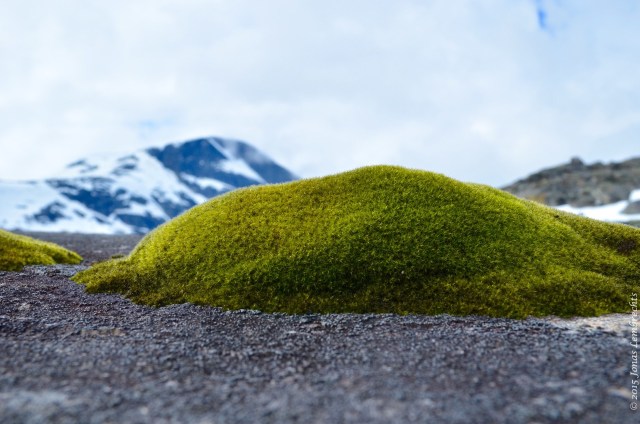
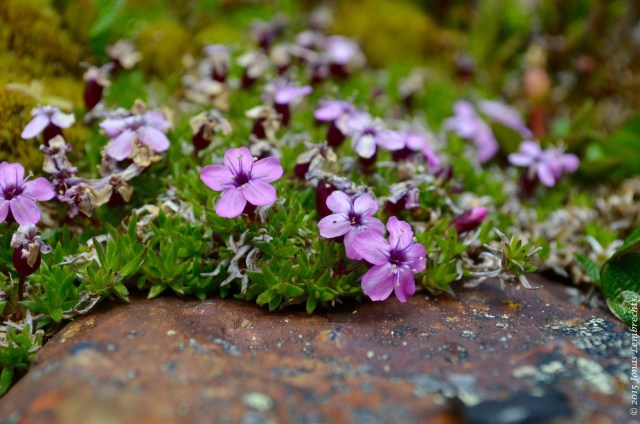
Pink Cushion, or Silene acaulis

We only just returned from our Norwegian trip or a new adventure was already waiting outside the door. And it would not be an easy battle this time. A new mountain waited to be defeated, but the hike up there would pass through a valley with very stubborn snow patches until late in spring. Our first hike already showed spring being late everywhere in the north, so we feared the worst. We needed to reach our highest plots at 1000 meters, so we had to get up there.

DSC_0179

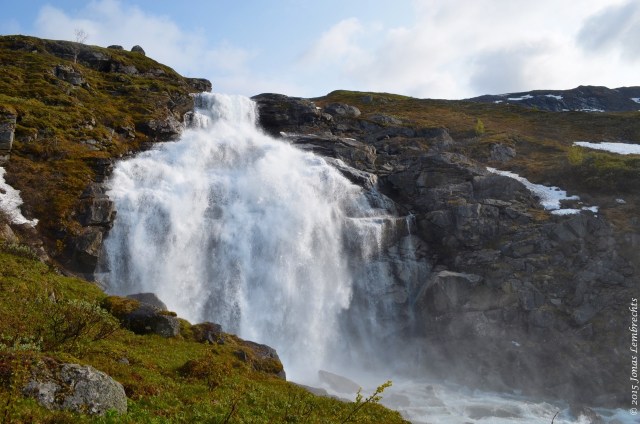
Luckily we had kept an eye on the weather and decided to adjust our plans in times. By shuffling our tasks around, we managed to give the snow a few extra sunny days to melt. It soon became clear that this had been wise, thanks to 24 hours of uninterrupted sun light. Where a previous expedition only one week earlier had to return without succes, the white landscape had now turned almost completely brown, ready for spring. The massive waterfall at the bottom of the valley seemed to enjoy the melting snow as much as we did – I had never seen it that big.
DSC_0099

A whole valley worth of melting water thunders down here

1-0 in the advantage of the attackers, which is us. Allright, there were some extra detours to pass the last remaining snow patches, but in the end the climb caused almost no problems.
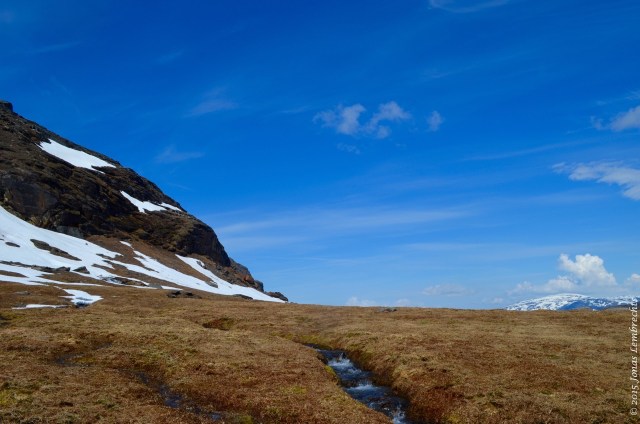
DSC_0161

The result of one week of waiting: almost all snow is gone!

Until a worrisome view appeared on the horizon. We were approaching the (only!) bridge over the river, and I happily refer back to the above picture of the waterfall to emphasise how important this bridge was. However, our essential bridge was lying happily… on the grass! Due to the late spring, local authorities had not managed yet to put back the bridge, after ‘beaching’ it safely in order to survive the winter. 1-1…
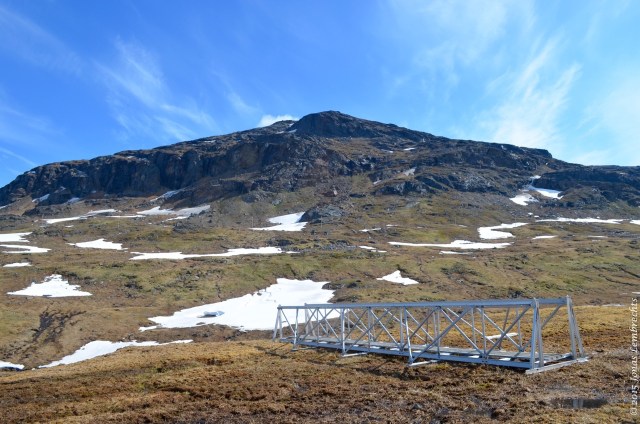
DSC_0156

The summer bridge, high and dry

Nature offered an alternative bridge to tease us, but it did not look that attractive.
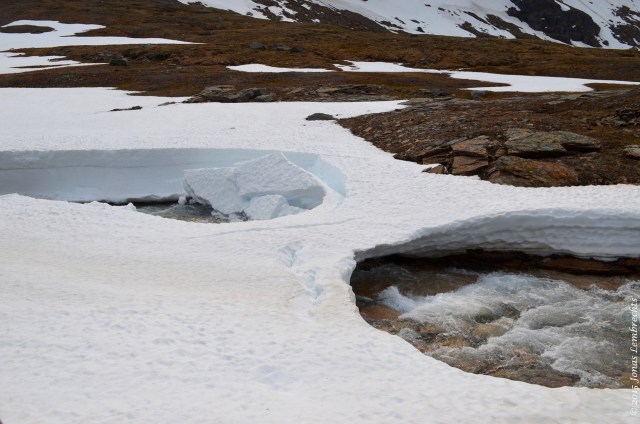
DSC_0031

The ‘winter bridge’, but far from trustworthy

Some serious bad luck, but we did not plan on letting the mountain win. We had a Plan B, and the mountain was kindly requested for a rematch. A short inspection of the situation was used to finalise the plan. We had been climbing the valley on the east side, the side that had been most heavily covered in snow. The other side of the river, where our highest plots were situated, overlooked the west, and there spring was already much more advanced.
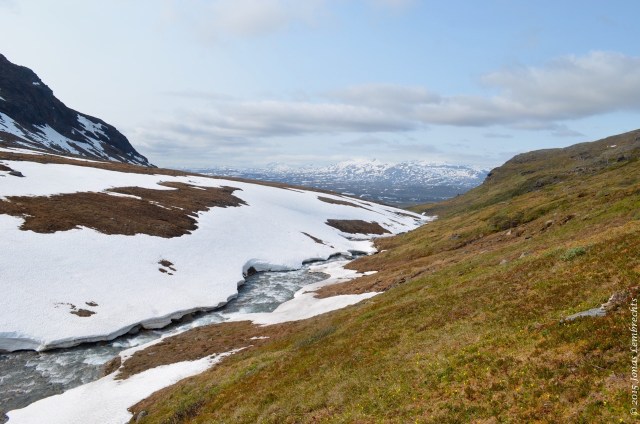
DSC_0065

Winter vs. spring

If we finished the most important jobs at this side of the river today, we could attack the mountain the next day from the other side. In that way, we would immediately arrive at the right side of this raging river. It would be a steeper and more difficult climb, but almost completely snow free. Only the reindeer might feel a bit disturbed.
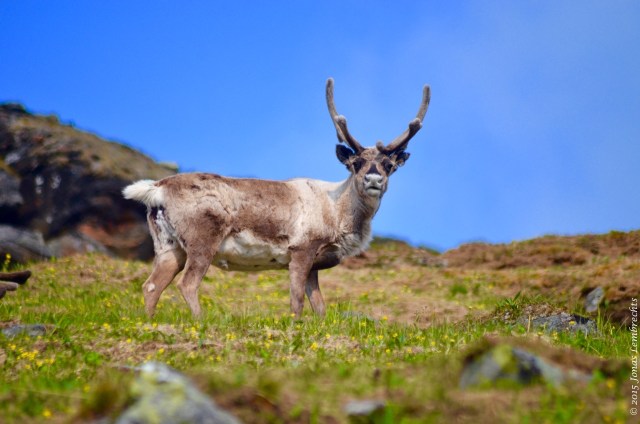
DSC_0086

You again!?

This day’s climb luckily resulted in a win in the end, as we managed to install our new experiment on all lower elevations.
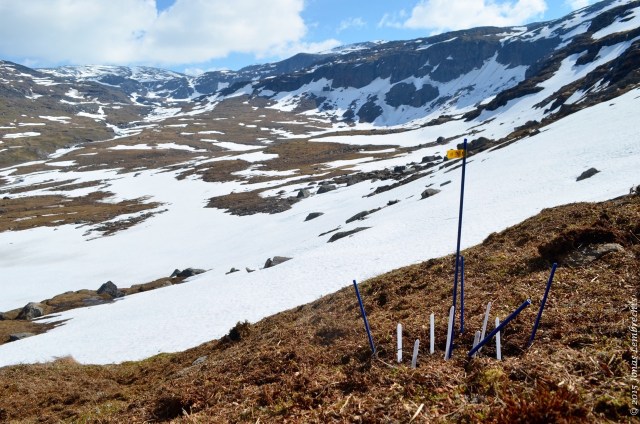
DSC_0203

New experiment at 900 meters

As we were up there anyway already, all installations went super quick and we easily covered the whole gradient. Ready in time to prepare for tomorrow’s rematch.               DSC_0240

Posted in Sweden | Tagged , , , , , , , , , , , , , , , , , , , | 7 Comments

Above the polar circle – Norway

DSC_0646

Norway is a beautiful place to work

Mountain ecologist Jonas Lembrechts spent ten intense fieldwork days above the polar circle in Sweden and Norway, where he follows non-native plant species and their spread in the mountains. This post appears in a serie on this expedition. The story appears simultaneously in Dutch on Scilogs.be and in English on this website. 

DSC_0819

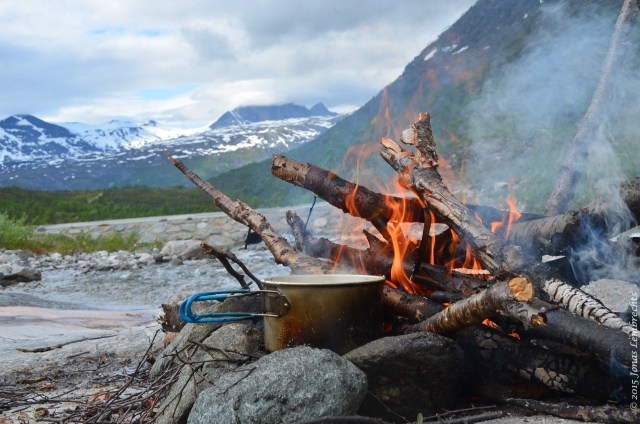
Making soup in a river bed with amazing views

We decided to interrupt the Swedish fieldwork (of the previous posts) with a camping trip to Norway. The Norwegian fjords are only an hour or more driving from Abisko, and it is in that exciting environment that we follow the diversity of native and non-native plants since 2012 (check out this website en my publication). This summer brought us back to the Norwegian mountains for some very important abiotic measurements. A year ago, we hid temperataure sensors all along our gradient – some roads ranging from sea-and-fjord level to high in the mountains. This year, I hoped for a very valuable harvest.

DSC_0888

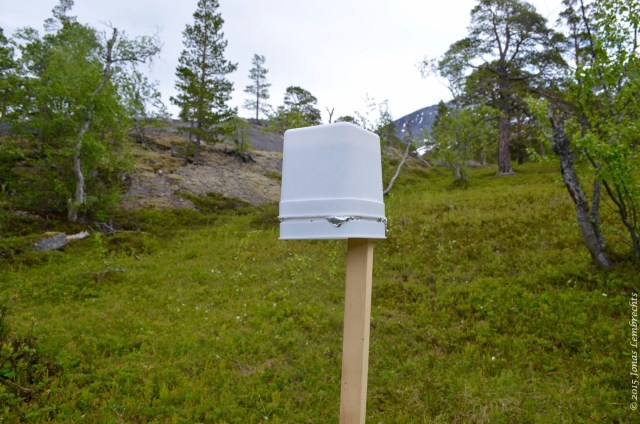
Measuring air temperature with a home-made improvised weather station

Our main task on our camping trip would be the hunt for these sensors, not much bigger than tiny batteries, and very well hidden in the massive mountain area (check here how they look). We hid eighty of them along our 3 study roads, and would be hiding many more this year.

Our treasure hunt went fairly successful, despite the theft of some sensors by gruesome rodents. We saw the traces of their little mean teeth all over the place, but the sensors were nowhere to be found. Maybe the sensors now serve as a lemmings’ equivalent to a wedding ring?

DSC_0607

Luckily the rodent’s impact was relatively limited and they did not manage to gnaw on the good atmosphere during our nice trip through the mountains. We still had a major data harvest – the dream of every PhD-student – and I saw the data’s potential grow with every logger that re-appeared from the soil.

DSC_0020

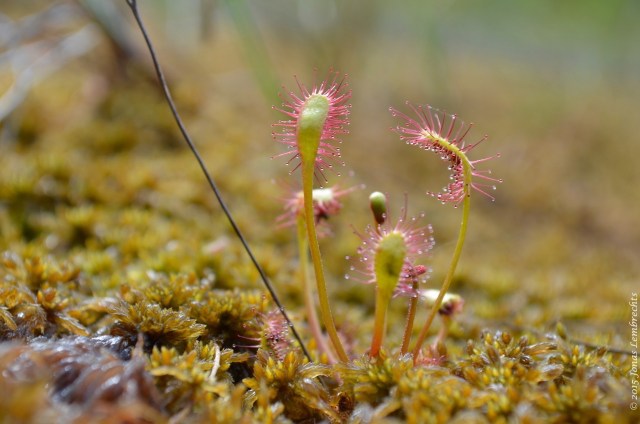
Drosera flowers in a marsh

Working with such an amazing view on mountains and fjords, it never gets boring. Especially the Norwegian rocks were and will always be breath-taking, more about them here.

DSC_0588

Norwegian moss looks fancy

We used this Norwegian opportunity to gather a set of samples for a colleague. She studies diatoms, unicellar algae, and aims to map their distribution in the world. With the help of just some tiny bags of moss, she would be able to find out if her focal species lived in our study system. This information could turn out really interesting, because it would enable us to link their distribution patterns to all other data from these intensively studied mountain roads.

DSC_0841

Sphagnum, hopefully with diatoms

After three days of jumping over and on rocks and tree stumps, our trip to Norway turned out a big success, and the mainly nice weather made it even better. Now we will have to wait another year and hope the hunt for sensors turns out to be even more succesful then. If only lemmings would stop craving for wealth and status…

DSC_0779

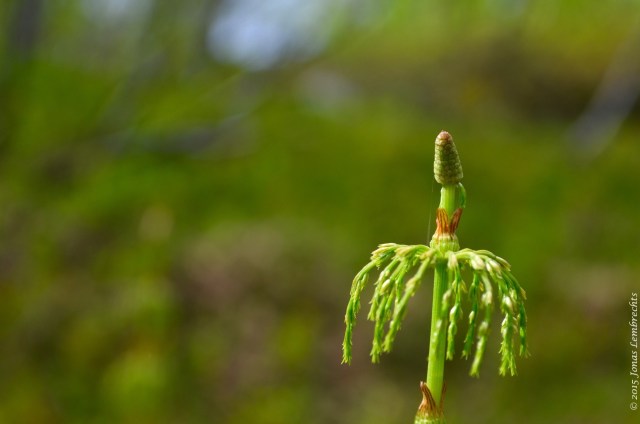
Horsetail, a typical Norwegian understory species

Posted in Norway | Tagged , , , , , , , , , , , , , , , , , , , | 4 Comments

Above the polar circle – old and new

DSC_0379

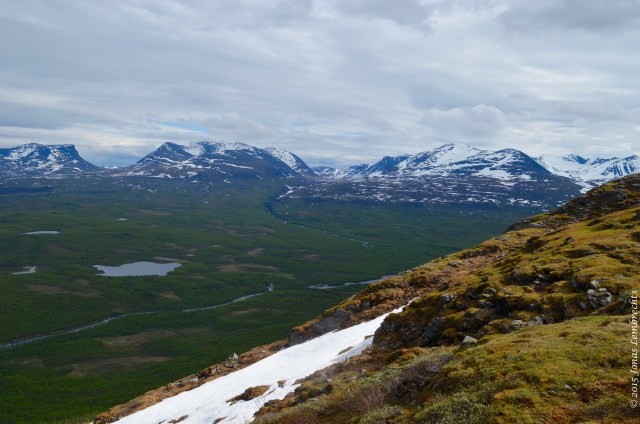
National Park Abisko, with a view on world-famous mountain formation Lapporten

Mountain ecologist Jonas Lembrechts spent ten intense fieldwork days above the polar circle in Sweden and Norway, where he follows non-native plant species and their spread in the mountains. This post appears in a serie on this expedition. The story appears simultaneously in Dutch on Scilogs.be and in English on this website. 

DSC_0323

Hiking towards the experiment, with a view on Abisko

After the succesfull storming of the first mountain on day one, the team prepared for the real job. The next mountain – Mount Nuolja, the peak overlooking the beautiful Abisko’s national park – asked both for the follow-up of last years experiment and the installation of a new one. First, we hiked up to a thousand meters, close to the top of this beautiful mountain, to visit our study plants from last year.

DSC_0423

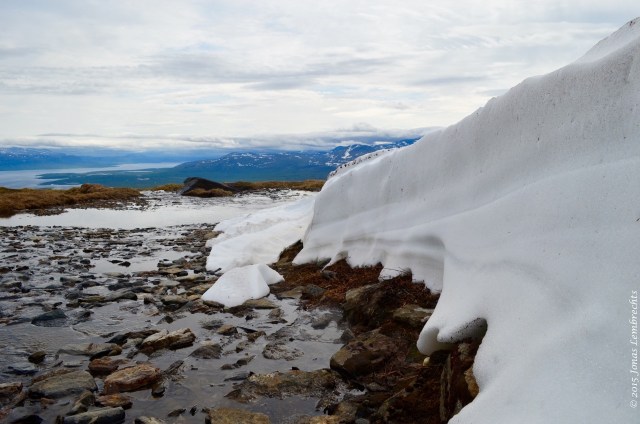
Thick snowpack, resisting the inevitable snowmelt

Up there, it was immediately clear the plants had had some troubles. Winter only left the north for less then a week, and our soil temperature sensors showed this particular winter had been a serious beast: a long and continuous freezing period with temperatures of -12 till -15 °C even under the protective snow bed. The effect on our little plants could be expected: where last summer they all looked fresh and green, the situation now changed to a saddening brown. Maybe the subarctic tundra at a thousand meters of elevation really is to cold for our Western-European species…

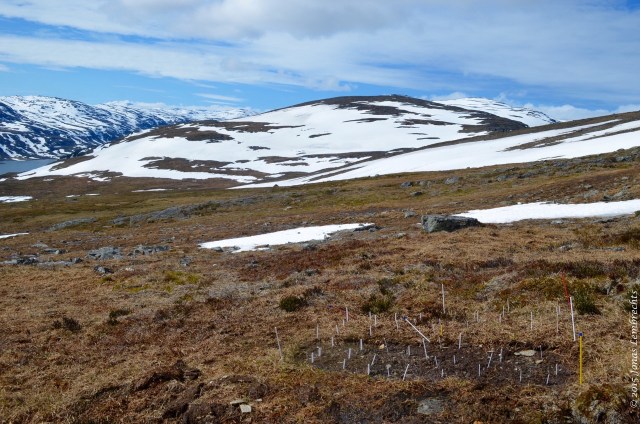
DSC_0361

Experiment in alpine tundra meadow, still brown after the recent snow melt

But still. Right when we thought the plants had given up the battle, we found countless new seedlings in all our plots. Tiny, just millimeters tall, but fresh and ready to flourish in a new growing season of 24 hours sunlight. The fight is thus not over yet, the mountain still did not win. We will keep a close eye on these unbeatable little seedlings this summer, to see how far they will get.

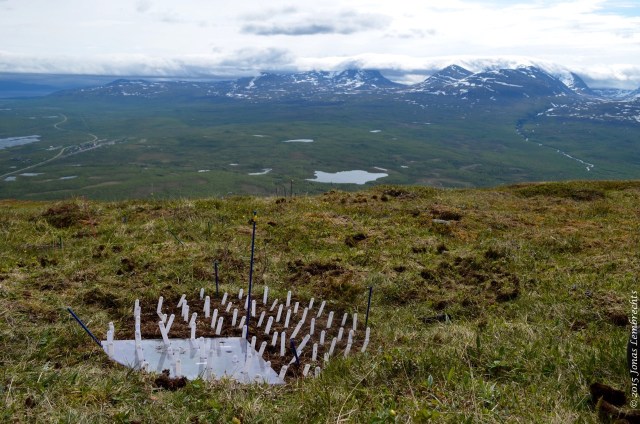
DSC_0441

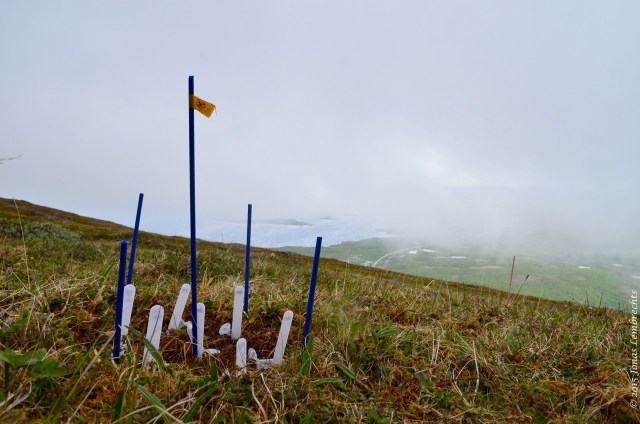
New experiment overlooking the valley

We installed our new experiment on the lower mountain gradient, where chances on success where a little bit higher. Where the previous experiment mainly focussed on the mountain climate and its effect on the non-native plants, we changed our scope now to another highly important factor: disturbance. Our previous experiments clearly showed the decisive influence of disturbance in the tundra to allow intruding non-natives to grow.

DSC_0491

By applying different kinds and sizes of disturbance, and seed our focal species in the newly created gaps, we try to get to the bottom of the growing patterns within such disturbances.

DSC_0484

Fieldwork with a view

DSC_0417

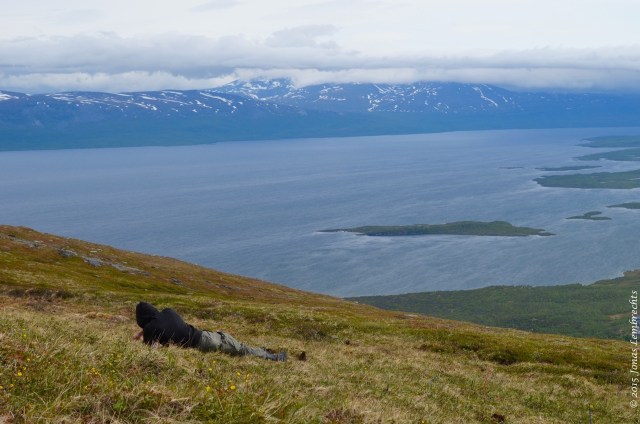
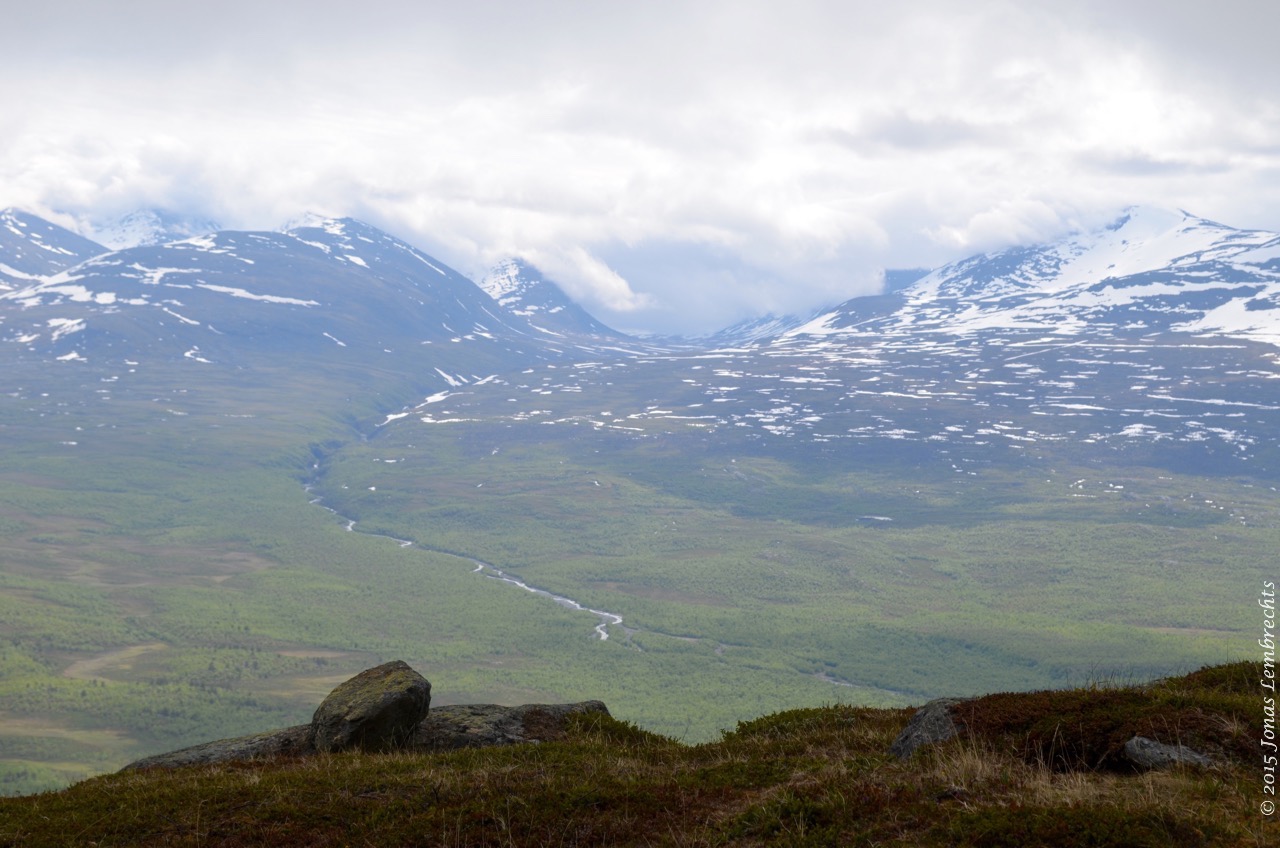
The fieldwork was very pleasant, with impressive views on Abisko’s beautiful valley.

DSC_0498

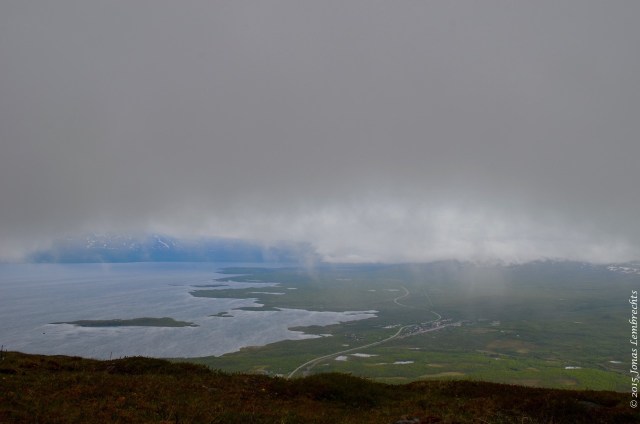
Approaching cloud

DSC_0502

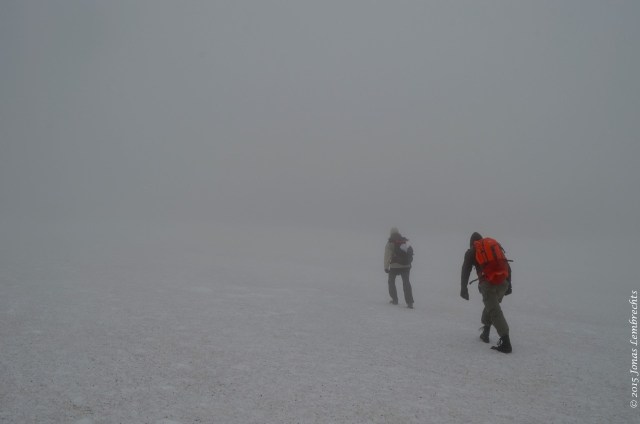
Luckily, fieldwork was almost finished when the cloud was right on top of us, and we could see only a few little meters.

DSC_0516    DSC_0495

At least, as long as low clouds did not block our view.

Posted in Sweden | Tagged , , , , , , , , , , , , , , , , , , , , , | 1 Comment

Scilogs

Hooray, I will blog some field stories from Sweden in Dutch on the Scilogs-blog again: http:// www.scilogs.be/ontopoftheworld/boven-de-poolcirkel/

Posted in General | 2 Comments

Norway rocks!

Norway is never just Norway.

DSC_0966

Lonely rock, balancing on the top

We had to revisit the magnificent views of the north in order to find back temperature sensors that we had left scattered through the mountains. It made for three days of walking, camping and working in one of the most breathtaking landscapes I have ever seen.

DSC_0631

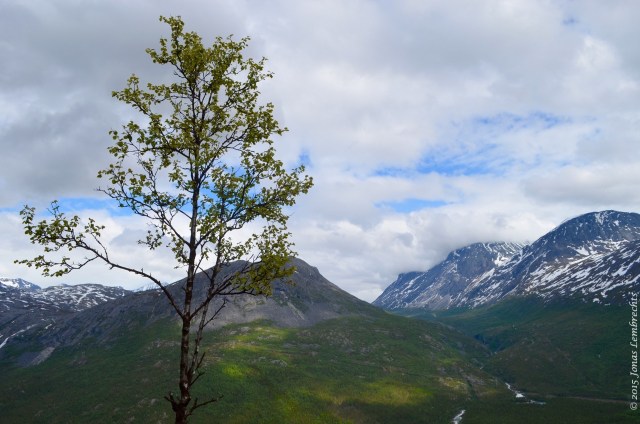
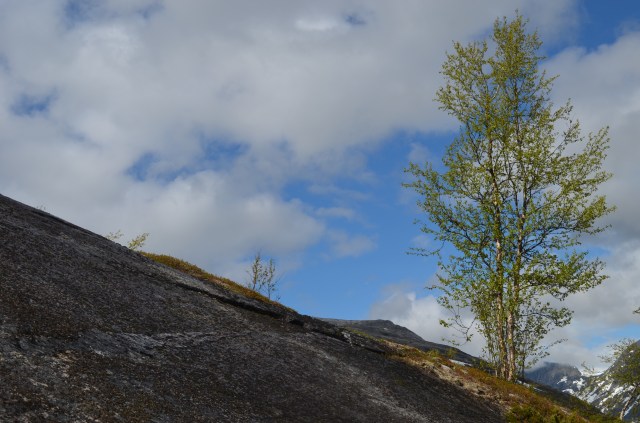
Birch tree surviving on a smooth steep slope

I was in particular impressed by the wide variety of rock formations that defined the landscape. Rocks are truly reigning in the north – at least in the summer season – and the vegetation has to adapt to their moods.

DSC_0593

Meltwater river forcing us to jump

We also had to subject to their power and clamber up and down the slopes to find back our sensors. It made for exciting adventures and some tricky balancing excercices, but it was definitely worth every second of the experience.

DSC_0744

Impressive rock formation in the cloud

Nothing tops making soup on a campfire with such a magnificent view, to have a short but well-deserved brake in between the different plots.

DSC_0820

Campfire in a river bed

Posted in Norway | Tagged , , , , , , , , , , , , , , , , | 8 Comments

Success

I am on my way back to Belgium after a very intense but successful field campaign in the high north.

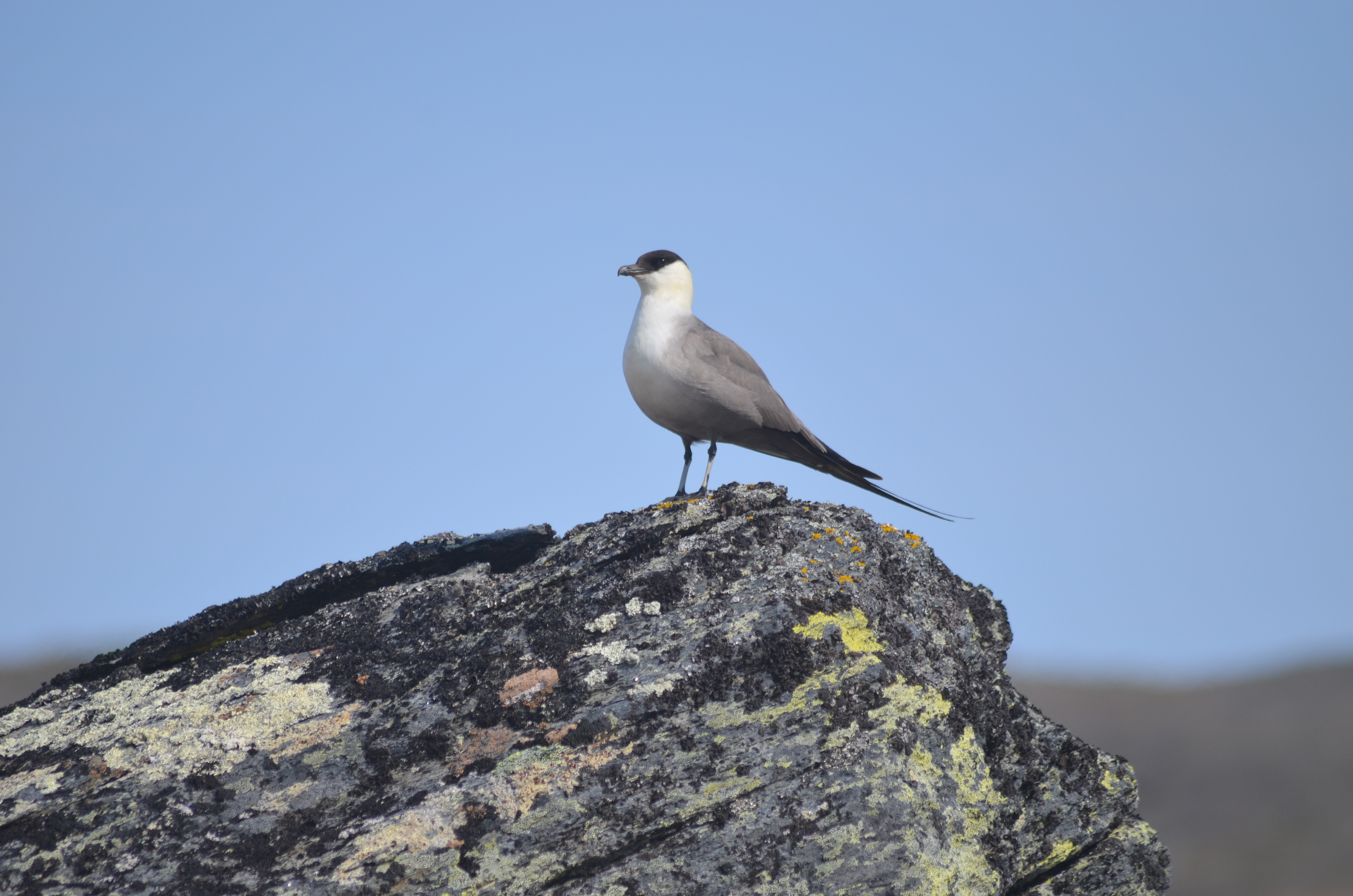
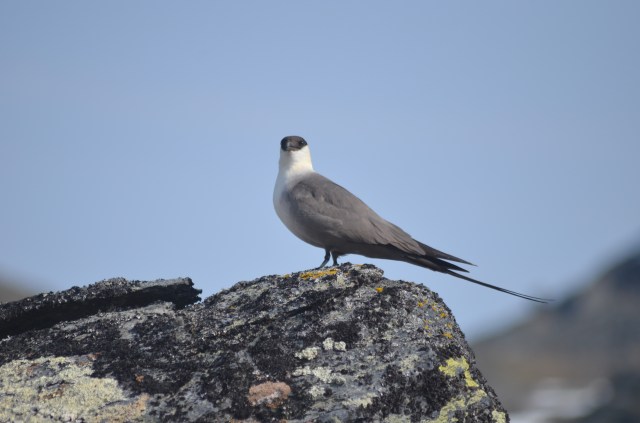
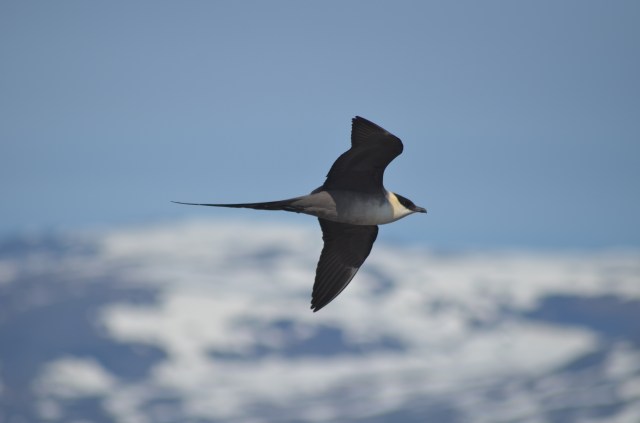
Long-tailed skua

Long-tailed skua on the look-out

We managed to do everything we planned: setting up a new experiment around Abisko, revisiting last year’s experiment and collecting over a hundred loggers with a year of soil temperature data from Sweden and Norway, resulting in the build-up of the best dataset I could ever imagine.

What are you looking at - Skua

“What are you looking at”

It is always a pity to leave the midnight sun behind, but it sweetens the goodbye to know that everything went as planned. And there is one fellow who is not at all sad to see me go: this very angry skua with its nest close to our plots.

Skua in the Swedish mountains

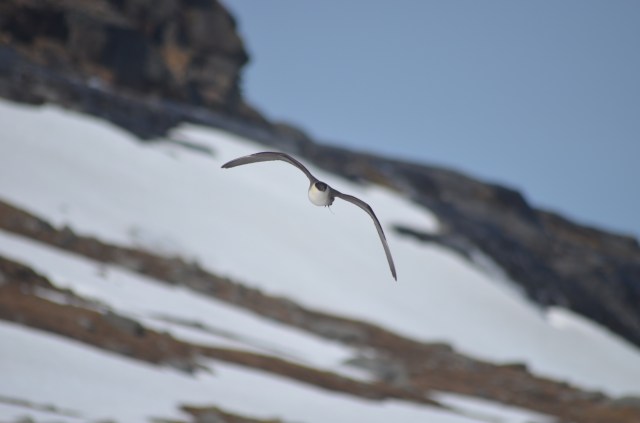
It had been attacking us with all its power to get us out of here and leave it alone, so who am I to resist?

Attacking skua

Attacking low

More pictures and stories will follow soon, as soon as I start recovering from the trip!

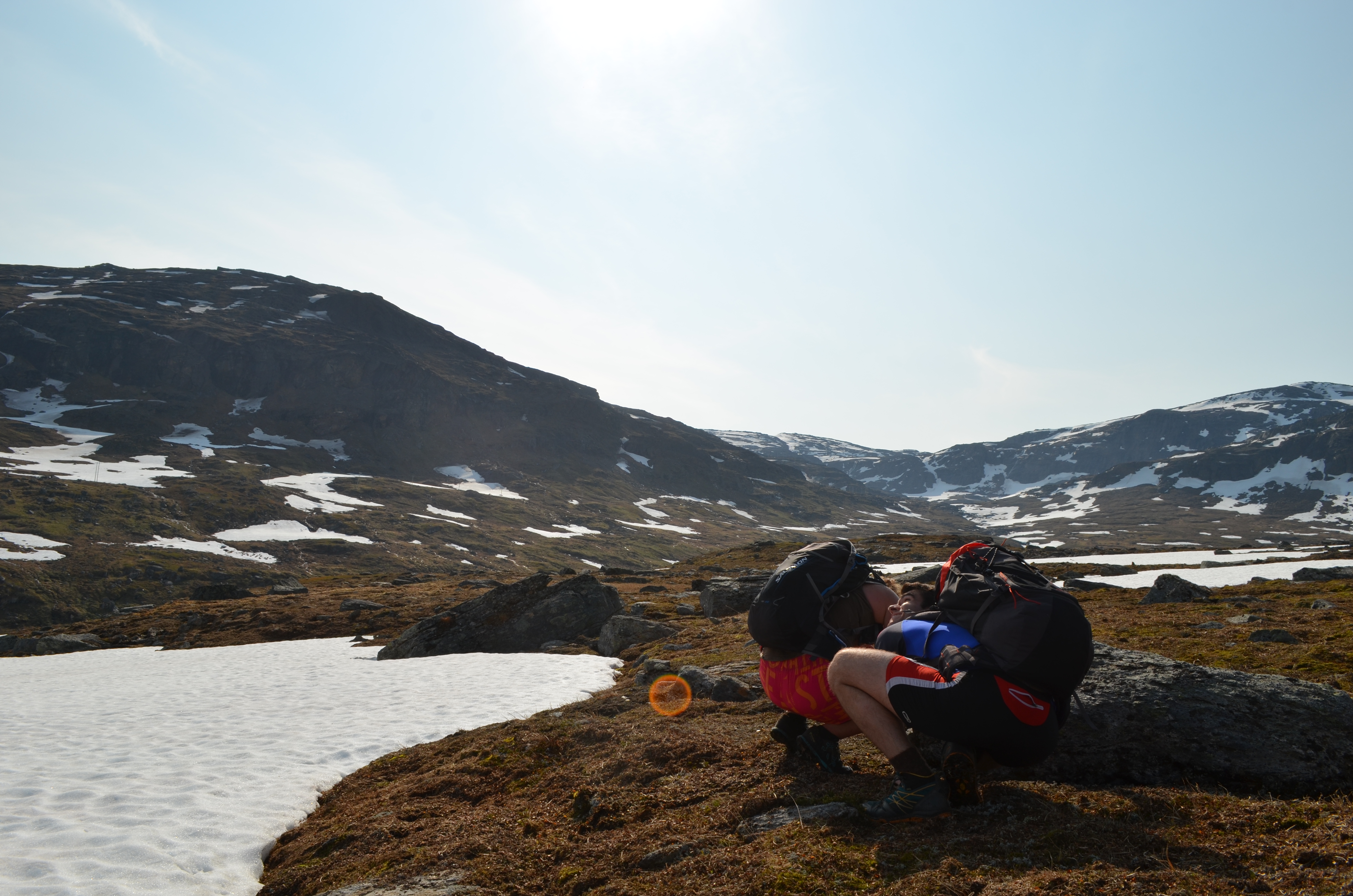
Afraid of the bird

Getting low in fear of an attack

Posted in General | Tagged , , , , , , , , , , , , , , , , | 2 Comments