The stars of the project

You can scroll through lots of pictures of nice landscapes and curious plants in my previous posts on our fieldwork trip to Scandinavia, but that leaves us with one important question: did we actually see any of the stars of the project, our non-native mountain invaders?

Swedish subarctic - 139

White clover, Trifolium repens

Oh yes, we did, and they keep behaving like we always expect them to do: plenty of them along the road and the railroad in the valley, scattered occurrences along the trails towards higher elevations, sudden peaks of occurrence at huts, bridges or ski lifts.
Swedish subarctic - 136

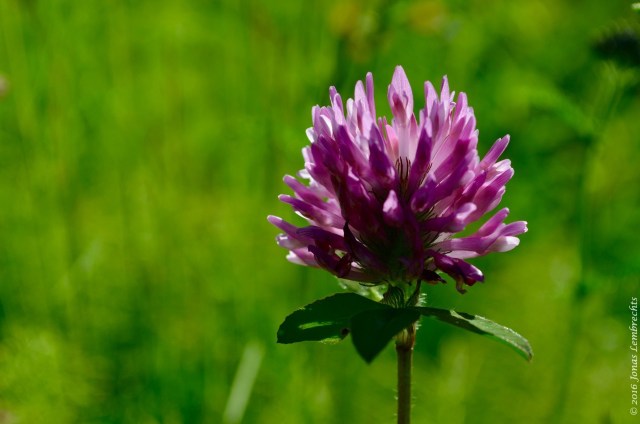
Red clover, Trifolium pratense

We privately hold a tiny competition between this year’s 4 main study subjects: the red and white clover, common yarrow and the narrowleaf plantain. Who would make it the furthest, who has currently expanded to the highest elevation?

Swedish subarctic - 68

Red clover, Trifolium pratense, along the shore of a Norwegian fjord in Narvik

The plantain was the obvious loser. A few individuals down in the village and at the tourist station, but none of them brave enough (yet) to expand any further. The two clovers do much better, yet with white clover easily outrunning its red companion towards higher elevations.

Swedish subarctic - 106

Common yarrow, Achillea millefolium, on a rock on the shore of the Abisko river.

But even the white clover is still a rare occurrences along the mountain trails around Abisko. The only non-native that seems capable of beating the limits is the common yarrow. Its distinct leaves can be found along the trails till well above 700 meters (which feels much higher in the subarctic mountains than the number seems to indicate).

Now it is collecting more data and waiting to see which patterns appear. Hope to have some more cool stories soon!

Posted in Sweden | Tagged , , , , , , , , , , , | Leave a comment

Earth’s stage

Concerning the weather, mountains never disappoint.

Swedish subarctic - 131

Remnants of a lenticular cloud over Nuolja mountain

They are earth’s stage for some of the most impressive shows I have ever seen, involving cloud formations of all types and structures.

Swedish subarctic - 117

If it is a thunderstorm racing over the lake towards you, mist catching up with you and suddenly encapsulating you, or a big, white fluffy cloud lurking behind a mountain top, a day in the mountains is rarely free of weather-related excitement.

Swedish subarctic - 41

My personal favourite cloud-related phenomenon is when the mist finally clears up halfway the day: the breath-taking views that appear shattered through the white, only revealing the final view inch by inch. The clouds getting lighter, the sun peering through them and bringing colours and dimensions to the landscape, it all adds to the magique.

Swedish subarctic - 40

And, of course, the sudden improvement in working conditions

Posted in Sweden | Tagged , , , , , , , , , , , | 1 Comment

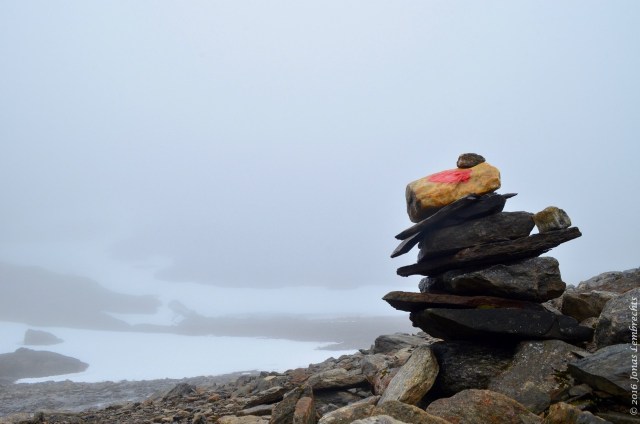
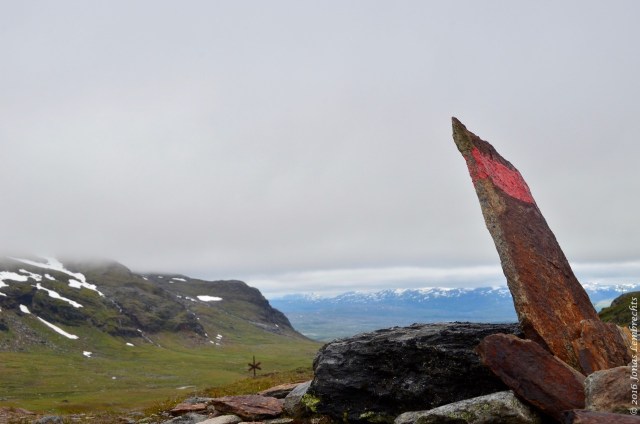
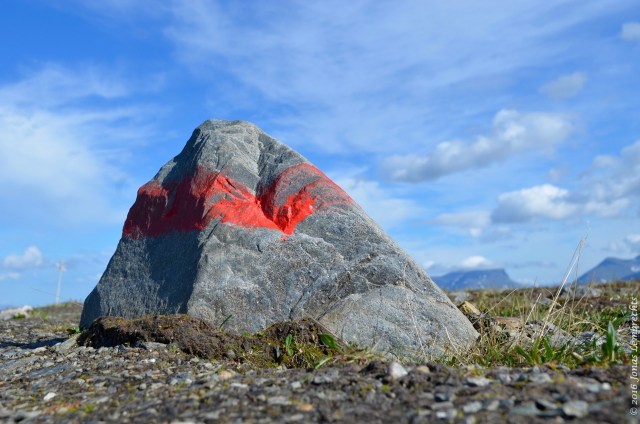
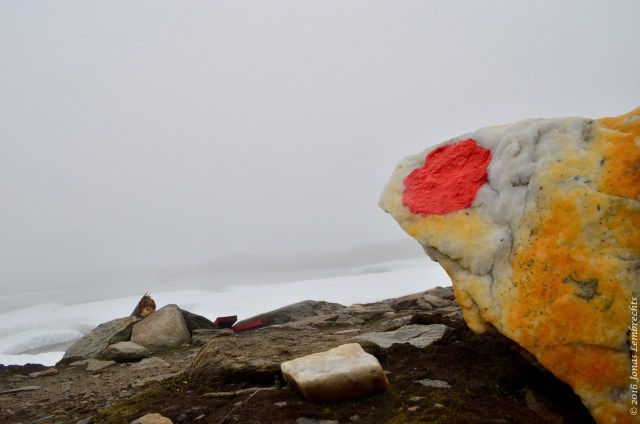
The red dot

Mountain trails, the main subject of this years’ research in the Abisko region in the Northern Scandes.

Swedish subarctic - 152

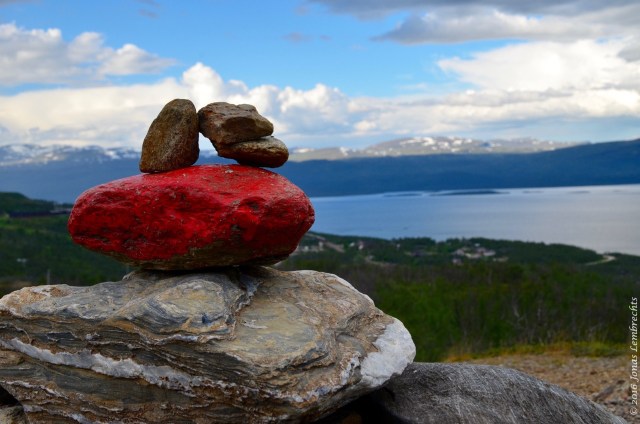
It means hiking a lot, and thàt means meeting The Red Dot everywhere. Piles of stones, trees, big rocks, or whatever other typical mountain element you can meet on the trail, all of the nicest ones got marked with The Red Dot.

Swedish subarctic - 155

It becomes a true travel companion, a friend to look out for on the track. You start to like them with them staying at your side for your whole adventure.

Swedish subarctic - 127

Especially high up in the mountains, where a trail is not always a ‘true’ trail anymore. There The Red Dot becomes a necessity to stay on track. A guide through the fog, that so easily obscures your orientation.

Swedish subarctic - 148

It is these small things in the mountains that I like the most, that make me feel at home.

Swedish subarctic - 116


Posted in Sweden | Tagged , , , , , , , , , , , | Leave a comment

Picturesque

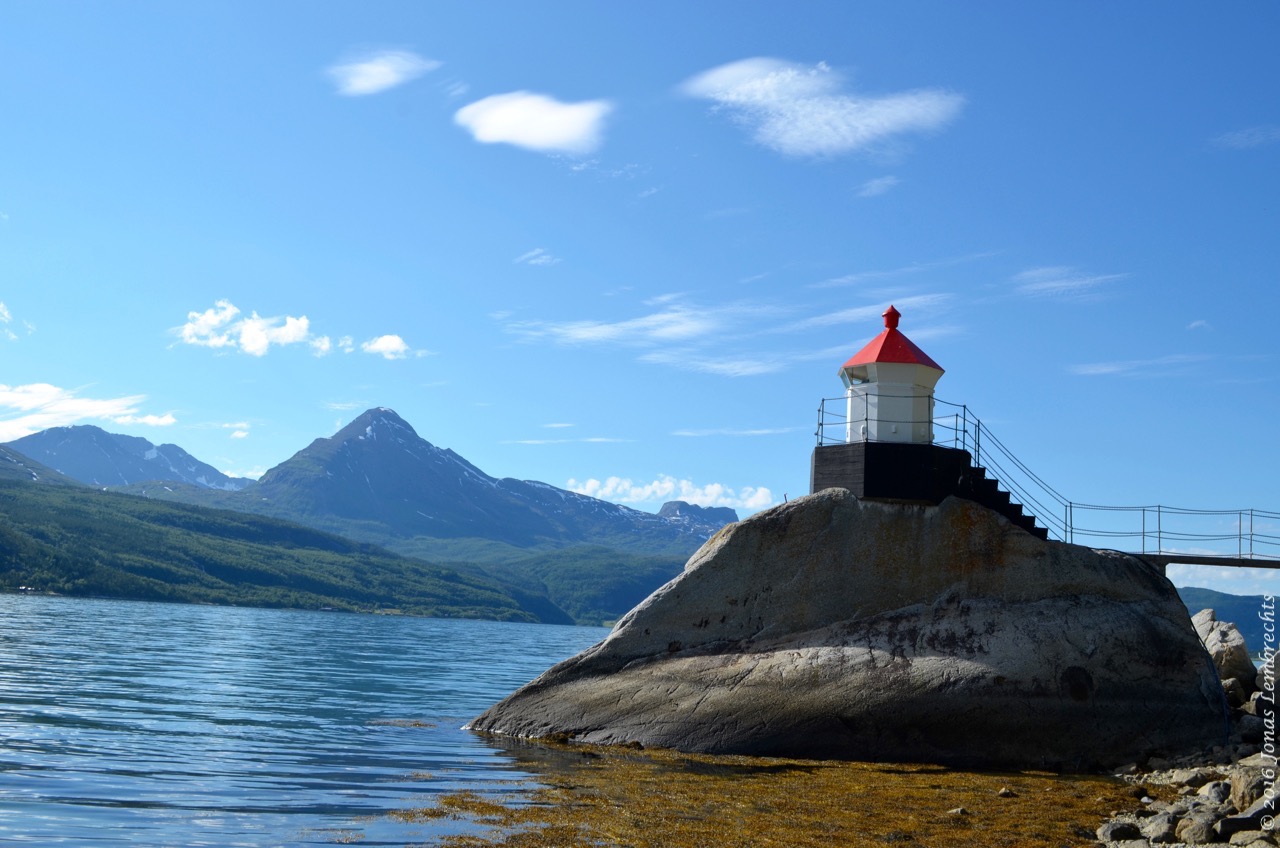
Every time we pass this adorable little lighthouse in the Skjomen fjord in the high north of Norway, I have to think of the definition of picturesque (visually charming or quaint, as if resembling or suitable for a painting).

Swedish subarctic - 90

Every time again, though, I just pass that little spot, admire it through the window of the car. Never stopping, just to hurry on to the fieldwork that awaits a bit further in the next – luckily almost as picturesque – valley.

Swedish subarctic - 88

This year, I decided to break the ban on this spot, that grew into one of my favourite views of our recurring Scandinavian fieldwork trip.

Swedish subarctic - 89

Sometimes, you just have to allow yourself that one minute of admiration in between all the work. Or else, in your hurrying search for data and results, you might miss out on why you wanted to work here in the first place.

Swedish subarctic - 91

Luckily, work is becoming more predictable and manageable every year, with my growing experience with fieldwork in the north. My little lighthouse has been here every year since the beginning, and finally, I can cross it off my list.

Most likely, however, I will stop here again next year, as now I am definitely hooked.

Posted in Norway | Tagged , , , , , , , , , , , | 3 Comments

Midnight sun

One of the many perks of fieldwork in the high north is the midnight sun, the ‘endless day’ of weeks in a row.

Midnight sun - 1

Midnight sun above lake Törnetrask, Abisko

While it has its advantages for long days of fieldwork, it surely also adds to the spirit. If there is anything that one loves, it is light, and the Arctic summer has plenty of it.

Midnight sun - 2

Equisetum sylvaticum, the woodland horsetail, the little Christmas trees of the north

I am now getting used to this pretty much, though: no worries about when to end your day, no worries about how long the hike can be, or how early it can start. A blessing for a short field trip like those we have in the north.

Posted in Sweden | Tagged , , , , , , , , , | 5 Comments

Behold the buttercup

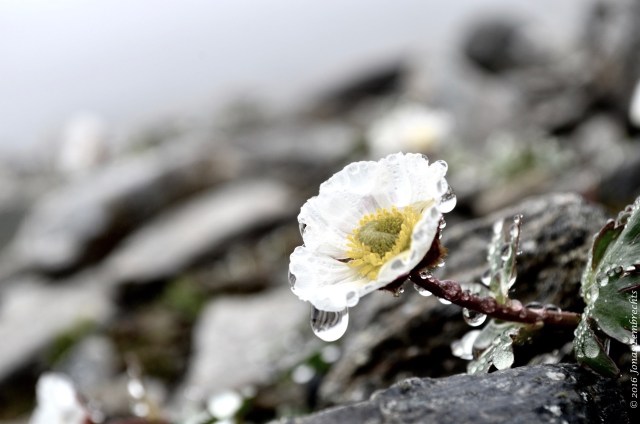
We had to battle the fog and rains, withstand the iciest fieldwork conditions and climb above 1000 meters in the ice-cold subarctic mountains (in the valley of Laktatjakka, close to Abisko, Sweden), but we finally sow it flowering: the glacier buttercup, Ranunculus glacialis.

Ranunculus glacialis - 2

It is a wonderful sight, this ‘last man standing’, this one flower that survives so much higher than the rest. And that with such delicate beauty, the most perfect contrast with the harsh environment created by ice and rocks.

Ranunculus glacialis - 1

It might have been tough sometimes, this fieldwork ‘on top of the world’, but hey, for such flowers you’d do everything!

Posted in Sweden | Tagged , , , , , , , , , , | Leave a comment