Catching the Arctic summer

When summer treats you kindly in the Arctic, there is no better place to be. Summers are short up in the north, however, so you’ll need to be lucky to catch them.

29971193038_72cc0bd587_o

The midnight sky in northern Sweden, end of July

We were very lucky this year, and were offered countless beautiful summer days up in the north. Some of the most memorable ones were offered when surveying our field sites on mount Nuolja, close to Abisko, which we got to experience in the best possible light.

29962188428_9f5aa26c43_o

The author, enjoying an evening on mount Nuolja after a long day of satisfactory fieldwork

Such an opportunity for summer weather needs to be taken with both hands, so we decided to spend the night on the mountain, greatly reducing the time effort needed to hike up and down.

43114973874_631286e193_o

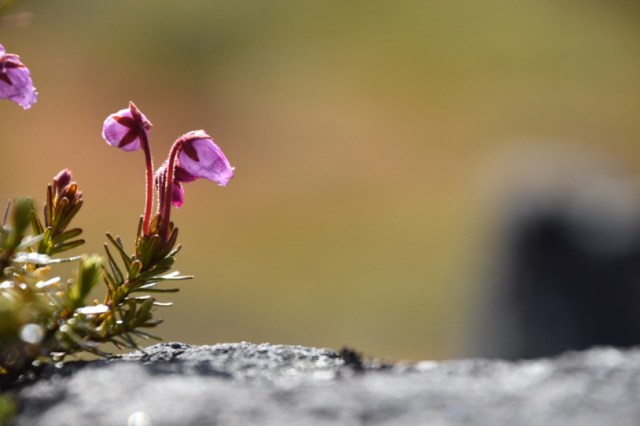
Pyrola minor, one of the countless botanical beauties this summer brought

That decision resulted in two unforgettable fieldwork days, in which we managed to get so many plots done, while still enjoying one of the most crucial reasons why we were there in the first place: the Swedish mountains are just so beautiful!

28904549047_4a0682db4b_o

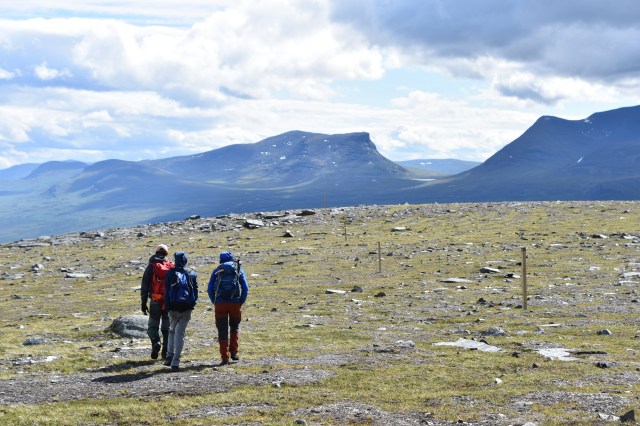
The trail to the top of mount Nuolja, one of the stars of this summer’s fieldwork

When I am writing this, September is already in full swing again, bringing another great fieldwork season to an end. The outdoor life is mostly behind us, and lab and computer work is again on the horizon. But with fieldwork days like these in our memories, how can I lack the necessary energy to tackle that?

42928267905_3847a4c1d0_o

An alpine meadow (with a.o. Taraxacum officinale, Bistorta vivipare, Anthoxanthum odoratum and a leaf of Trollius europaeus) in the evening sun

As usual: more soon!
Posted in General, Sweden | Tagged , , , , , , , , , , | 1 Comment

Adding stones to the mountain

I felt humbled and proud at the same time when I realized my paper citation count on Google Scholar reached 100 this week. I know, modern science is focussing way too much on the numbers, but what this particular number mostly means to me, is that my voice is starting to be heard. The science we do, the answers we find, they are being used as little building blocks for the giant and ever-growing mountain that is our collective scientific knowledge.

dsc_0417

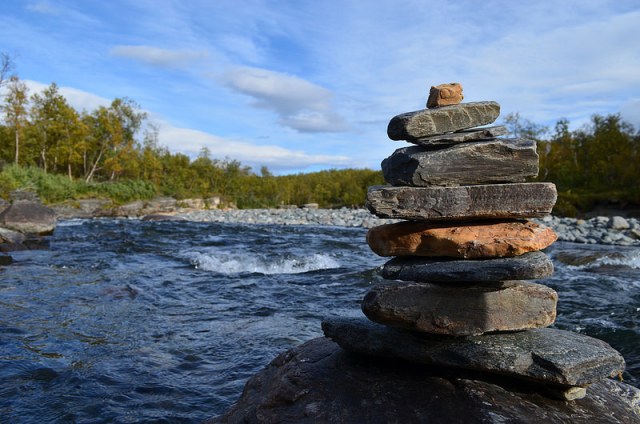
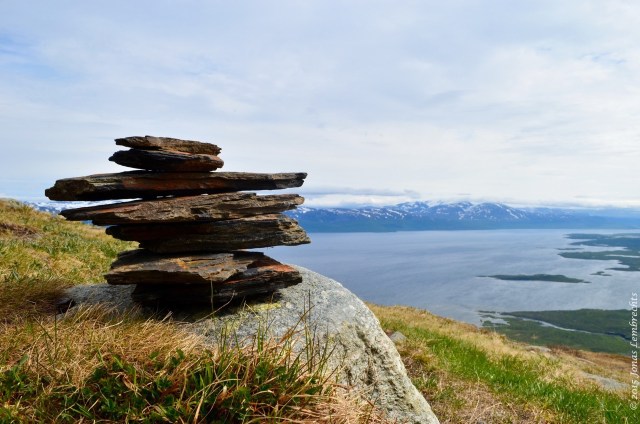
Adding your stone to the top of the pile

Adding your little stone on top of that pile is the most exciting feeling I had as a PhD-student. But now, I feel that my stones start supporting new stones, as the pile keeps growing, and that is even more satisfactory. So I know that this ‘100’ does not mean anything on its own, yet the knowledge that I can contribute, that I can help push science forward, does. A lot.

29120533433_bc2f435c4b_c

Capture

Making your voice heard in science takes time, but is oh so rewarding

Posted in General, Science | Tagged , , , , , , , , , | 3 Comments

SoilTemp: towards a global map and database of soil temperature and climate

Short: we are looking for soil temperature data from all over the world for inclusion in our global database. Update: find the SoilTemp-website here!

Many questions in ecology revolve around climate: what climatic requirements do organisms have, how do they survive in extreme climatic conditions, and – increasingly relevant – how do they deal with the rapid changes in climate we are experiencing?

Despite climate thus being a crucial component of today’s ecological research, we are still very much limited in the climatic data we have to our disposal to actually answer these questions, especially at the global scale. Most of the data we do have comes from weather stations (or interpolations based on those): coarse-grained data measured at two meter above the ground.

SoilTemp - soil temperature and climate

Climate and temperatures are and have always been a crucial factor in ecological research

For many organisms, however, these free-air climatic averages are far from relevant: many species operate at much smaller spatial or temporal scales, for example. Free-air temperature and climate patterns also differ significantly from what happens at the soil surface, or a few centimeters below it. For many organisms in the soil and close to the surface (soil micro-organisms, ground beetles, herbs, forbs, mosses or tree seedlings, for example) there is thus a large mismatch between the climatic data we have, and the climate they actually experience.

Soil temperature forest understory

For forest understory species, free-air temperature is meaningless, as temperatures at the forest floor will differ several degrees from what happens above the forest canopy

However, while the quality and resolution of free-air and surface temperature data at the global scale is rapidly improving thanks to elaborated networks of weather stations and satellite data, the availability of soil temperature datasets is still largely limited. That is the rationale behind our launch of SoilTemp, a global effort to develop a database of soil temperature data and build global maps of soil climate that answer to the pressing needs of modern ecologists.

scandinavia-10

For alpine species, temperatures close to the surface are what matters, especially in winter, when they can hide from the frost under a protective snow cover

Yet for such a global effort, we will need your help! If you feel one or more of the following statements apply to you, please e-mail jonas.lembrechts [at] uantwerpen.be for more information:

1) You have georeferenced soil temperature data (any depth) for a period of at least 1 month with maximum a 4-hour interval, and would like it to be part of this open access global database.
2) You have associated species (plants or other taxa) composition or trait data from the same location.
3) You know other possible partners with interesting soil temperature datasets, or working on similar topics, who might be interested in collaborating.
4) You are interested to be involved in this project in any other way.
dsc_0015

Small and cheap temperature loggers (like these iButtons) have recently made such a global-scale endeavour as ‘SoilTemp’ possible

Posted in General, Science | Tagged , , , , , , , | 1 Comment

You’ll never hike alone

It can be quiet lonely out in the mountains: the open vastness of the alpine tundra, the kilometers of rolling mountains in the distance without a soul in sight, or the silence that resonates through the rustling of leaves and the splattering of streams tumbling down a water slide.

Animals - 7

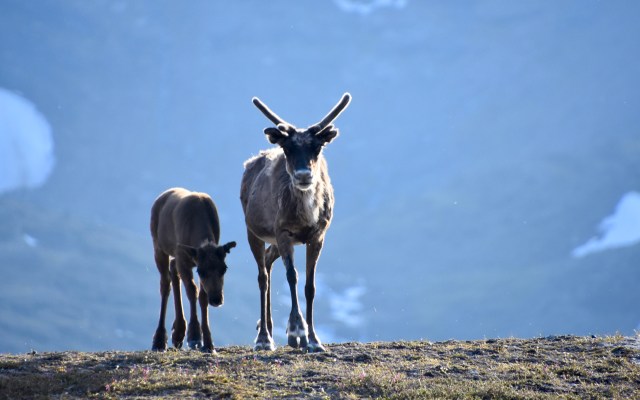
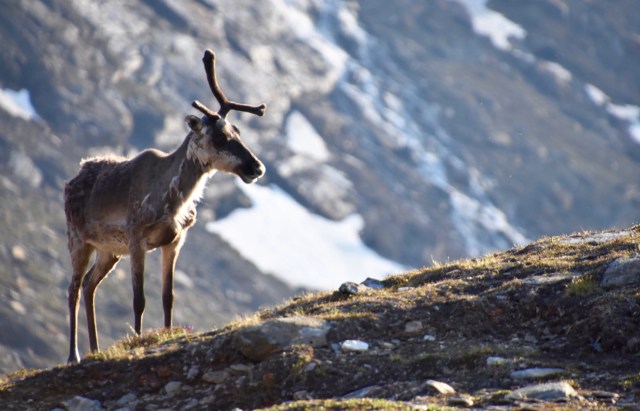
Reindeer with calf in Laktatjakka valley, northern Sweden

But that loneliness never lasts long, as one never hikes alone in the mountains. There is often an animal in sight, and this post aims to celebrate the companionship these animals offer to the lonely scientist or hiker out in the field.

Animals - 3

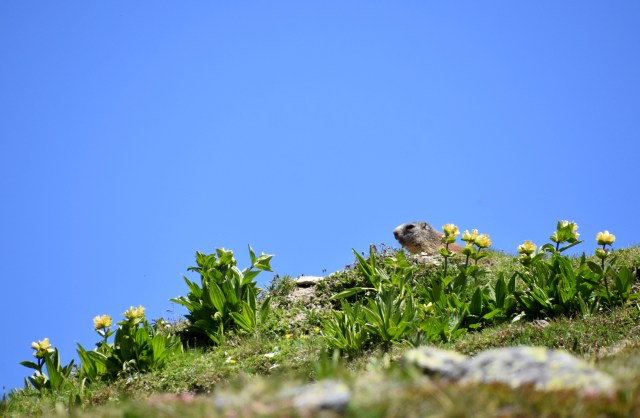
Marmoset overlooking the world from his den, Davos, Switzerland

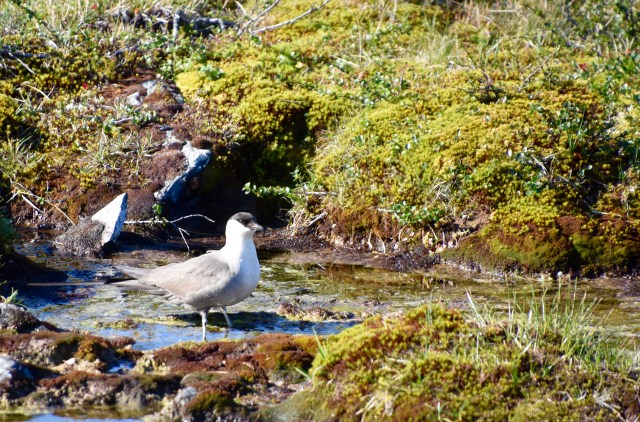
From the tiniest songbirds hopping from shrub to rock to the herds of reindeer in search for a cool snowbed; from the characteristic squeaking of marmosets in the Swiss Alps to the angry cry of a skua in a Swedish valley. It is those unexpected visits that make mountain fieldwork that extra bit exciting, even – or specially so – for a plant ecologist like me.

Animals - 11

Skua taking a bath close to our campsite on mount Nuolja, northern Sweden

We had many of those encounters in this year’s fieldwork period. Especially in the northern Scandes, it seemed to be a good year for many animals. After a few years of silence, voles and lemmings were back in fairly large numbers. As a consequence, their hunters were also out in force: skuas, owls, foxes, ravens and buzzards, all of them were profiting in a way from the sudden abundance in food.

Animals - 8

Buzzard scanning the valley from above

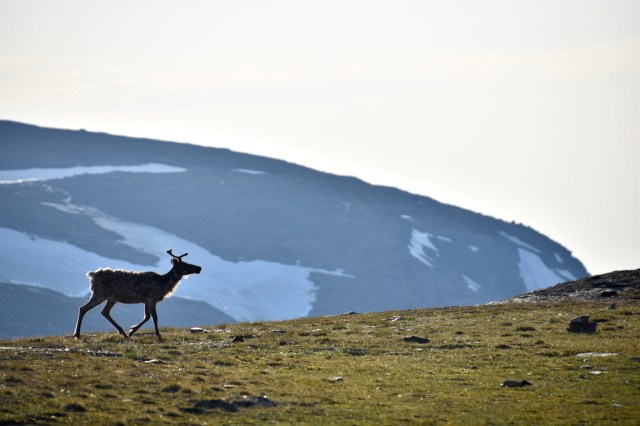
For us, all these animals were a blessing: enjoying the sunset with the sound of golden plovers in the background, or surveying vegetation while some reindeer race by: it makes one forget more easily how long fieldwork days can be.

Animals - 9

Golden plover, Laktatjakka, northern Sweden

Animals - 5

Animals - 6

Posted in General, Sweden, Switzerland | Tagged , , , , , , , , , , | 2 Comments

FEASTing in Abisko

It promised to be a windy day with some scattered rain clouds, when we head out to mount Nuolja to join the FEAST-project.

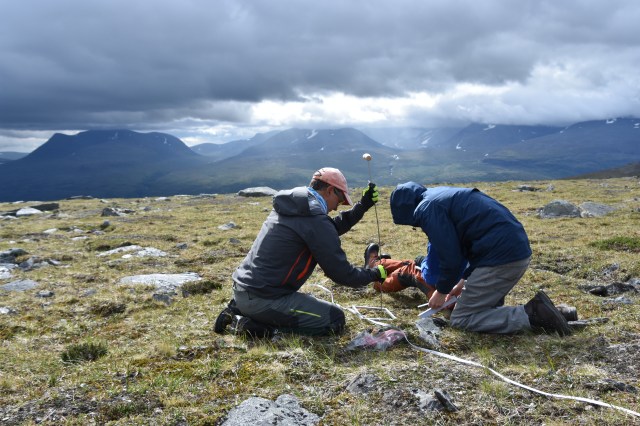
FEAST stands for Functional Ecology of Alpine SysTems, a large-scale project to assess soil conditions in mountains worldwide. Such a noble joined effort I find hard to resist, so we signed up to add our study sites in the northern Scandes to the growing network. One day of fieldwork, collecting soil samples and associated species occurrences, would be sufficient to move global mountain ecology huge leaps forward.

29961473818_d7c5262955_o

Measuring soil conditions for the FEAST-project

Of course we needed a representative mountain, one that would prove valuable in the global analyses. Our eyes fell on mount Nuolja, the 1200 meter high mountain peak overlooking the village of Abisko and the Abisko National Park. For decades, this mountain has been intensively studied by scientists from countless different disciplines in the Abisko Research Station, and it is safe to say that virtually no mountain above the polar circle has better data on all aspects of its ecology. CIRC, the Climate Impact Research Center of the nearby Abisko Research Station, now even re-installed long-term vegetation survey plots that continue century-old scientific traditions.

43783201872_fb544d4a8b_o

Wooden poles of the century-old long-term vegetation survey are scattered along the whole elevation gradient of mount Nuolja


Nevertheless, despite all this amazing data, information on the soil functions was still largely lacking. The FEAST-project proved a great first step in the right direction to change just that.

43783193722_2c756924e1_o

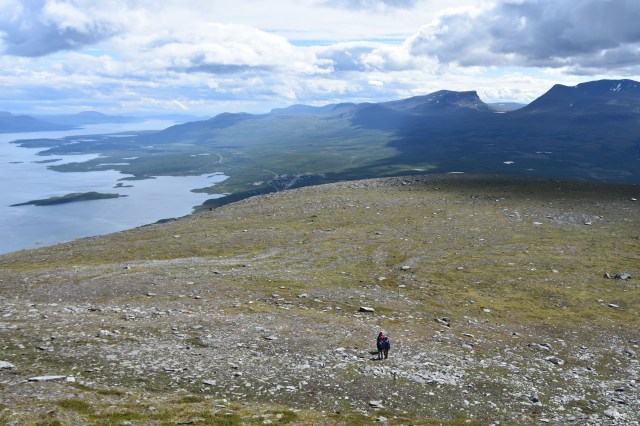
The vast open stony tundra at the top of mount Nuolja

The FEAST field day turned out to be a great success. We got some strong winds, I tell you, on top of that unprotected mountain, but we avoided most of the predicted rain. We managed to collect data for the two FEAST-experiments, with the first one looking at typical alpine soils along an elevation gradient and the second one focusing on snowbeds. Snowbeds are areas were snow persists long into the growing season, even when it has molten away everywhere else.

42927598095_3416623e41_o

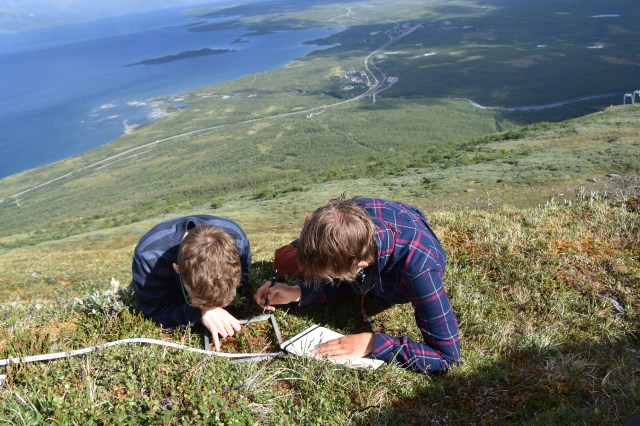
Surveying plant species diversity in the FEAST-plots

The latter proved especially interesting on mount Nuolja, as the region just emerged from a year with extraordinary weather conditions. With little precipitation in winter and temperatures soaring in summer, even the most persistent snowbed on the mountain was far gone by the time we did the experiment. Extreme weather events that are getting far more common in the north nowadays as a result of the changing climate.

42022782980_9595f4432d_o

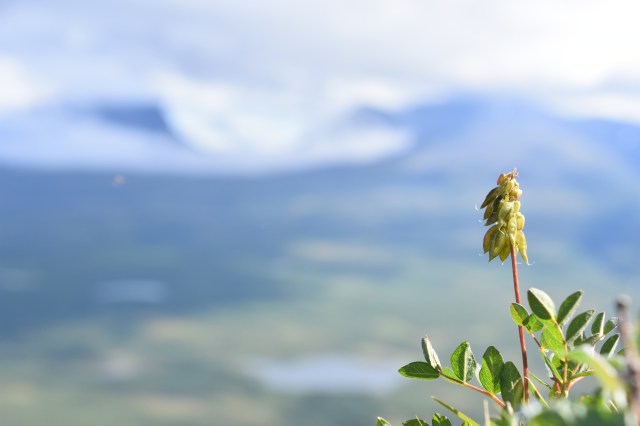
Astragalus alpinus seeds on top of the mountain

Now all soil samples are packed and send to the UK, where they will be analyzed and compared with those from tens of other mountains all over the world. And then, finally, we can set some long-awaited steps forward in understanding the mysteries of the belowground world in mountains. And that’s truly going to be a FEAST!

42022795830_3d09a42b88_o

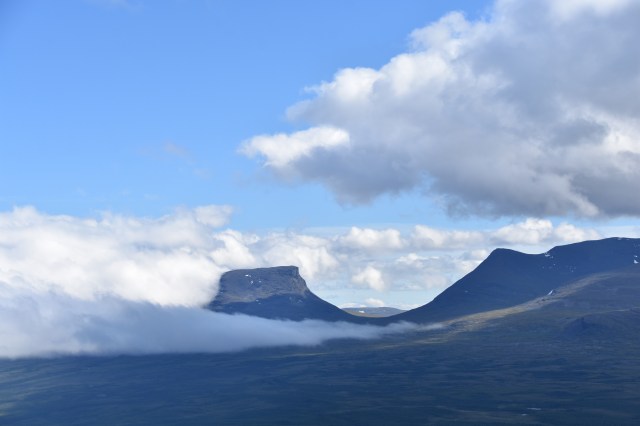
Working with a view: Abisko National Park and the Lapporten mountain range where always visible in the distance


Posted in General, Sweden | Tagged , , , , , , , , , , | Leave a comment

The Mississippi

I don’t know about you, but I had this romantic notion of one day being on a boat on the Mississippi, that majestic river that inspired so many tales and songs.

DSC_7143

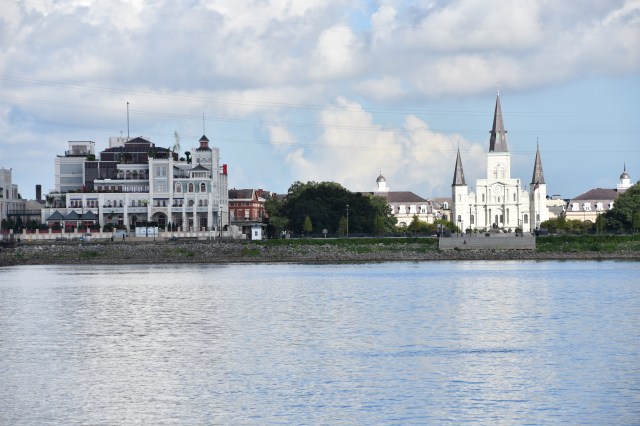
The New Orleans skyline, as seen from on the Mississippi river

Now, being in New Orleans for the annual meeting of the Ecological Society of America (more on that here), the perfect opportunity finally arose.

DSC_7154

Sunlight on the cathedral of New Orleans; a divine intervention?

DSC_7202.JPG

The same cathedral, up close

And you know what? You can take a 50-dollar steamboat cruise, which is probably amazing, but you can also take the ferry to the other side, and pay the little sum of $2 ($4 if you also want to get back), and get that whole feeling for close-to-no money!

DSC_7145

New Orleans from on the ferry

Well, that got me so excited that I had to write about it here! Now back to conferencing, as there is still a lot of people to meet, and a lot of exciting science to learn! I met a lot of fascinating scientists today that helped me shape some of my plans for the future. Which is at least as exciting as being on the Mississippi.

DSC_7115

DSC_7161

Posted in General, USA | Tagged , , , , , , , | 2 Comments