Belg ziet natuur in zijn gemeente achteruitgaan

Meer dan 1200 Belgen en Nederlanders namen al deel aan de grootschalige natuurenquête #NatureOrNot van de Universiteit Antwerpen en Luik. 60% geeft aan dat de kwaliteit van de natuur in hun gemeente de laatste vijf jaar is afgenomen, 75% vindt dat er tijdens hun leven een verslechtering is opgetreden.

Maar wat die natuur is, daar zijn we het veel minder over eens. De onderzoekers vroegen namelijk ook welke landschapstypen voor de deelnemers onder het begrip ‘natuur’ vielen, en welke niet. Dat een beukenbos of een heidevennetje mooi is en als natuur geldt, daar waren zowat alle respondenten het over eens. Maar als het bijvoorbeeld gaat over het opschietende groen op een braakliggend stuk grond, lopen de meningen sterk uiteen – tot 50% vindt dan nog dat we van natuur kunnen spreken.

“Je zou het niet verwachten, maar de definitie van een eenvoudig woord als natuur is helemaal niet zo vanzelfsprekend”, vertelt bioloog Jonas Lembrechts, een van de onderzoekers. “Er is een grote grijze zone, landschappen waar iedereen een andere mening over heeft.”

Grijze zone

Het is net die grijze zone die de onderzoekers in kaart willen brengen met deze grootschalige enquête. Lembrechts legt uit: “We kunnen verwachten dat de definitie zal verschillen van persoon tot persoon, afhankelijk van hun ervaringen met het groen om ons heen. Zo kan je woonplaats je definitie van natuur sterk beïnvloeden: wie in de stad leeft, heeft een heel ander beeld van groen dan wie zijn hele leven ‘op de boerenbuiten’ heeft door­gebracht. Daarnaast kan ook leeftijd een rol spelen: de oudere generatie herinnert zich bijvoorbeeld nog wel hoe je boven haast elke akker een leeuwerik kon horen kwinkeleren. Voor jongeren is het dan weer een verrassing dat er vroe­ger géén luidruchtige parkieten door de Brusselse parken vlogen. Vaak zijn we ons nauwelijks bewust van die verschillen in perceptie.”

De onderzoekers vroegen ook hoe mensen de natuur ervaren hebben tijdens de Covid-19-lockdown. Interessant: een groot deel van de respondenten (60%) gaf aan de natuur niet te hebben gemist, en 70% bracht juist meer tijd in de natuur door tijdens de lockdown dan voordien. Hoewel het merendeel van de respondenten in (rand)stedelijke gebieden woonde, voelden de meesten zich op dagelijkse basis toch door natuur omringd. Vermits 80% rapporteerde een tuin te hebben, en 50% aangaf wekelijks een lokaal groengebied te bezoeken, wordt hiermee het belang van dat lokale groen nog eens extra onderstreept.

Broodnodig natuurbeheer

Een beter begrip van wat we als natuur ervaren, kan uitklaren hoe we hopen dat die natuur er in de toekomst zal uitzien. Lembrechts: “Nog belangrijker: het geeft natuurbeheerders de kans om in hun beleid en communicatie meer rekening te houden met die waaier aan persoonlijke de­finities, en zo het draagvlak voor broodnodig natuurbeheer te vergroten. Want de definitie zelf mag dan niet altijd duidelijk zijn, over één ding zijn zo goed als alle respondenten (98%) het toch eens: natuurbeheer is belangrijk.

Wil jij ook je mening laten weten over de natuur, dat kan nog! De enquête loopt nog tot 1 november en kan je vinden op www.natureornot.be.

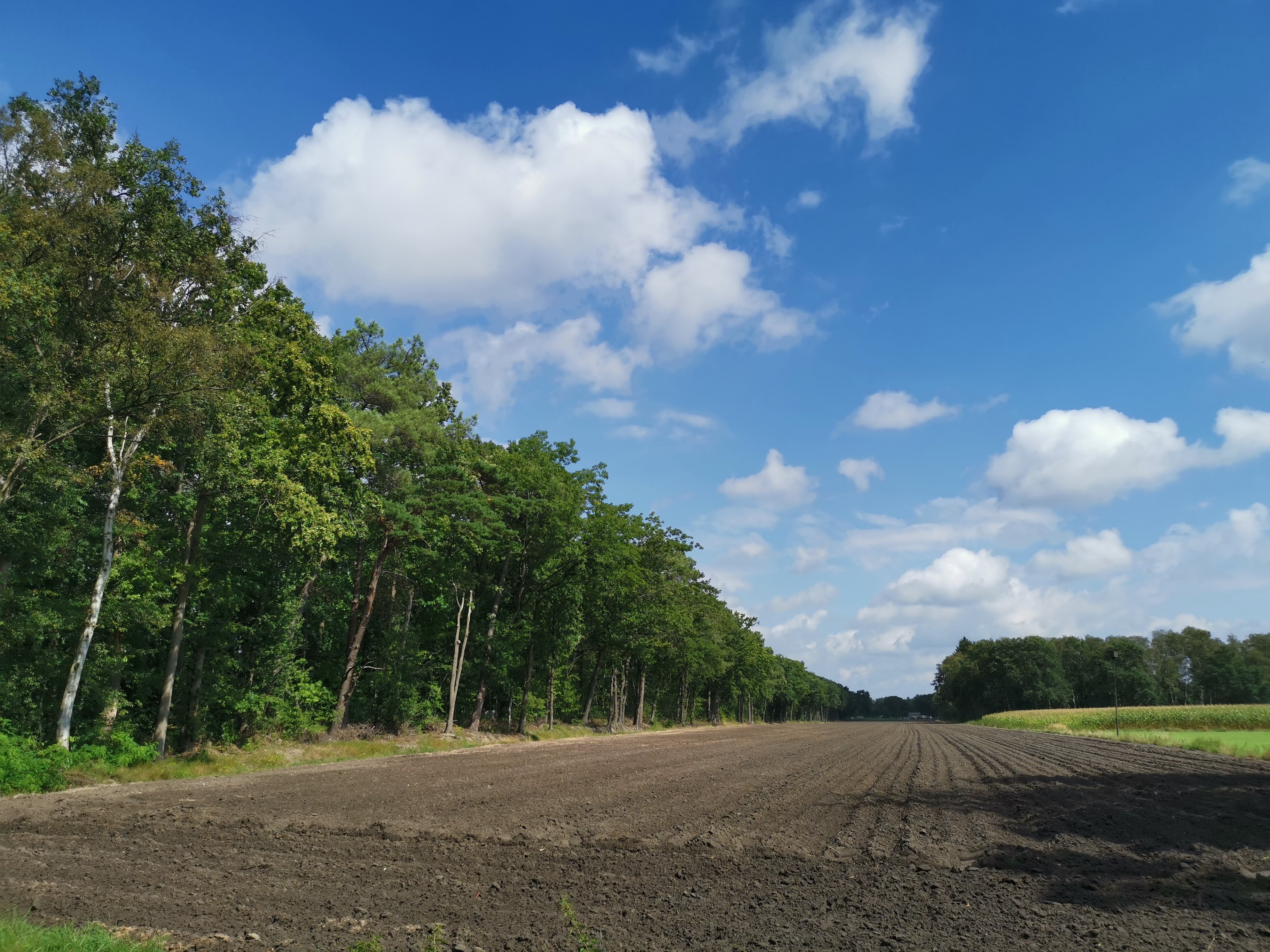
Natuur of niet, dat is de vraag! Vallen de typische Vlaamse heide, landbouwgebieden en braakliggende terreinen voor u onder de definitie van natuur?  
Posted in General | Tagged , | Leave a comment

Fieldwork night

PhD candidate Jan is currently representing the team in the high north. Tonight: spectacular yet lonely dinner-with-a-view in the waffle house on top of Låktatjåkko mountain, cosely tucked away from the windy 2°C that rules outside. The coronavirus has made him the only customer brave enough to face the top of the world tonight, but that doesn’t make the views any less breath-taking.

View from Låktatjåkko’s waffle house on an autumn evening. This cosy place at the end of a 800 meter climb is highly recommended for anyone visiting the Abisko area in northern Sweden.

The tough conditions outside are compensated by the good news from the plots: many germinated seeds in the experiments, and all in good condition, the occassional tree falling into the plot aside. Looking forward to the results coming in!

Microclimate logger braving the alpine tundra
Tough little seedling!
Posted in Sweden | Tagged , , , , , , , , , | 2 Comments

Finished

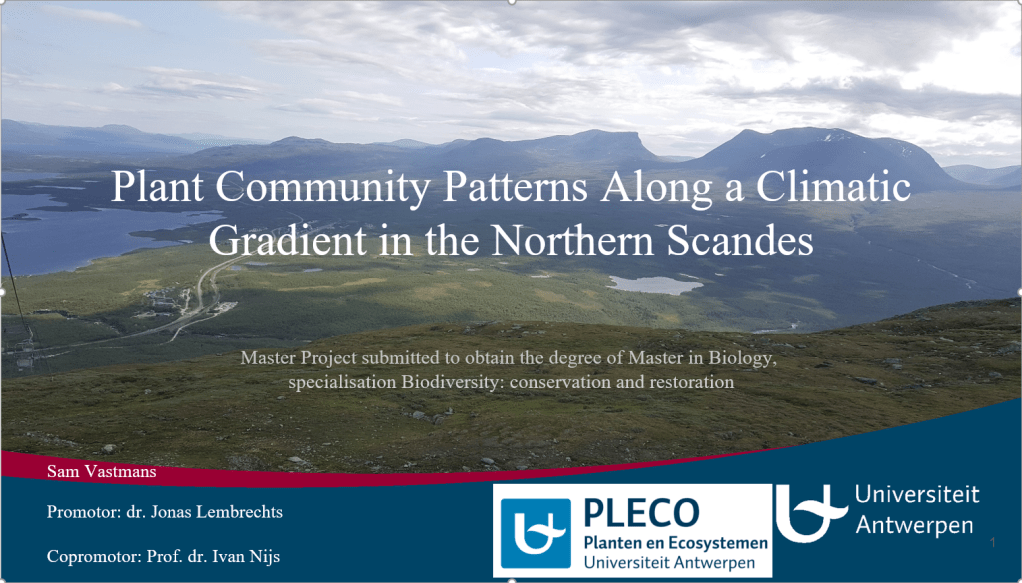
The 3D lab waves goodbye to another master student, with Sam having defended his thesis last week.

Sam travelled to the northern Scandes to study the drivers of plant community composition, and brought home some fascinating findings: while plant species turnover is mostly driven by climate, community structure is largely determined by soil conditions, such as the pH. That means: same diversity, different species in plots with the same acidity at different elevations.

Moreover, he dug up some proof for the existance of microrefugia: cold microclimates at the lower limit of alpine species distributions, where they can survive in a warming climate.

With that, we again lost a team member, but gained more knowledge!

Posted in Norway, Science, Sweden | Tagged , , , , , , , , | Leave a comment

Heather

IMG_20200829_144742

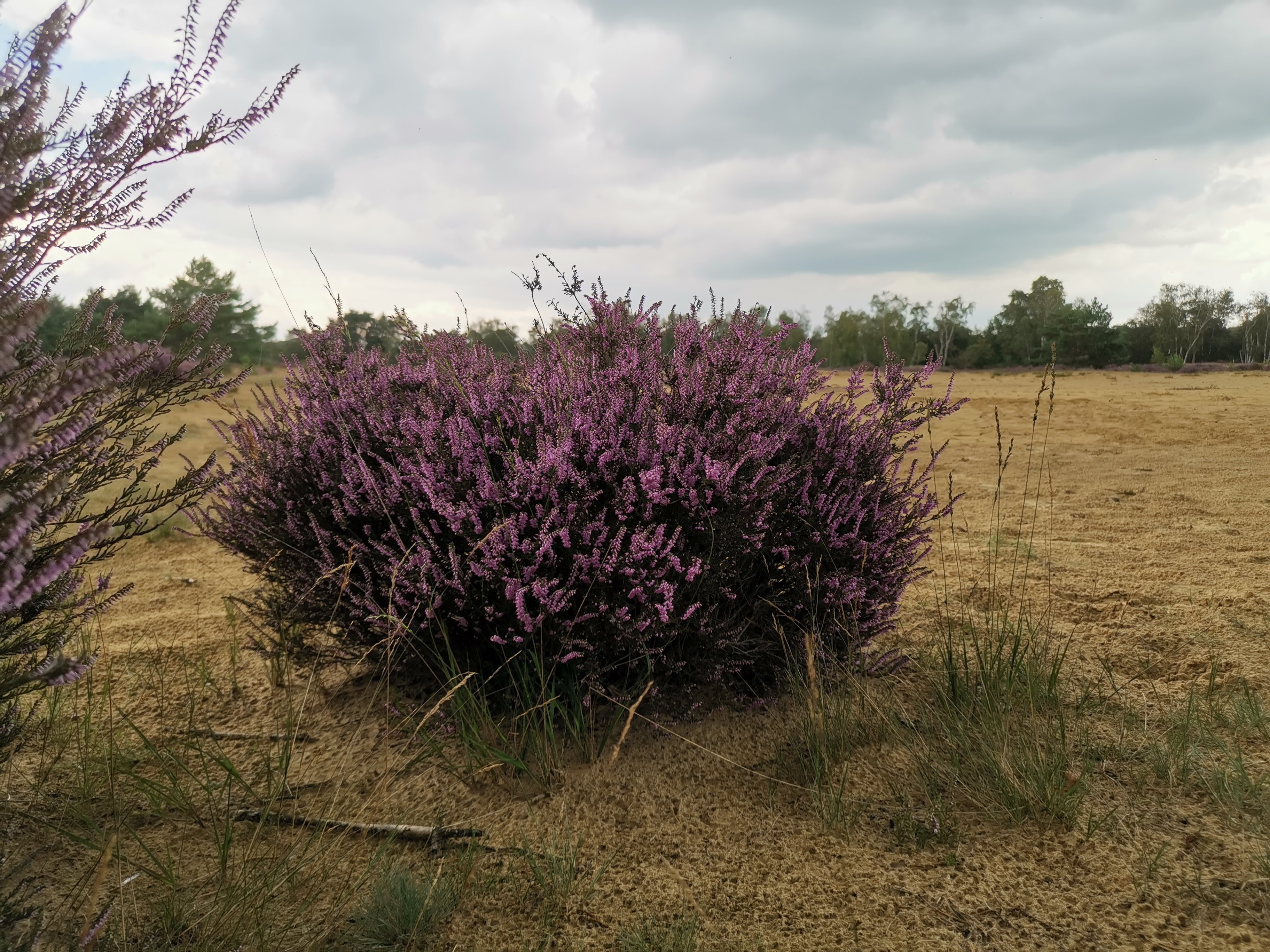
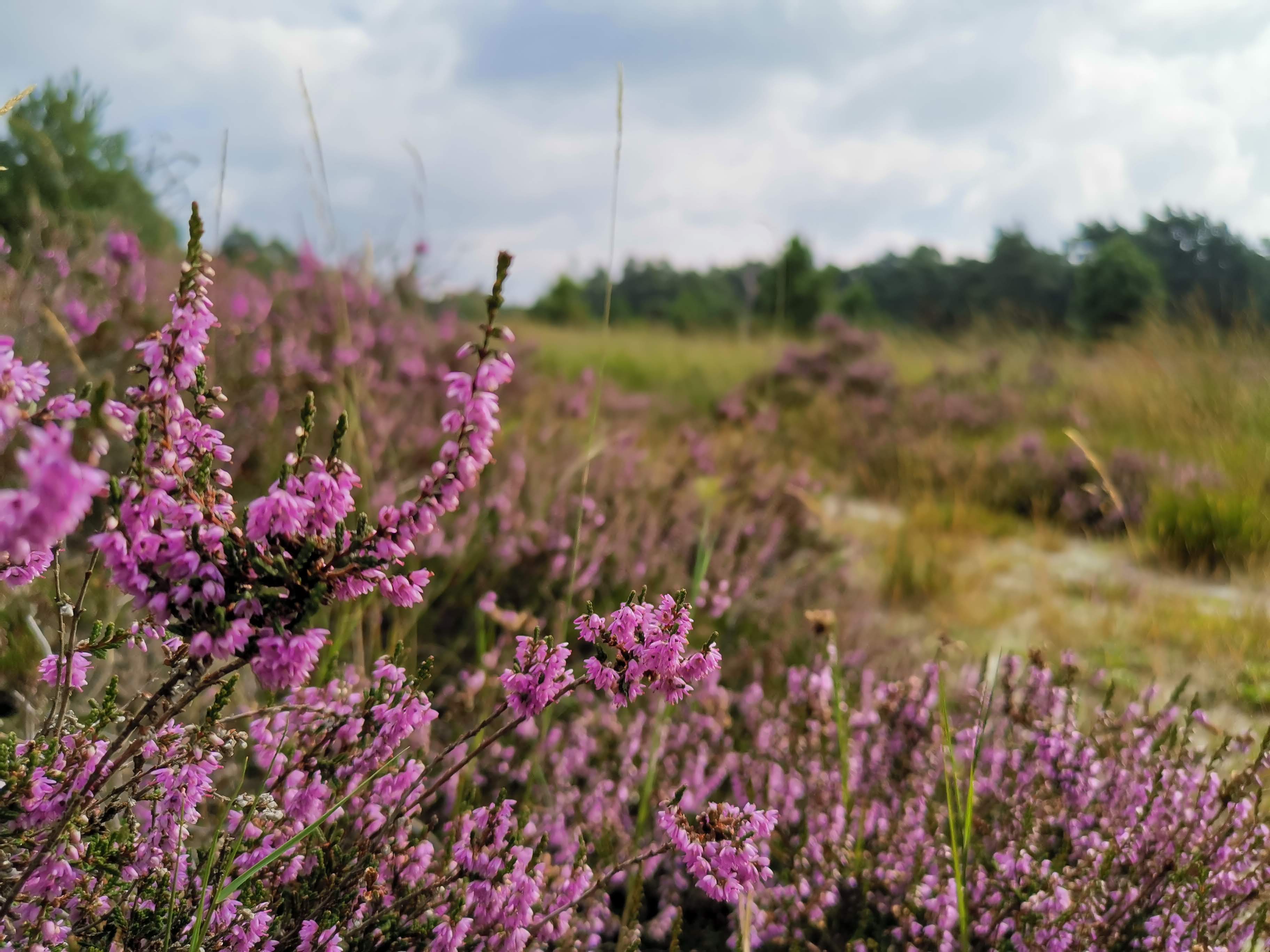
The best moment of the season to visit Flanders’ heathlands

Finally got another field day again – they really are scarce and far between nowadays. But what a field day it was: heading back to Flanders’ most beautiful heathland to harvest our temperature loggers we have been hiding there for a year.

IMG_20200829_120148

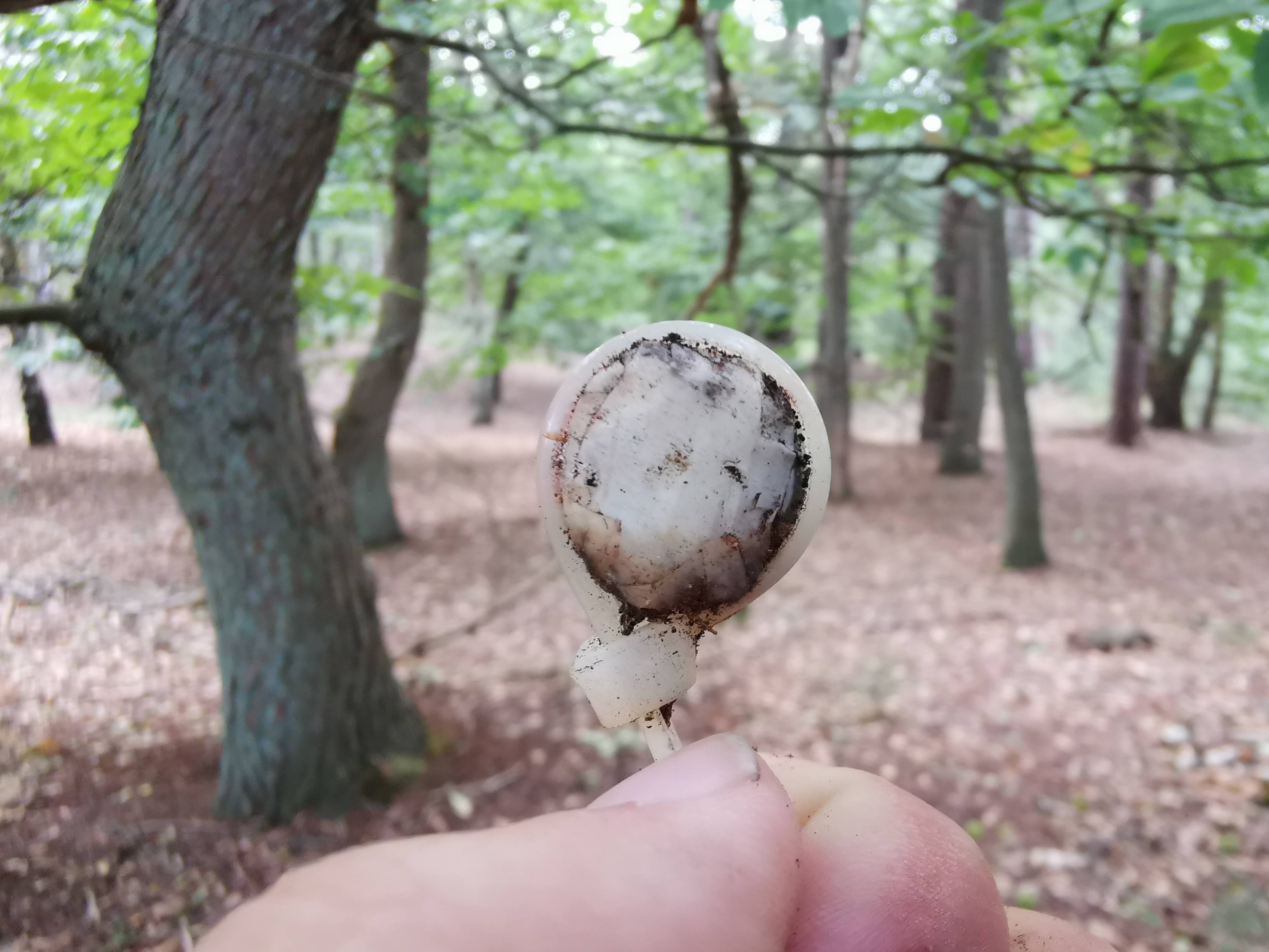
Minuscule logger, 1 cm in diameter, yet I found it back under the tree where I hid it over a year ago!

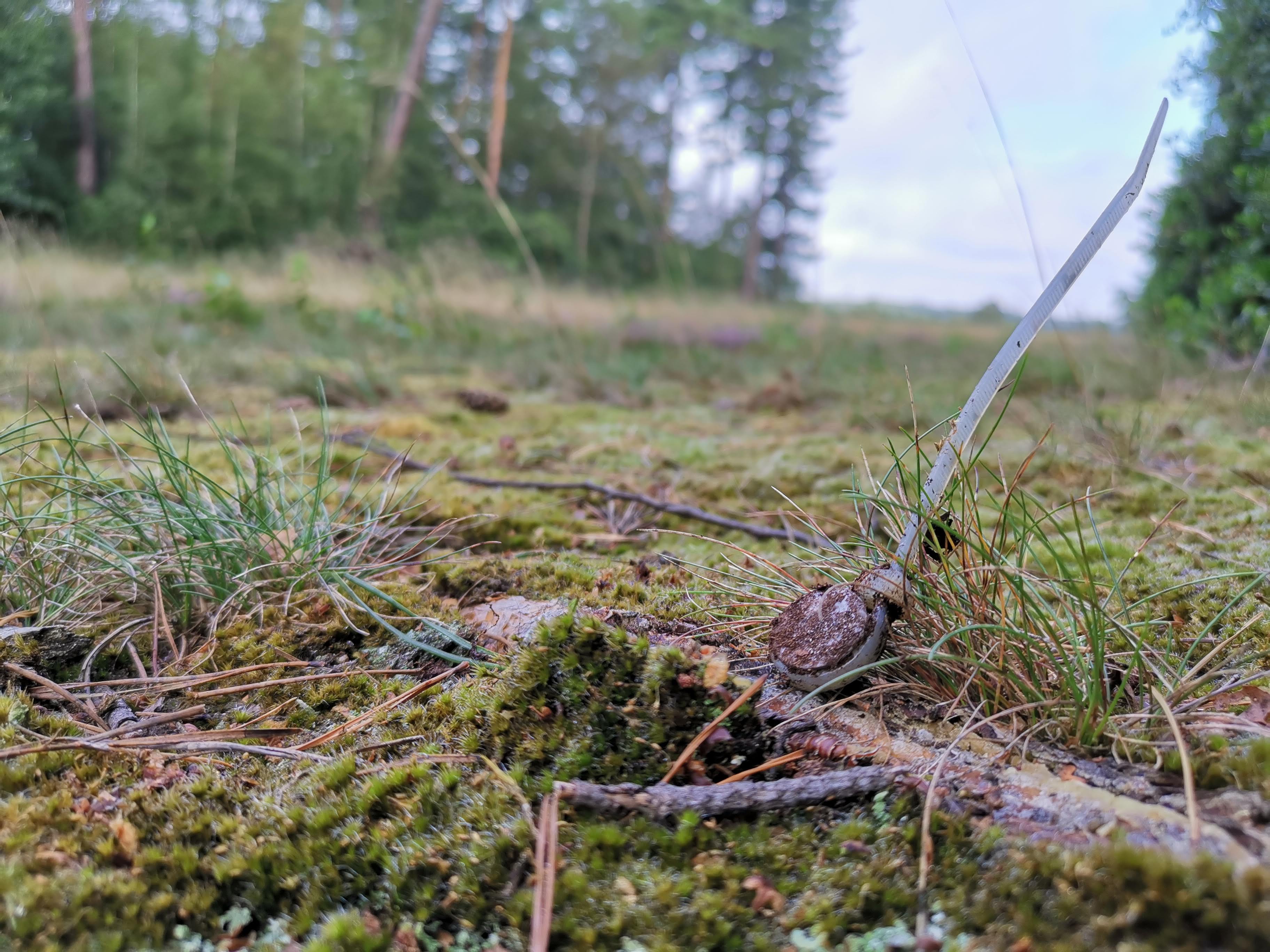
This little bit of fieldwork – not much more than criss-crossing through forests, heathlands and dunes on a search for tiewraps sticking out of the soil – provides invaluable data for three big projects we are working on.

IMG_20200829_102002

Another logger dug up, right at the root where it was supposed to be

First of all, the plots are part of the global Dark Diversity Network, a network with a somber name, yet focussing on an important part of biodiversity: that what is NOT growing there. More here.

IMG_20200829_114022

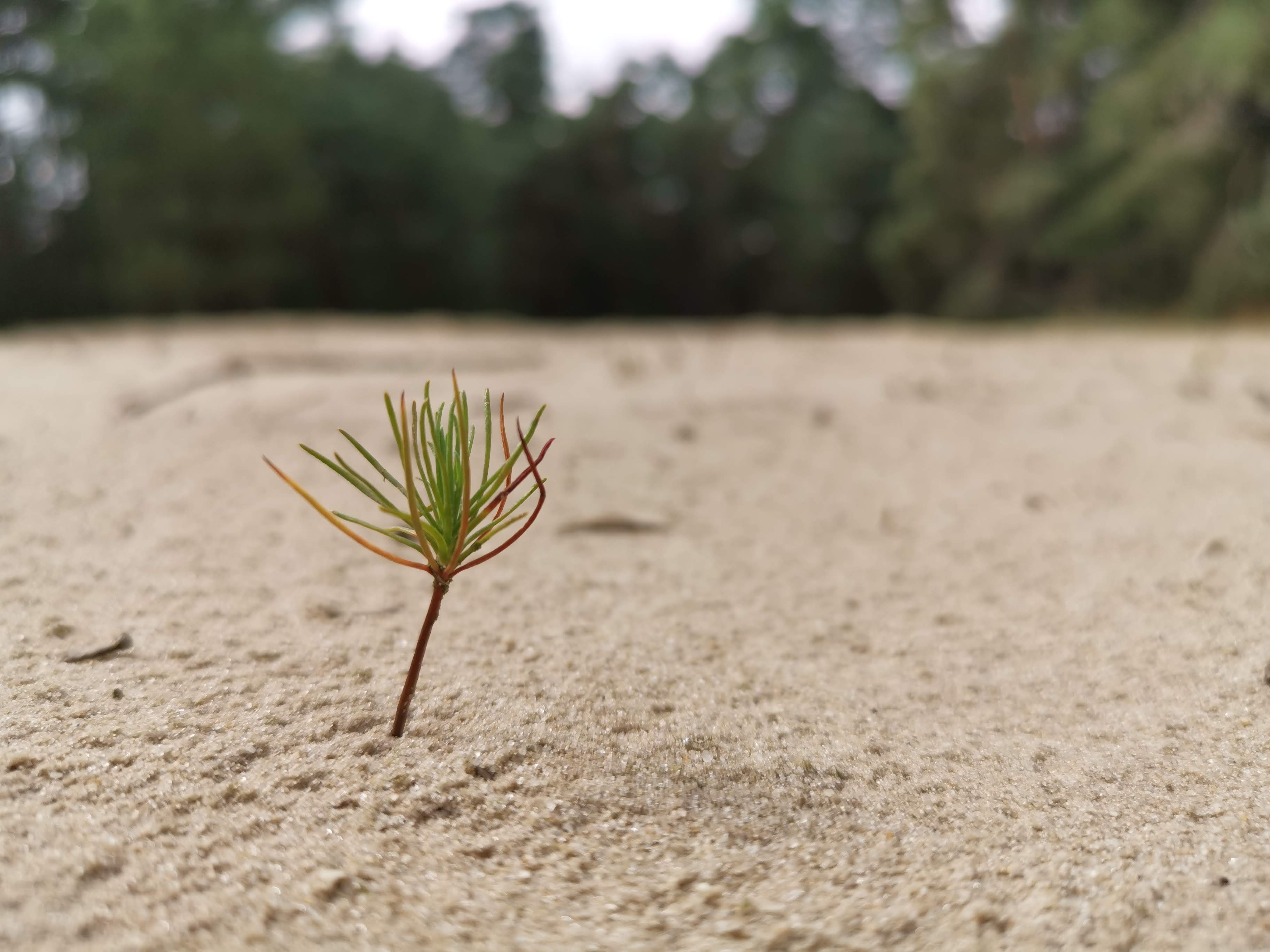
A lonely pine seedling on a sandy dune. What is not growing at a location can give us as much information on biodiversity as what is there.

Secondly, the soil temperature will obviously feed into our growing global microclimate database, providing another 20 droplets in a sea of over twelve thousand. More here!

IMG_20200829_145239

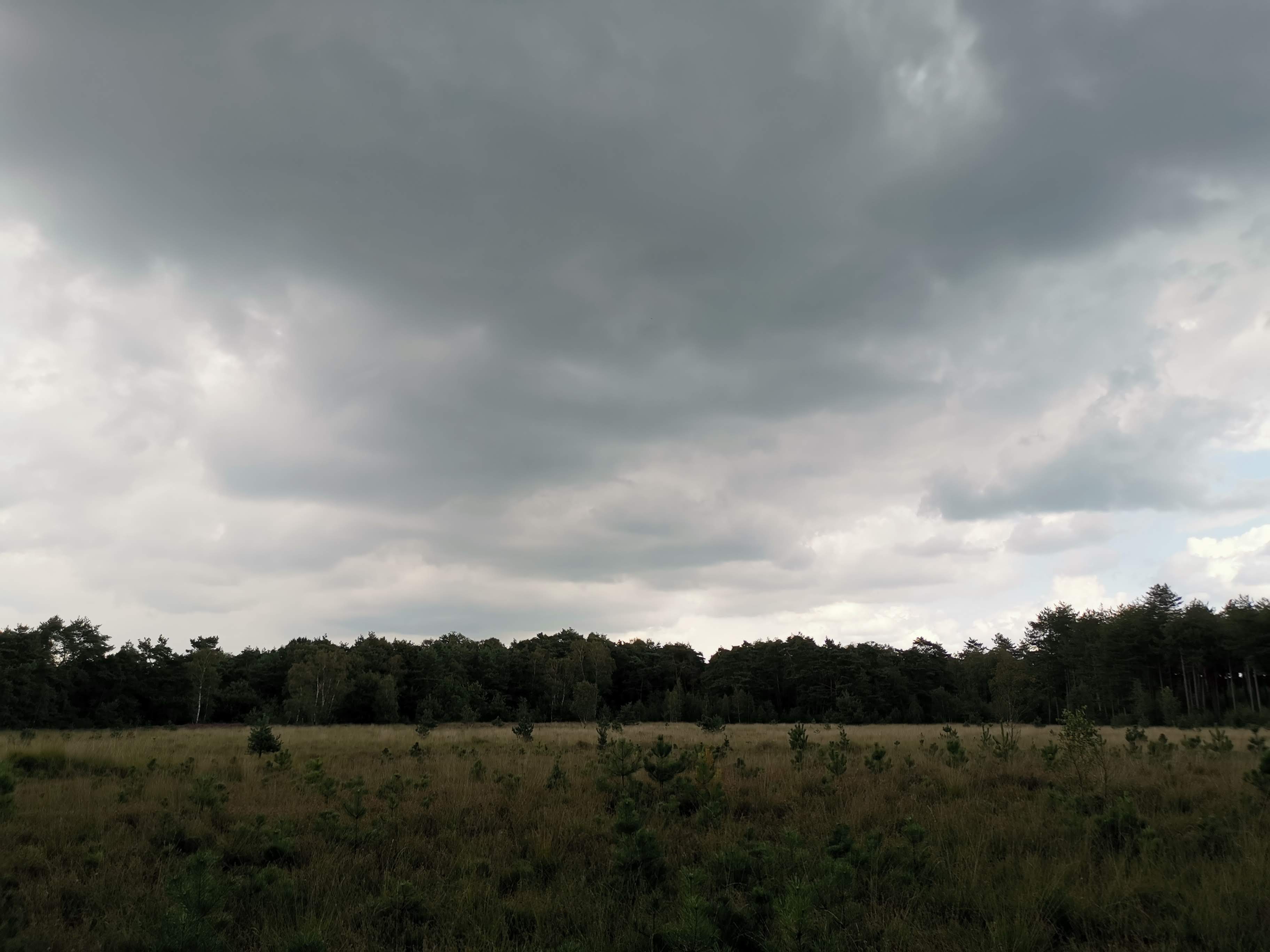
Stormy skies with autumn setting in

Finally, the data will become part of our community science project ‘CurieuzeNeuzen’, that will ask people from across Flanders to install microclimate loggers in their gardens. With the data collected in this heathland – together with other forest, agricultural and meadow-sites, we will be able to model the microclimate in all Flanders’ habitat types with an unprecedented resolution. More here.

IMG_20200829_113058

How does vegetation and human structure alter the microclimate? With our dense network of microclimate loggers across Flanders, we will be able to answer this question!

IMG_20200829_142010

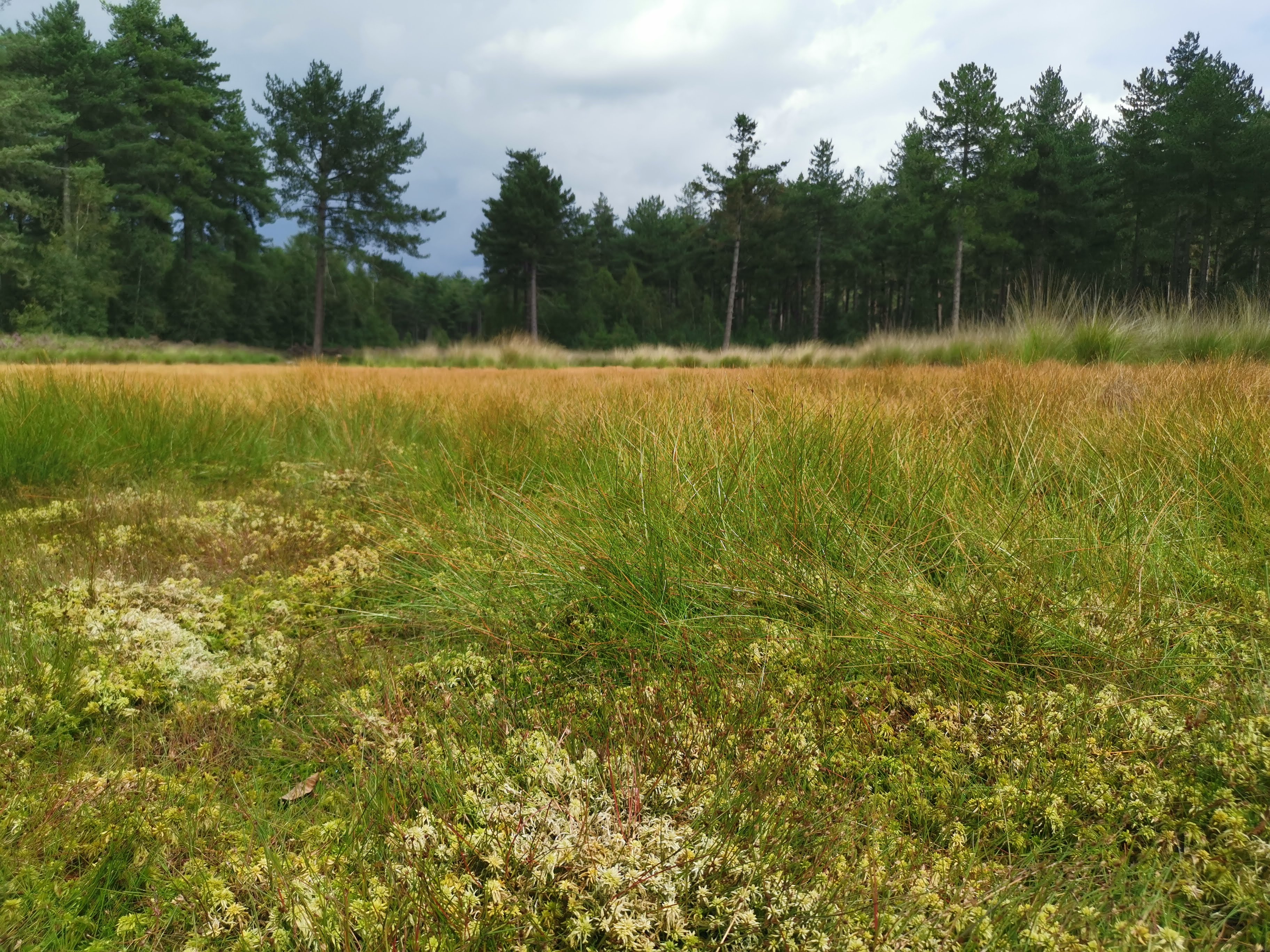
Fabulous colours in this swampy heathland

Posted in Belgium, General | Tagged , , , , , , , , , | Leave a comment

DNA

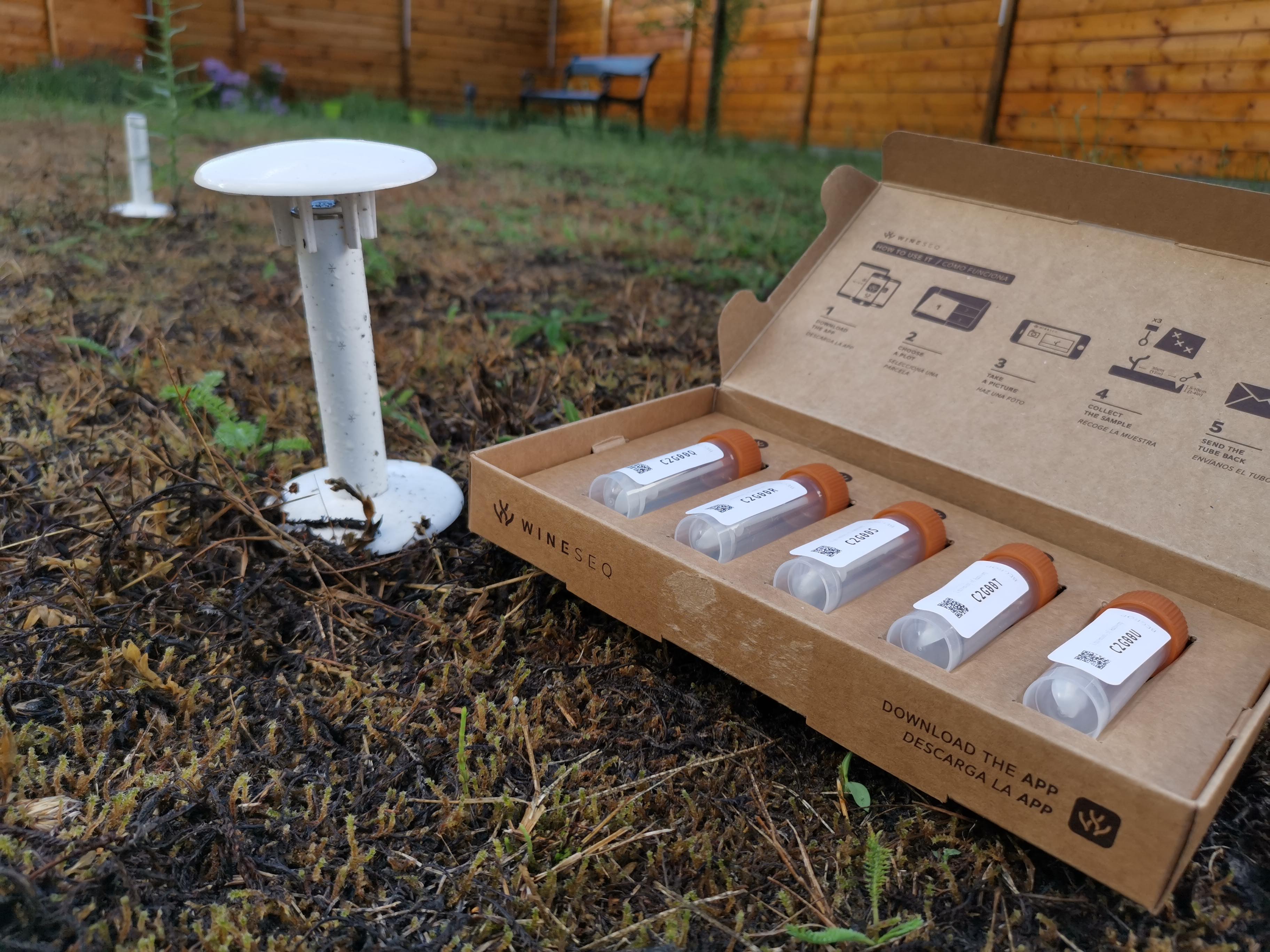
Another exciting package in the mail this week, and it’s this precious little soil DNA kit:

IMG_20200828_193555

The DNA kit next to our ‘garden mushroom’, measuring the microclimate

I am testing this kit for a new project we are working on, together with Fiels4Ever, an initiative looking at the health of agricultural soils across the globe.

Soil health is best expressed through the diversity of microscopic organisms living in them, as this diversity is crucial to get your ecosystems to function. Agricultural fields, and our gardens for that matter, often host a much deprived soil microbial community. We want to know how bad it is.

IMG_20200829_132829

The tiny things creeping and crawling through this soil will play a huge role in defining how good next years’ harvest is going to be

Thanks to SoilTemp, we have a global network of soil microclimate loggers. This provides perfect opportunity to collect the necessary background data on local climate conditions that Fields4Ever needs to run their health checks.

So we’ll scoop up some soil, send it back to our partners, and get a full overview of all (bacteria and fungi, that is) what is living in it. Cool, right?

Posted in General | Tagged , , , , , , , | Leave a comment

Weed of the month: Sweetbriar Rose (Rosa rubiginosa)

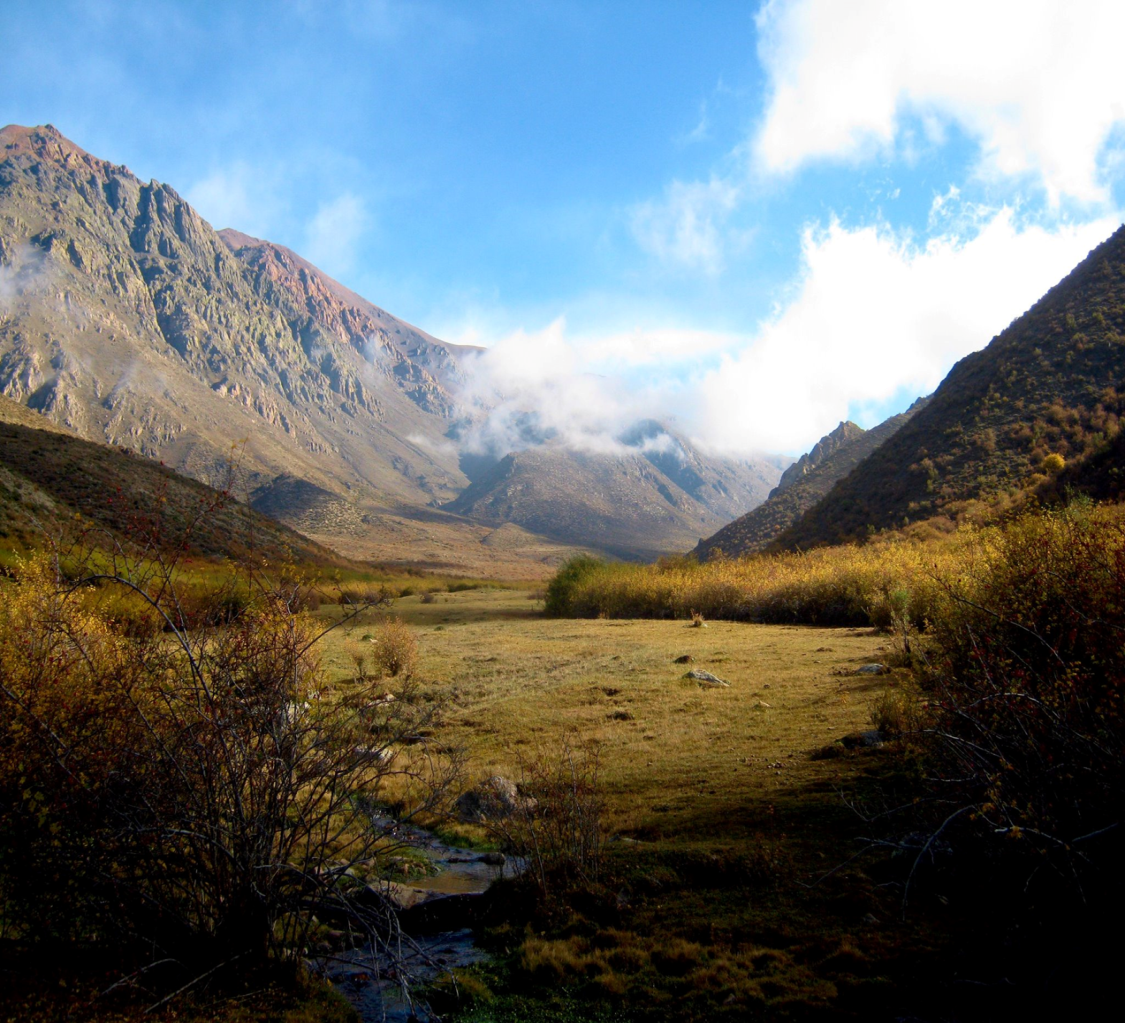
The sweetbriar rose isn’t as sweet as its name suggests. In the Argentinean Andes, it creates impenetrable thickets of torns and branches, transforming the valleys into veritable shrubberies.

Guestpost by Ana Clara Mazzolari for www.mountaininvasions.org.

1

Sweetbriar rose, or rosa mosqueta in Spanish (Rosa rubiginosa) is an erect, scrambling, deciduous shrub of variable height (up to 3 m). The stems have numerous curved thorns and present small clusters of pink flowers. This species is native to Europe and Asia, and was introduced to Argentina at the beginning of the twentieth century. Nowadays, sweetbriar rose is invading several natural environments of Argentina.

This species was introduced intentionally, as it is valued by gardeners because of its ornamental properties and for its sweet, apple-like fragrance. In addition, rosehips and seeds are rich in vitamin C and their essential oils are used for cosmetic purposes. In some places of Argentina, for example in Patagonia, R. rubiginosa is already accepted as part of the local flora and its rosehips and seeds are harvested for private use or by small producers.

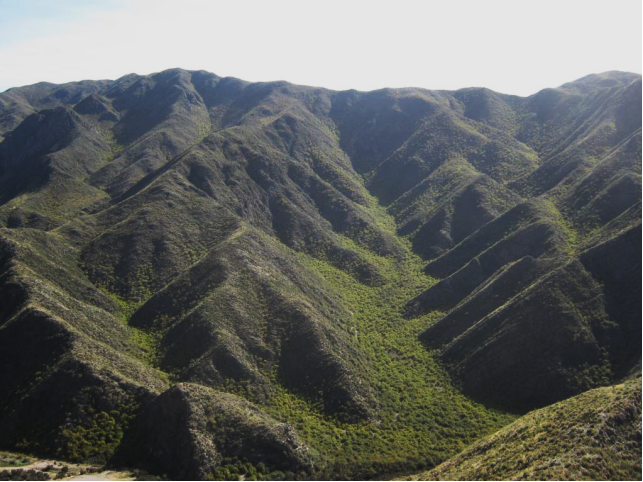
However, this species can be very problematic when it colonizes natural environments. In the central Andes of Argentina, in Mendoza province, R. rubiginosa occupies large areas, generating monospecific thickets that preclude recreational use, and limit the access to streams and other water courses. The invasion occurs along valleys, where soil moisture and nutrients are greater than at higher surrounding sites. The sites more vulnerable to the invasion are water courses, which represent environments of high conservation value in these semi-arid systems.

The high success of sweetbriar rose can be attributed to its great versatility in their reproductive system. This species is capable of producing fruits by pollination and apomixes, and is able to reproduce clonally via roots. Given this broad range of reproductive strategies to produce fruits and seeds, it is likely to colonize new areas through dispersal vectors, such as birds or large mammals. This is why its management requires, besides reducing the number of plants in the invaded area, an intensive monitoring to prevent new invasion foci.

Posted in Argentina, General | Tagged , , , , , , , , , | Leave a comment