Waar ligt voor u de grens tussen natuur en cultuur? Ecologen van de Universiteit Antwerpen willen graag uw* mening over UW definitie van natuur in deze snel veranderende wereld. Beantwoord hun vragen op www.natureornot.be!
*Als je in Vlaanderen of Nederland woont
De coronacrisis heeft in de laatste maanden nog maar eens aangetoond hoe cruciaal natuur is voor onze gezondheid en ons welbevinden. Maar wat is ‘natuur’ eigenlijk? Hoeveel ‘cultuur’ maakt groen onnatuurlijk? Onze meningen hierover zouden wel eens verrassend ver uit elkaar kunnen liggen, stellen onderzoekers Jonas Lembrechts en collega’s van de Universiteit Antwerpen en Luik. Beschouwt u heidegebieden, die enkel blijven bestaan als ze worden beheerd, bijvoorbeeld als natuur? En parken, tuinen en braakliggende stukken grond, vallen die binnen de definitie? En wat met invasieve exoten?
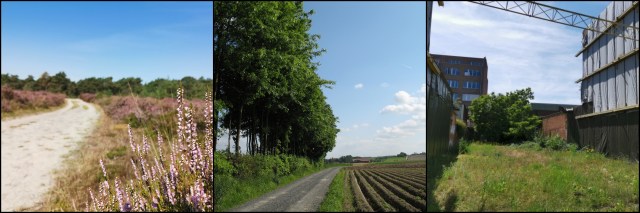
Natuur of niet, dat is de vraag! Vallen de typische Vlaamse heide, landbouwgebieden en braakliggende terreinen voor jou onder de definitie van natuur?
De onderzoekers proberen nu deze verschillen in perceptie in kaart te brengen. Lembrechts legt uit: ‘we kunnen verwachten dat de definitie zal verschillen van persoon tot persoon, afhankelijk van hun ervaringen met het groen om ons heen.’ Zo kan je woonplaats je definitie van natuur sterk beïnvloeden: wie in de stad leeft, heeft een heel ander beeld van groen dan wie zijn hele leven ‘op de boerenbuiten’ heeft doorgebracht. Daarnaast kan ook leeftijd een rol spelen: de oudere generatie herinnert zich bijvoorbeeld nog wel hoe je boven haast elke akker een leeuwerik kon horen kwinkeleren. Voor jongeren is het dan weer een verrassing dat er vroeger géén luidruchtige parkieten door de Brusselse parken vlogen. Vaak zijn we ons nauwelijks bewust van die verschillen in perceptie.
Zolang we die verschillen in perceptie niet duidelijk in beeld brengen, blijven we hangen in onbegrip rond maatregelen die de natuur proberen te versterken. Dat mondt uit in gebakkelei over bomen kappen om heidegebied te herstellen, of in verhitte discussies over het bestrijden van al dan niet aaibare exoten. Ook wordt het moeilijk voor het beleid om natuurbeschermingsmaatregelen in cijfers uit te drukken als we het niet eens zijn over wat we nu exact onder natuur verstaan. Enkel bossen meetellen volstaat niet – al gebeurt dat soms in het kader van koolstofvastlegging. Focussen op al het groen in ons landschap helpt ons ook niet verder. Hoe groen een voetbalveld ook mag zijn, het label ‘natuur’ verdient het niet.

Een beter begrip van wat we als natuur ervaren, kan uitklaren hoe we hopen dat die natuur er in de toekomst uitziet. Nog belangrijker: het geeft natuurbeheerders de kans om in hun beleid en communicatie meer rekening te houden met die waaier aan persoonlijke definities. Zo vergroten we het draagvlak voor broodnodig natuurbeheer. Aan de slag dus! Surf naar www.natureornot.be en vul de vragenlijst in. Je bewijst onze natuur er een serieuze dienst mee.
Het project #NatureOrNot is een initiatief van de Universiteit Antwerpen en Luik. Voor meer informatie, neem contact op met
Jonas Lembrechts (jonas.lembrechts@uantwerpen.be, 032651727) of bezoek de website www.natureornot.be.






 The 3D lab