Heather

IMG_20200829_144742

The best moment of the season to visit Flanders’ heathlands

Finally got another field day again – they really are scarce and far between nowadays. But what a field day it was: heading back to Flanders’ most beautiful heathland to harvest our temperature loggers we have been hiding there for a year.
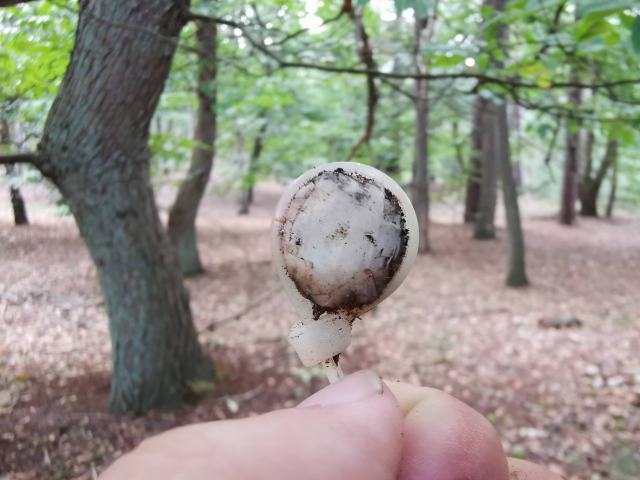
IMG_20200829_120148

Minuscule logger, 1 cm in diameter, yet I found it back under the tree where I hid it over a year ago!

This little bit of fieldwork – not much more than criss-crossing through forests, heathlands and dunes on a search for tiewraps sticking out of the soil – provides invaluable data for three big projects we are working on.
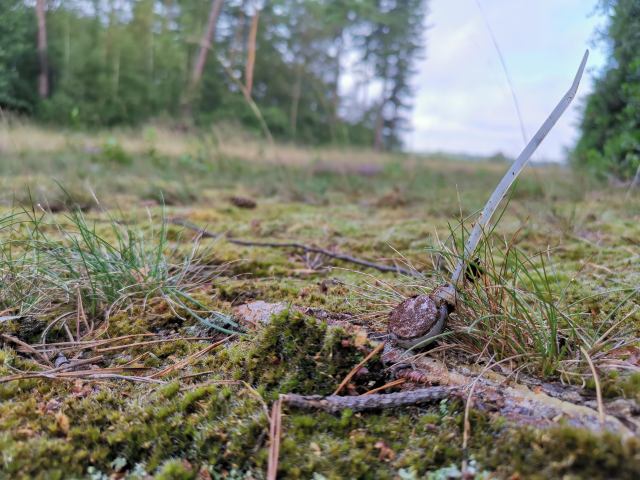
IMG_20200829_102002

Another logger dug up, right at the root where it was supposed to be

First of all, the plots are part of the global Dark Diversity Network, a network with a somber name, yet focussing on an important part of biodiversity: that what is NOT growing there. More here.
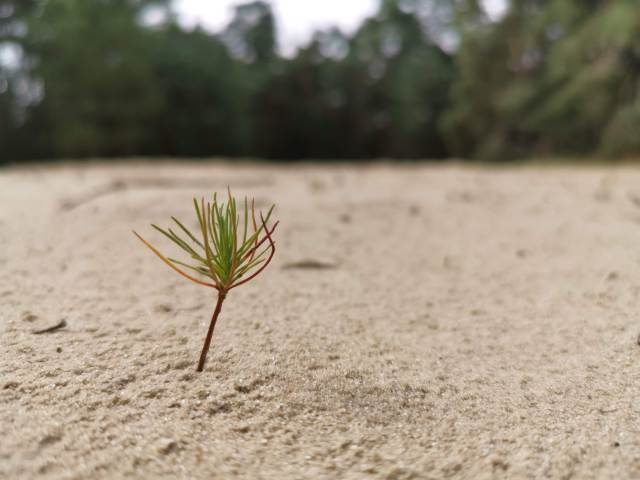
IMG_20200829_114022

A lonely pine seedling on a sandy dune. What is not growing at a location can give us as much information on biodiversity as what is there.

Secondly, the soil temperature will obviously feed into our growing global microclimate database, providing another 20 droplets in a sea of over twelve thousand. More here!
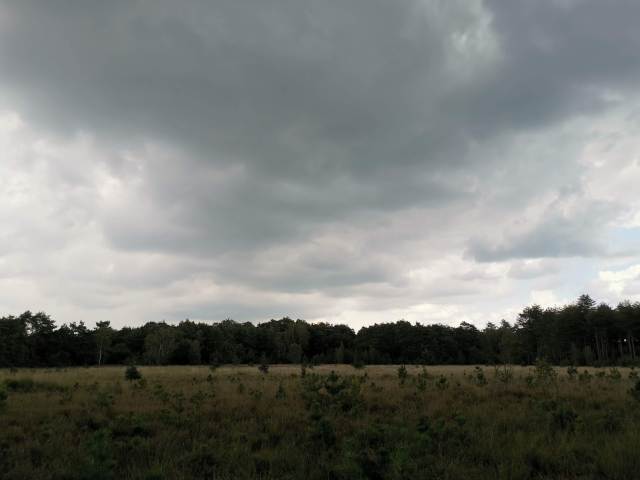
IMG_20200829_145239

Stormy skies with autumn setting in

Finally, the data will become part of our community science project ‘CurieuzeNeuzen’, that will ask people from across Flanders to install microclimate loggers in their gardens. With the data collected in this heathland – together with other forest, agricultural and meadow-sites, we will be able to model the microclimate in all Flanders’ habitat types with an unprecedented resolution. More here.

IMG_20200829_113058

How does vegetation and human structure alter the microclimate? With our dense network of microclimate loggers across Flanders, we will be able to answer this question!
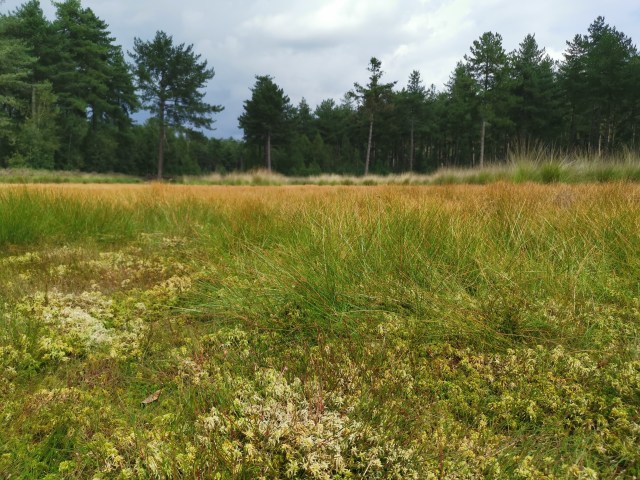
IMG_20200829_142010

Fabulous colours in this swampy heathland

Posted in Belgium, General | Tagged , , , , , , , , , | Leave a comment

DNA

Another exciting package in the mail this week, and it’s this precious little soil DNA kit:

IMG_20200828_193555

The DNA kit next to our ‘garden mushroom’, measuring the microclimate

I am testing this kit for a new project we are working on, together with Fiels4Ever, an initiative looking at the health of agricultural soils across the globe.

Soil health is best expressed through the diversity of microscopic organisms living in them, as this diversity is crucial to get your ecosystems to function. Agricultural fields, and our gardens for that matter, often host a much deprived soil microbial community. We want to know how bad it is.

IMG_20200829_132829

The tiny things creeping and crawling through this soil will play a huge role in defining how good next years’ harvest is going to be

Thanks to SoilTemp, we have a global network of soil microclimate loggers. This provides perfect opportunity to collect the necessary background data on local climate conditions that Fields4Ever needs to run their health checks.

So we’ll scoop up some soil, send it back to our partners, and get a full overview of all (bacteria and fungi, that is) what is living in it. Cool, right?

Posted in General | Tagged , , , , , , , | Leave a comment

Weed of the month: Sweetbriar Rose (Rosa rubiginosa)

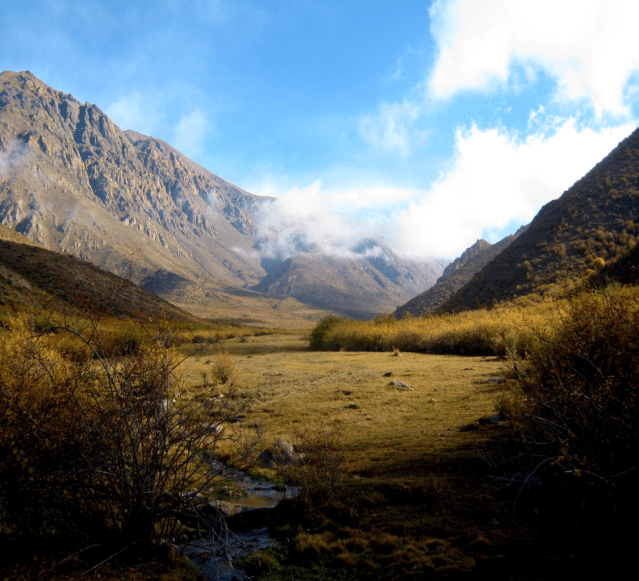
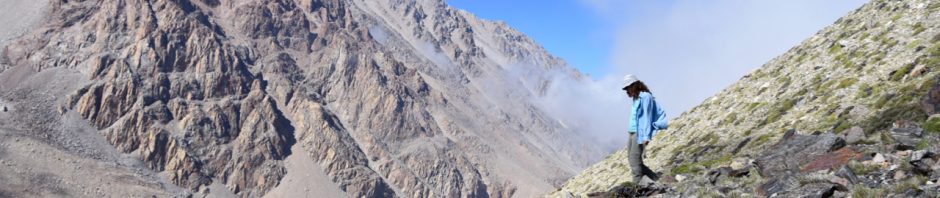
The sweetbriar rose isn’t as sweet as its name suggests. In the Argentinean Andes, it creates impenetrable thickets of torns and branches, transforming the valleys into veritable shrubberies.

Guestpost by Ana Clara Mazzolari for www.mountaininvasions.org.

1

Sweetbriar rose, or rosa mosqueta in Spanish (Rosa rubiginosa) is an erect, scrambling, deciduous shrub of variable height (up to 3 m). The stems have numerous curved thorns and present small clusters of pink flowers. This species is native to Europe and Asia, and was introduced to Argentina at the beginning of the twentieth century. Nowadays, sweetbriar rose is invading several natural environments of Argentina.

This species was introduced intentionally, as it is valued by gardeners because of its ornamental properties and for its sweet, apple-like fragrance. In addition, rosehips and seeds are rich in vitamin C and their essential oils are used for cosmetic purposes. In some places of Argentina, for example in Patagonia, R. rubiginosa is already accepted as part of the local flora and its rosehips and seeds are harvested for private use or by small producers.

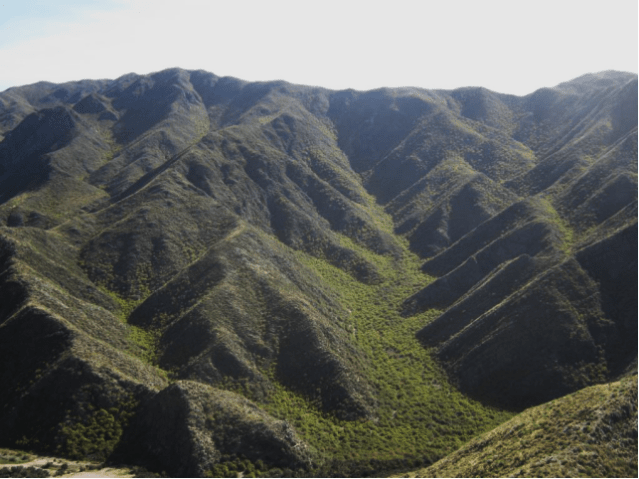
However, this species can be very problematic when it colonizes natural environments. In the central Andes of Argentina, in Mendoza province, R. rubiginosa occupies large areas, generating monospecific thickets that preclude recreational use, and limit the access to streams and other water courses. The invasion occurs along valleys, where soil moisture and nutrients are greater than at higher surrounding sites. The sites more vulnerable to the invasion are water courses, which represent environments of high conservation value in these semi-arid systems.

The high success of sweetbriar rose can be attributed to its great versatility in their reproductive system. This species is capable of producing fruits by pollination and apomixes, and is able to reproduce clonally via roots. Given this broad range of reproductive strategies to produce fruits and seeds, it is likely to colonize new areas through dispersal vectors, such as birds or large mammals. This is why its management requires, besides reducing the number of plants in the invaded area, an intensive monitoring to prevent new invasion foci.

Posted in Argentina, General | Tagged , , , , , , , , , | Leave a comment

The Krkonoše Mountains

OLYMPUS DIGITAL CAMERA

Montane road in the Krkonoše Mountains in the Czech Republic

Lush green fields, pine forests and flower-rich alpine grasslands: our belowground project will go to the Czech Republic!

OLYMPUS DIGITAL CAMERA

The Krkonoše Mountains lie in the northern part of the Czech Republic, on the border with Poland

After sampling soils, roots, plants and microclimates in Argentina, Chile, Norway, Sweden and Tenerife, the Czech MIREN team will now also join in and execute our detailed sampling protocol along their mountain road in the Krkonoše Mountains.

OLYMPUS DIGITAL CAMERA

Road verges in the alpine tundra

Another great regional dataset will thus soon be added to the list, to help us answer detailed questions on the effects of mountain roads on belowground conditions, and how that impacts the local vegetation.

Looking forward to see their data coming in!

Posted in Czech Republic, General | Tagged , , , , , , , , | Leave a comment

Tales from the field

The global pandemic is still restricting lots of our fieldwork, and we have to cancel unfortunately another batch of work planned in northern Norway, but not all of it is going down the drain.

9e103c40-8785-4c73-8837-05f4522ebf1b

PhD-student Ronja, for example, is having great successes in her experiment in the mountains of central Norway: lots of high-anticipated germination of tiny seedlings, many temperature loggers recovered, ànd the beautiful mountain views that save the soul and are such a critical part of a mountain ecologists’ life.

345b4630-003e-4605-9606-f33bb9422bba

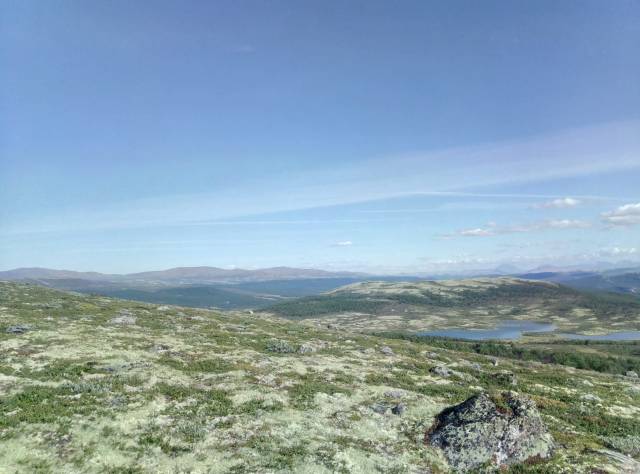
The lichen-rich mountain vegetation of central Norway, backdrop of a large part of Ronja’s PhD work

Happy to share this success, and looking forward to the results coming out of this!

WhatsApp Image 2020-07-13 at 15.45.34

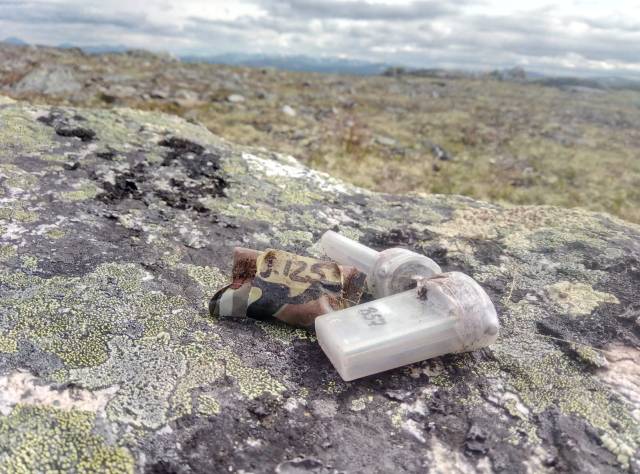
Digging up temperature loggers! So tiny, yet holding rows and rows of important data.

Posted in General, Norway | Tagged , , , , , , , , , , , | Leave a comment

Scouting locations

IMG_20200817_093238

Scenic pre-WW I mansion in Zemst, with a garden overrun by non-native trees-of-heaven (Ailanthus altissima)

Roamed through Flanders’ villages today in a search for scenic film locations! Stars of the show: our non-native plant invaders that are – secretly ànd out in the open – taking over our urban nature.

IMG_20200817_090736

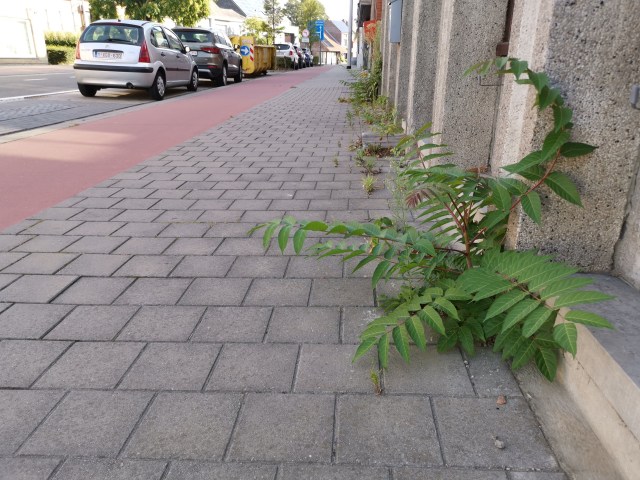
The tree-of-heaven is spreading vigorously through Zemst, with seedlings popping up between bricks and mortar. 

I got invited by Flanders’ biggest science museum, Technopolis, to walk their broad audience of science enthusiasts through our research, to enthuse them about science. And let that be exactly the kind of opportunities that I like: opening the eyes of children, teenagers and adults to the world of plants on their doorstep is high on my list of goals.

IMG_20200817_091539

It is not all non-native what loves the city: this wall-rue (Asplenium ruta-muraria) loves the tough live on the rocks.

So I’ll be guiding the film crew along some of my favourite stories in the urban plant realm, trusting they can capture the magic and spark some interest in the unique ecosystem that is the urban world.

Posted in Belgium, General | Tagged , , , , , , | 2 Comments