A lot of my work deals with invasive alien species. This is a subject not everyone is familiar with, although it highly concerns (or should concern) everybody and our whole society. I sporadically provided some information on alien species and my research on them (mainly summarized on the ‘science‘-page of this blog), but I kept my silence about the big ‘why’-question. This page will be used to clarify things a bit more, but I also want to point out the fantastic and very readable book of Daniel Simberloff: Invasive species, what everyone needs to know.
Negative effects
In the middle of the 19th century, an amateur naturalist in America tried to figure out a way to produce silk, as the civil war had cut off the southern supply of cotton. He went to Europe to find himself a useful silk moth species and arranged to bring over eggs of the gypsy moth. He kept his moths in a little cage in his garden to experiment with the silk.
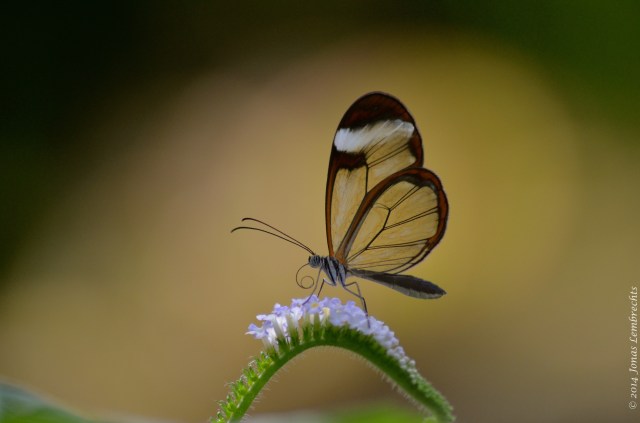
Exotic species are imported for countless different reasons, here for a butterfly garden.
As could have been expected, the moths managed to escape from their cage. The silk also turned out to be useless and the end of the civil war brought back the southern cotton. The whole project turned out completely useless and would soon have been forgotten in the depths of history, if not for the gypsy moths that escaped and soon started to spread all over the United States. Many failing attempts to eliminate the little moth only resulted in it spreading over state after another. The moths feed on trees, causing massive defoliation, changes in the habitat of hundreds of forest species and altering the forest composition of North American forests.
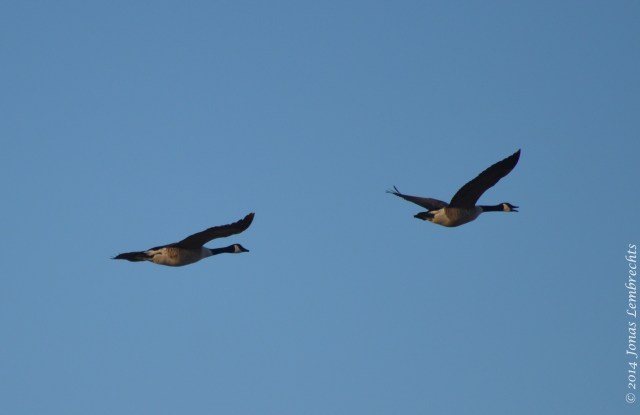
Canadian geese are a well known invasive species. Their impact on the ecosystem is closely monitored.
When chemical eradication turned out to be powerless, a natural enemy of the gypsy moth was introduced. The parasitic fly failed in controlling the gypsy moth, but nowadays threatens many different native moth species. The economical cost is huge, as states tried to fight the moth and saw their timber getting lost.
This little story (derived from Simberloffs great book) clearly shows why invasive species can cause problems. They influence all parts of society. They can cause huge economic costs, not only lost to the fight against the invaders, but also through damage to agriculture or hindering of navigation. They can cause severe health problems, like many exotic diseases and insects. Their ecological effect can be enormous, as they alter whole ecosystems, replace or consume native species and change biological processes.

Exotic turtles can really ravage the native freshwater communities.
Alien plant species, the subject of my studies in particular, are known to alter fire regimes, changing the hydrology and completely modifying entire ecosystems. They cost large amounts of money to agriculture in the form of herbicides and replaced natural species compositions all over the world, creating a global, boring, similar weedy vegetation associated with human presence.
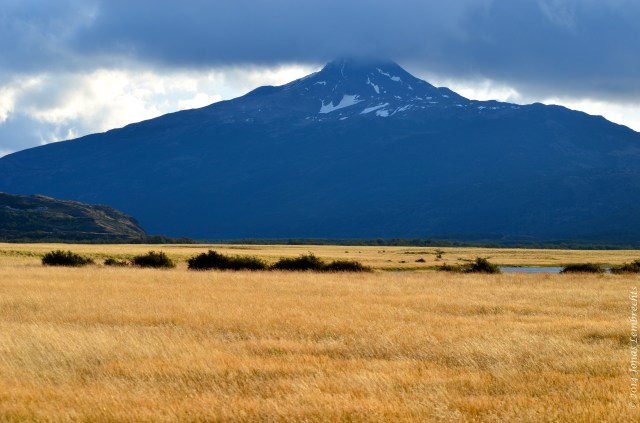
I study some of the locations where plant invasions are still rare: mountains and the subarctic. There we risk loosing the vulnerable natural vegetation, disordering the whole alpine and subarctic ecosystem that is known to restore tragically slow. Losing this system has a high ecological cost, but would also mean the loss of the aesthetical attractiveness of these regions for tourism.
Positive effects
Like everything in real life, there is another side of the story that should also be told. Not all alien species are bad, a lot of them even have many positive effects. Nowadays, we would not come far without potatoes or maize for example, and their positive effect for society are immense (although their negative effect on nature should not be forgotten). Many garden plants are aliens, but never become a problem or invasive.
This last point is also very important: many alien species never become invasive. There are many limiting factors that help preventing this. Non-invasive aliens often have only limited effects on the environment. But it is those few that become invasive that make it important to carefully watch all aliens and predict which one will become a problem. Predicting the effects of a new alien however turns out to be a nearly impossible task.

The chance for an exotic orchid to became invasive is almost zero; they miss the right features.
Conclusions on alien species should hence always be case-specific, by carefully weighing positive and negative effects for both nature and society. Only then, correct decisions can be made. This provides a serious task for society now and in the future.









 The 3D lab