Beech and bluebell

Hallerbos - 8

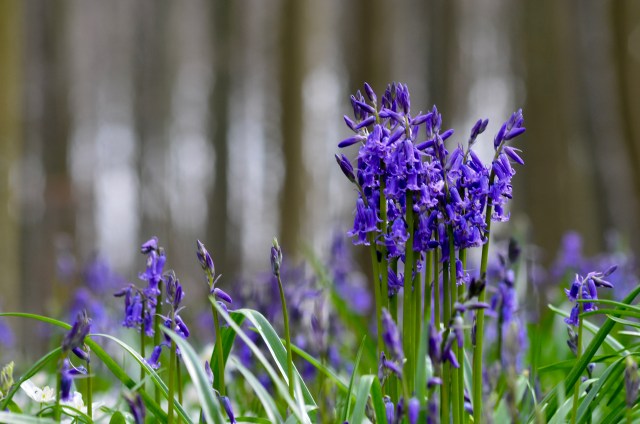
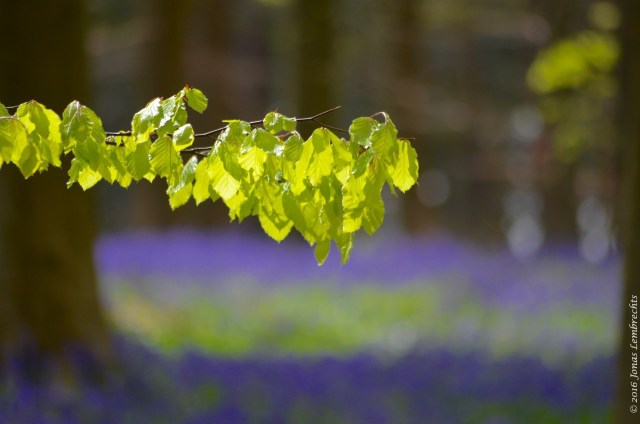
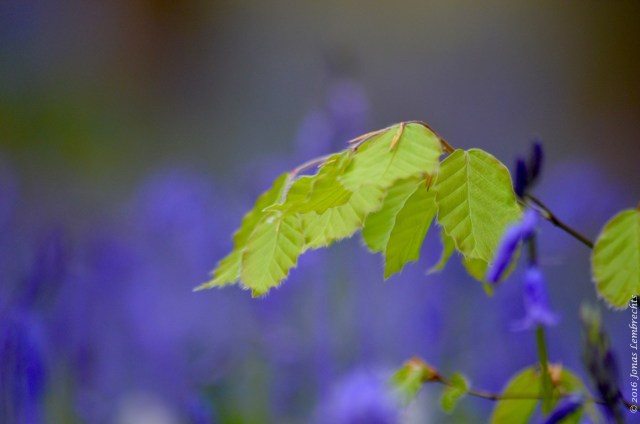
Young beech leaves accentuating the beauty of the bluebells, but also starting their doom: when they start shading too much, the flowers will disappear again.

This week brought the field course to the ‘Hallerbos’, Brussels world-famous forest with the purple bluebell carpet.

Hallerbos - 1

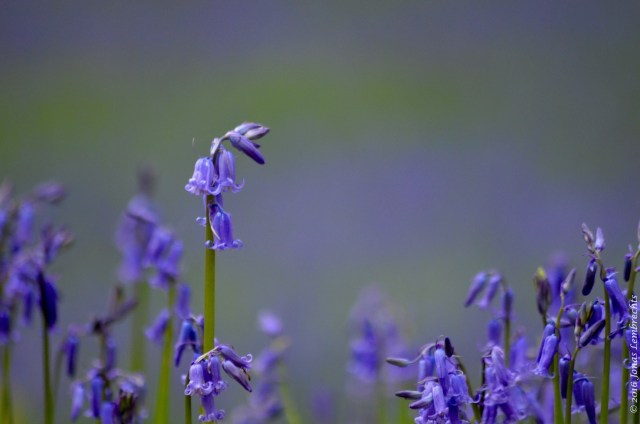
Young hazel leaves on a purple background

Of course it is mostly this endless see of purple that attracts the thousands and thousands of tourists every year (oh, dear lord, can someone please tell them to stay on the trails!), yet for me there is more that attracts me to this forest.
Hallerbos - 7

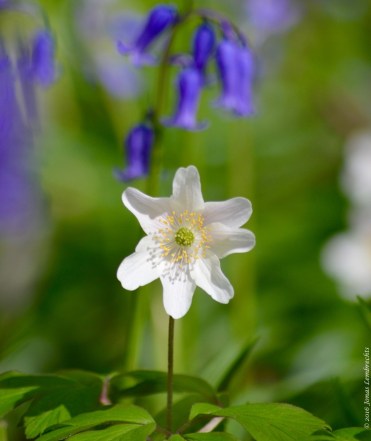
The wood anemone, the true star of the Hallerbos, almost as common as its purple counterpart, but harder to see as it grows less tall.

What I love the most is that this forest is a clear example of the interaction between abiotic and biotic conditions in an ecosystem. Soil nutrients and humidity from one side define the plants that can grow there (with the bluebells performing best on intermediate conditions for both), and the range of all conditions is easily to track through the forest.
Hallerbos - 6

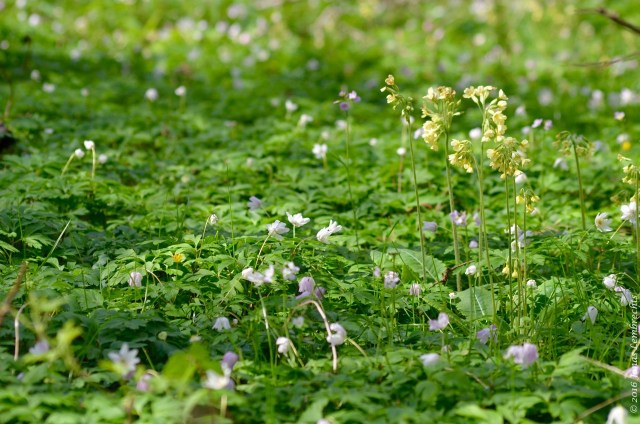
Oxlips, wood anemones and cuckoo flowers in a wet and nutrient rich forest patch, the most abundant part of the forest.

The trees themselves, on the other hand, also affect the nutrient conditions ànd the understory vegetation: old beech stands tend to have acid soils and a more dense canopy, reducing the presence of bluebells and wood anemones. This is the exact reason why wood harvesting is so necessary in the Hallerbos: the forest needs to be kept young to ensure this density of bluebells.
Hallerbos - 5

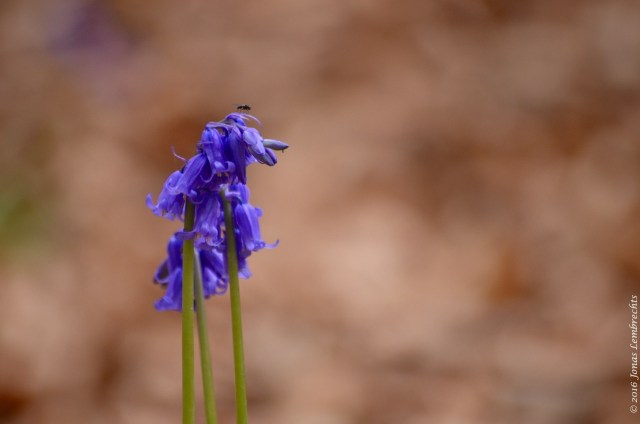
Lonely bluebells in an old and dry patch of beech forest

Pine trees, as another example, also acidify the soil. As they are not native in the forest anyway, they are now often removed (sometimes showing impressive regrowth of the bluebells over the course of a year). Unfortunately, removing all of them might impact several bird species that started to count on these trees in particular.
Hallerbos - 4

For an ecologist, this forest is thus much more than only bluebells. There is a lot to learn there if you roam over these trails. But if I convinced you to go and check it out for yourself, there is one other thing I should ask: please make sure you stay on the tracks! There is another important factor defining the ecosystem here, and that is human presence.
Hallerbos - 2

If you walk through the fields of bluebells, you do not necessary damage the plants from this year too badly, but you do compact the soil with the weight of your feet, making it impossible for the tiny roots of new bluebells to pierce through it. The result? Empty spaces the next year, less beauty to look at…
Posted in Belgium | Tagged , , , , , , , , , , | 8 Comments

Beware of the pines

In the mountains we usually study, plant invasion is often only in its earliest phase, with no more than a few individuals established at high elevations. In these circumstances, the measurable impacts of plant invasion are currently virtually zero. To see the impressive impacts plant invasions can have on an ecosystem, we will have to turn to other study systems for an example.

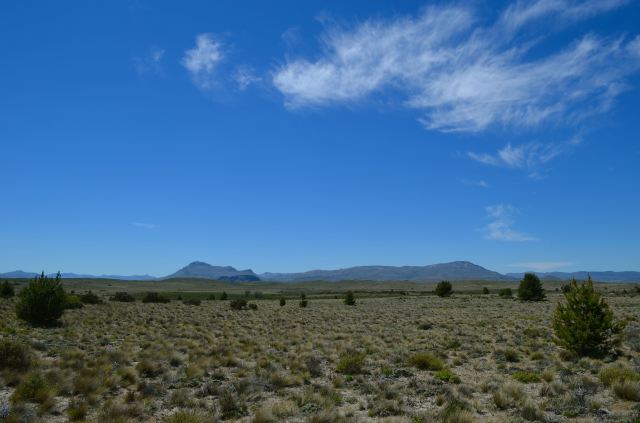
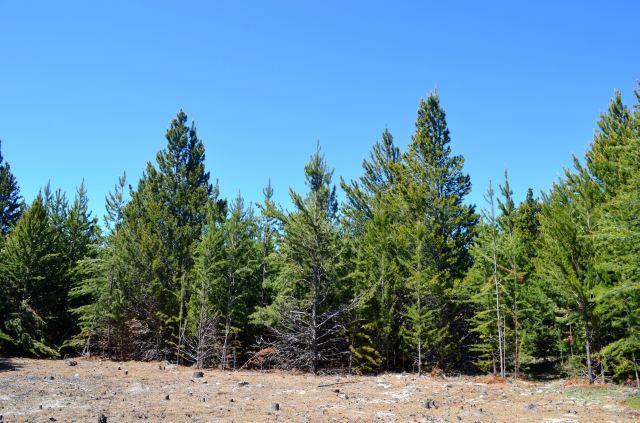
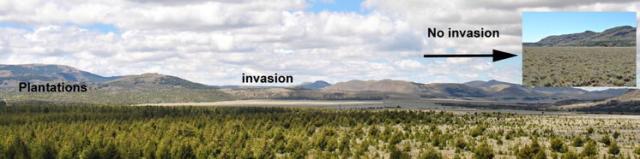
A very clear example of these impacts is given by the pine encroachment in the otherwise treeless steppe communities of Chilean Patagonia. Pine plantations (in this case Pinus contorta) in this area date back to the second half of the previous century. As the pines appeared to like the climate in the region and the open space in the native steppe, these trees tended to escape easily and happily from the boundaries of their plantations to invade the openness around them.

Fig 1

Pinus contorta invasion into the treeless steppe in Coyhaique Alto sector in Patagonia, Chile. Photo credits: Pablo Bravo-Monasterio


Needless to say that this pine invasion has a dramatic effect on the vegetation. Where an open, low-statured vegetation had been for ages, now darkness increased. For the typical steppe species, this shady canopy is not a welcome change, as they were adapted to the sunny conditions they used to live in.

20087217855_63404a5bde_o

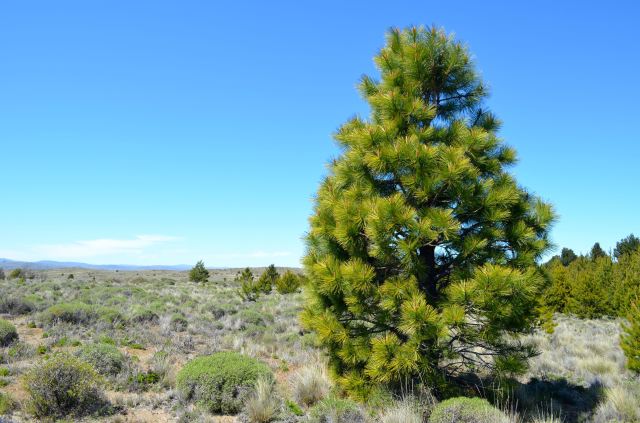
Pine at the invasion front in the Patagonian steppe, Bariloche, Argentina

The negative effects become obvious really fast: 50% reduction in species diversity and important shifts in the species community, with the few species that do like the shade having important advantages.

19899377218_c41e52eb04_o

Scattered pines in open steppe, Bariloche, Argentina

With the invasion of these pines, we thus get a virtually complete shift in the species community, as a whole new system is formed. And that, my friends, is a serious impact for just one introduced species, with possibly severe implications for the conservation of biodiversity and ecosystem functioning wherever they invade.

19465643403_49aa6347bc_o

Experimental pine management, Bariloche, Argentina

Reference

Bravo-Monasterio P, Pauchard A, Fajardo A (2016). Pinus contorta invasion into treeless steppe reduces species richness and alters species traits of the local community. Biological invasions.

Posted in Chile, General | Tagged , , , , , , , , , | Leave a comment

Hallerbos

Busy day at work today. I finished the finetuning of the first ‘big’ manuscript of my PhD-project, the first main goal we are working to. After some very productive moments of writing today, I sent it to my colleagues for a final round of their expertise.

Hallerbos - 24

Last Friday, I visited the Hallerbos to prepare for our field trip in the second half of April. Those bluebells are truly stunning at the moment! Everybody within a reasonable distance from Brussels should try to go there within the next two weeks…

Only one picture at the moment to convince you of its beauty, but more stories will of course follow soon.

Posted in Belgium | Tagged , , , , , , , , , , , , | 2 Comments

Creeping down

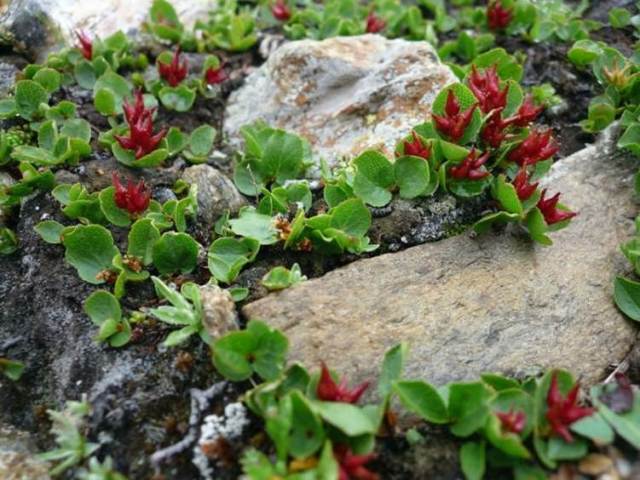
The dwarf willow (Salix herbacea), a tiny cute creeping willow, adapted to the harsh conditions of the (sub)arctic.

Salix

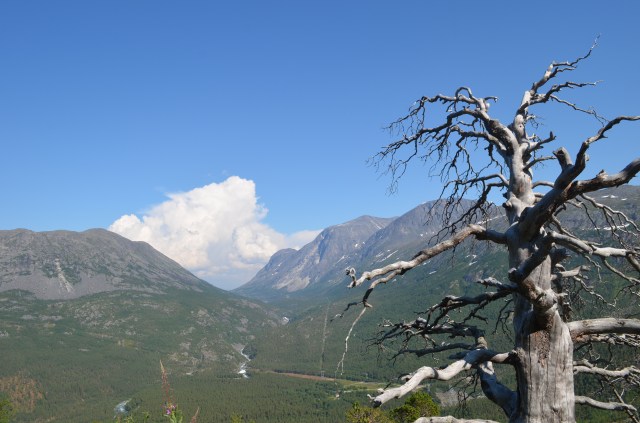
We found this adorable plant in high amounts in the alpine area during our plant surveys in subarctic Norway in 2012. Virtually every plot above the tree line hosted this tough shrub, where it formed dense mats on top of the rocks.

19160810980_d46f910709_o

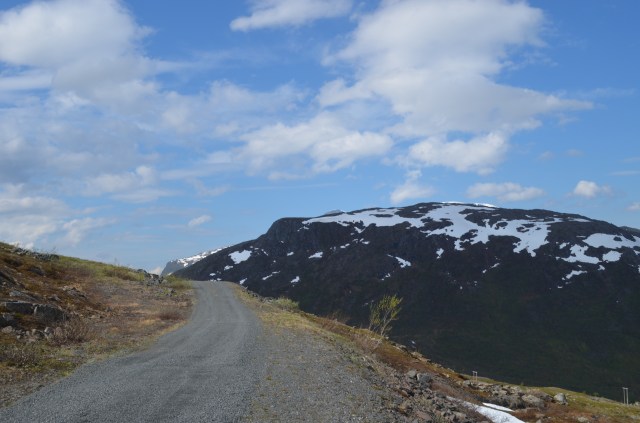
But then, our plant search revealed something surprising. Even below the tree line, we could find this typical alpine species, yet only in the roadsides. The harsh conditions, the open space, the added gravel, all of these conditions gave the roadsides in the area a very ‘alpine’ feel, something that our little creeping willow seemed to appreciate.

Graph

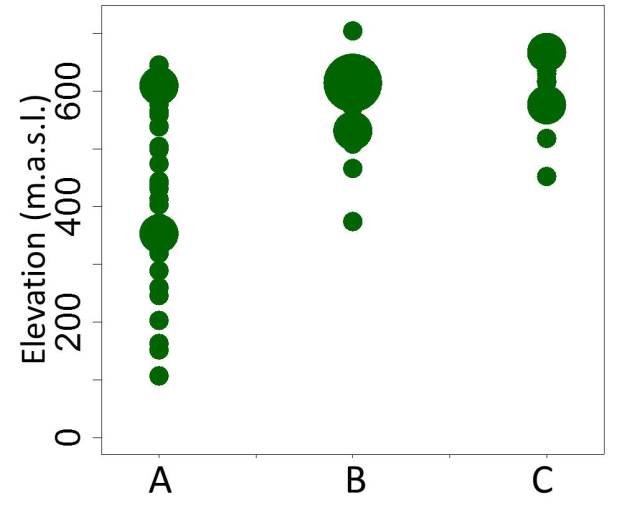
Elevational distribution of the creeping willow in the roadsides (A), intermediate plots (B) and the natural vegetation. Where its lower limit in the natural vegetation is above 400 meters, it ‘creeps’ all the way down to hundred meter along the roads.


So an idea was born: our dwarf willow and many of his fellow alpine species were using the road to grow at lower elevations than they are found in the natural vegetation.

20132838529_c154a224d9_o

Now, after almost 4 years, this idea is proven and published in Ecography, the scientific journal specialised in these kinds of patterns  Read the whole story here!

.

Posted in Norway | Tagged , , , , , , , , , , , | Leave a comment

Spring rehearsal


This weekend brought me the first real rehearsal for the course I will assist in at the end of this month.

Spring flowers - 2

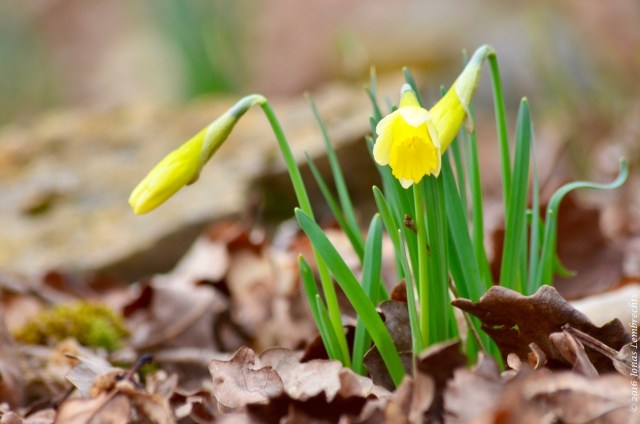
A clear sign of spring: the daffodil (Narcissus)

As we did last year, we will take the students of biology of our university to the beautiful Hallerbos, a forest known for its bedazzling spring flora. There, we will introduce them to the ecology of forest types.

Spring flowers - 3

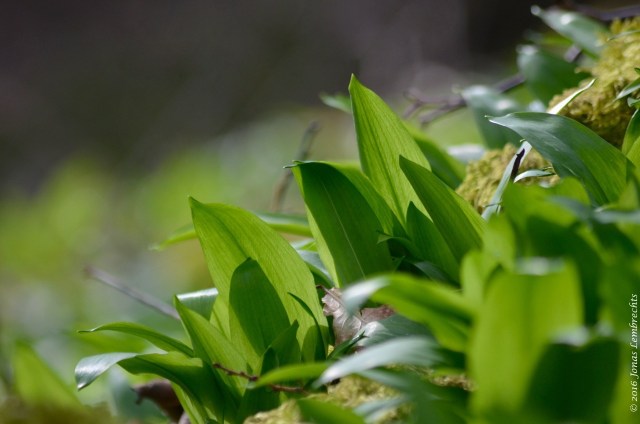
A wonderful little patch of spring forest on a calcareous slope: wild garlic (Allium ursinum) as far as the eye could see

With the first warm spring days upon us, and a visit to the valley of the Lesse in Wallonia, this weekend brought me already a lot of these forest types ànd their accompanying spring flowers.

Spring flowers - 6

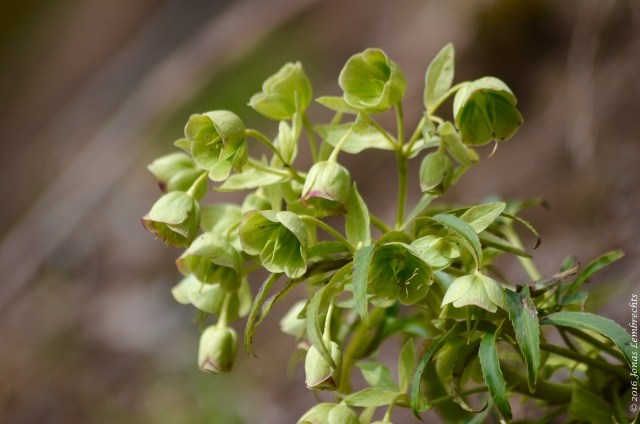
In Belgium at its northern range edge: the stinking hellebore (Helleborus foetidus). 

Aim of the course is to give students a crash course in plant species, an overview of the variation in forest types and an idea about how abiotic conditions and species composition interact with each other, even on a very small scale. And – of course – let them admire the pure beauty of nature.

Spring flowers - 5

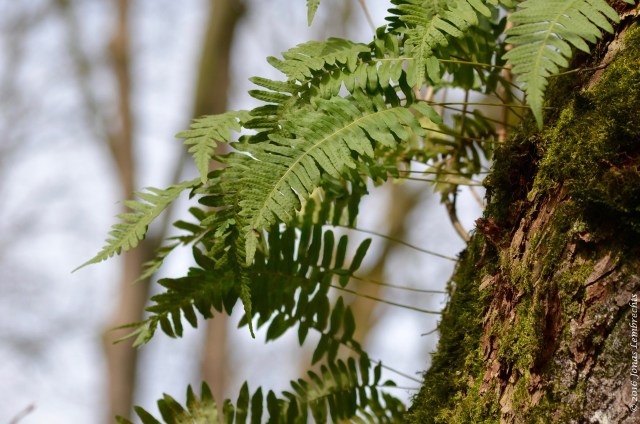
Micro-environment for the fern Common polypody (Polypodium vulgare) on a mossy tree

Totally ready for the best teaching opportunity of the year!

Spring flowers - 1

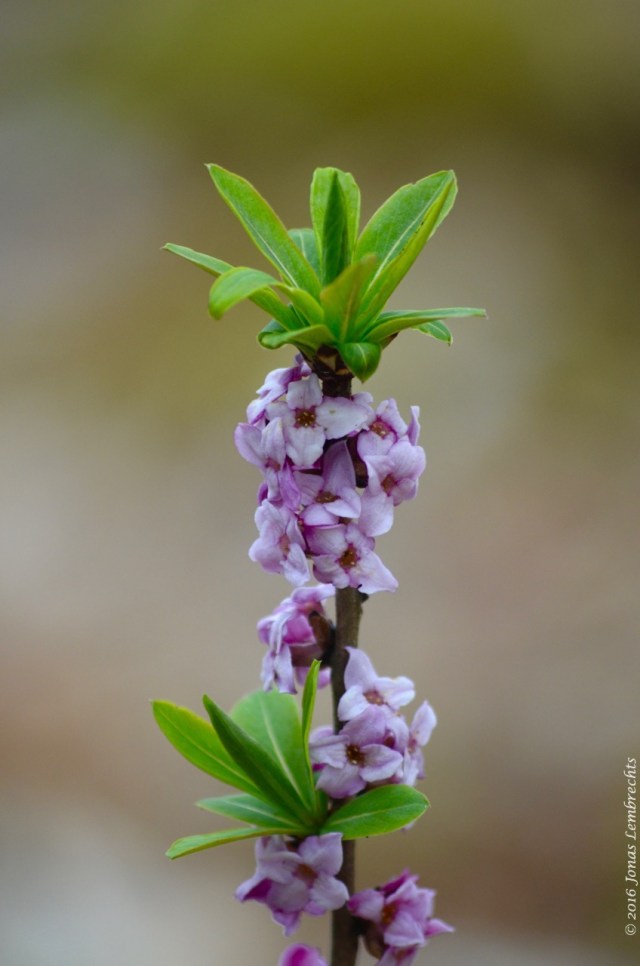
One of my new favourites of the season: the February daphne (Daphne mezereum)


Posted in Belgium | Tagged , , , , , , , , | 2 Comments

Just cause I like him

Just look at him, with its curly branches and fluffy catkins!

Curly hazel - 4

I love the corkscrew hazel, one of the most beautiful views in early spring.

Curly hazel - 1

There is not much I have to tell about him, though, just that he cheers up those days before temperatures finally start rising, and helps us overcoming the last weeks of darkness.

Curly hazel - 3

Now we finally changed back to summer time, and all of a sudden the evenings became much longer. The corkscrew hazel got replaced by plenty of other pretty flowers and in the meantime, my science is going well: oh I feel like spring!

Curly hazel - 2

Posted in Belgium | Tagged , , , , , , , , , | 1 Comment