Come together

One of my favourite study subjects is all over the news this week! Yet, it is a bit in an unusual manner: I am talking about the dandelion (Taraxacum officinale), the symbol of the upcoming Eurovision Song Contest!
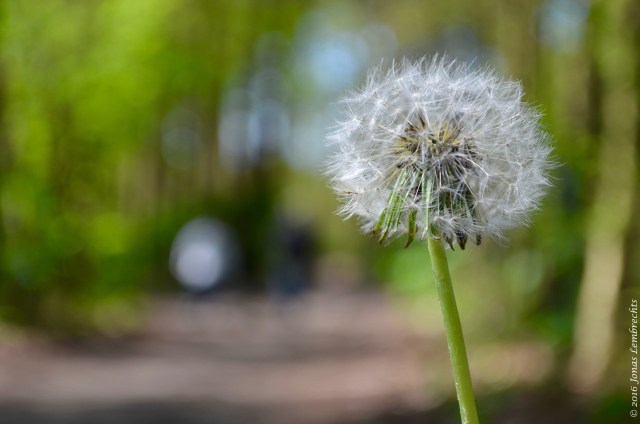
Dandelion - 1

There is not much that I have to do with the Eurovision, except that they chose the dandelion for its well-known ability to spread super fast with its tiny little parachutes.

Dandelion - 2

Let that be exactly the reason why they are so interesting for me as well: they use their tiny parachutes to stay at the forefront of climate change ànd to invade new ranges all over the world!

Dandelion - 3

Or as they say it themselves: “most people can relate to it. It has an enormous growth potential, it is widespread across Europe and it can move”. They do let the parachutes fly in reverse, though, back to the mother plant, which rarely happens in my research, but let us just be happy for the little plant’s week of fame.

Posted in Science | Tagged , , , , , , , | 3 Comments

Ready

image

Totally ready for this summer, thanks to my new Fjallflora! The compact version of my Floran, with a focus on the mountain species. The same amazing drawings, just smaller :-).

Posted in Sweden | Tagged , , , , , , | Leave a comment

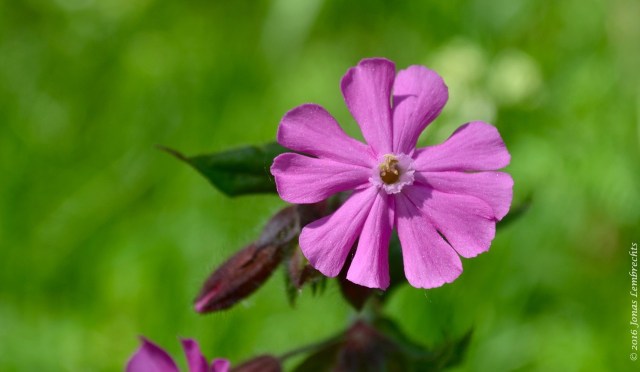
The red campion

It is funny to see the differences and similarities in plant species between the place where I work – northern Scandinavia – and the place where I live: Belgium. There are quite a few similarities in species, especially in the lowlands, yet it is always a surprise to find one you know from one region in the other.

Silene - 1

Red campion in Eastern Flanders, Belgium

This one, the red campion (Silene dioica), is a common sight in both places. In the north, I know him from its delicate pink in the birch forests under the midnight sun, in the south it happily occupies roadsides and forests. In both regions, I am always happy to see them!

Silene flower in forest in Lapland

Red campion at the foot of the mountains in Abisko, Sweden


Posted in Belgium, Sweden | Tagged , , , , , , , , , | Leave a comment

Bluebell-beauties: a gallery

Young sycamore maples sprout everywhere in the forest

Young sycamore maples sprout everywhere in the forest

Some eye candy: scroll through pictures of beeches and bluebells from the Hallerbos in the gallery on the right.

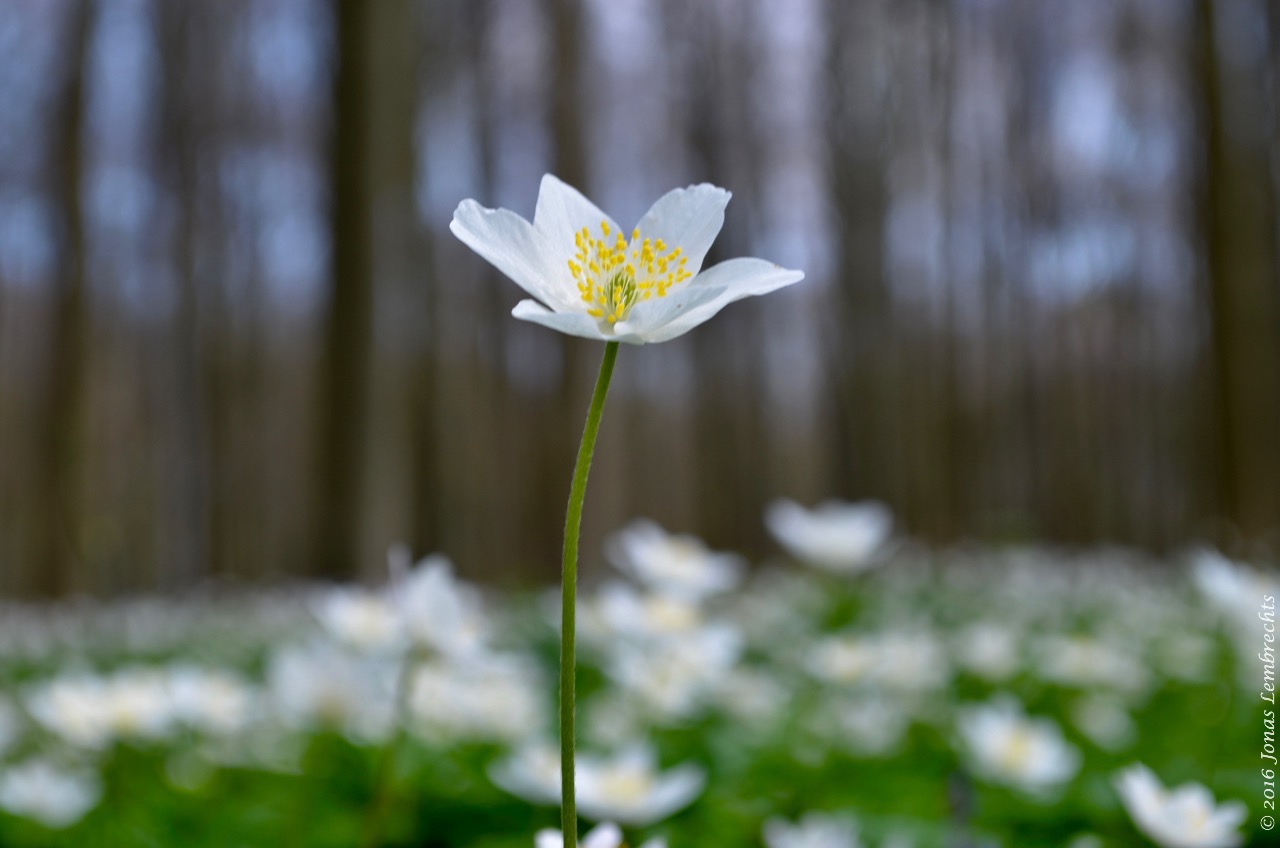
Wood anemone (Anemone nemorosa), the much-needed white counterpart of all this purple power.

Wood anemone (Anemone nemorosa), the much-needed white counterpart of all this purple power.

As an assistant in the course on forest types at our university, I spent several hours of my springtime in the Hallerbos, a Flemish forest often ranked in the top ten most beautiful forests of the world. As usual one of the highlights of the season, and after seeing the gallery, you might understand why…

The tallest bluebells often led their head hang

The tallest bluebells often bow their little heads

Posted in Belgium | Tagged , , , , , , , , , , , | 3 Comments

Plant invasion along mountain trails

Good news from within the MIREN network! Last week, we officially launched our next global sampling project, this time concerning non-native species along mountain trails.

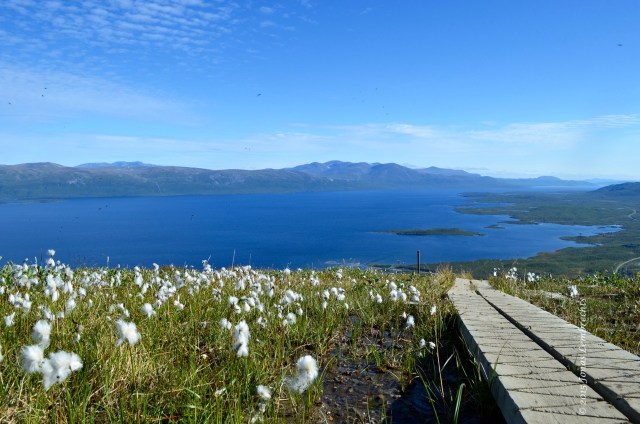
View on Torneträsk lake

After our continuous effort to study plant invasion along mountain roads, already since 2007, we will now expand our focus to trails that lead hikers and non-native species to the mountain tops.

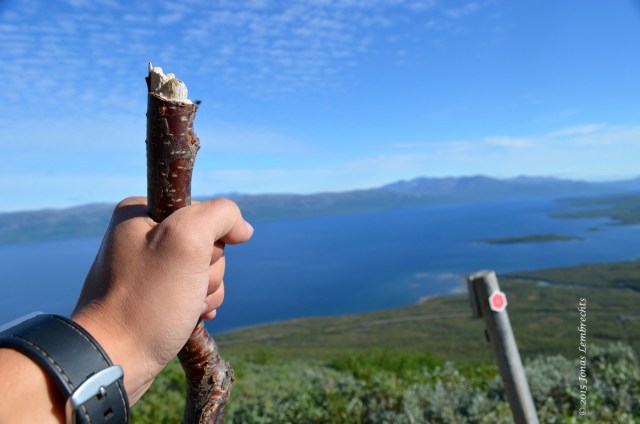
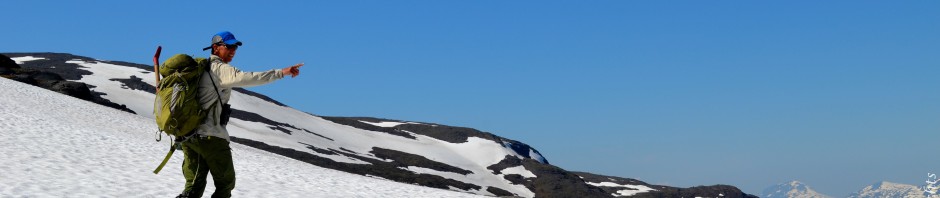
Climbing the hill

We will use a design that will be comparable to the one we use along our roads and thus we hope to find the similarities ànd differences between roads and trails. But additionally, we will make use of a very fast sampling approach that will allow us to quickly gather large amounts of data on some highly important species from many more regions all over the world.

DSC_0358

You will definitely hear more about all of this soon!

Posted in Science | Tagged , , , , , , , , , | 2 Comments

Closing chapters

When I finally read the output from our work in the newspapers, it feels like closing a chapter: we have told our story, and it reached the people that could care.

Closing chapter - 2

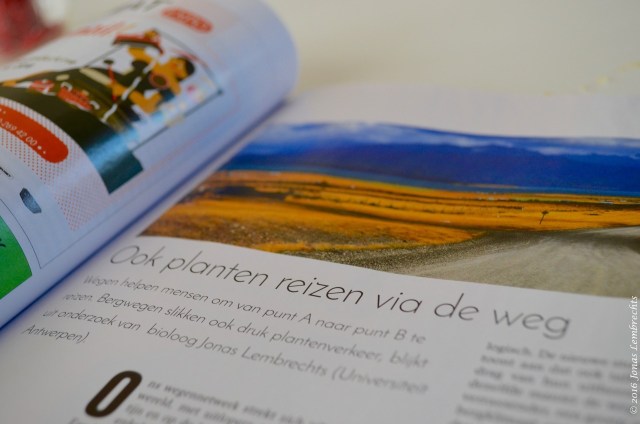
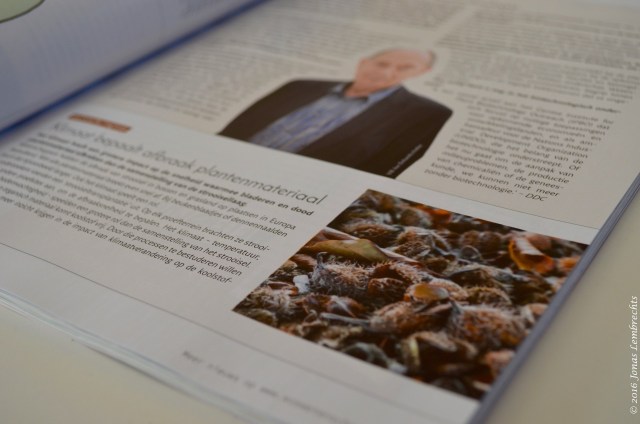
Article in EOS about our paper in Ecography that you might have seen already here

With an article about each of our two recent papers in the main Flemish popular science journal, two chapters could now be closed at the same time.

Closing chapter - 3

Short note on our paper in Biogeosciences

It is a nice feeling; actually contributing to the growing scientific knowledge. Even when the whole research is reduced to one page or even less (in one newspaper I got two sentences only), it feels like society does know a little bit more about the world now than before, and that is at least partly thanks to me.

Closing chapter - 1

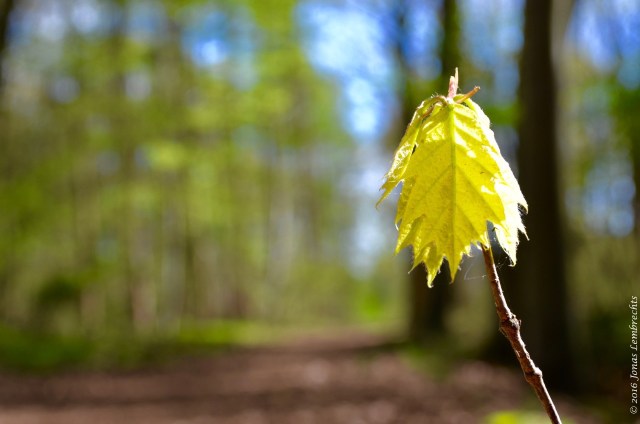
Young oak leaves along a trail in het Steentjesbos, Flemish Brabant

Slowly and steadily working towards increased knowledge for me and the rest of the world, isn’t that exactly why we do it?

Posted in Science | Tagged , , , , , , , , , , | 1 Comment