Two firsts

Logo

This has been a very important week for The 3D Lab: two of our PhD-students submitted their first ever paper!

Charly submitted his work on the climatic origin of urban plant invaders, a first in a series studying how the urban heat island effect promotes the expansion of warm-loving aliens.

49303633952_0b6c8aa3b6_o

Charly in action measuring performance of non-native Ailanthus altisimma in Flemish urban regions.

Jan submitted his study on the role of mycorrhizal fungi as drivers of plant invasions along mountain roads in the northern Scandes, again a first step on our road to a better understanding of how these fungal friends can affect plant species distribution changes.

46412417222_5f39d575c7_o

Jan digging up roots with dedication in a cold Norwegian mountain roadside

Great job, both of you!

Posted in Belgium, General | Tagged , , , , , , , , | 1 Comment

Revisiting Ekenäs

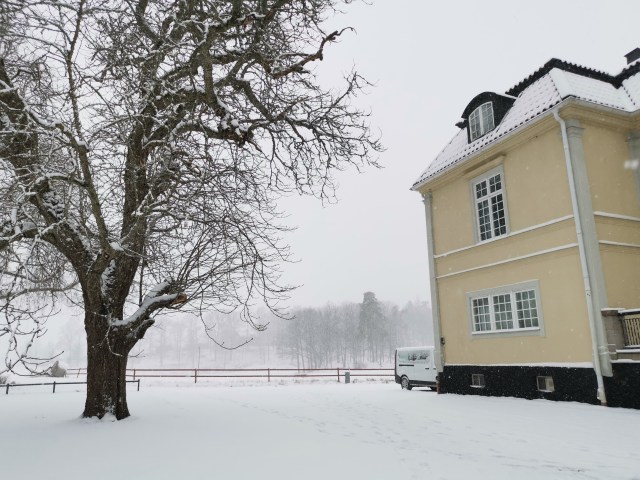
A little addendum to my previous post on our microclimatemeeting: I had been there before, in the Ekenäs Herrgård. That time, June 2015, the mansion was bathing in the suns of spring, and the chestnut in the garden was in full bloom. What a beautiful contrast with this week’s snowy whiteness!

DSC_0235IMG_20200227_075724

Posted in General, Sweden | Tagged , , , , , , | Leave a comment

Microclimate ecology and biogeography

It’s one thing to have a great database. It’s a second one to put it to good use.

The data is there, our SoilTemp-database for example has accumulated over 7500 loggers from all over the world now, and contributions are still pouring in. But before we dive headlong into more analyses with all this information we have, we took some time again to reflect about the scientific questions.

IMG_20200227_075750_1

The idyllic scenery for our microclimate meeting in Ekenäs, Sweden

We thus gathered some like-minded microclimate enthusiasts from all over the world in an old mansion in the countryside, 2 hours out of Stockholm, to answer some very important question: what are the most important research directions in the field of microclimate that need answering, and do we have the data for this?

IMG_20200226_153408

Ranking scientific questions based on importance – an important excercise before diving into the analysis.

We discovered that microclimatic research truly is at a crossroad now. Thanks to global databases reporting what happens in soils and forests, we have the tools to one by one tackle the big mysteries of climate at the smallest scale: how does the microclimate differ from the reported macroclimate across all of the world’s biomes, and how does that impact biodiversity and ecosystem functioning?

IMG_20200226_140625

A hike through the semi-natural grasslands of the region showed us the importance of microclimate in a variety of settings, and its interaction with biodiversity – no snow yet on the second day!

So now it’s on to the way foreward! This will be a joint effort from scientists all over the world, so we’re pretty lucky that it is such a fun, enthusiastic and dedicated group of researchers!

IMG_20200226_131748

The micro-world of lichens, ruled by processes at the centimeter-scale

IMG_20200226_074903

Thinking about the future, surrounded by the past


Posted in General, Sweden | Tagged , , , , , , , , | Leave a comment

The biodiversity crisis and its tight link with climate change

Our biodiversity is in decline, and its decline is faster than at any time in human history. This uncomfortable truth comes in parallel with the unprecedented risks of anthropogenic climate change.  The climate and the biodiversity crises are intertwined, and raising awareness about these crises and their connection is a critical step towards action to solve both. While the climate crisis is increasingly reported on in all media, the biodiversity crisis has thus far received far less attention, perhaps because it is yet less visible to the general public.

Biodiversity, defined as the sum of diversity within and between species and ecosystems, is vital for human existence and the good quality of our lives. Its vital role is not always directly visible, yet our entire society is built upon the goods and services provided by the world’s ecosystems: from the food we eat, over the wood in our stoves to the medication that makes our lives longer and healthier. However, while more food, energy and materials than ever before are extracted from nature to maintain our ways of living, we are increasingly exploiting nature’s reserves in an unsustainable way, hence reducing its ability to provide these goods in the future.

This dire state of our biodiversity is the direct effect of unprecedented global changes that have been accelerating during the past 50 years. First and foremost: we have been changing how we use our lands and seas. Switching from undisturbed natural areas to agriculture, building cities, roads and artificial waterways, logging forests and drying up swamps: every one of these actions eats away at available habitat or living area for our biodiversity. On top of that, our direct exploitation of organisms, for food, medicine, fuel or pleasure,  puts already vulnerable species even more at risks. Next, there is the effects of climate change and pollution, which slowly but steadily reduce the suitability of the remaining living areas for many native species. Finally, there is the invasion of alien species. The latter is a select group of species adapted to the above-mentioned pressures, that outcompete native diversity all over the world (think rats wiping out bird species on remote islands by eating their egss). These five main culprits of biodiversity decline in turn result from an array of underlying causes, and are intertwined with other factors like patterns of production and consumption, human population dynamics and global trade.

As mentioned above, climate change negatively impacts biodiversity, and hence, avoiding dangerous climate change is one of the necessary steps to halt biodiversity loss. On the other hand, the biodiversity crisis poses an important hurdle for climate change mitigation and adaptation. Ecosystem degradation and biodiversity loss are often associated with CO2 emissions and as biodiversity decreases, also ecosystem resistance and resilience to climatic changes is reduced, among others due to increased sensitivity to pests and pathogens. This interconnection makes that safeguarding biodiversity can also benefit climate action.

People all over the world have been taking the streets to demand climate action. Similarly, global action to stop biodiversity decline is growing. There are the so-called Aichi Biodiversity Targets, and the 2030 Agenda for Sustainable Development, that put clear and reachable goals to save what remains of our worlds’ ecosystems: stop deforestation, for example, protect grasslands and wetlands, and work towards more sustainable land management and a halting of natural ecosystem conversion. However, we are still far off our track to reach these goals, and the ever increasing unsustainable production and consumption poses an increasing threat to the environment.

It is possible to build a society that conserves, restores and uses nature sustainably. And what is even better, the necessary transformative change can facilitate reaching other global societal goals as well. Indeed, solutions aimed to protect biodiversity often benefit climate and at the same time improve our own lives as well. Protection and restoration of wetlands, for example, not only helps a diversity of plants and animals, they also store considerable amounts of carbon and can protect our cities against flooding. The road towards success will not be easy; it requires modifications to the way we organize our society, and this will almost inevitably bump into resistance. If obstacles are overcome, however, a joint effort including indigenous people and local communities, investments and innovations from the public and private sectors and inclusive and adaptive governance across all levels can together help to transform society to achieve sustainability.

This transformative action is needed. Urgently.

More information is available at https://ipbes.net, the website of the Intergovernmental Panel for Biodiversity and Ecosystem Services, and at https://www.ipcc.ch/srccl/, which provides the IPCCs special report on climate change and land (published in 2019).

Posted in General, Science | Tagged , , , , , | Leave a comment

Tracking biodiversity from the sky

On October 4, 1957, the USSR put into orbit a tiny ball, carrying a radio transmitter, that listened to the name ‘Sputnik’. With that first launch of a satellite, a new era started. An era in which humans could finally admire the earthly magnificence from above, thanks to an increasingly growing number of these satellites orbiting the earth. Nowadays, the information we get from space is increasingly accurate, and the applications are endless.

One of these applications lies in the monitoring of biodiversity and its fate under global change, and that’s what I want to introduce to you today. In short: ecologists like me, we want to know where in the world species are, and why they are there. With that information, we want to predict where the species will be going to if the world changes (which it is rapidly doing nowadays). For this, the wealth of data from above our heads – not only from satellites, but also from airplanes or drones – can make a huge difference.

dsc_0304

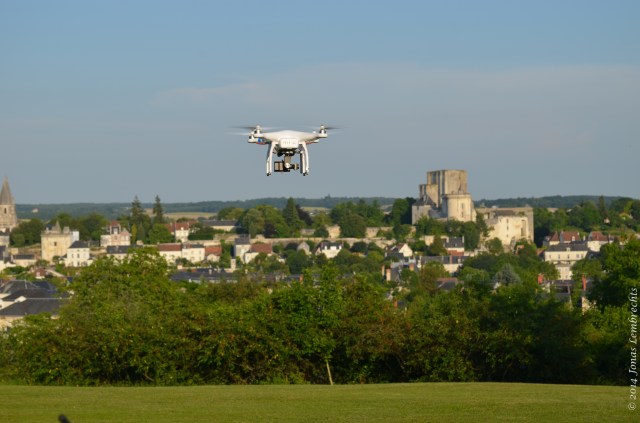
Where higher detail is needed than satellites can provide, drones can come in to save the day

How this so-called remotely sensed data can help our ecological models is now neatly documented in a new review in the journal ‘Remote sensing of the environment’. In this review, a group of scientists from both sides of the balance (ecologists and remote sensing specialists) take a look at the available remotely-sensed datasets for use in ecological models. We describe the rapid improvement in accuracy and temporal scope of said data, including those on climate variability, topography, land cover, and changes therein and help solve one of the biggest limitations we were having: we were modelling species’ distributions with very crude proxies of the environmental conditions they are living in, and as such could impossibly predict accurately how they would be changing. Remote sensing is there to fill exactly that gap.

abisko-autumn-114

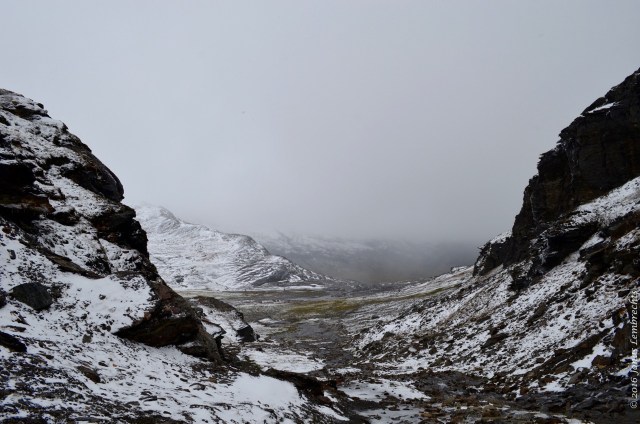
Remote sensing can provide high resolution maps of complex topography, like here in the Scandinavian mountains

Then, perhaps even more importantly, the review highlights how we can move things forward and improve the match between the world of remote sensing and the biodiversity community. We show for example how ecologists can benefit more from the high resolution data, both in space and time, coming up now. This data can provide information not only about the changes in the environmental factors driving species distributions, but also the distribution of those species themselves.

40095431483_11a6bc584c_o

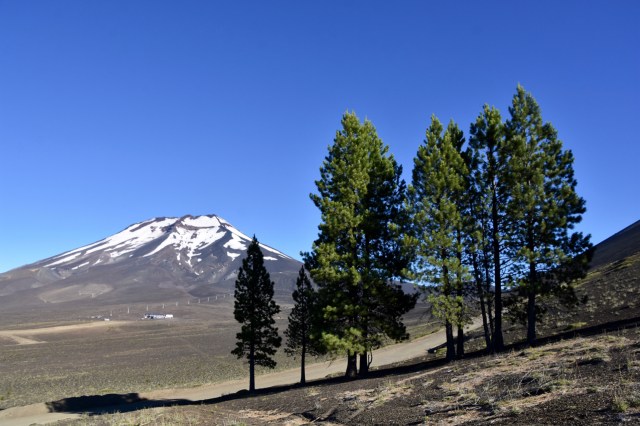
Satellite data can be used to track the spread of species, for example based on the difference in colour between them and the environment. Here: invasive pine species spreading uphill in the Andes

With this review, we bring those two – often separate – fields of scientists together, as we strongly believe that together, we can do wonders for our biodiversity. And that is needed, given the current state of crisis our biodiversity is in.


Reference

Randin, C. F., Ashcroft, M. B., Bolliger, J., Cavender-Bares, J., Coops, N. C., Dullinger, S., … & Giuliani, G. (2020). Monitoring biodiversity in the Anthropocene using remote sensing in species distribution models. Remote Sensing of Environment239, 111626.

Posted in General, Science | Tagged , , , , , | 1 Comment

Looking for remote research sites!

Figure 18b

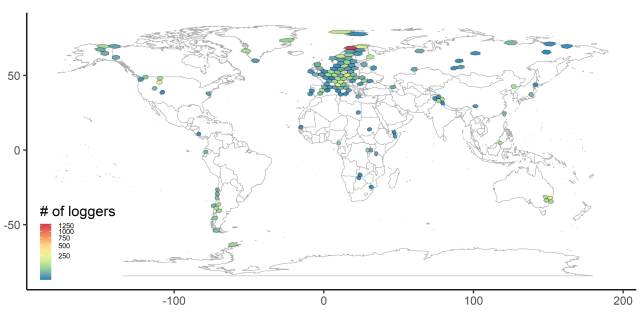
Current global distribution of SoilTemp loggers

—- Call is closed! —-

Hey you, do you have a research site in any of the blank spots on this map? Then don’t hesitate and get in touch with us: we offer free microclimate loggers to help us fill those gaps!

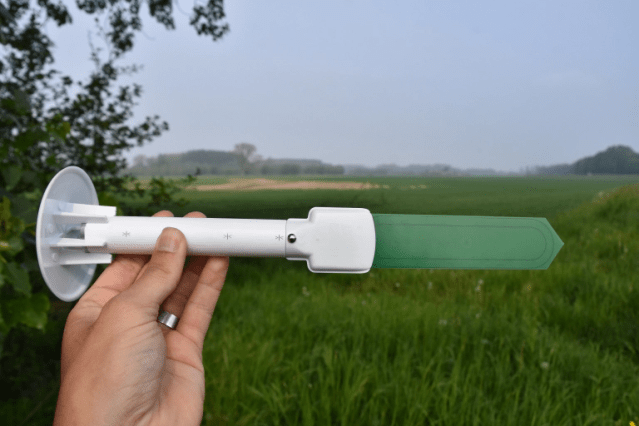
SoilTemp is looking for potential collaborators working in remote locations across the globe to expand the global coverage of our growing database of in-situ microclimate measurements. We offer for free 5 to 20 TOMST TMS4 microclimate loggers per location and search for people willing to install the loggers and regularly retrieve the data to feed into the SoilTemp database.

Download this questionnaire for all information and the submission form.

ENC_h1sWoAAwnWJ

Check out soiltemp.weebly.com for more information on our database initiative. If you have other microclimate data catching dust on a harddrive, feel free to submit them to our database!

Posted in General, Science | Tagged , , , , , , | 8 Comments