RangeX

We are very pleased to announce that next year, with MIREN, we will be heavily involved in two large international projects that have been recommended for funding through BiodivERsA (https://www.biodiversa.org).

The first project is called RangeX (“Mechanisms underlying the success and impacts on biodiversity and ecosystem functioning of range-expanding species under climate change”; https://www.mountaininvasions.org/rangex), and emerged from the MIREN workshop held at the Furkapass in Switzerland in 2019. RangeX will examine processes and impacts of plants that are expanding their ranges following climate warming, and aims to use this knowledge to inform policy regarding range-expanding plant species in mountain regions. It will combine replicated experiments in MIREN regions, observations of biotic interactions above and below-ground across elevation gradients, and analyses of MIREN survey data to derive insights into the mechanisms of plant range expansions in mountains. Finally, it will also provide information relevant for management and policy related to range expansions of both native and nonnative species.

The second BiodivERsA project is ASICS (https://www.coldregioninvasives.com/the-asics-project), which will combine MIREN data with other data from a range of taxa to study the redistribution of biodiversity in cold environments (Arctic, Antarctic, alpine) globally. More information on this project will follow soon!
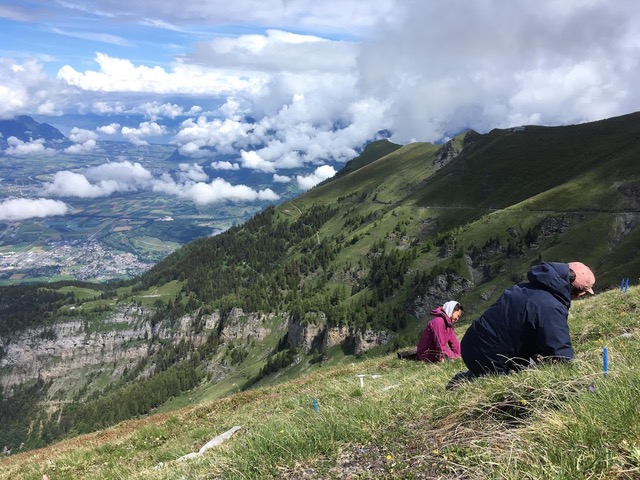
Photo: Loïc Liberati

We are really excited to get started with these projects in 2021! The3DLab will be most heavily involved in ASICS, where we function as representative of both MIREN and the SoilTemp-network. However, RangeX is now already recruiting four postdoc and one doctoral researchers to begin in April 2021, so that is worth the share. All information on that can be found in this PDF or on the dedicated website of RangeX.

Photo: Chelsea Chisholm
Posted in Science | Tagged , , , , , , , | 2 Comments

Congo

Sometimes, a picture reaches me that might not look too special at first, yet has major implications for scientific progress. This is one of them: a TMS4 mini-weather station in the midst of the rainforest of DR Congo!

It shows that we are keeping true to our promise to expand the global scope of the SoilTemp-network, in our struggle to represent microclimate in the whole world. A daunting task, especially in the tropics. But now, thanks to Matti Barthel and colleagues, we have more eyes and ears in DR Congo again, and our global map is again coloring a bit darker. It took us longer than hoped for (global pandemic, you know?) but persistence is key, and now the little mushrooms are brightening up the rainforest.

Fingers crossed the little things withstand the times.

Posted in Congo | Tagged , , , , , | Leave a comment

Throwback to last summer fieldtrip in Belgian cities

Guest post by Charly Géron, our urban ecologist!

Last summer was -normally- the last field season of my PhD which tries to better understand how cities influence alien plant invasions. One would think that the last field season would be easy and a bit melancholic, but actually it was most stressful to organize. Due to the Covid-19 situation, the trips I had to do between the Belgian cities but also the help of the students were maybe not possible which questioned my fieldwork organization.

However, I really cannot complain as we found ways to make it work, so I was really lucky compared to some less fortunate colleagues. Even better, the team we formed with the students was very efficient and the mood was always very positive!

We then began our quest for alien plants in urban and rural Belgium, driving more than 1700 km.

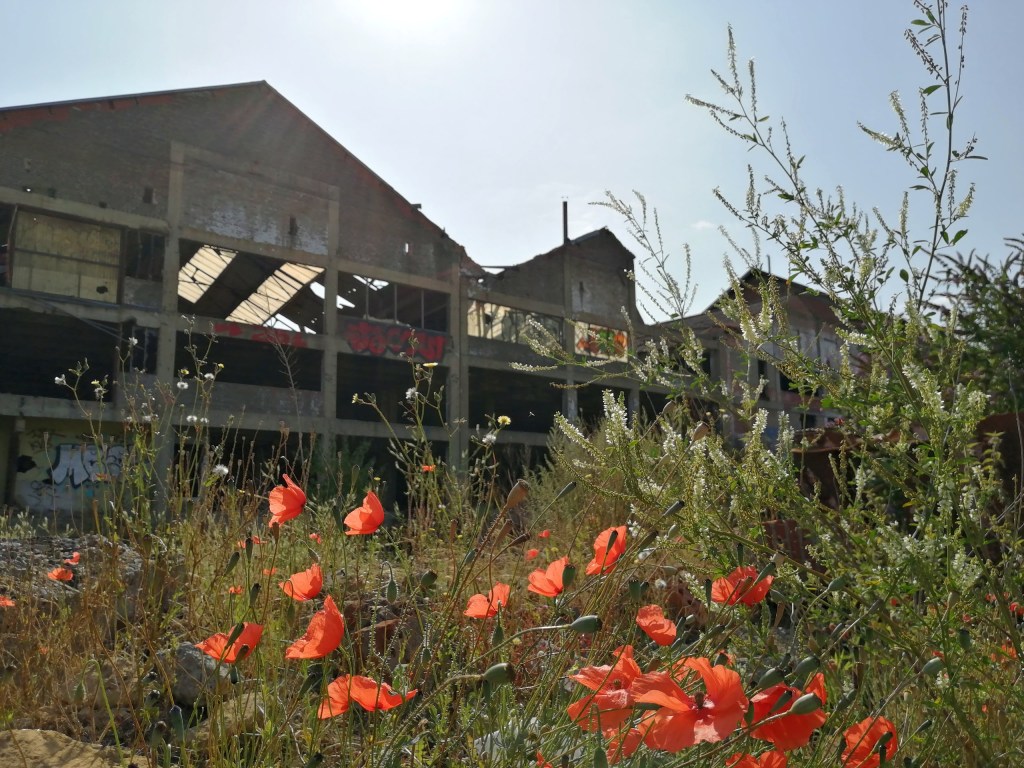
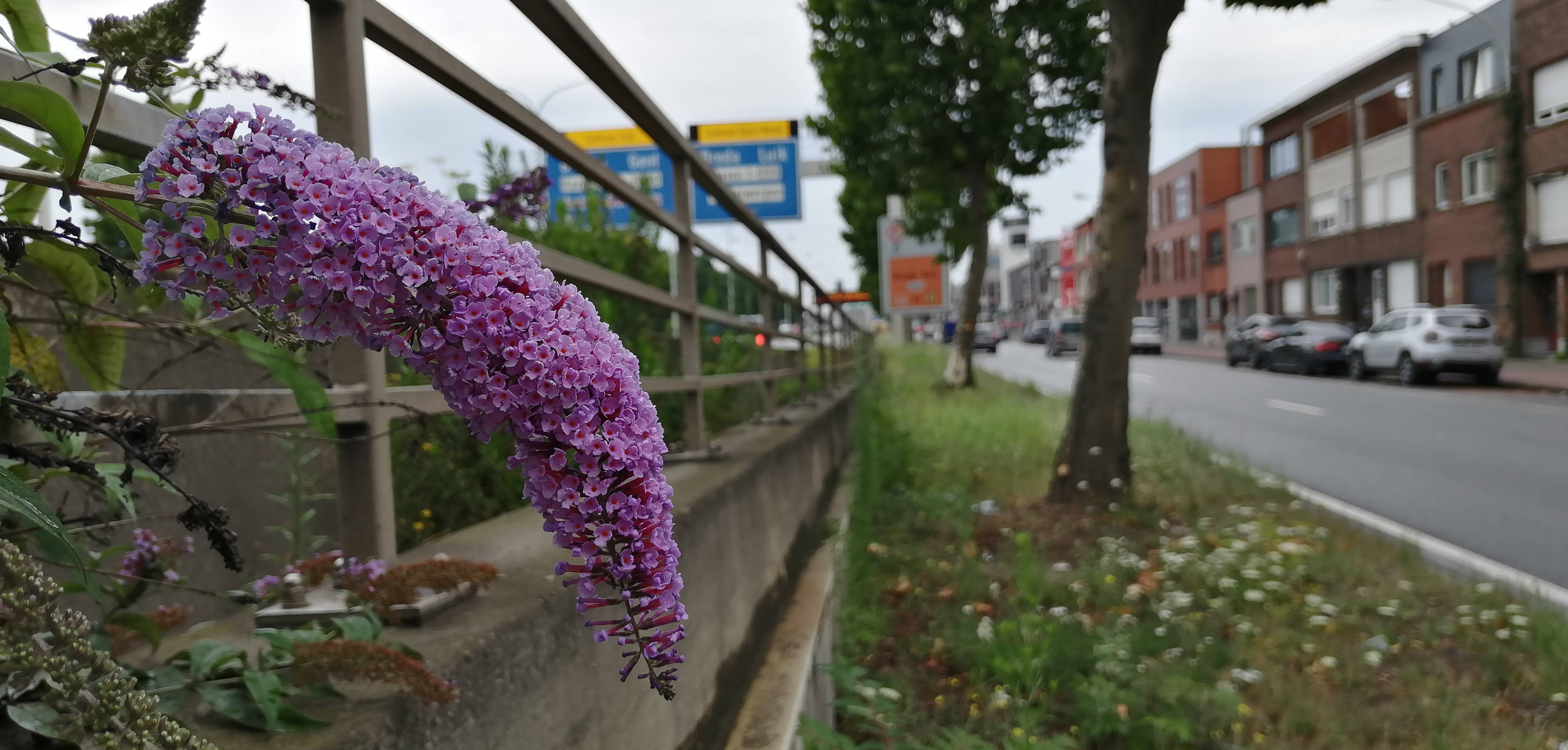
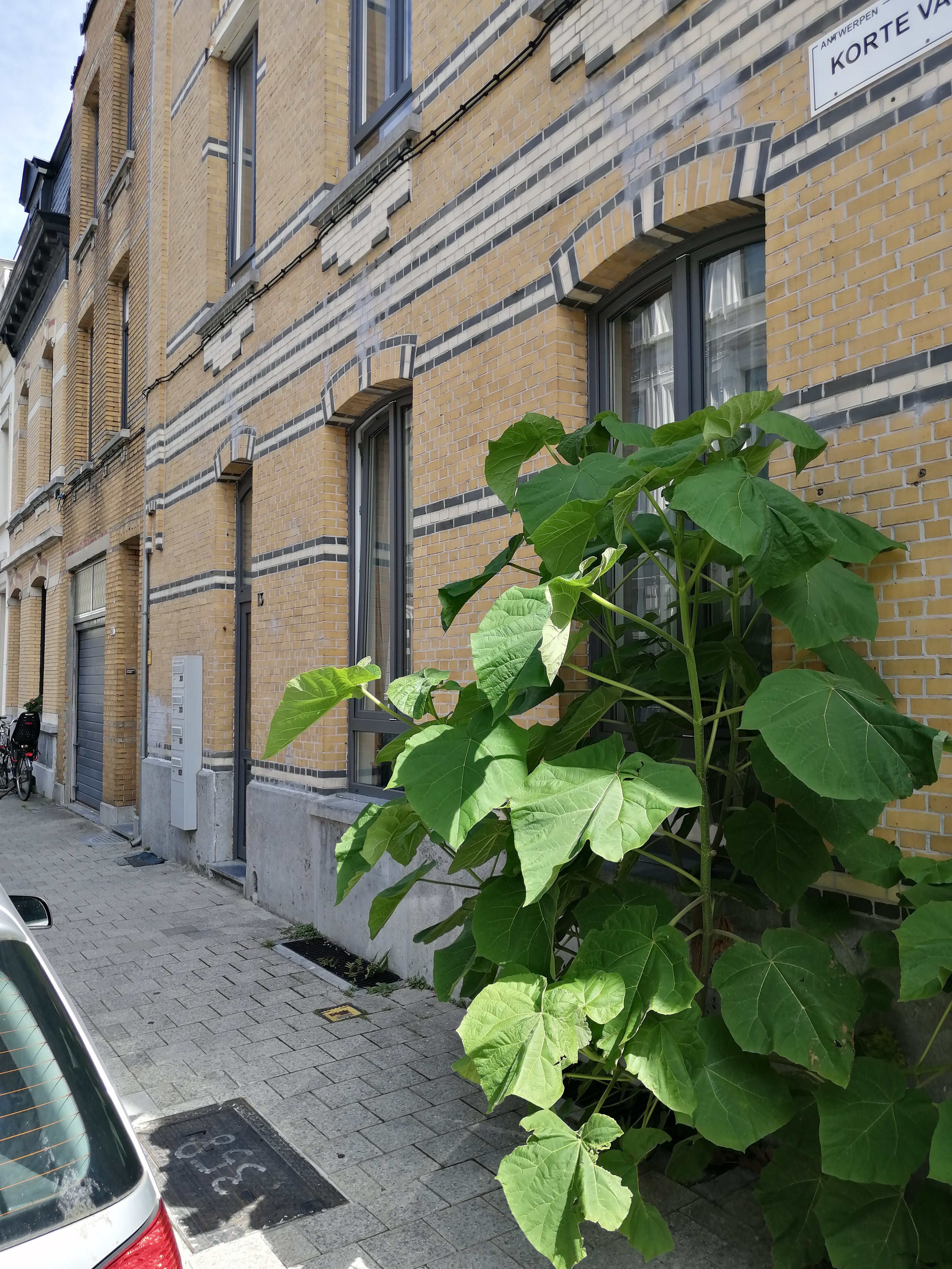
I already hear what you are going to say, plants in cities are rare except in parks and gardens. Well, that is totally untrue! Actually, plants are everywhere, in every pavements cracks, walls, or road sides. As a plant lover this makes me very happy. The most fascinating point of this fieldwork is that alien plants grow in the most unexpected spots!

The elaborate look of these exotic species play with us. We tend to love those bright flowers and gigantic leaves, so we plant them and introduce them to new areas, from where they can escape and potentially impact native plants. That is one of the reasons why we need to better understand why and how they thrive in cities.

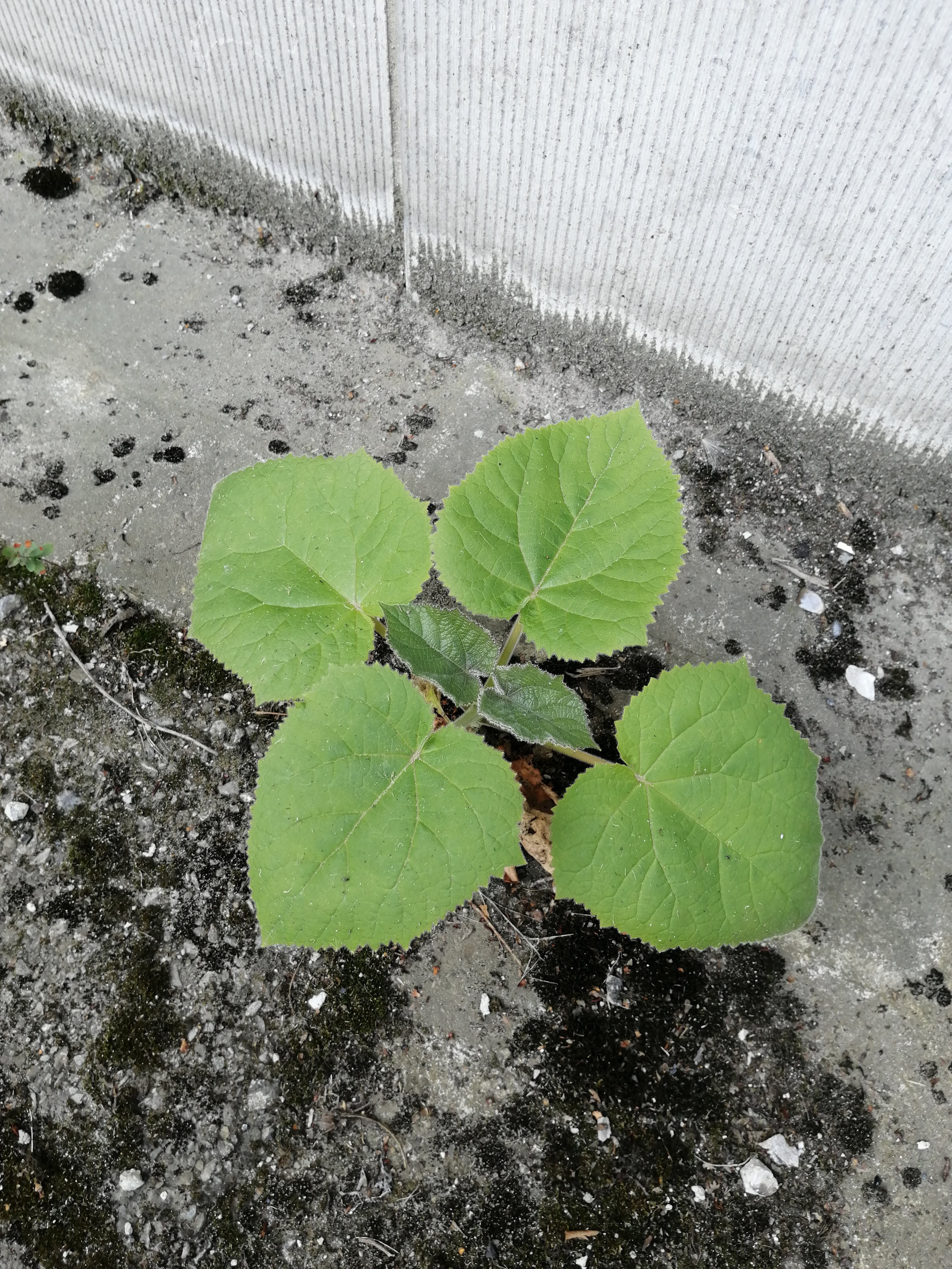
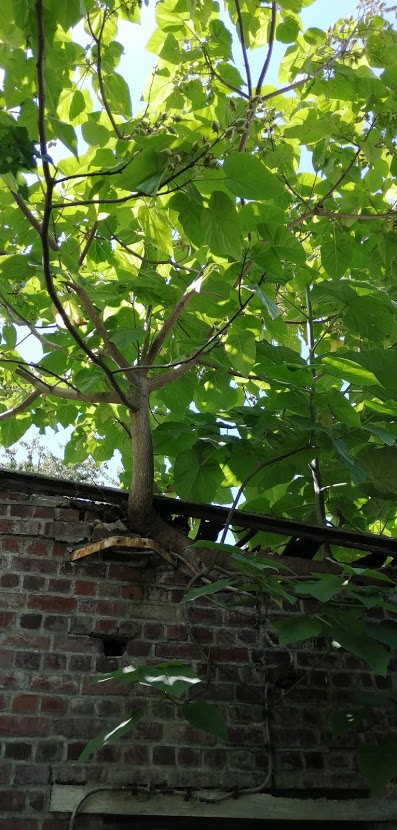
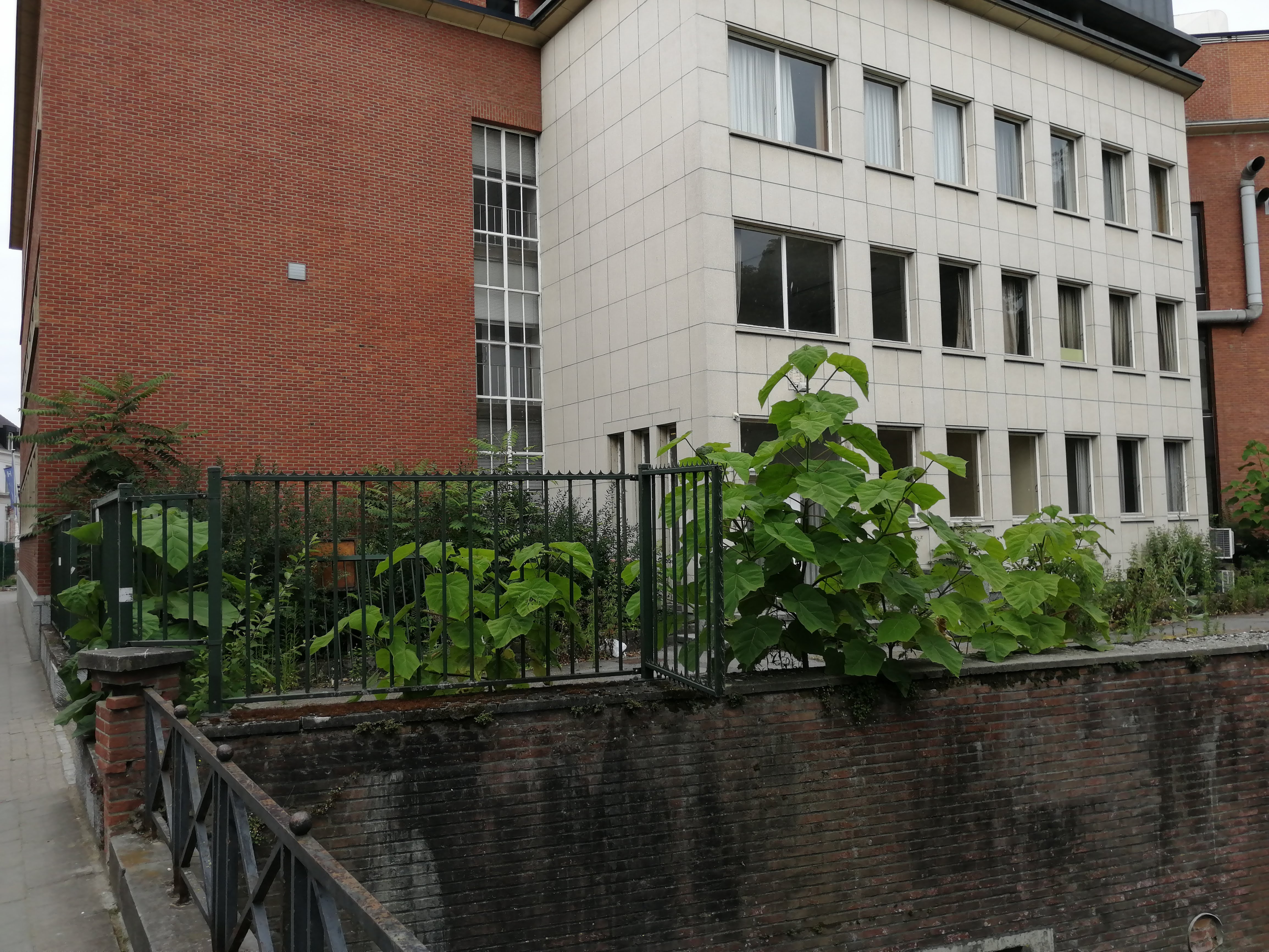
Another characteristic of urban areas is their perpetual evolution. A parking lot can become a chic housing estate within a year, when in the same time frame an old house becomes an abandoned brown site. With that in mind, some of the plants I studied simply disappeared… However, we had many good surprises, with tiny sprouts becoming lush and strong trees.

How amazing! Great for my experiment, not so much for the local environment. That is an important dilemma of being a biologist studying alien plant invasions, being amazed by a gigantic invader yet being concerned for the local ecosystem!

Buildings with high amount of alien plant species. They seem to enjoy these footwalls!

In the end, we got enough time to finish the field work and be back at the university with our hands full of samples!

Posted in Belgium, General | Tagged , , , , , , | Leave a comment

#NatureOrNot

Our #NatureOrNot survey has been an unexpectedly big success! More than 1300 people informed us about what they consider nature and what not. The poster above, made by master student Naomi De Vries who’s in charge of the project, summarizes nicely (and beautifully) what all of this is about.

Wander through her ‘Instagram-feed’ and learn what her thesis is about. And then, stay tuned for the actual results, which we are frantically working upon!

Posted in Belgium, General, Netherlands | Tagged , , , , , , , , | Leave a comment

History in the making

What you see brightening up my garden on the picture above is what we hope will be the future of microclimate monitoring: a TMS-logger with connection to the internet! Yes, you read that correctly, TOMST is currently working on a new version of their beloved logger that allows real-time data transmission, opening up a world of possibilities towards remote monitoring, science communication, and climate network management.

What I have here, is the first prototype (serial number …00000 of this new device!), ready to test it out in the garden. For the first time, we’ll see if data transmission from the field to the database works out as planned, bringing that bright future another step closer.

The prototype in all its glory, with see-through casing!

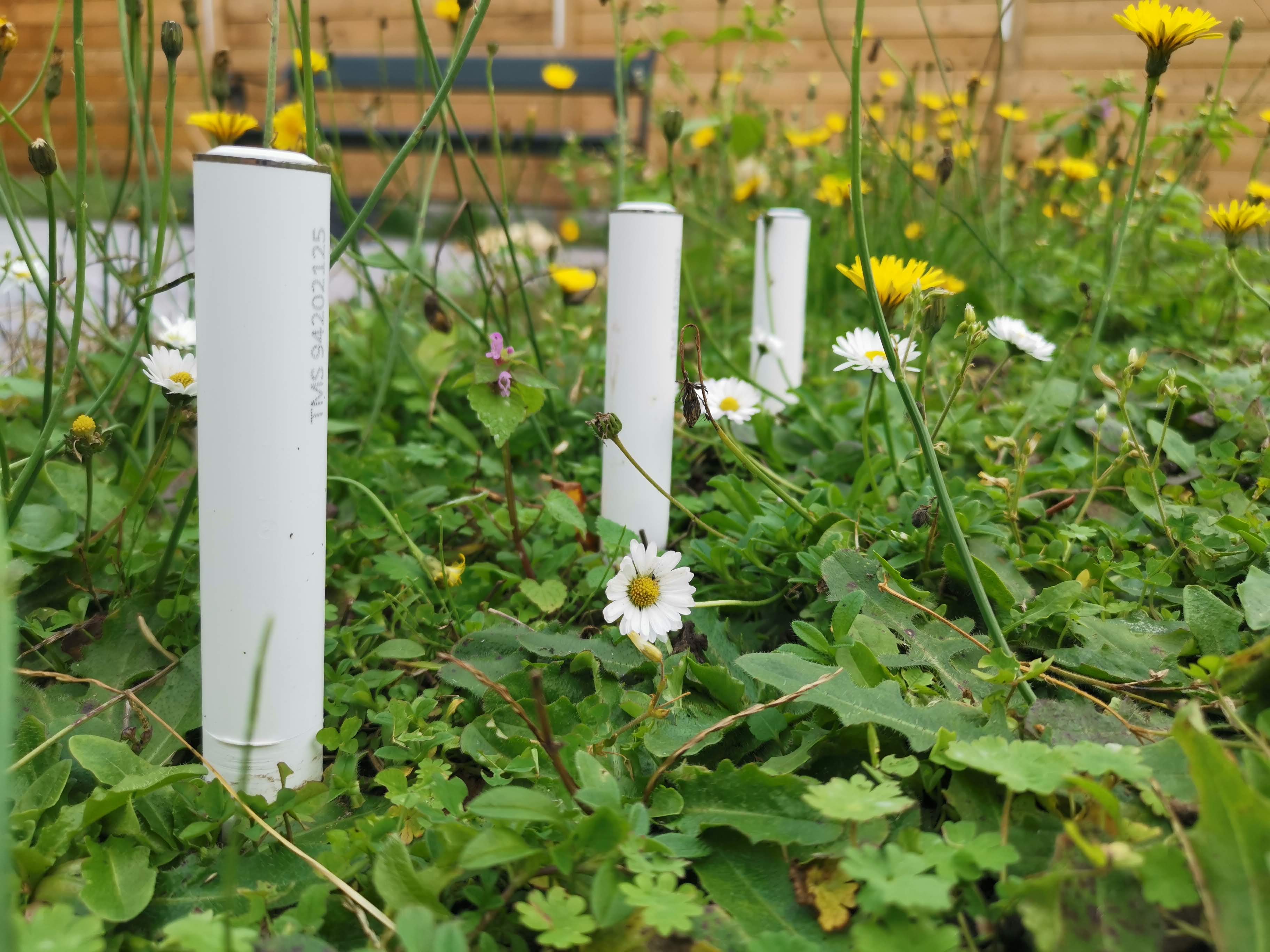
So this prototype now joins the army of microclimate loggers already occupying my garden, all in full preparation of what’s coming to us in Flanders next year: the biggest community science project on climate change ever!

Some other members of the army of TMS-microclimate loggers between the daisies in my garden – these ones measuring the impact of depth of device placement on the surface temperature

Fingers crossed for smooth testing!

Posted in General | Tagged , , , , , , , , | Leave a comment

Welcoming Stijn

Last week, we had a new PhD candidate starting in the lab! His name is Stijn, and he is here to pull our fabulous citizen science project ‘CurieuzeNeuzen in de Tuin’, in which we will measure summer heat and drought in 5000 gardens, parks and farms across Flanders.

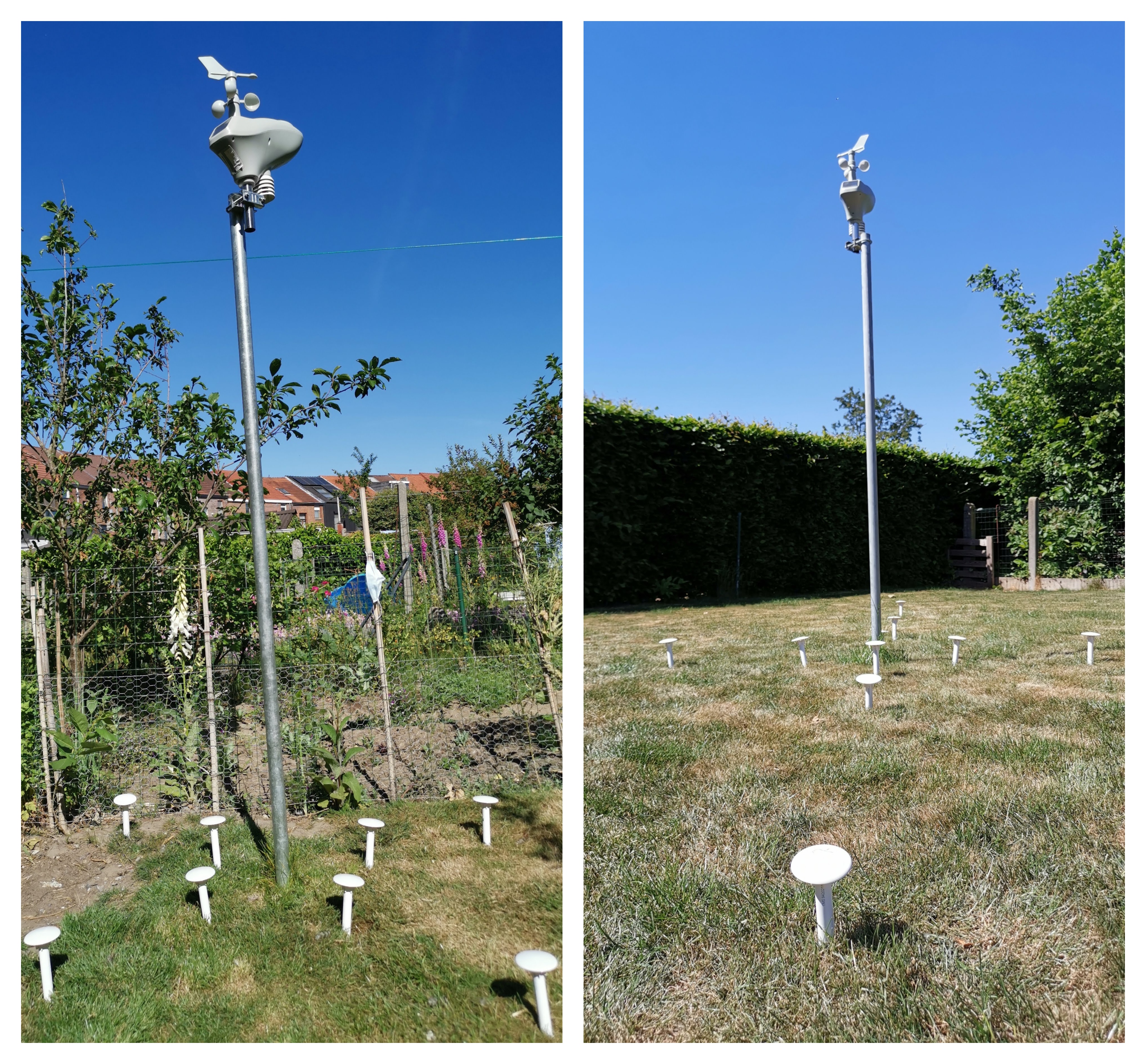
Stijn in action last summer – installing our microweather stations in a grassland

He will be doing the big data crunching on this one: modelling drought and heat indices over the summer, making pretty maps of temperatures across the region, and disentangling what drives the small-scale variation in our temperature and soil moisture. Exciting stuff to say the least!

Mysterious mushroom circles in the gardens, that’s the trial project of ‘CurieuzeNeuzen in de Tuin’ Already looking forward to see these mushrooms popping up all over Flanders next spring!

You will definitely hear more from him, as not only is he tremenduously motivated to get things rolling, he also fell in love with science communication already. And let that be exactly the kind of thing we love to do around here!

To be continued…

Posted in Belgium | Tagged , , , , , , , | Leave a comment