At the foot of the volcano

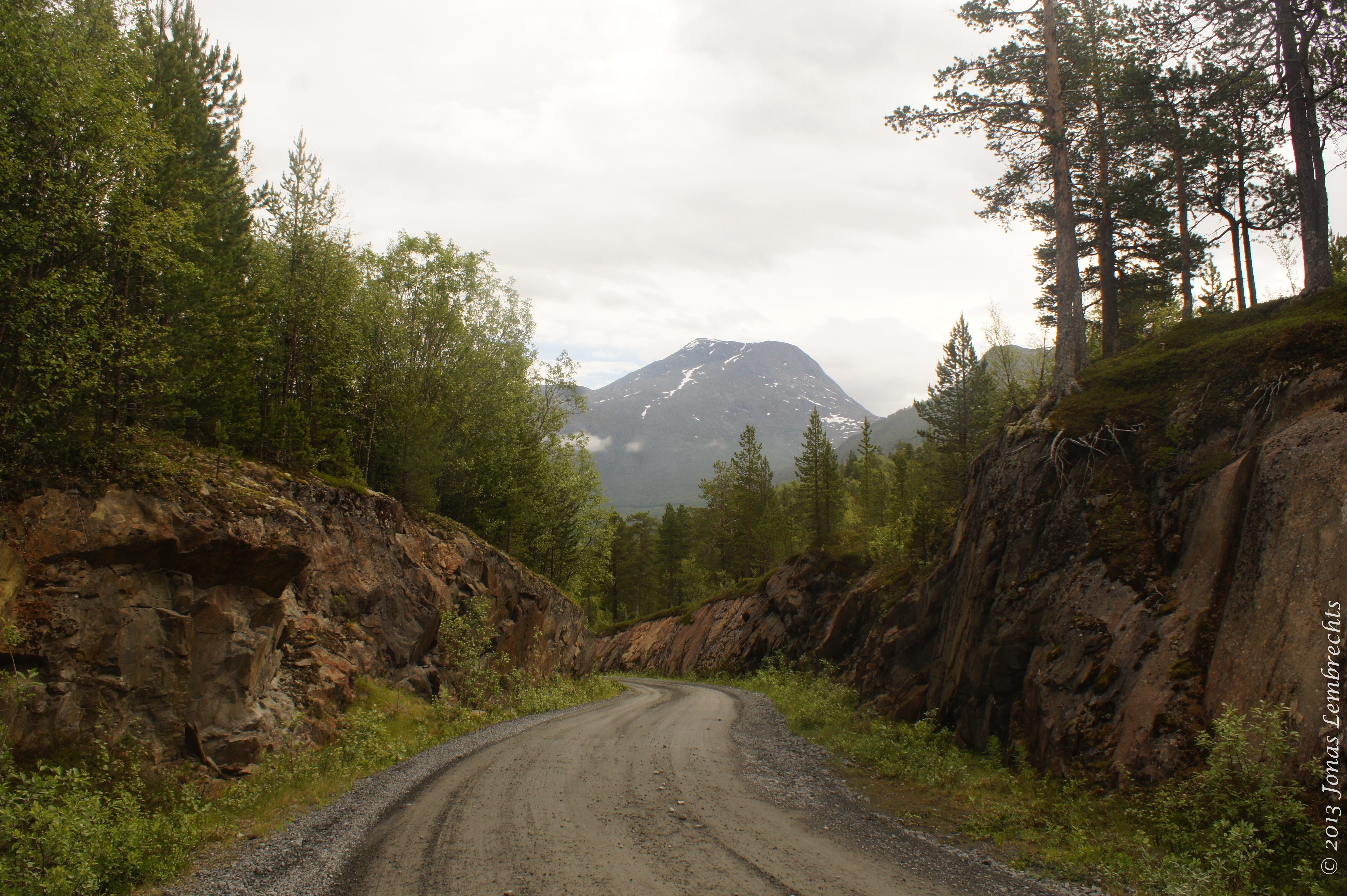
A huge volcano in the ocean. The highest peak a stunning 3700 meters, excluding another 3000 meters of mountain hidden beneath the surface of the ocean. That is Tenerife.

DSC_0540

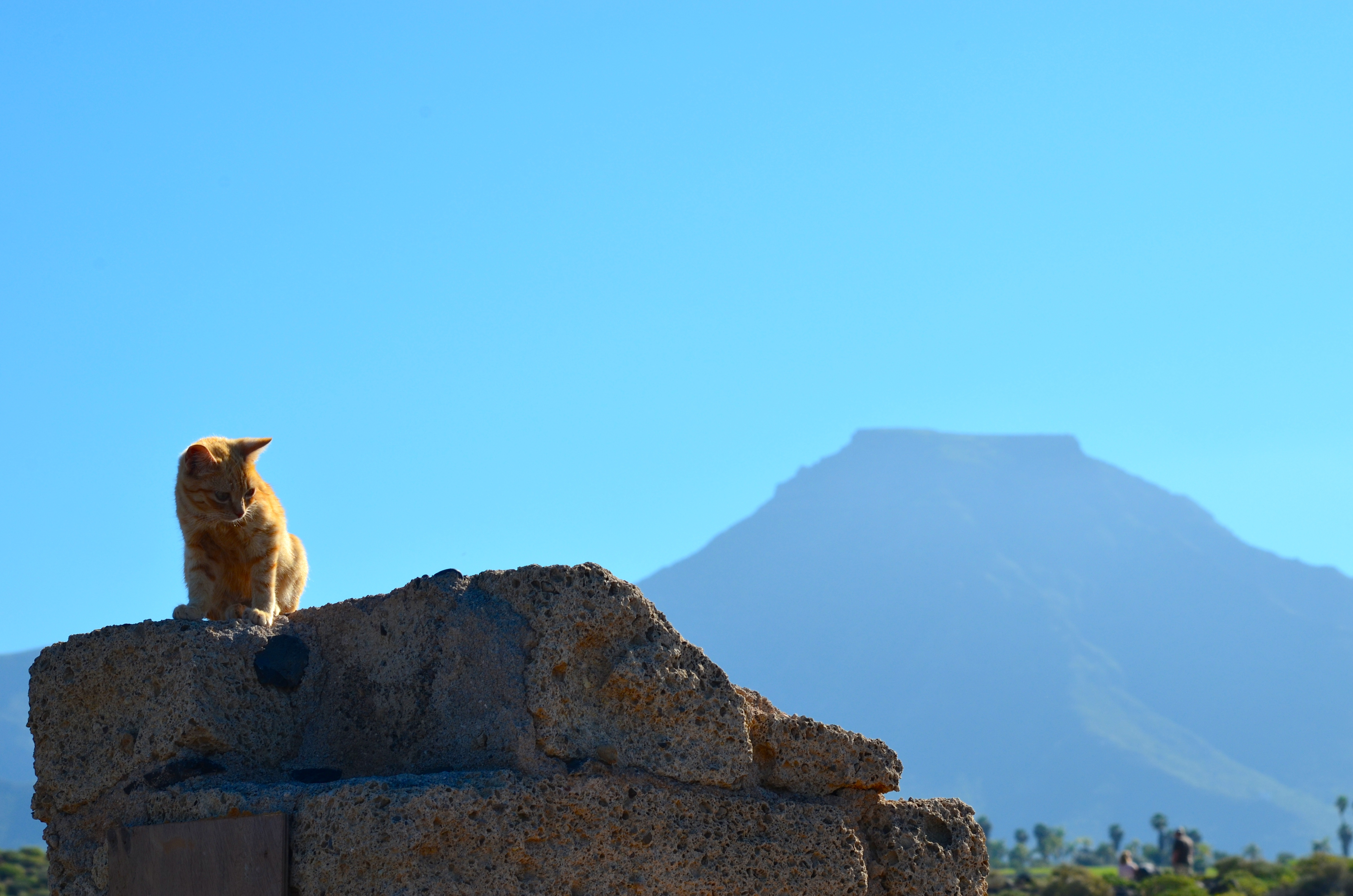
A cat overlooking the world from a pole in volcanic rock. The volcano itself looms on the horizon. This view perfectly summarizes the magical atmosphere on this huge rock in the sea.

A volcano in the middle of the ocean creates a world of volcanic stones crumbling down under the combined power of winds, ocean and time. One day raised from the ocean, some day in the future doomed to disappear again.
DSC_0537

It makes you wonder about our continuously changing natural world. Thousands of years ago, a hot, steaming, lifeless mountain arose from the sea. Every one of the animal and plant species now living there had to colonize that rock from the mainland. The whole vegetation, all of it arrived slowly over time from over kilometers of ocean. Species gathered from everywhere, ultimately creating a unique ecosystem totally different from the mainland.

DSC_0550

This unique system is the main reason why such an island is a fascinating place for an ecologist. Over the next days, I will share my pictures and stories from this beautiful and amazing place.
Posted in Canary Islands | Tagged , , , , , , , | 11 Comments

A line-shaped ecosystem

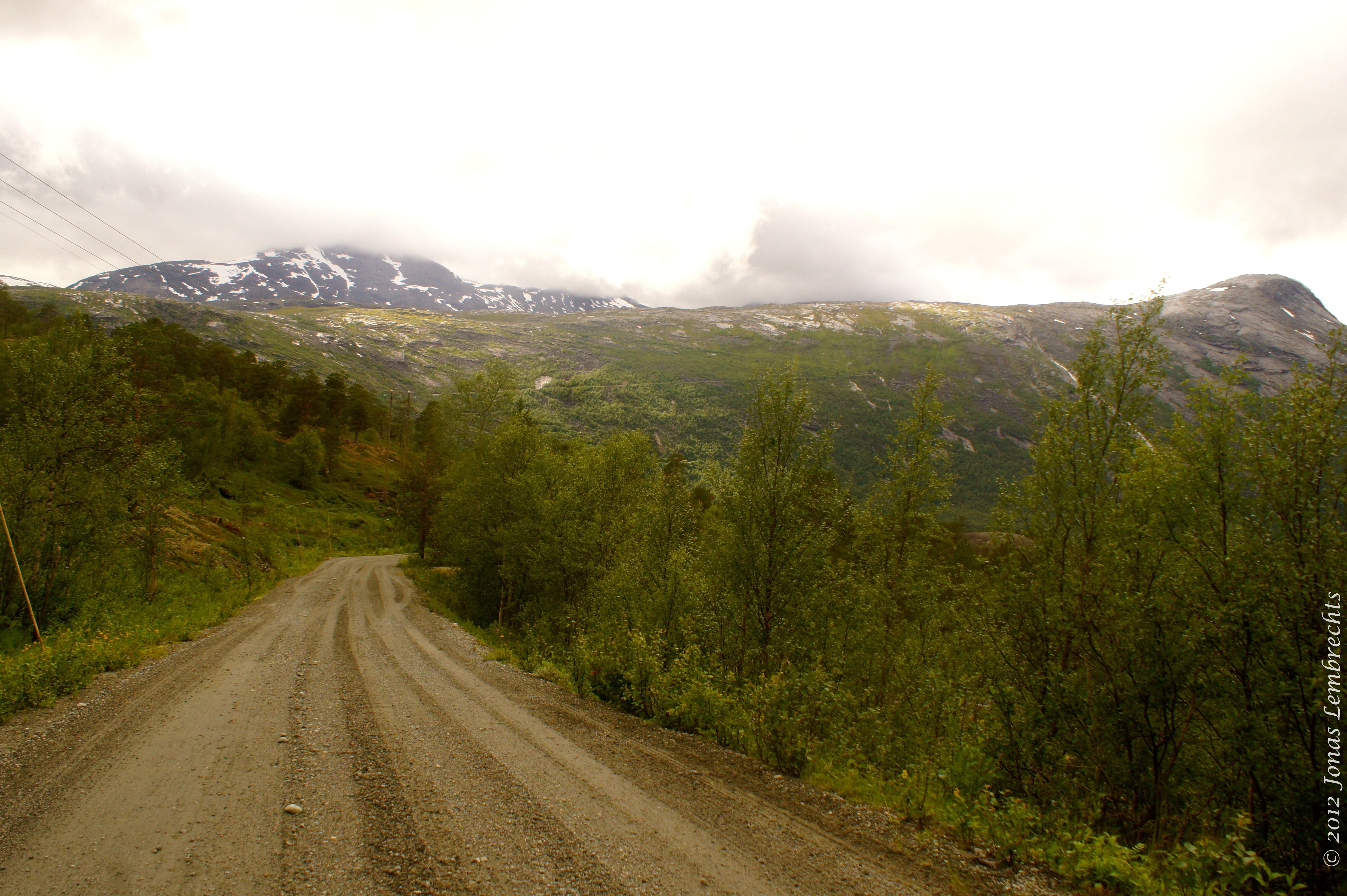
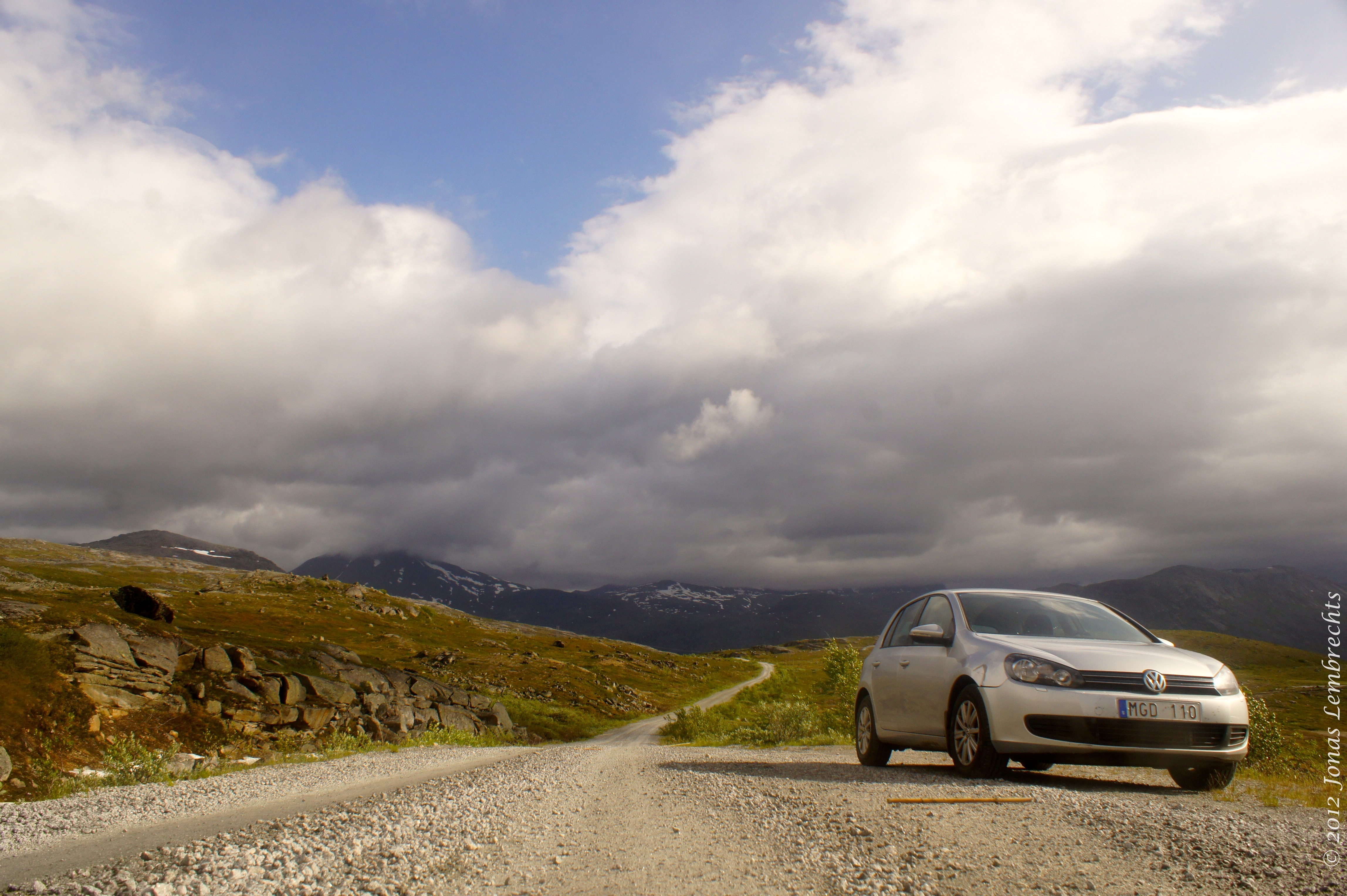
Roadsides are wonderful. Over only a span of a few meters, the vegetation changes completely. A line-shaped ecosystems that differs in all imaginable conditions from the natural, undisturbed vegetation next to it.

Mountain roadsides

Over the pace of only a few footsteps, you can find a completely altered microclimate, messed-up hydrology and a changed nutrient composition. Roadsides get often a lot more sun because they are less shaded by a plant canopy. Disturbance by cars and road building often provides a reasonable amount of bare soil. And that is very important: that exhausting competition for resources with other species is finely reduced!

Roadsides

Let this be exactly the kind of ecosystem loved by our aliens. This particular combination of factors results in a nice and clear correlation: where you have roadsides, you find aliens. Only a few meters away from the road, they disappear.

The extent of these road effects, although not always visible, can sometimes be felt  even far away from the road. Even more important in our story, roadsides can become a source of alien species, releasing their aliens in the undisturbed nature away from the roads. If the aliens manage to escape from the roadsides – where their damage is limited to these few already ruined meters, they can become a real problem.

What happens with these roadsides and their associated aliens in the mountains is one of the main questions from my research. So I promise you to reveal more about this line-shaped ecosystems as soon  as my paper is published.

Roadside ecosystems

Posted in The research | Tagged , , , , , , , , , , , | 3 Comments

Fish markets

Less than a week and I am off to the ocean, mountains, nature and sun of the Canary Islands! It is getting me excited already.

Staring fish

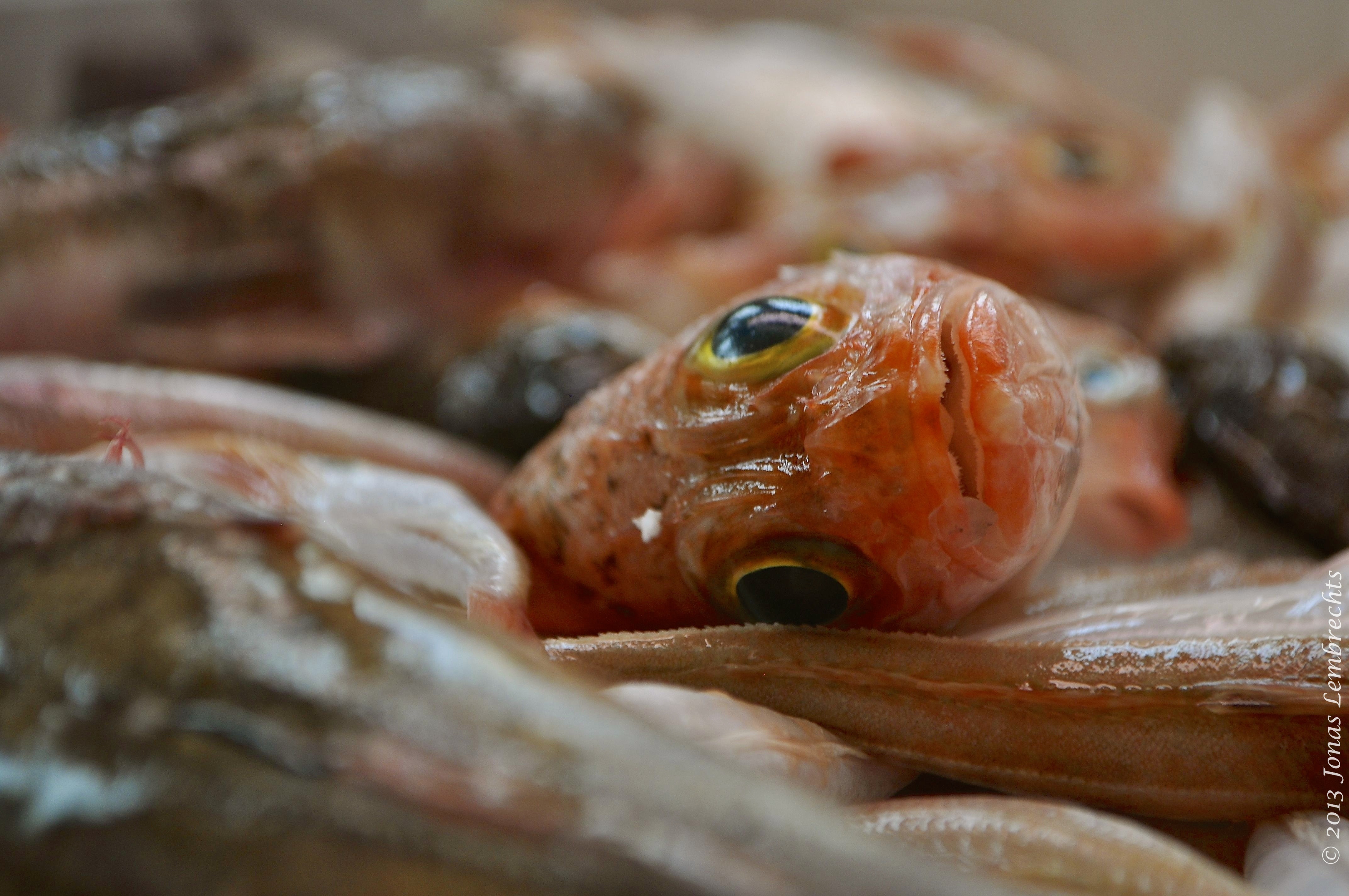
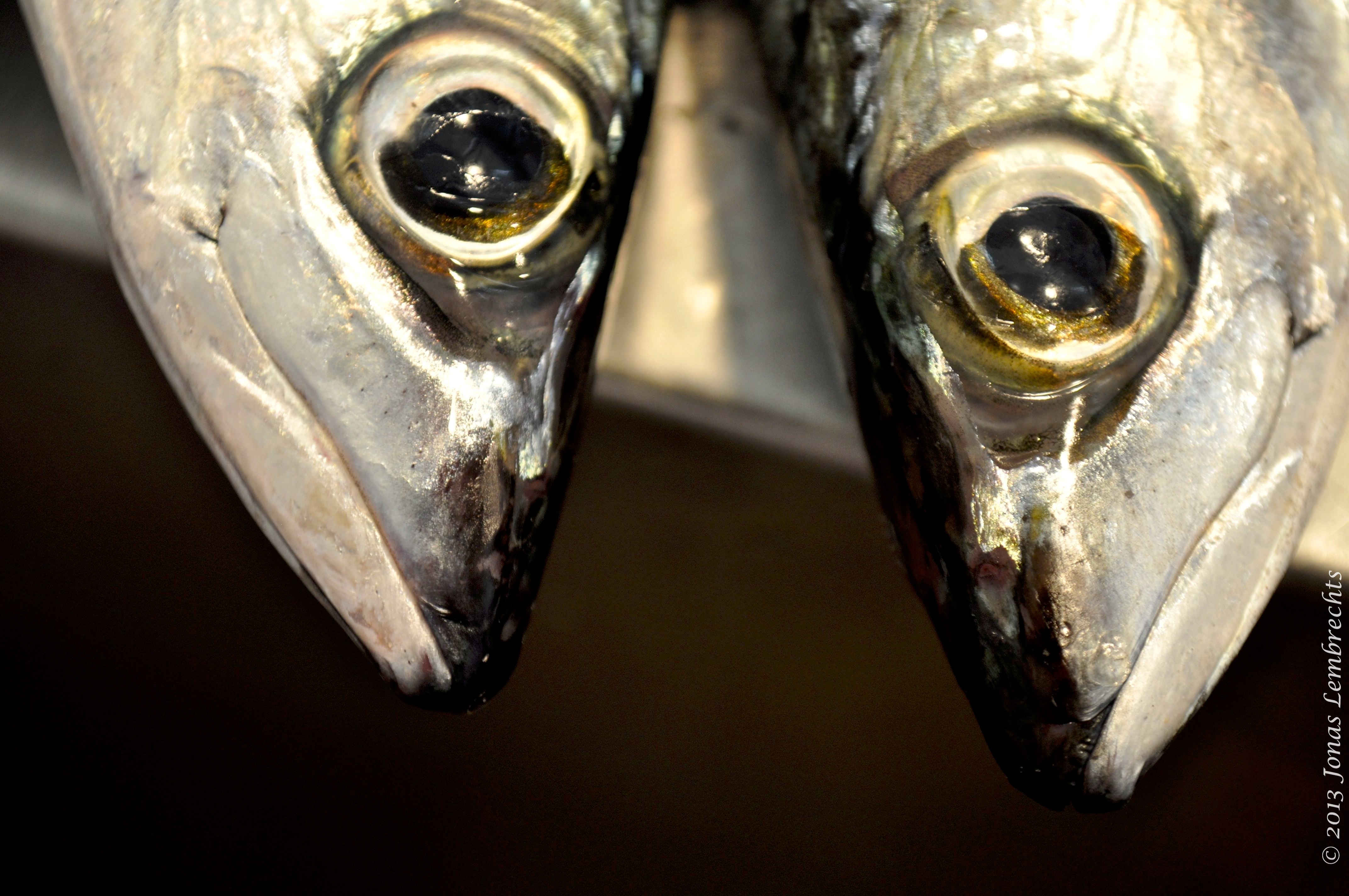
It gives me a nice opportunity to publish something else that I really love about the sea: fish markets! Their busy atmosphere, combined with the serene look in the eyes of the dead fishes, makes it a place of continuous wonder. 

Dead fishes

The fishes try their best to make the crime scene feel really dramatic.

Angry defeated shark

A visit to the south or the sea can not be successful without a good fish market. I just have to go there to pass my greetings to all these sad animals.

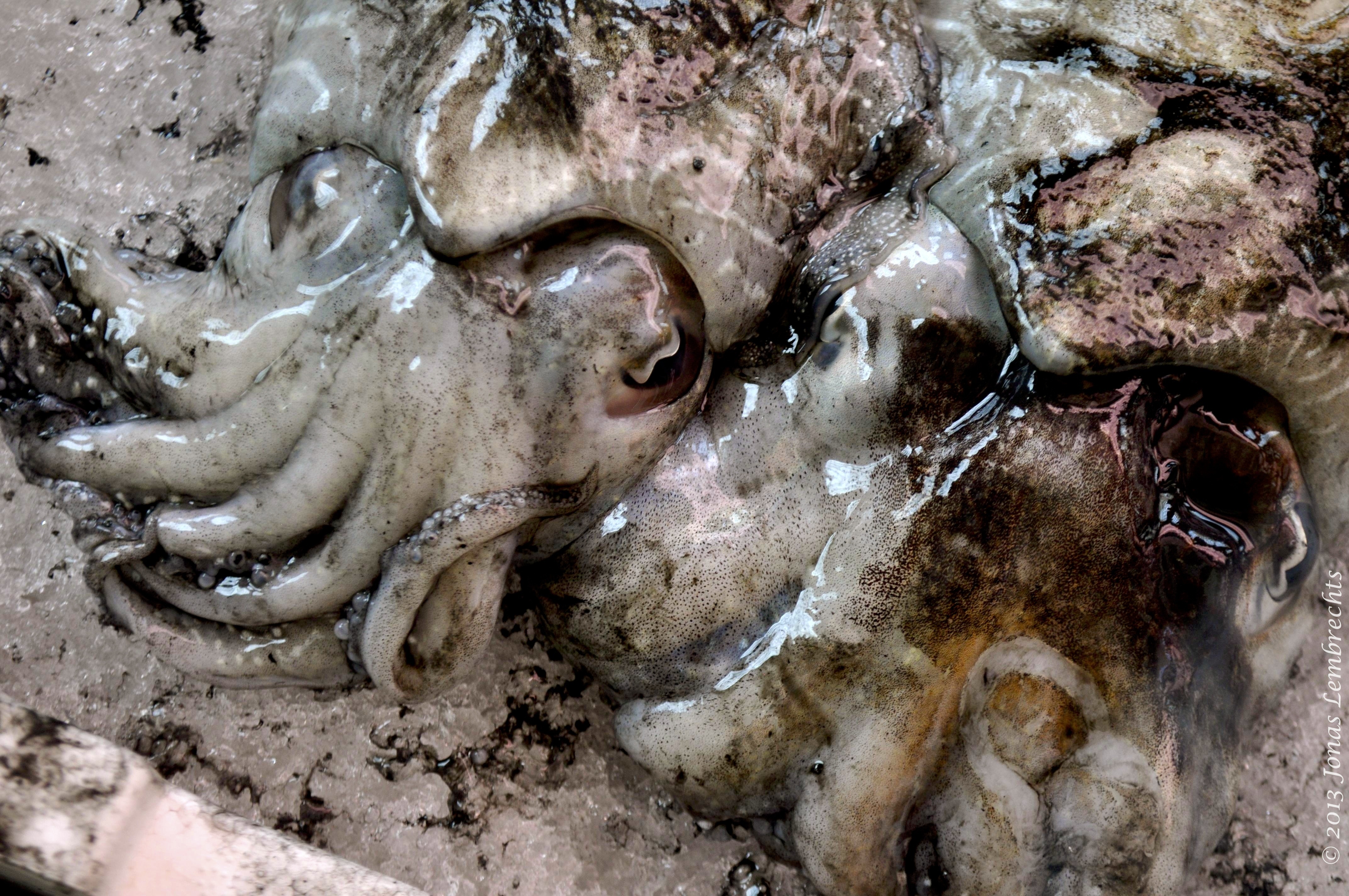
 Squids   Dramatic fish

Posted in Canary Islands | Tagged , , , , , , , | 3 Comments

A hare’s tail

It is one of my all-time favorite plants from the high north: cottongrass (called Eriophorum vaginatum on its passport).

Hare's tail

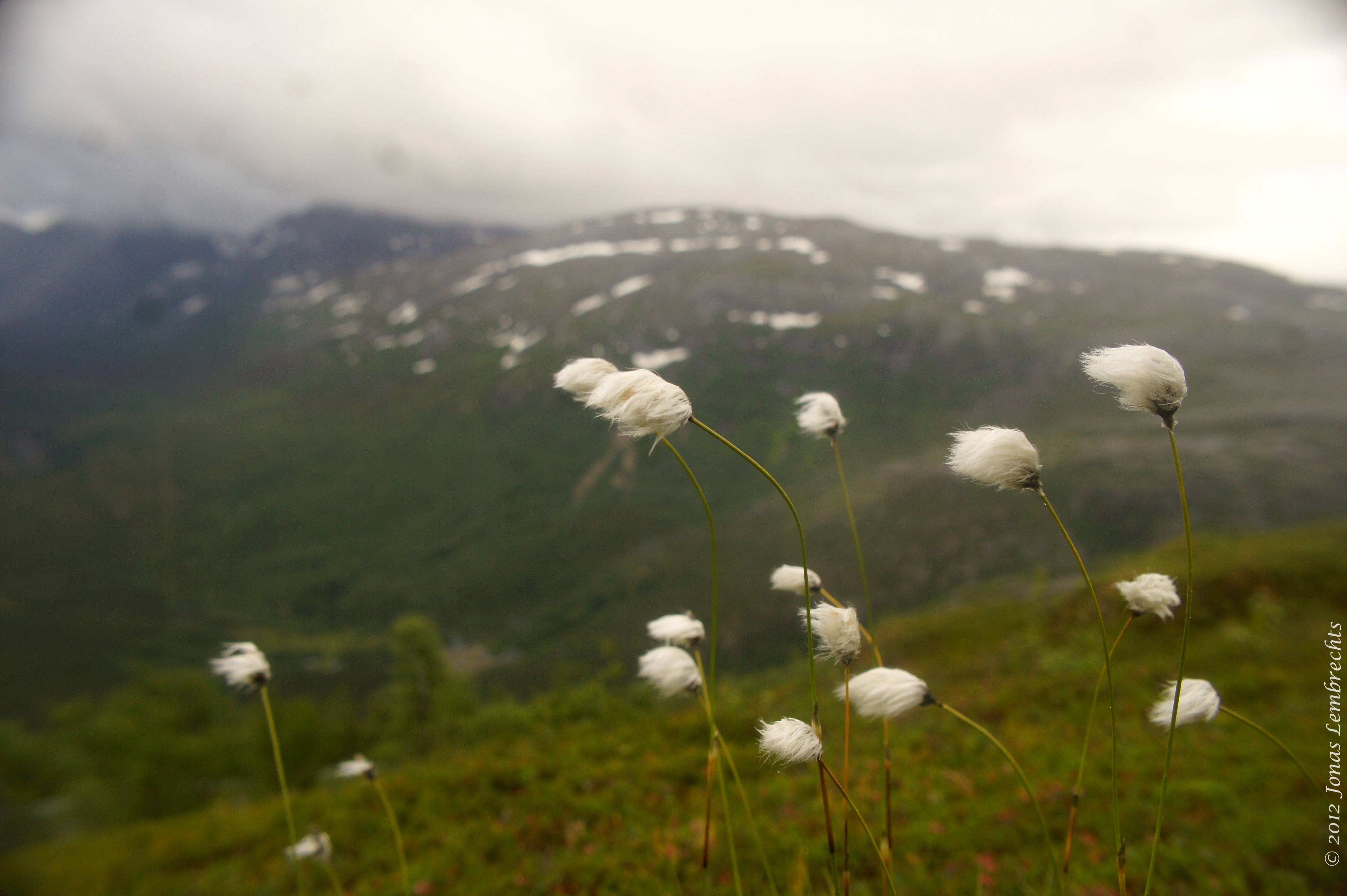
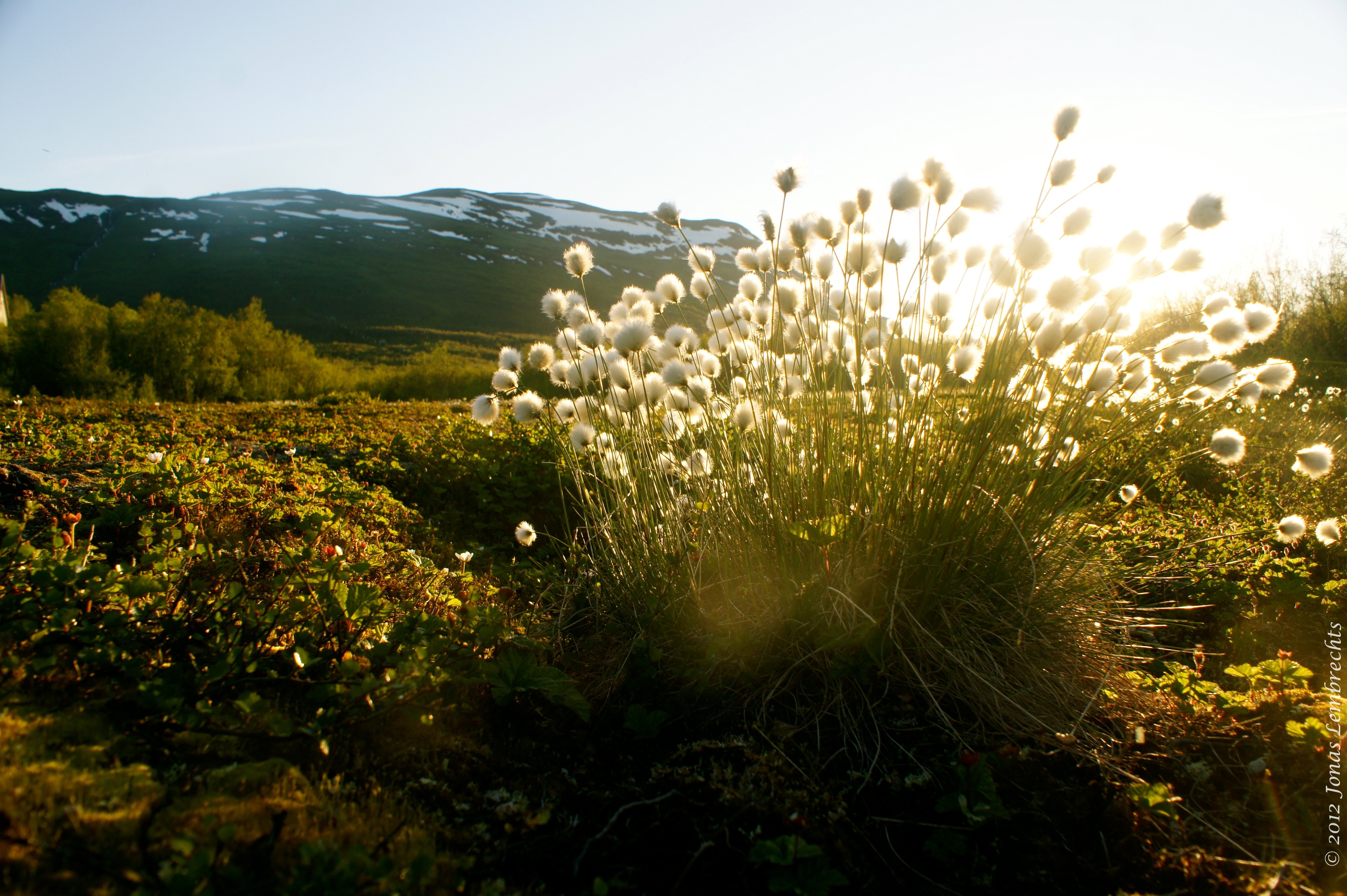
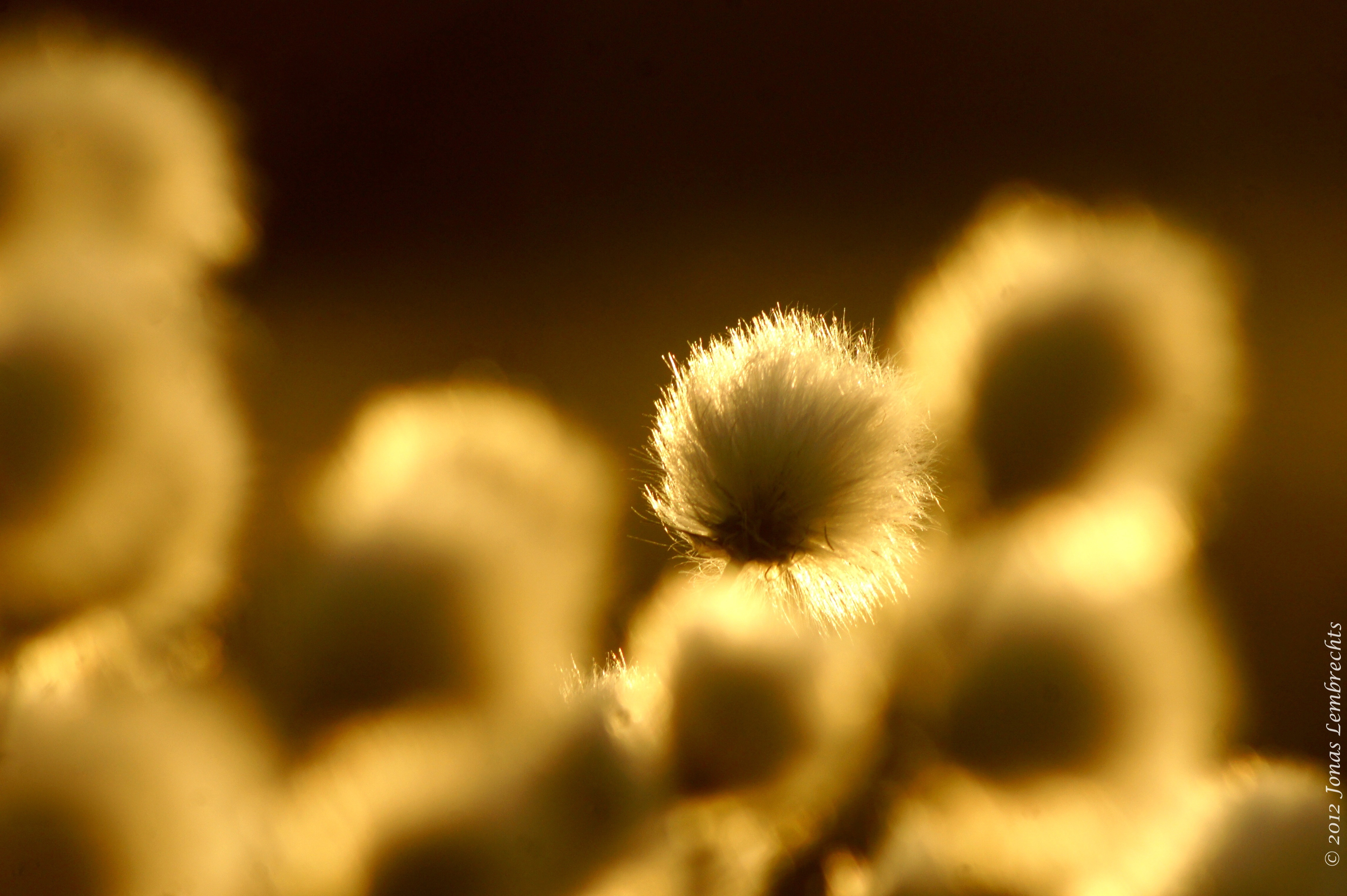
It should be obvious why it is often named the ‘hare’s tail cottongrass’. But this fluffy appearance only hides one of the strongest and most impressive arctic mountain plants.

Cottongrass against the elements

It is highly common in the arctic tundra everywhere around the north pole. What makes it so impressive is that it proudly sticks its fluffy head out high above all other vegetation.  Alpine plants normally keep their heads low to the ground, where the biting winds are less strong and damaging. But the cottongrass does not seem to care at all. The hare’s tail fights against the elements, creating a very nice view, especially on the worst days.

Cottongrass against the elements

One of my next research subjects will be to check how these typical mountain plants react to our unwanted infiltration in their area, and all the disturbance of habitats following from that. Some of the species will do better, some of them worse, but I am gonna find out why. With that information we know which species are most important to target for conservation.

  Tussock cottongras

For now, I can only hope that these cute fluffy balls will come out as survivors!

Hare's tails

Posted in Sweden, The research | Tagged , , , , , , , , | 2 Comments

Aliens in your garden!

This week I presented the concept of invasive species to a very interested group of gardeners. It turned out to be a really fascinating talk in which we together looked at the story from a more practical point of view. 

My main objective was to create a nuanced image of invasion, showing all major pro’s and con’s of our modern habit of moving around all kinds of species on this planet.

I also wanted to prevent them from blindly tearing out all plants in their beautiful gardens the moment they realize most of them probably are aliens. Because that is what I had to tell them: most of the plants in our gardens are not native for Europe. Exotic plants with nice colors, beautiful flowers and fantastic structures, introduced here from the tropics, from South-America, from Asia. All brought here deliberately, all of them nicely fitting the definition of aliens.

Dahlia with peacock butterfly

Dahlia’s, exotic but not invasive… And a great plus for the native butterfly populations!

However, not all alien species are a problem. On the contrary, most of these garden plants only have advantages as they stay well-behaved within the edges of your garden. There is this easy rule that only one out of 1000 aliens becomes invasive. That is only a tiny percentage, so you can for now leave your dahlia’s unconcerned where they are!

Dahlia with cosmopolitan butterfly

A lot of exotic garden plants do not have much invasive potential

Of course, this one unfortunate bastard that beats the other 999 contestants can become a real plague as it changes status from ‘alien’ to ‘invasive’, leading to damage up to billions of euros (damage caused by aliens will be discussed in a later post).

It is very hard to predict in advance which species will be the ‘chosen one’, so a little bit of care will never be unnecessary. If a nice local alternative is available (for example if you think about planting a tree), the best strategy is to give a native option priority. And always keep an eye open for the black list-species, as they should better be avoided!

   Echinacea purpurea

Posted in General | 2 Comments

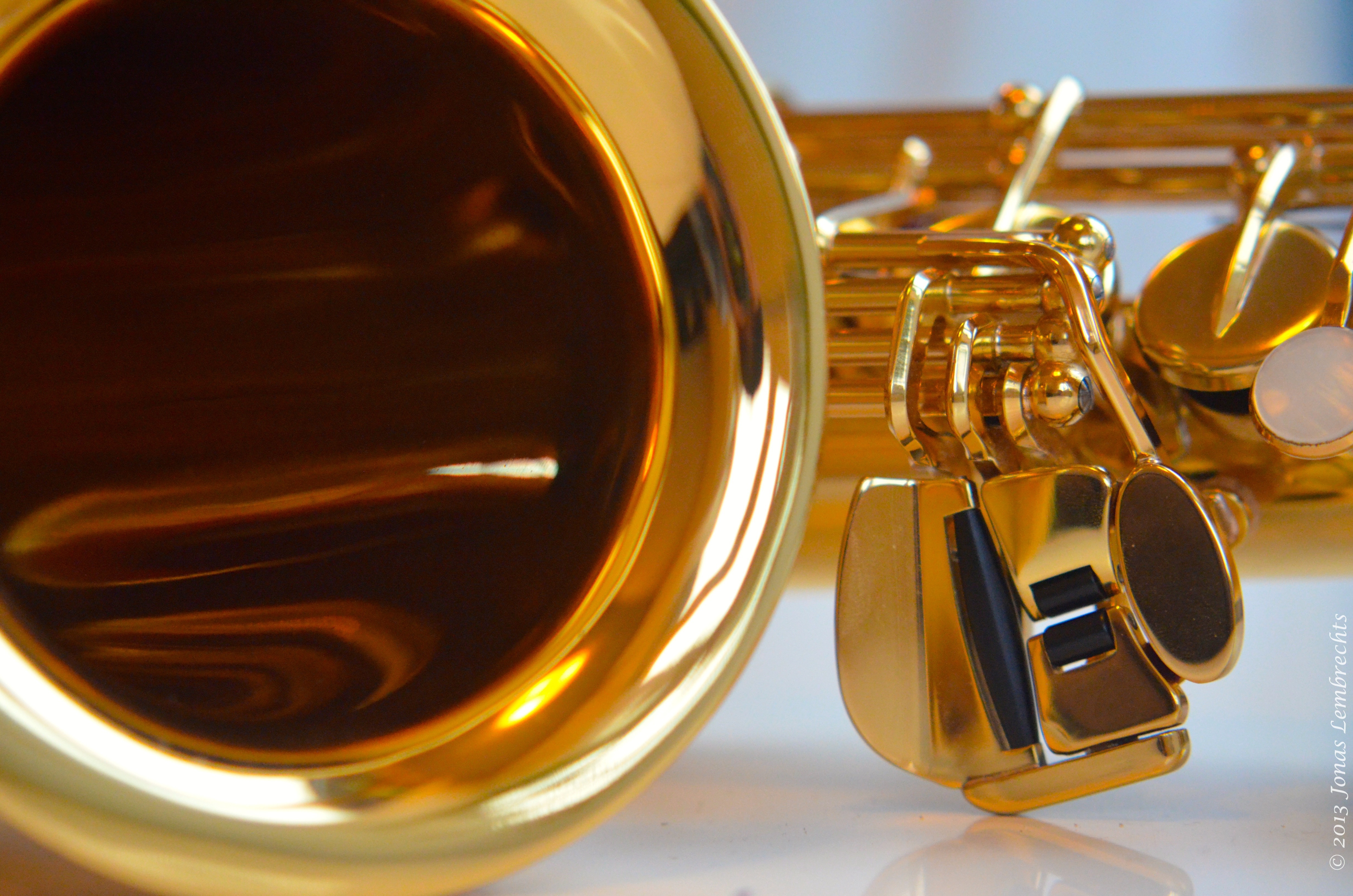
Saxophone

Saxophone detail

I took some time to experiment with my new macro lens set. I did not take them outside yet to catch real nature and its mini-majestic glory, but sometimes it is not necessary to go very far to find beauty.

Saxophone detail

Luckily, my saxophone was very happy to pose for me and show its shiny beauty.

Saxophone detail

I think Iwill just go on experimenting with the lenses, so I will be ready for my next nature trip!

Saxophone detail

Posted in Belgium | Tagged , , , , | 11 Comments