Press

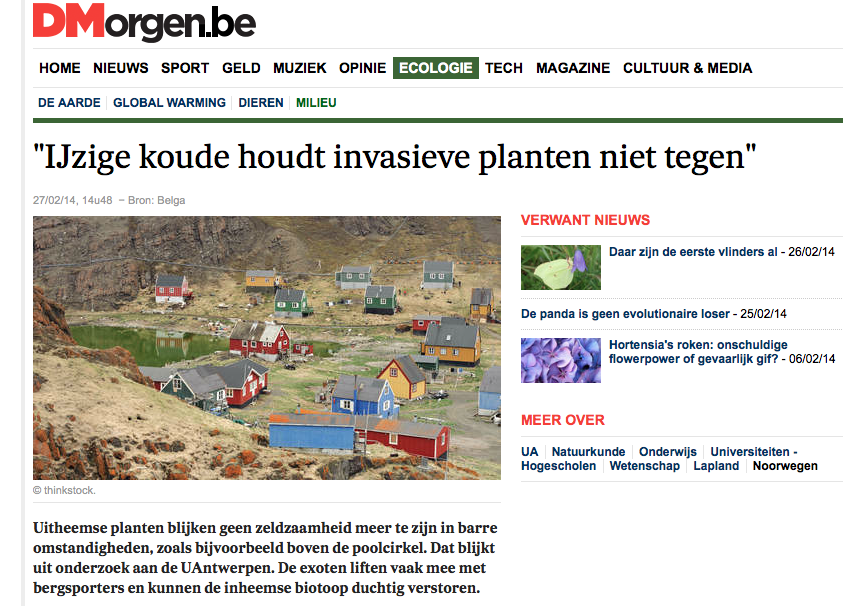
I got my first paper published (the one that kept me waiting so impatiently), and the story even got covered by the popular media! They were impressed by our warning that alien plant species are not stopped by the freezing cold in the subarctic mountains when they are transported there by unlearned travelers.

The research article itself can be downloaded from my ResearchGate or be read on the website of PLoS ONE.  The highlights got cited on several Belgian news sites (among others: DeMorgen, De Redactie). Unfortunately, media cover has only been in Dutch for now, but the English version of the press release can be found here. Definitely worth the read!

My story on DeMorgen.be

As the media show only the most exciting part of the results and the scientific version may be a bit boring to read, I will break down the main story to a more interesting read on my blog over the next days.

Posted in The research | Tagged , , , , , , , | 3 Comments

Humans in the lowlands

I like to compare mountains with islands. Islands of undisturbed nature in a wild and dangerous ocean of  human influence; the lowlands. Wave after wave of human influences crashes on the slopes of the island-mountain, trying to erode the natural richness to wipe it out forever.
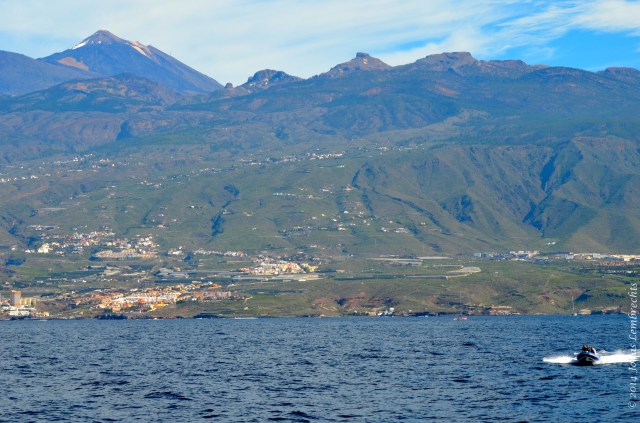
Tenerife - 494

How long the natural richness of the mountains will survive this storm, depends on two main factors: the power of the symbolic waves and the resistance of the mountains against the ‘erosion’. The size of the second one, the resistance, remains for now largely unresolved. The pattern of number one is clearer: the wave power is growing and increasing its pressure on the mountains.
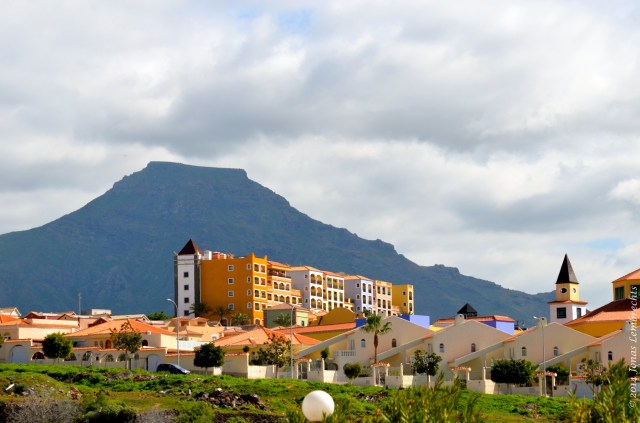
DSC_0108

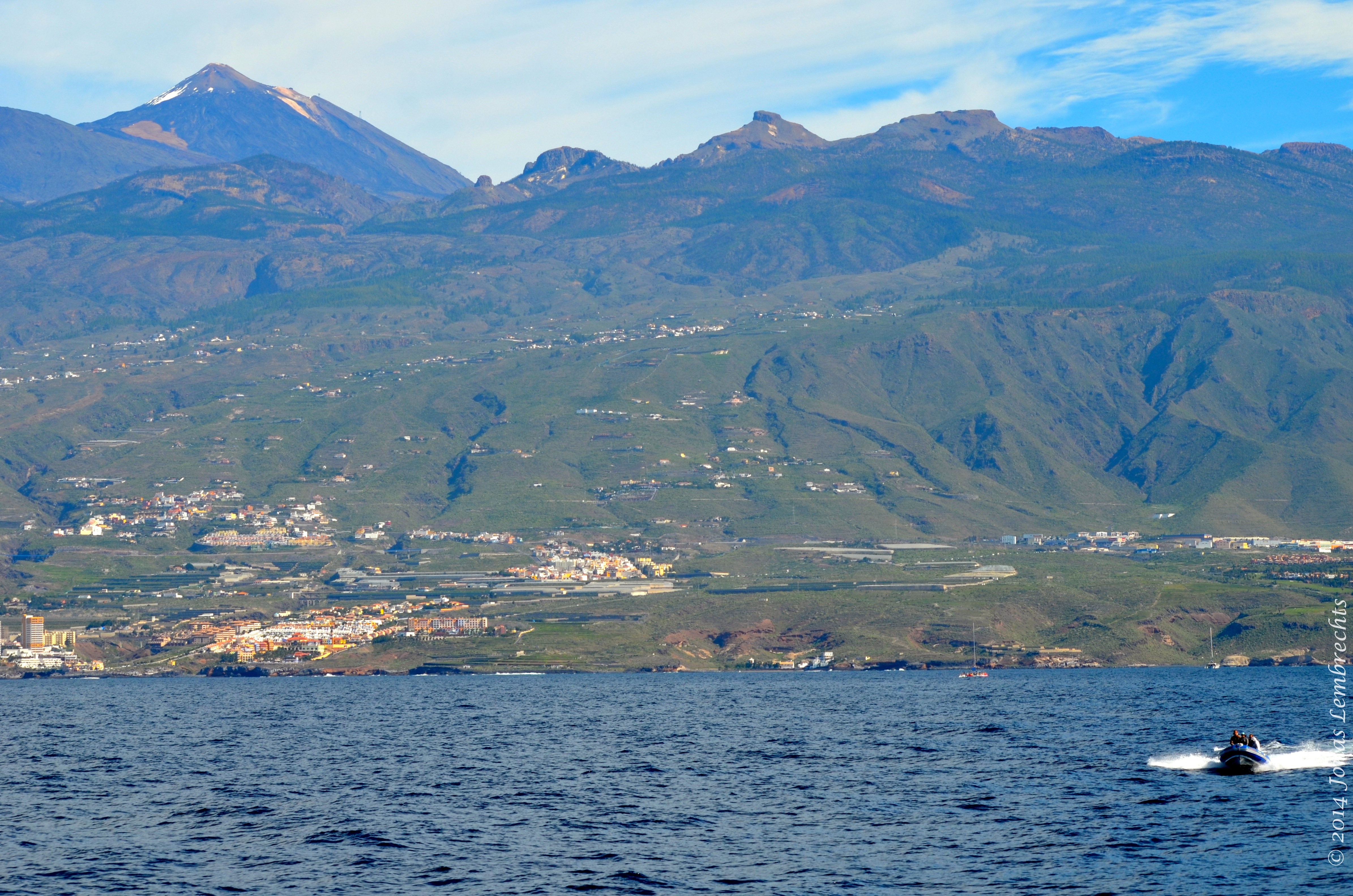
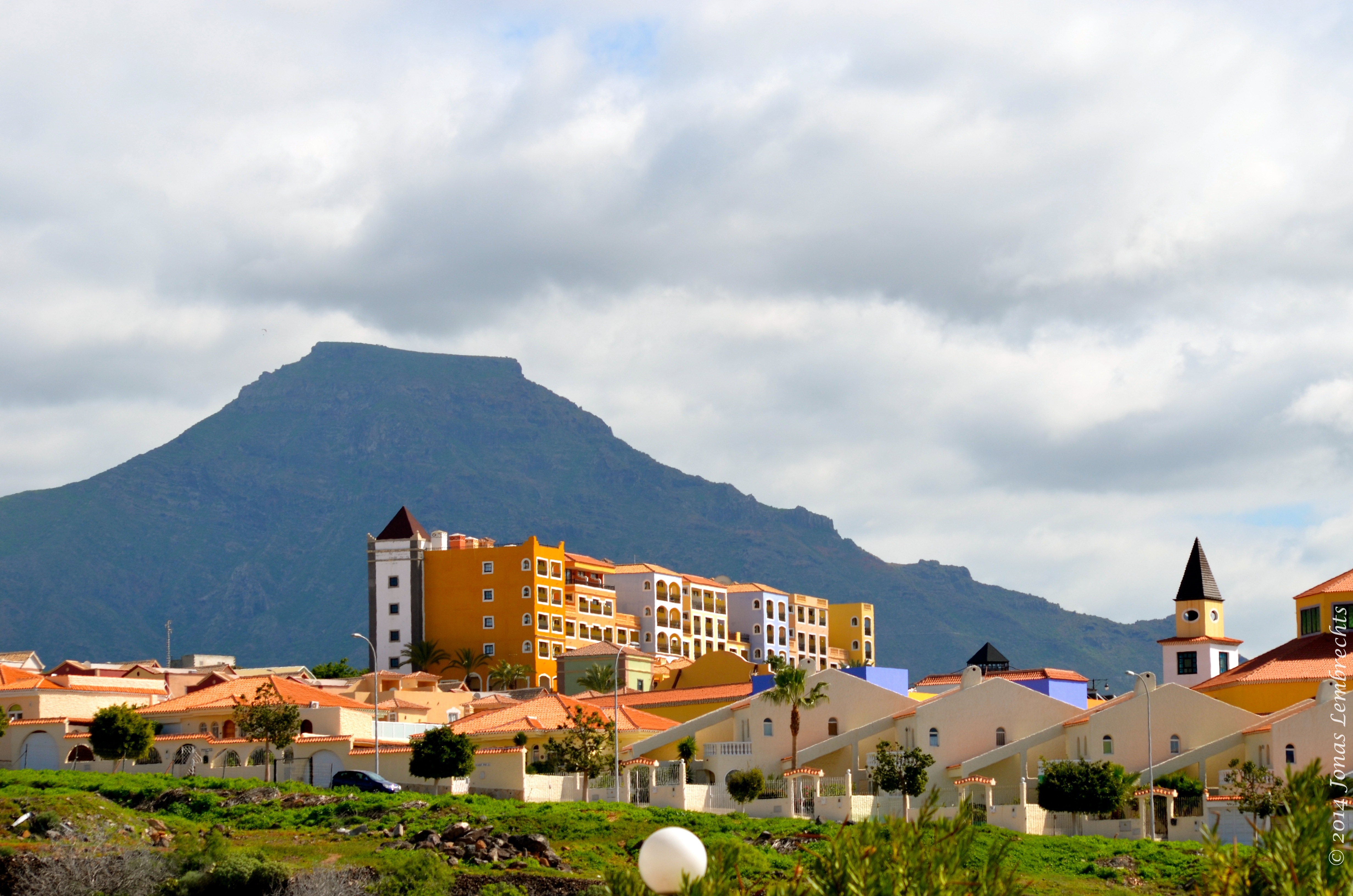
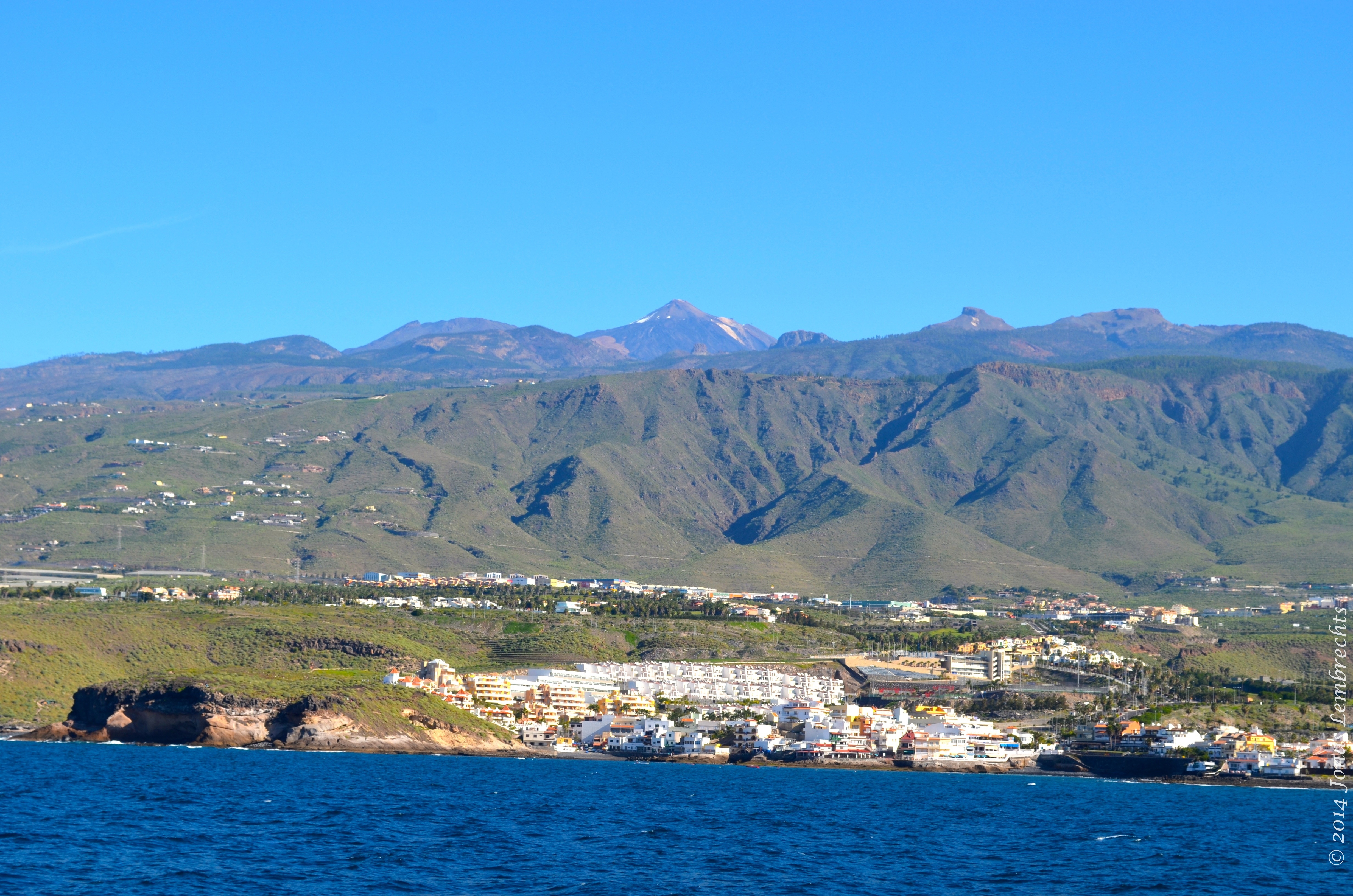
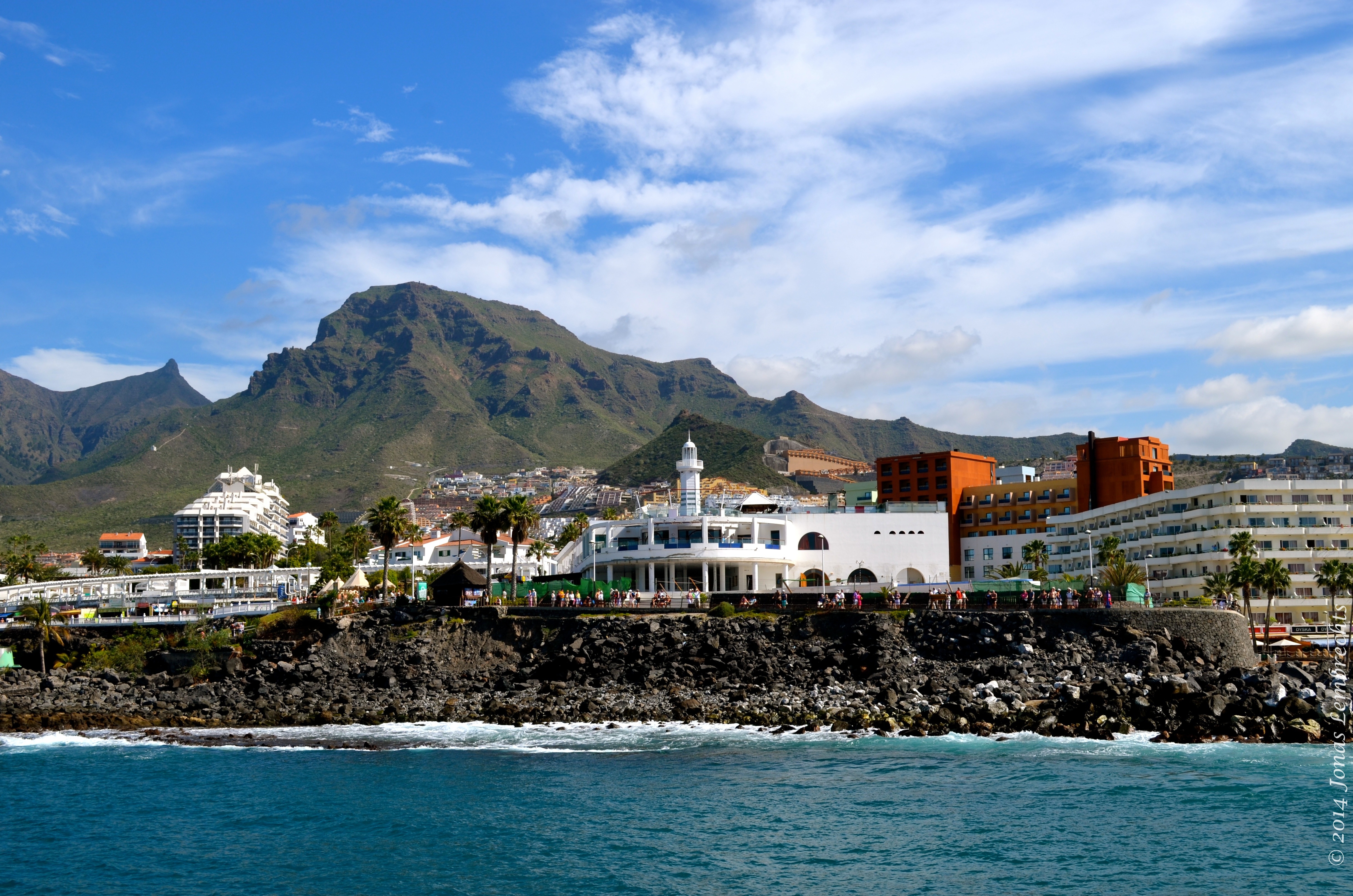
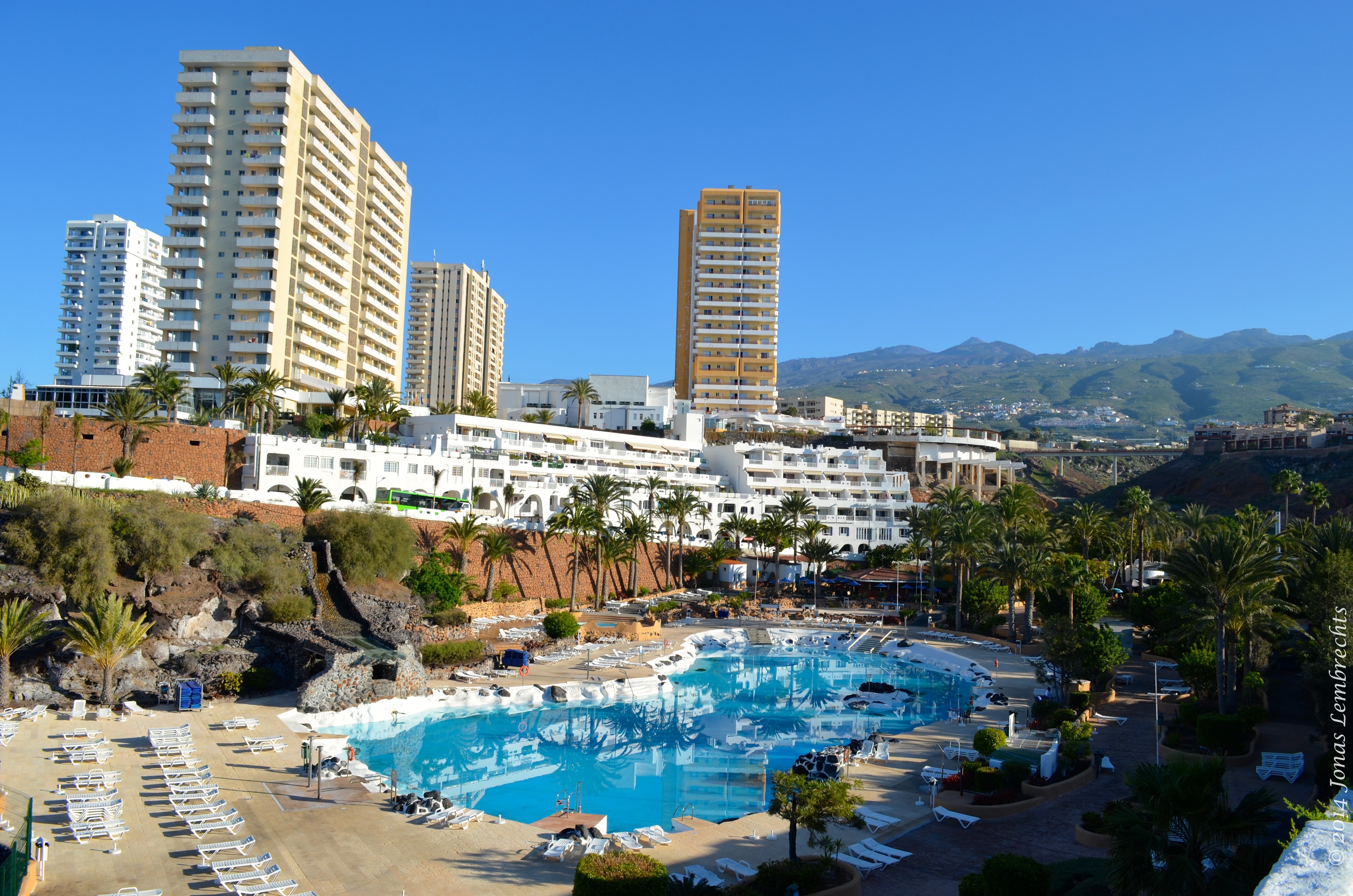
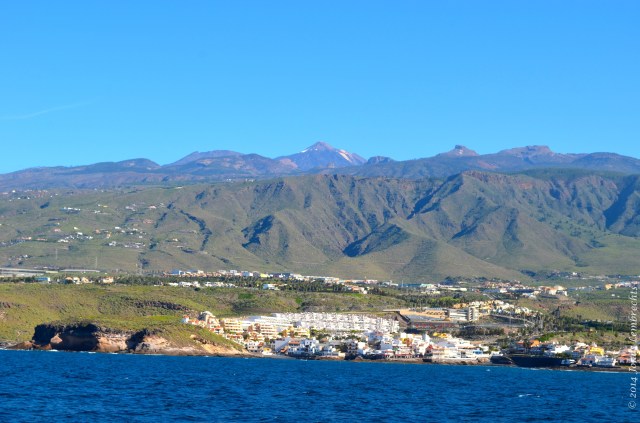
The island of Tenerife nicely shows how that difference between low- and highlands looks in all mountain regions. The mountain area itself is a beautiful, deserted and desolate moon landscape, while the lowlands are crowded with a growing amount of tourists. The hotels and apartments cover a whole coastline and claim a reasonable amount of space. The segregation is very distinct here, as can be seen from the ocean: a coastline with lines of hotels until all of a sudden the mountains stop the expansion.
Tenerife - 392

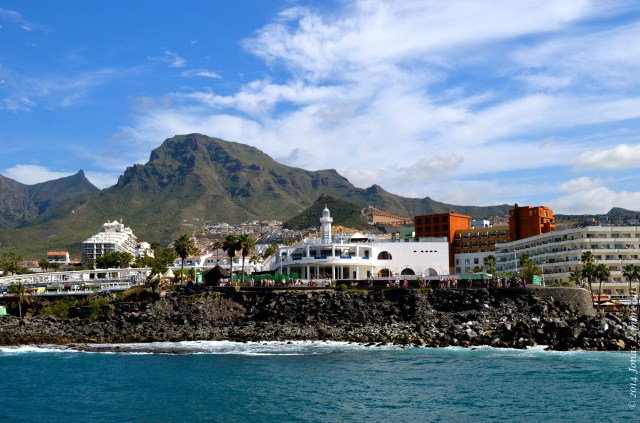
The presence of a large amount of people in the lowlands should however not necessarily be a problem for the mountain nature, it only becomes one when the extent of human disturbance crawls higher and higher in the mountains. But that is what is happening the last centuries, often unnoticed or even unwanted by the culprits.
Tenerife - 500

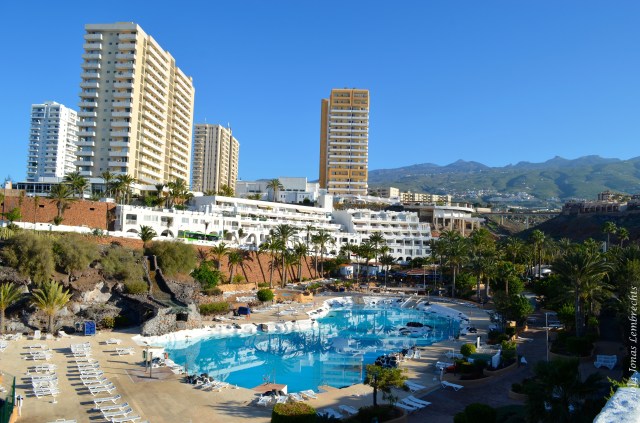
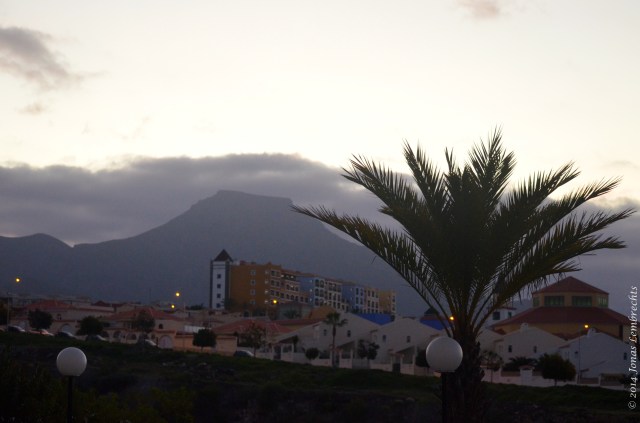
On Tenerife, the difference between highlands and lowlands is extraordinary large, because of the dominance of the tourists and the low percentage of industry and local communities. Most of the tourists never leave the hotel, leaving the mountains for what they are. It is however debatable if this complete ignorance is good or bad for the mountain nature.
Tourists

Tenerife - 763

Posted in Canary Islands, The research | Tagged , , , , , , , | 4 Comments

Tenerife

You can find an updated picture gallery of the Canary Islands on the right of the blog, with a lot of cool animals, landscapes, mountains and plants. Definitely worth the visit!

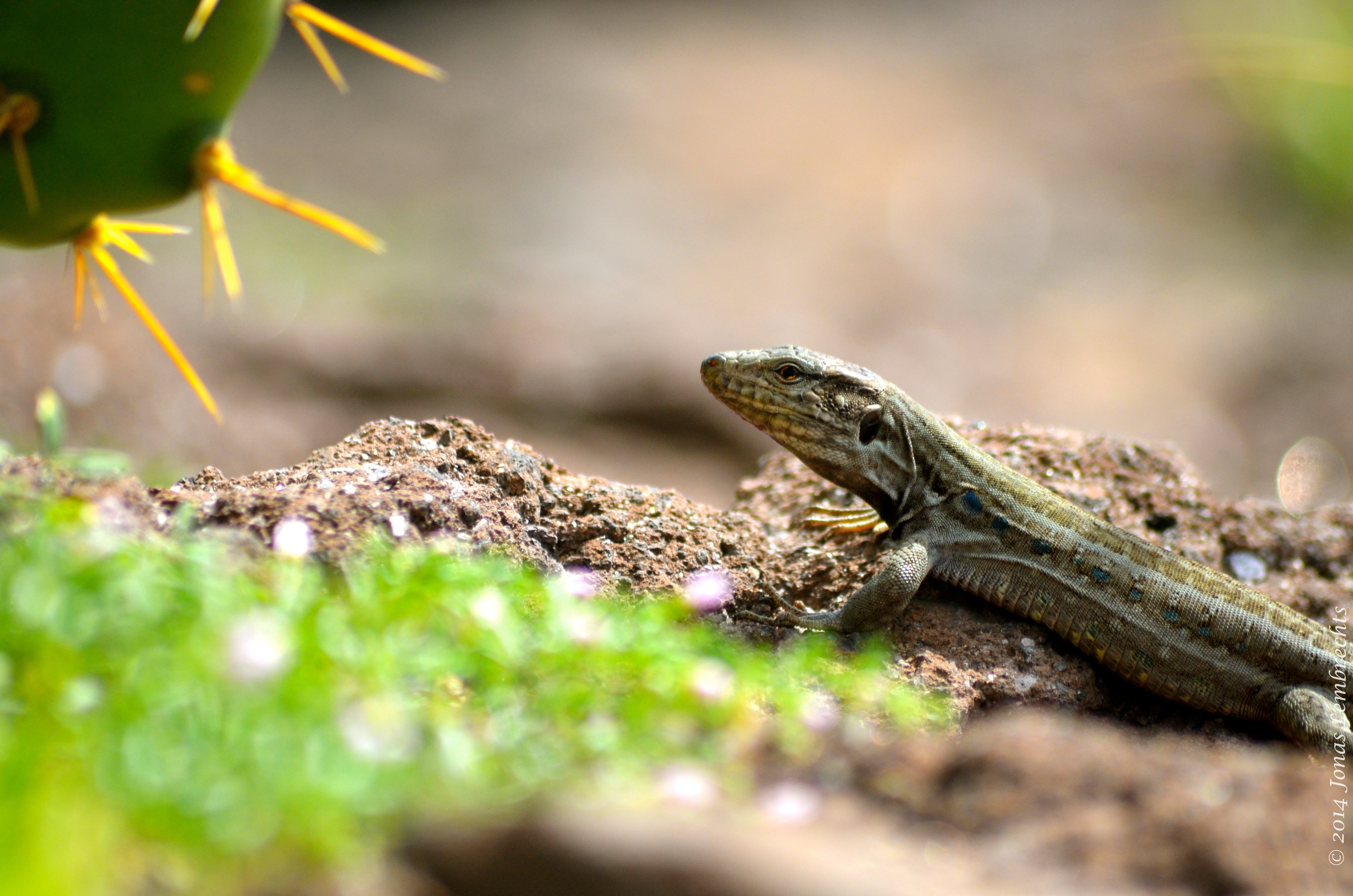
Tenerife lizard

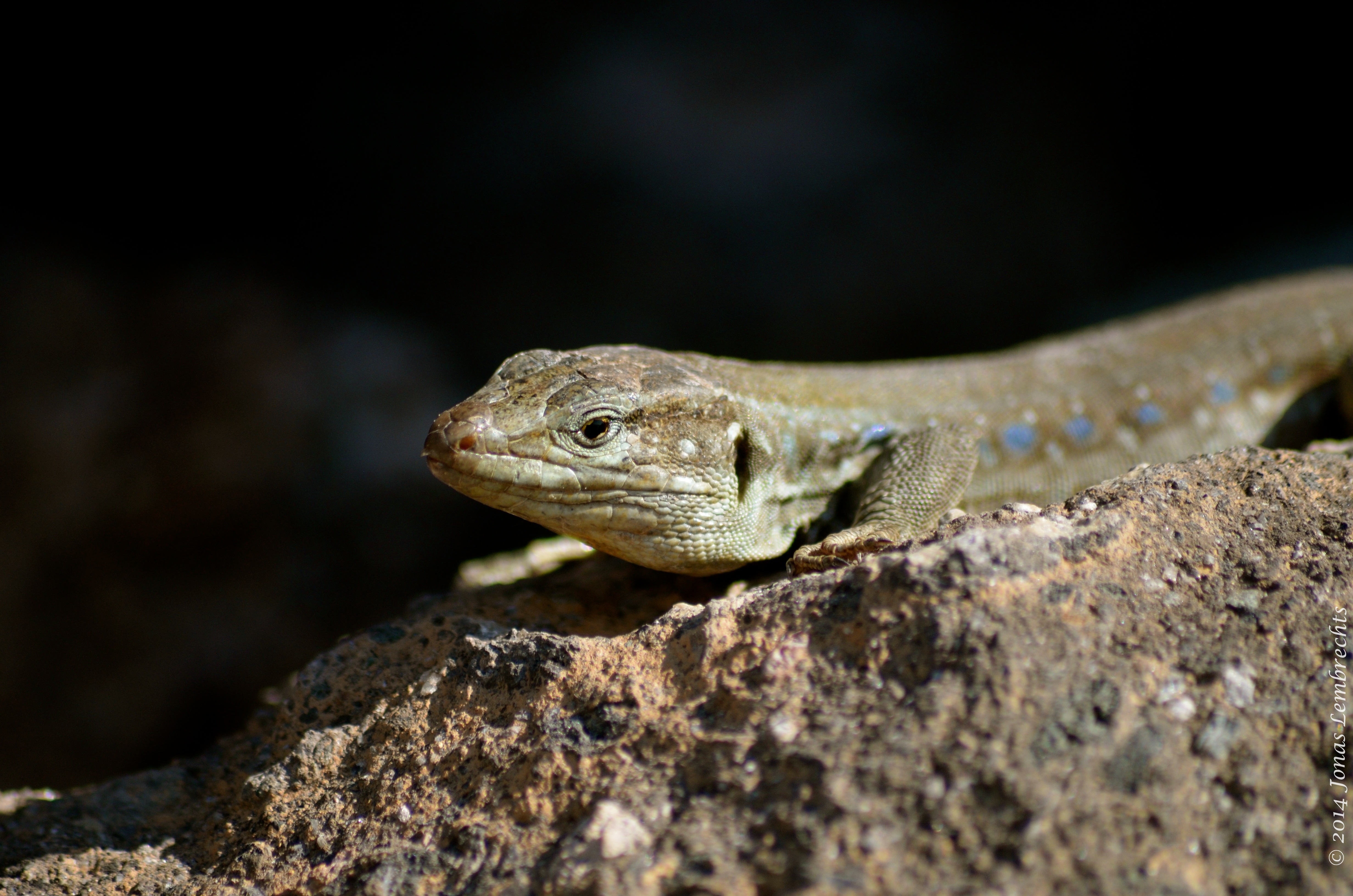
Tenerife lizard

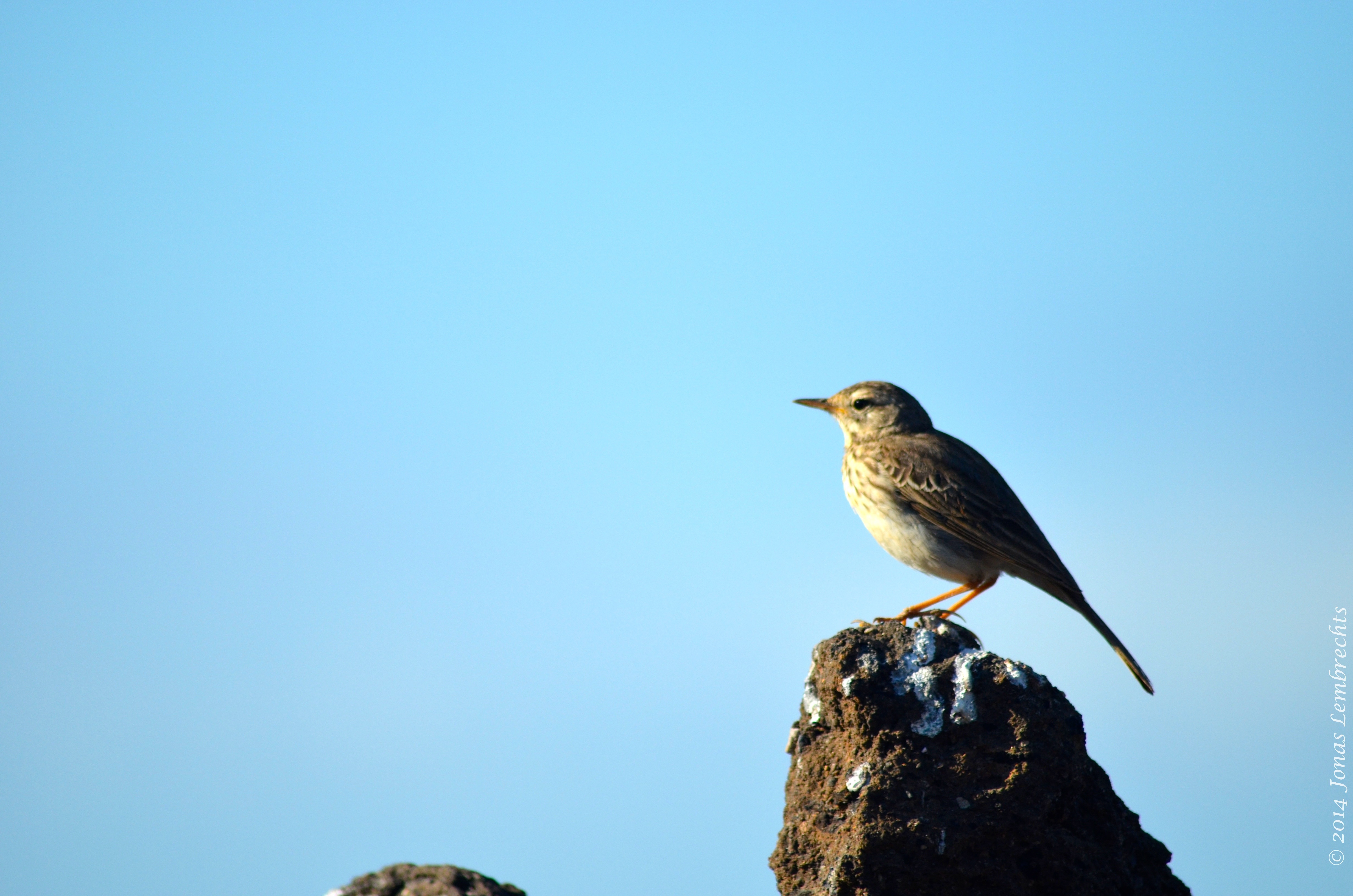
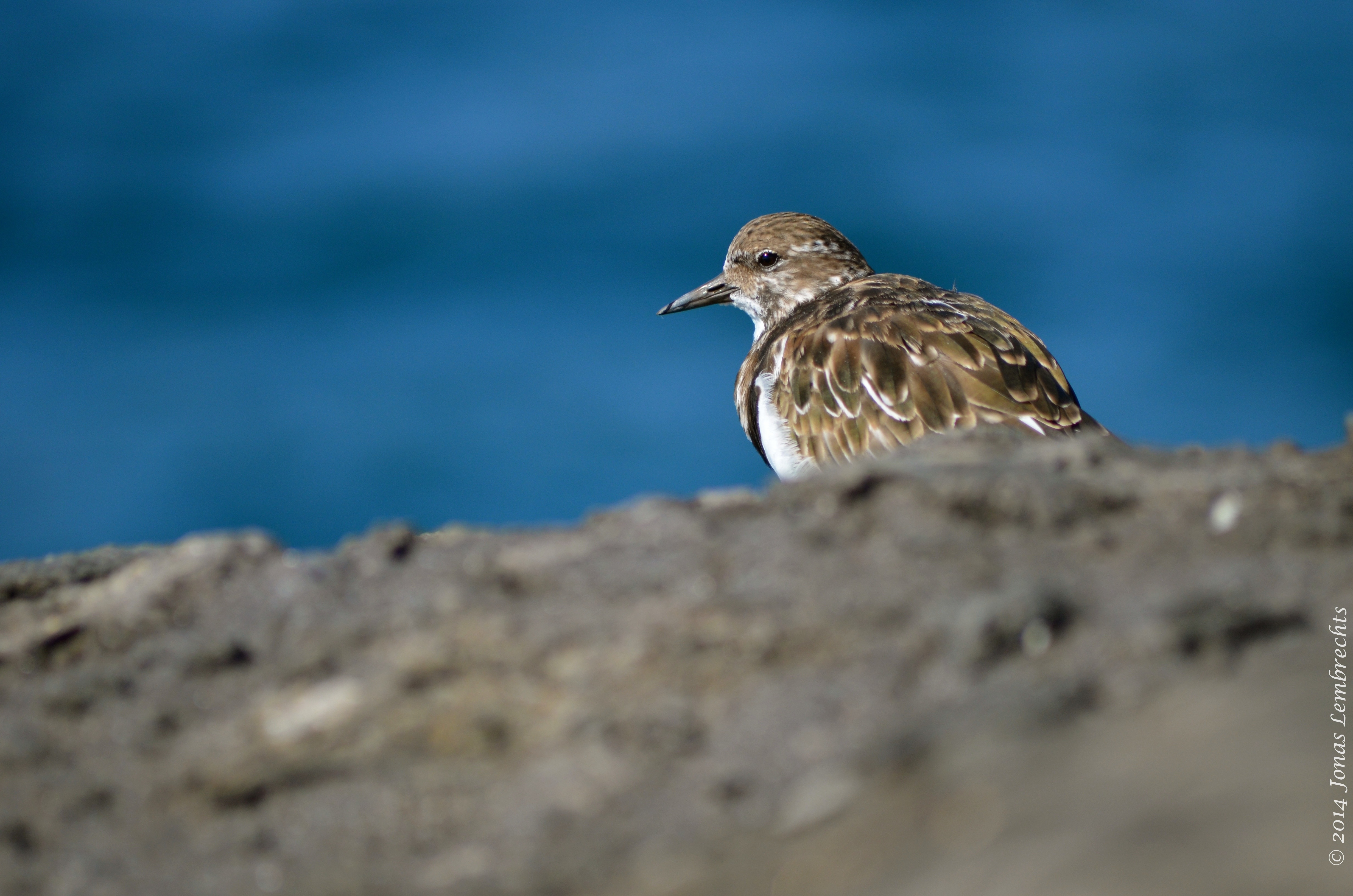
For now I just have a short picture-oriented post without too many words, before I return to some more ecology-oriented posts in the next weeks. For now, just enjoy the nice images from a fantastic island.

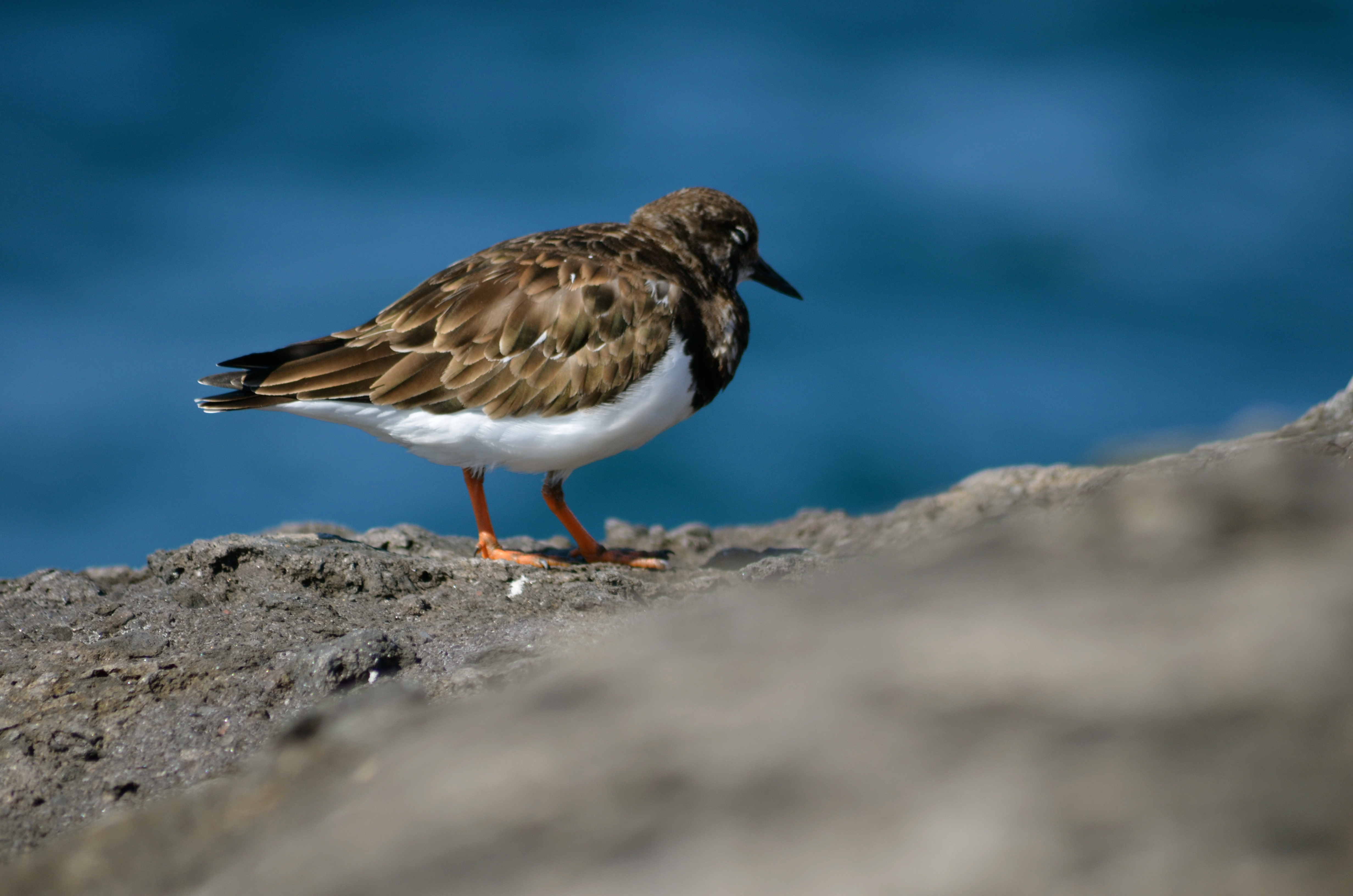
Stone-loving bird  Turnstone

Posted in General | 2 Comments

Ground-breaking

Tenerife - 641

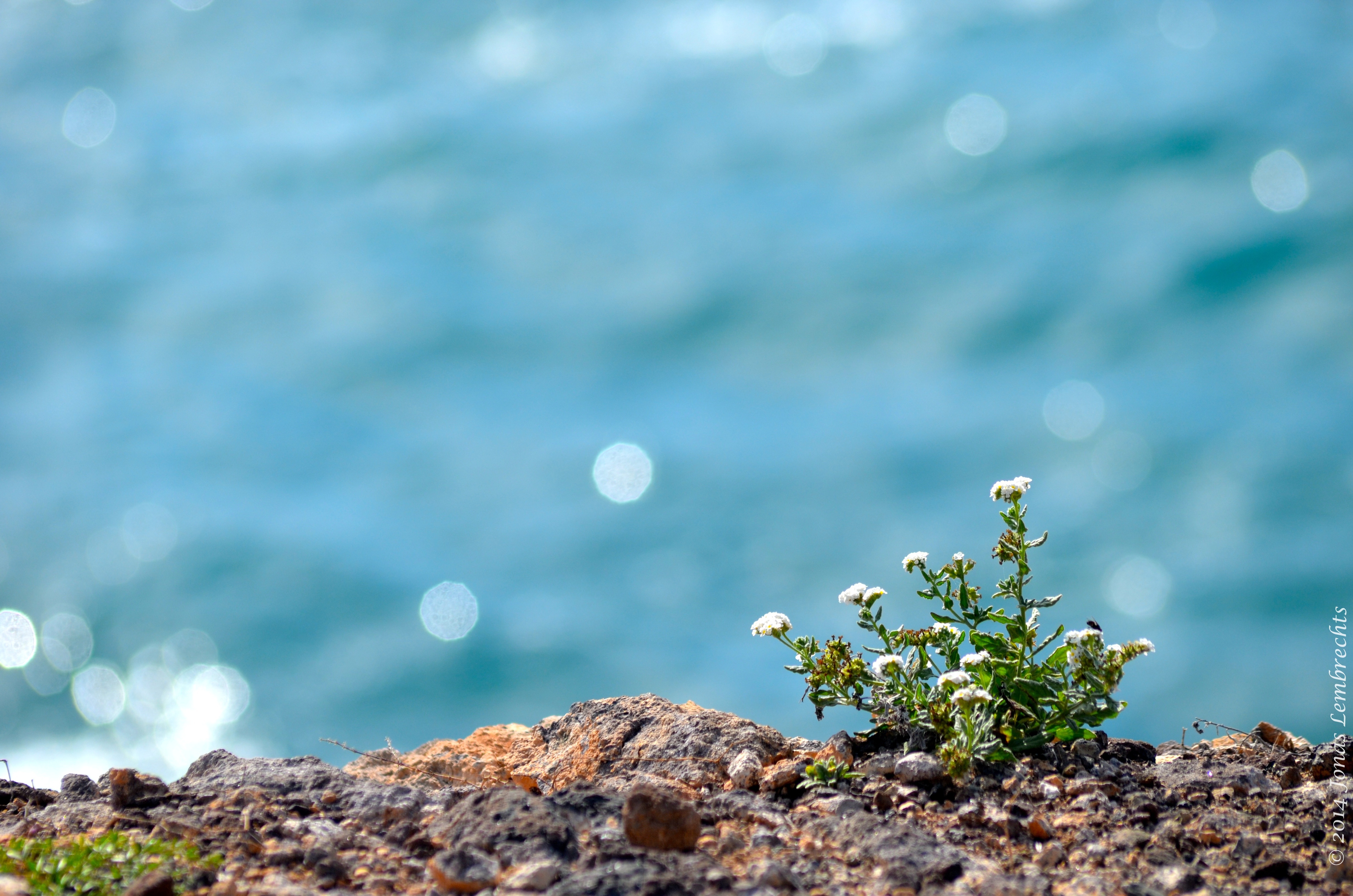
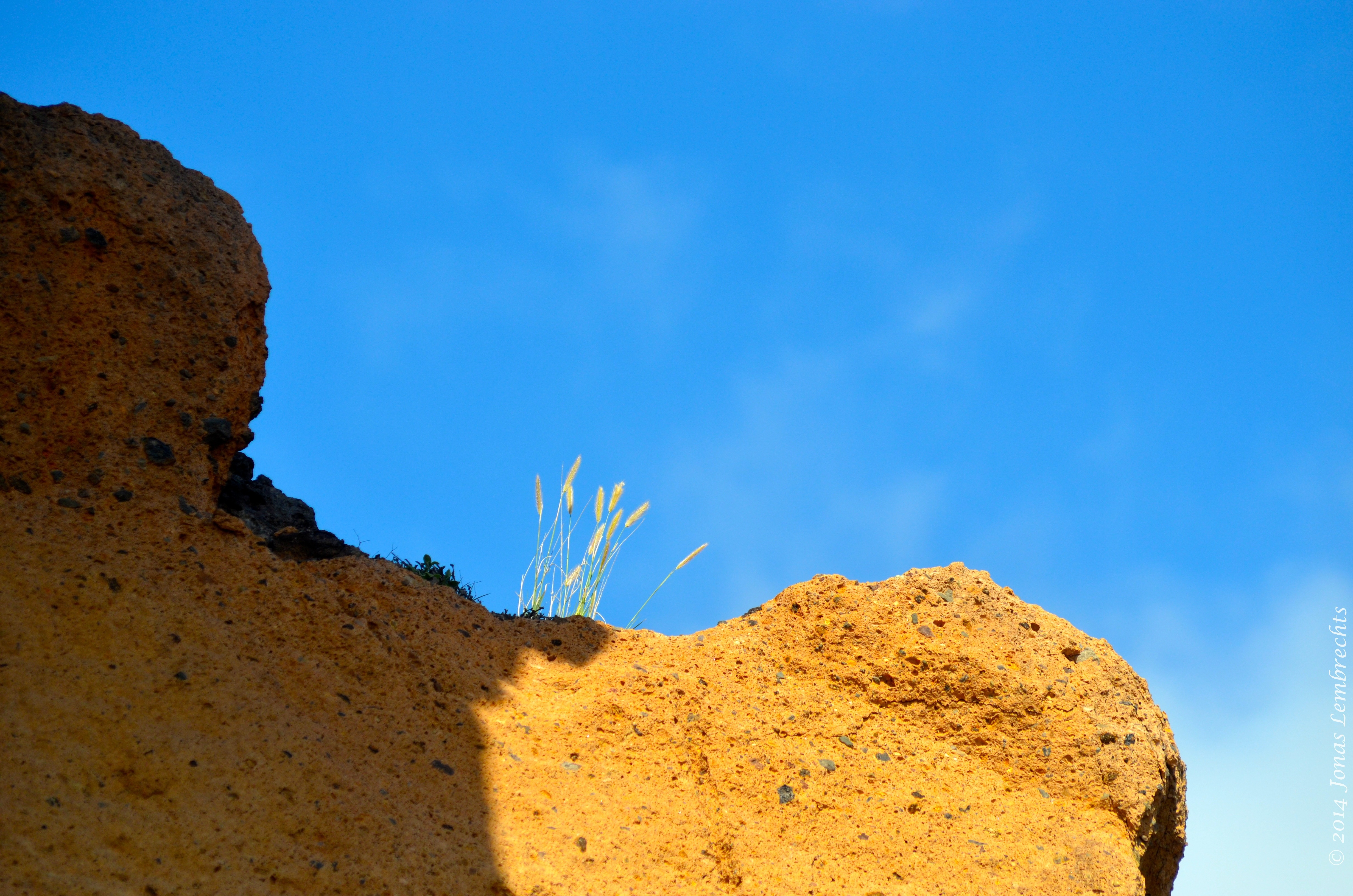
Rocks. It does not seem an ideal location for plants to grow. However, as I have to emphasize a lot, plants will never cease to amaze.

Plants surviving on the rocks

I already wrote about some real bad boys called ‘ruderals’ in a previous post. But most of the rockstars of the volcano of Tenerife are examples of plants with a totally different strategy: they are stress-tolerators.

DSC_0349

These species are adapted to deal with high amounts of stress, but cope very badly with disturbance. They have slow growth rates, possess leaves that can live for years and years and they are masters in collecting and holding nutrients. Perfectly suited for a live in the hostile environment of the moon landscape of southern Tenerife.

Tenerife - 295

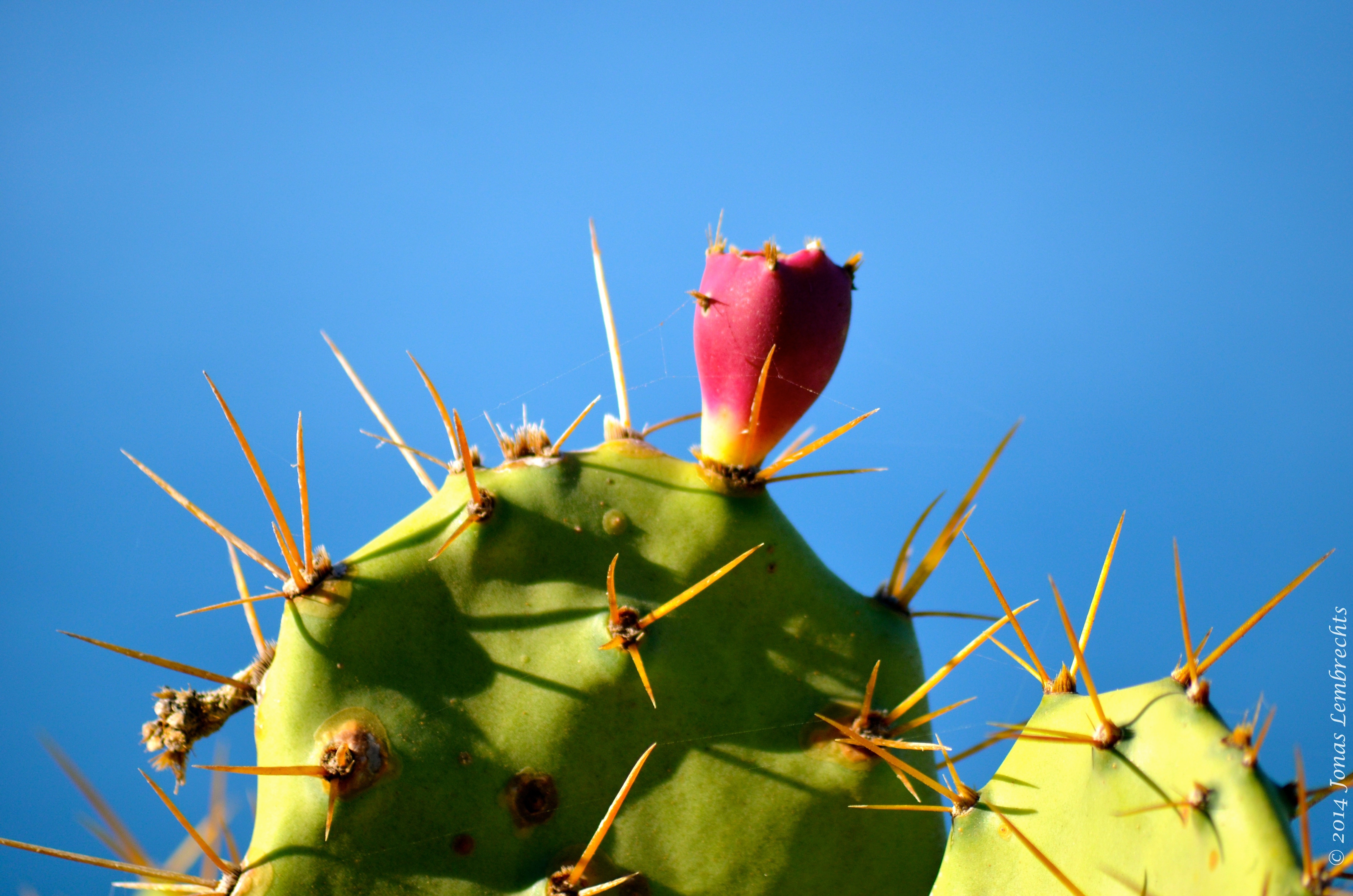
In fact, they follow the same survival strategy as some of the typical alpine and subarctic species (for example). This group of species with similar strategies to deal with stress contains very few alien species, which is remarkable. But, even more remarkable, the kind of landscapes they are adapted for, are not at all alien-free. And that brings us back to the main point of my research: it is not only the stress-tolerators that survive stress, some plants with other strategies seem to adapt surprisingly well.

Tenerife - 752

Posted in Canary Islands, The research | Tagged , , , , , , | 7 Comments

On the rocks

 – A picture gallery with a first part of the highlights from my trip to Tenerife can be found on the right on my blog. –

Rocking bird

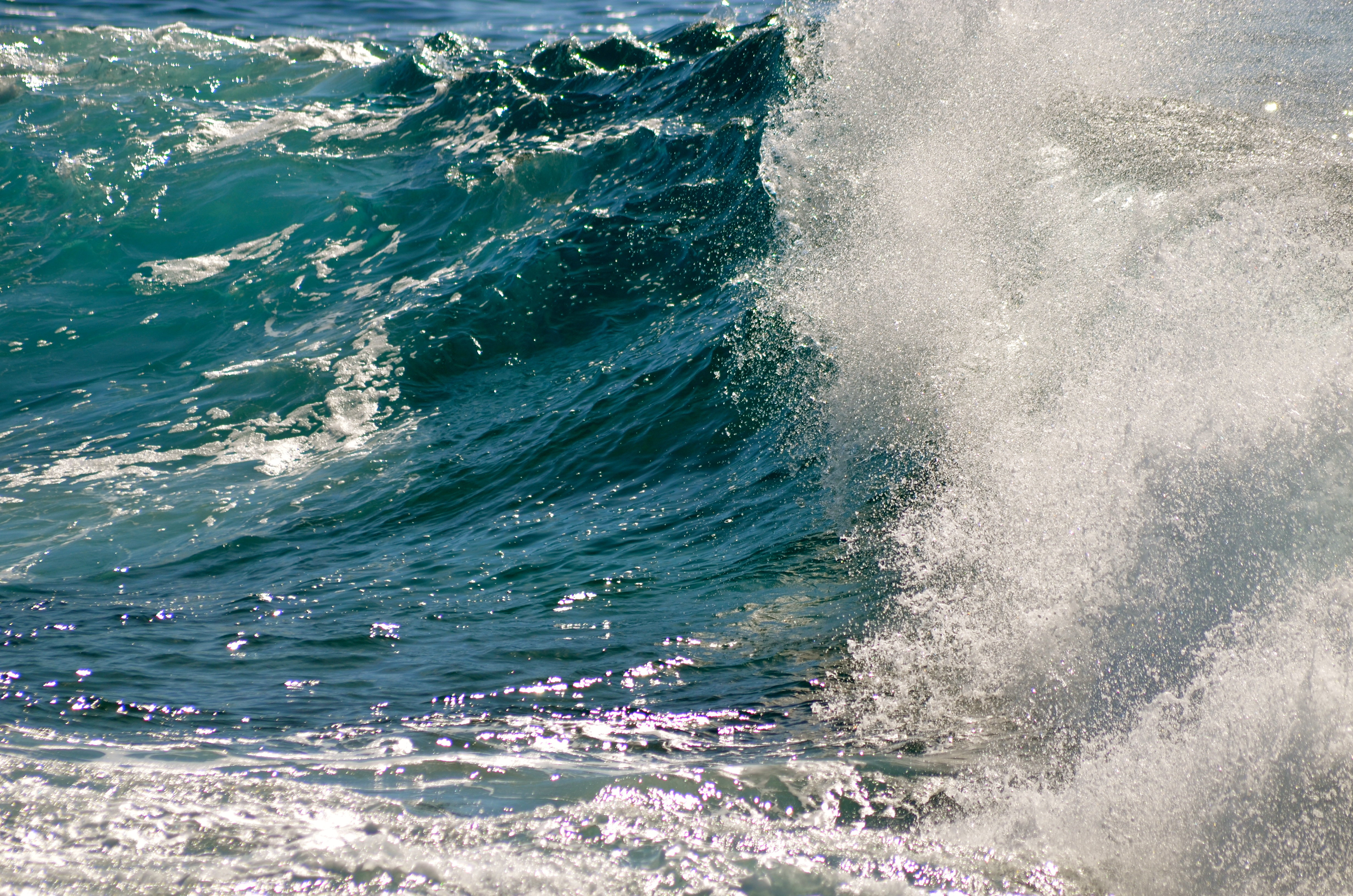
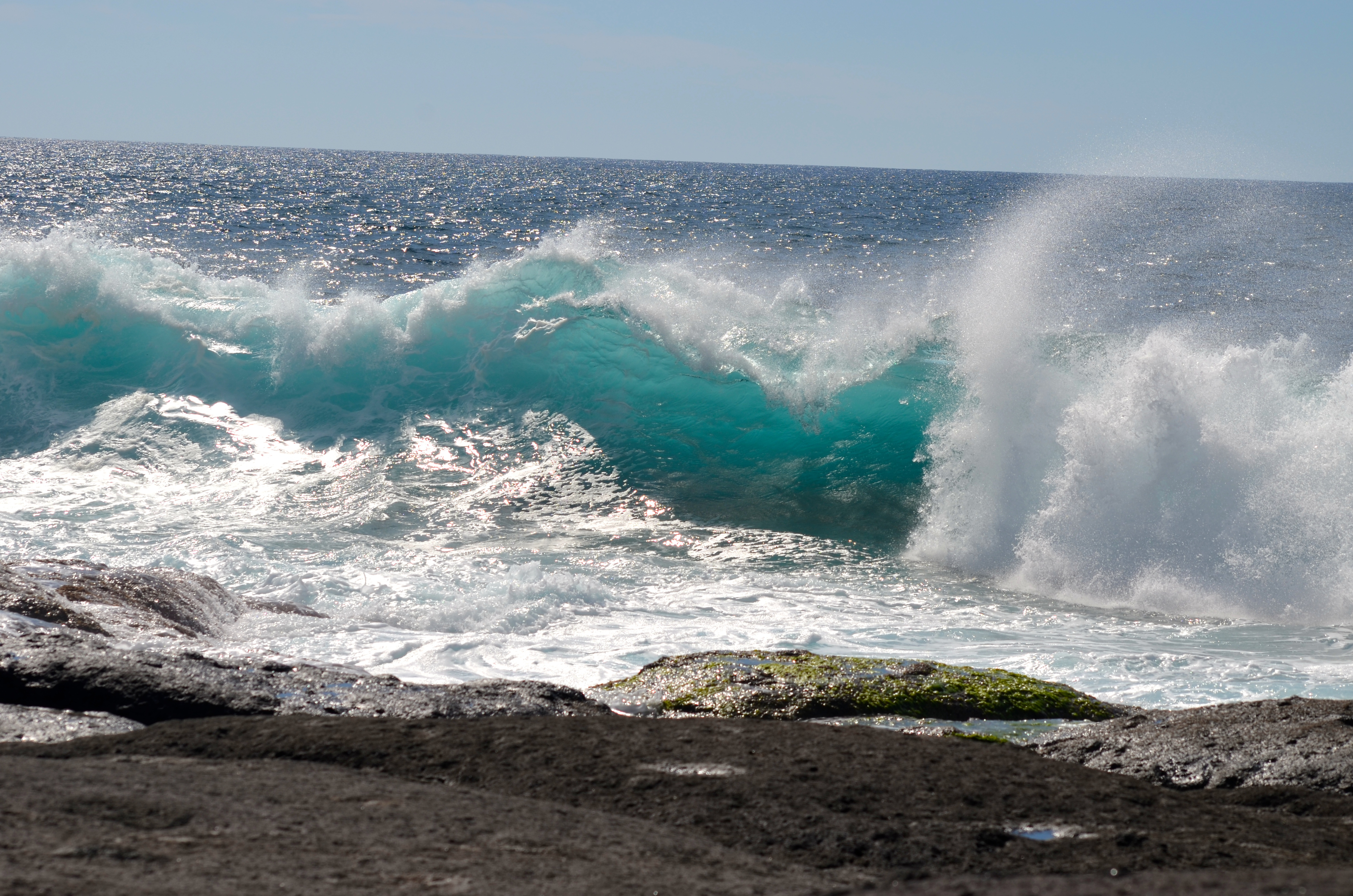
The ocean is a monster. Even on the quietest of days, the surf zone on the shore of Tenerife  is immensely powerful.

Wavepower

A tireless coming and going of waves, back and forth over the rocky shore. It is a miracle the rocks even manage to survive these destructive forces.

On the rocks

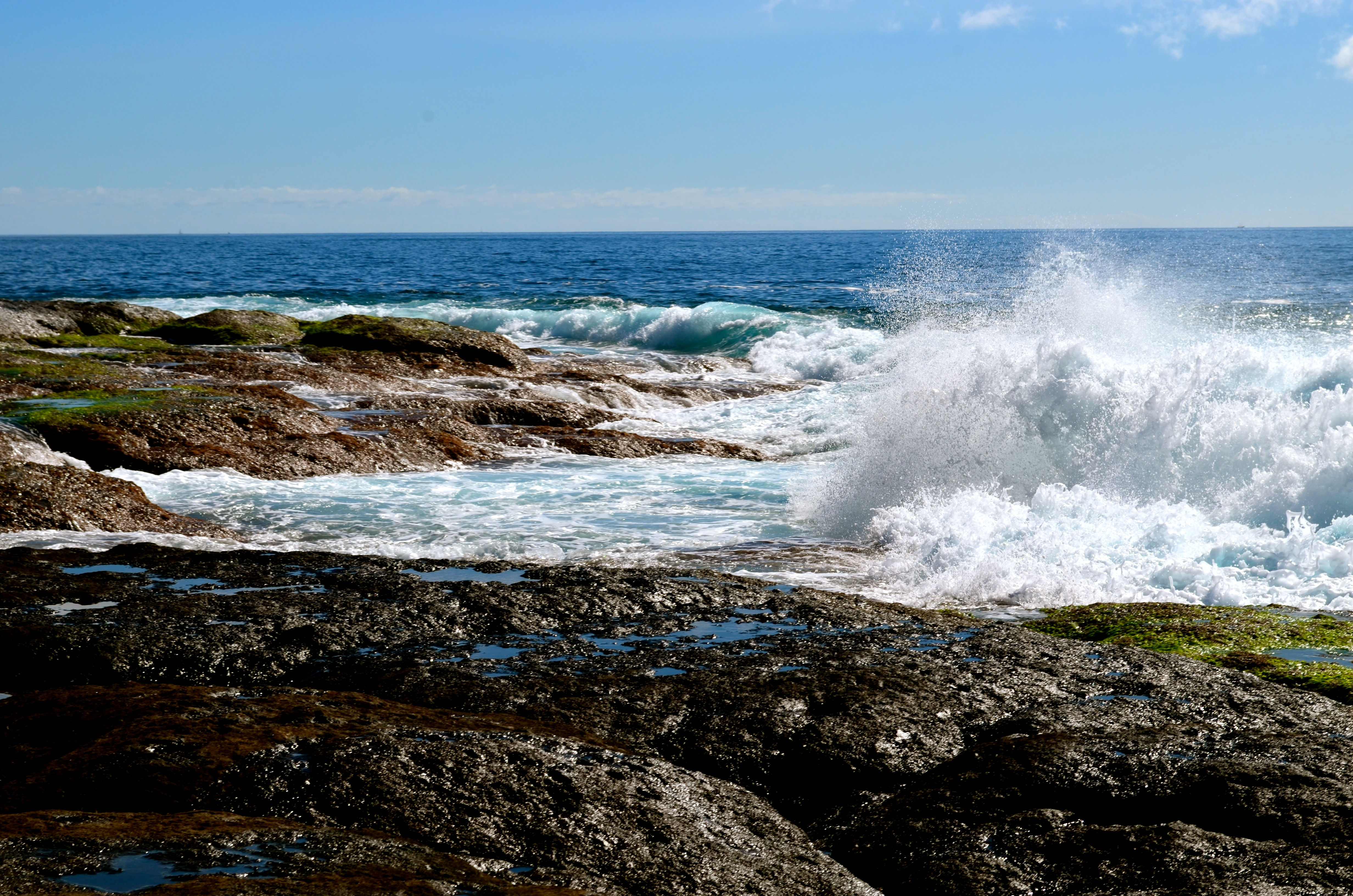
Sitting on the rocks at the shore is an unequaled experience. Just to close your eyes and focus on the smashing sound of another breaking wave…

Wave breaking on the rocks

These rocks provide a very stressful environments for plants and animals to survive in. It is a constant adjustment: water that comes and goes, the power of breaking waves, the terrible burden of the salt… As an ecosystem built on constantly changing conditions, the  surf zone produces one of the most harsh environments around. It even beats the world of the mountain tops, where plants ‘only’ have to struggle to survive the bitter cold.

Waves on the rock

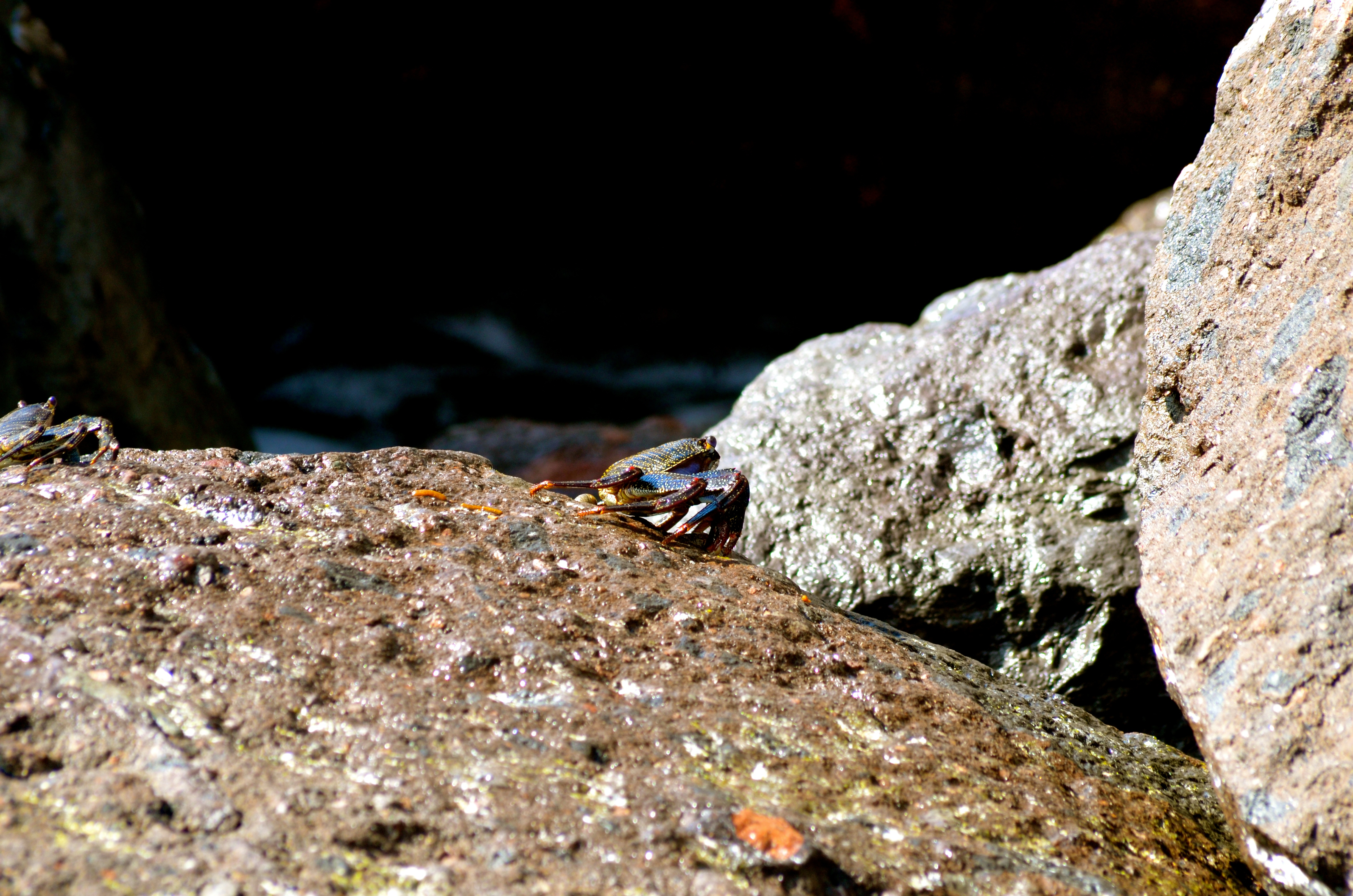
Animals seem to do a little better than plants, here, maybe because they are able to move back and forth with the tides. The large crabs hiding behind every rock did not seem to care at all. Plant life however is limited to some green and slimy algae, the diehards of the plant world.

Crabs

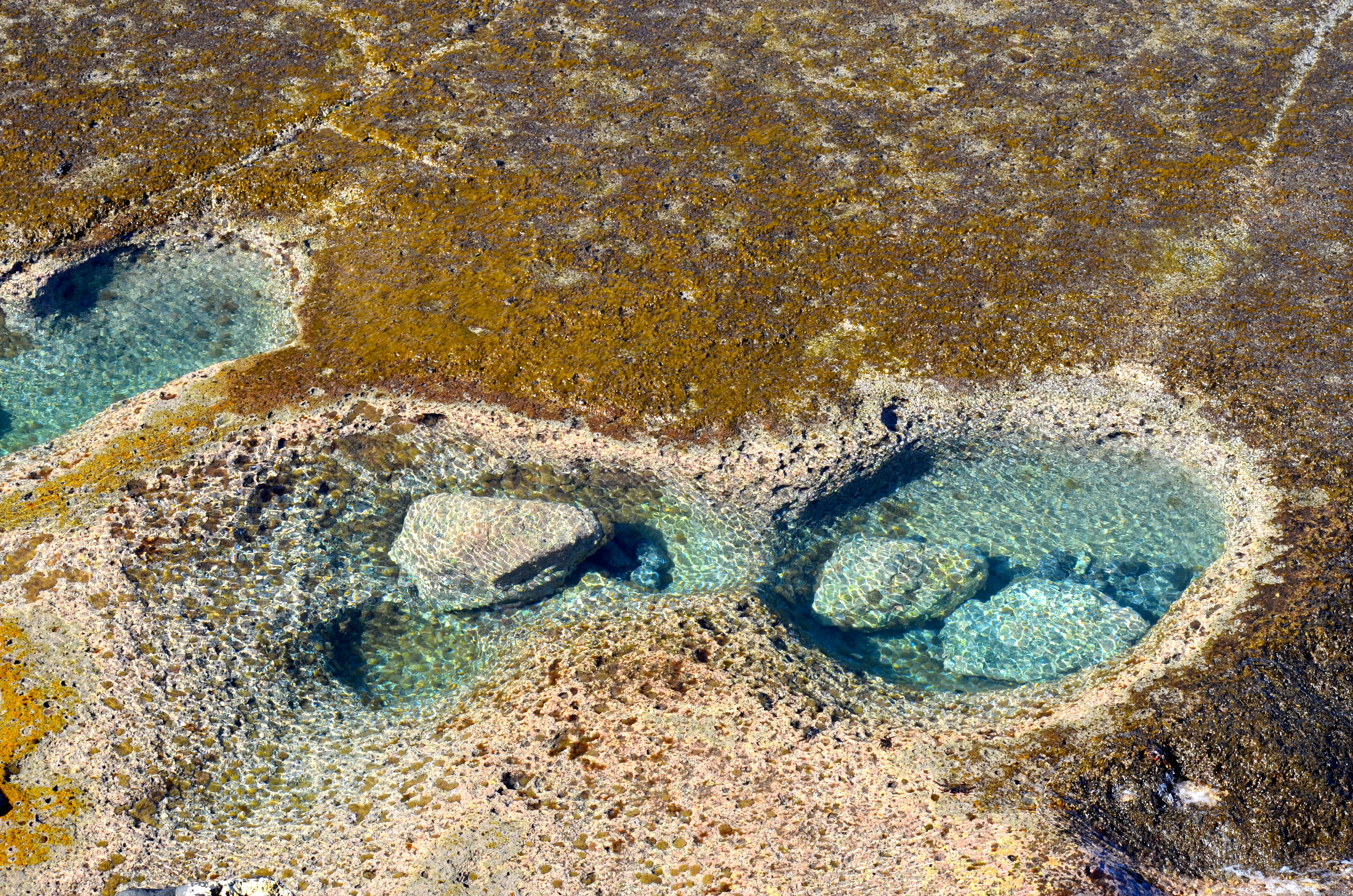
Rocky pool

Posted in Canary Islands | Tagged , , , , , , | 7 Comments

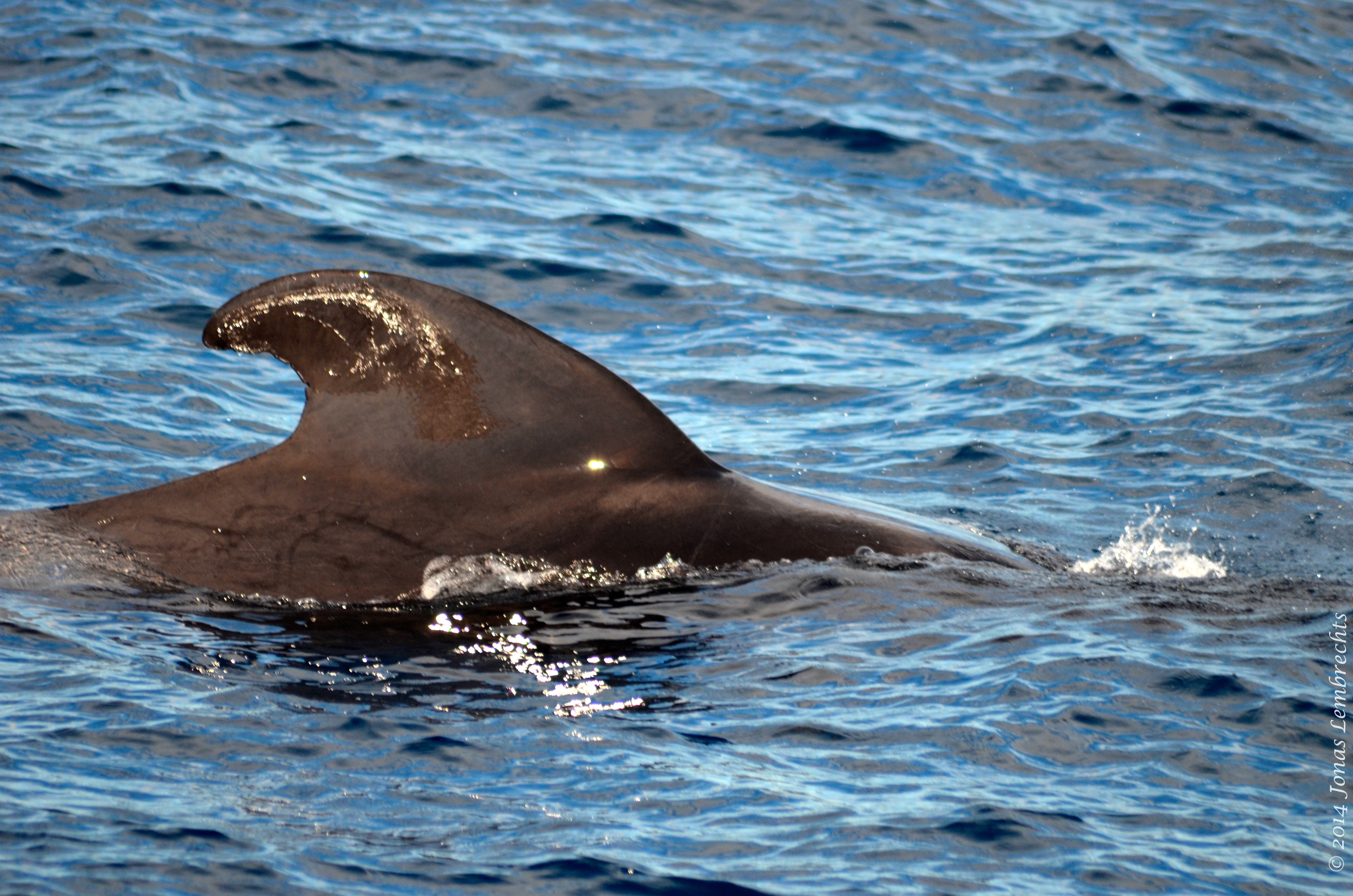
Pilot whales

Somewhere offshore from the coast of Tenerife lives a large family of pilot whales.

Two pilots

They stay the whole year in the same part of the ocean, peacefully plowing through the water and spurting water.

Pilot whale

Pilot whales are funny animals, with their stumpy heads and curvy dorsal fin. But they have a nice serenity around them, as they enjoy day after day in the wide ocean.

Pilot whale fin

It makes you wonder how they deal with the immense amount of space all around them.

Pilot whale and Los Gigantes

But they seem to do fine as they get support from each other to make the big ocean that little bit less overwhelming.

Family of pilot whales

The pilots are real stars. They provide all on their own one of the main touristic attractions of Tenerife, and that means a thing. They see a lot of cameras every day, which could make you wonder if this ecotourism is that healthy for wild animals. On the other hand, the economical value of the pilot whales is huge, which is the reason why they are probably among the better protected animals in the world.  If you are worth more alive than dead, they hopefully keep you in that state as long as possible…

Whale watching tourists

Whale and Tenerife

Posted in Canary Islands | Tagged , , , , , , , | 8 Comments