Climate change is a global issue, and its effect will be felt on every square centimeter of this earth, that issue is more or less cleared in the scientific community. The changing climate might not have as much impact everywhere and anytime, but there won’t be many places escaping its wrath.

We do know all this, we have known it for years. And still, we scientists manage to make the same mistake over and over again. We do know that our own backyard might not be the most important place on earth, but it is just much more difficult to look beyond its borders. Ecologists are not evenly distributed over earth’s surface either, an issue reflected in our research every time again. In a recent and highly interesting review about the impact of climate change on species distributions, this pitfall is painfully brought to light again.

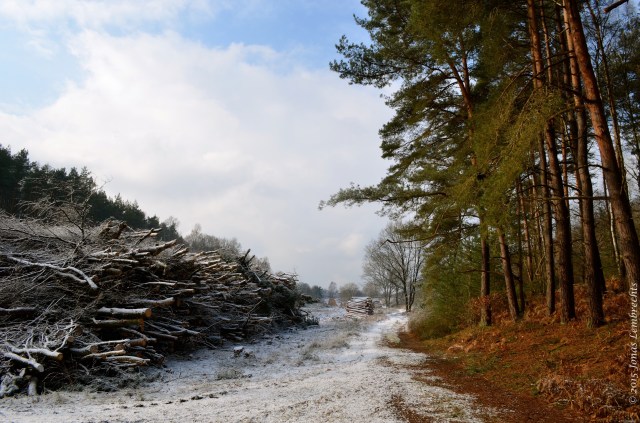
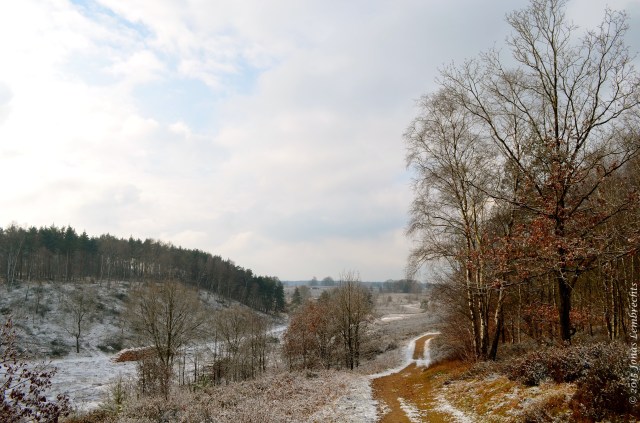
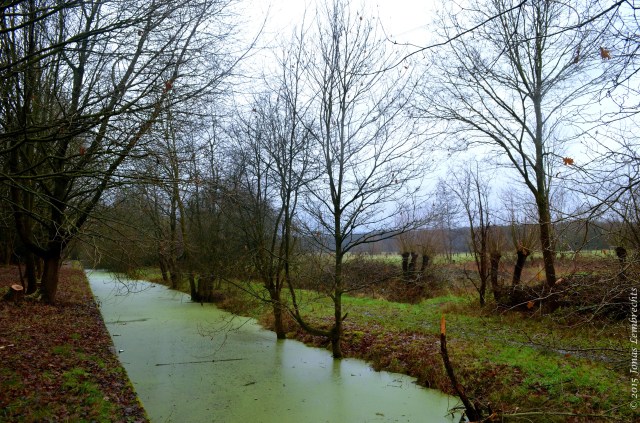
Scientists should try to look a bit further than their backyard, unless it happens to look like this.
In their review, the scientists mapped the ecoregions (a, on the map) and biomes (b) from where species distribution papers were available. It will not come as a surprise that the majority of research is focused on Europe (and to a lesser degree on North America). Massive parts of South America, Africa and Asia remain until now bare, empty spaces in our knowledge.

Not that those areas don’t need any climate change research; the tropical forests with their biodiversity hotspots should not be easily forgotten. They just seem to be… too far.
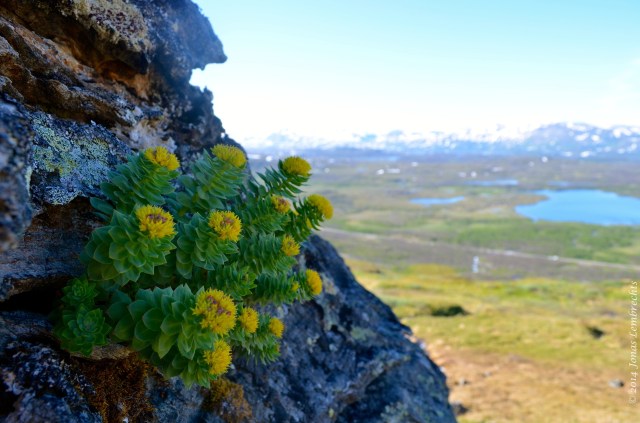
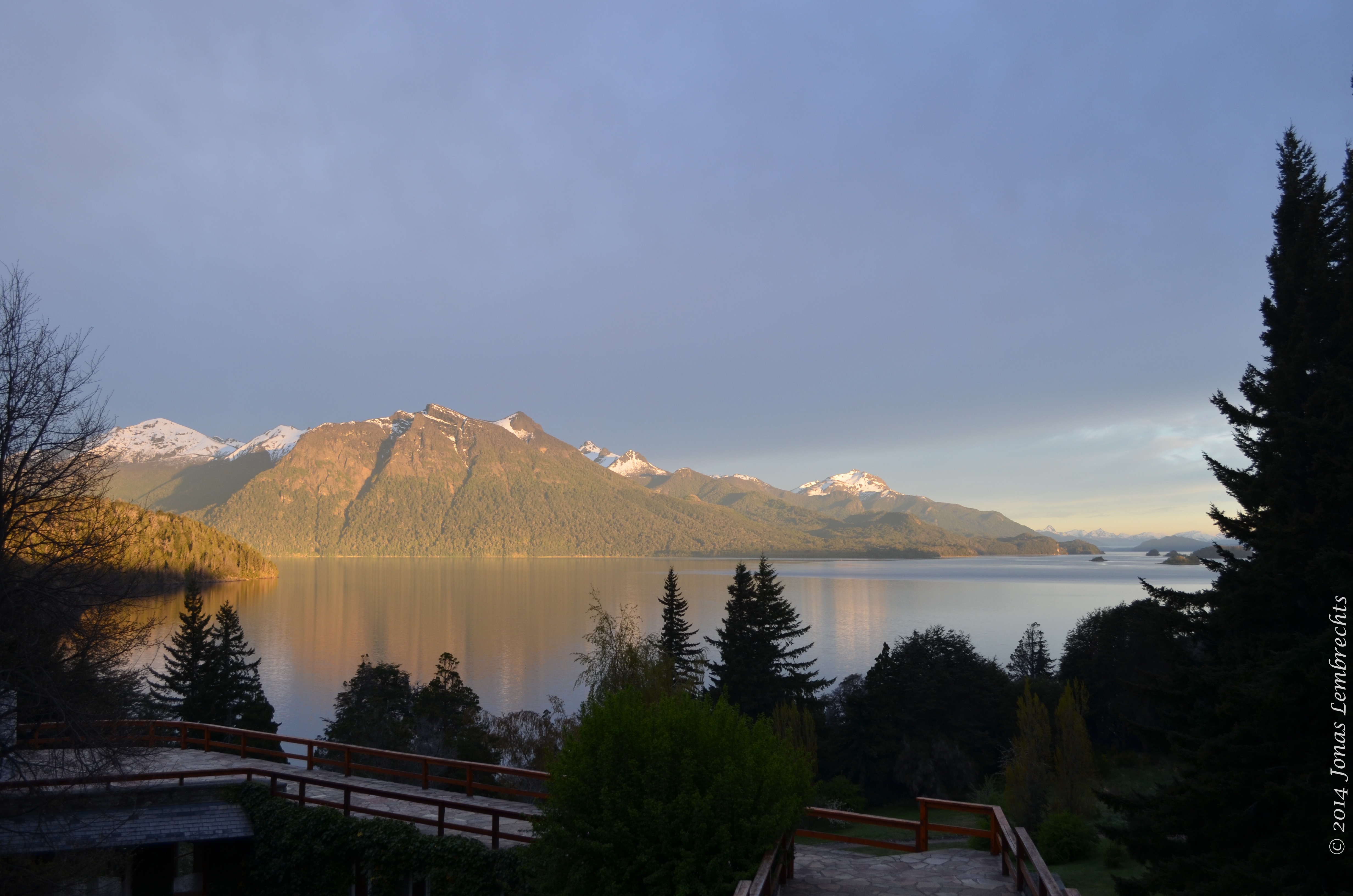
The Scandinavian mountains turn out to be the ideal location for climate change research
Even in this globalised world, the need remains for good and trustworthy information on the less accessible places on earth. What climate change biology really needs now is hence a new generation of adventurers, ready to risk their life and love to fill the gaps on the map and in our knowledge. Our databases crave for it; big, raw pieces of unprocessed data… Please, bring it to me, it does not even need to be a time series of 40 years at once!

(Off course, there is a lot of work going on at the moment to get this issue out of the way; science never sleeps! With the MIREN-network (Mountain Invasion Research Network), for example, we try to fill in the gaps with a joint five-yearly field campaign in 8 different mountain regions from all over the world. Check my role in it here.)
Reference
Lenoir, J. and Svenning, J.-C. (2015), Climate-related range shifts – a global multidimensional synthesis and new research directions. Ecography, 38: 15–28. doi: 10.1111/ecog.00967








 The 3D lab