Charging the batteries

Meerdaelwoud - 5

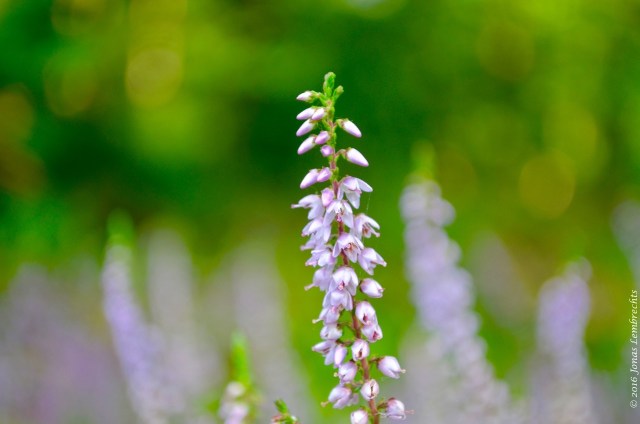
The end of August is the best season to see the heather flowering

A few more days of charging the batteries here in Belgium before we head up back north to the colds of the Arctic.

Meerdaelwoud - 6

There seems to be an unfortunate negative correlation between the weather in Belgium and the weather in the north of Scandinavia. Now Belgium and the rest of Western Europe are enjoying a lengthy period of beautiful summer weather, but as usual the northern Scandes seem to be left out of it.

Meerdaelwoud - 8

This mostly likely means I gonna have to put my head in the clouds again next week, as the low-hanging clouds seem to be omnipresent on our mountain. Yet you never know for sure what the weather will bring, so I’ll just keep my hopes up high!
Meerdaelwoud - 9

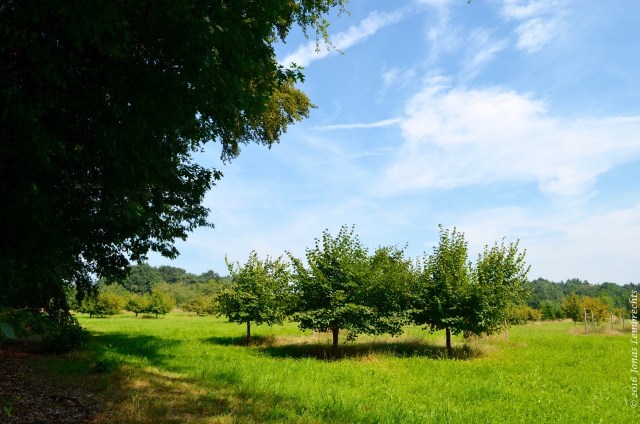
No reason though to deprive myself of sun and warmth while I’m still down here at home. And where better to celebrate summer than between the big beeches and oaks of the Meerdaal forest, one of Flanders’ oldest forests?
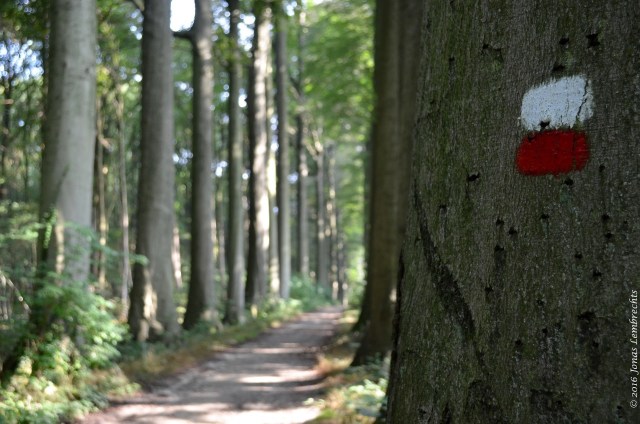
Meerdaelwoud - 3

GR-route through the Meerdaalwoud

Meerdaelwoud - 4

Red admiral butterfly


Posted in Belgium | Tagged , , , , , , , , , | Leave a comment

JFK

Sunset from JFK New York, last week, on our way back from the ESA ecological conference in Florida. I guess they call this a #trowback…

I have had time to think about all I learned in America, and my main conclusion shouldn’t surprise anybody who recalls the size of that meeting (more than 3000 scientists!): 

There is just so much ecological science going on!

And with that realisation came a second one: I do want to put in all effort needed to keep my personal ecological knowledge broad. I don’t want to be squeezed in further and further in one tiny corner of ecology – as exciting as it might be, I want to contribute to its core.

That’s part of the goals for this autumn. But first things first: a trip to the mountains next week!

Posted in General | Tagged , , , , , , , , , | Leave a comment

Picture this

The Scandinavian summer… Fascinating as ever…

Spiky rock in the riverbed

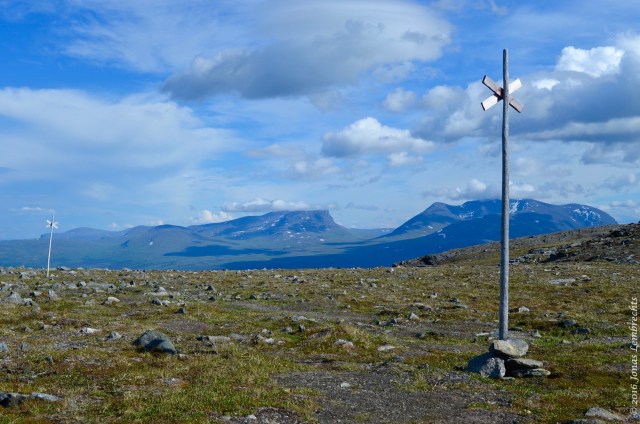
You are invited to browse through the gallery from our first field trip of the summer to Abisko, on the right of this blog (or if all goes well via this link).

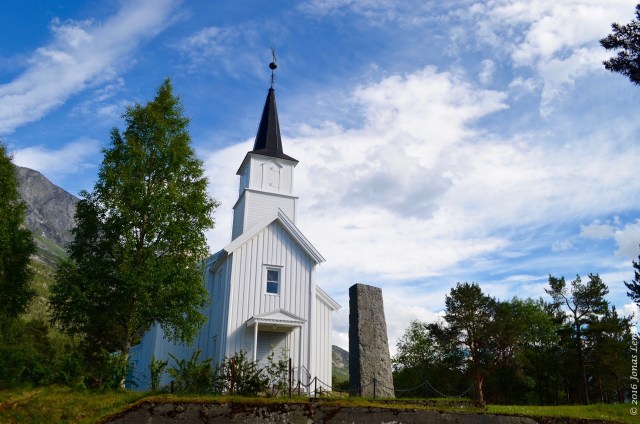
Little white Norwegian church in the Skjomen valley

Admire breathtaking views, fabulous plants and typical Scandinavian views.

Idyllic Norwegian valley - Skjomen

Posted in Norway, Sweden | Tagged , , , , , , , | 3 Comments

There is no place like

…home.

Zemst - 5The summer is for fieldwork and conferences. For a mountain ecologist based in Belgium, that means a lot of travelling. To the mountains. To other like-minded scientists.
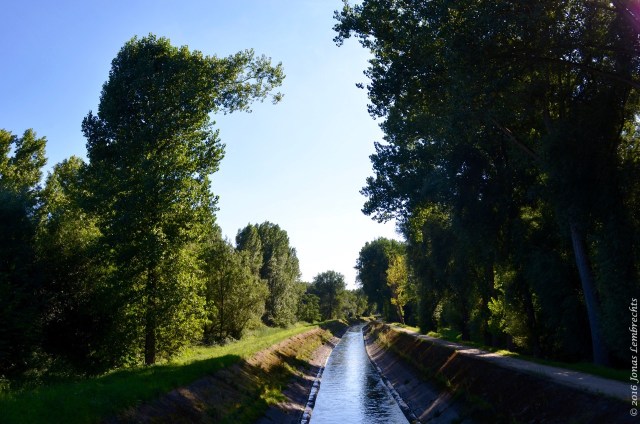
Zemst - 1

All that travelling might very well be the most exciting part of the job, so no complaints there. Yet after all that travelling, I always arrive back in Belgium with the same feeling: there is no place like home.

Zemst - 6

I recently moved to a place a bit more in the Flemish countryside, perfect to get a better ‘feel’ of nature again. No mountains here, though. But hey no reason to deny you some good-old Belgian summer views.

Zemst - 4

Old mill on the river Zenne, Zemst

Soon I am off again, to Sweden, for the second half of this summers’ fieldwork. The pictures will probably become much more exciting again

The true feel of home however stays reserved for here.

Zemst - 3


Posted in Belgium | Tagged , , , , , , , , , , , | 5 Comments

Alpine invasions

With all that travelling (first fieldwork in Sweden/Norway, then the conference in Florida), I did not have time yet to announce the good news: we just got a paper published in Alpine Botany, reviewing the current knowledge on plant invasions in the alpine zone, above the tree line.

Swedish subarctic - 68

Western European species like the red clover (Trifolium pratense) here are often listed as non-native species in mountain regions.

It was a fruitful collaboration from our network, (MIREN, the Mountain Invasion Research Network), joining forces with everybody that knows something about plant invasion in the highest mountains.

Swedish subarctic - 125

Although the alpine zone has been harder for invasives to access than most places, human structures like trails are often an easy gateway for the invaders to get up there. Picture from Abisko, Swedish Lapland.

You can read all about it through my post on the blog from the Mountain Research Initiative.

The paper: Alexander et al. (2016). Plant invasions into mountains and alpine ecosystems: current status and future challenges. Alpine Botany.

Posted in Science | Tagged , , , , , , , , , | 1 Comment

Florida Zoo

Well, the whole of Florida is a bit of a Zoo, that is for sure.

Florida Zoo - 4

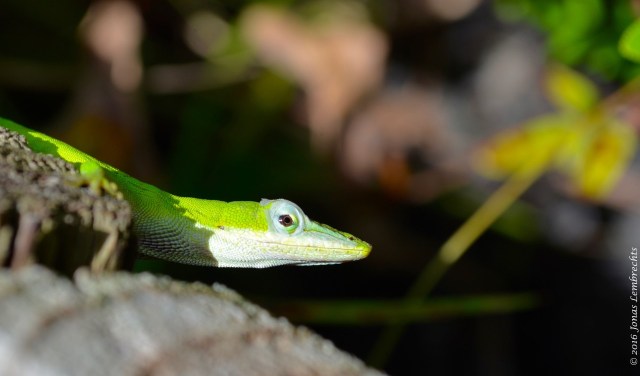
Green anole hiding under a bridge

Even for conference people that didn’t have the time to go out all day, like us, there was plenty of wildlife to discover.

Florida Zoo - 3

Pelican at the beach

I always have that impression with North America, that it has plenty of wildlife, living close enough to humans to be spotted (and maybe even being less afraid than their European counterparts, but that’s only a wild hypothesis).

Florida Zoo - 2

Luckily, it also seems that the United States have a very well organised system of National Parks, as well, there to protect the nature and wildlife. I saw lots of talks at the ESA ecology conference from American park scientists and what they are doing, and that was an impressive set of presentations.

Florida Zoo - 1

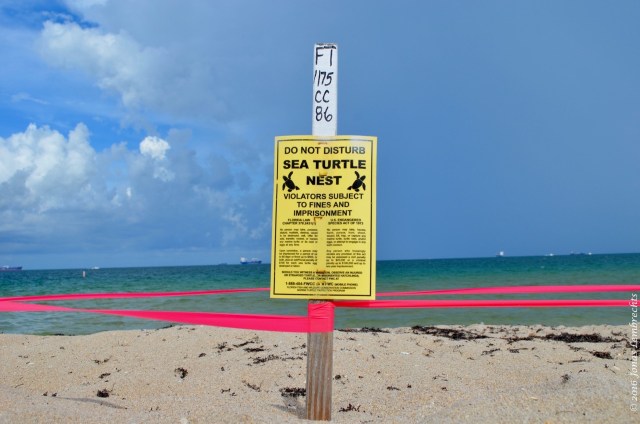
Protecting turtle nests on the beach of Fort Lauderdale

That is the merits of being in applied ecology, you see the immediate impact of what you are working on, in contrast with the theoretical work that is the biggest part of what I focus on. I am very happy with my role, though – doing what I do best – but it was surely enlightening to see the other side of the ecological spectrum once again up close.

Florida Zoo - 5

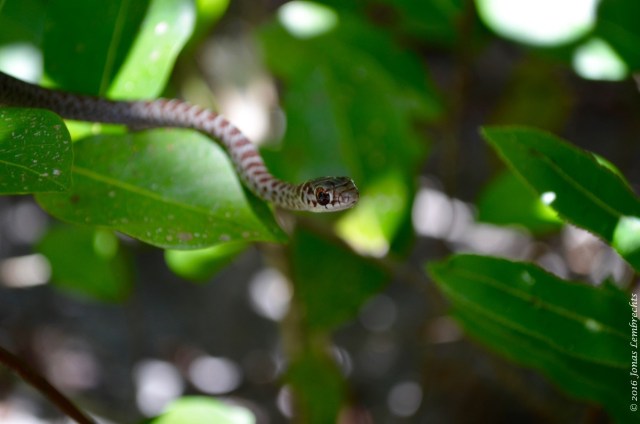
Tiny snake up close in a mangrove forest

Posted in USA | Tagged , , , , , , , , , , , , | 2 Comments