5 years later

Summer 2012. I was a young masters student, spending my first month of many above the polar circle. I joined a global consortium called MIREN, the Mountain Invasion Research Network, that surveyed plant invasions along roads in mountain regions scattered across the globe.

SONY DSC

Eriophorum vaginatum – pictures from our 2012 campaign

With 3 roads in the north of Norway, close to Narvik, we added the northernmost sample sites to this expanding network. With its short summers, freezing winters, yet surprisingly versatile plant species, the Northern Scandes promised to be very interesting.

SONY DSC

One of our Norwegian roads in early summer

The unfortunately cold Nordic summer of 2012 was spent surveying these roads, monitoring all plant species that grew in the roadside or the adjacent natural vegetation, with the aim to initiate a long-term monitoring project of the movement of the plant species.

SONY DSC

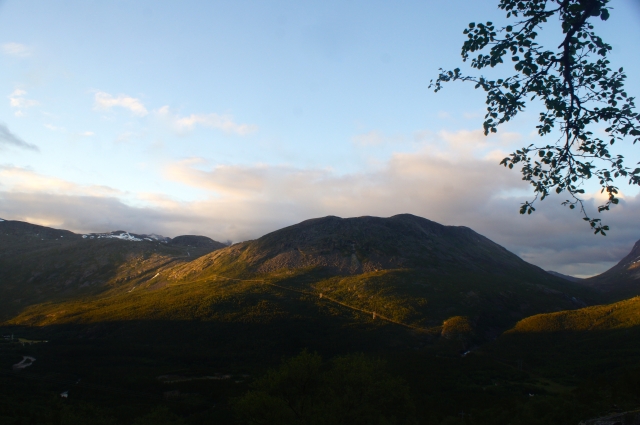
The study area in northern Norway

We are now in the year 2017, five years after this memorable first survey. Time to bring a new team together, with one ambitious goal: return to exactly the same plots that were first surveyed in the summer of 2012, and investigate in detail what happens to the species on the move. A challenge made possible thanks to the INTERACT Transnational Access program.

SONY DSC

Midnight sun above lake Torneträsk, Sweden

In a series of posts, we will first cover what came out of the first survey, followed by the fieldwork adventures we encounter on our new mission. Stay tuned, because this will be our most exciting summer of the century (or, well, at least the last 5 years of it…).

SONY DSC

This post first occurred on the INTERACT-blog, where we will share our adventures in the high north. 

Posted in Norway | Tagged , , , , , , , , | 1 Comment

More than bluebells

Hallerbos - 18

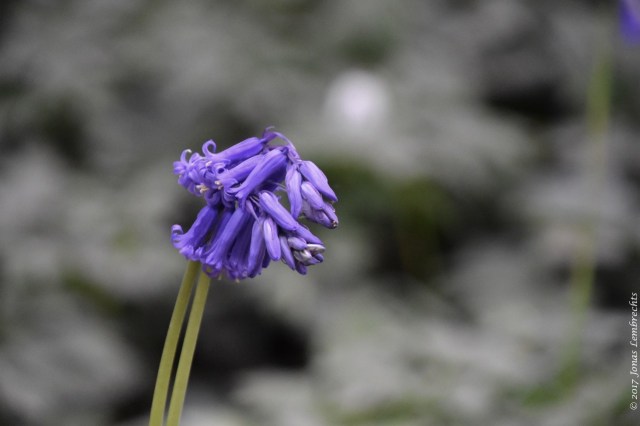
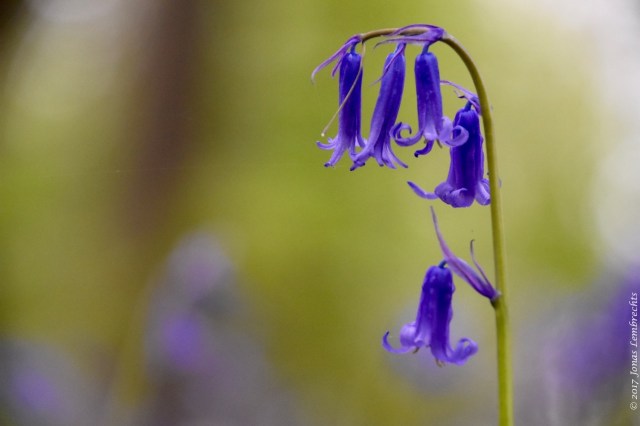
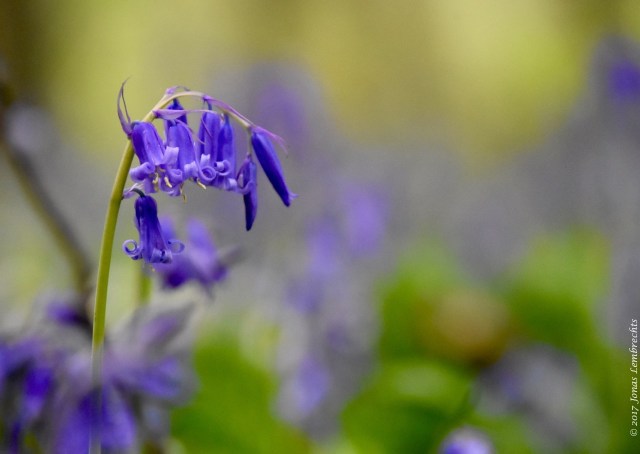
Bluebells (Hyacinthoides non-scripta)

The Hallerbos is much more than only bluebells.

Hallerbos - 4

Yes, the millions of delicate purple flowers are world-famous, and the single reason why thousands of people flock together here every day at the height of the season. Yet there is a lot more to discover below the tall beech trees, if you know where to look.

Hallerbos - 20

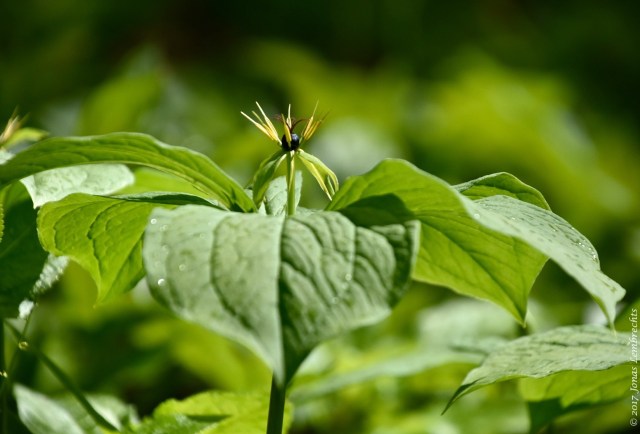
The herb-paris (Paris quadrifolia), less common in the forest, but a surprisingly beautiful find

Every year in the middle of April, we release the students from our Bachelor’s in Biology in the Hallerbos for a day. To admire the fields of bluebells, yet more importantly to give them an impression of the ecological dynamics in a Belgian forest. Concerning the latter, the Hallerbos is exemplary. With its gentle slopes and little streams, the forest hosts interesting gradients: from wet to dry, from nutrient-rich to nutrient-poor, from basic to acid.

Hallerbos - 9

A little valley, showing how the understory in the Hallerbos is restricted to spots that are not too dry or nutrient-poor

The resulting understory vegetation neatly mirrors these gradients, revealing the power of the abiotic environment in defining what grows where. Bluebells? Yes, yet only where it is not too wet and not too dry, and where enough nutrients are available and the soil is not too acid. Typical water-related species close to the streams? Yes, yet notice the differences in species composition with the spring- and seepage-areas.

Hallerbos - 21

A little stream in the Hallerbos, surrounded by endless fields of wild garlic (Allium ursinum)

Looking at a forest from this ecological point of view also teaches you to appreciate the less eye-catching plants as well. The more you learn how to read a forest, the more you will appreciate the returning certainties, and the surprising encounters.

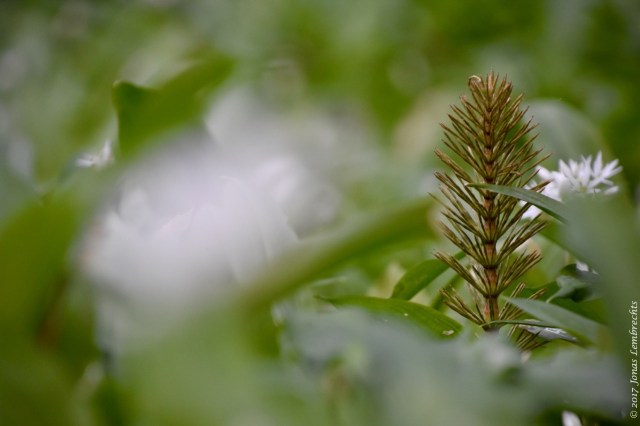
A really wet patch of forest, with giant horsetail (Equisetum telmateia) in a field of wild garlic (Allium ursinum).

The students also learn to disentangle the feedback effects of the vegetation on the abiotic conditions. How beech trees slowly acidify the soil, making it harder for understory plants (like the bluebells) to survive. How conifers do the same, yet significantly quicker, reducing the understory diversity to less than a handful of tough survivors. Or how understory species have to act fast, before leaves on the towering trees are fully grown and shade out all the light. Simple rules, but revealing how everything in ecology is connected.

Hallerbos - 14

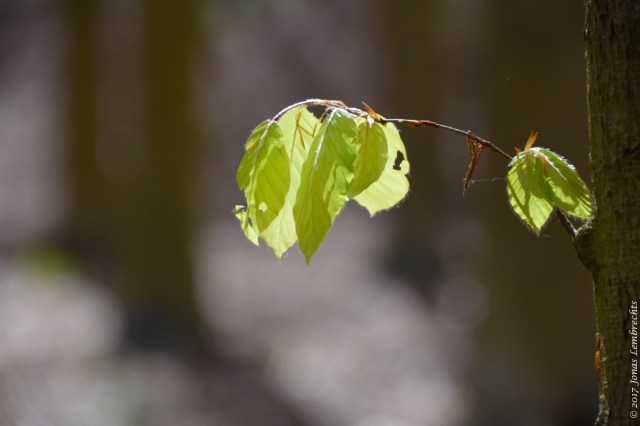
Young beech leaves. As soon as they are fully grown, spring in the understory is over

Give it a try yourself next time you are out in the forest: try to search for signs of the underlying abiotic conditions in the vegetation, and look for species that are surprisingly often occurring together. You’ll see, playing nature’s detective is a lot of fun!

Want to know more? Discover the nice picture gallery with more stories on the right of this blog.

Hallerbos - 12

A young beech seedling (Fagus sylvatica), looking nothing like a beech, yet everything like a tiny dancer…

Posted in Belgium | Tagged , , , , , , , , , , | 2 Comments

Unexpected bluebells

This time of year, thousands of people are awed by the Purple Forest, the beautiful Hallerbos close to Brussels, with its endless tapestries of bluebells.

BoisdArles - 4

Tourists come from all over the world, making the romantic scenery suffer more, year after year, under its own unprecedented success, forcing the foresters to re-evaluate how they deal with visitors in their top-ten forest.

BoisdArles - 6

A first reasonal solution is an increase in supervision: scouting the forest on peak days, convincing tourists to stay on the paths and leave the bluebells undisturbed, as well as putting warning signs at every indication of past deviations from the marked trail. While staying on the trail might sound obvious to some, the urge to get the perfect picture easily blows reason right out of the minds of many nature lovers. And for many tourists, their visit to Hallerbos is their first forest experience, and then a little guidance is needed.

BoisdArles - 2

The second solution is an even more interesting one: remind the visitors that the Hallerbos is not alone in its breathtaking beauty. The center of Belgium is scattered with several smaller or larger patches of forest that are all extraordinarily beautiful in spring.

BoisdArles - 3

Several of these forests even host their own tapestries of bluebells. Not as extensive as the one in the Hallerbos, yet they make up in tranquility for what they lack in surface area. The pictures in this post, for example, where made in a small patch of forest close to Nivelles, a few tens of kilometers south of Brussels and the Hallerbos. The patch is called ‘Bois d’Arpes’, and I accidentally stumbled upon it at the height of its bluebell season.

BoisdArles - 5

Taking away the masses, adding the excitement of discovery, it made the bluebells a whole lot more ‘real’ and natural again to me.

So here is my suggestion for next spring: give the Hallerbos some well-deserved peace and quiet, and dive into the other forests in the area. Let yourself be surprised by what you find there, be it bluebells, or one of the tens of other amazing spring flowers that Belgium’s forest host.

Posted in Belgium | Tagged , , , , , , , , , , | Leave a comment

Species on the move

The world’s climate is changing rapidly. There, I said it! A statement backed by scientific evidence that keeps piling up, day by day. Yet, what is perhaps even more important: the impact of this changing climate on our world are now undeniably starting to surface as well. From the damaging effect of extreme weather events, over the slow-yet-steady rise of sea levels to the changes in the distribution of countless species; climate change is happening under our very eyes.
20311152542_969f40e5f3_o

Recent climate change is affecting a fragile balance, and the ball just started rolling

Concerning the latter, an impressive recent review in Science (Pecl et al., 2017) has bundled all these observed biodiversity redistributions, highlighting why we should care about them. And that last fact might be even more interesting, because at first sight, it might be not more than a scientific triviality if organisms are heading north or up in the mountains.
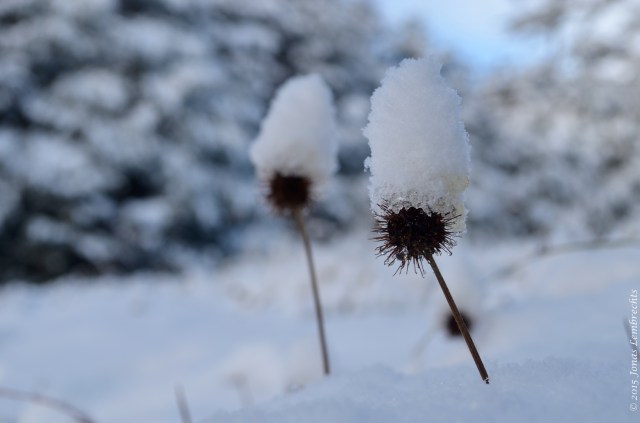
Snowy hats

Climate is changing, and species are moving along

Yet these observations are far more than just a triviality. Our lives connect much tighter with the living world than we realise from inside our nice nature-free concrete cubicles. Changes in species distributions will affect human lives, and it is already happening right now. This is dramatically exemplified  by mosquitoes such as Aedes and Anopheles, which play a crucial role in the distribution of malaria, yellow fever, dengue and several other diseases. With 750.000 human deaths a year, they are arguably the most deadly animal species of the world. Their distribution is however closely linked to temperatures and rainfall patterns, and consequently prone to rapid changes in a warming climate. For some areas, this could be a good thing, as mosquitoe numbers might fall, yet millions of people in vulnerable areas will be exposed to these mosquitoes in the near future, especially in Eastern Africa.
Pecl

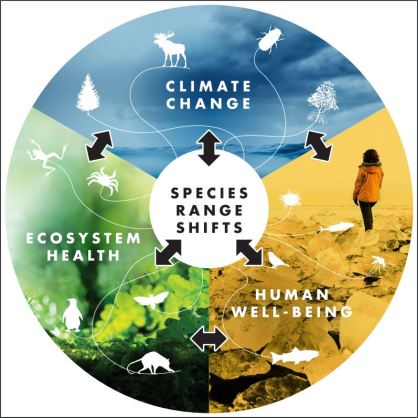
Infographic from the Science-article, showing that species range shifts will affect ecosystem health, human well-being ànd climate change itself.

Albeit a dramatic one, this is just one of the countless examples of observed and predicted range changes that will affect our planet, varying from impacts on ecosystem health (e.g. crabs predating on organisms on the Antarctic seafloor that have never seen such a predator in their life), human well-being (fish species moving away from their fishing grounds, or the earlier mentioned mosquitoes) and even feedbacks on climate change itself (“Greening of the Arctic”, where larger shrubs are taking over from mosses and lichens, substantially changes the reflection of heat away from the earth).

abisko-autumn-104

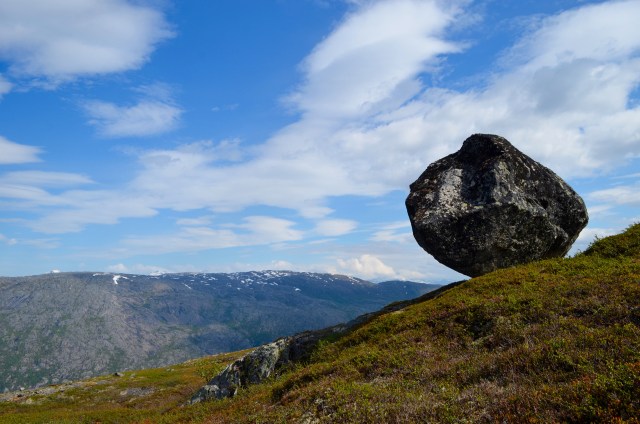
Shrubs are rapidly expanding to higher elevations and lattitudes in the north, with cascading effects on the whole ecosystem

The latter example provides additional insight in how these rapid distributional changes can cause an unstoppable cascade throughout the whole environment. The recent rapid shrub expansion in the Arctic tundra results in declines in the low-stature vegetation that is not prepared to deal with shade. Yet, the effect goes further, as has been shown that reindeer have been suffering from the decline in lichen, their favourite winter snack. The decline in reindeer consequently affects the economy of local Saami communities, with important challenges for the local and regional government.

DSC_0086

Reindeer herds are increasingly affected by the greening of the Arctic, as the cover of mosses and lichens gets reduced.

An important remark to end this worrying story: there will – as always – be winners and losers. Not all change is bad, and many positive surprises might pop up along the way. For example, coastal fishing communities in northern India are benefiting from the northward shift in the oil sardine’s range. In contrast, skipjack tuna is projected to become less abundant in western areas of the Pacific, where many countries depend on this fishery for economic development and food security.

Yet even with these positive effects, climate-driven range shifts will still provide massive challenges for our whole society: we will have to figure out how to deal with the negative, and get the most out of the positive effects. The impacts of species on the move will for example play a highly underestimated role in our capacity to achieve virtually all of the United Nations Sustainable Development Goals, including good health, poverty reduction, economic growth, and gender equity.
Novel ecosystems - 7

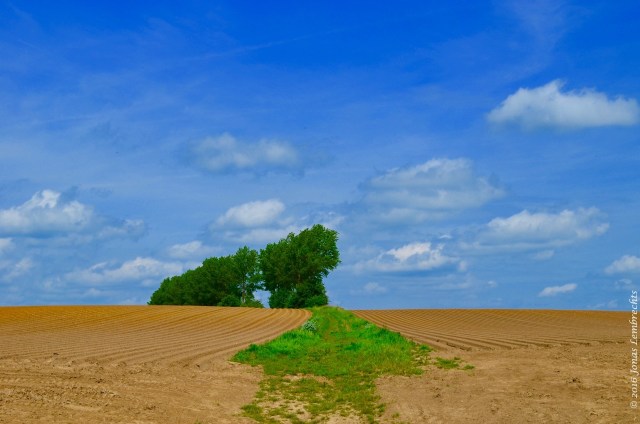
Agriculture around the world will strongly feel the impact of shifts in the location of optimal growing conditions, with major possible impacts on development and poverty reduction goals.

And that is all but a triviality.

——

Want to know more? Check out the paper in Science:
Pecl et al. (2017). Biodiversity redistribution under climate change: impacts on ecosystems and human well-being. 
Science, 355, eaai9214.
Posted in Science | Tagged , , , , , , , , , , | Leave a comment

Avoiding the best spots

Montpellier - 35

How plants deal with stress has always fascinated me. Remember that post where I argued that plants can fly? Well, they can for sure, yet that does not mean they have to be able to deal with the circumstances wherever they land.

Montpellier - 13

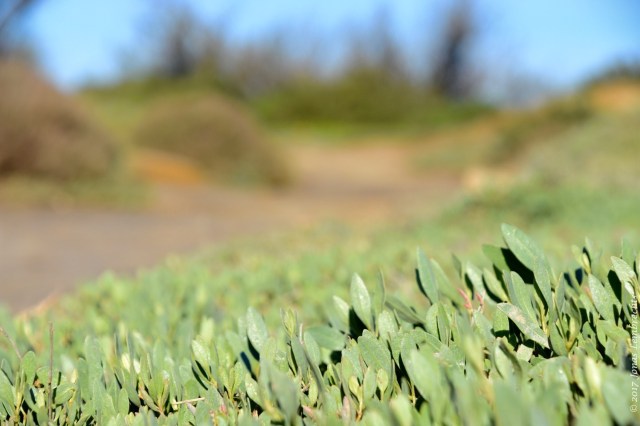
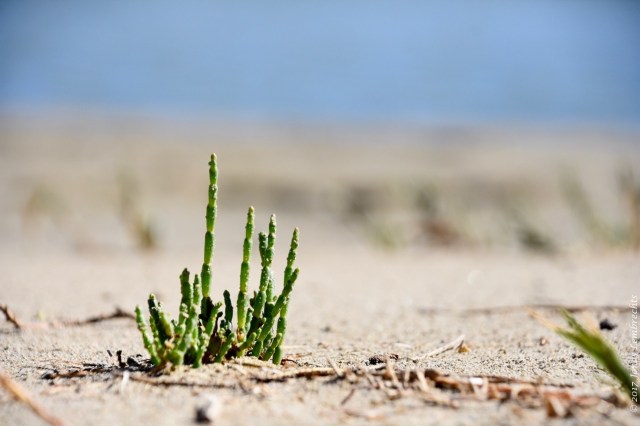
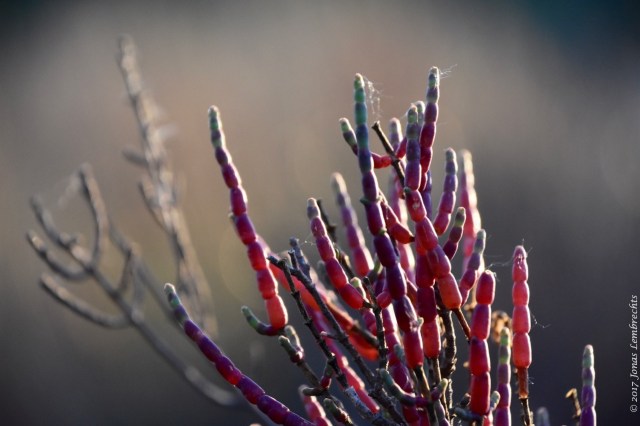
Pickleweed, Salicornia sp.

It is thus a logical assumption that plants would prefer to be on the best spots possible in that sessile part of their lives: if you have to stay where you are, better be somewhere good, don’t you think? Yet there is animportant issues with being on a good spot: your neighbours.

Montpellier - 46

Competition for the good spots is tough, and only the best competitors will be able to survive there. Living in optimal conditions might thus easily be as much of a resource investment as the other alternative: living were conditions are much worse.

Montpellier - 49

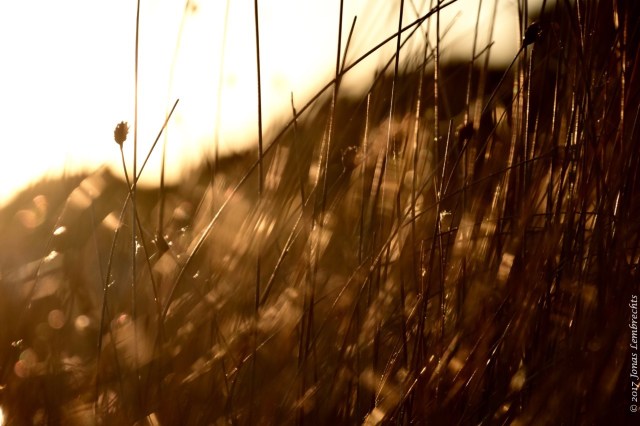
And that brings me to the stress-tolerant species: plants that invested their energy in coping with stressfull conditions, instead of finding ways to outcompete others in less stressfull environments. Good examples of such stress-tolerant species can be found in the pictures in this post: all species from the Camargue in southern France, a brackish vegetation along the inland lagunes of the Meditteranean.

Montpellier - 48

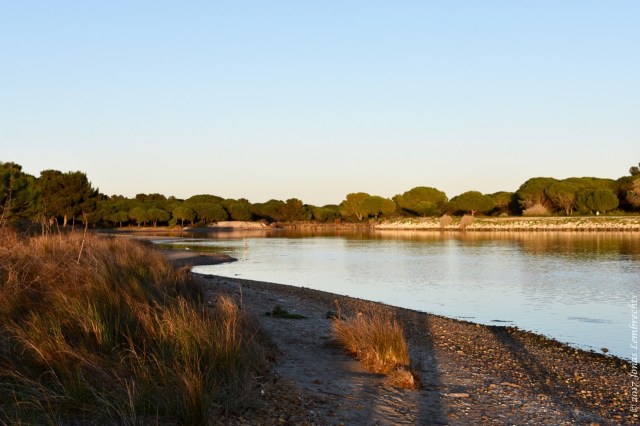
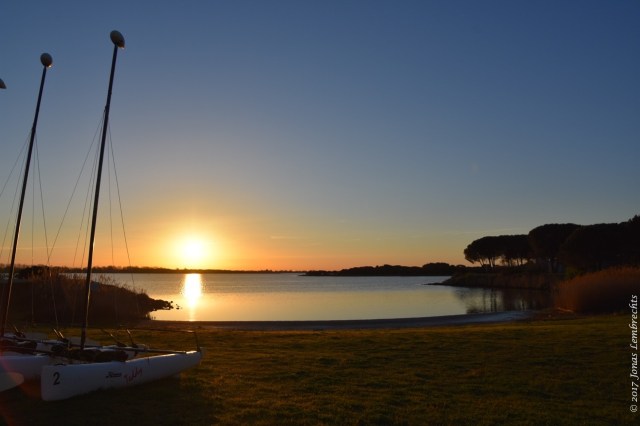
An inland lagune close to Montpellier, France

They often are succulent, or at least very sturdy, with stems and leaves especially designed to limit the water loss in the high-salt environment. This investments has a cost concerning growth rate, reproduction etc., yet in an environment where only the tough ones can survive, growing fast is not a necessity.

More pictures: check the gallery called ‘Montpellier 2017‘ on the right of this blog.

Posted in France | Tagged , , , , , , , , , , , | Leave a comment

The feel of the south

Montpellier - 25

Do you want to experience the feeling of spring in the south of France? You will get the closest possible by visiting the beautiful picture gallery ‘Montpellier 2017’ on the right of my blog, or via this link. There you can see in a series of images how I experienced the south of France while I was there for the Functional Ecology conference end of March.

Montpellier - 30

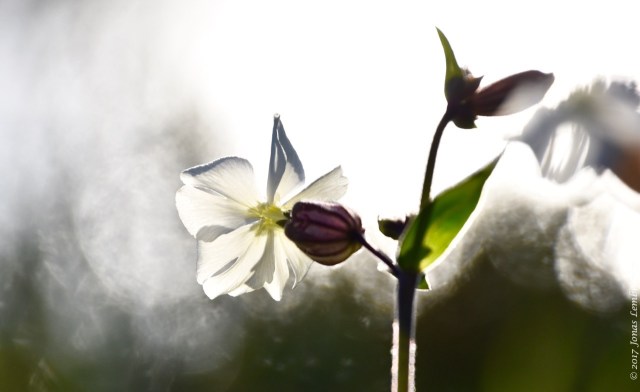
White silene flower

An occasional conference is a necessity, in my opinion. Not only for the highly interesting and rewarding contacts with other scientists, yet also for the experience of the totally different ecology of the local ecosystem.

Montpellier - 47

For an ecologist, getting the feeling of a wide variety of these environments is even crucial to understand the world and how it works. It helps keeping an open mind when searching for global processes and local variation.

Montpellier - 39

Camargue horse enjoying the morning sun

Interestingly, these different environments also indirectly contribute to the power of a conference: they get reflected in the research topics and – even more importantly – the way of thinking of the scientists you meet there. They often add unexpected insights or viewpoints to what you thought of as a universal ecological viewpoint.

I thus spend some time getting to know key factors of the local nature: most notoriously the lowland salt marshes and the large amounts of water.

Posted in France | Tagged , , , , , , , , , | Leave a comment