Laguna del Laja

This is the second post in a series of stories from our ongoing fieldtrip to South America. Check out the first one <–

Our first day of fieldwork in the Chilean Andes brought us to Laguna del Laja, a national park at the foot of the Antuco-volcano. There, in a desolated landscape of rocks and gravelly slopes, we would survey our first South American mountain road.

DSC_3107

A mountain road through a desolated landscape

In that alien world, we would study the interactions between different plants, and between plants and the belowground world along mountain roads, in order to understand better how climate and human land use together shape the mountain vegetation.
DSC_3141

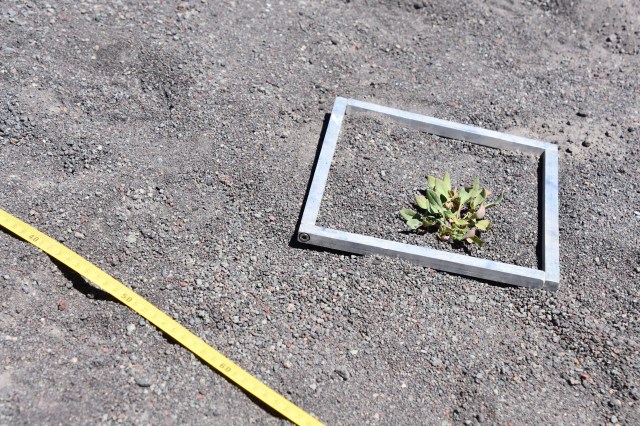
A lonely patch of Rumex acetosella in a volcanic wasteland

At high elevations, there does not seem to be much to interact with, though, as plants are far apart in the volcanic wasteland. Yet that first view is deceiving: a lot is happening below the soil surface, where mycorrhizae (root fungi) dictate the crucial nutrient uptake of most plants. We are sampling these roots, and will use DNA-analyses to get an idea of the diversity of mycorrhizae in the system.

DSC_3078

A Senecio-species braving the harsh conditions of the high Andes

Roads will be drastically changing all these interactions, both above ànd below the soil surface. How that exactly works, that is still a mistery, but the data of this fieldtrip, combined with data from several other collaborating MIREN-regions, will hopefully shed light on that in the near future!

DSC_3198

Cytisus scoparius, a common European invader in South America. In the background: the peak of the Antuco-volcano

Very important in that regard is the role of roads as highways for non-native plant species, rapidly funneling new intruders upwards towards higher elevations. These non-native species are bound to mess up the established interaction-network. At the same time, the present interactions will be crucial to define the faith of the invaders.

DSC_3218

A native cushion-forming cactus (Maihuenia) between the volcanic rocks

The Chilean Andes have very high amounts of non-native species, especially compared to some of our other study regions in northern Scandinavia. That is another reason why we are here: to compare the effect of invaders on the vegetation in high versus low-impacted regions.

For now, it is the sampling that needs to be done, the questions will be answered later (after hard work in the field, in the lab and behind the computer). More on all that to follow!
Posted in Chile, General | Tagged , , , , , , , , , , | Leave a comment

Concepcíon

Brussels-Madrid, a midnight cross-over of the Atlantic Ocean and the whole of South America, and a one hour flight south from Santiago, and there we were: Concepcíon, close to the Pacific Ocean, in Central Chile.

DSC_2989

There, on the shores of the Biobio river, we spend our first Chilean evening, meeting the local MIREN-people, making plans for fieldwork to come, eating delicious food, and washing away the tiredness of the travels.

DSC_3016

Walking across the riverbed of the Biobio-river

With this post, I like to introduce you to an upcoming series of stories from our ongoing fieldtrip to South America. A fieldtrip that brought together French, Belgian, Chilean and Argentinean MIREN-people to tackle cool new questions on plant distributions along mountain roads. Stories will slowly trickle in, as fieldwork and bad internet might hold me back.

Next up: the Andes!

Posted in Chile, General | Tagged , , , , , , , , | 5 Comments

Winter to summer

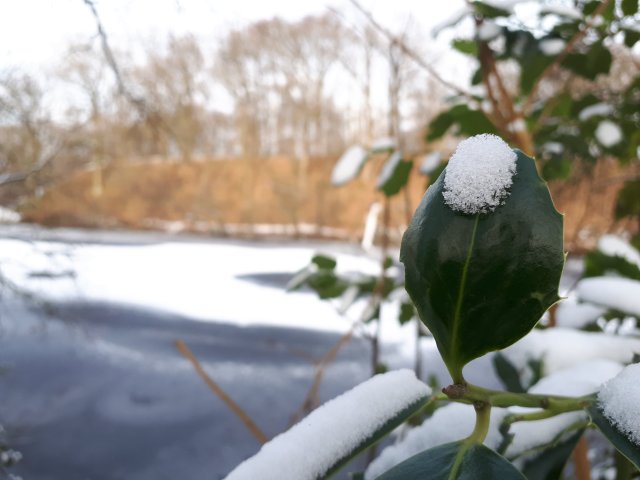
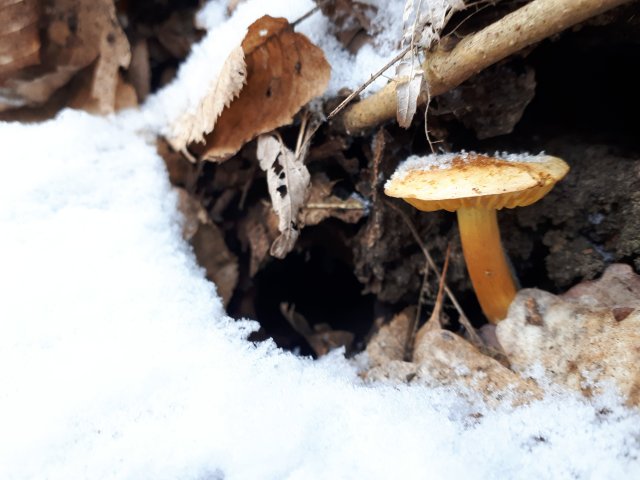
Winter is here in Belgium, bringing gusts of frost, snow and icy rain that make for cold noses and toes.

20190123_1238546860231399268507145.jpg

Little snow hat on an Ilex at our university building

With all that cold, I am getting pretty ‘warmed up’ about our upcoming fieldwork trip to South America. Next week, we are sending a little delegation to Concepcíon, Chile and Mendoza, Argentina to collect data for some of our many fascinating MIREN-projects.

20190123_1237113257978331979972667.jpg

We are visiting some of our long-term MIREN-collaborators, so besides warm fieldwork days, I am also really looking forward to a warm welcome from colleagues and friends that we get to see so little.

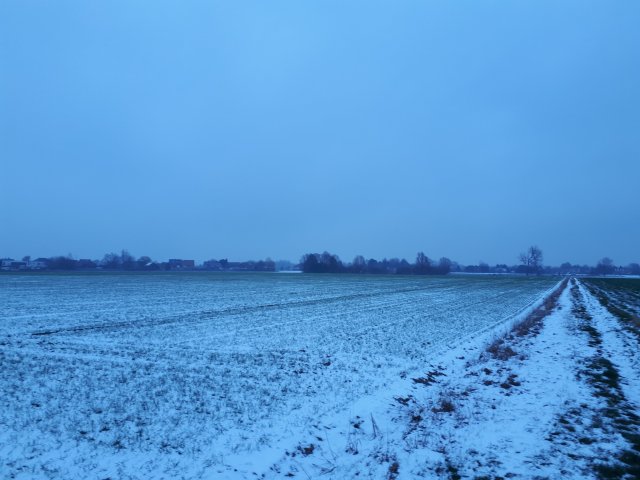
20190124_083356816491733364956287.jpg

Early morning snowy walk close to Mechelen, Belgium

The main goal: gathering data for our projects on mycorrhizae, biotic interactions and plant traits, and their role in species redistributions along mountain roads!

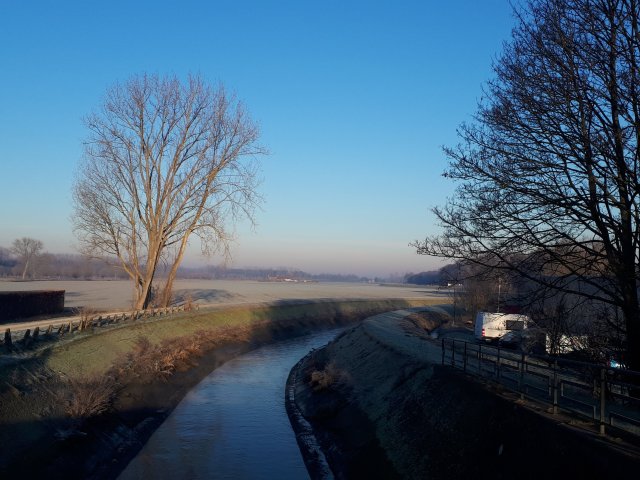
20190121_0947428717152650486755465.jpg

The river Zenne on a frozen morning

So stay tuned, as the landscapes on these pictures are likely to get a lot more exciting soon!


Posted in Argentina, Belgium, Chile | Tagged , , , , , , , , , | 2 Comments

Green living things

There is an interesting challenge around, inspired by a comic from xkcd, in which scientists try to explain their research with only the thousand (or better: “ten-hundred”) most common words in the English language. Well, that’s the kind of challenge I can stand behind! It makes for fun reading, but also challenges the scientist to go ‘back to basics’ with what their working on. Here is my attempt about the ‘green living things’ I work with (yes, ‘plants’ is not in the list):

We study green living things moving away from their homes as the world gets warmer and more filled with people. We want to get better at knowing why they are moving and where they are going. Green living things can not walk on their own, but we see that we humans take them with us if we go somewhere. We also change the places where they grow with all the building and working we do, which some green living things like, but many others don’t.

46815960831_34ccf5df72_o (1)

A green living thing living in a warm place

If we know why the green living things are living where they are, and not where they are not, we can get a good idea of what they will do later, when everything will be very different!

Posted in General | Tagged , , , , , , , , , , | Leave a comment

Paris

Passing through Paris today on my way to Amiens for a meet-up with colleagues. Looking forward to great science!

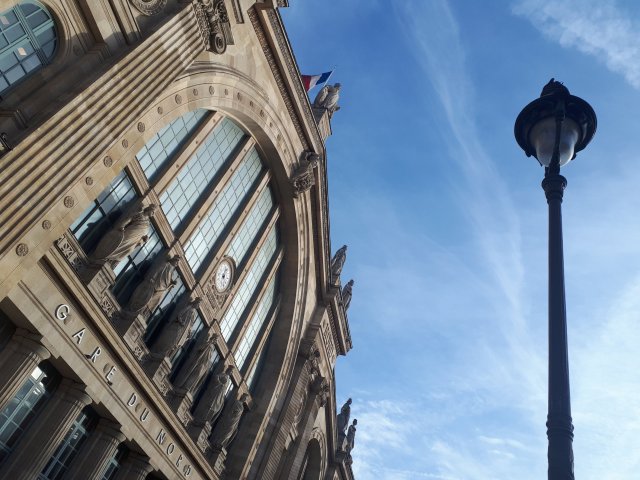
Paris, so close to home, yet it feels so different from Belgium!

Posted in France | Tagged , , , , , , | 1 Comment

The state of biogeography

The yearly meetings of the International Biogeographical Society (IBS) provide the perfect opportunity to learn the latest about what is happening in this fascinating field (which focusses on the distribution of species on our planet, in past, present and future). Here, I would like to give you a short impression of what a brief visit to Malaga thought me in that regard, brightened up with some pictures of a short evening walk in the area.

dsc_2346

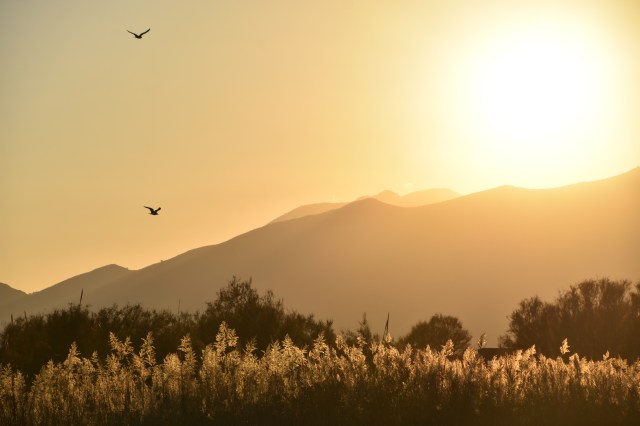
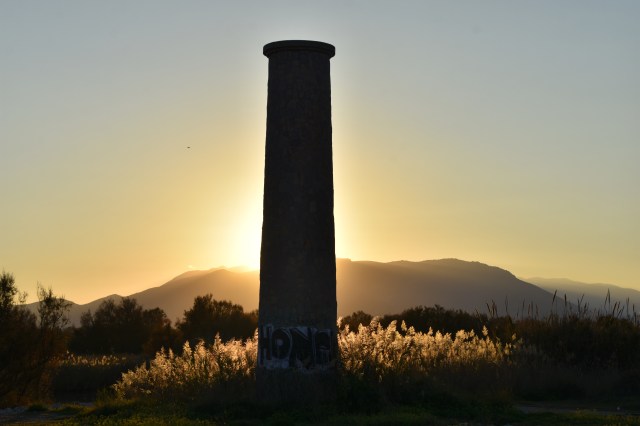
All pictures taken in Parque del Guadalhorce, Malaga

First of all: biogeography is more alive than ever! This old discipline (dated back to some of histories finest biologists) seems to have been revamped recently, as the accelerating changes on our planet triggered new questions and a frantic search for solutions for our biodiversity before it is too late. The problem of global change needs biogeography to be solved, period. Yet it is not only these new and fascinating questions that triggered this revival, it is also the new tools that are currently at hand to answer these questions. And the meeting of the IBS in Malaga provided some fascinating examples of those, many of whom got me very excited to apply them in our own research.

dsc_2370

There is the data (oh, the data, so much data!), with nowadays a flurry of global databases, and datasets happily being shared between collaborators all over the globe. Our own SoilTemp-database and the MIREN-network are only two examples of those, and I was humbled to see some of the other major efforts that are out there. Data might seem boring to some, yet good and plentiful data is the basis of any conclusive answer to any scientific question.

dsc_2372

With these datasets becoming increasingly more complex, and the answering of ever-more fascinating questions thus within reach, there is a need for good models to process all of that. Luckily, practical statistical packages, freely available, are popping up everywhere, and the community of statistical enthusiasts on the internet happy to help others is bigger than ever. Caution is needed, however, as biogeography is a field where it is easy to get beautiful yet untrustworthy results if one is a bit careless with his statistics. Again, statistics might not seem so attractive to the casual reader of this blog, but I promise you: good statistical models might be saving the world!

dsc_2344

Finally, an observation which is key for any science communication: the visuals are improving rapidly. Maps, graphs, animations, even cartoons; quality of them is clearly on the rise, as scientists are getting more and more aware that a clear and attractive figure is the best way to convince the rest of the world of the importance of their work. And this communication is reaching beyond the simple gatherings of like-minded scientists: many biogeographers realize they have something important to say to the world, and are not too shy to say it.

dsc_2363

So, as usual I am heading home from the IBS-meeting with a suitcase full of great ideas and a pile of positivity, and most of all the feeling that biogeography is answering some of our times most critical questions. The world is changing rapidly – perhaps even faster than scientists can study it – but the whole community is dedicated to improve our understanding of these changes, and come up with solutions.

Posted in General, Spain | Tagged , , , , , , , , , | Leave a comment