Changes in the mountains

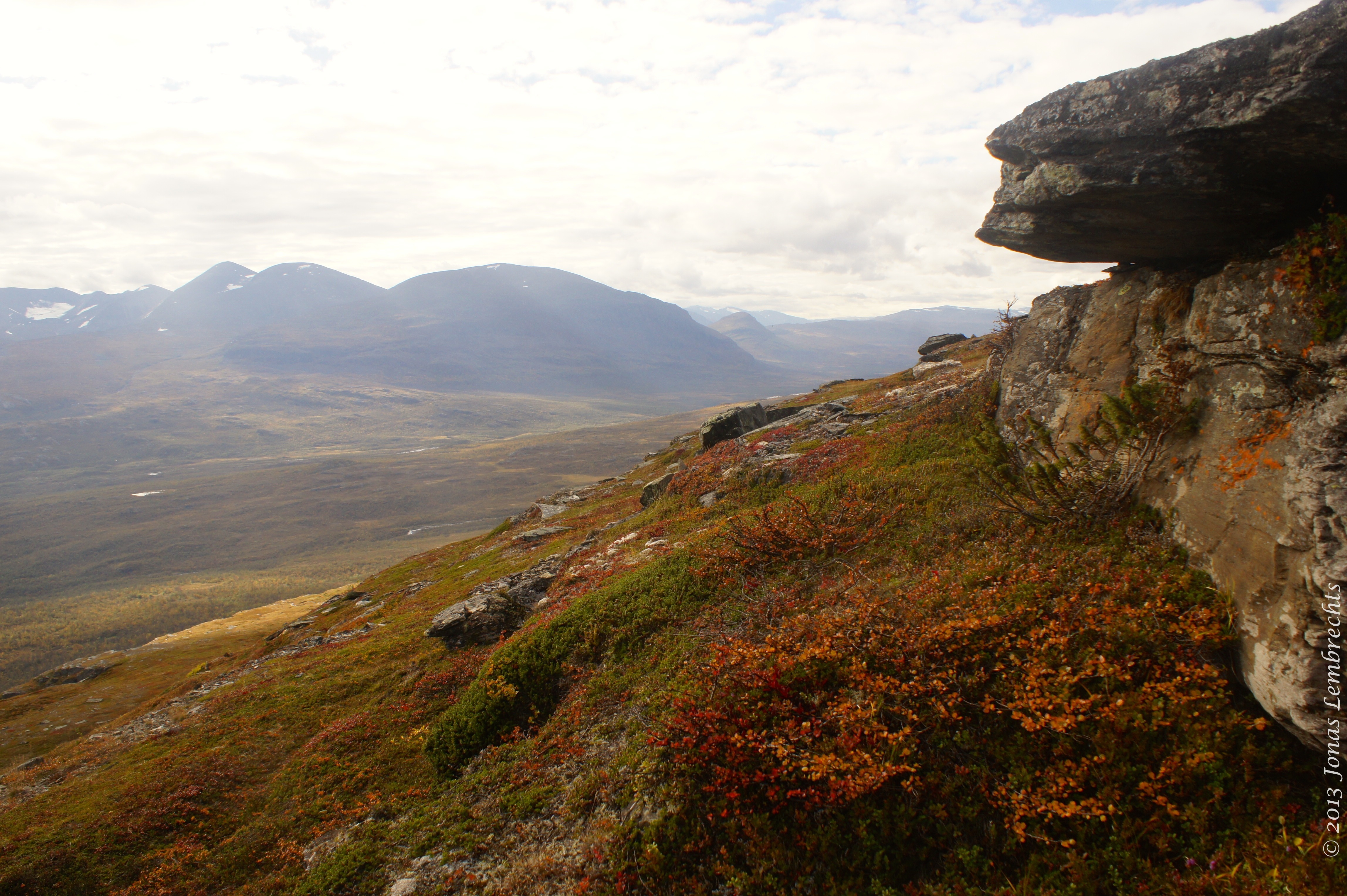
View on the valley of the Abiskojokka

Mountains are increasingly important islands of nature in our rapidly changing world. They contain some of the most diverse biodiversity hotspots in the world, have a high aesthetic value and their conservation even has a lot of economic importance. There are countless reasons to be happy that we still can rely on this pure and undisturbed nature.

Mountains

For now, alpine ecosystems are among the better conserved ecosystems in the world. However, we should not be too satisfied with that conclusion. While you are reading this, the countless mountain resources get increasingly exploited. How our beloved mountain ecosystem will react to these changes is hard to predict. Adding to the first steps towards predicting the future reaction of the mountains, that is exactly what our article in PLoS ONE was about (check here the scientific version: Lembrechts, Milbau and Nijs (2014)).
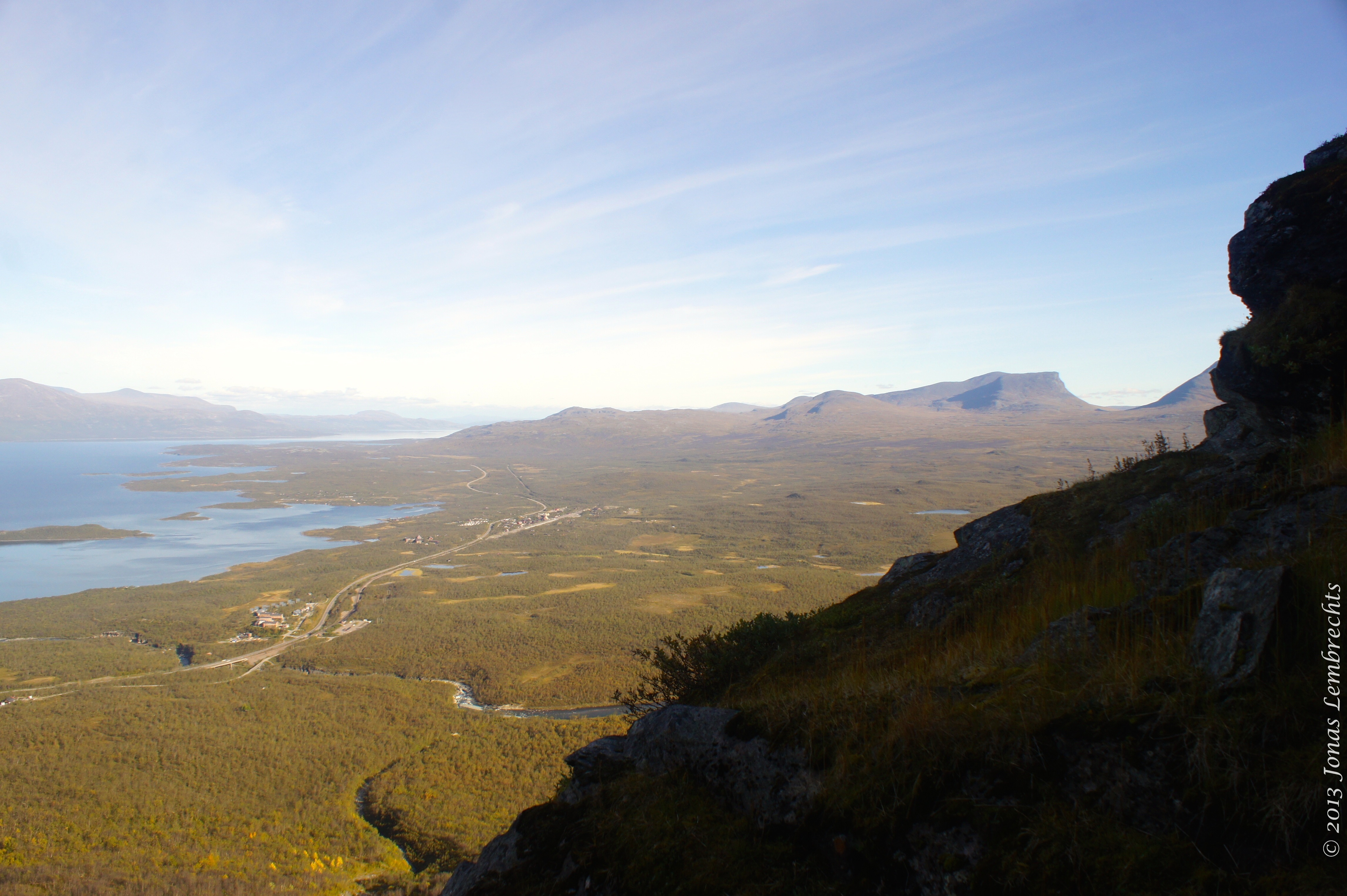
View on Abisko village

Our main research goal was to study the reaction of the alpine plant world to the building of roads. One lonely road to the top often marks the beginning of an intensive process of disturbance, as it creates access for both tourists and industry. It is well known that roadsides change the ecosystem completely and that they cut the core of the natural vegetation in tiny useless pieces.
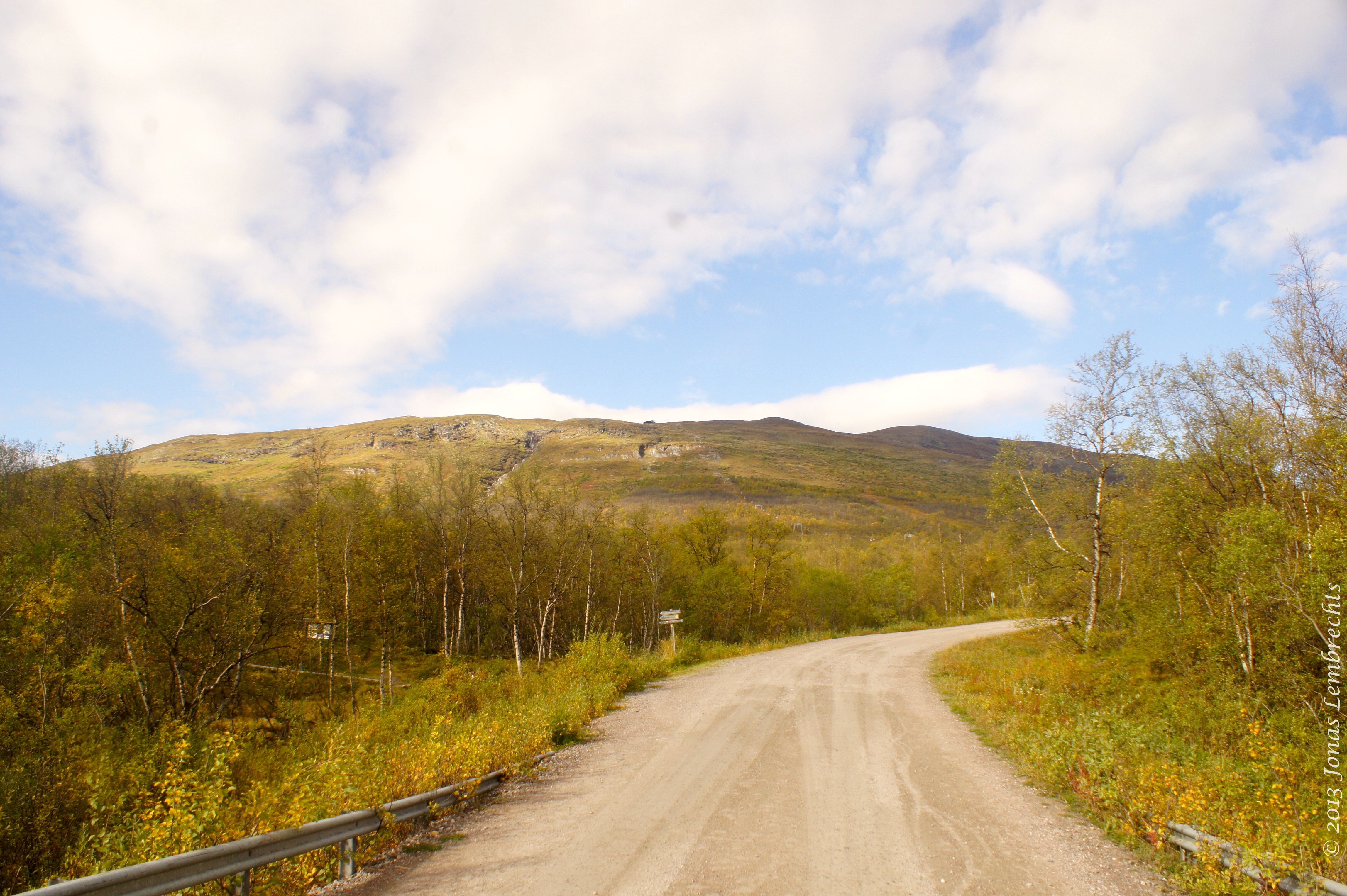
 Roads

Surprisingly, roadsides in the subarctic mountain system allow a HIGHER diversity of plants, as can be seen on this graph. This could sound a bit surprising at first, as we would on first thought expect indeed a negative influence of disturbance.
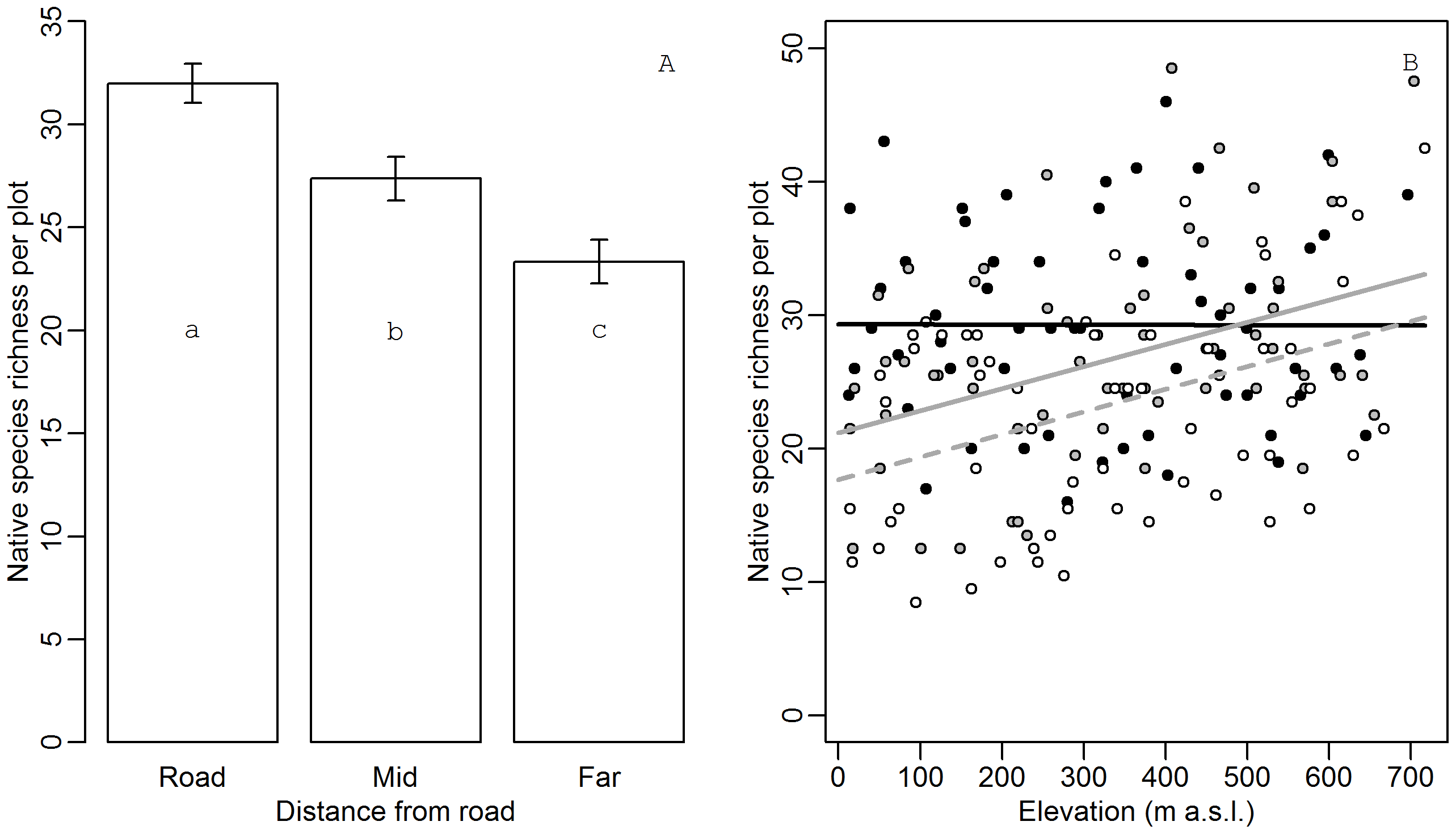
 Graph native richness

However, before we all start celebrating this positive outcome, we should have a closer look at the processes that explain this higher species richness. I already highlighted the completely different growing conditions in roadsides. Apparently, these conditions are ideal for a lot of species that normally do not get a chance in the natural system.

In our system, this sudden opportunity for so many species results from the clear negative effect of the roads on the most important plants in the Scandinavian mountains: mosses and crowberries. Together with a limited amount of other berry species, they form an  uninterrupted, dense understory. This effectively blocks all germination chances for virtually all other species. The crowberries use an even more vicious trick: they produce chemical compounds that actively limit germination chances of other species. Consequently, the normal, undisturbed ‘climax’ vegetation in the subarctic mountains hosts often not more than a meager ten species, the others are all efficiently outcompeted.
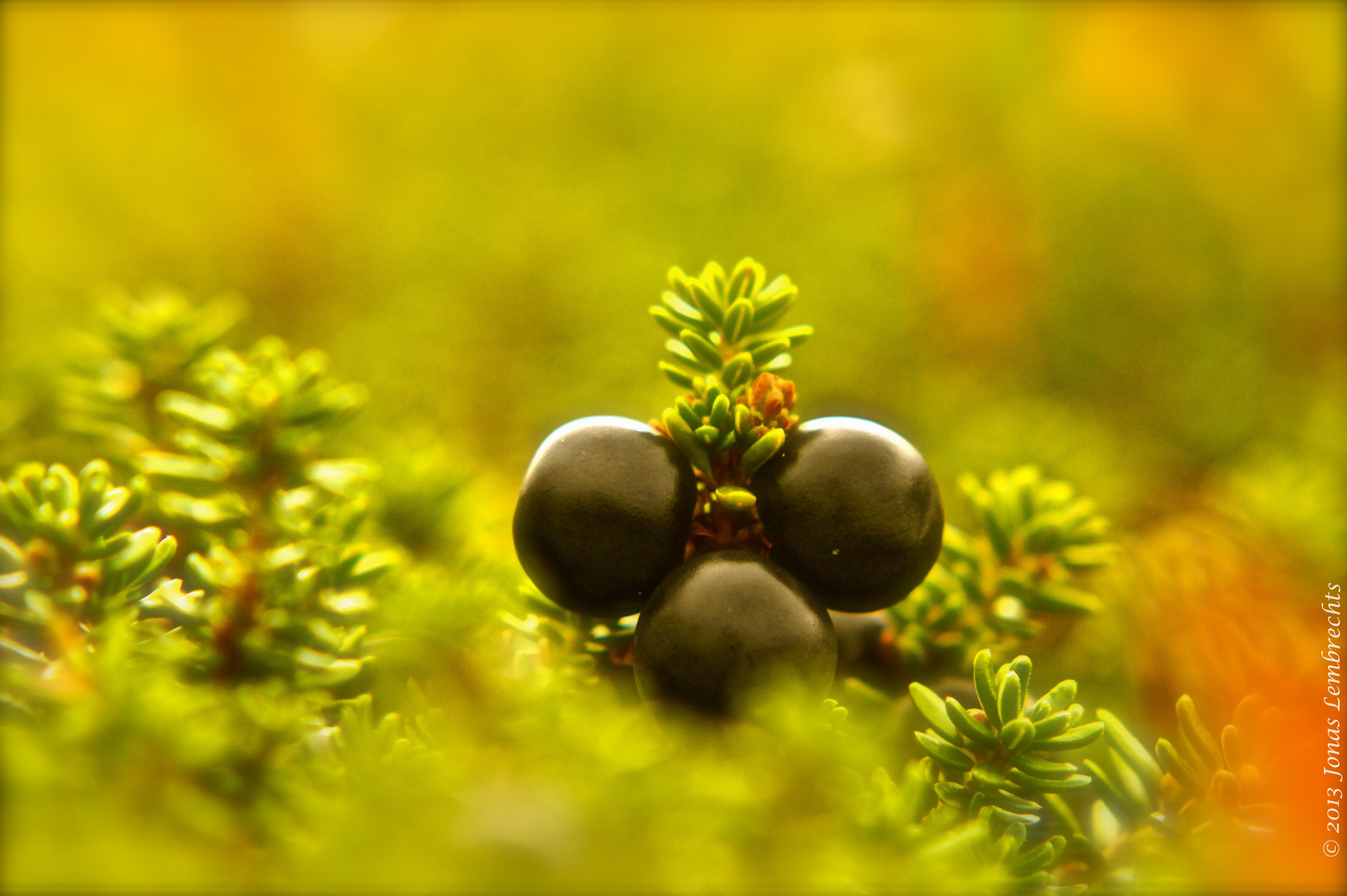
 Crowberry - Empetrum nigrum

When humans start building roads in these systems, the dense cover of mosses and berries is destroyed. The natural vegetation disappears and the remaining bare soil creates magnificent opportunities for new seedlings of so many species that would otherwise stand no chance at all.
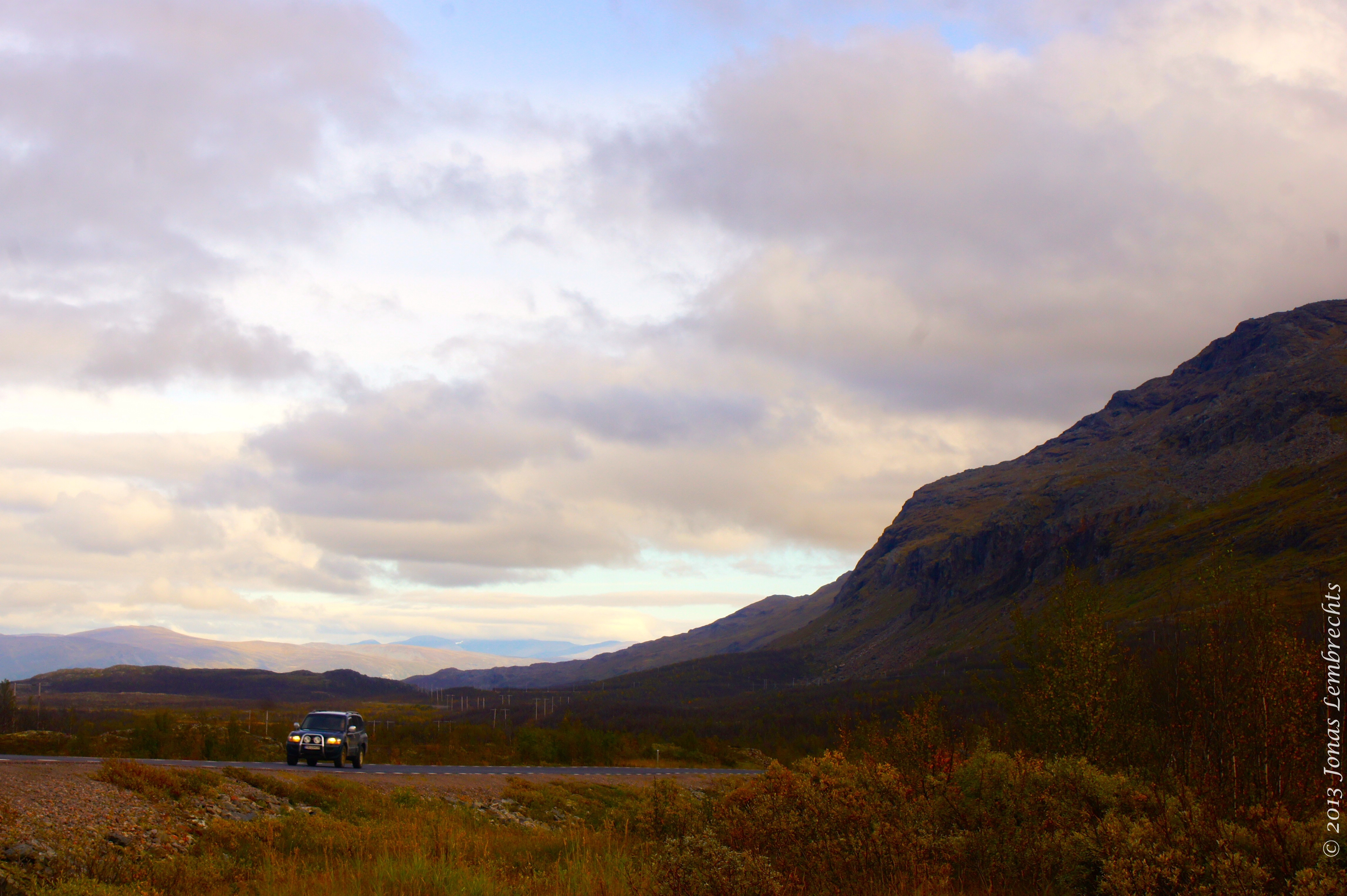
Road in the autumn

So, the loss of the insuperable bully leaves the playground free for all other plants to flourish. This gives a higher diversity, although it is completely different vegetation than we would expect to find.

But there will be more. It is not only the basic species richness that changes in the roadsides, but the disturbance causes a whole sequence of other effects. More about them in a following post.
Posted in Sweden, The research | Tagged , , , , , , , , , , , | 14 Comments

Press

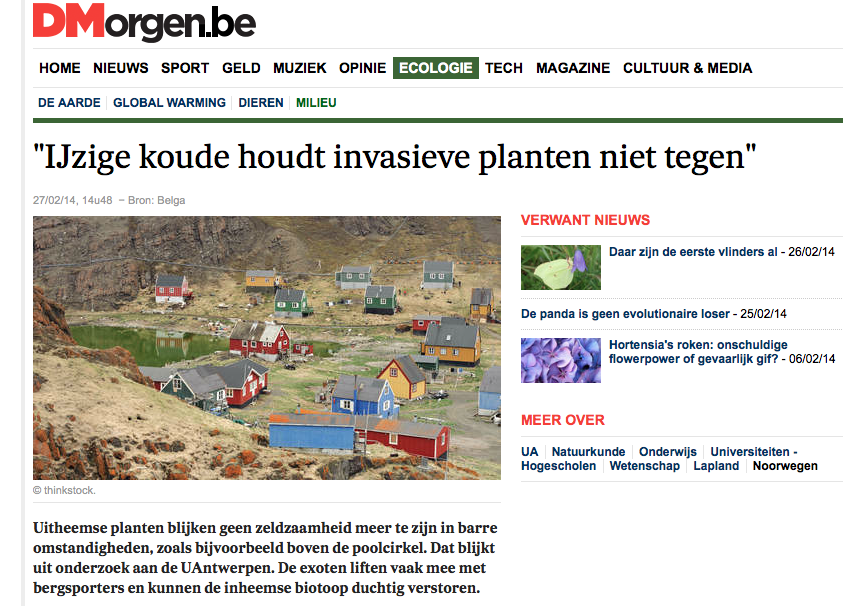
I got my first paper published (the one that kept me waiting so impatiently), and the story even got covered by the popular media! They were impressed by our warning that alien plant species are not stopped by the freezing cold in the subarctic mountains when they are transported there by unlearned travelers.

The research article itself can be downloaded from my ResearchGate or be read on the website of PLoS ONE.  The highlights got cited on several Belgian news sites (among others: DeMorgen, De Redactie). Unfortunately, media cover has only been in Dutch for now, but the English version of the press release can be found here. Definitely worth the read!

My story on DeMorgen.be

As the media show only the most exciting part of the results and the scientific version may be a bit boring to read, I will break down the main story to a more interesting read on my blog over the next days.

Posted in The research | Tagged , , , , , , , | 3 Comments

Humans in the lowlands

I like to compare mountains with islands. Islands of undisturbed nature in a wild and dangerous ocean of  human influence; the lowlands. Wave after wave of human influences crashes on the slopes of the island-mountain, trying to erode the natural richness to wipe it out forever.

Tenerife - 494

How long the natural richness of the mountains will survive this storm, depends on two main factors: the power of the symbolic waves and the resistance of the mountains against the ‘erosion’. The size of the second one, the resistance, remains for now largely unresolved. The pattern of number one is clearer: the wave power is growing and increasing its pressure on the mountains.

DSC_0108

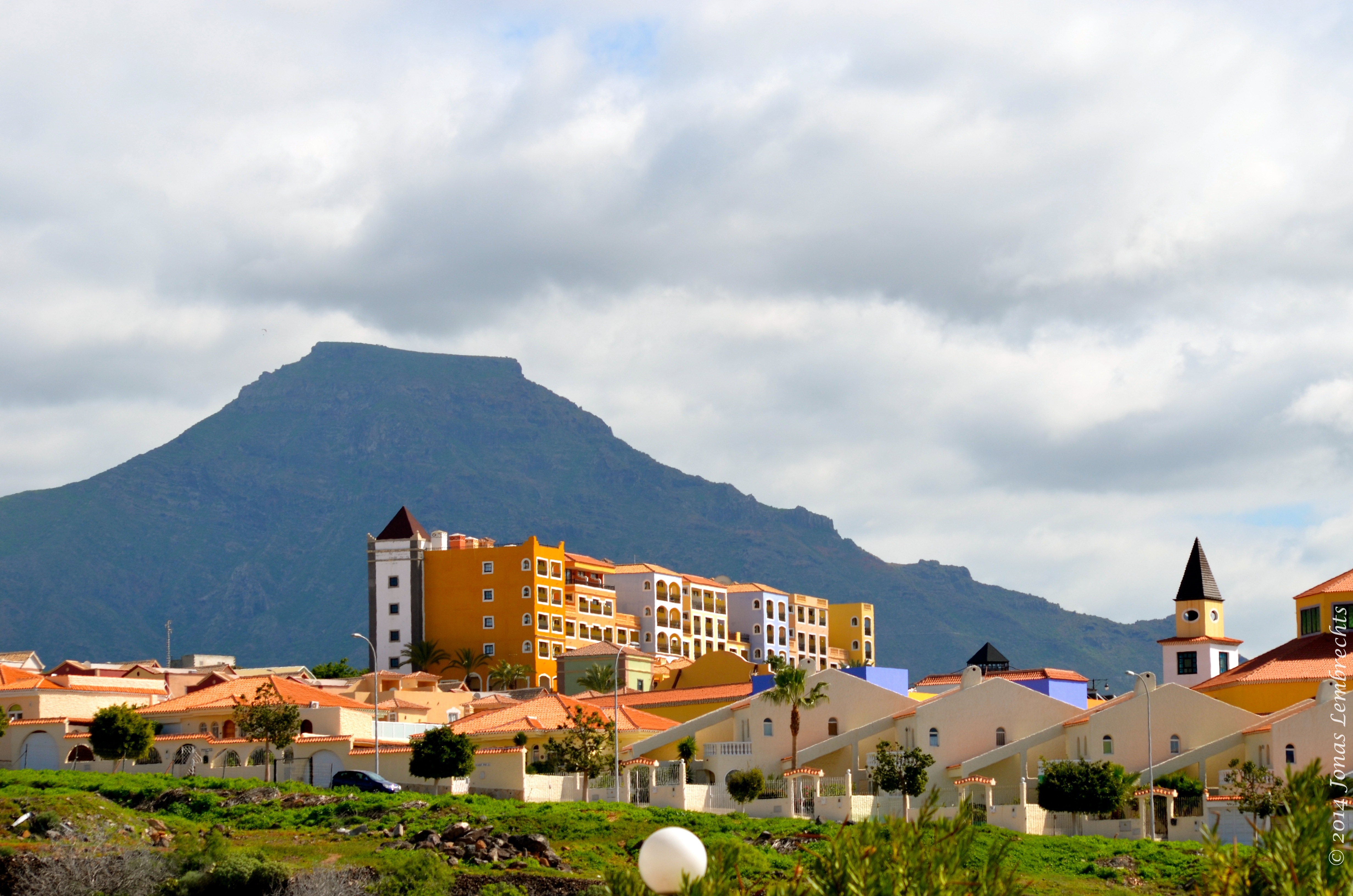
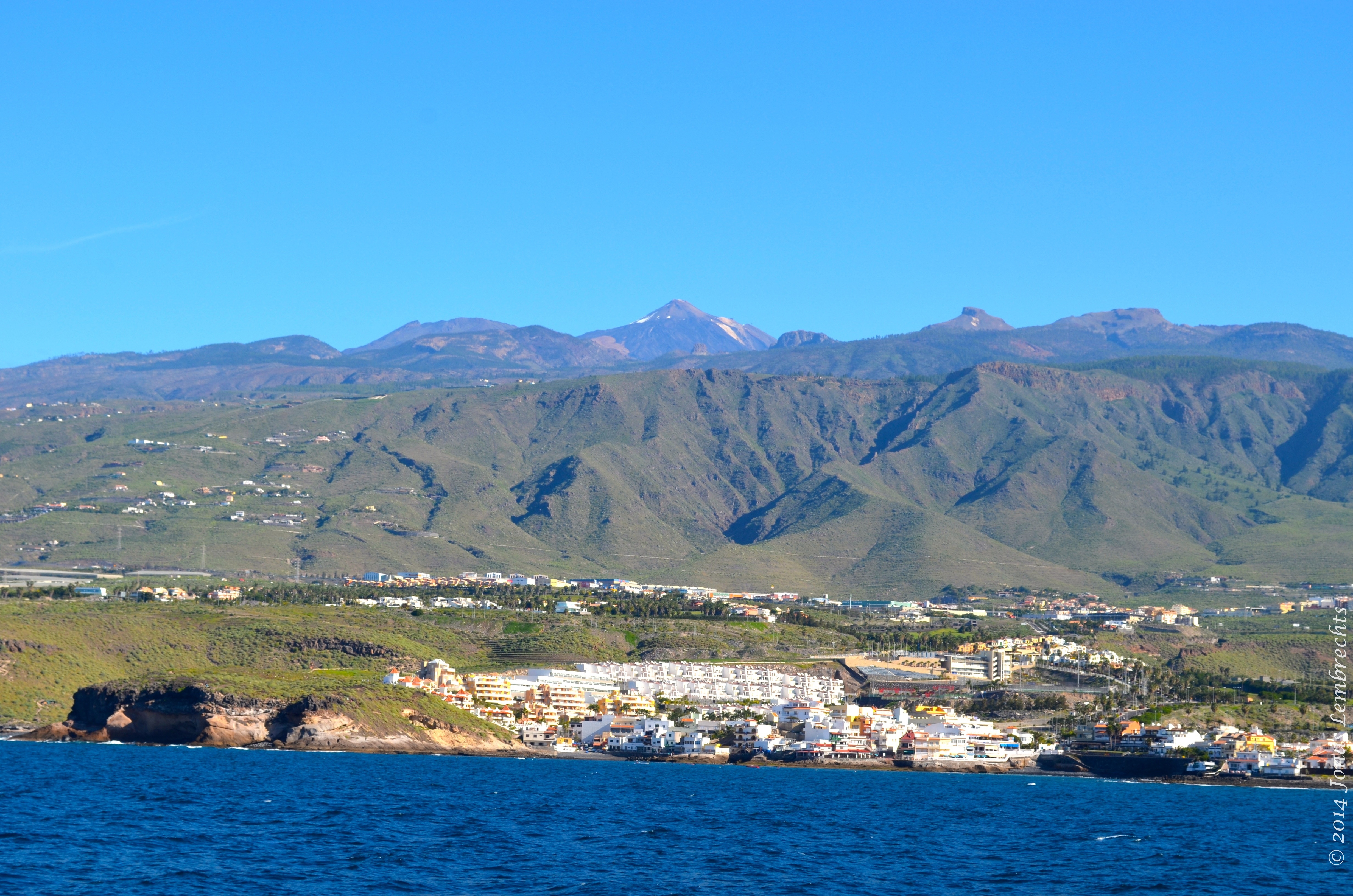
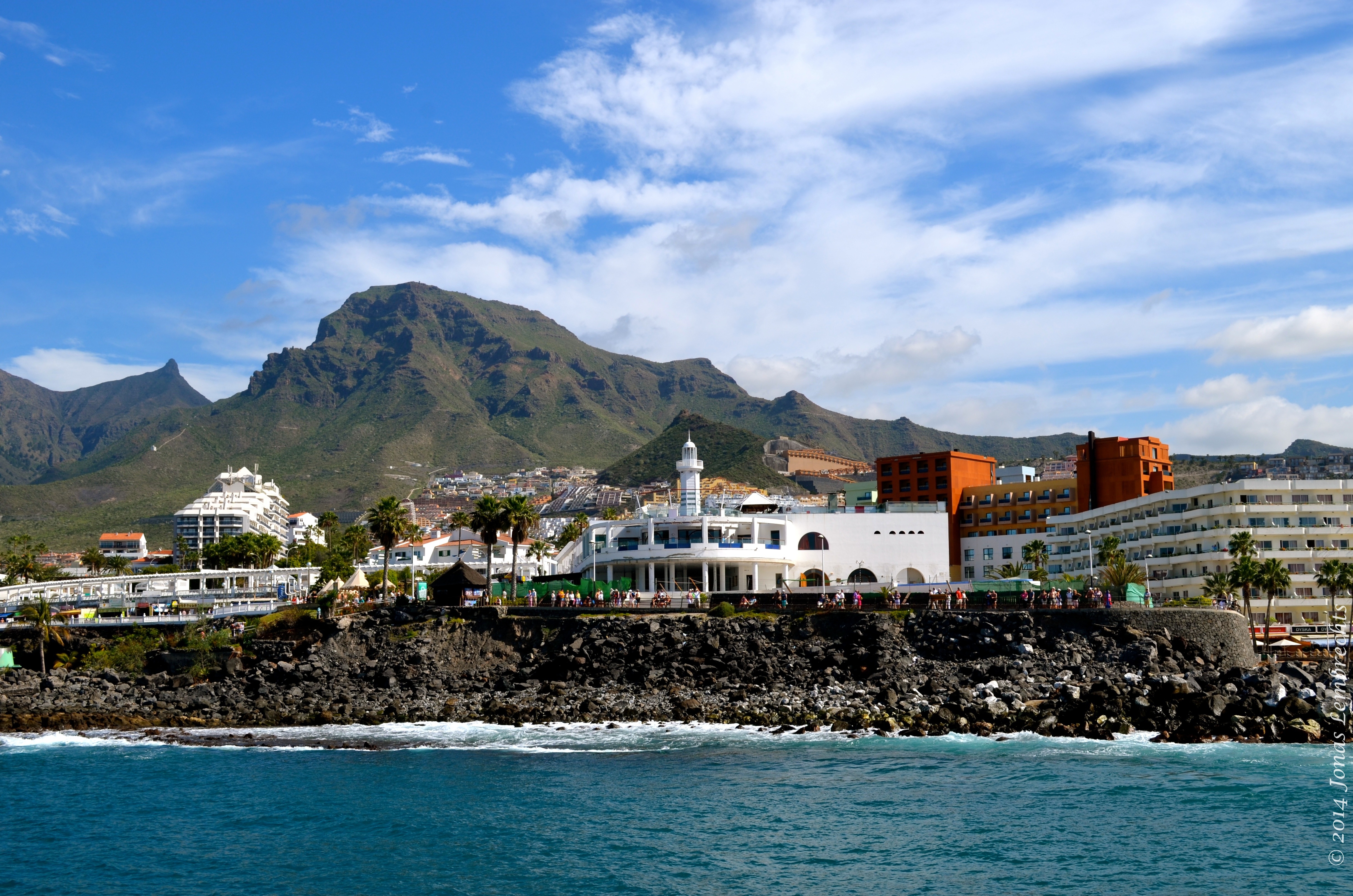
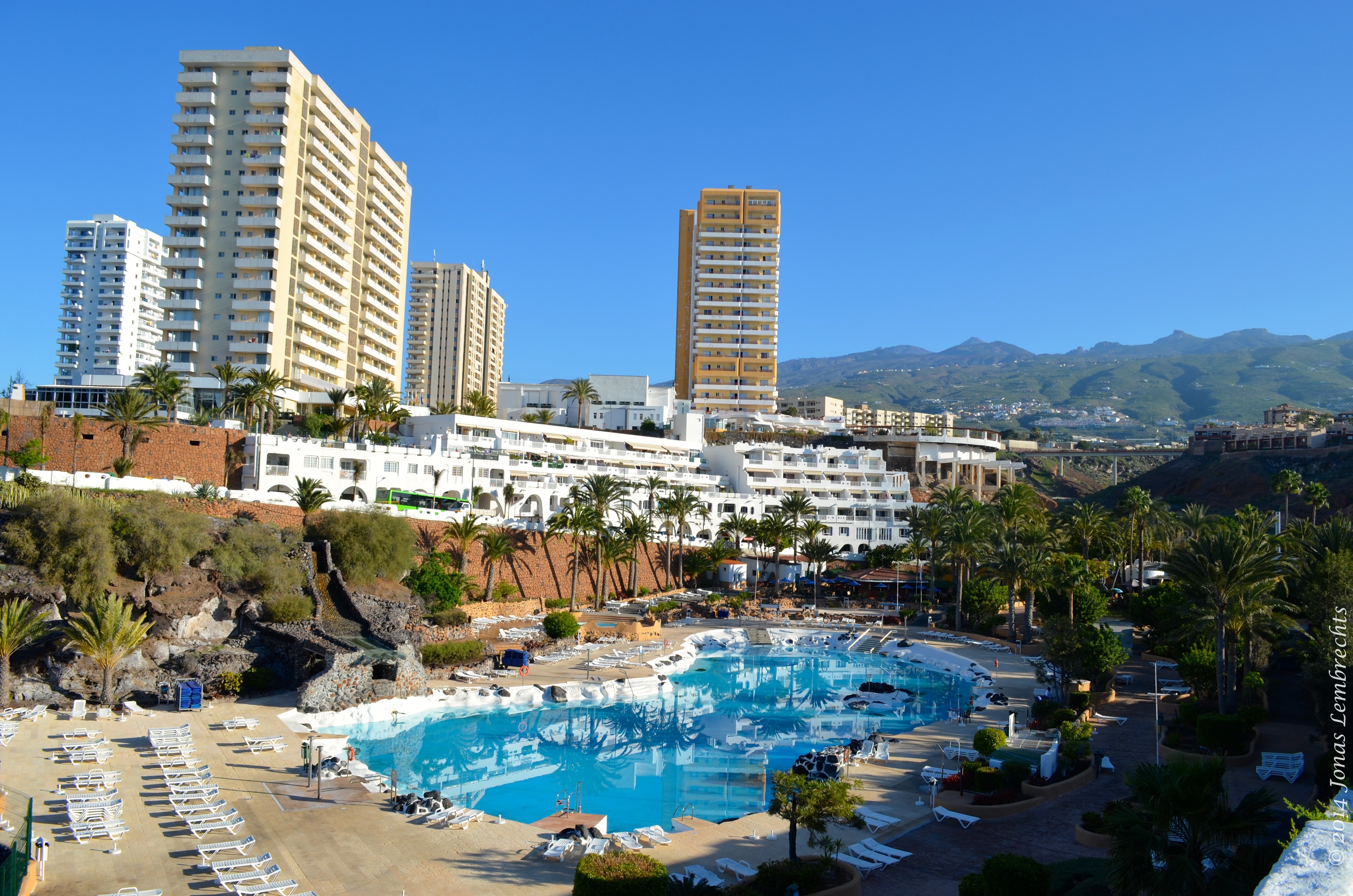
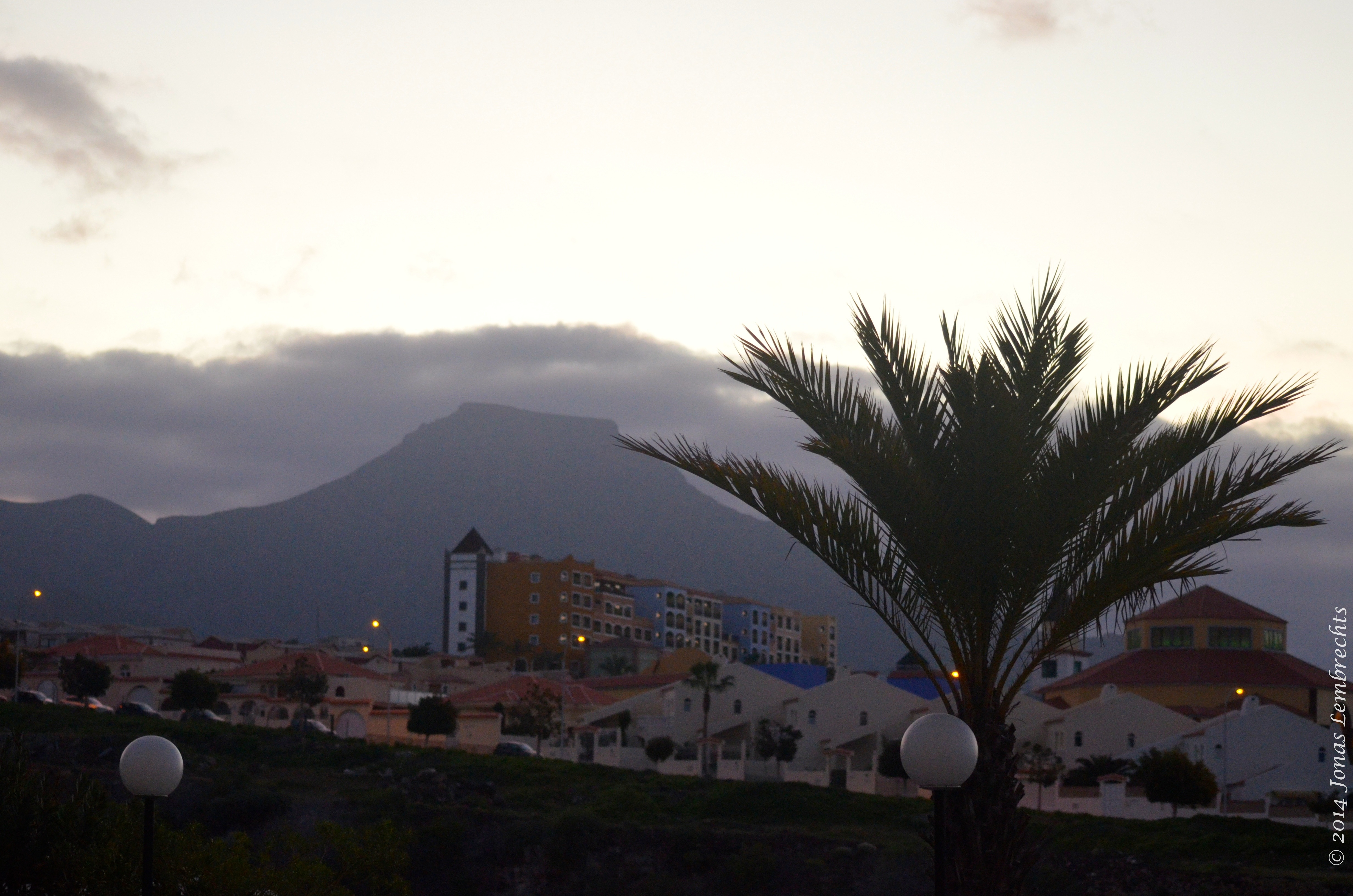
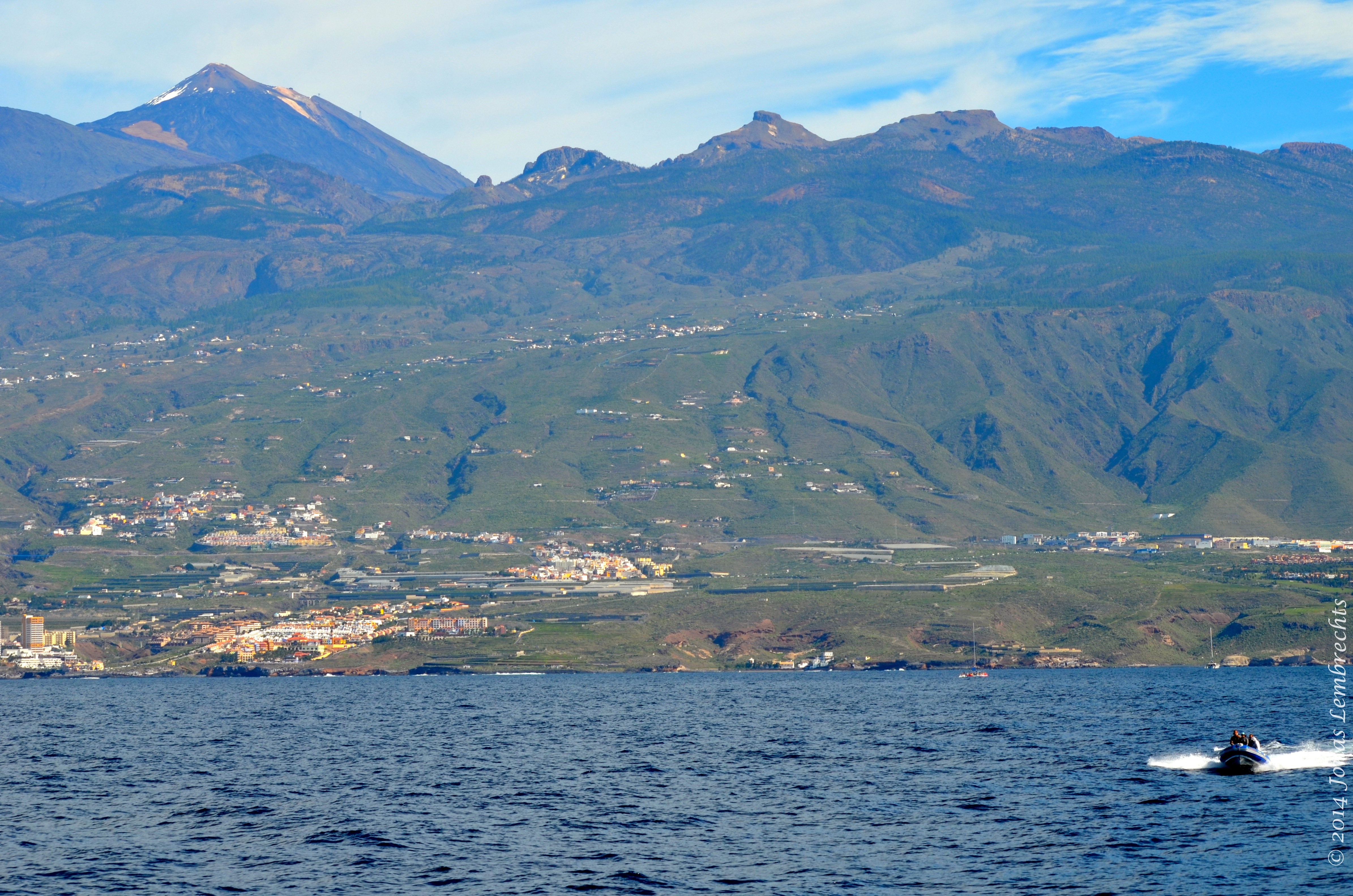
The island of Tenerife nicely shows how that difference between low- and highlands looks in all mountain regions. The mountain area itself is a beautiful, deserted and desolate moon landscape, while the lowlands are crowded with a growing amount of tourists. The hotels and apartments cover a whole coastline and claim a reasonable amount of space. The segregation is very distinct here, as can be seen from the ocean: a coastline with lines of hotels until all of a sudden the mountains stop the expansion.

Tenerife - 392

The presence of a large amount of people in the lowlands should however not necessarily be a problem for the mountain nature, it only becomes one when the extent of human disturbance crawls higher and higher in the mountains. But that is what is happening the last centuries, often unnoticed or even unwanted by the culprits.

Tenerife - 500

On Tenerife, the difference between highlands and lowlands is extraordinary large, because of the dominance of the tourists and the low percentage of industry and local communities. Most of the tourists never leave the hotel, leaving the mountains for what they are. It is however debatable if this complete ignorance is good or bad for the mountain nature.

Tourists

Tenerife - 763

Posted in Canary Islands, The research | Tagged , , , , , , , | 4 Comments

Tenerife

You can find an updated picture gallery of the Canary Islands on the right of the blog, with a lot of cool animals, landscapes, mountains and plants. Definitely worth the visit!

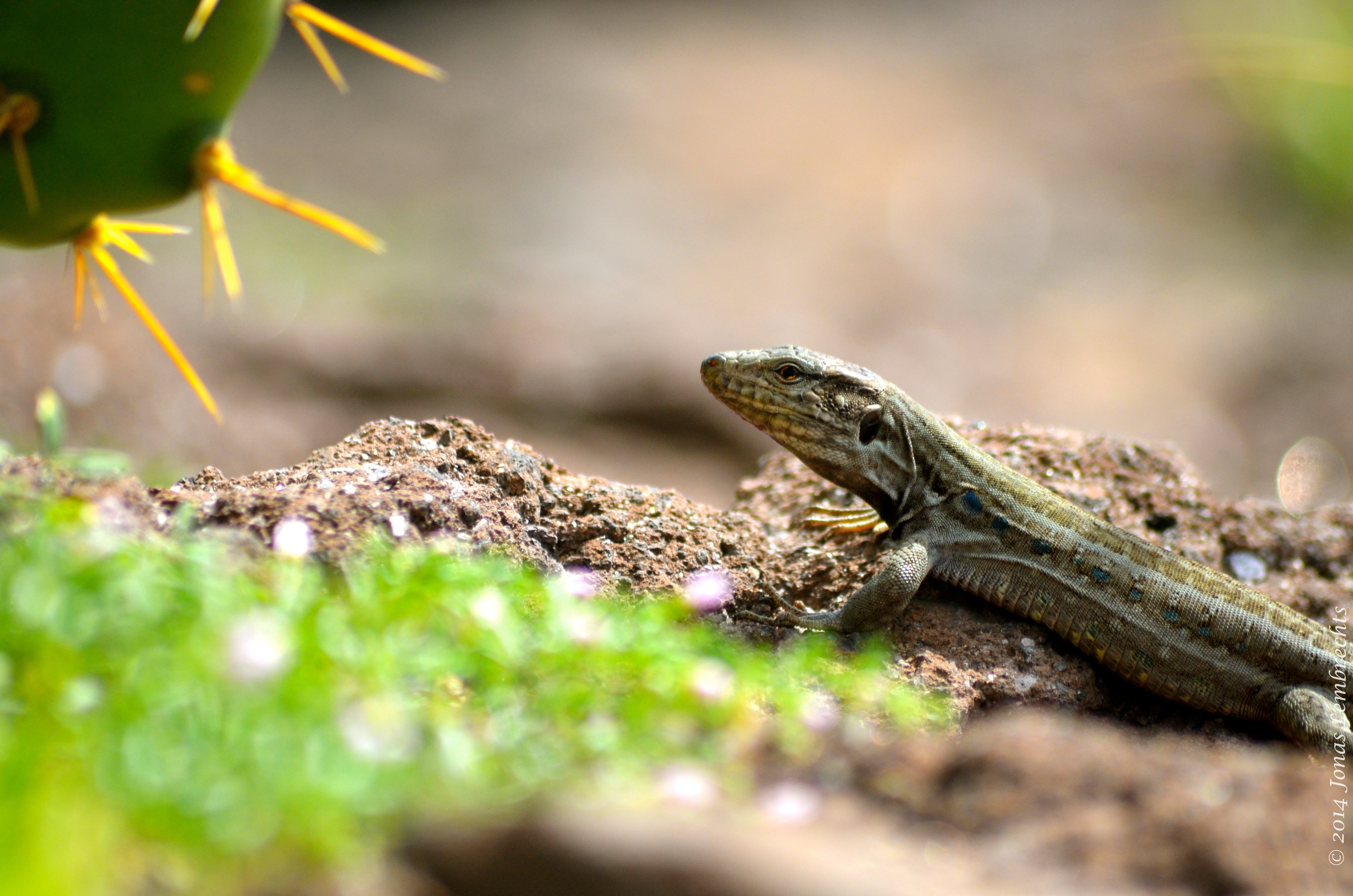
Tenerife lizard

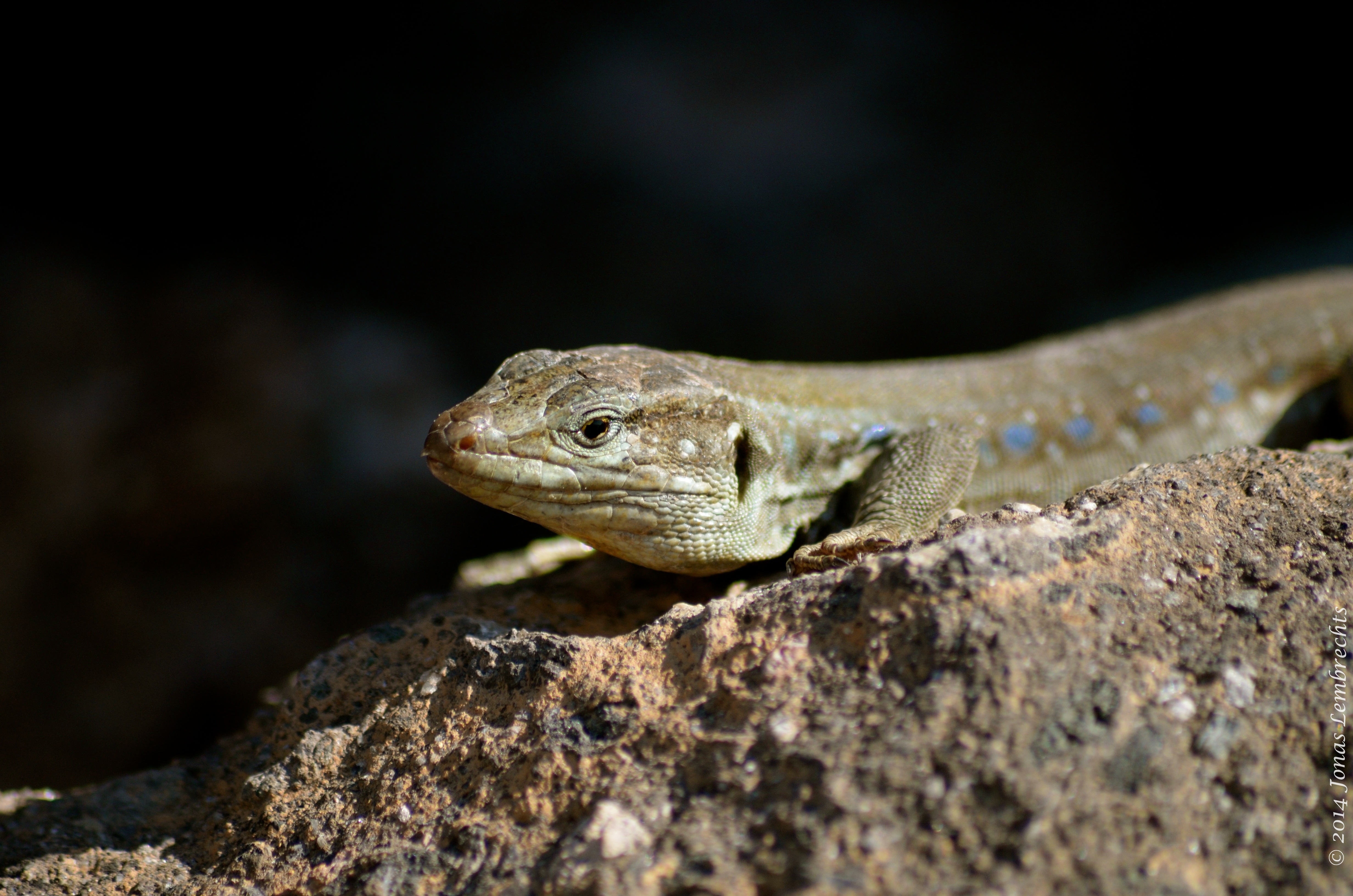
Tenerife lizard

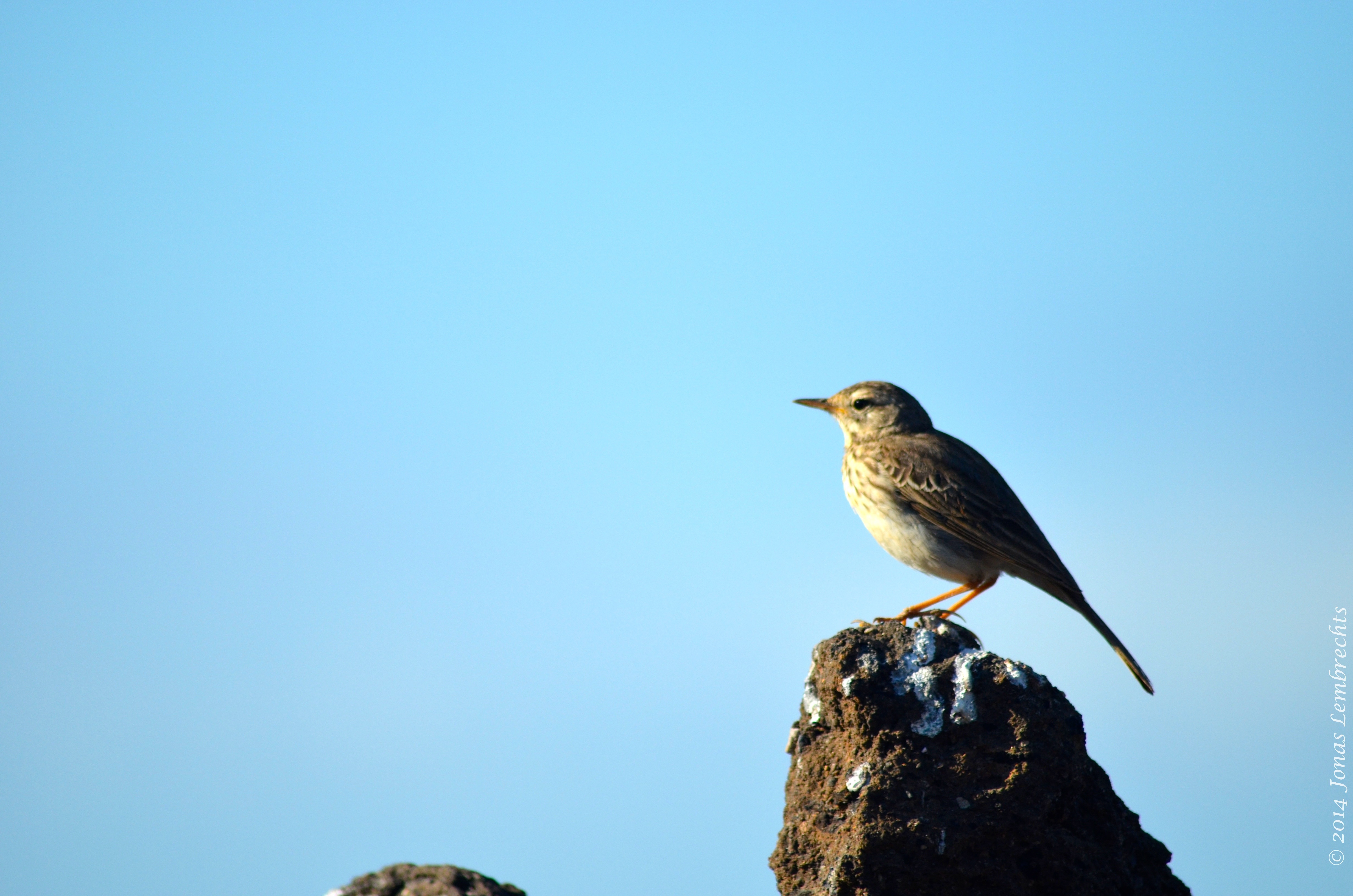
For now I just have a short picture-oriented post without too many words, before I return to some more ecology-oriented posts in the next weeks. For now, just enjoy the nice images from a fantastic island.

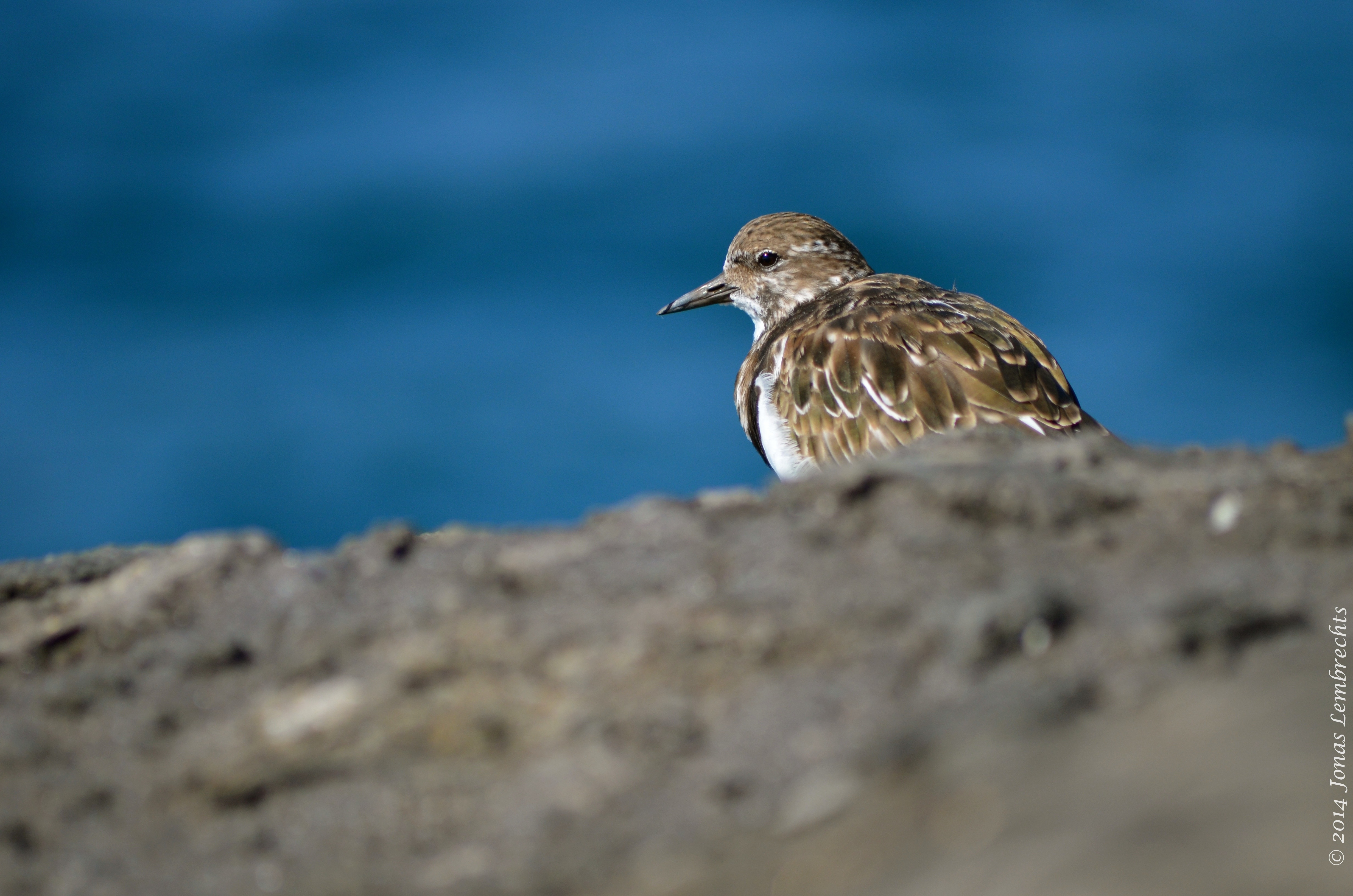
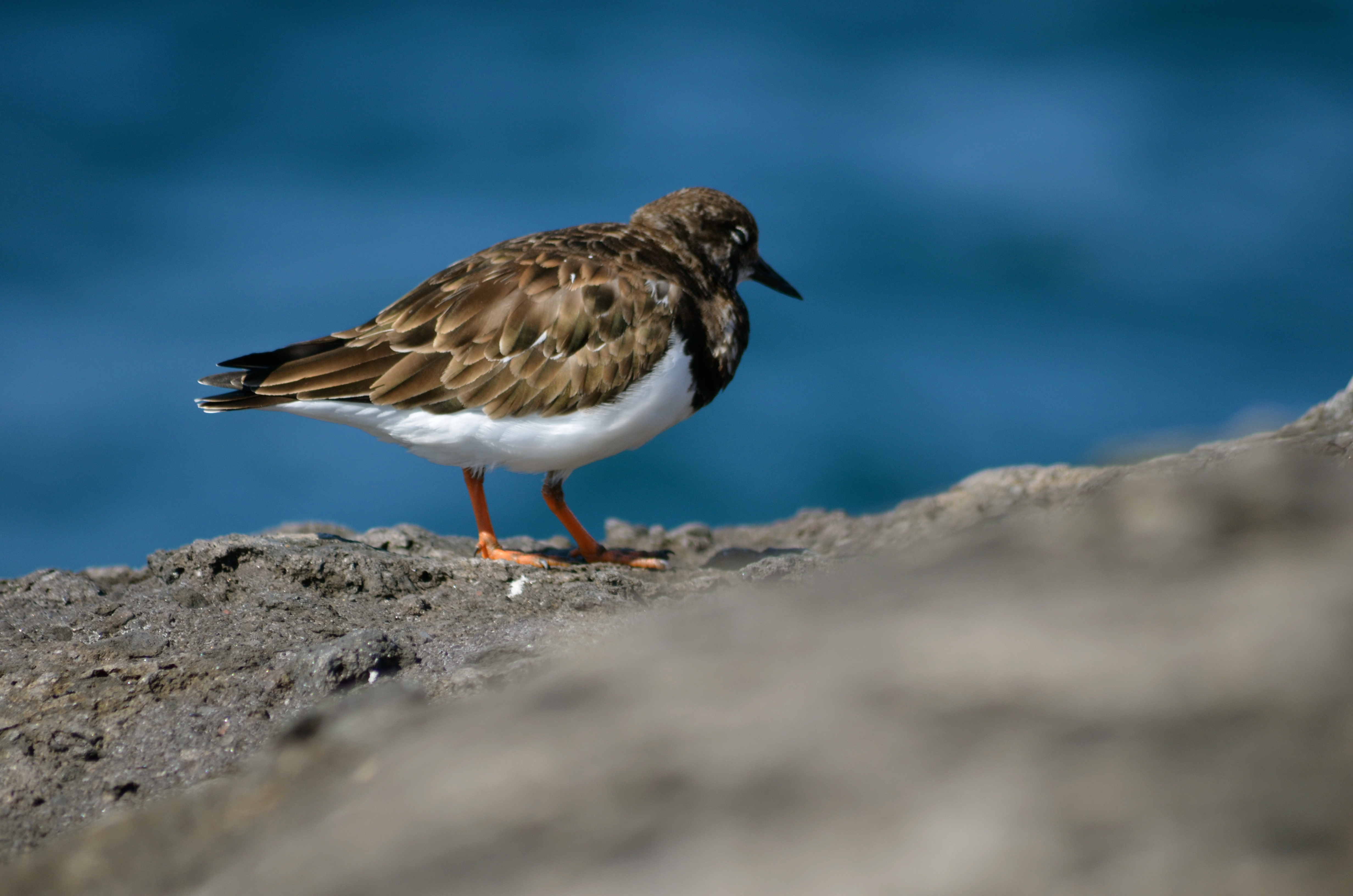
Stone-loving bird  Turnstone

Posted in General | 2 Comments

Ground-breaking

Tenerife - 641

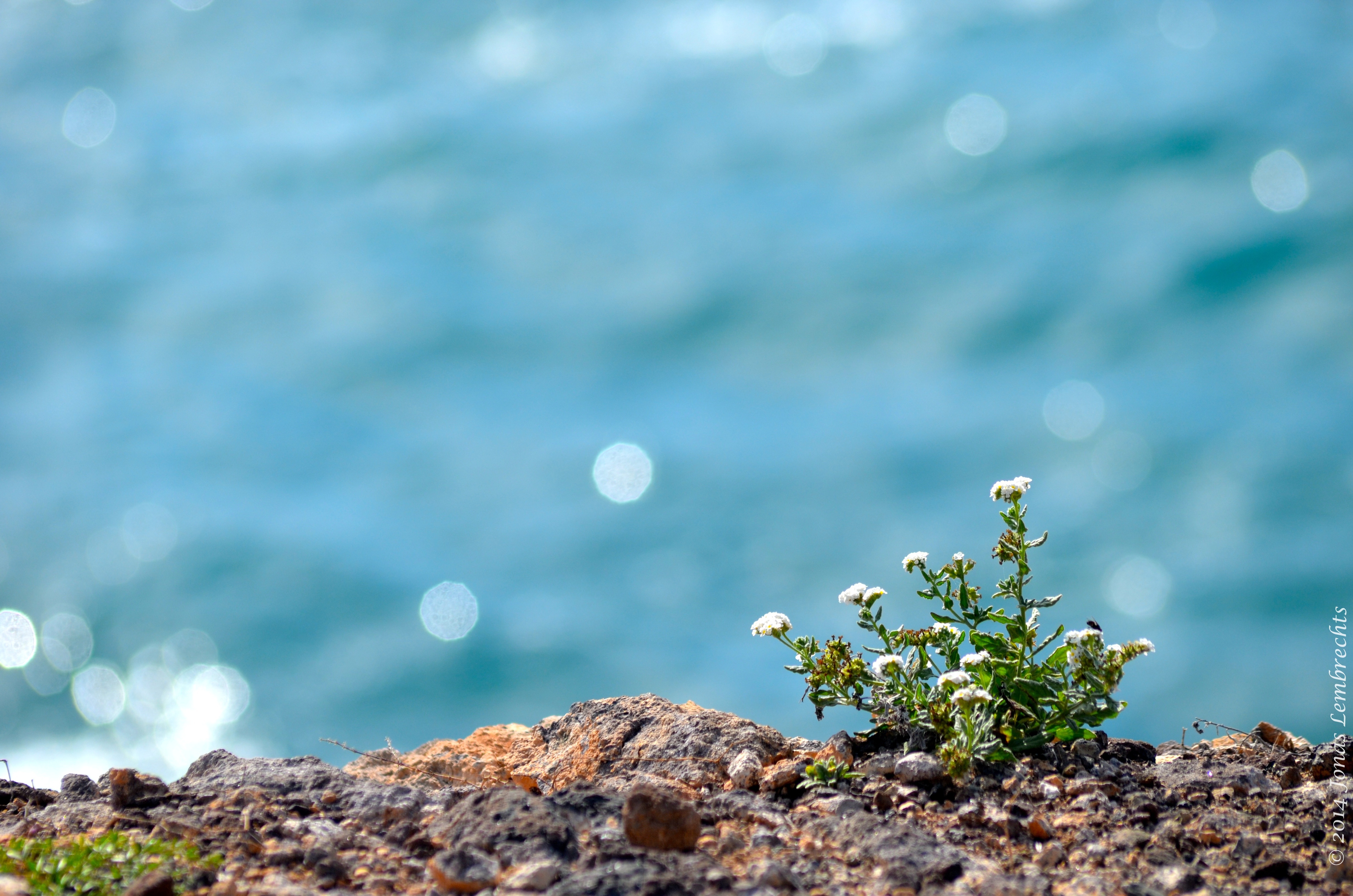
Rocks. It does not seem an ideal location for plants to grow. However, as I have to emphasize a lot, plants will never cease to amaze.

Plants surviving on the rocks

I already wrote about some real bad boys called ‘ruderals’ in a previous post. But most of the rockstars of the volcano of Tenerife are examples of plants with a totally different strategy: they are stress-tolerators.

DSC_0349

These species are adapted to deal with high amounts of stress, but cope very badly with disturbance. They have slow growth rates, possess leaves that can live for years and years and they are masters in collecting and holding nutrients. Perfectly suited for a live in the hostile environment of the moon landscape of southern Tenerife.

Tenerife - 295

In fact, they follow the same survival strategy as some of the typical alpine and subarctic species (for example). This group of species with similar strategies to deal with stress contains very few alien species, which is remarkable. But, even more remarkable, the kind of landscapes they are adapted for, are not at all alien-free. And that brings us back to the main point of my research: it is not only the stress-tolerators that survive stress, some plants with other strategies seem to adapt surprisingly well.

Tenerife - 752

Posted in Canary Islands, The research | Tagged , , , , , , | 7 Comments

On the rocks

 – A picture gallery with a first part of the highlights from my trip to Tenerife can be found on the right on my blog. –

Rocking bird

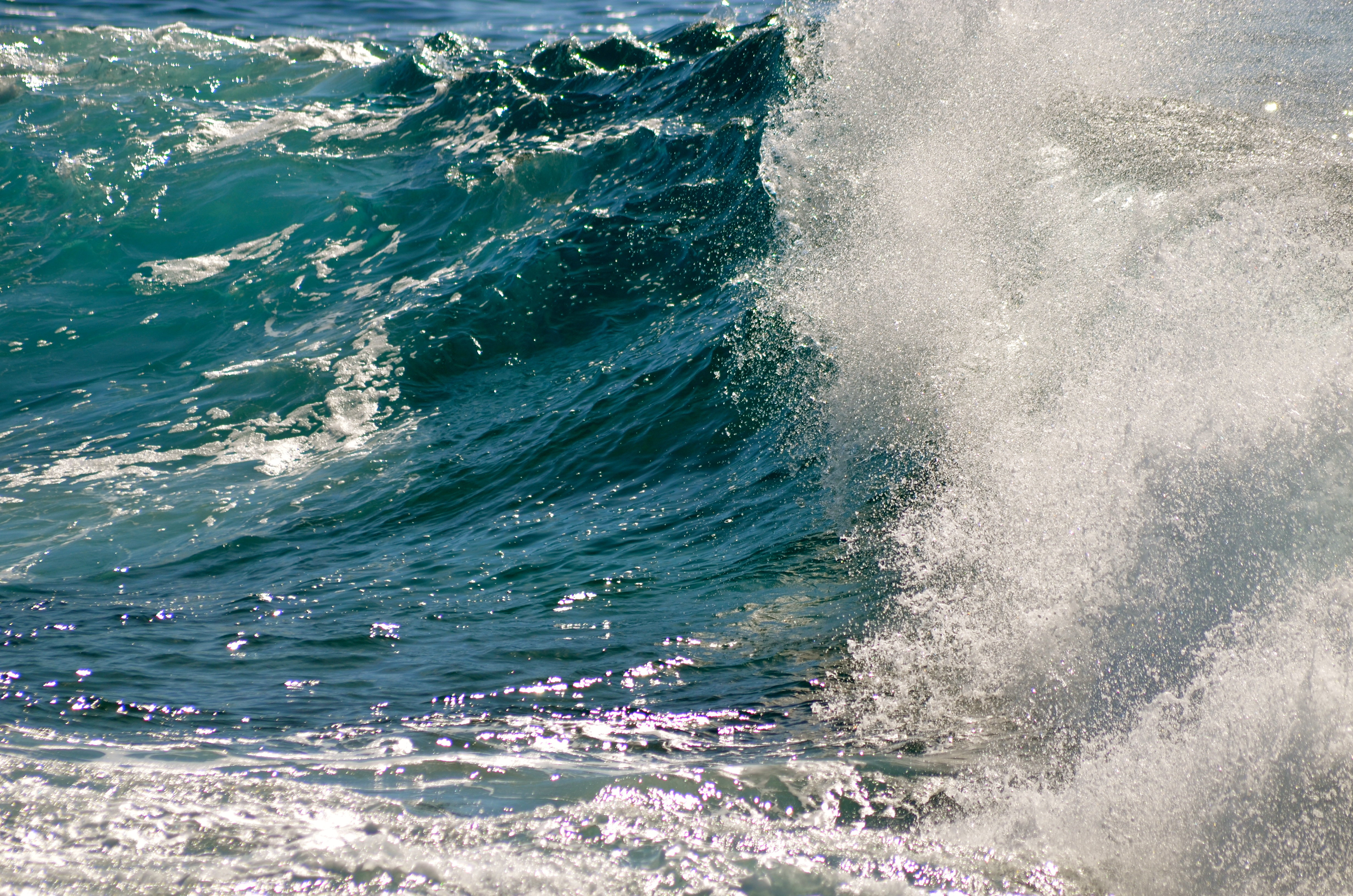
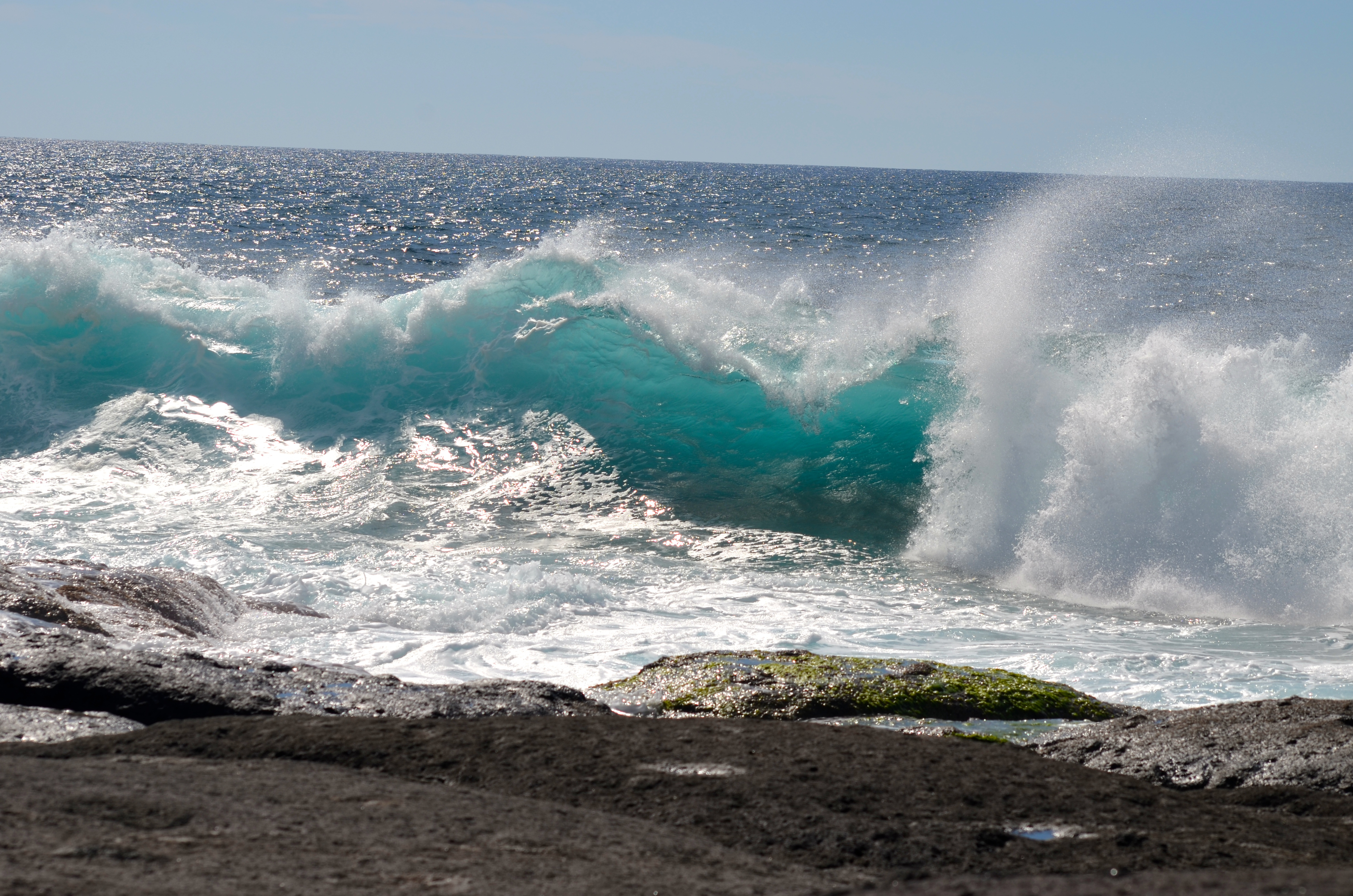
The ocean is a monster. Even on the quietest of days, the surf zone on the shore of Tenerife  is immensely powerful.

Wavepower

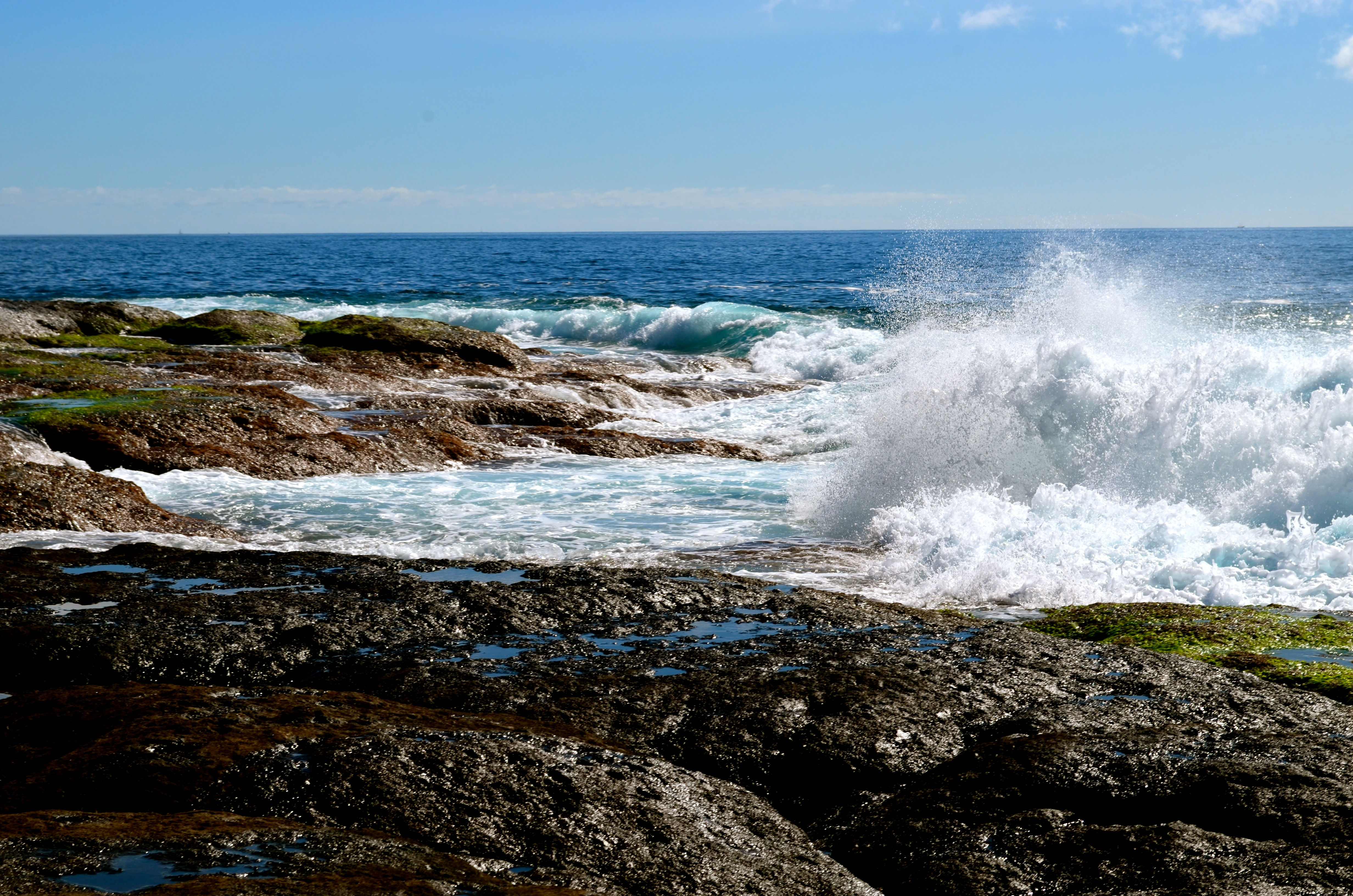
A tireless coming and going of waves, back and forth over the rocky shore. It is a miracle the rocks even manage to survive these destructive forces.

On the rocks

Sitting on the rocks at the shore is an unequaled experience. Just to close your eyes and focus on the smashing sound of another breaking wave…

Wave breaking on the rocks

These rocks provide a very stressful environments for plants and animals to survive in. It is a constant adjustment: water that comes and goes, the power of breaking waves, the terrible burden of the salt… As an ecosystem built on constantly changing conditions, the  surf zone produces one of the most harsh environments around. It even beats the world of the mountain tops, where plants ‘only’ have to struggle to survive the bitter cold.

Waves on the rock

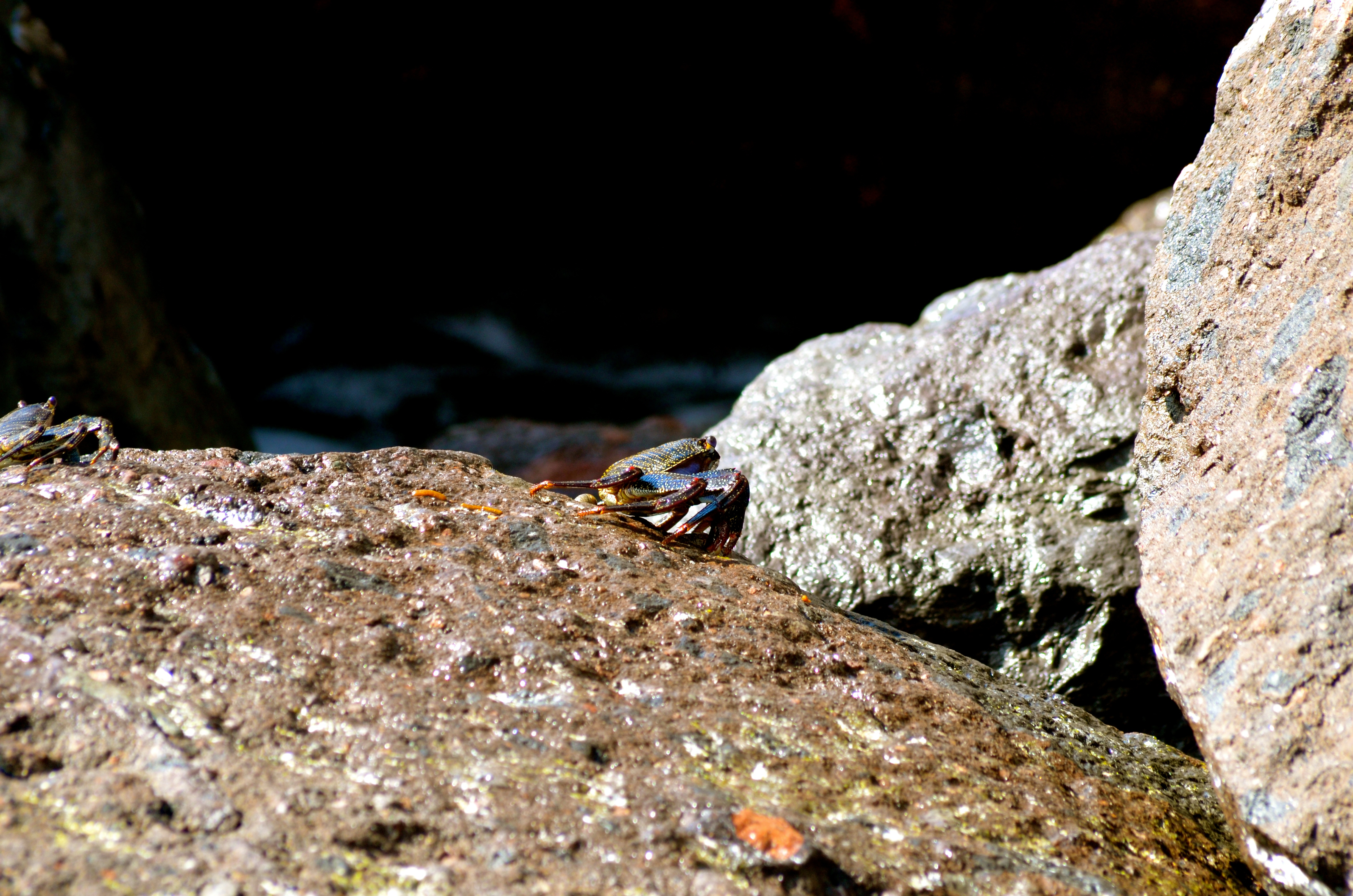
Animals seem to do a little better than plants, here, maybe because they are able to move back and forth with the tides. The large crabs hiding behind every rock did not seem to care at all. Plant life however is limited to some green and slimy algae, the diehards of the plant world.

Crabs

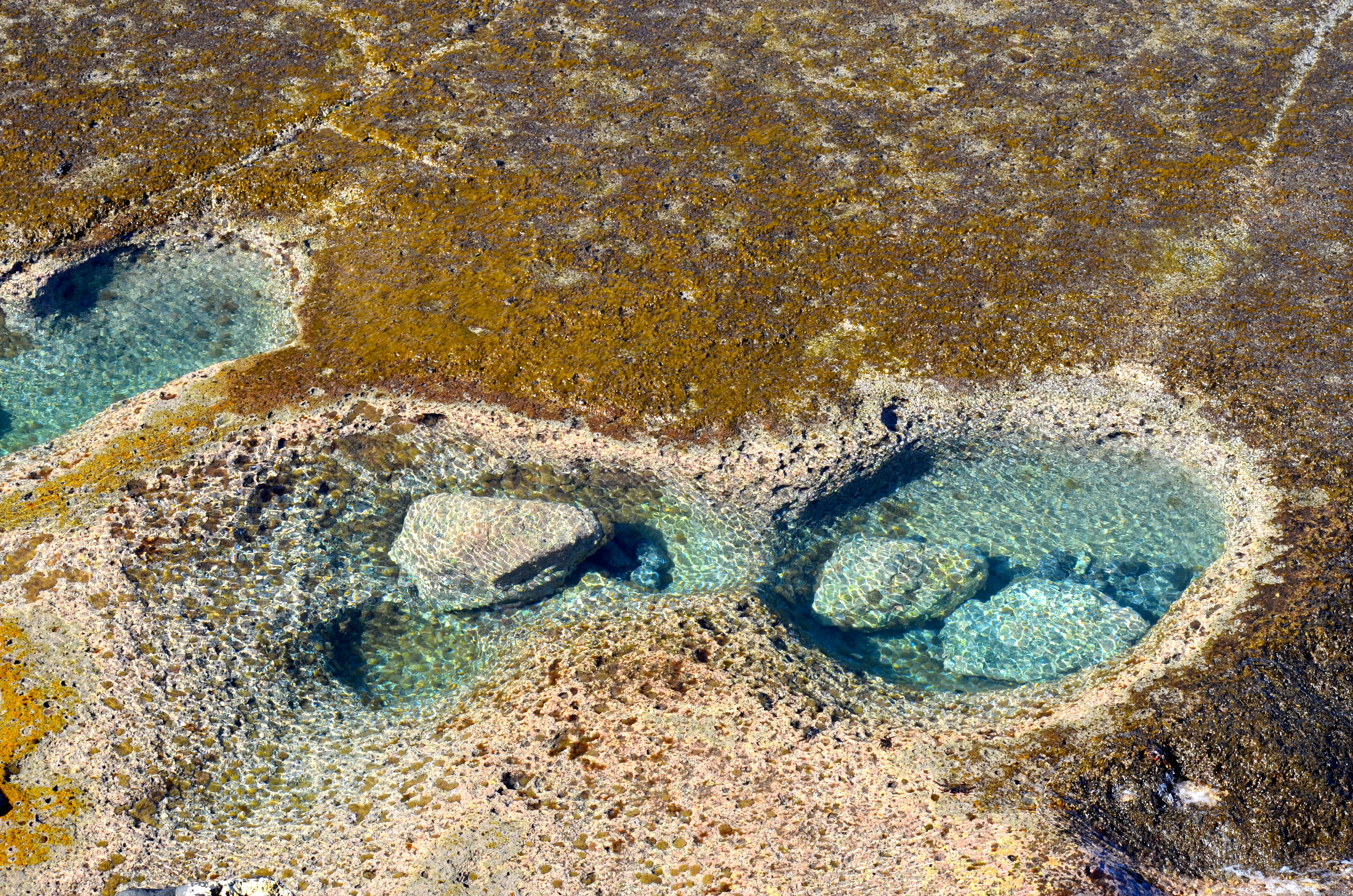
Rocky pool

Posted in Canary Islands | Tagged , , , , , , | 7 Comments