Travelling the globe

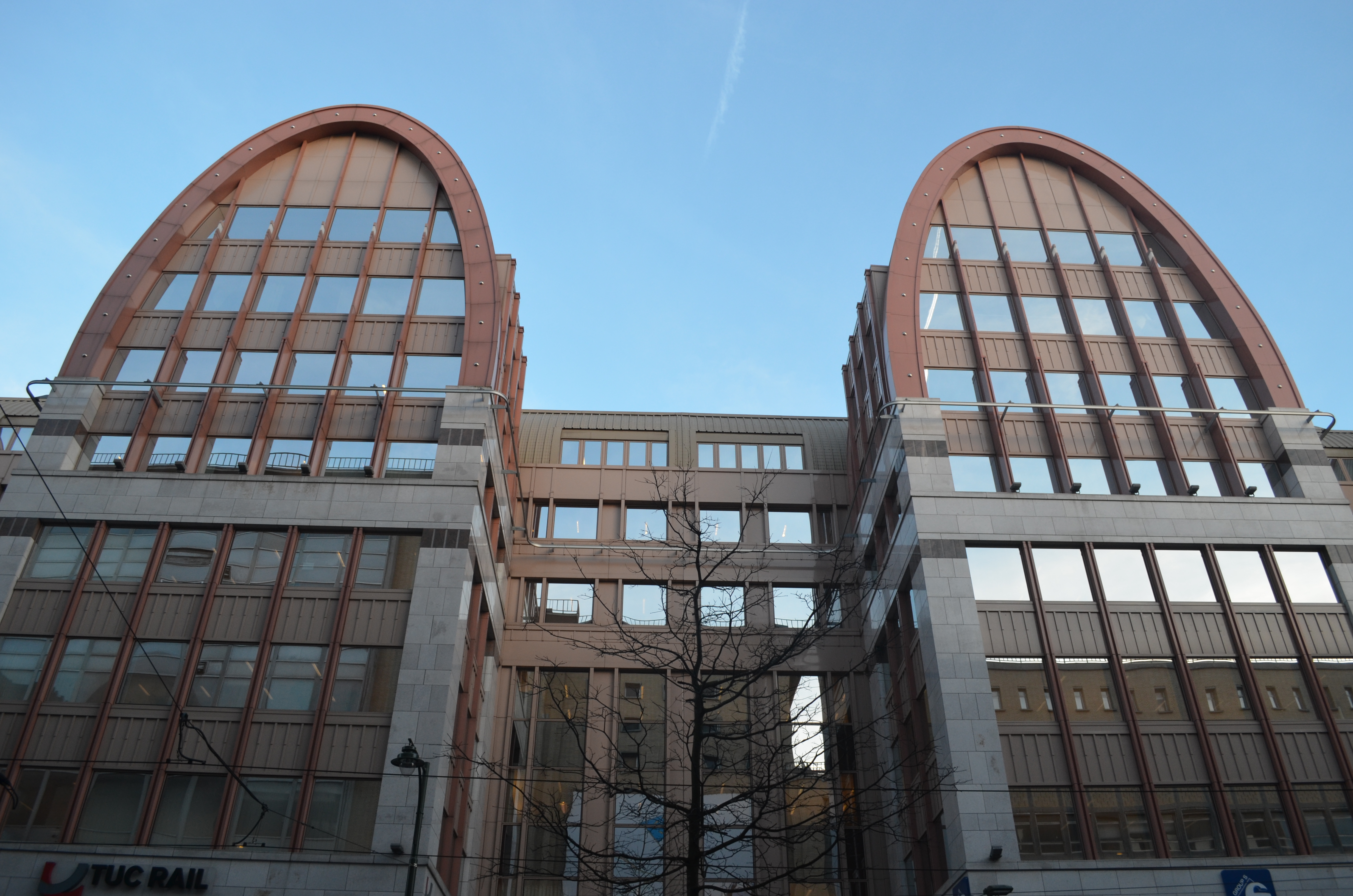
I crossed half the globe. I crossed the Atlantic Ocean and the whole continent of South-America. I witnessed the turbulent air above the mighty peaks of the Andes. I passed the customs in Santiago, fought my way through all practical problems with a limited knowledge of Spanish and a great lot of nodding and smiling. I met nice people and even some very strange ones (but mostly nice). I enjoyed tasty airplane food and numerous cups of carton-tea in carton-cups. I even got time for a 3-minute visit to Brussels (see picture)!

DSC_0025

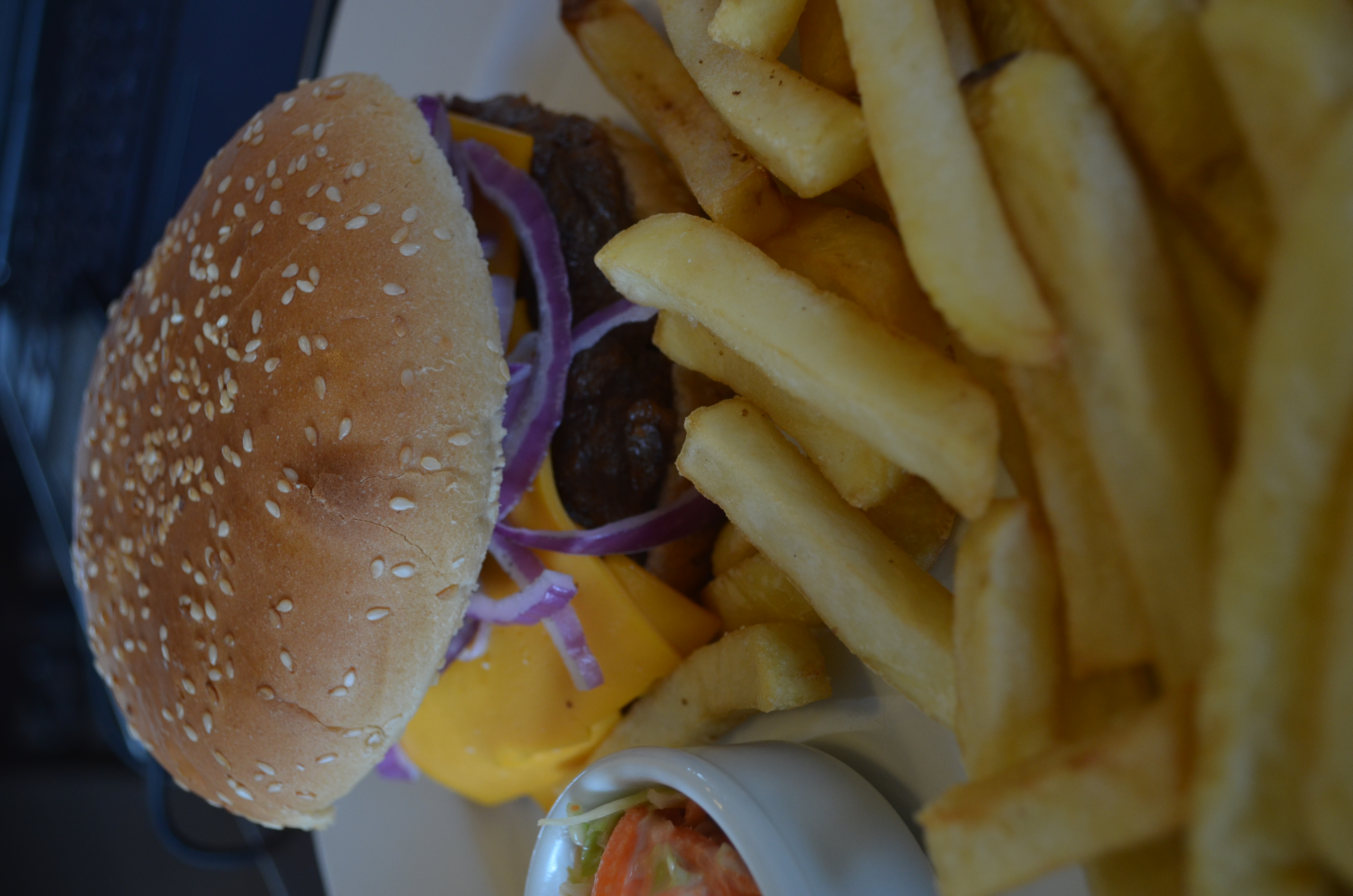
Now I am at the ‘Gatsby’ at the airport of Santiago, eating bad, unhealty food to return the favor of the theft of their Wifi. I am ready to go south, leave behind the amazing 30 °C of Santiago and follow the Andes as the spine in South-America’s back, all the way down. I am ready to face my experiment and what 4 month of Chilean summer and howling winds made of it.

DSC_0046

I keep you updated!

Posted in General | Leave a comment

Leaving spring for autumn

Spring was getting on full speed last week in Belgium. The first spring flowers were emerging everywhere and it was already warm enough to forget your jacket. It maybe false hope, but spring was in the air!

DSC_0926

I tried to absorb as much of the sun as possible, because next week I replace our Belgian  spring again for autumn in Punta Arenas, Chile, for a check-up on the seedlings of my experiment.

DSC_0874

I had a chance to visit the zoo to join the meerkats for a moment of afternoon sunbathing, before I had to start packing jackets, gloves and warm fleeces. There will be frost already in the highest plots, so I need to be prepared for the worst when I have to work long days  sitting on the frozen ground.

DSC_0866

Posted in Chile | Tagged , , , , , , , | 4 Comments

Aliens and their way to the top

Remember my story about how lowland roadsides are flooded with species that do not  belong in the natural system? Remember how these new species could profit from the lower competition when the natural vegetation got destroyed by the process of road building? A lot of these species are well known to Northern Scandinavia, but some of them are not. And this last group deserves our special attention.

A group of true culture-followers. The real roadside species. The ultimate weeds. They followed human development up to the north at one point in time, some decennia or  centuries ago. We call them aliens: visitors (and sometimes invaders) from another ‘world’. (But do not let them fool you, because they are just species like our regular white clover!)

Trifolium repens

What is really curious is how almost all these aliens share the same story. Their invasion always starts in the lowlands, where they got introduced, after which they closely follow roads and human structures up into the mountains. Not too many of them really reach the top, however. We see a progressive drop-out of species on the way, victims to the cold alpine climate (but keep in mind this is a dynamic process, they could still be on their way!). This progressive loss of alien species with elevation got the fancy term ‘directional ecological filtering’ and it also seems to be happening in our subarctic ecosystem. The mountain acts as a filter, only allowing a select group of aliens to the highest elevations, while the weaker ones are filtered out (check the clear decrease in roadside alien richness with elevation as visualized by the black line on the graph).

Schermafbeelding 2014-03-13 om 18.25.45

The question is which skills are needed to sneak through this filter to reach the highest elevations in the mountains. It turns out that all winners of the race to the top follow a similar strategy: they are all generalists, which means they can thrive in a wide range of environments. That makes them different from the vast majority of plants that got adapted for one particular situation. It also makes them incredibly suited for mountain invasion. Mountain invaders have to overcome both lowland and alpine conditions. Strong competitors loom in the lowlands, where conditions are good and fast and efficient growing are the keys. In the highlands, the harsh climate demands stress-tolerant traits to survive the cold: growing slow, staying close to the ground and using resources to fight the harsh conditions.

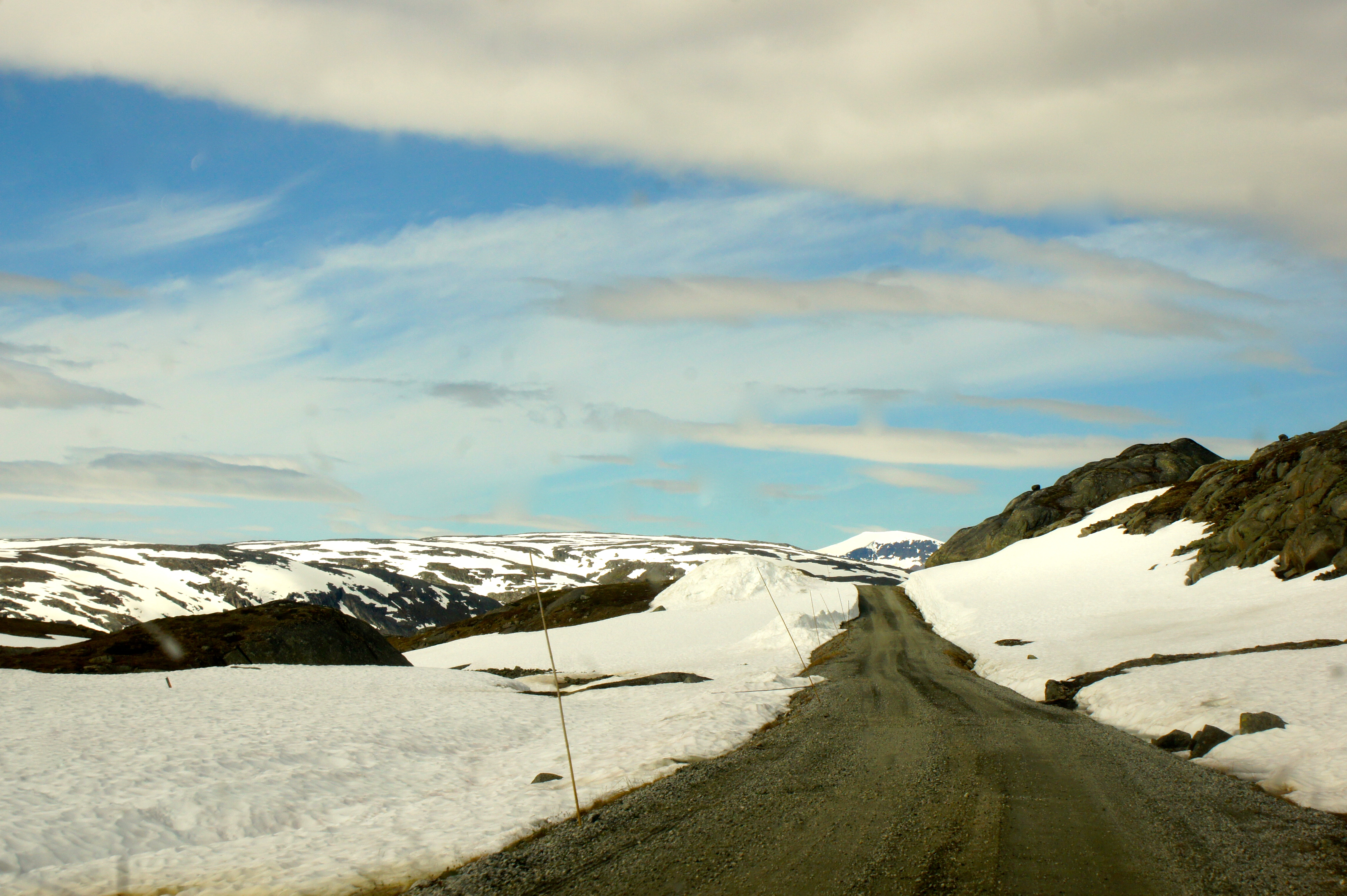
Summer snow

That is the reason why pure competitive alien species are stuck in the lowlands, while the generalists can follow the road all the way up to the alpine zone. While both know how to handle the intense competition in the lowlands, only the generalists can change their strategy to deal with the totally different alpine conditions from the highlands. And as soon as these villain generalists reach the top, we should foresee major problems, but that will be covered in another post!

Clear view on the vegetation gradient

This picture clearly shows how the vegetation changes drastically over only a small elevational gradient.

Posted in General | 3 Comments

Kitchen ecology

Ecology should not always be about the large scale. Sometimes there is no need to go all the way to Chile or Sweden to find some exciting plants!

Basil

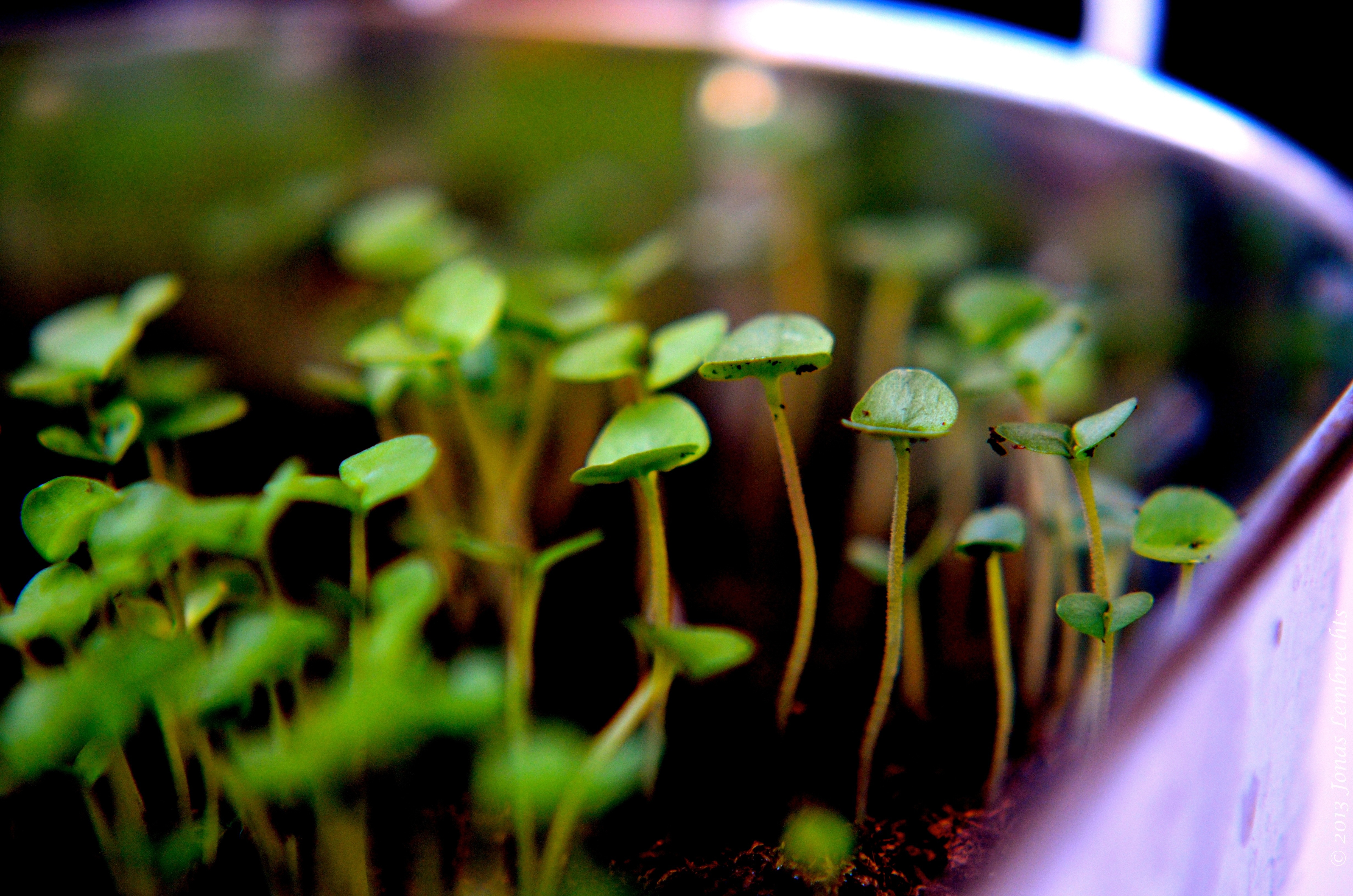
I have twenty square centimeters of fantastic ecology right in my kitchen. I am growing some basil herbs, 4 different species in a stylish metal bucket. I see it as a test to check if all my theoretical background provides any support in raising my own kitchen plants.

Germinating basil

It made me already very excited to see them germinate so fast. You can see them gain centimeters every week!

Basil field

Also: what a high germination rate! Almost all of the seeds made it to the seedling phase, so I will have to thin out soon to give the strongest plants more space (we learned here how tough competition would be disastrous for seedlings). I can only hope my seedlings in Chile will turn out to be as successful when I go back there next week!

Basil at sunset

Posted in General | 1 Comment

My friend robin

DSC_0798

It is great joy working with playful action of birds behind the office windows.

DSC_0801

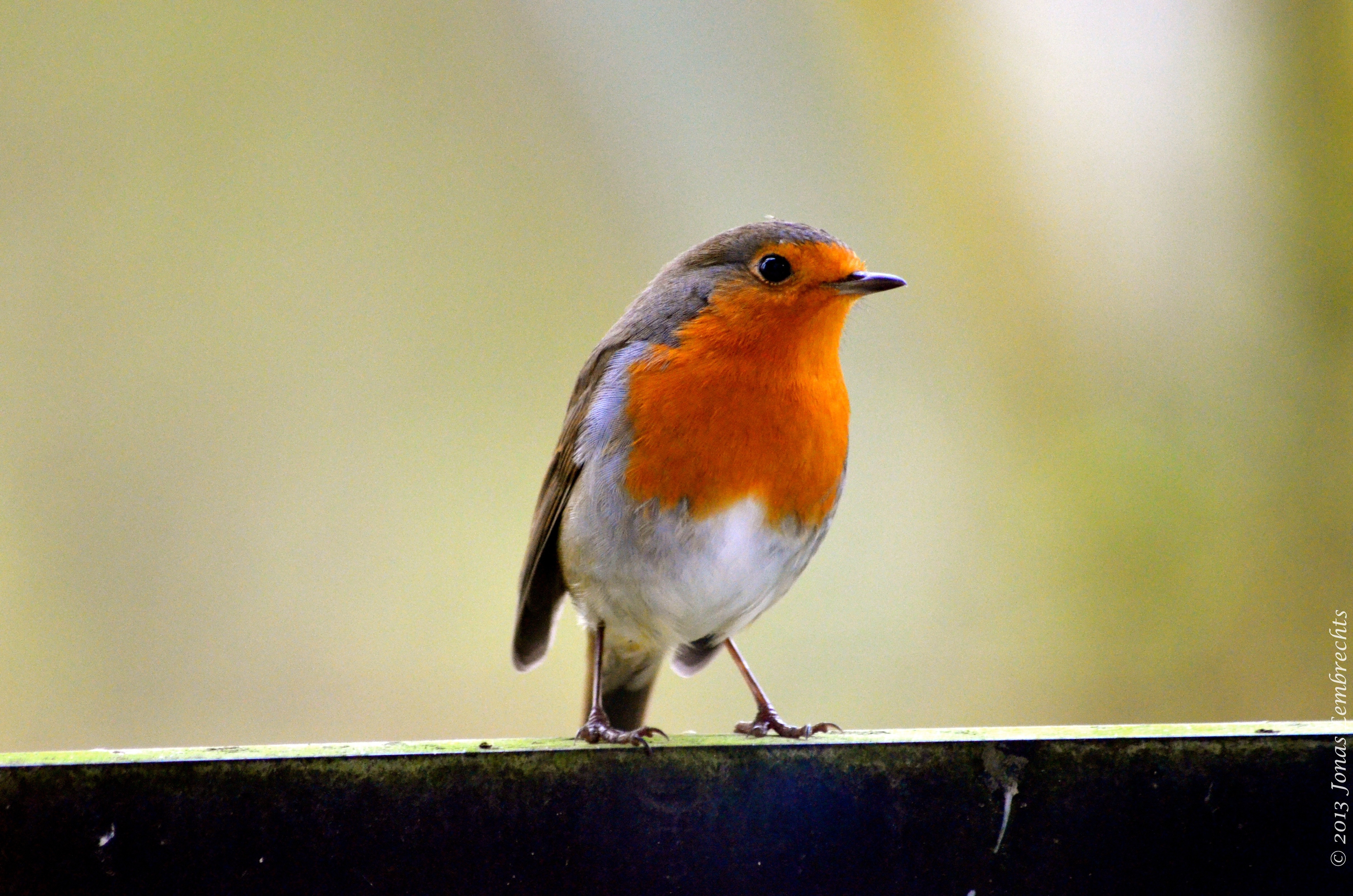
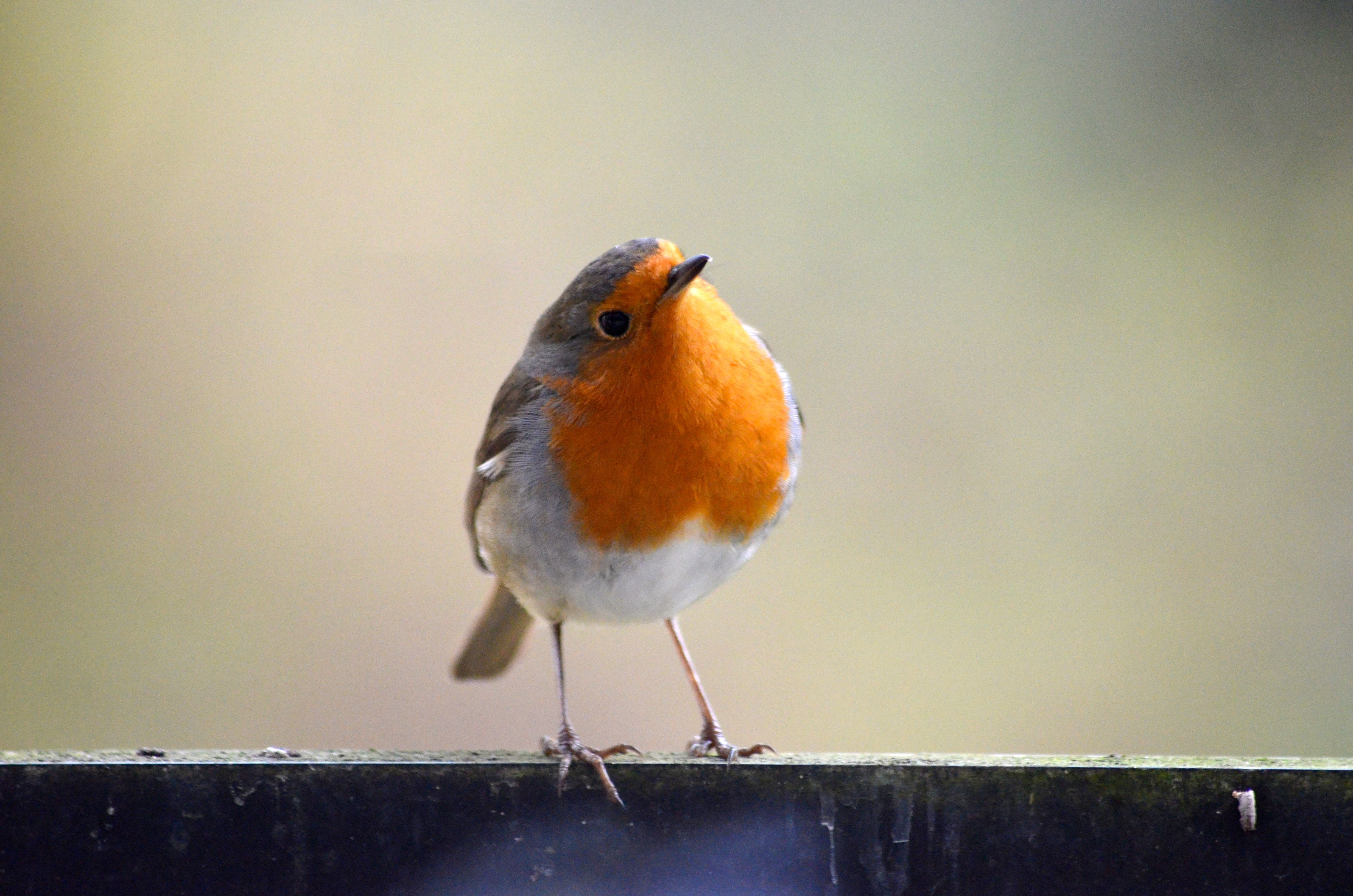
Although we did not have a cold winter at all, a lot of birds were still very happy with all my extra food. This is my personal favorite: the European robin.

DSC_0784

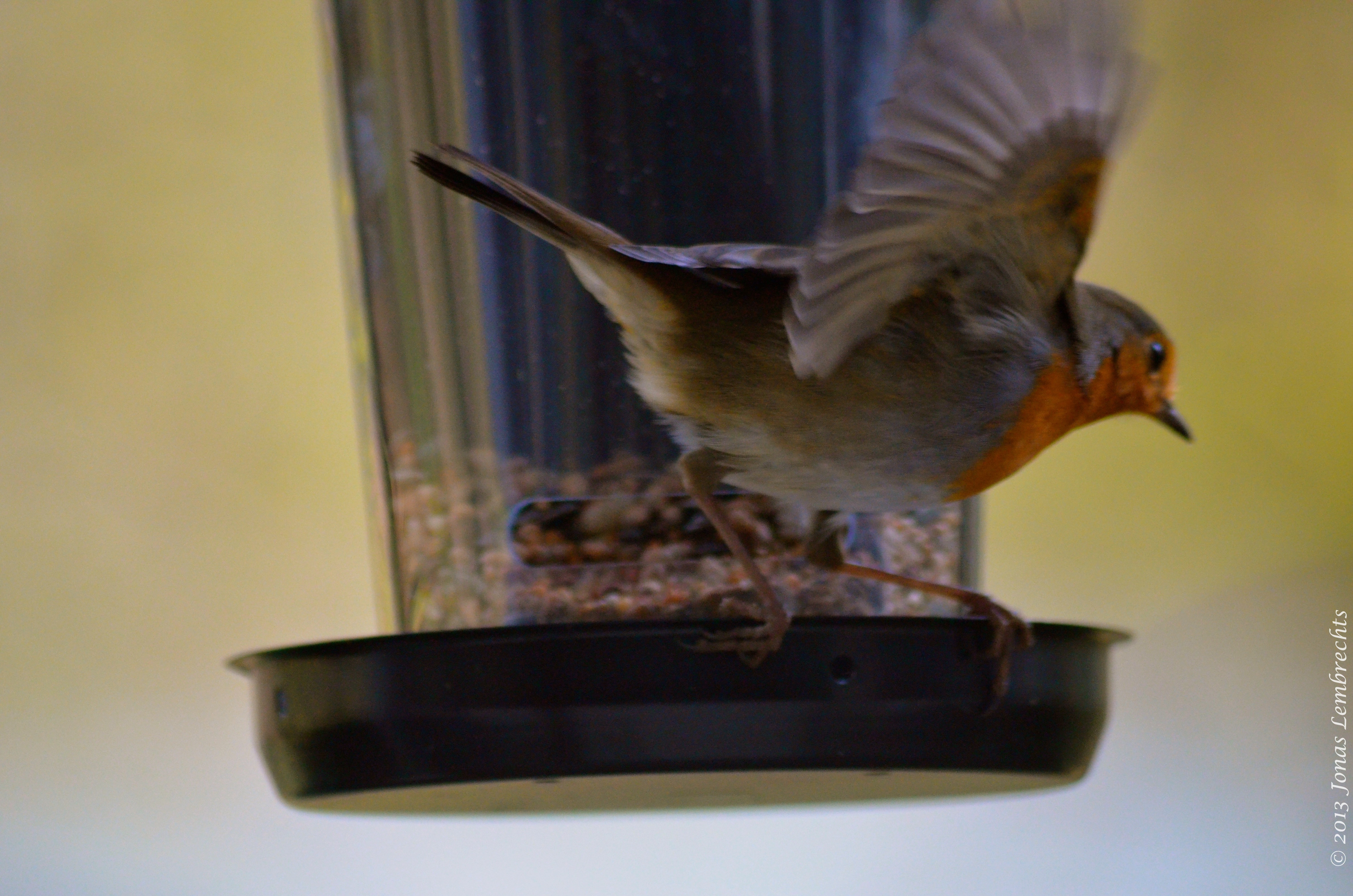
The moment he found out how to balance on the food, he became one of my most common visitors.

DSC_0790

Posted in General | Leave a comment

More about roadside vegetation

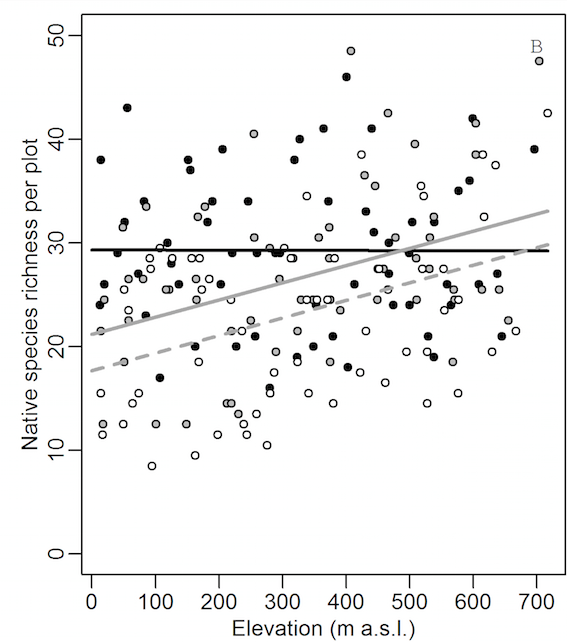
Roadsides host more plant species than the natural vegetation. That is the stunning conclusion I draw in my previous post. While this difference is clear on low elevations, it vanishes as we get higher in the mountains, ending in similar species richness in the alpine zone above the tree line. Surprisingly, as can be seen on the graph, this pattern is the result of a higher diversity of alpine species (dashed grey line, white dots) in the natural vegetation.
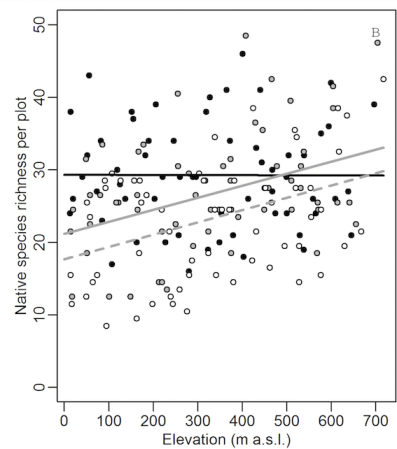
Graph native species richness

Native species richness per plot with elevation. Black lines/dots = roadsides, grey line/dots = intermediate, dashed grey line/white dots = natural vegetation

       The alpine zone is a rocky, barren place without trees. That sounds as a bad thing for plants, but it also results in a higher availability of open places. The dominance of mosses and dwarf shrubs like the crowberries I wrote about, is less intense here. More open spots, less competition, more diverse habitats, all kinds of factors that could explain the higher plant diversity visible in the graph.  All of this explains the higher species richness on high elevations. But why don’t we have the additional higher species richness here that we saw in the lowland roadsides?
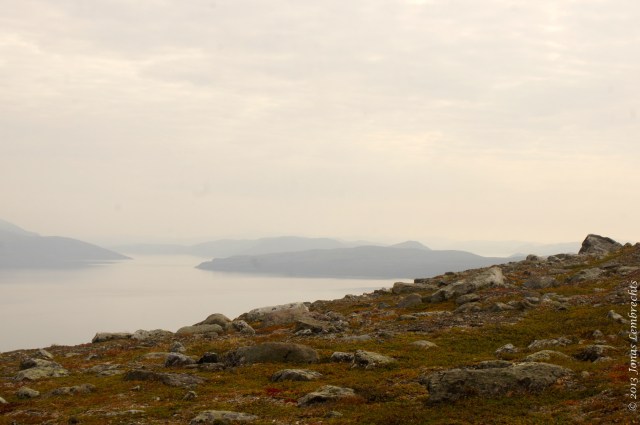
Alpine vegetation

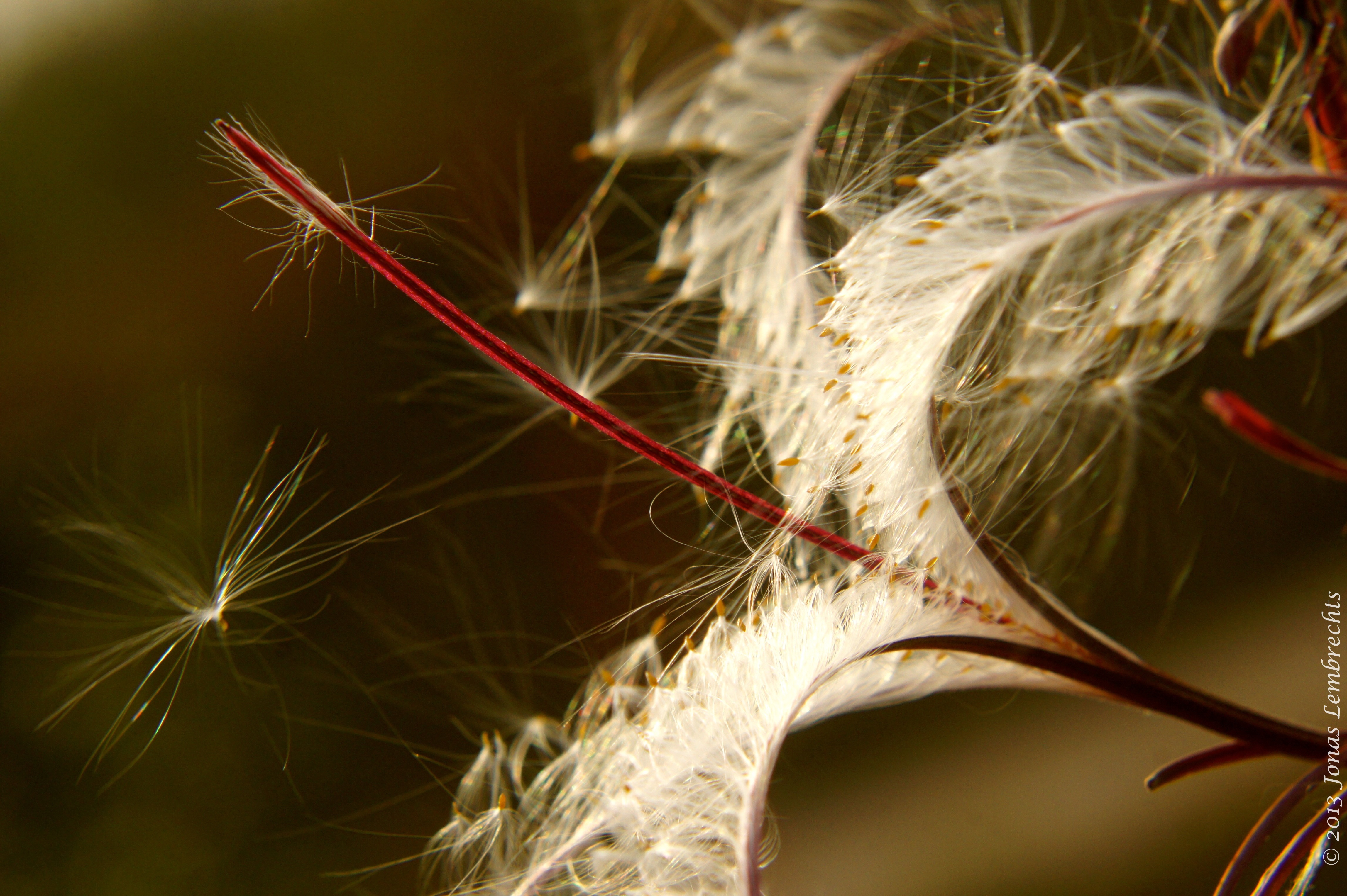
Here is why: the higher amount of species in lowland roadsides comes from a bunch of typical roadside species, mostly highly competitive weeds (e.g. willowweed, see picture). They do not belong in the normal undisturbed subarctic mountains, but typically follow humans, agriculture and the availability of rich soils and mild conditions. This kind of culture followers forms an important part of the lowland roadside vegetation. These species are added on top of the baseline species richness of typical subarctic mountain vegetation. Therefore: higher roadside diversity.

Hairy willowweed, a typical competitive weed

These competitive weeds are rare in the roadsides on high elevations, where conditions are not mild at all. The roadsides there serve more as a refuge for stress-tolerant alpine species, because the difference with the natural alpine vegetation is much smaller: both contain open, low vegetation, with a lot of bare rock and bad protection against harsh weather. Perfect for stress-tolerant plants (like Saxifraga, see picture), a disaster for the competitive kind.

Saxifraga, a typical stress-tolerant alpine species

Conclusion: the subarctic mountain road has a much smaller effect on native plants than its lowland counterpart. Lowland roadsides suffer from the invading pressure of competitive weeds, while they serve on high elevations more as a refuge for a wide diversity of alpine species.

Roadside vegetation

You want to know the exact scientific story? Here it is! The story spread in the meantime to the international (scientific) media. Find already one link to the media here.
Posted in Sweden, The research | Tagged , , , , , , , , , | 4 Comments