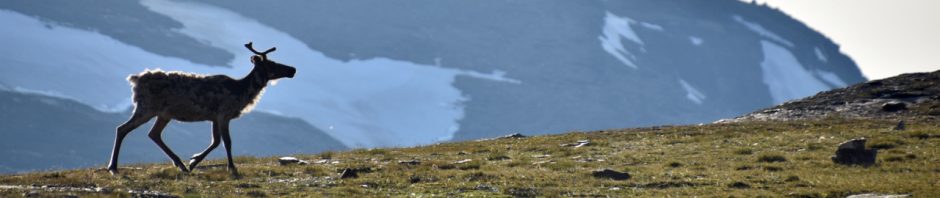
Stress

No, no PhD-stress here, or not more than just a little. I have been teaching a practical course on the measurement of plant stress to our master students. They are asked to study stress levels in plant leaves with the use of two old but impressive measuring devices that capture leaf fluorescence.
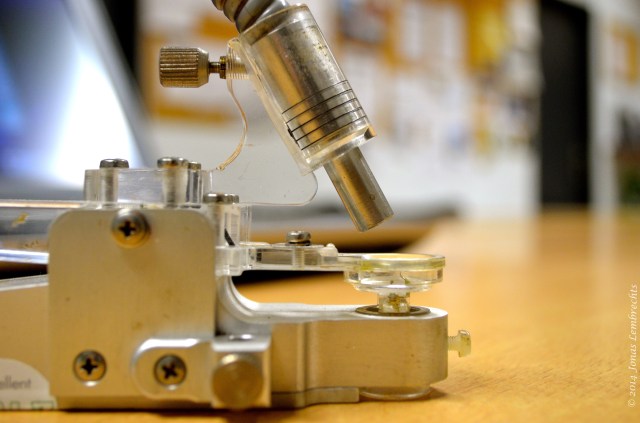
 PAM-2000 fluorescence measurement

Yes, I am really talking about fluorescence in which objects emit light, even when the light source is already gone. No, this does not result in leaves glooming like eyes of a cat in the dark, unfortunately. Leaves send out light at a wavelength invisible for the eye (but not for my old but impressive devices): infrared.

 Dark adaption clip fluorescence

In the practical course, students find out that the fluorescence of a leaf is the result of light being absorbed by the leaf that cannot be used by photosynthesis. It serves hence an indirect way of measuring how much light energy the plants can use, which is then a measure for their health level.
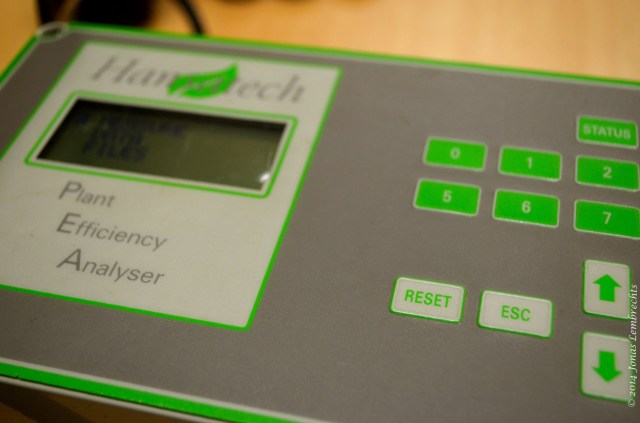
 Plant efficiency analyser fluorescence

With an ingenuous sequence of light pulses to activate and deactivate the photosynthesis apparatus of the leave, we can find out how much a plant is suffering.
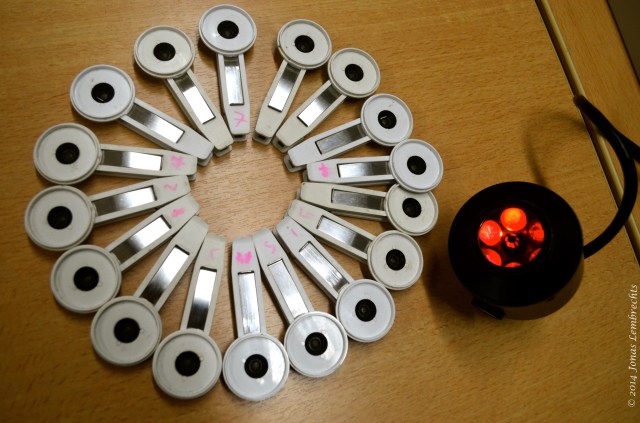
 Dark adaption clips and infrared light source

I for my part, learned a lot of this practical course, of the experiment as well as the teaching experience. Let me see next weeks if the same holds true for the students as soon as they start handing in their reports…

Posted in Belgium, The research | Tagged , , , , , , | 1 Comment

Now we’re talking

On the greyest and coldest day of the winter so far, I put on my warmest ‘Arctic’ clothing to start a new project.

Measuring microclimate in gaps

We went out into the field to start a project I had been thinking about for a long time already: measuring microclimate with a thermal camera in a truly useful way.

DSC_0006

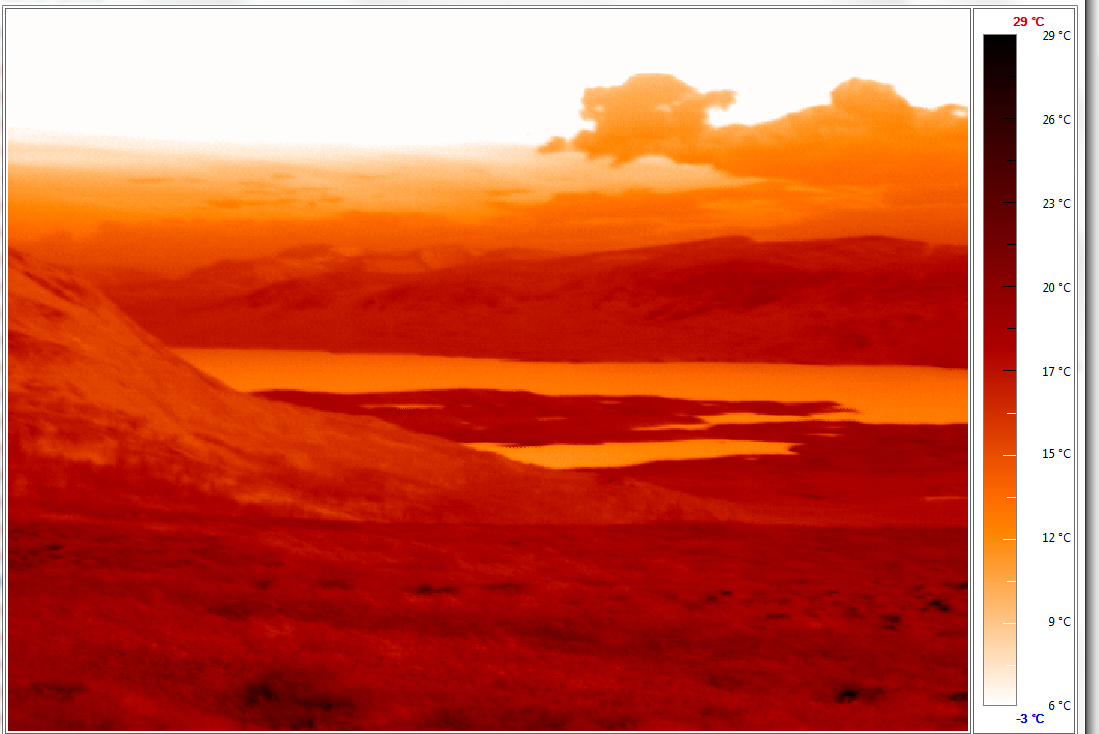
The thermal camera had been great for illustrative purposes, as it gives beautifully coloured images that spark the imagination, like the one of this reindeer in Lapland (from my archives). However, its use in the field was limited by the difficulty to get long-term data from exactly the same spot, in such a way that it would stay comparable over time.

Thermal reindeer

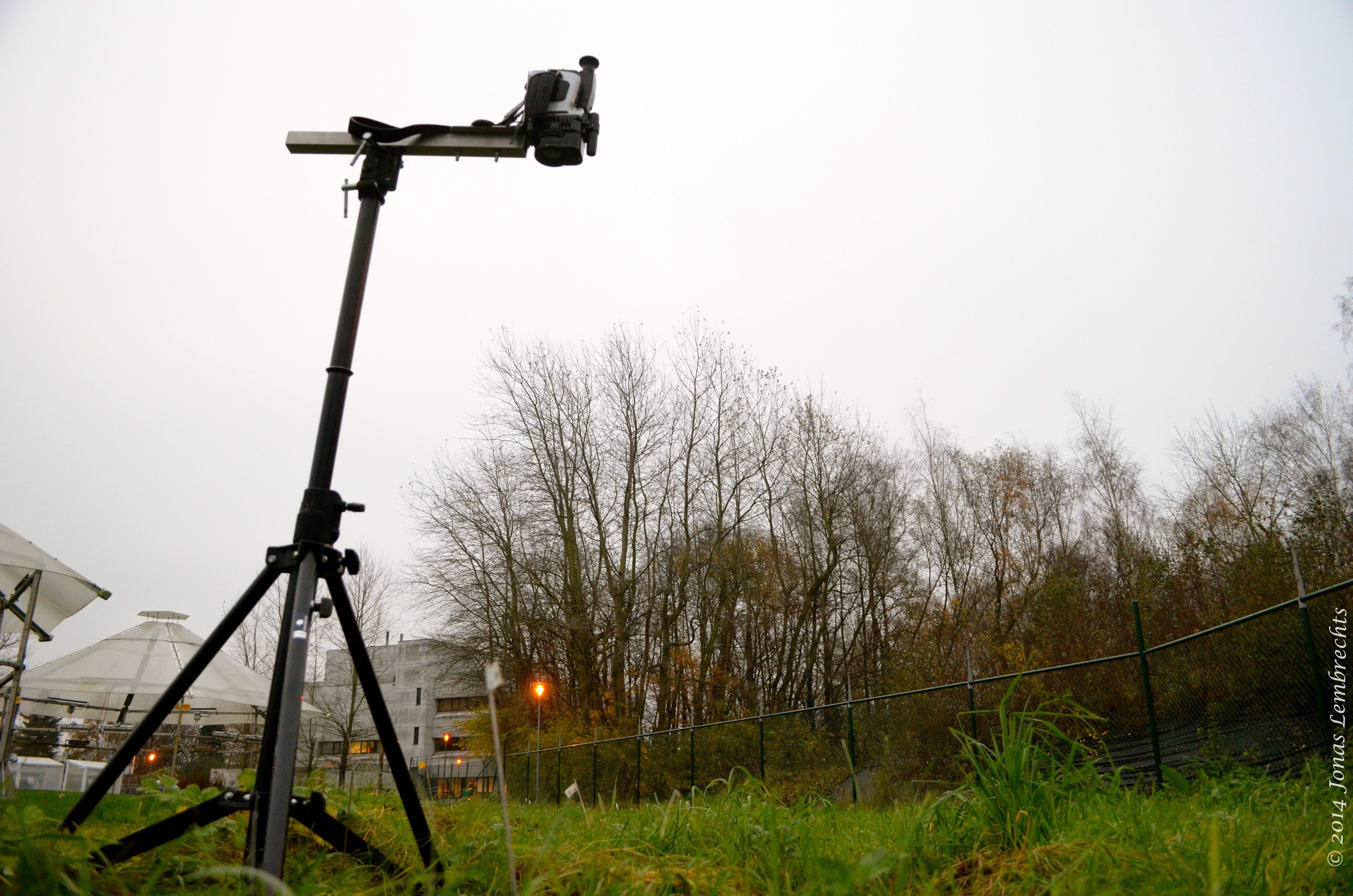
But now, with the help of a tripod to keep the camera (heavy stuff, I tell you) perpendicular to the ground, I can make movies of daily temperature shifts on whichever small scale I want.

Thermal camera in the field

This cold and grey December day in Belgium, with temperatures staying between – 1 and 1 °C, was in any case the most boring day ever to try this new device. The possibilities look highly promising for the future, however, so there are certainly reasons to celebrate!

Thermal mountains

Posted in General | Tagged , , , , , , , , , , | Leave a comment

Sowing the seeds

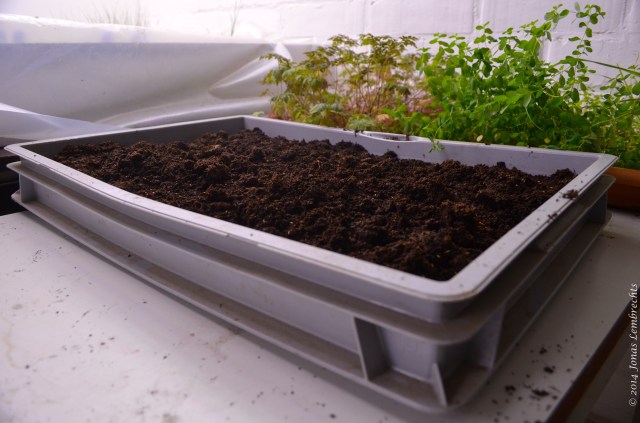
There is a high-speed germination experiment going on in the basement.

I will have a student doing a short master project on the survival capacity of gap colonisers this winter. He will keep a close eye on extreme winter temperatures during the whole season and link these extreme events to the survival of plants on different locations in grassland gaps.

DSC_0004-2

Highly interesting stuff, as it will be the first experimental testing of one of my own theories. I was however not fully prepared to launch the experiment already this year. But when this student showed up in search for a project, I saw a great opportunity to trigger an early launch.

DSC_0002

Of course, this early start means I needed some plants. Luckily, I always have an extra set of seeds available, so those could immediately go under the sun-simulator lamp. With the help of optimal soil-, water-, temperature- and lightconditions, the tiny seeds ‘overtroffen’ themselves and germinated within 3 days.

DSC_0010

That means they could already go to the next phase: a greenhouse with a temperature 2 °C higher than outside temperature. Less ideal conditions, so there quick growth will soon be hampered, but this is necessary to let them adjust gradually to outside temperatures, before they go in full soil next week.

I will keep a close eye on them and wish them all the best!

Posted in Belgium | Tagged , , , , , , | Leave a comment

Milestone

This week I had a milestone to celebrate, as I got my 1000th picture accepted on Fotolia! That was an event I could not just let go by, as reaching this milestone is a serious reward for long hours of work outside in nature, but also behind the computer.

Photographer on mountain top

You can visit this growing portfolio here and wander through rows of travel images from all over the world, details from Flanders fields and close-ups of random objects.

Mustard on field

Photography is big business as making pictures gets increasingly easy, so stock websites have the opportunity to be picky about what they want to accept and what not, making it a certain struggle to get out there.

Boat on lake Nahuel Huapi

However, a certain bit of persistance and a growing mountain of pictures seems to be rewarded now. The next milestone – selling my 100th picture – is even around the corner already!

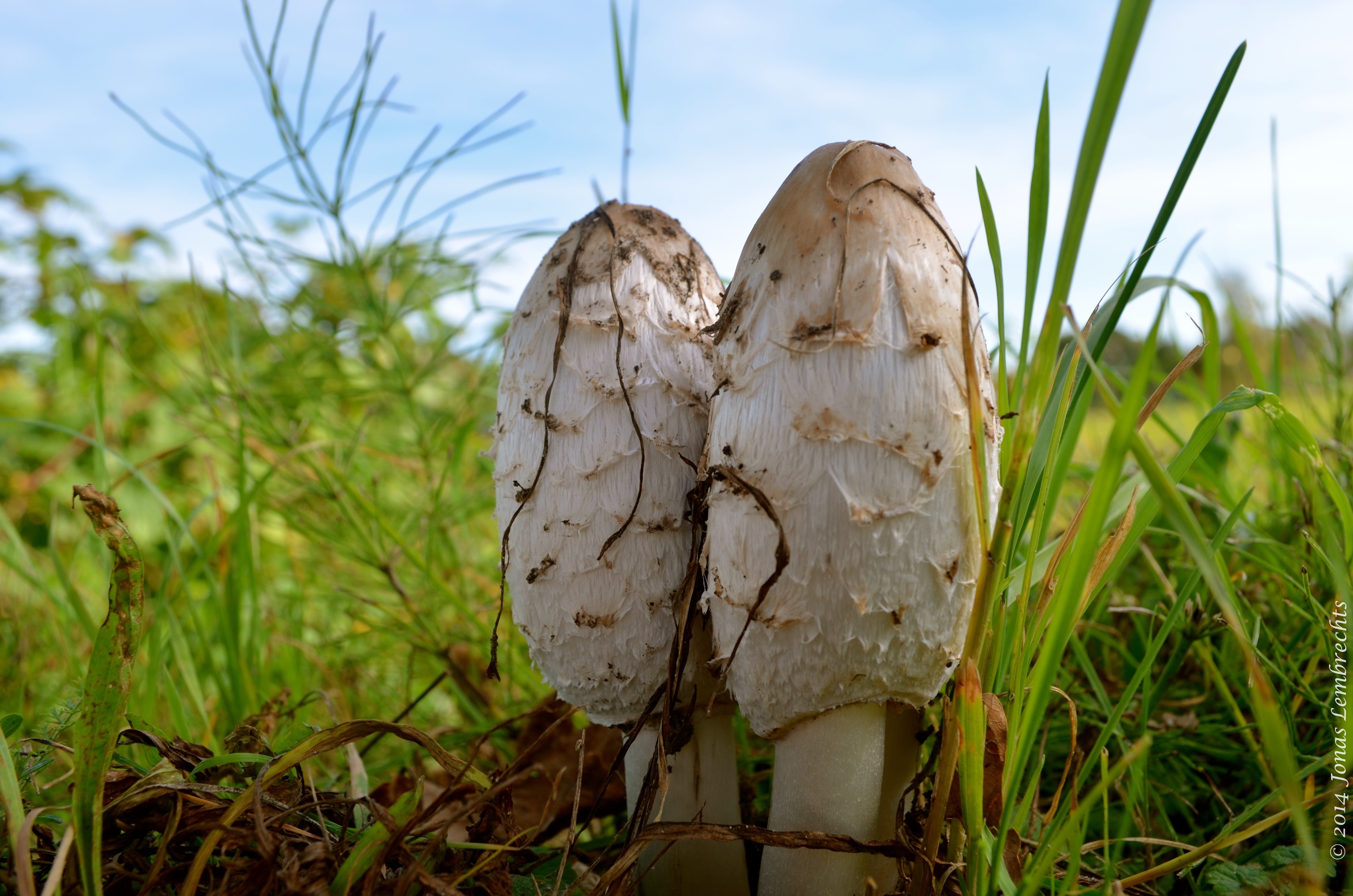
Mushrooms in meadow

This is also the perfect time to thank my girlfriend for helping with uploading all these pictures, a massive work that should never be underestimated.

Belgian Church

So please forgive me this little celebration with a random selection of pictures recently made available on Fotolia, and feel free to visit my portfolio!

Acrobatic gull catching fish

Posted in Photography | Tagged , , , , , , , | Leave a comment

The mushroom mystery

Claiming that counting plants tells you everything you want to know about their growing success in the mountains is like claiming you know the whole fungi-community by looking only at mushrooms.

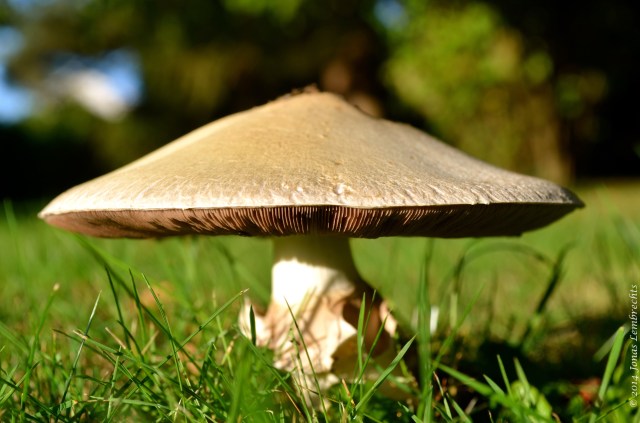
Large mushroom in lawn

Mushrooms, those pretty ones with their nice funny heads, are only the fruits, the apples of a massive apple tree, one acorn of a huge oak. The whole body of the fungus is below the surface, and it is there that all the action takes place.

Puffball with a mushroom friend

Understanding a fungus requires some digging, as you will want to know what is going on underneath the earth’s surface. Knowing plants might in the end require the same effort.

Fly amanitas

An important part of a plant’s life indeed happens in the invisible ‘black box’ that is underneath the soil: it is there that they find their nutrients, it is there they dig for water. For a major part, it is decided under the soil surface who is going to live and who will have to die.

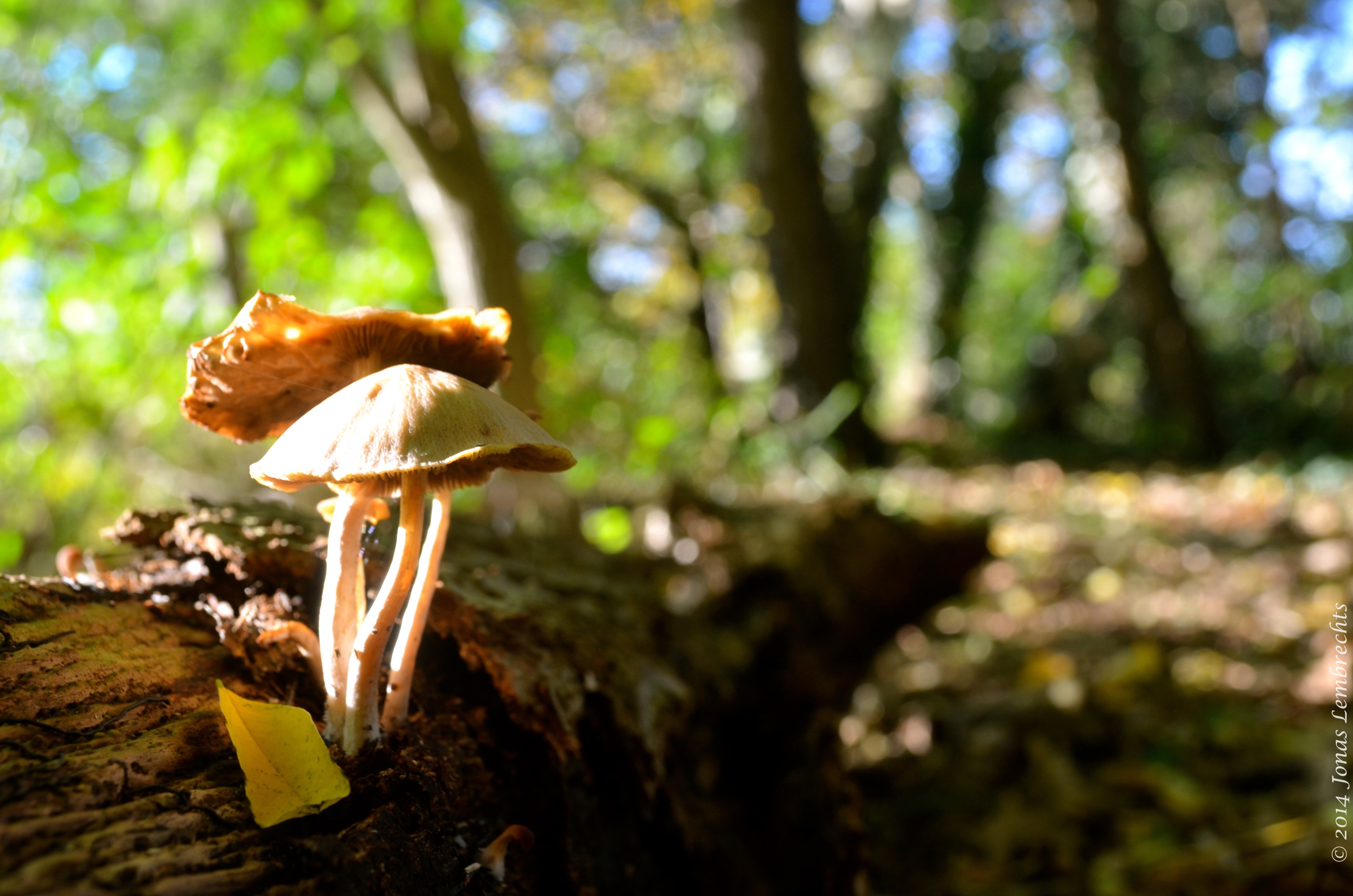
Mushrooms on deadwood in a forest

Counting and measuring aboveground plant parts only gives the final result of an ongoing fight below the surface.

Brown mushroom in autumn

So from now on, I will put in more effort to challenge this black box and find out what is happening there. I will start digging for answers to my questions in the dirt and the mud, as it is there that all solutions are hiding.

Fungi growing on dead tree

Posted in Belgium | Tagged , , , , , , , , , | 6 Comments

Alpine or not alpine?

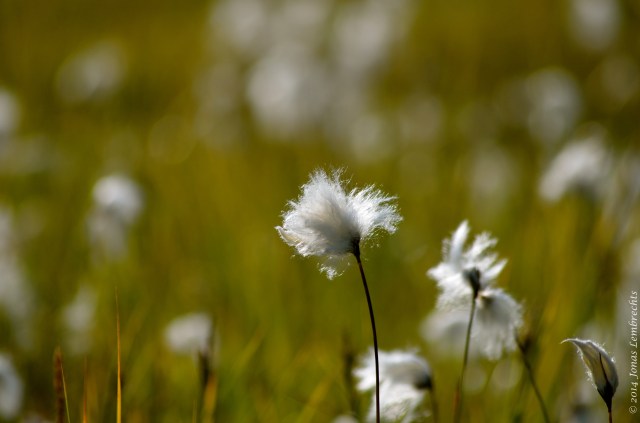
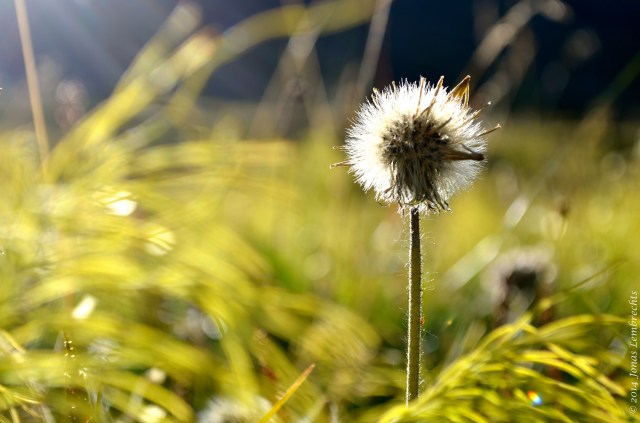
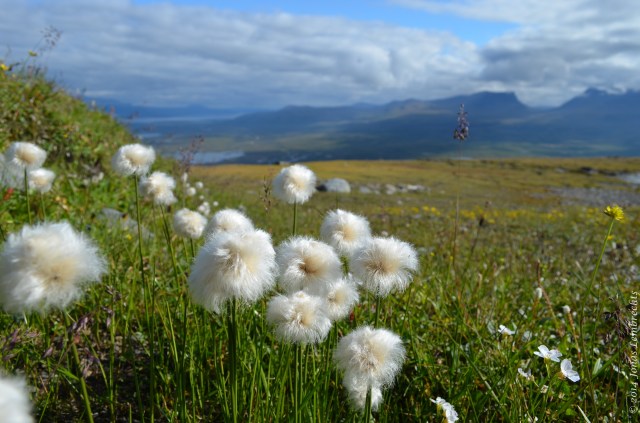
Cotton grass (Eriophorum vaginatum) in a meadowWhen can we call a plant a true mountain plant? What is the optimal definition to divide plants in two categories; alpine or not? Those questions currently keep me occupied during my working day. I thought to shed some light on the differences here with the help of some fluffy examples.
DSC_0186

The alpine zone, the zone above the treeline were the climate is too cold to allow trees to grow, hosts some highly typical plant species. In this harsh environment, you need some special skills to survive, and only the selected few meet these requirements.

DSC_0121

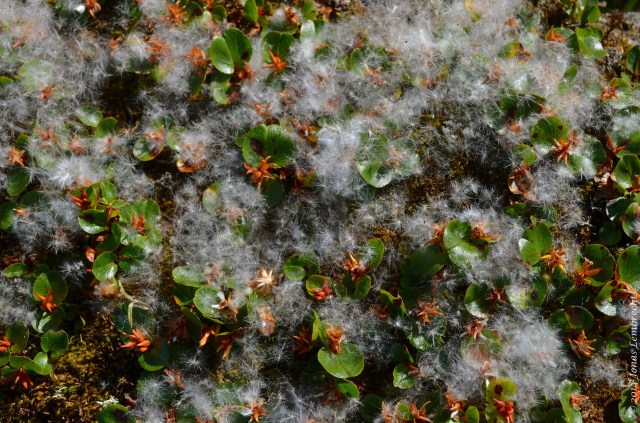
Most species that do fit the bill however loose the necessary skills to deal with the conditions downhill. Especially the power to compete with fast-growing lowland species eradicates their chances to grow on lower elevations. Those cold-adapted, slow-growing dwarfs, like the creeping willow, are true alpine species.

Fluffy seeds of creeping willow

Creeping willows stay close to the ground, safely protected against the elements. They grow very slow and stay small during their whole lives. Ideal characteristics in the alpine zone, but a burden to win the everlasting natural selection in warmer environments under the tree line.

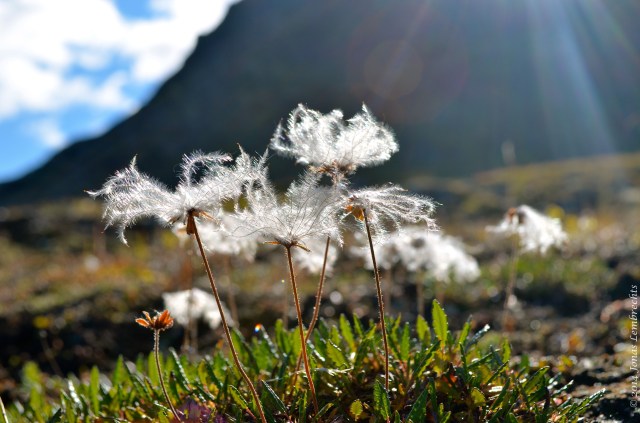
The same holds true for the mountain avens, or white dryas. These tiny roselike plants stick together in colonies to stay warm. In the warm summer months, their flowers and fluffy seeds dare to leave the protective air layer at the surface, but otherwise they will always keep close to the ground.

Dryas octopetala

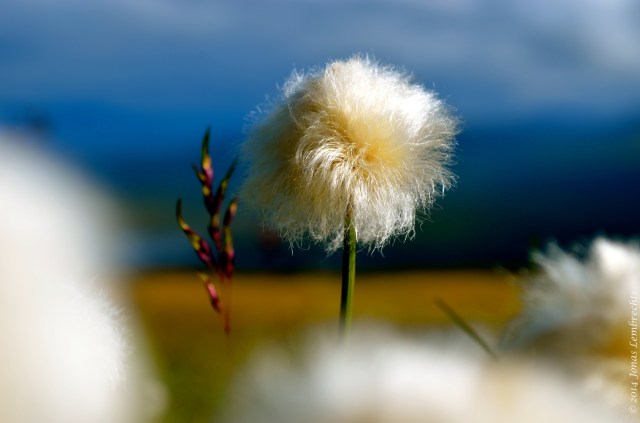
Cottonweed falls to the other side of the alpine/non-alpine balance. Although these fluffy plants love the wetlands and marshes in the alpine environment, their range is much broader. They survive everywhere where extreme conditions and bad drainage erase all other competitors.

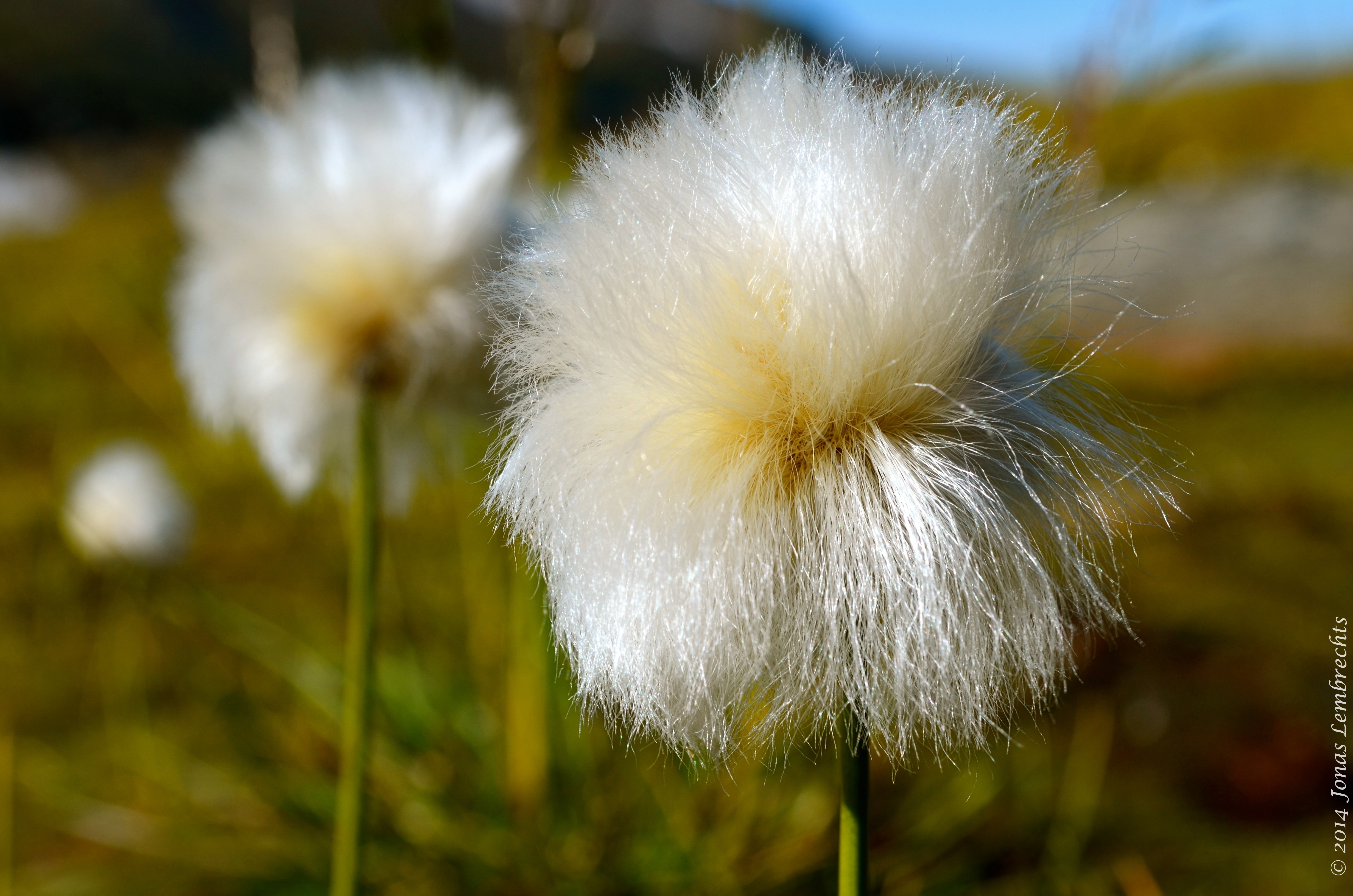
Head of cotton grass (Eriophorum)

Although you can find their cute bunny-tales in between the other alpine species, their optimum lies in the ‘montane’ area, the mountain region underneath the tree line.

  Eriophorum heads

They found a way around the strong competition on the lower elevations by choosing a niche where no-one else wants to live: swamps and bogs. Another strategie, resulting in a totally different distribution: when alpine species will be easy to observe on high elevations, but impossible to find when you go lower, cotton weed will have the same – small – chance everywhere along the gradient, as they will be linked to soil moisture instead of elevation.

Cotton grass head

Posted in Sweden, The research | Tagged , , , , , , , , , , | Leave a comment