
A PhD lasts only for a short period in one’s life. The plan is to get as much out of it as possible, that is for sure. I would like to make use of the beginning of this new year to wrap up some of the plans I have for the next 365 days. Plans that can immediately serve as a little promise for what my blog will bring over the next months.
Publishing

First things first, I want to get my next two papers out. I hope to get three papers out of the way before I started to work on the first ‘main’ paper of my PhD. I am still on track, as the first one got published in March 2014, the second one is facing the reviewers right at the moment and the third one saw his major breakthrough in the data analysis just some weeks ago. I will still focus on these stories until April cause then I will go to…
Chile
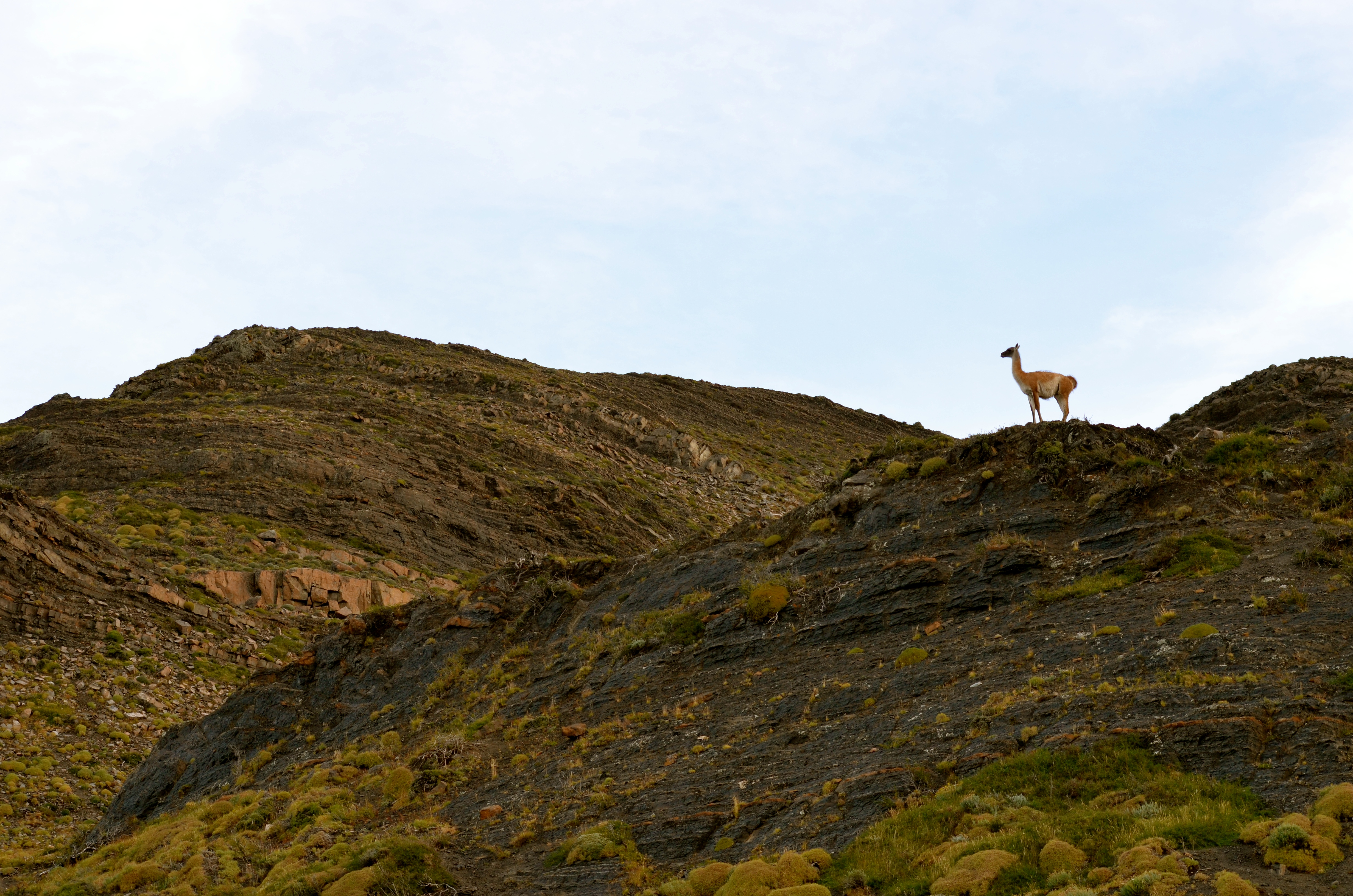
The first week of Chile will bring the final fieldwork for our first experiment. We will collect the very last data of our first experiment and add them to the finished dataset from Sweden. Then we will have enough information to disentangle the effects of disturbance, nutrients and propagule pressure on alien success on different elevations. And then, it is writing, writing, writing as I might want to aim high for this one… until summer, when we have fieldwork plans again in…

Sweden
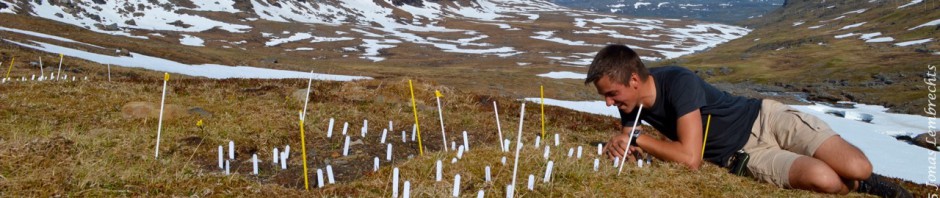
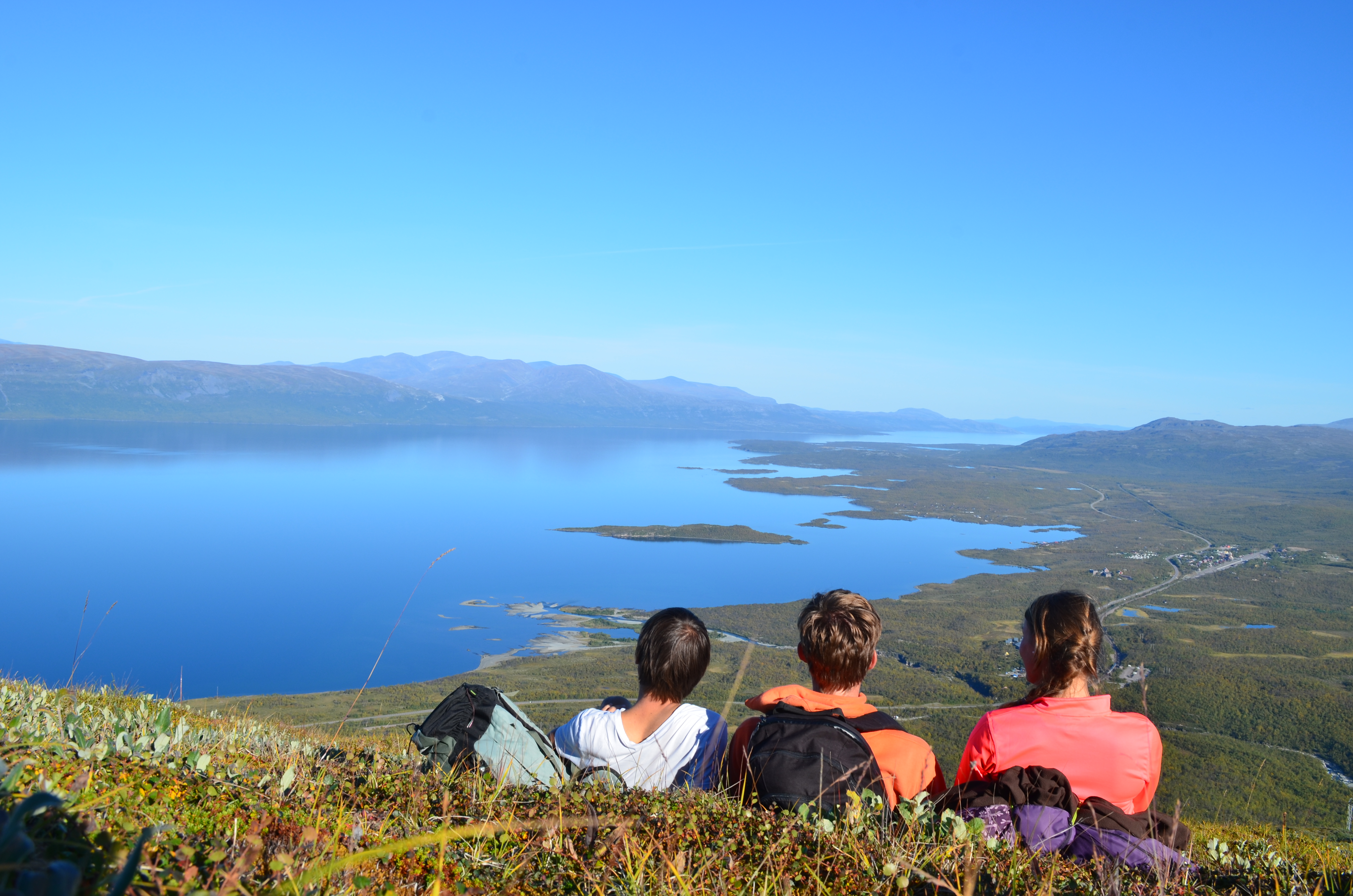
Experiment number two will be finished this summer, providing us enough information on the roll of microclimate and topography in my PhD-story. We will go back again two times to the high north, to count winter survival and harvest summer growth, as well as to set up a small new experiment. But we have even bigger plans than those, as we will step up our game in the…

Global network
We set up a project in a somewhat bigger dimension together with all our partners of the MIREN-network. We will install a microclimatic measurement system in mountains and roadsides in 8 different regions on all continents except for Antarctica. While 2014 served to think out the project, in 2015 it should go to full speed, providing us with a first year of data in 2016. But I am thinking already about 2017, when these plans will result in the most important publications of my PhD! A long-term project, but not free of ambition.
Belgium
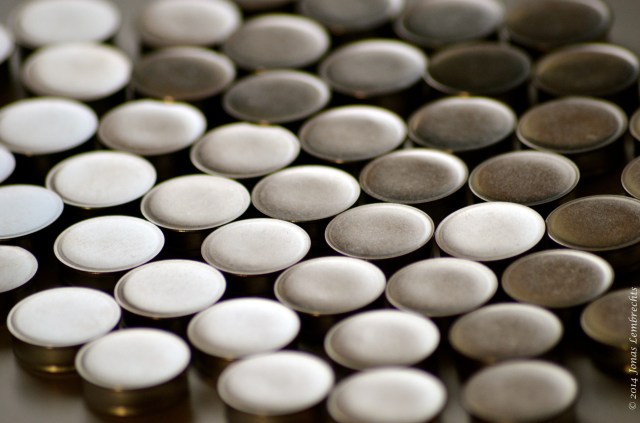
I had some bad luck with my Belgian experiment in the summer of 2014, as my seedlings failed to establish twice. This little trial however allowed me to learn a lot about what I want to do, and I started ‘the real thing’ already one month ago. 2015 should bring a full microclimatic dataset of within-gap variation and the effects of this variation on gap colonisers.
Modelling
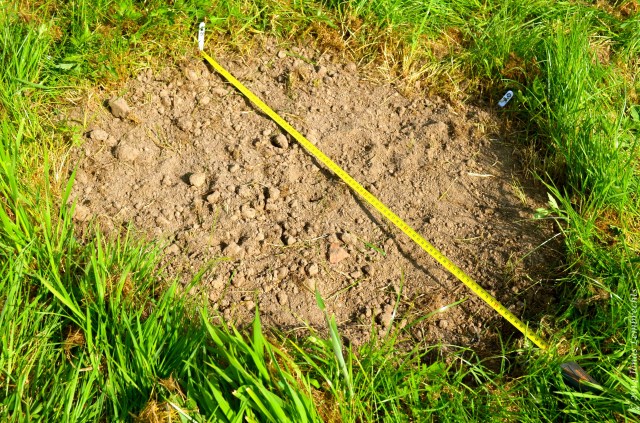
2015 will also be the year to bring the range modelling on full speed, with the help of our partner in Amiens. This global approach aims to be an integration of the whole PhD-story. I can clearly see the first steps of this process now and I am eager to get the first results.
The bigger picture
As the first answers result in new and even more exciting questions, help is needed to get all stories told. We are investing a lot to increase the man-power of our project.
My first students will finish their projects in June from this year, and in summer some new student experiments will start. I am excited to see their final results ‘published’ in their thesis and I hope I will be able to put some interesting conclusions on this blog. If they work well, they provide very important additions to my work.
We even hope to get one or two extra PhD-students to work on the topic of mountain plant invasions, but that depends off course on the funding.

Blogging
I got invited only a few days ago to start blogging at the EOS Scilogs-platform at scilogs.be, a huge honour that will improve my scientific communication within Belgium and that might even result in some publicity in the EOS-journal.
Off course, I will keep on blogging here, as I continue expanding this blog as my personal website, with all information on my PhD. I am currently on hold as a blogger for INTERACT, but I hope to get back there as I return to Northern Scandinavia in summer.

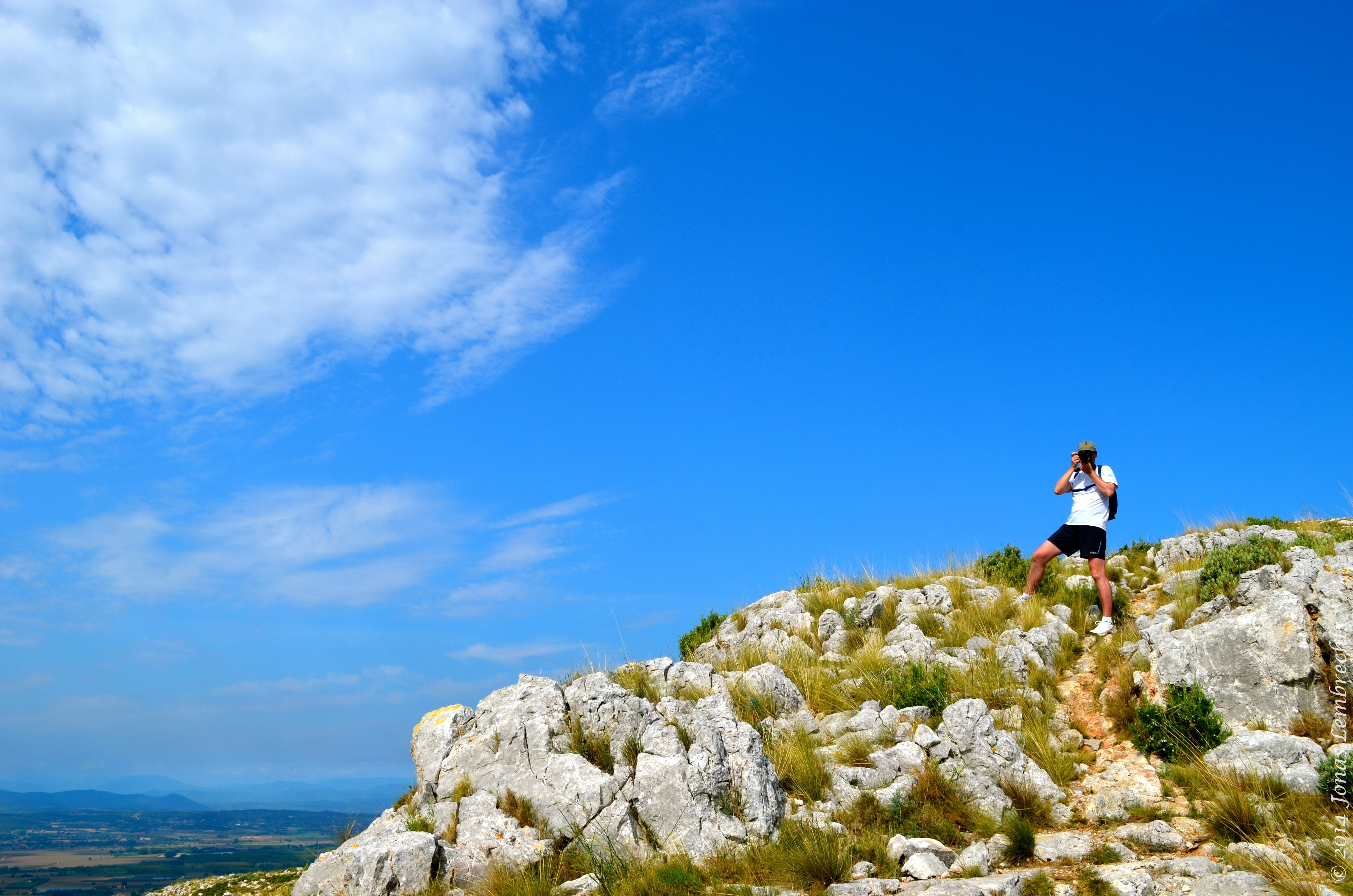
Last year brought me the Photographing Ecologist, a short and interesting series on Biodiverse Perspectives, and I plan to get back there with some more scientific analyses in the next year.












 The 3D lab