The proof we needed

Good news for those ecologists studying species distributions: it turns out that the climatic niche of mountain plants is fairly conserved in space (Wasof et al. 2015).
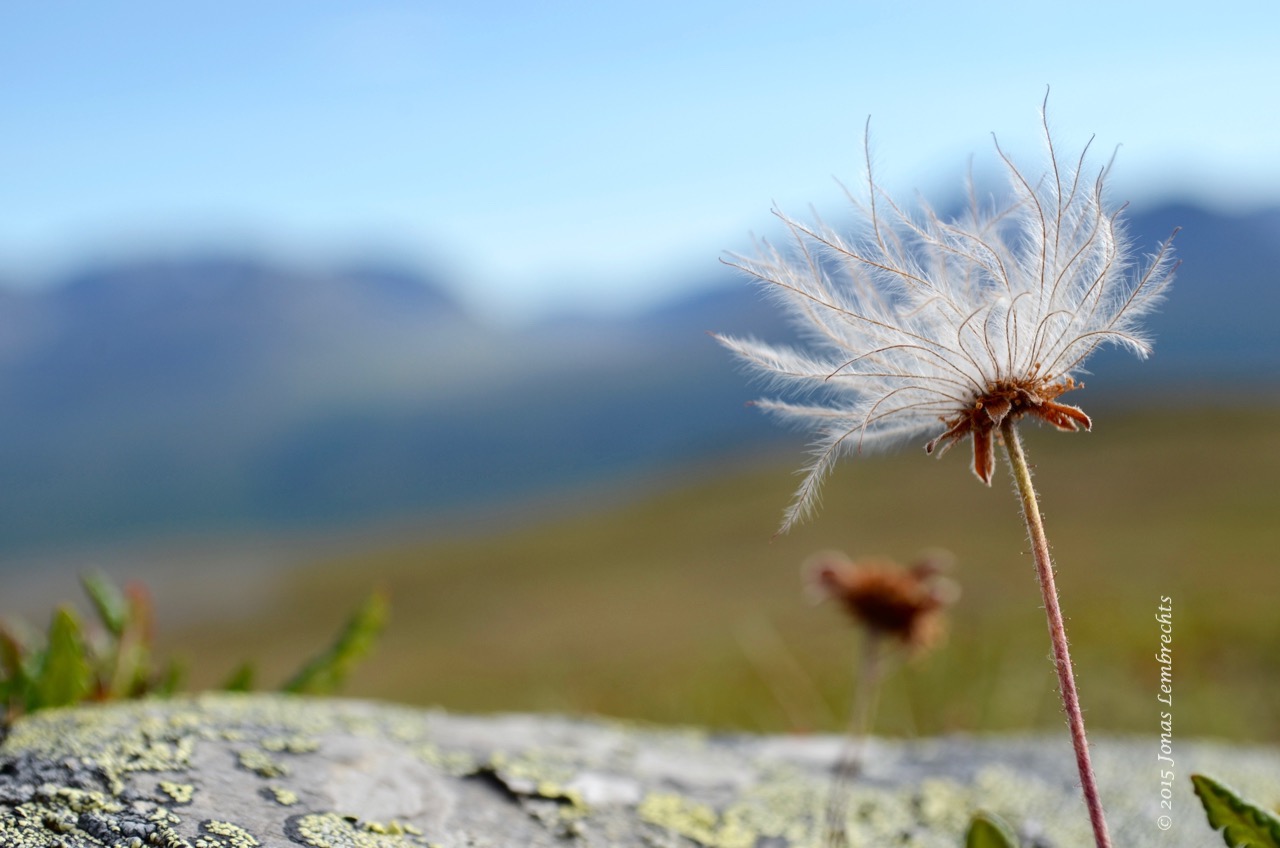
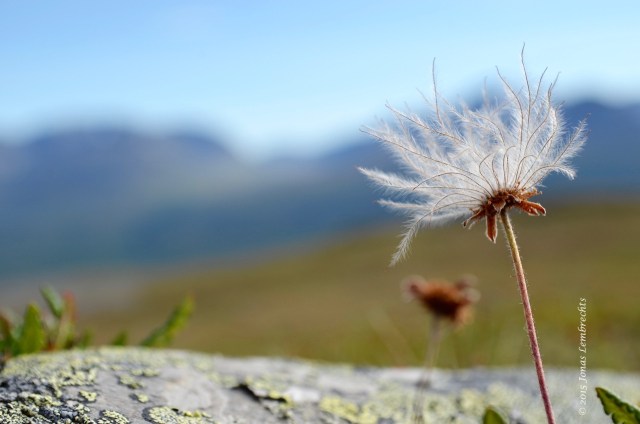
Fluffy seeds of Dryas octopetala

Mountain avens, Dryas octopetala

These results come from a study on the distribution of alpine species in the European Alps and the northern Scandes, two mountain regions with very different characteristics but a significant overlap in species composition.
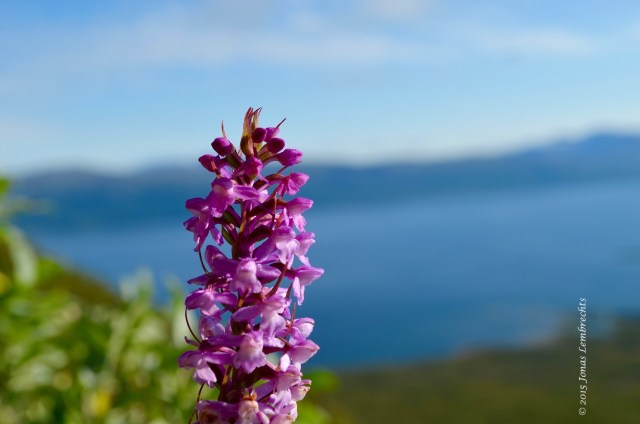
Orchid

Orchid in the northern Scandes (Dactilorhiza majalis?)

The researchers compared the climatic niche of a large set of plant species that occurred in both mountain regions, and found that only a small percentage of these species experienced a regional effect on their niche. Especially species with disjunct populations (populations that are truly separated in space) showed high niche overlap, and the same was true for arctic-alpine species.

Dwarf birch

Dwarf birch, Betula nana

Although niches are in general surprisingly well conserved between the two regions, species occupy a wider range in the Alps than in the northern Scandes. More on the latter unexpected pattern in this informative post from Jonathan Lenoir, one of the authors.
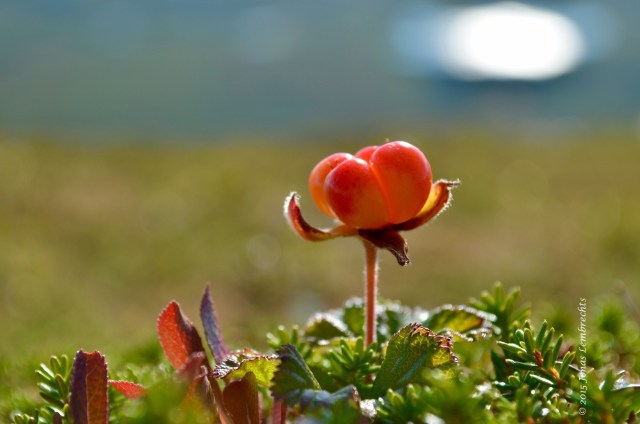
Cloudberry

Cloudberry, Rubus chamaemorus

Why do we care? Because the large and growing field of species distribution modelling has as one of its main assumptions that climatic niches are conservative. If they are not, any extrapolation of a limited geographic dataset to the total global distribution of a species would be invalid.

Windy day in the mountains

Hair’s tale cottongrass, Eriophorum vaginatum

Reference

Wasof et al. (2015) Disjunct populations of European vascular plant species keep the same climatic niches, Global Ecology and Biogeography, 24: 1401-1412.
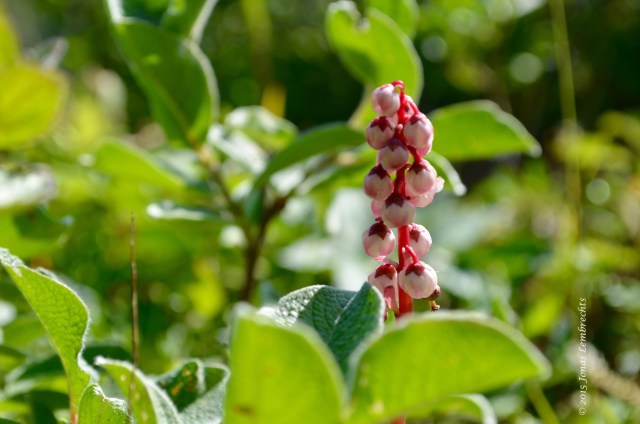
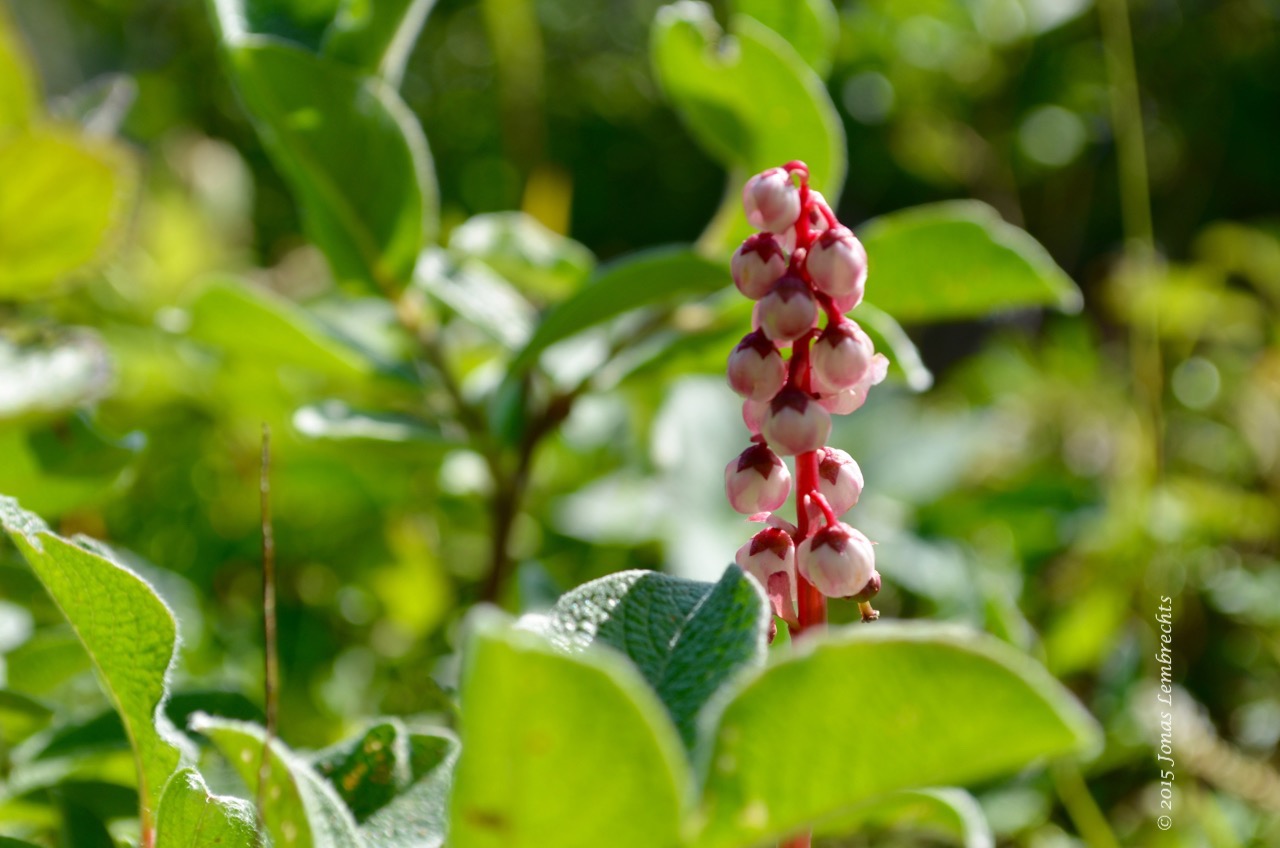
Flowers of wintergreen

Snowline wintergreen, Pyrola minor
Posted in Science | Tagged , , , , , , , , , , , , | 3 Comments

Gods of the meadow

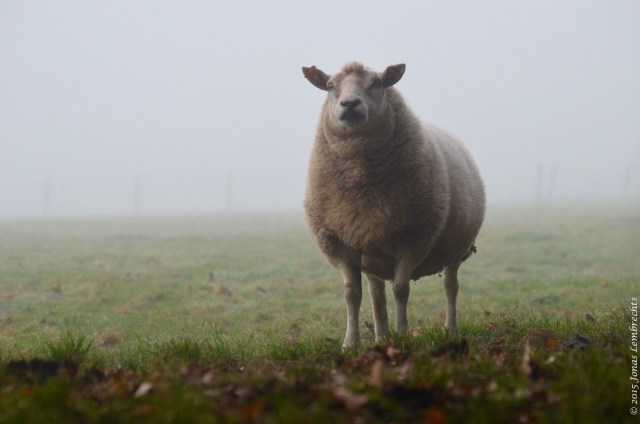
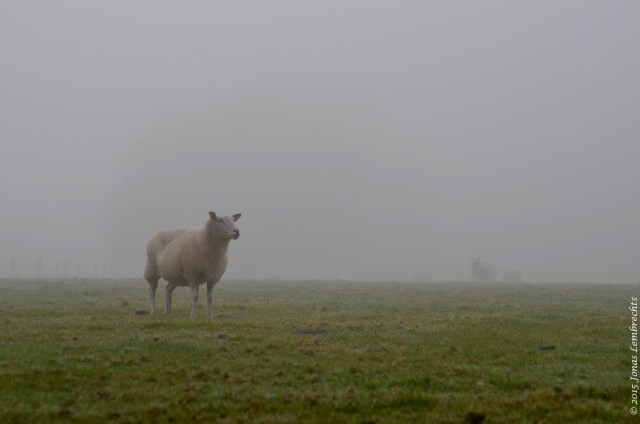
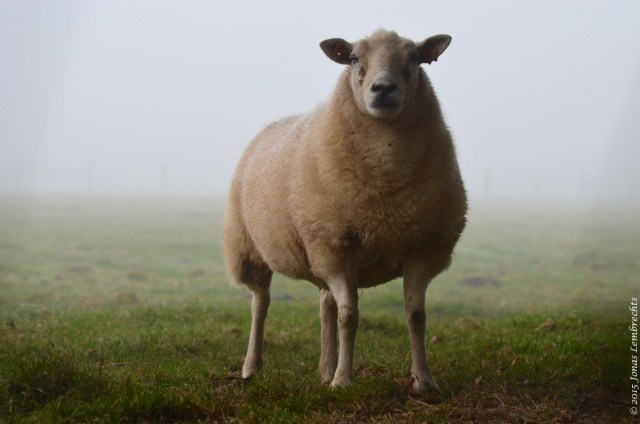
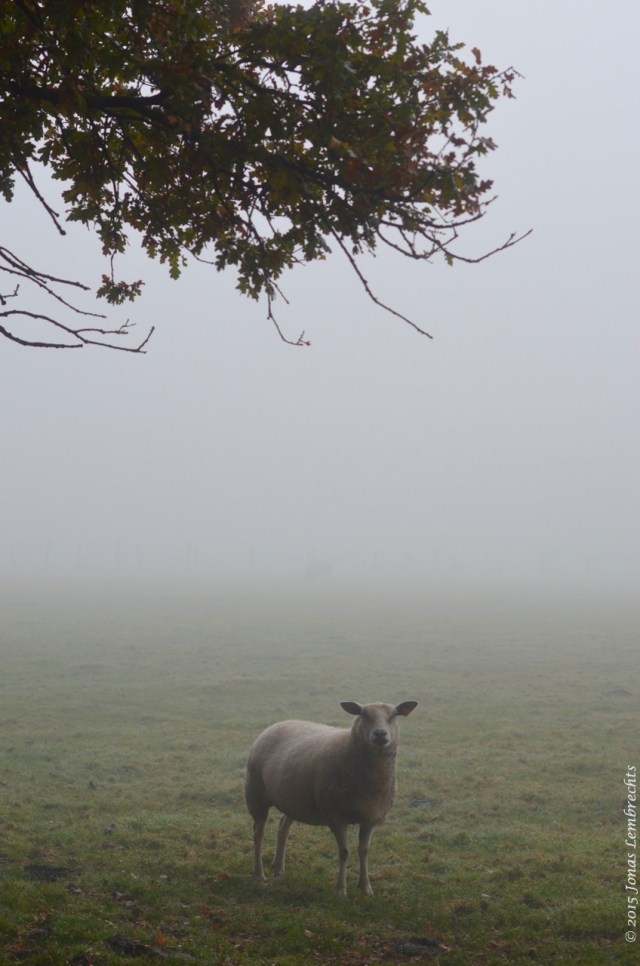
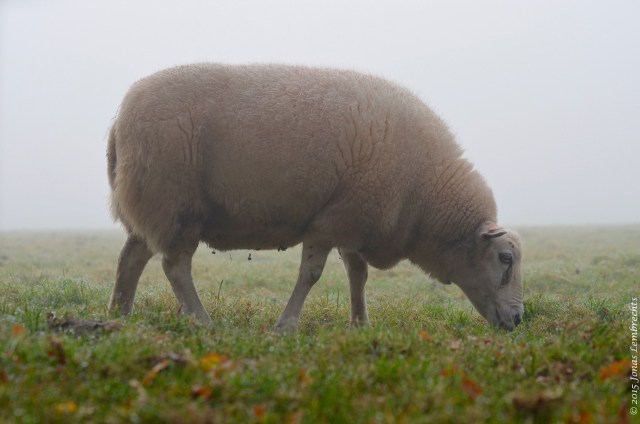
On a misty autumn morning, while I was roaming through Flanders fields, I met some very fierce-looking sheep.

Sheep in the mist

The look on their face, combined with the atmosphere created by the autumn fog, made me chuckle: they looked very smug and acted like the true definition of a badass.

Baby, don't herd me, don't herd me no more

‘Baby, don’t herd me, don’t herd me no more.’

Sheep in the mist

And then I realised they deserved to have that look on their face, especially when viewed from my research’s point of view. For the plants in a grazed meadow, the grazers are their gods, and their hungry mouths define who will survive and who will not.

Sheep in the mist

Grazers keep the vegetation short, and they create gaps with their hoofs. They keep the vegetation open as they prevent evolution towards the next successional stages, in which shrubs and trees inevitably take over. They thus provide  good example of disturbance (an important part of my PhD, on which I will publish a paper soon).

Badass sheep

Vegetation dominated by grazers will have a totally different species composition, where species that know how to handle these kinds of disturbances experience a strong advantage. Many grasses for example have their meristems (the important part of the plant where all growth is regulated) moved from the top of the plant to lower parts (in the nodes in the stem).

Sheep in the mist

This means grazers (and the lawn mower for that matter) will mostly not hurt grasses that much, as they will only remove the replaceable parts of the plant and not the ‘expensive’ part that takes care of the growth.

Sheep in the mist

At the moment, grazers have not been very well represented in my research, although reindeer are very important in our study system in the north of Sweden. The impressive looking sheep of the Belgian autumn however reminded me to keep the grazers and their important ecological role at least in mind.

Sheep in the mist

Pictures taken in Boechout, Belgium

Posted in Belgium | Tagged , , , , , , , , , , , , , | 3 Comments

Foggy

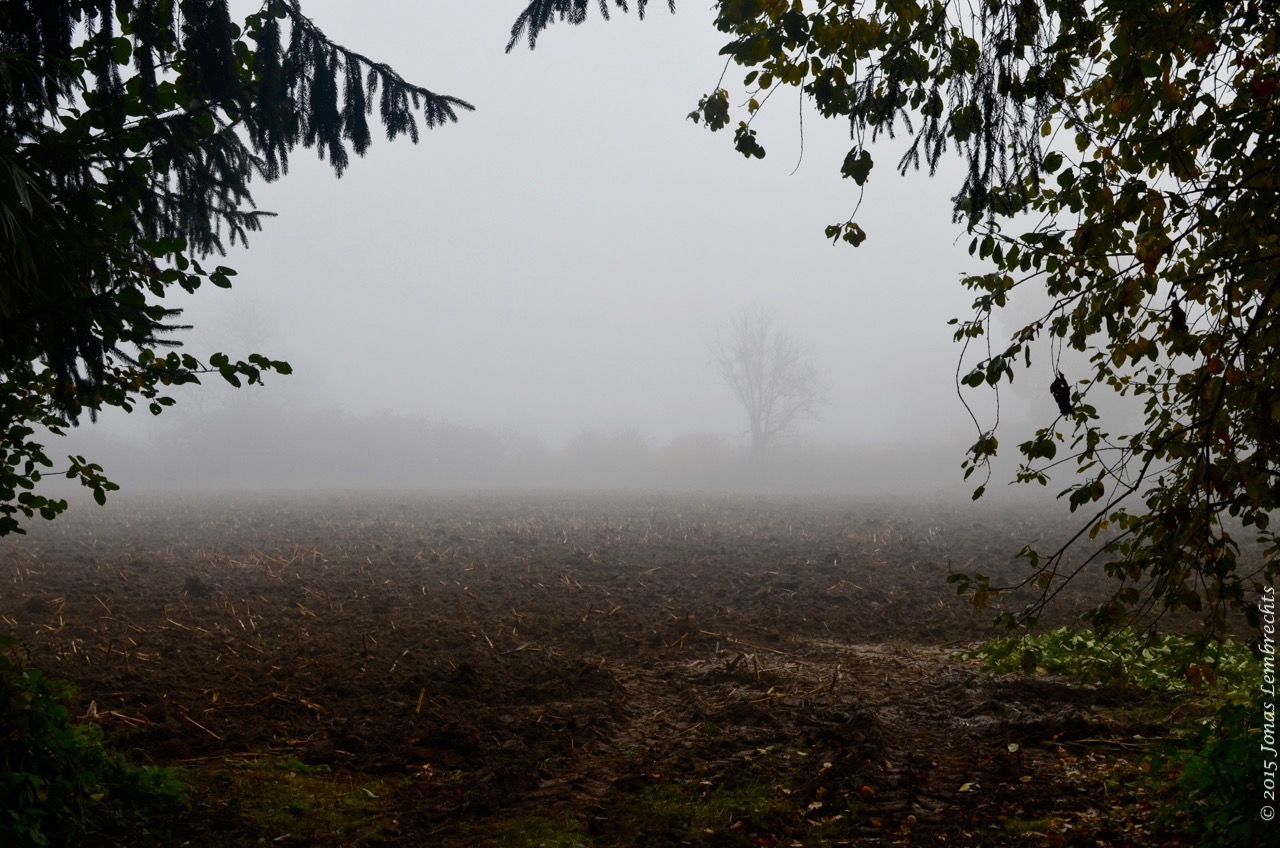
Autumn landscape in the mist

Scientific experiments take a long time. Before the very first meeting at which a research question is proposed and the publication of the final answer, there is a seemingly endless amount of intermittent steps (you can get an idea about all of them here).

Railroad in the mist

For me as a PhD-student, I feel it is important to keep my vision clear along the long way. It might get misty between A and Z, with the final goal losing his clarity through countless practical questions along the way.

Lonely oak in the mist

After almost three years, we now finally gathered all data for one of the main stories of my PhD, a story based on questions first posed by my supervisor and colleagues even before y PhD was in the picture.

DSC_0057

Now we are almost three years later, and it is wise to admit that the original hypothesis might have been a little bit blurred over time. You all know the game of whispering a sentence from one person to another, where you end up with a totally different one after only a few trials, and there is a reason why nobody tries playing those games over a period of three years…

DSC_0043

There is a chance that the true original hypothesis got lost in the mists of time: during the fieldwork, new questions arose that seemed more important, or the data analysis revealed other unexpected patterns that made you forget the first ideas.

Misty agricultural landscape

While all these new questions are important when finalising a story, it is opportune to reach back to the very beginning and get a clear idea of what triggered all this work in the first place. Did we get an answer on the questions we first asked? Are these answers like we expected?

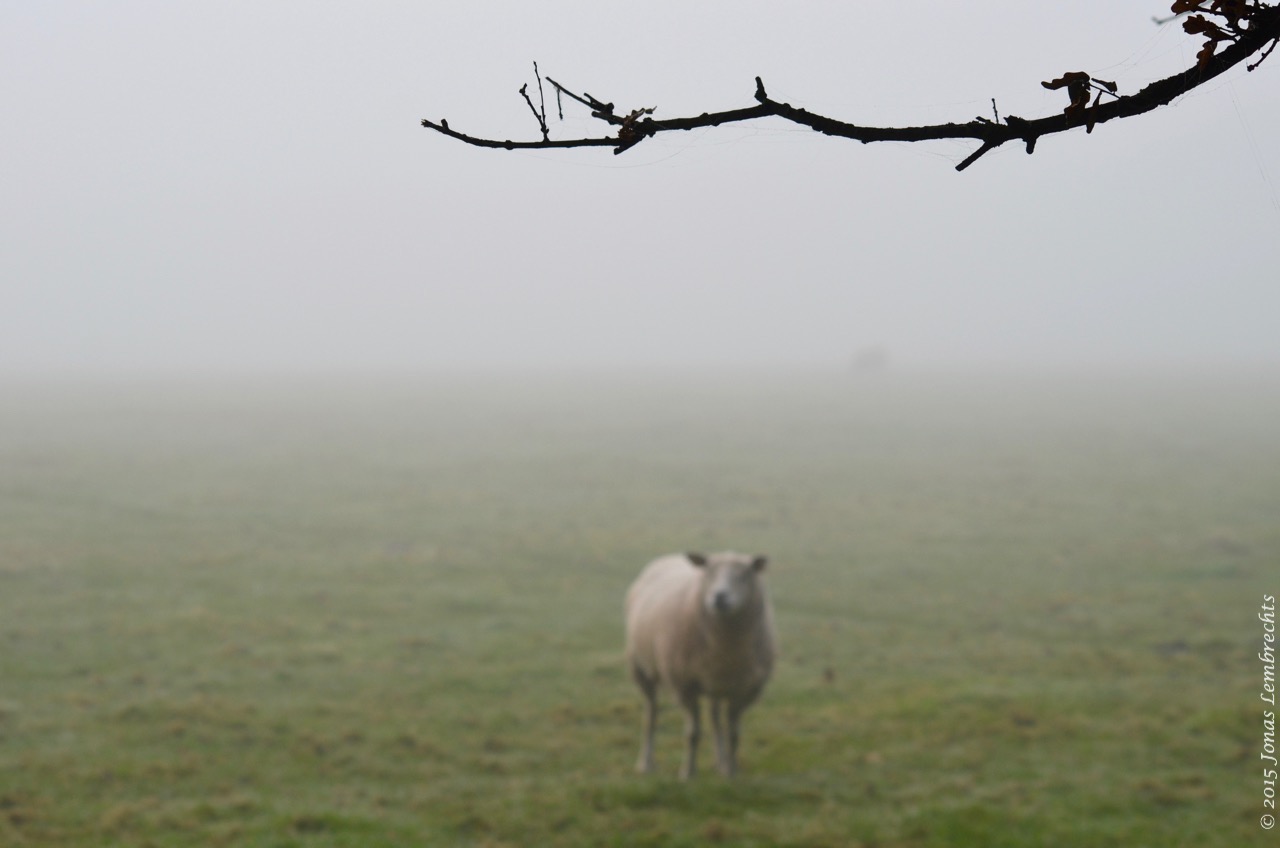
Branch of oak tree in the mist

So that is what I did now, battling the fog and getting my head crystall clear, before I tackle this major question of my research. I am totally ready for it!

View on misty field

Pictures from Boechout, Belgium

Posted in Belgium | Tagged , , , , , , , , , , , , , , | Leave a comment

Website updated

With autumn in the air, I spent some time updating the backbone of this ever-growing website. It was due time to include all adventures from this summer, as this PhD is endlessly evolving, and this website is trying to follow.

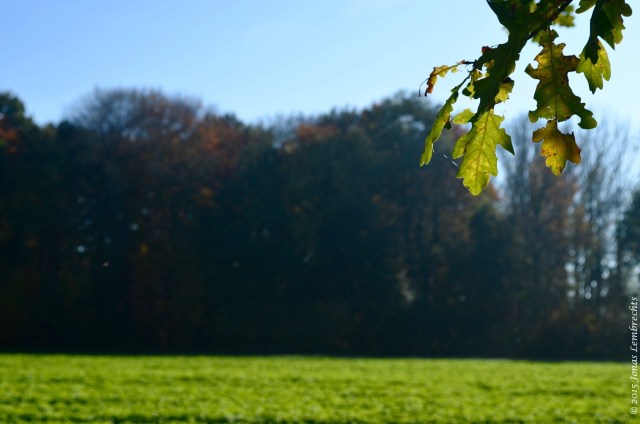
Oak leaves

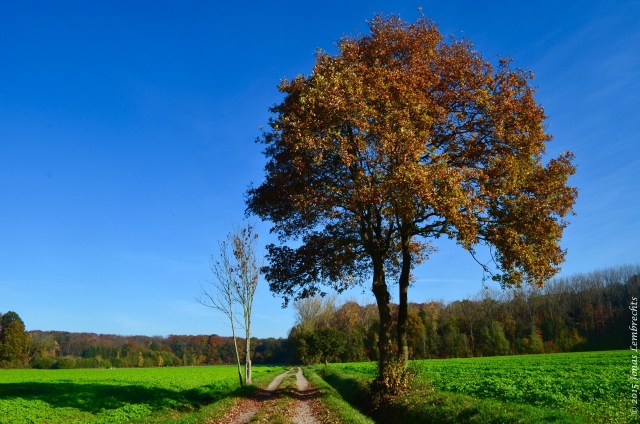
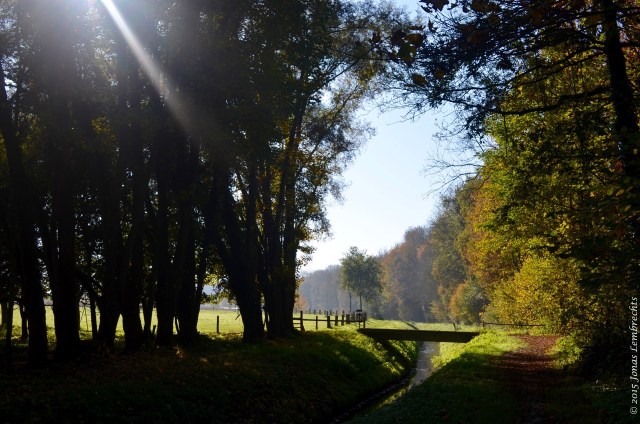
Just some autumn pictures…

There are thus some interesting new things going on at the top of this blog, with amongst others a completed PhD-cv, an informal overview of the whole story. More exciting is the extended list of all countries that until now have been featured on this website and in my PhD-life.

DSC_0066

Some of them, like Sweden and Norway, have a reoccurring scientific importance, while others only occasionally pass by (with Scotland the most recent example). But the list keeps growing, and it is amazing to see where this PhD brought me already.

DSC_0042

Another chapter that showed significant expansion is that of ‘The science’. There are now already five sub-chapters on the different topics that are important within my PhD. The stories are still growing, and a lot will stay a secret till I get it published, but it shows a nice overview of where I am going.

DSC_0024

Posted in Belgium, General | Tagged , , , , , , | Leave a comment

A little bit of support

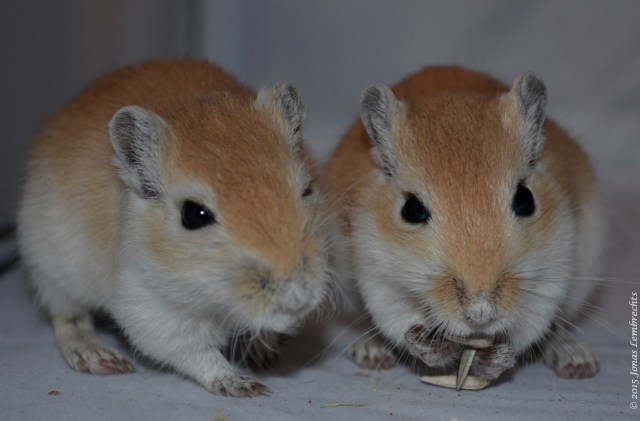
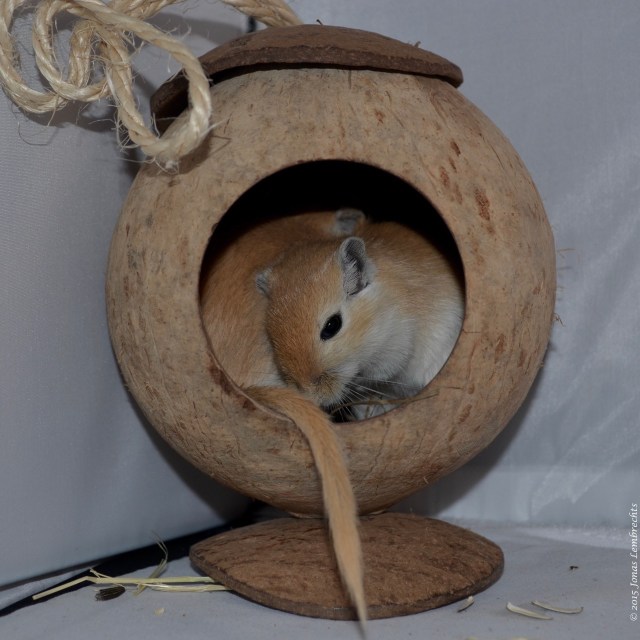
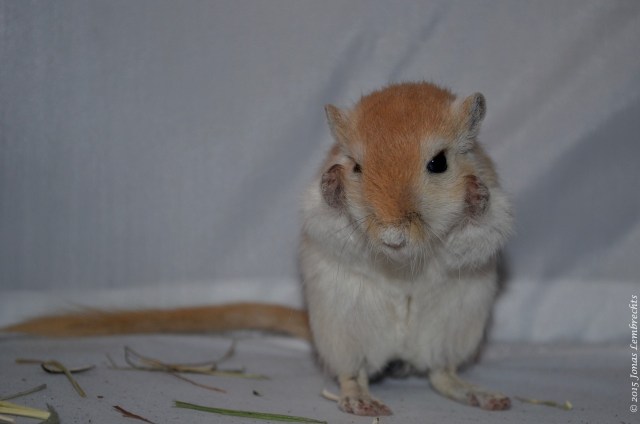
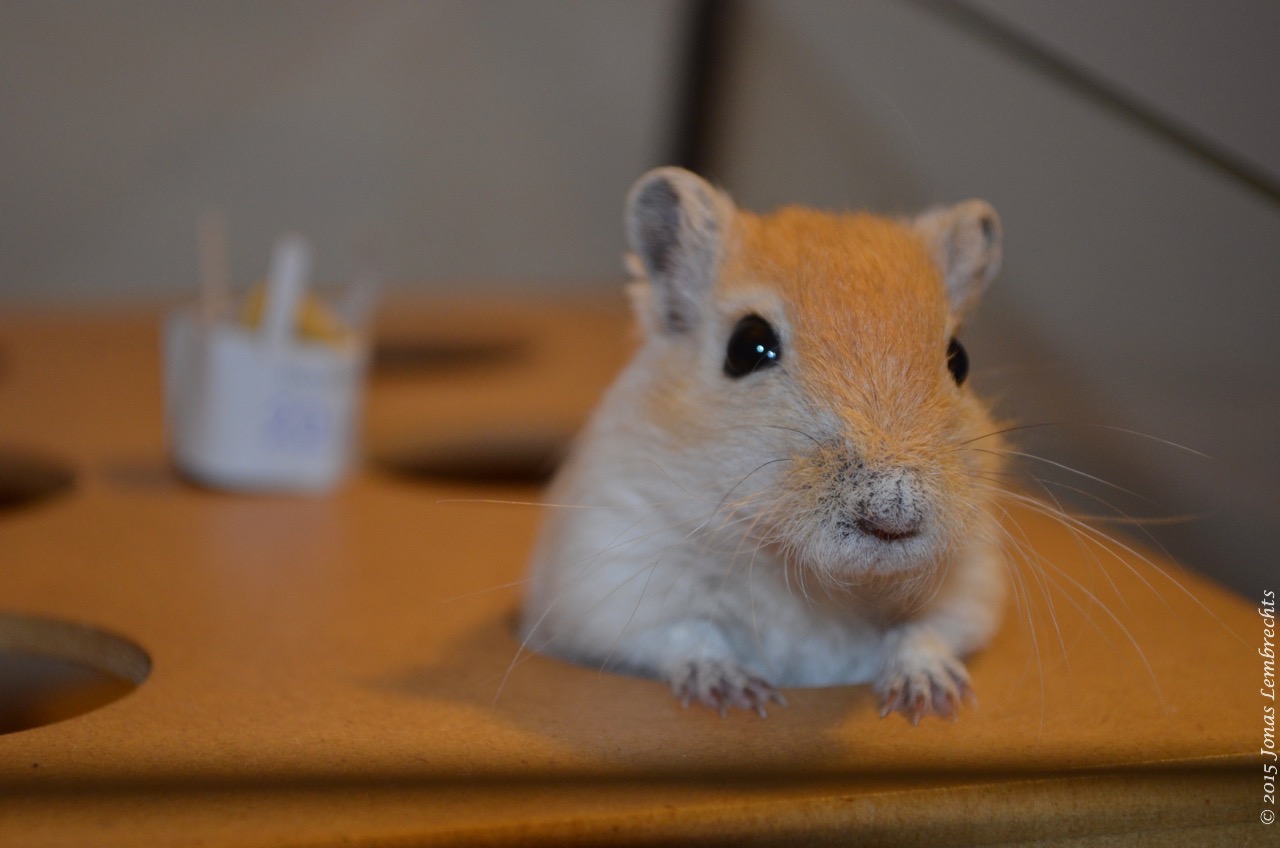
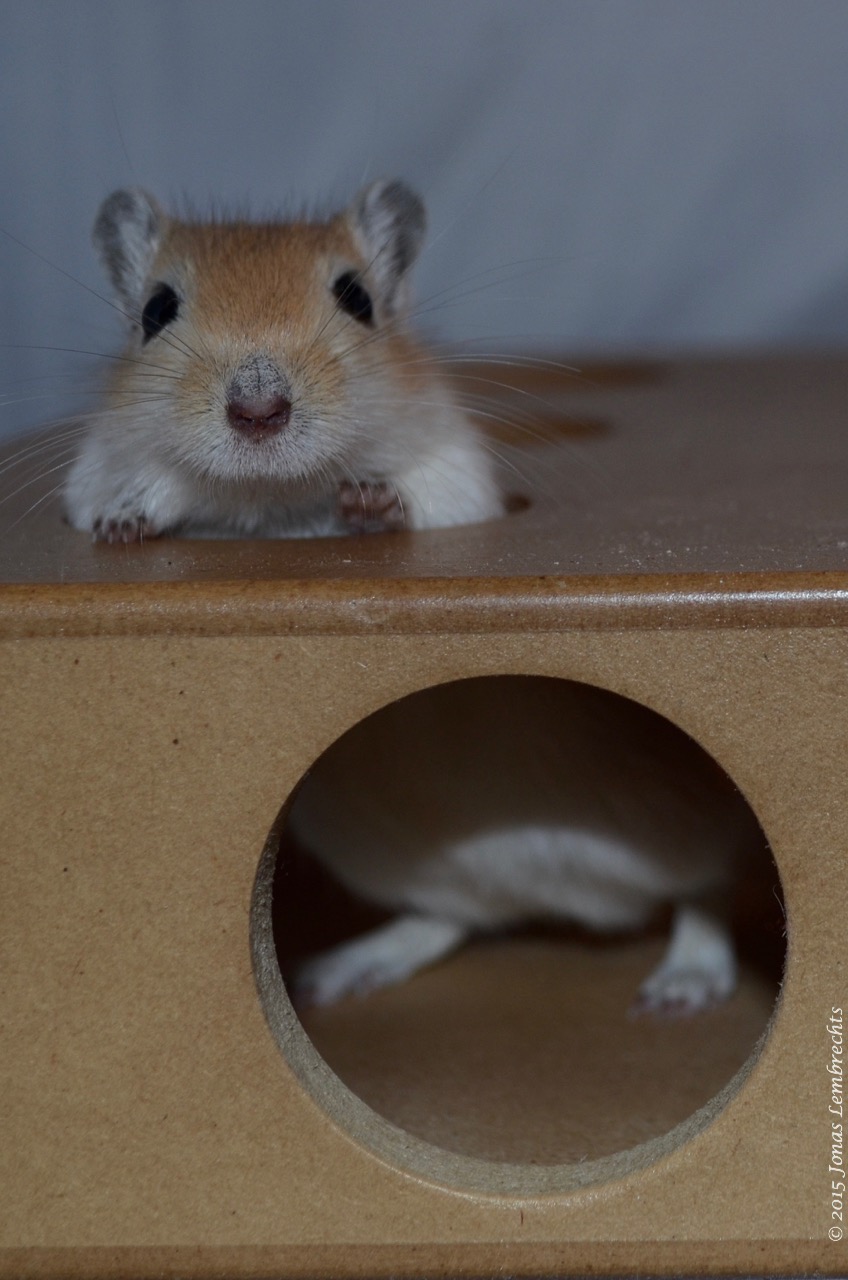
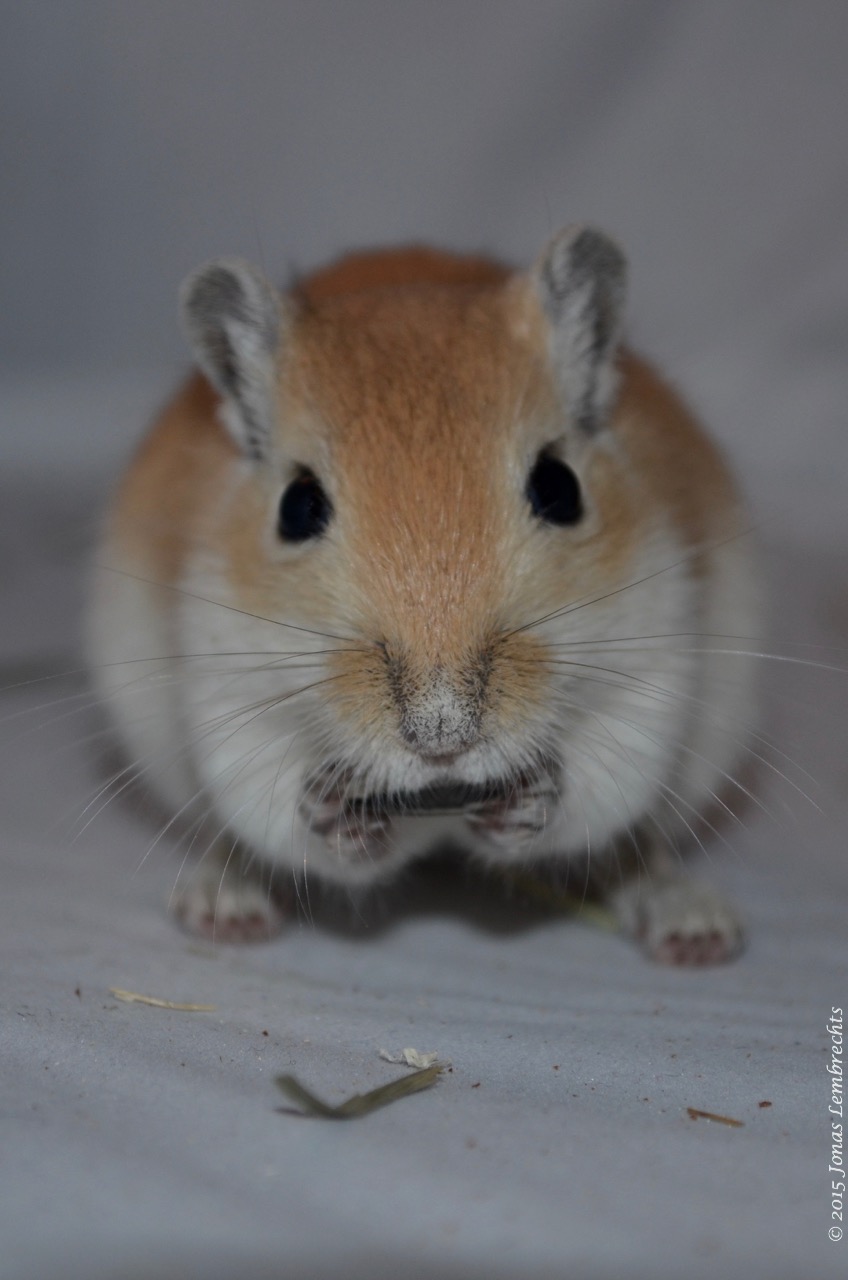
We recently adopted two cute little friends.

Two gerbils

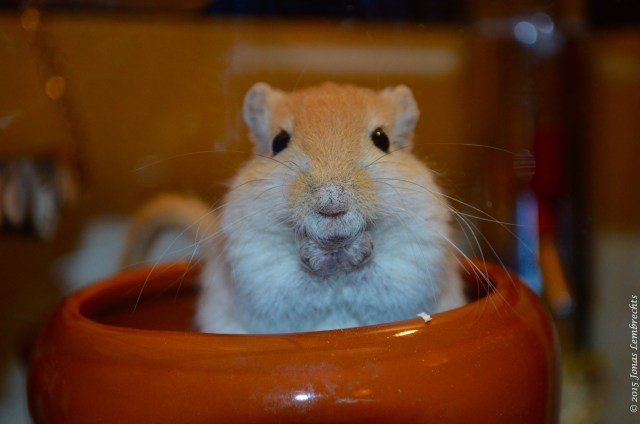
They are tiny, fluffy, curious and adorable, and I love them.

Gerbil eating

They are called gerbils – a happy type of desert rats – and they promised me to support me through the rest of my PhD.

Gerbil trying to escape

This tiny but appreciated support seemed to have worked already immediately, as last week was a fabulous week at work, with one paper accepted for publication, another co-authored paper accepted for discussion and a third one finally finished and submitted.

Gerbils sleeping in a coconut

As I said earlier, autumn is for writing, and that seems to pay off fairly well now. I am pretty excited to finally reveal soon some of our findings that I had to keep secret for the online world untill now. So please stay tuned for other parts of my PhD-story.

Cute gerbil washing

Until then, enjoy these pictures of my two little friends, and let them bring you as much luck as they brought me.

Whack-a-gerbil     Gerbil eating Whack-a-gerbil

Posted in Belgium | Tagged , , , , , , , , , , | 4 Comments

Remember them

I still owed you a gallery of my latest visit to Abisko. You can enjoy the rainbows, clouds and splashes of sun here (or find it on the right of my blog). 

Orchid

Orchid

Summer is gone and all flowers are fading. It could be a sad event, if the beauty of summer would not be replaced by the warm colours of falling leaves.

Flowers of wintergreen

Wintergreen, or – in beautiful Latin – Pyrola minor
But still, still it hurts a little bit to say goodbye again. Luckily there is this post bringing back the memories, with some delicate beauties from the subarctic flora (and even more nice summer pictures in the picture gallery).

Fluffy seeds of Dryas octopetala

Mountain avens’ fluffy seeds

For me, there is another reason why I need to remember these flowers. If I want to be efficient next year in the field, I need to know as many plant species as possible. Every summer I remember plenty of plant species names in the field, building a nice and useful internal database over the season. But every year in winter, my freshly gained summer knowledge slowly fades away again.
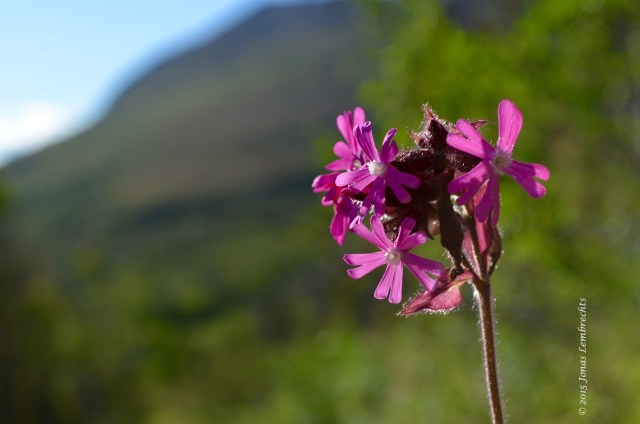
Silene flower in forest in Lapland

Red campion or Silene dioica

And every following summer, I have to dig deeper than I thought possible into my foggy memories to bring back the names that looked so familiar the year before. That is why I will try to keep their memory alive this winter.

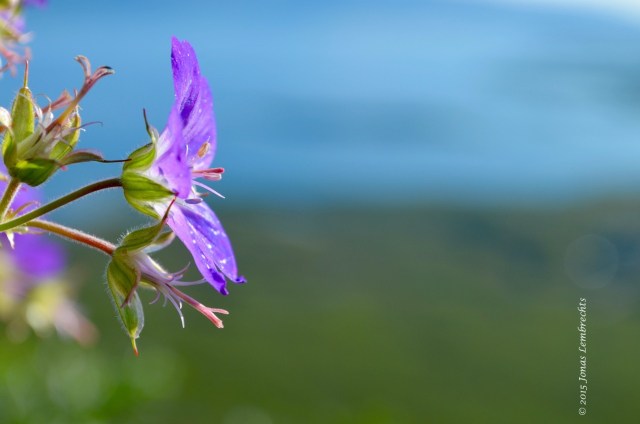
Geranium

Woodland geranium – Geranium sylvaticum

I decided on the purchase of a program that will help me remembering my plants. It promises a 95 percent retention rate, which would be totally awesome. I can imagine myself strolling through the mountains already, tirelessly orating species names, while an assistent hurries behind me carrying my backpack and madly writing down the ever-growing list of species my brain is producing.

Beautiful garden flower

I can live with a little less heroic scenario as well, of course, but I would love to have a little bit less moments of ‘wait, I am sure I knew the name of this one last year!’ and long periods of trying to find back that one page in the book again.

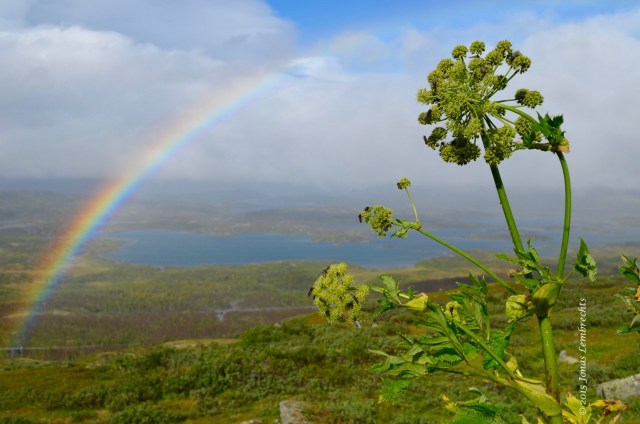
Angelica archangelica and rainbow

My personal favourite, the Holy Ghost or Angelica archangelica.

Posted in Belgium | Tagged , , , , , , , , , , , , , , , | 2 Comments