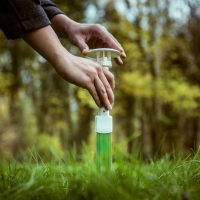
… and now we wait

Gerbils - 1

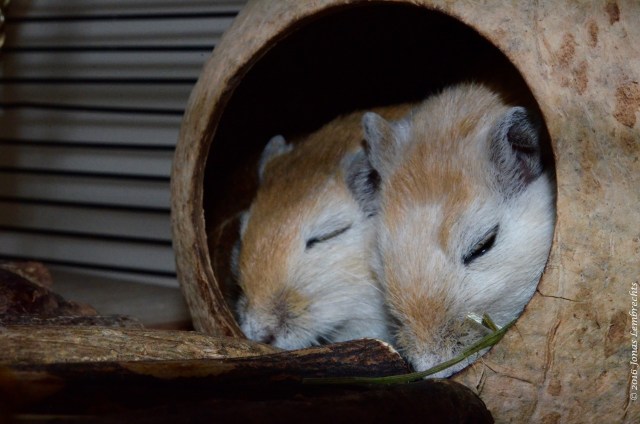
Not as peacefully as my two little friends, (they are lucky to not have any worries on their hand), but waiting it is anyway.

It is that fase in the project again, when the paper is submitted! And this time, it might be a big one. There is nothing we can do anymore now, except wait, and be patient. But there is lots I can learn from my gerbil friends on that matter, I fear, because I am clearly not as good with waiting as they are.

Let me just hope for some good news on this paper soon!

Posted in Science | Tagged , , , , , , , , , | 2 Comments

The snails are out!

Snails - 3

Belgium is experiencing some hot and humid, almost tropical weather the last days/weeks. Perfect weather to find snails, I found out (and even better weather to meet up with mosquitos, I learned the hard way).

Snails - 1

Great weather for plants to grow as well. But not so great weather to have a drought experiment to give plants some stress, as I had last year. I feel lucky I had a successful experiment last summer, as trying the same this year would be fairly pointless. With this weather it is virtually impossible to get the soil sufficiently dry to measure the differences I am looking for in the plants.

Snails - 2Last year, I was lucky with a dry hot summer with just the occasional thunderstorm, so patterns were as clear as they could be. But let that be a lesson for field ecologists: you will have to deal with the weather out there. Sometimes it is not what you would expect, and more often than not it differs from the average, and that can easily obscure the patterns.

That is exactly the reason why we always aim to measure the relevant variables in the field, so that whatever happens out there, we can link our results to the real events.

Posted in Belgium, General | Tagged , , , , , , , , , | Leave a comment

Novel

Novel ecosystems - 6

I was currently exploring a new train of thoughts, slightly different from my usual subject: novel ecosystems.
Novel ecosystems - 5

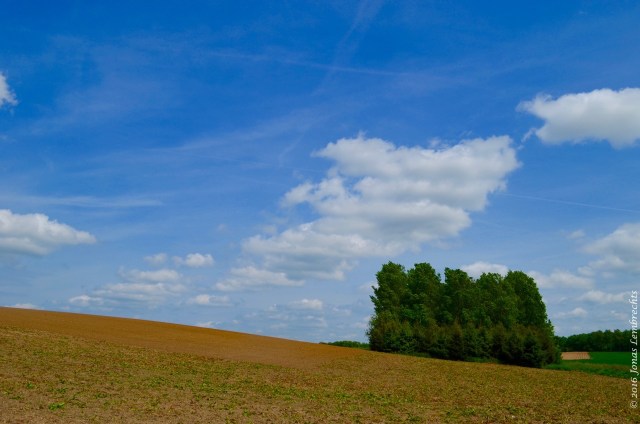
What is a novel ecosystem, you might ask? Well, it is an ecosystem that is disturbed (by humans) and where new species – or a previously unseen combination of species – start to grow.

Novel ecosystems - 3

Many pieces of semi-nature we have in our disturbed Belgian landscape fit within this definition: they don’t have a natural equivalent and only exists because of human presence. They host a set of species that is adapted to this (often reoccurring) disturbance, whatever it is (road creation, pollution, acid rain, agricultural practices) and that are not likely to be found together in a natural ecosystem.

Novel ecosystems - 2

I said it was a new train of thought, but that is not entirely true. I have been playing with this idea for a while now, as these novel ecosystems have fascinated me for as long as I have been in science. It is exciting to see which species manage to thrive there, and that it is often species that come from the furthest that like it there the most.

Novel ecosystems - 4

There is a large variety in these novel ecosystems, though. I showed pictures in this post of one that has a very low diversity of plant species, but many others can be found to be highly diverse. We would love to find out the reasons behind these differences, and to predict which species will be able to grow where.

It is not a new concept, and it might be just a different way of looking at things we already know, but it is a concept that allows us to measure how big the human impact actually is, and in that it is very helpful.
Posted in Belgium | Tagged , , , , , , , , , | 2 Comments

Conferencing

It took them a bit longer than anticipated because of the tough decisions they had to make (3 times as many applicants as time slots), but I finally got the good news that I am welcome to present my research at the Neobiota-conference (on “new life forms” or non-native species) in Luxembourg this autumn!

Luxemburg

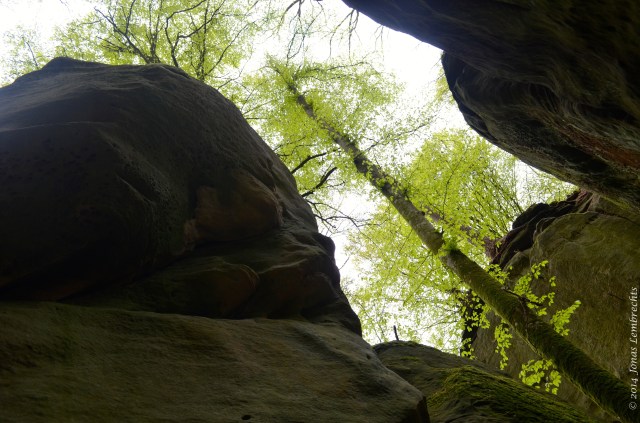
Throwback to my one and only visit to Luxembourg in 2014, where the massive rocks scattered throughout the forests impressed me the most

This adds a second international conference presentation to my 2016, after the time slot I was already granted at the conference of the Ecological Society of America (ESA) in Florida in the beginning of August.

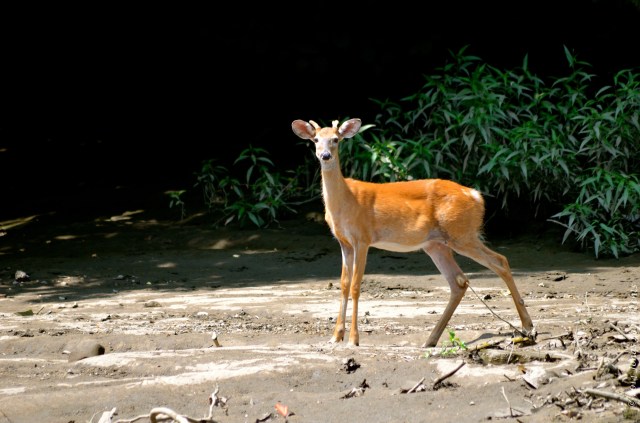
Deer in the wildlife refuge

A deer in a marsh in Philadelphia, on my way back from the ESA-conference in 2015.

But I feel that now, more than ever, these contacts with the scientific community are needed. I have the first major outcomes from our projects to communicate (and the more scientists I can share them with, the better), but I also hope to pave the way for new collaborations (and strengthen ongoing ones). With these two conferences, I hope I can find the people and enthusiasm for our plans for the future.

Posted in Luxemburg, USA | Tagged , , , , , , , , , | Leave a comment

Science spam

That it was an interesting and informative read, she wrote me about my latest paper. Happy that I took the time publishing it. And if I wanted to consider writing a follow-up for them. They even had been in contact with other scientists in the field that were working on similar things, and discussed some promising future collaborations with them.

Oh yeah, and she was Editor at the ‘Internal Medicine Review’.

Science spam is a peculiar thing, and I always read such e-mails with a lot of interest. I know it is inevitable to get countless e-mails like this if you publish your address with your paper (which we have to do), but the creativity with which some of these e-mails are written makes you realise how big of a business this actually is.

Of course, my research would never ever fit into the Internal Medicine Review, nor would I  ever dare to consider going to the International Conference on Science and Engineering in India or whatever fancy looking title they gave it now; but I can imagine that they will find a few people interested, as long as they try hard enough.

Dandelion - 1

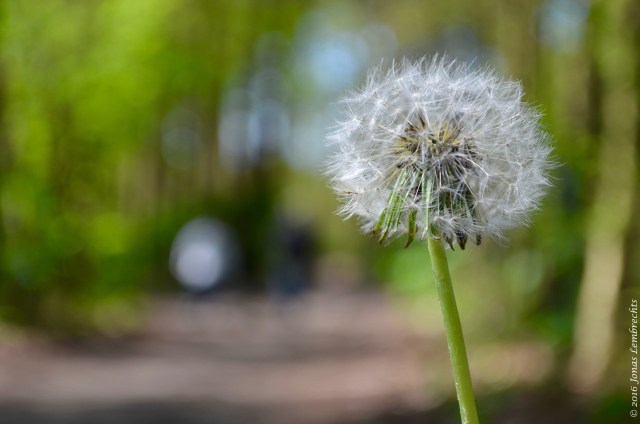
Journal spam is like dandelion seeds: many trials with a low input, hoping one somewhere somehow reaches the right person/soil to succeed

I like to compare this strategy with what we see in a lot of plants: producing thousands of seeds, blindly launching them into the air, and hoping that at least somewhere, sometime, one becomes successful. It is a strategy that works – low input, many trials – but it lives from the power of the numbers. So we will have to forgive them for not checking what my paper was actually about, as that would become so time-consuming in large numbers that their strategy would be doomed to fail.

Posted in Science | Tagged , , , , , , , | Leave a comment

The little hut in the forest

20128328988_c0a41cc976_o

When we first went to Norway in the summer of 2012, we had long searches for the perfect camping spot: close to the little village, next to the river, on top of the mountain… We scouted and tried several places, until one day, we found perfection.

20289997856_ff3aac14b0_o

We found a little hut in the forest, close to the river, right at the foot of the valley. There was a fire pit, a toilet hut, blueberries all around and a little bird nesting in a bird house close-by. And the toilet had trees growing on its roof. Perfection.

19161665240_dfed5d9677_o

The hut was closed and empty,  yet the neighbourhood just came out of a fairytale, so we put our tent on a grassy strip close-by.

20128473610_bc4ccfbf81_o

The next years, we always went back to our campsite of perfection and we spend some great (and sometimes rainy) nights there while working in the Norwegian mountains.

20128410588_eeaee81599_o

Now for this year, I planned for an upgrade. I found the hut on the internet, and we can actually make a reservation for the night! Getting the key will be a bit scary (we’ll have to contact them for the code of the lock), but once insight, we will be safe for the crazy rains we have had there so often.


Posted in Norway | Tagged , , , , , , , , , , | 5 Comments