Checking in again

Landscapes evolve rapidly when humans are around. Plants move, environments change, over a period of more than 15 years, a whole ecosystem could turn on its head. Especially when invasive species are involved.

Finding such a long-term window is however not always easy to find in ecology, especially not for a science-newbie as I am. Thus, when we gathered with the MIREN-network in the Greater Yellowstone area, Montana (more on that here), we grabbed the opportunity to project ourselves back in time.

Lunaria - 2

Linaria vulgaris: beautiful, yet vigorously spreading

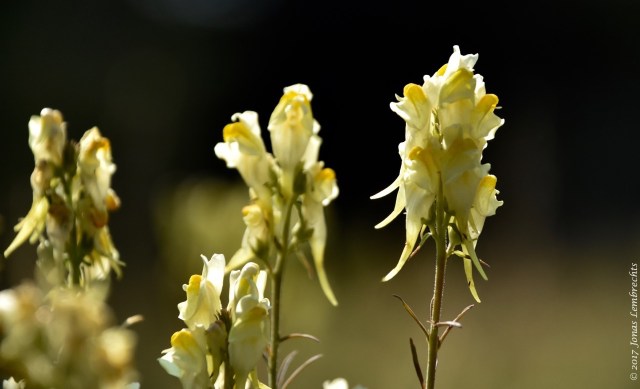
In the early 2000s, areas around the west entrance of the Yellowstone National Park were highly invaded by Linaria vulgaris (yellow toadflax), a beautiful yet vigorously growing weed introduced in the area in the late 1800s as an ornamental species for ranches and lodges. This nice flower was the subject of the PhD-thesis of one of our colleagues, Aníbal Pauchard, who performed a detailed mapping and analysis of the spread of the species in the area (see this paper and this one, for example).
111-1186_IMG

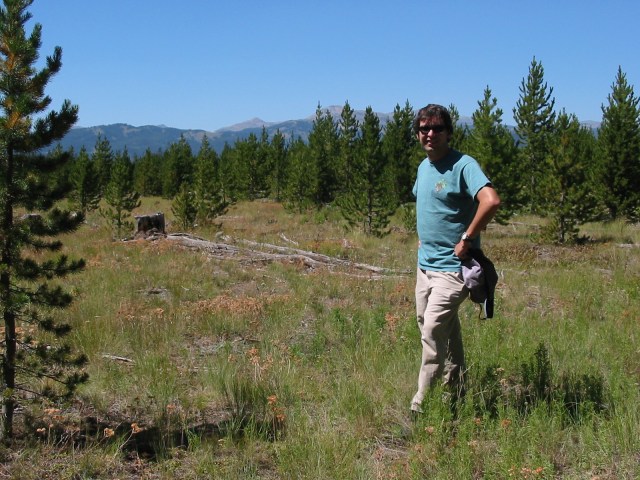
Aníbal Pauchard himself in a 15 year old picture at the same location

Linaria vulgaris turned out to be a specialist in spreading, as one of the few species successfully invading both disturbed and natural vegetation. The 15-year-old research revealed how vigorously the species grows in newly disturbed patches (like new forest clearcluts). But Linaria was also proven to be highly persistant, especially when environmental conditions did not change. Only in older clearcuts, where environmental circumstances changed with trees growing back, the invader saw its cover decreasing.

Lunaria - 1

An old clearcut, with regrowing pine trees, yet a yellow-dotted Linaria-infested understory.

So how is the situation now, 15 years later? We returned to an old clearcut, where trees have been allowed to regrow since the observational study in the early 2000s. And yes, the yellow toadflax was still there. It still covered vast areas, seemingly untouched by time.

Yet within the forest, density of the invader was significantly reduced, as predicted 15 years ago: regrowing pine trees might not be able to fully outcompete our species, yet they strongly affect their density. The cover of the native understory did however not recover either, even not after all these years. Several native species could be observed, yet all of them in very low numbers only, illustrating the persistent effects of the invader.
Lunaria - 6

So what do we learn from this? Non-native species invasions can have decade-spanning impacts. They can be highly persistant, although rapidly changing local conditions can strongly influence the dynamics. The paper from 2003 already described a temporal dynamic, in which yearly changes in weather conditions influenced the performance of the yellow toadflax. Another example highlighting that long-term observations are needed in concert with short-term assessments to finetune management decisions. Aníbal – or an enthusiastic volunteer from our audience here – will have to come back to make some true measurements for sure!

Lunaria - 3

Checking in again with the research plots 15 years later

Posted in Science, USA | Tagged , , , , , , , , , | Leave a comment

The roadside effect: visual proof

36617930131_0359b1e0b2_o

Garden angelica (Angelica archangelica) in a roadside in northern Norway, profiting from the wet conditions caused by the roadside ditch.

Mountain roadsides, the most fascinating places on earth. That is, if you believe a PhD-student who has been studying them for more than 5 years now.

35923134604_22ab61a2a1_o

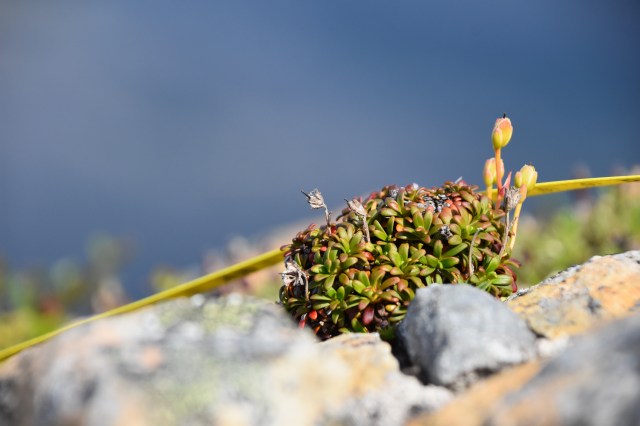
Alpine species like the pincushion plant (Diapensia lapponica) and the alpine bearberry (Arctostaphylos alpinus) enjoy a roadside ‘rock garden’.

We returned safely from our fieldwork season in the northern Scandes, with suitcases full of data proving the fascinating role of mountain roads in plant species distributions. Whether they are non-native species advancing in cohorts from the valley, or alpine species exploring the rocky conditions, countless species seem to profit from this peculiar ecosystem.

36710778286_1aa9559c65_o

Yellow mountain saxifrage (Saxifraga aizoides), a plant typical for rocky alpine environments, thriving in between the roadside gravel.

This pattern is strikingly visible with the naked eye already: next time in the mountains just look at the roadside and admire the differences with the natural vegetation next to it. But we aim for more than visual proof only, of course.

We have never been more ambitious in trying to get to the ‘why’ behind it: why is this plant exactly here, and not a few meters further away from the road? What is it that attracts alpine species in roadsides below the treeline? Why is it that fireweed is so extremely common in roadsides, and plays only a minor role in the natural vegetation

36587247852_11dea00a95_o

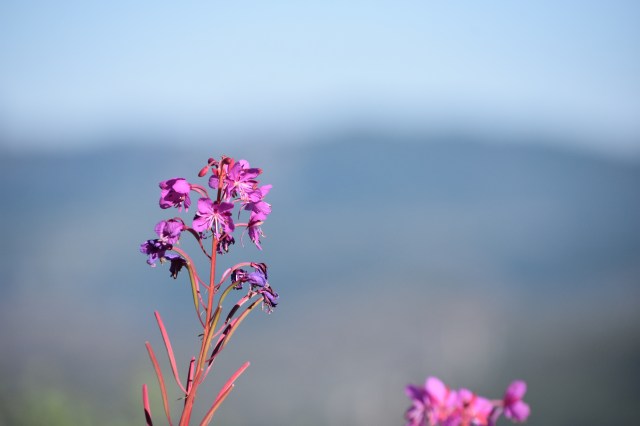
Fireweed (Epilobium angustifolium), the most common roadside forb in the Scandinavian subarctic.

Now we dive into the lab and the data, aiming to answer all questions that popped up. Most important one of all: what has happened in the 5 year period since our first survey in exactly the same plots?

A tip of the veil? A lot!

36710684786_3bd932b081_o

The pincushion plant (Diapensia lapponica) within one of our study plots, bordered by the yellow measurement tape.


Posted in Norway | Tagged , , , , , , , , , , | 2 Comments

Blessed

DSC_7886

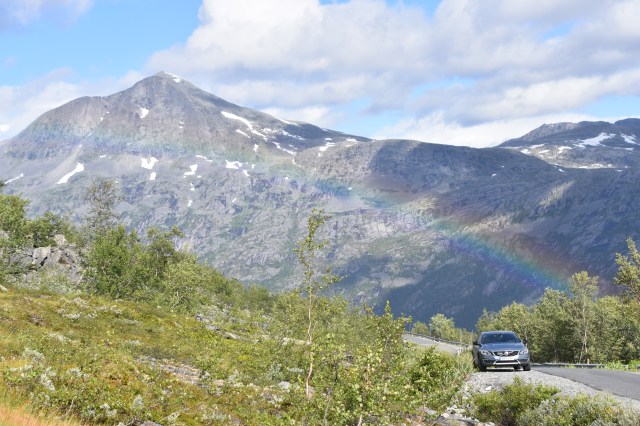
Our second fieldwork trip of the summer has been blessed; several rainbows have been guiding our way. Yet there is this thing with rainbows, they force you in a difficult position: do you experience the glass to be half full or half empty? Do you cheer for the sun, or groan for the rain, as both of them together bring the rainbow?

DSC_7898

I prefer to do the former, and today was a perfect day for cheering. We were offered some clear skies and perfect views of the mountains in the distance, which showed off their little white hats from last night’s freshly fallen snow.

DSC_7877

Yes, winter is coming again already in the north, but it makes the wilderness even more attractive.

Posted in Norway | Tagged , , , , , , , , , , | Leave a comment

A plot visit

36265157471_87354a7e70_o

Not often do we get the chance to visit the sites of our colleagues at the other side of the world. Even though I am working with their data day after day at the office, the beauty of the actual nature behind these numbers in Excel files has always been a mystery.

35594451483_32a57cc5f4_o

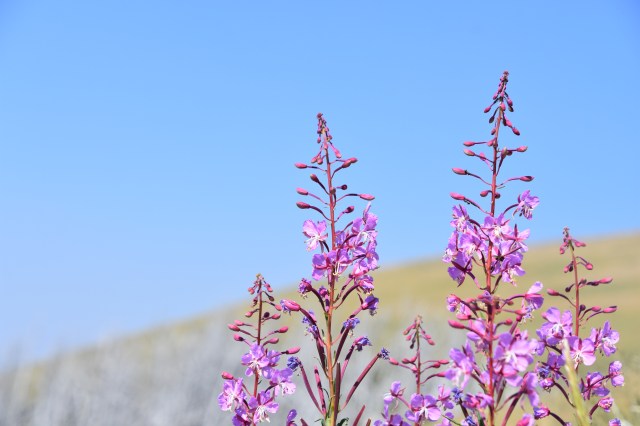
Epilobium angustifolium

For those wondering: most of my work is based on a dataset of plant distribution data from along mountain roads all across the world, gathered by the MIREN network (www.mountaininvasions.org). Within our own group, we are taking care of the research site in northern Norway, yet this is only one of a growing number of amazing mountain regions where people are applying the same observational protocol.

35594520553_e952373fce_o

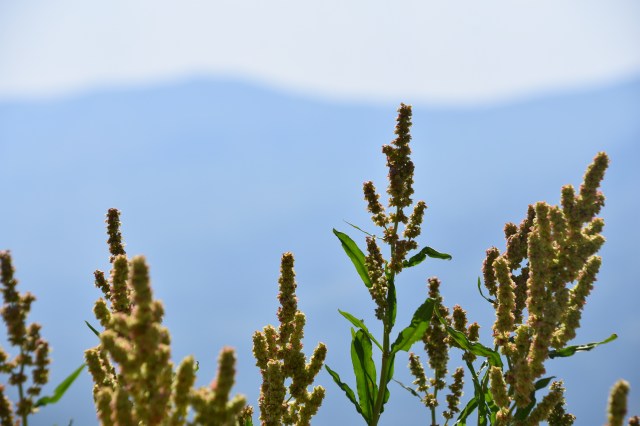
Rumex crispus

Our recent meeting in Montana (more on that here) gave us the chance to get a feel of one of the roads of our network, within the Yellowstone National Park. And what a beauty it was! It spanned several hundreds of elevational meters, all the way to the top of one of the highest peaks in the National Park.

36005586580_034d8d43b6_o

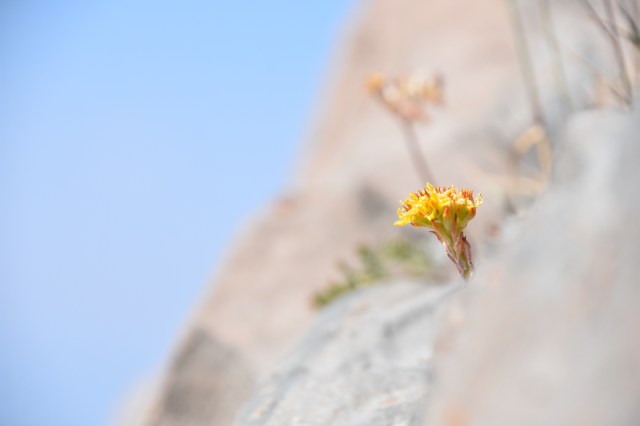
Sedum lanceolatum

Not only did it offer us great views and fantastic wildlife (see here for another example), the vegetation alongside it also had a special interest to me, as a botanist from Europe: it turned out they have several species in common with our Norwegian flora, as well as several closely related species.

36234362192_92a04514c2_o

Finding these species back in this totally different environment was very intriguing, and illustrated once again the countless links between mountain vegetation all over the northern hemisphere.

35594513033_fa6334efb1_o

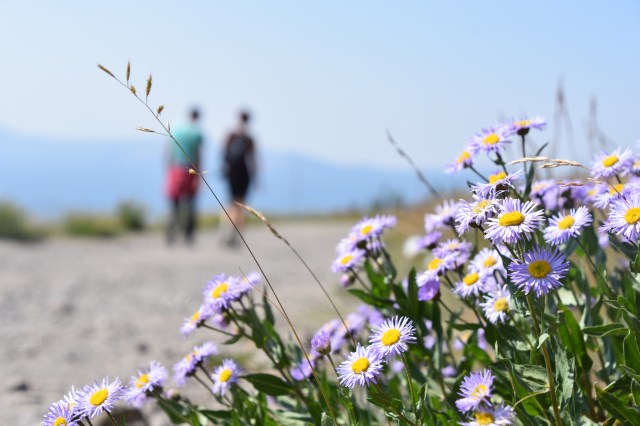
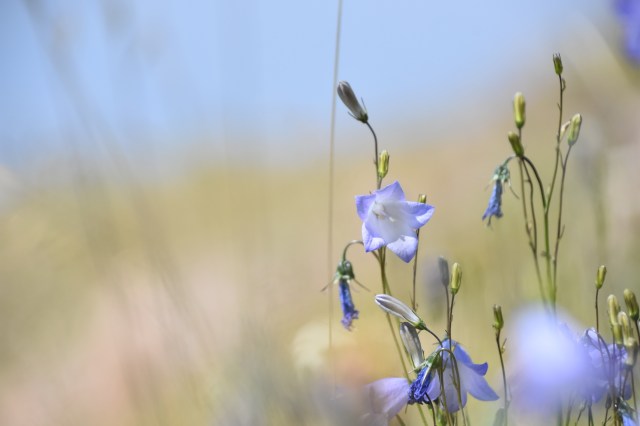
Campanula rotundifolia

Posted in USA | Tagged , , , , , , , , , | Leave a comment

The Yellowstone experience

Sheep - 3

The last day of our MIREN-meeting in Montana (more on that here) brought us to Yellowstone National Park, a place of endless wilderness and wonder.

Sheep - 4

We paid a visit to one of the field sites of our colleagues, on one of the tallest mountains of the National Park. Breathtaking views guaranteed, but a visit to Yellowstone would not be complete without some big mammal encounters.

Sheep - 2

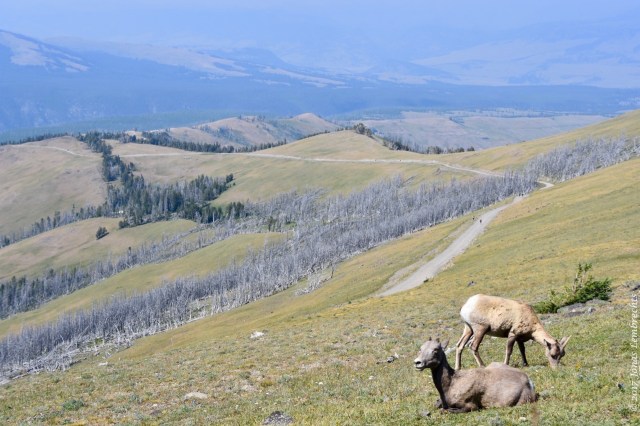
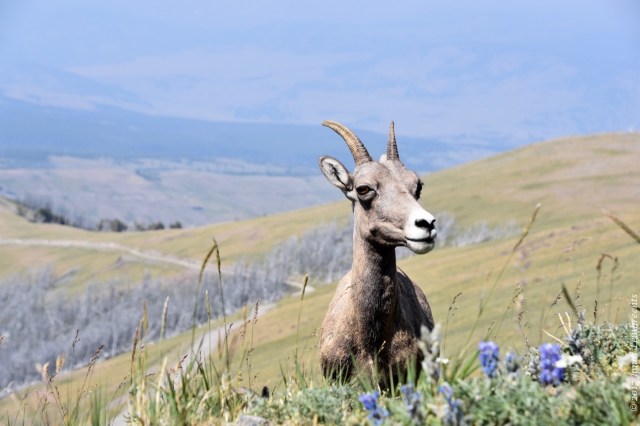
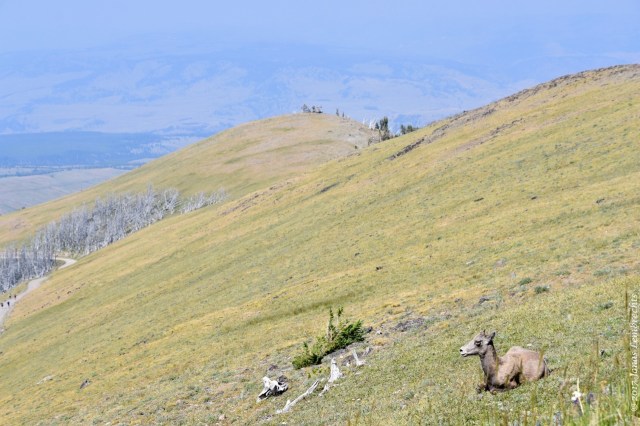
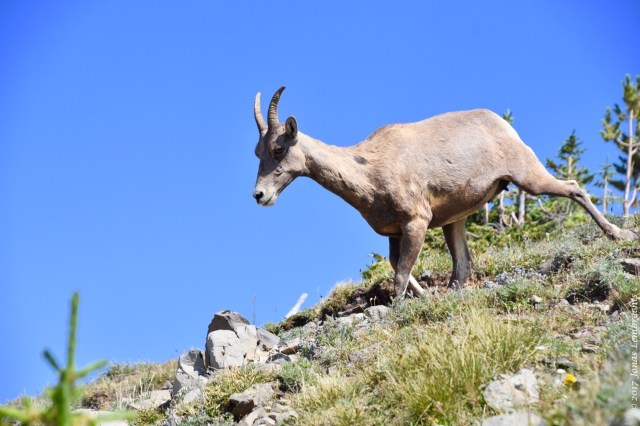
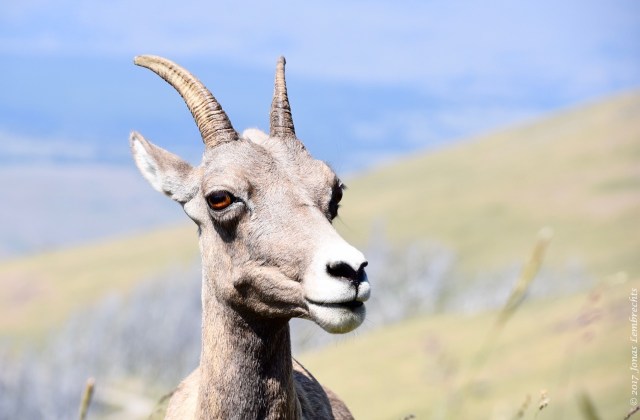
Close to the top of the mountain, we got what we earned: a herd of bighorn sheep, not more than a few meters from the road, and obviously too proud to care about us, their admires.

Sheep - 1

Bighorn sheep are native sheep of the Rocky Mountains, roaming the alpine meadows, grassy mountain slopes and cliffs at the highest elevations. As such they serve as a reward for those brave enough to climb their way to the top.

Sheep - 5

This is just one of the countless highlights of the park (and our whole meeting in general), so stay tuned for more!

Posted in USA | Tagged , , , , , , , , , | Leave a comment

The time of ideas

DSC_5863

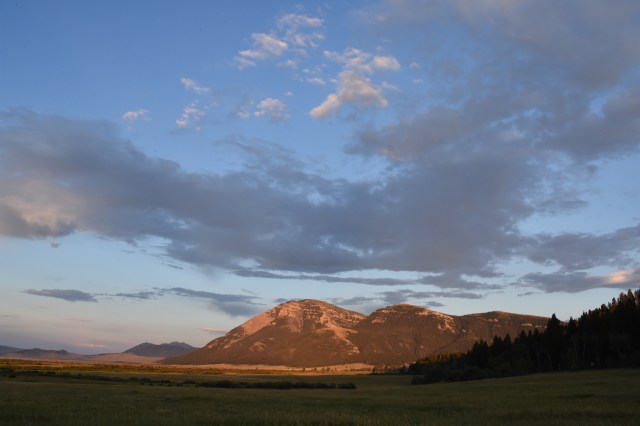
It is the time of ideas again: we gathered all colleagues from the MIREN-network in the beautiful Greater Yellowstone area in Montana, USA.

DSC_5832

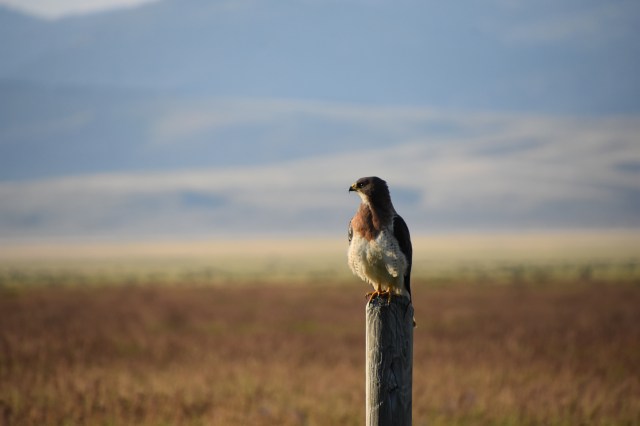
Between the stunning wildlife and breathtaking views, we spend our days discussing where we are with the nework, what we can do with the great data we are collecting in mountain regions all over the world and which questions we want to explore next.

A short post only, cause more talking is coming up!

Posted in USA | Tagged , , , , | 1 Comment