On the barricades for Arctic insects

Climate change is no joke, and the Arctic is feeling it. We know this, and have to act accordingly. What we also know, is that Arctic biodiversity is going to take a big part of the blow. What we know a lot less about, however, is what’s going to happen to this Arctic biodiversity once this blow hits it full in the face.

That is one of the main reasons why we gathered in the cute Danish city of Aarhus this week, with specialists from all over the world working with Arctic insects (and other arthropods). Unified in the NeAT-network (Network for Arthropods of the Tundra), we aim to understand these tiny creatures and their relation with the changing climate.

img_20191022_170238-14345283932389004169.jpg

Aarhus city center on a rainy autumn day, still charming as ever

But there is still so much to learn! In many cases, we barely know where all of these species are, let alone how they are dealing with the tough conditions they are facing. Yet help is on the way, for example in the form of fantastic technology: NeAT-scientists are for example developing a formidable camera that can automatically photograph and identify hundreds of insects in a matter of minutes, where it traditionally costs specialists days to get the same job done.

img_20191022_1703127096645938961003780.jpg

NeAT, an ambitious network aiming to save some of the worlds’ toughest arthropods

At least as interesting is the use of cameras that continuously monitor flowers or mushrooms for visitors, saving the researchers countless weeks in the field. Artifical intelligence then helps sieving through the pictures and extracting the ecological information from them.

The biggest step forward of all, however, would be the teamwork: scientists from Greenland, Iceland, Scandinavia, Russia, Canada, Alaska, Antarctica and so many other places joining forces to exchange ideas, optimize protocols and share data. Our own SoilTemp database will also benefit tremenduously from this group effort, when all of them start measuring the climate there where it matters for the arthropods: close to the surface and under the snow.

img_20191022_1702167602093710121282447.jpg

Aarhus is not the Arctic, but a great city to meet and discuss science anyway

Now, back to work, there is a changing Arctic to be saved!

Posted in Denmark, General | Tagged , , , , , , , | Leave a comment

European tree species in decline

Close to half of Europese tree species are threatened, according to a recent report by the IUCN, the groupin charge of the so-called ‘species red lists’. Causes of this dramatic number? Ongoing forest cutting of course. Yet, most importantly and rather surprisingly: invasive species topped the list of suspected culprits.

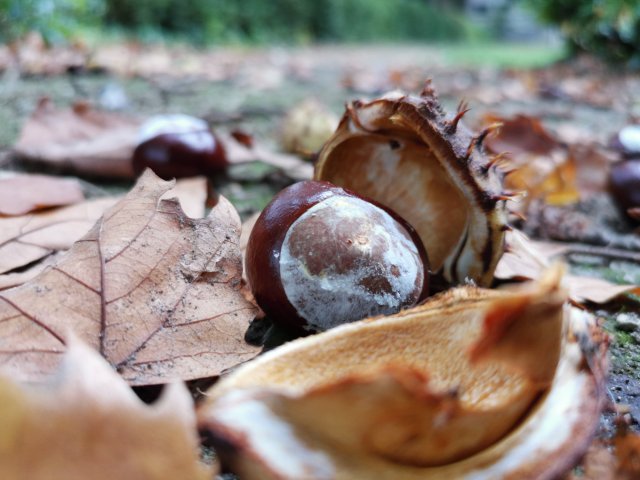
Horse chestnut: early autumn for the species all over Europe

Both invasive deseases (for example the horse-chestnut leaf miner, a little moth living in the leaves of the chestnut) and invasive tree species (like the American cherry, ruler of the forest understory) are threatening our native trees. Once again, this highlights the critical impacts of our diversity on the move.

Largest problems are in southern Europe: there, we find the highest amount of threatened tree species, among others due to the much higher tree species diversity in the south, especially in mountain regions. Additionally, however, important knowledge is lacking on many of these southernmost species, making their future particularly hard to predict.

Hallerbos - 11

Young beech seedling (Fagus sylvatica). Invasive tree species can cause fierce competition for the native tree seedlings (yet for now, the beech is safe).

So what to do now? More space for forests, and aiming for diverse, natural forests will be key. Botanical gardens can also help conserving endangered genotypes, while we frantically keep working to improve the knowledge of our most threatened tree species.

I got interviewed about this report by our local newspaper recently (here, yet in Dutch and behind a paywall), a great opportunity to spread these important warnings to the broader public.

Posted in Belgium, General | Tagged , , , , , , , | Leave a comment

Soil

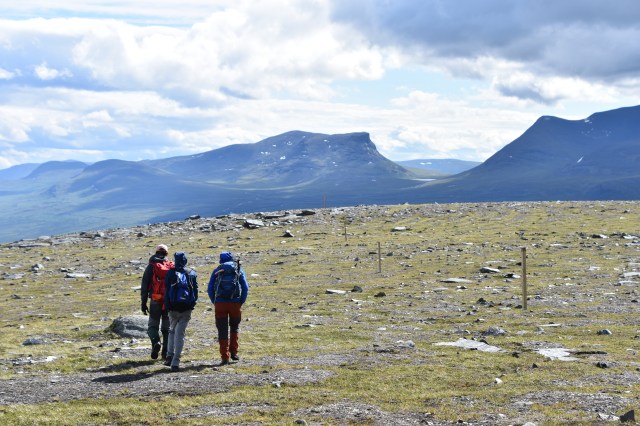
Scaling the elevation gradient of mount Nuolja, Abisko, northern Sweden

I might not have been able to enjoy the breathtaking wildness of Mount Nuolja myself this summer, yet I am getting the next best thing: its soil.

Set-up for pH analyses on mountain soils

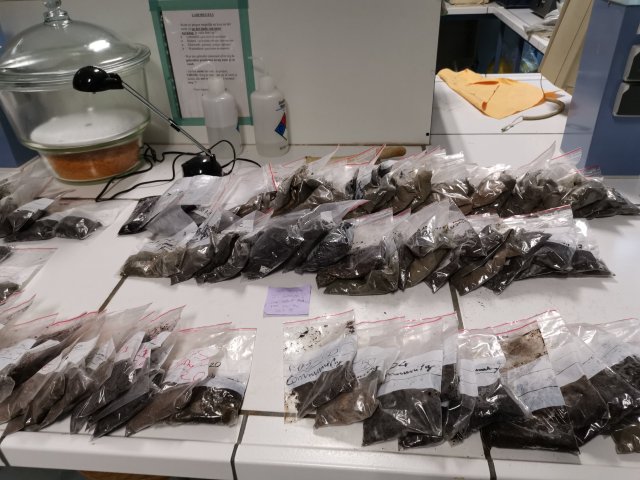
We received a precious package in the mail last month, with more than 30 kg of soil. Soil dug out from the mountains of northern Scandinavia, to help us open that black box: what’s happening belowground that defines where our mountain plants are growing?

With this particular 30 kg of soil, we have some important plans, together with our colleagues at the Climate Impact Research Center of the Abisko Research Station: we want to use it to get a better understanding of the rapidly changing tundra and its plant communities.

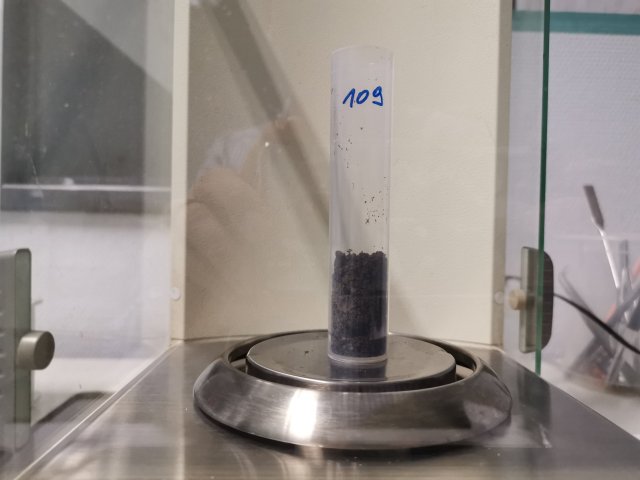
Weighing in soil samples for nitrogen analysis

The big question: how much is the local plant community defined by the climate – and thus prone to more rapid changes now climate is warming – and how much by the growing conditions in the soil?

The latter part requires a lot of digging, but our team is on it to uncover the truth hiding under the soil surface!

Posted in General | Leave a comment

Introducing: Dovrefjell

DSC03945

Lichens, lichens everywhere in the mountains of Dovre

Wide views, rolling hills, rocky mountain tops: we are proud to introduce you to Dovrefjell in the Norwegian mountains, backdrop of a new branch of our fascinating mountain research.

DSC04175

At high elevations: rocks as far as the eye can see

It provides the wild scenery enjoyed by Ronja, Ilias (thank him for the pictures!) and the Norwegian team this summer, when they were up there to dive deeper into the effects of mountain trails on the fragile alpine vegetation.

DSC04088

A mountain trail running through the wide landscapes of Dovre

I had introduced the area already in an earlier blogpost, when we visited the place for a kick-off meeting of Ronja’s PhD research. That time, however, the mountains were covered in a soft, white blanket.

45897330181_410b52d372_o

Dovrefjell in winter, an otherworldly beauty

Little did I know how beautiful the place would look in summer, up till the pictures from the fieldwork crew started seeping through.

DSC04264

Studying mountain plants up close – a dedicated fieldwork team at work in the mountains

Of course it is more than just pretty pictures we hope to get from the area, these only form the stunning decor for even more breathtaking science: Ronja is leading several observational and experimental studies on species distribution dynamics along mountain trails.

DSC04014

Little flowers of Antennaria and Erigeron in the rocky alpine zone

Yet the results have to wait till later – after a deep dive into the statistics. Until then, we offer you these pictures to make you think ‘damn, I wish I was a mountain ecologist!’

DSC03873

Posted in General, Norway | Tagged , , , , , , , , , , | Leave a comment

SoilTemp – interactive

Proudly presenting: an interactive (!) map of our SoilTemp-project. Click on the image to start exploring the what, how and why of our database initiative, and get warmed up for the real work to come!
SoilTemp_final


Posted in General, Science | Tagged , , , , , , , | Leave a comment

PhD Position on Forest Microclimate and Biodiversity Under Anthropogenic Climate Change

This gallery contains 7 photos.

Originally posted on Jonathan Lenoir:
The research unit “Ecologie et Dynamique des Systèmes Anthropisés” (EDYSAN) is launching an open call for a PhD position in Ecology & Biostatistics. We are looking for a PhD candidate interested in climate change biology,…

More Galleries | Leave a comment