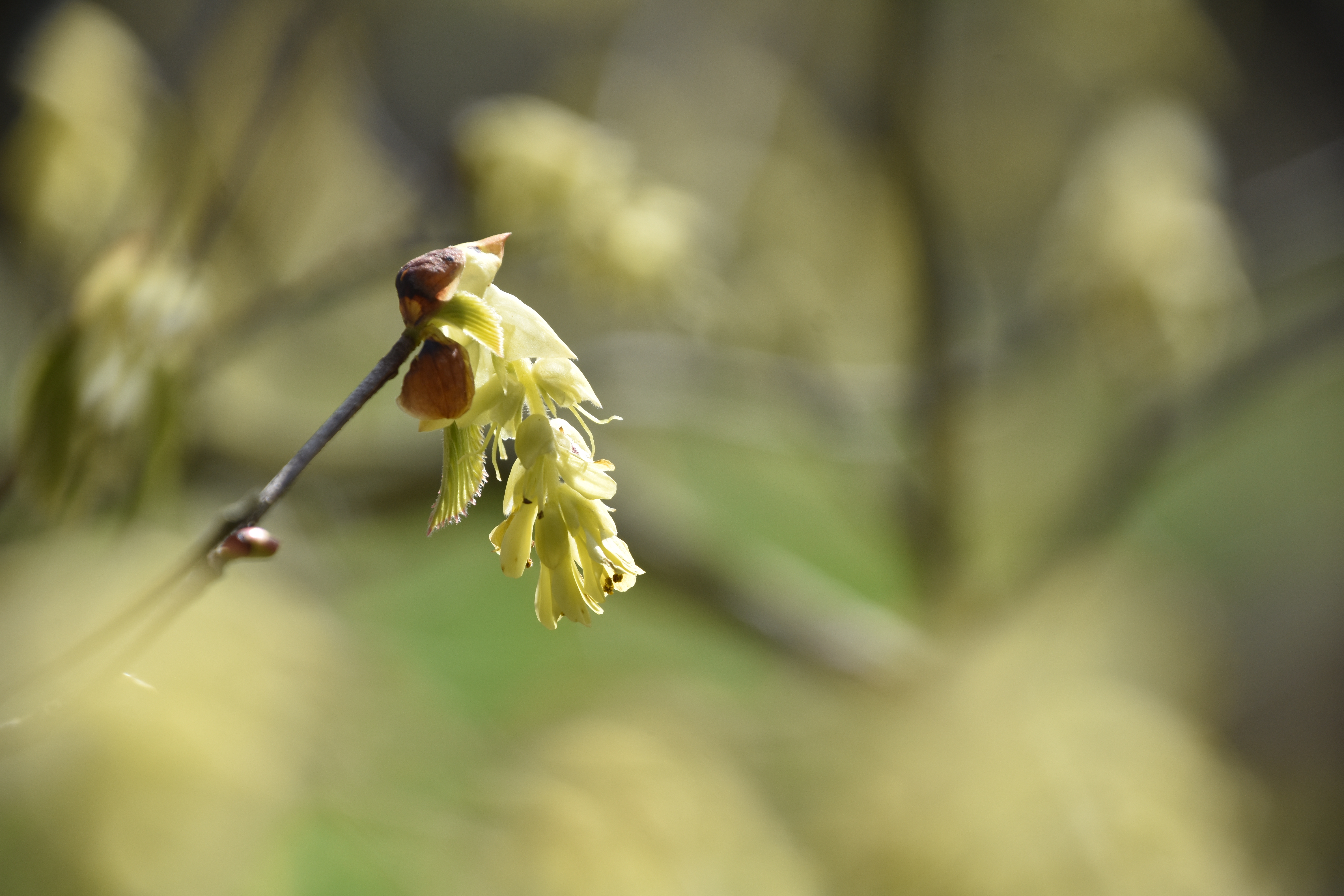
I spent a beautiful spring day last week in one of Brussels’ most fairy-tale-like places: the botanical garden Jean Massart.
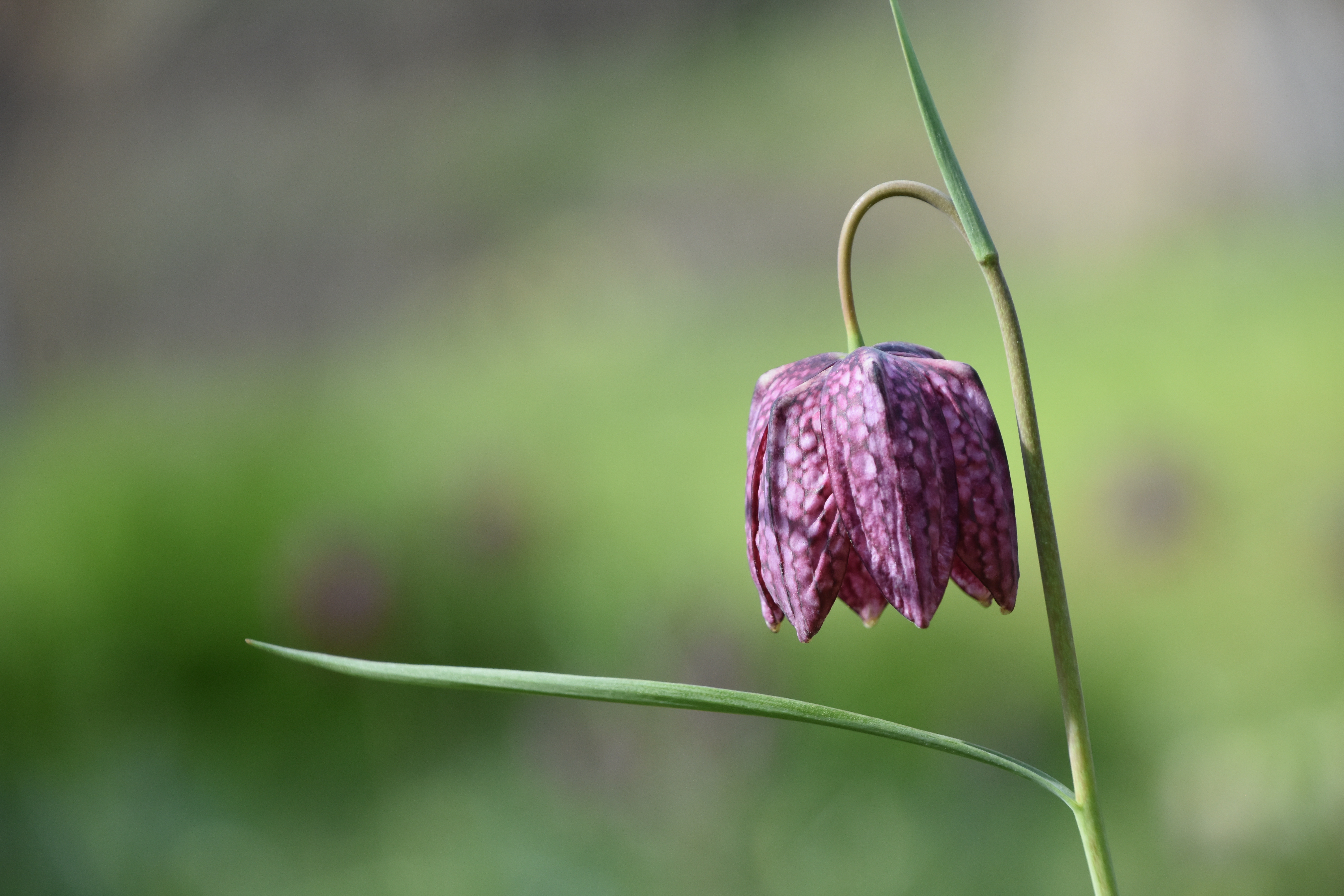
Springtime visits to the botanical garden, that’s abundant flowers wherever you look! Here: Fritillaria meleagris, a rare species planted – and thriving – in the botanical garden
This little piece of biodiversity sits in a picturesque valley bordering the E411 highway and that famous chunk of Brussels forest called the Sonian Forest.
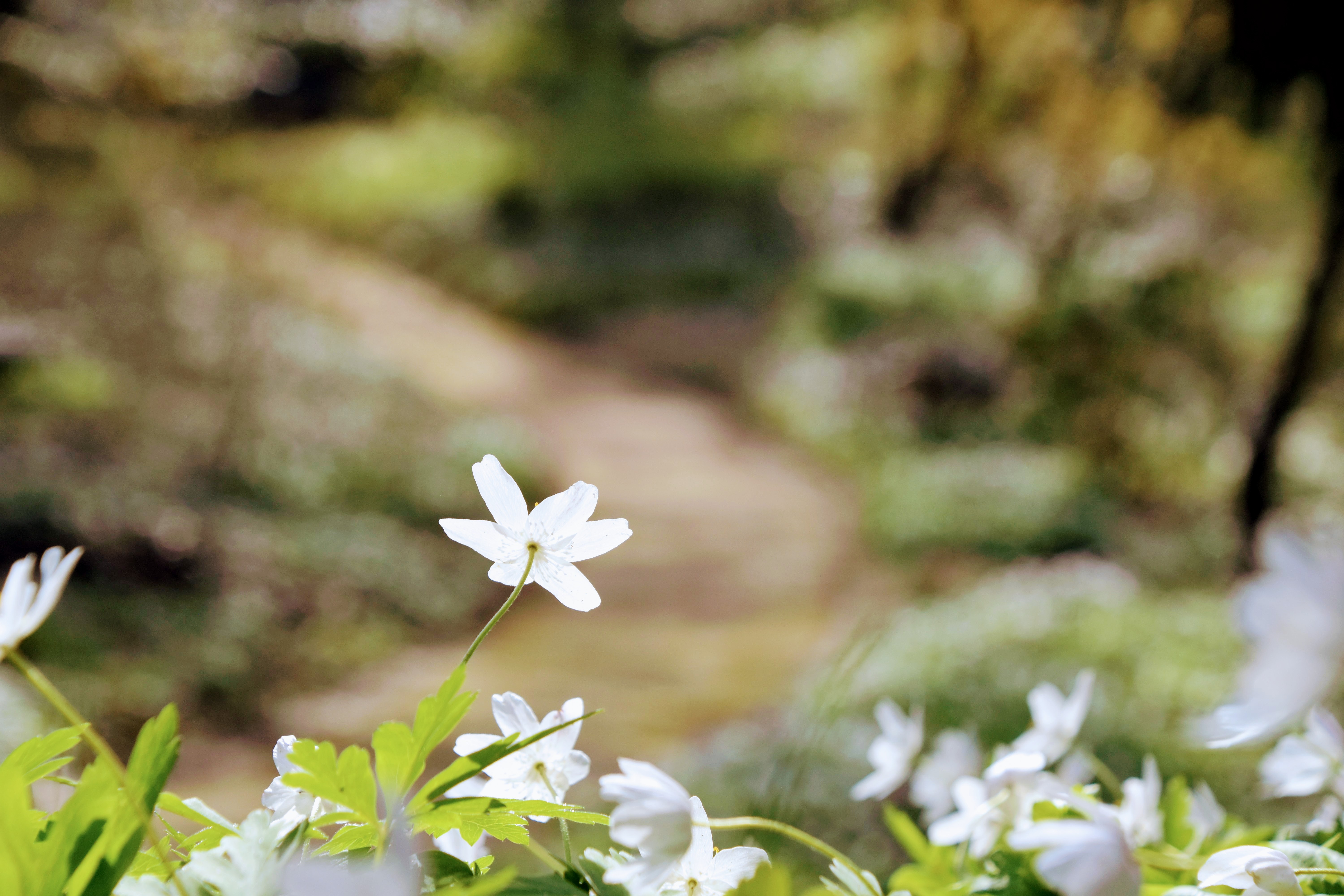
Anemone nemorosa, the wood anemone
Of course, I wasn’t there just for the picture-perfect flowers: I was there to do some scouting for a potential new – and pretty exciting – project. If we get it all figured out, we’d be using this beautiful garden as our laboratory for an important research question: can botanical gardens play a role as microclimate refugia in urban areas?
The botanical garden hosts some replicas of highly biodiverse grasslands, so typical – and endangered – for Flanders. One of the show-offs on this April afternoon was this Primula veris
Requirements for this are two-fold: a vast range of microclimatic conditions, resulting from a highly heterogeneous landscape, and a high biodiversity.
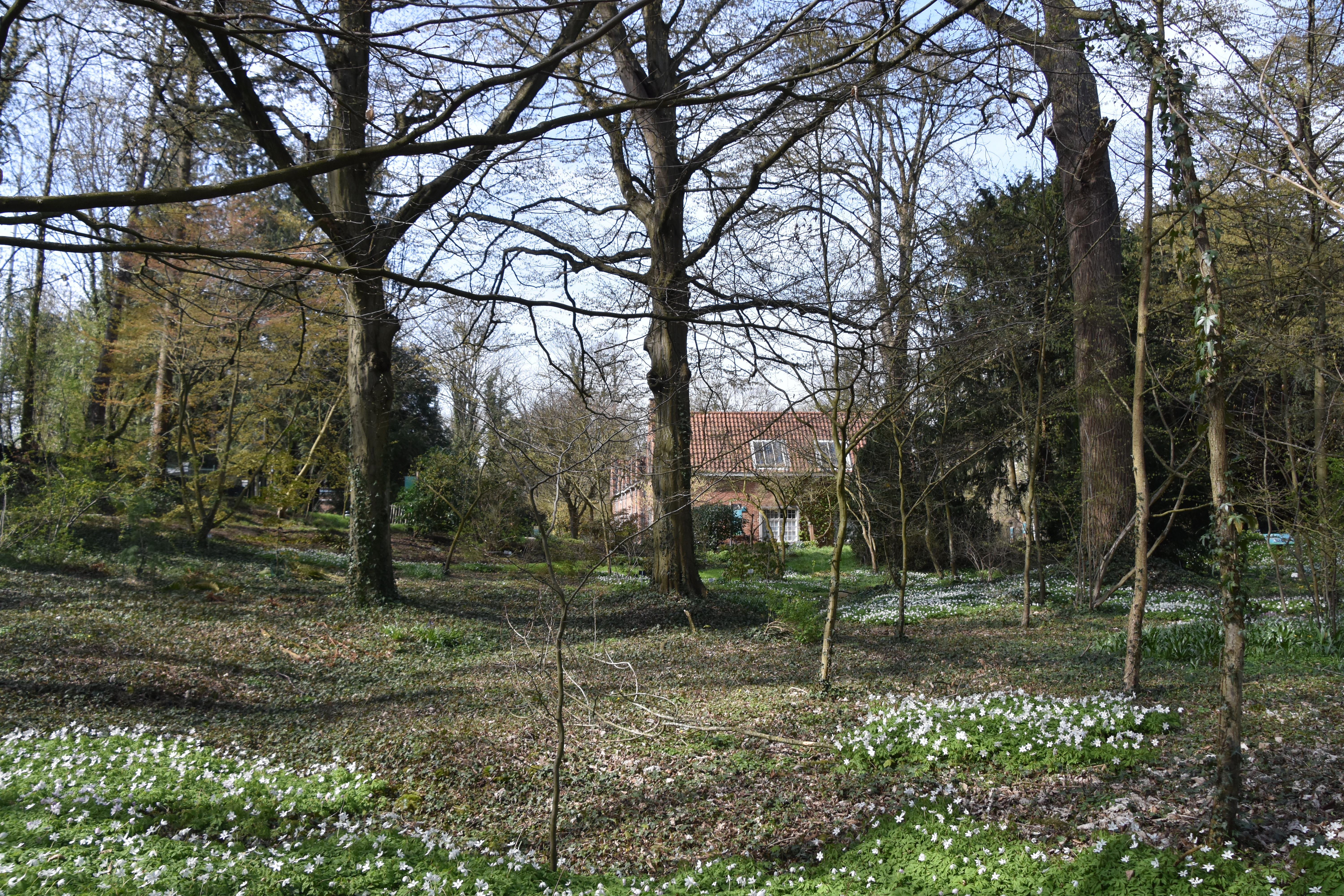
A patch of relatively dense forest at the bottom of a valley, the dream-location for stable and relatively cool microclimatic conditions, even close to the city of Brussels
If all goes well, we’ll find both these requirements fulfilled at the botanical garden Jean Massart, but the extent of both remains to be quantified. That’s all I’ll say about it now, so stay tuned for hopefully the start of something new and promising!
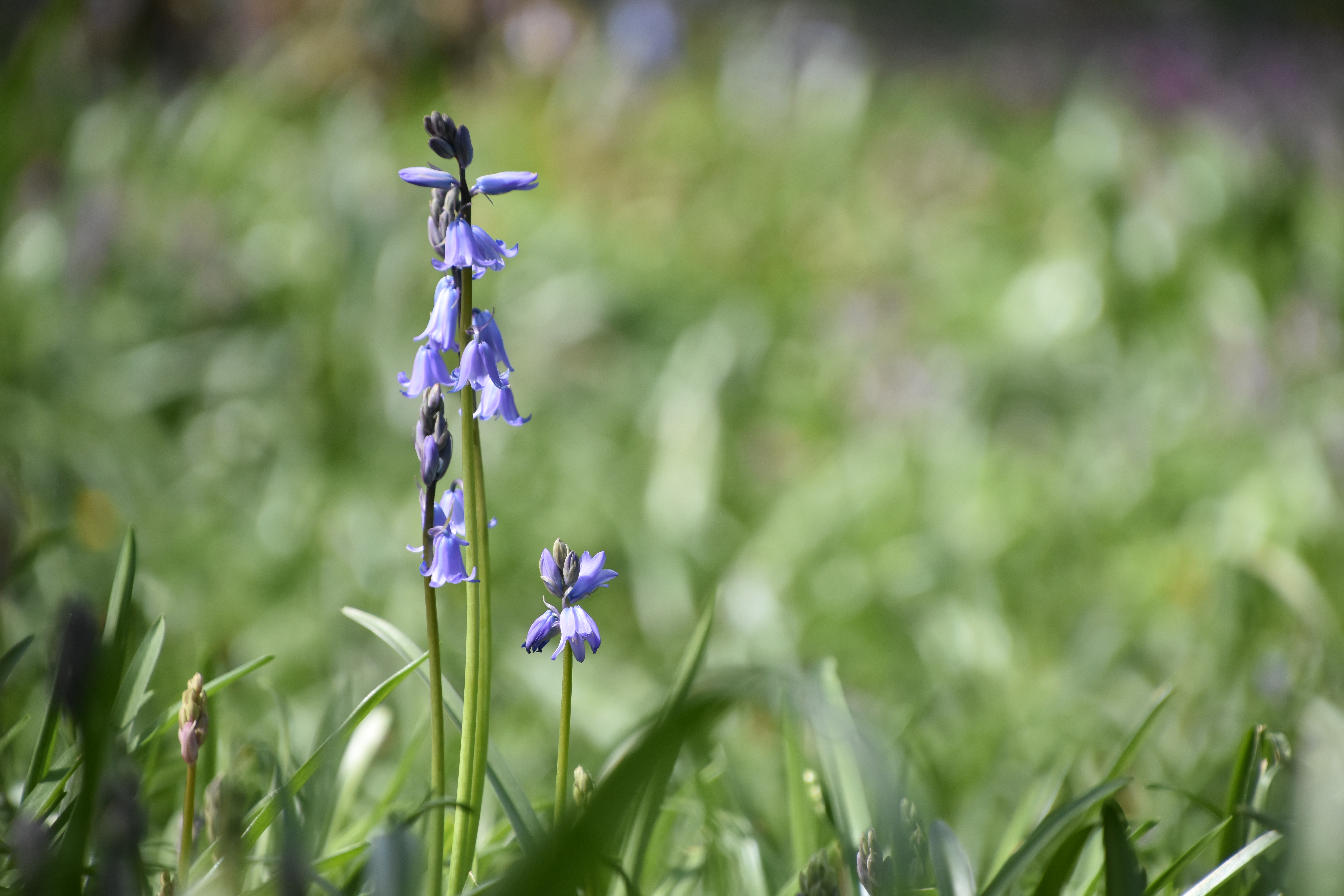
Anemone nemorosa was thriving in the forest understoryIf you say Flemish forest in spring, you say Hyacinthoides non-scripta
Those bioclimatic variables that we ecologists all love so much, but at a higher resolution and from right there where your study organisms are living? Wouldn’t that be a dream come true?
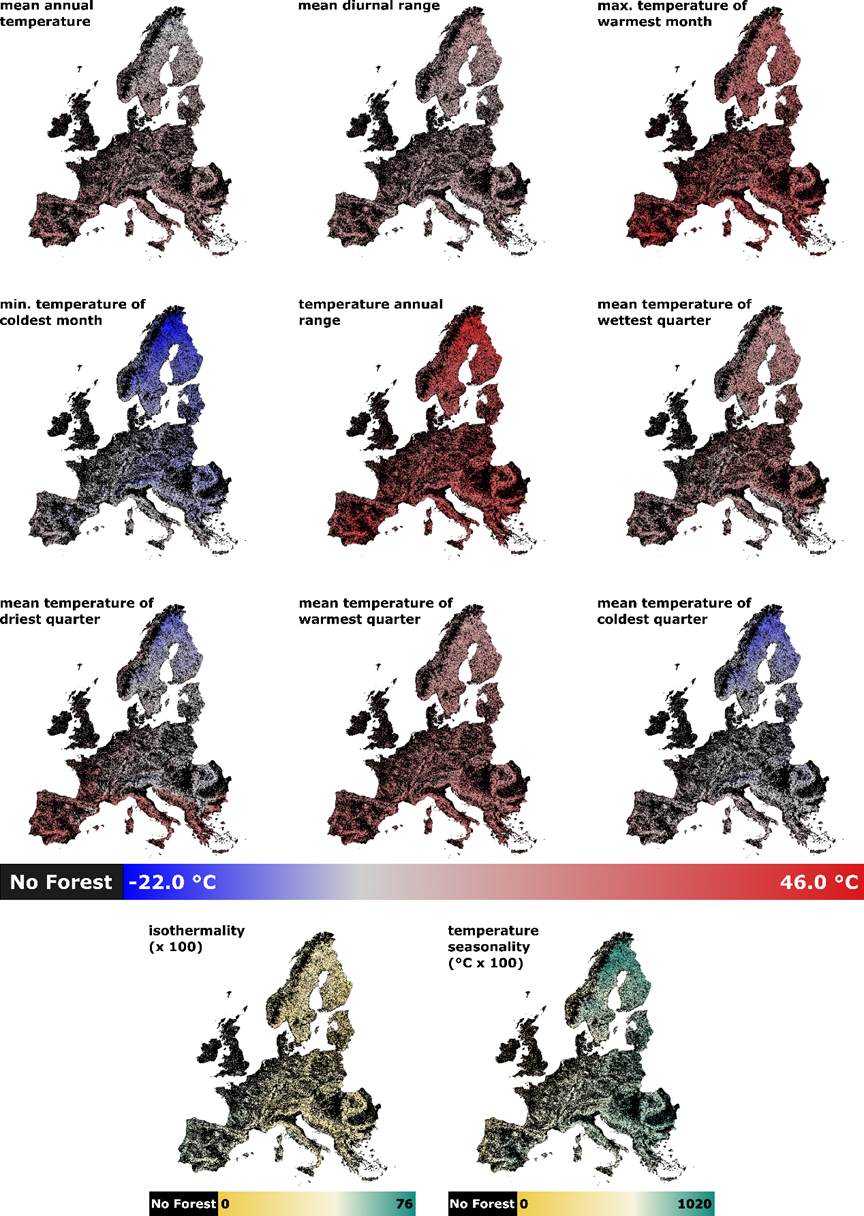
Time to pinch yourself, as we now released ‘ForestClim’, a dataset of all the familiar temperature-related bioclimatic variables, at a 25 x 25 m resolution. These bioclimatic variables are representative of conditions at 15 cm above the ground under all of Europe’s’ forest canopies, making them the perfect tool for anyone studying forest understory plants.
Overview of the different bioclimatic variables in the ForestClim database.
Now, for the attentive follower, these maps might look familiar. And, indeed, you might have seen at least one of them before: the underlying maps are building further on an earlier publication – by the same amazing PhD candidate Stef Haesen – where we showed a proof-of-concept for these forest microclimate models, based on data from the beloved – at least by me – SoilTemp microclimate database. In that first paper, the model was used to calculate mean annual temperature, but quite some more computer power needed to be consumed before we could create the other bioclimatic layers as well.
Now they arrived, and they are free for all to use, as it should be. So, off you go, go model some forest plant distributions using this neat new toy!
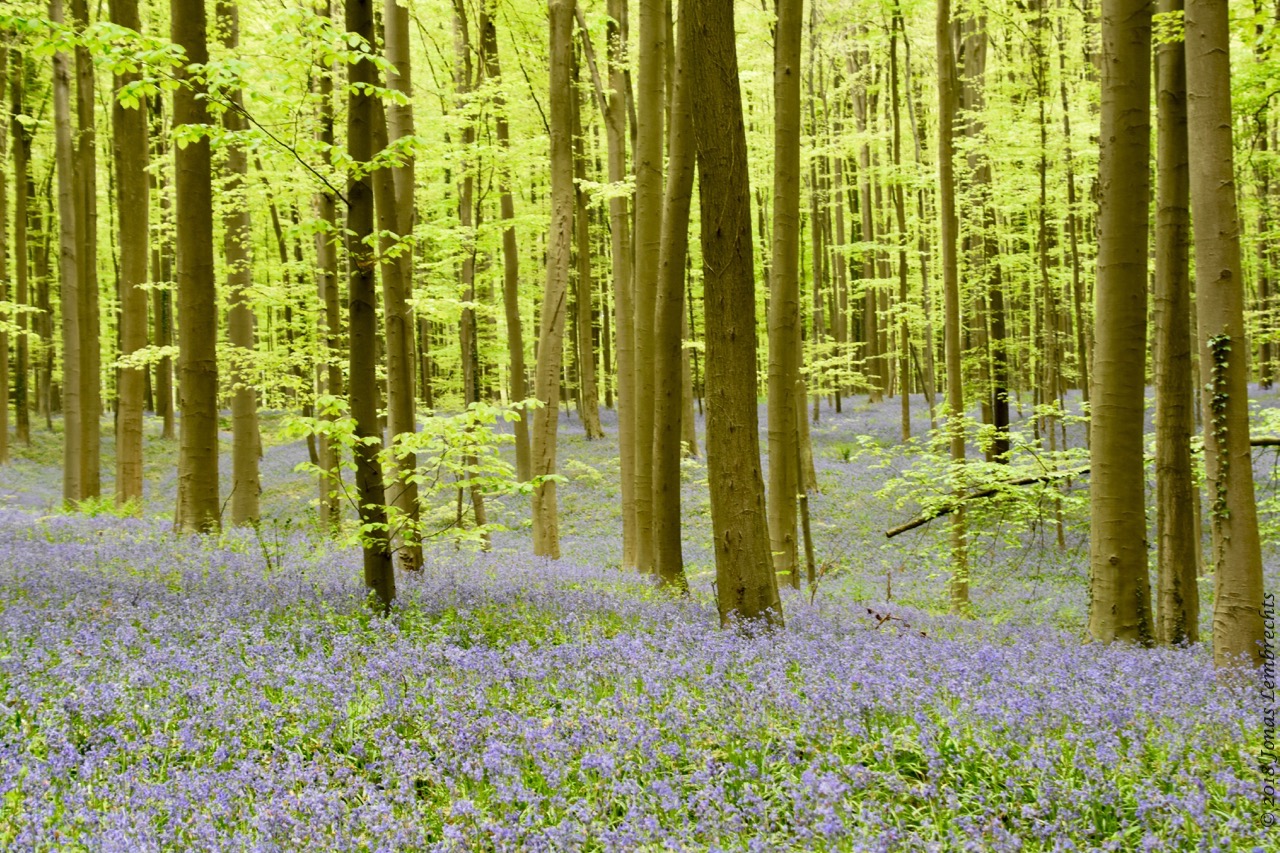
What temperatures are the bluebells of the famous Flemish ‘Hallerbos’ truly experience? Ask our high-resolution ForestClim-maps!
In order to truly understand climate change, we have to understand the carbon cycle – which describes where that notorious element called ‘C’ is moving to. In order to understand that carbon cycle, we need to know who is using that carbon, when and how much. As it turns out, that’s a rather complicated knot to disentangle.
In a recent paper led by Anita Risch, we took a look at the role of some of the more elusive players in that whole business of carbon cycling: soil microbes. Soil microbes play a surprisingly big role in that story, but exactly hów big remains – as so often – hard to grasp. What is known is that soil microbial processes play an important role in the build-up and maintenance of the big chunk of carbon that’s stored in our soils. At the same time, however, soil microbes RELEASE a bunch of carbon into the air via a process called ‘heterotrophic respiration’, best understood as the breathing out we humans also do.
Grassland soils (here at an experimental site in South-Africa) store surprising amounts of carbon (All pictures by the NutNet-network)
From a climate change perspective, one would want microbes to store as much carbon in the soil, and to ‘breath out’ as little as possible. That balance can roughly be considered the ‘efficiency’ of the soil microbial respiration. In a recent paper, we set out to test what defines that efficiency.
A NutNet site in Bogong, Australia
For this assessment, we made use of a fantastic global experiment called NutNet, where scientists took natural grasslands and manipulated the amount of nutrients and herbivores. Then, the scientists from 23 grassland sites took a soil sample and sent it to the lab for a five-week laboratory experiment to assess microbial respiration.
So what did we find? Microbes – at least those in grassland soils – did not seem to care too much about nutrient addition and/or exclusion of herbivores. Indeed, both factors did not significantly affect their efficiency. What they did care about, however, was the local soil and microclimate conditions, which strongly affected that illustrious efficiency.
Herbivory in action in Kilpisjärvi (Finland)
So what to do with this information? Most importantly, perhaps, it explains why local studies across the globe have been finding such contradictory results on the matter. If it is indeed all local soil and microclimate conditions that decide how much microbes respire, it makes sense that each regional study will find a different effect of disturbance factors like nutrient addition or herbivory. A wise lesson again for us all: ecology can be darn complicated.
Look, I am an ambitious young scientist, but I don’t want to be swamped by work. Witha young family, I know all too well how challenging it can be to juggle work and personal responsibilities. I dream of doing all the science I want without sacrificing precious time with my family.
Enter: smart time management. When my wife introduced me to Motion, a smart time management app that calls itself an “AI executive assistant,” I immediately knew that was EXACTLY what I wanted.
After trying Motion out for a week, I was hooked. Although the app does cost money, I am 100% certain that it pays for itself by increasing my productivity and enabling me to achieve my goals without sacrificing quality family time.
Those two will always come first, and smart time management is key to make that work
Motion is essentially a combination of a smart calendar and a to-do list. You input your tasks, estimate how long they will take, and give each one a deadline. Then, you link the app to your calendar and specify when you don’t want to work, and let the artificial intelligence work its magic. Based on your importance rating and deadlines, Motion provides you with the best possible schedule of when to do each task.
The app shuffles your tasks in such a way that as many of them as possible get done before their deadline. It even warns you when certain tasks won’t fit in your schedule, enabling you to adjust and prioritize your to-do list. With Motion, you can swiftly work through tasks with high urgency without losing sight of your long-term plans.
I LOVE IT!
I love that Motion allows you to see immediately if you’ve taken on too many tasks. You no longer have to worry about biting off more than you can chew, as the app makes it clear which tasks you’ll need to drop to stay on track. Additionally, Motion adjusts instantly to changes in your plan, ensuring that you’re always working on the most important tasks.
My schedule for next week. I’m taking two days off for Easter (we had the family holiday last week already), and leave it to the app to figure out how to arrange my tasks around it
Another great feature of Motion is that it enables you to work on low-priority tasks guilt-free, knowing that the high-priority tasks will also be taken care of. This frees up time for me to work on tasks like writing this blog post, which is definitely not a top priority, but still important to me.
Motion also helps you tackle difficult tasks that you might otherwise avoid by breaking them down into manageable chunks and showing you the reward that comes after completion. This makes it easier to stay motivated and work through challenging projects.
However, there are a few downsides to Motion. If you’re too ambitious with your task list, the app might not be able to schedule certain tasks at all, even with a two-week delay. The AI tends to then simply abandon these asks, regardless of how desperately you needed to do them. It thus remains important to keep track of all your tasks to see nothing crucial gets abandoned.
You also need to be good at estimating how long tasks will take. Although I happen to have a knack for this, others may find it stressful to estimate their workload in advance. And finally, you need to have a certain routine to your weeks to make the most of the app. As a father of two young kids, there is some teeth-grinding involved when I see ambitions dropping off the cliff of hopes into the sea of ‘not gonna happen’. Especially a few days of unexpected sick kids at home can make all the apps’ alarms go off. ‘Good’ thing is: all of that would have been in shambles anyway even without the app, and the app allows you to pick up the pieces much more easily.
Despite my overall positive experience with the app, I have not been able to effectively apply it to non-work related tasks, such as painting the garden shed, due to the unpredictable nature of my schedule with young children. It’s difficult to find a window of time when I can fully dedicate myself to these tasks without interruptions, making it challenging to integrate them into the app’s scheduling system.
In short, I think this app is truly what keeps my ambitious to do-list afloat, without sacrificing my family time, and as a scientist with two part-time postdoctoral positions, this app is what keeps me sane.
I’m not saying you should buy it. I’m just saying I will never ever unbuy it :)!
I am delighted to announce that starting this month, I have taken up a part-time position as a postdoctoral researcher to lead a groundbreaking citizen science project on noise pollution in urban environments. The project is being co-led by the University of Antwerp, which has made citizen science a core mission, building on the resounding success of our “CurieuzeNeuzen” initiatives. This opportunity is a perfect blend of my expertise in large-scale environmental monitoring, citizen science, and the urban context, even though it takes me beyond my ‘ecology’ comfort zone.
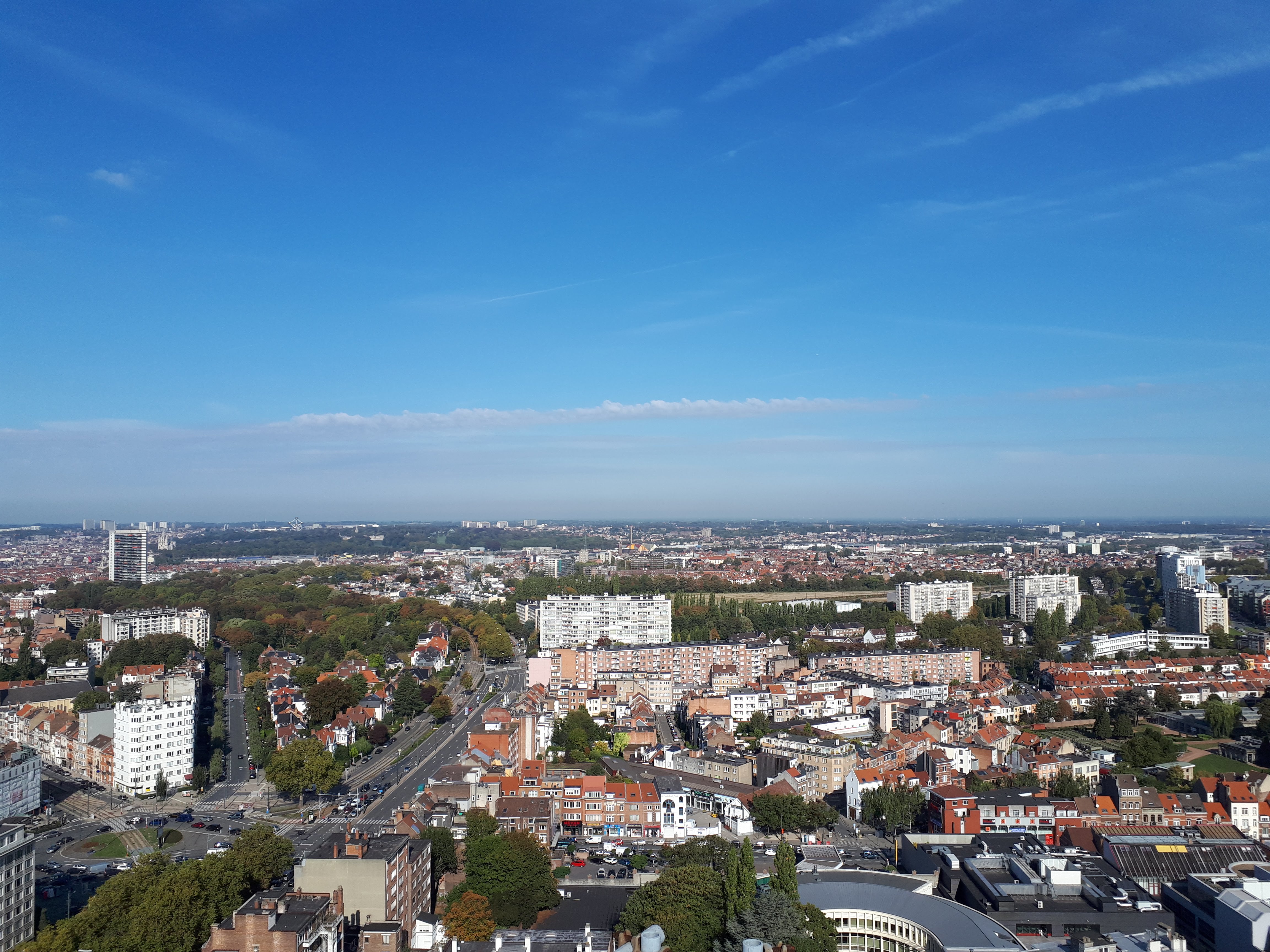
Cities, such as Brussels, Belgium, are filled with a myriad of sounds. While it is evident that all these sounds can have deleterious effects on human health and well-being, very little is currently known about the spatial distribution of these sounds. That is where our project comes in!
As it is a part-time position, I can continue to devote the rest of my time to my beloved SoilTemp microclimate projects. Additionally, this opportunity is not only a tremendous source of enthusiasm, but it also provides me with a chance to remain in academia for a while longer, until I find a more long-term perspective.
All in all, this is a pretty exciting and promising new beginning! While I am still contemplating how much I will share about this new role on this website, as it is somewhat beyond my usual topics, I am convinced that I can pique your curiosity about noise and its risks and opportunities in the most complex and captivating ecosystem of all: the city.
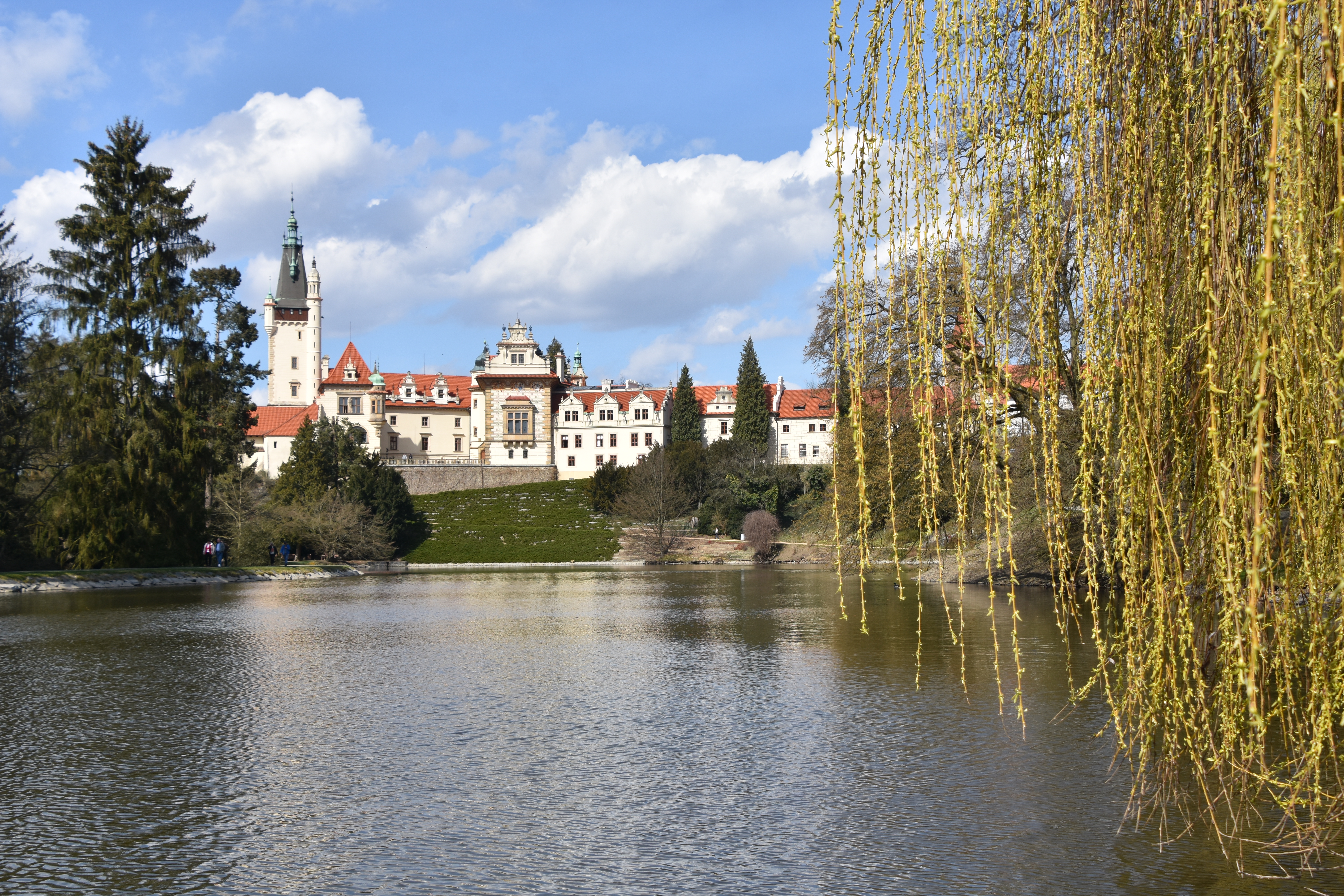
I just returned from a journey to the stunning neo-Renaissance castle of Průhonice, located just a short bus ride away from the almost as magical city of Prague. But what brought me to such a picturesque location? Well, let me tell you about the meeting we had with the ASICS network.
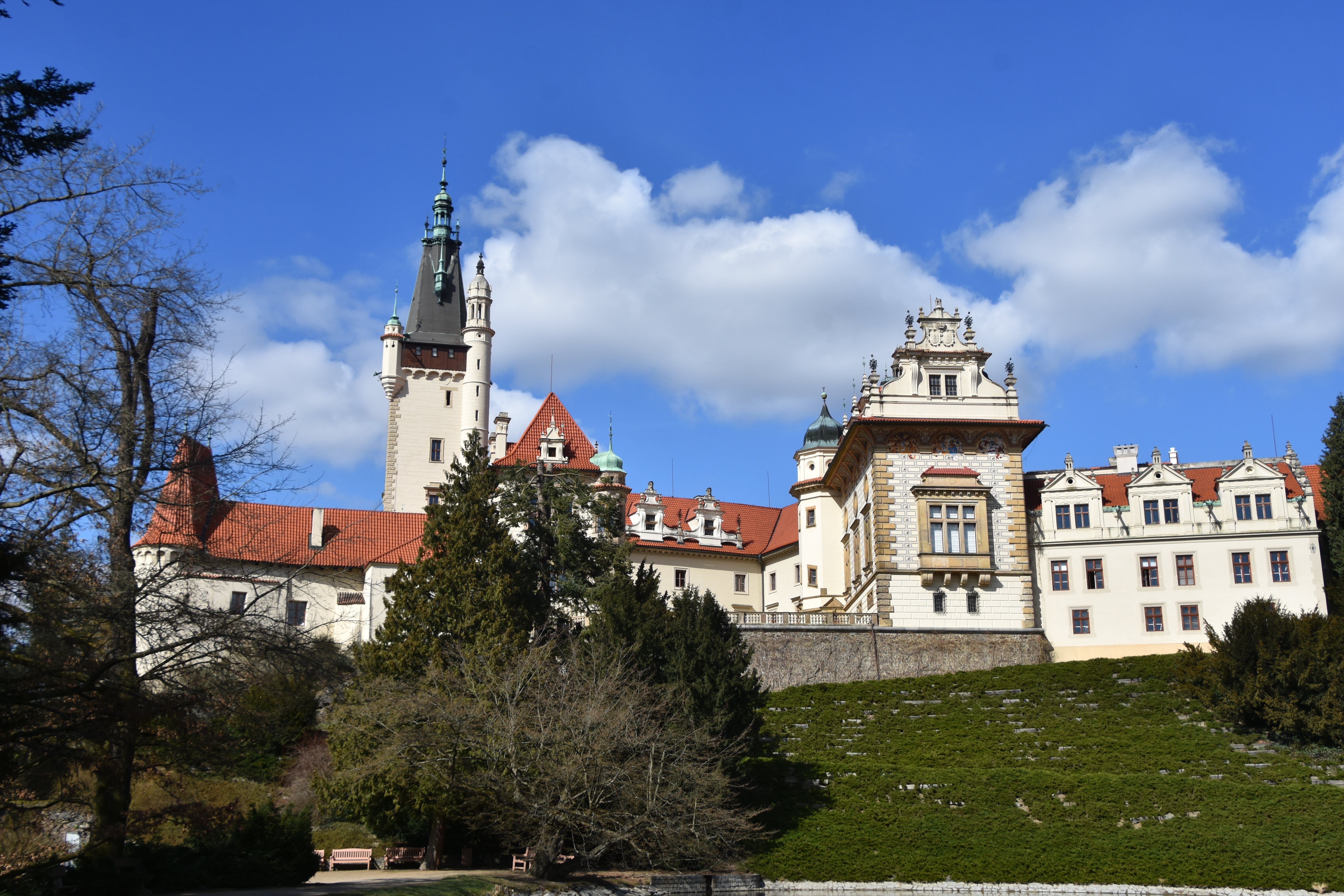
The castle of Průhonice and its surrounding botanical garden, home to the Institute of Botany of the Czech Academy of Sciences. A place full of ecological research of the highest level, and an inspiration to its visitors.
The ASICS network is an international group of scientists dedicated to studying the distribution of non-native species in cold environments. These environments include both high latitudes and mountains which, due to their remoteness, often escape our attention. But why is it so important to study non-native species in these extreme conditions?
Over plates of delicious strudel and other Czech delicacies, we delved into discussions about the progress we were making in understanding non-native species’ invasions in these cold environments. We saw stories of beetles on Crozet Island, of springtails on Marion Island, of non-native plants on Svalbard, each tale more exotic than the rest.
The castle not only hosted our meeting, it’s also the scientific home of our colleagues of the Department of Geoecology, better known as the developers of the TOMST TMS4 microclimate sensor. You won’t be surprised to hear I was delighted to visit them and talk microclimate!
While outside the castle walls, the Czech spring was getting into full spring, we discussed how non-native species were dealing with the extreme weather conditions in these environments. We summarized what we knew, and what we still don’t know.
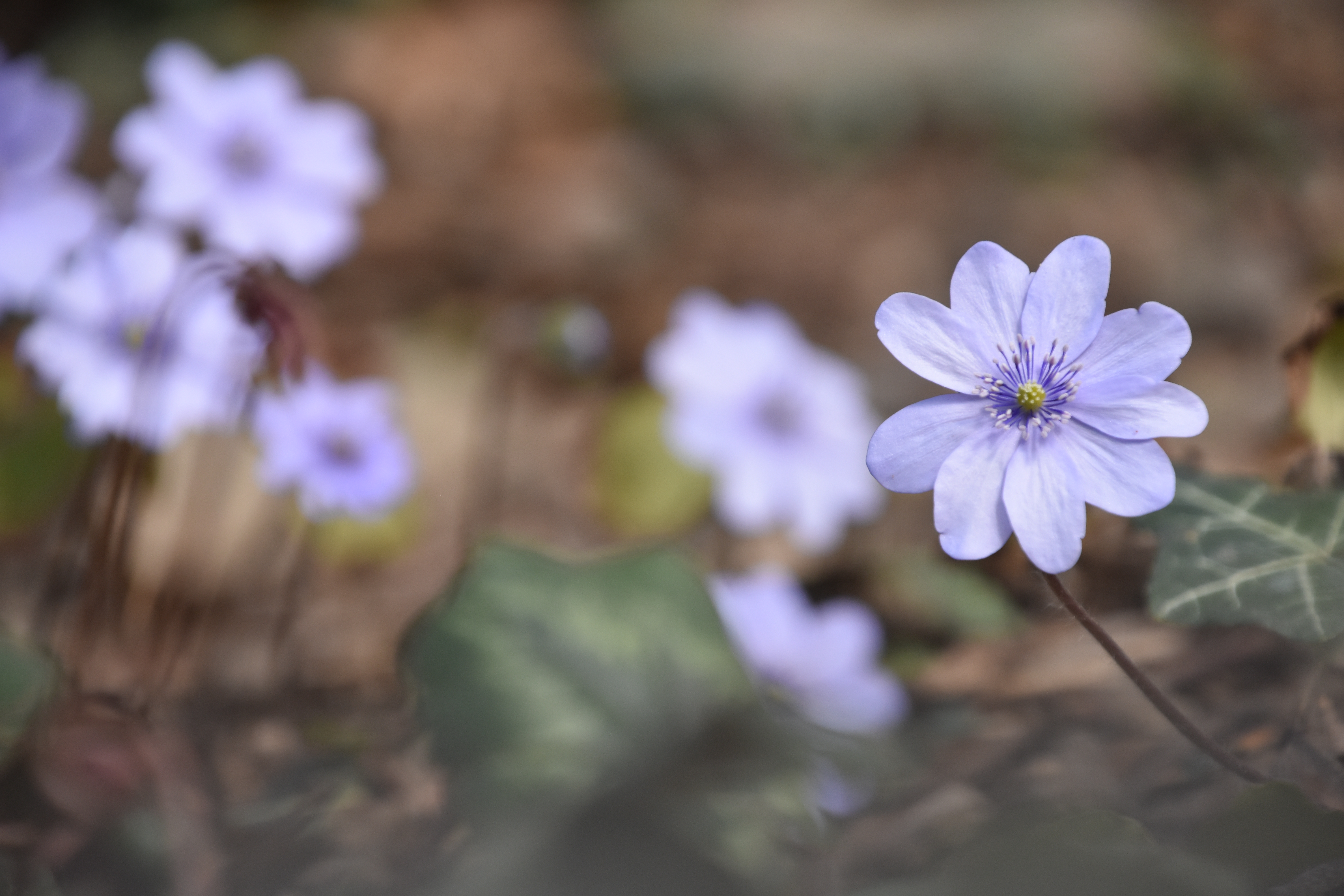
All around us in the botanical garden, springflowers were emerging. With the sun an agreeable 17°C, it was high tide for botany! Here: Hepatica transsilvanica
Despite the challenges, the conclusions of the meeting were promising: we were gathering more data than ever before on the distribution, behavior, and limitations of these species. However, these cold environments remain full of black boxes, and there are still so many aspects that no scientist has ever looked at. For example, have you ever wondered about the invasion of invertebrates in mountains? Few have, so it seems, and the amount of data is worryingly low. We simply don’t know if there are any non-native invertebrates crawling uphill!
Comma butterfly enjoying the spring sun
The best part is that thanks to ASICS, we now have an ambitious, international, and highly diverse team of dedicated individuals joining forces to answer these questions. We are bringing datasets together, sharing expertise, setting up joint protocols on a global scale. Our hopes are that together, we will not only be able to answer more questions than alone, but that we can also bring the world’s attention to the urgent need for conservation of these remote locations.
Angelica archangelica along mountain road in the northern Scandes, Norway
Common heather
Narvik, Norway
Norway, Narvik
Skjomen valley, northern Norway
Epilobium angustifolium
Lake Torneträsk, Abisko, Sweden
Skjomen valley, northern Norway
in the Skjomen valley
Norway
Narvik, Norway
Lake Törnetrask, Abisko Research Station, Abisko, Sweden
Angelica archangelica
Norway
Sweden
Skjomen valley, northern Norway
Phyllodoce caerulea
Pinus sylvestris, Narvik, Norway
Laktatjakka valley
Narvik, Norway
Narvik, Norway
Skjomen valley, northern Norway
Lake Torneträsk, Abisko, Sweden
Narvik, Norway
Narvik, Norway
Oenanthe oenanthe, alpine tundra Abisko, Sweden
Diapensia lapponica in one of our plots
Summer in the Skjomen valley, northern Norway
Laktatjakka valley
Abisko, Sweden
Luscinia svecica, Abisko, Sweden
Eriophorum vaginatum
Lake Törnetrask, Abisko Research Station, Abisko, Sweden
Trifolium repens
Seen from Nuolja, Abisko
Hallerbos 2017
Young bluebell (Hyacinthoides non-scripta) surrounded by flowers of yellow archangel (Lamium galeobdolon)
The common bluebell (Hyacinthoides non-scripta), the signature flower of the Hallerbos
Single bluebell flower surviving on a wetter spot, as indicated by the field of wild garlic (Allium ursinum)
A really wet patch of forest, with giant horsetail (Equisetum telmateia) in a field of wild garlic (Allium ursinum)
Wild garlic (Allium ursinum) in the Hallerbos flowers a bit later than the bluebells, yet this one was already in full bloom
A bumblebee visiting yellow archangel (Lamium galeobdolon)
A bumblebee visiting yellow archangel (Lamium galeobdolon)
Wild garlic (Allium ursinum)
Wild garlic (Allium ursinum)
Weirdly beautiful, the inflorescence of pendulous sedge (Carex pendula), typical for the wettest spots in the forest
Weirdly beautiful, the inflorescence of pendulous sedge (Carex pendula), typical for the wettest spots in the forest
A little stream in the Hallerbos, surrounded by endless fields of wild garlic (Allium ursinum)
The herb-paris (Paris quadrifolia), less common in the forest
Wild garlic (Allium ursinum)
Bluebells (Hyacinthoides non-scripta)
Weirdly beautiful, the inflorescence of pendulous sedge (Carex pendula), typical for the wettest spots in the forest
Another one from the wet plots: large bitter-cress (Cardamine amara)
Another one from the wet plots: large bitter-cress (Cardamine amara)
Young beech leaves, as soon as they are fully grown, spring in the understory is over
A beech forest without understory, most likely too dry and too acid for any survivors
A young beech seedling (Fagus sylvatica), looking nothing like a beech, yet everything like a tiny dancer
Young beech seedling (Fagus sylvatica)
Bluebells (Hyacinthoides non-scripta)
Bluebells (Hyacinthoides non-scripta)
Bluebells (Hyacinthoides non-scripta)
Mountain melick (Melica nutans), a grass in the most amazing green
Bluebells (Hyacinthoides non-scripta) in a rare patch of mountain melick (Melica nutans), a grass in the most amazing green
Bluebells (Hyacinthoides non-scripta)
Bluebells (Hyacinthoides non-scripta)
Montpellier 2017
The entrance to the cathedral of Montpellier
The cathedral of Montpellier
The entrance to the cathedral of Montpellier
The cathedral of Montpellier
Narcissus poetics
The cathedral of Montpellier
The botanical garden of Montpellier
The botanical garden of Montpellier
The botanical garden of Montpellier
Brackish Camargue vegetation
Brackish Camargue vegetation
Brackish Camargue vegetation
A typical lagune
Brackish Camargue vegetation
Camargue horses
Camargue horses
Camargue horses
Brackish Camargue vegetation
Brackish Camargue vegetation
Brackish Camargue vegetation
Camargue horses
Brackish Camargue vegetation
Little egret in the evening sun
Flamingo’s in the evening sun
A typical lagune
Dandelion fuzz
Grass lily
Grass lily
Dandelion fuzz
Veronica in a sea of poplar fluff
Euphorbia in a sea of poplar fluff
Poplar
Gare du Midi, Brussels
Gare du Midi, Brussels
Gare du Midi, Brussels
Gare du Midi, Brussels
Sweden autumn 2016
Autumn in Abisko
Yellow leaves of mountain birch, with lake Torneträsk in the background.
Lapporten, the gate to Lapland, in Abisko
Rain blowing over the Abisko National Park
The colours of the north: red fireweed and yellow mountain birches, with lake Torneträsk on the background
Yellow leaves of mountain birch, with lake Torneträsk in the background.
Rain on the background, the ski lift in Abisko on the foreground
The steep slope of mount Nuolja on a dramatic looking morning
The beautiful colors of lake Torneträsk in Abisko
A little stream on top of the mountain, with a view on Lapporten, the gate to Lapland
Well, that is a beautiful table with a nice view on lake Torneträsk in Abisko
Our little experiment on top of the mountain in Abisko, with a view on Lapporten
Autumn in Abisko is extremely colorfull
The ski lift with a view on Abisko National Park and Lapporten
Hiking dowhill towards lake Torneträsk
This green is greener than the greenest green: moss on top of mount Nuolja
Well, that is a beautiful table with a nice view on lake Torneträsk in Abisko
The ski lift with a view on Abisko National Park and Lapporten
The ski lift with a view on Abisko National Park and Lapporten
The most beautiful hiking trail of the world: Nuolja in Abisko
Angelica archangelica, often the biggest plant of the Arctic
The most beautiful hiking trail of the world: Nuolja in Abisko
Cirsium helenioides, the melancholy thistle
Hiking down mount Nuolja
The steep slope of mount Nuolja on a dramatic looking morning
The colours of the north: red fireweed and yellow mountain birches, with lake Torneträsk on the background
The prettiest yellow and blue: autumn in Abisko
Fireweed, Epilobium angustifolium
Campanula or bellflower, I think ‘uniflora’
Vaccinium myrtillus
Cornus suecica, the prettiest red of the world
Hieracium alpinum, alpine hawkweed
Carex atrata, one of my favourite sedges
Alpine clubmoss, Diphasiastrum alpinum
Agrostis capillaris, bentgrass
Common yarrow (Achillea millefolium)
Anthoxanthum odoratum, sweet vernal grass, fully grown and mature
Snow scooter trail
Our plot in the mids of a field of horsetails (Equisetum pratense)
Equisetum pratense
Cliff overlooking the valley with the road to Norway
Seedling of Taraxacum officinale, the dandelion, after two years of growing in bad conditions
Poa alpina, the alpine meadow-grass, with its viviparous seeds
Massive flowerhead of Angelica archangelica
Angelica archangelica
Blueberry (Vaccinium myrtillus) in autumn
A lowland marsh in Abisko in autumn
Installing the plots of our trail observations on top of mount Nuolja
Installing the plots of our trail observations on top of mount Nuolja
Tanacetum vulgare (Tansy), non-native for the high north
Autumn forest down in the valley
The valley of Nuolja to Björkliden
Summer on the Nuolja-side
A full rainbow behind mount Nuolja in Abisko
It’s raining in the west, clouds trapped behind the mountains
A strong wind blowing rain from behind the mountains to our side
A strong wind blowing rain from behind the mountains to our side
Betula nana, the dwarf birch, mini autumn forest
Betula nana, the dwarf birch, mini autumn forest
The valley of Björkliden in autumn
The valley of Björkliden in autumn
The valley of Björkliden in autumn
The valley of Björkliden in autumn
Sweden spring 2016
Trifolium pratense
Ranunculus glacialis
Oxyria digyna
Ranunculus glacialis
Silene suecica
Dryas octopetala
Bartsia alpina
A rainy hike
Silene acaulis
Trifolium repens
The valley of the lakes
Overlooking the valley of Laktajakka
Western European species like the red clover (Trifolium pratense) here are often listed as non-native species in mountain regions.
Cornus suecica
Eriophorum vaginatum
Rubus arcticus
Melting snowpatch on a lake
Salix reticulata
Although the alpine zone has been harder for invasives to access than most places, human structures like trails are often an easy gateway for the invaders to get up there. Picture from Abisko, Swedish Lapland.
Amiens
Amiens is filled with cute little houses
Cathedral at night
The museum behind the beautiful gates
Cathedral at night
View from my office window
Colourful mirror
Cathedral at night
Frozen mirror
Enjoying silence and the morning sun
Frozen to the bone
Sunny but cold, the Quai Bélu
Nice architectural curve
Cathedral with a glimpse of spring
Cold!
Almost cold enough for ice-skating
House on the square before the cathedral
Winter sun on the Place du Don
Sunny but cold, the Quai Bélu
Gargoyle planning to eat the cathedral
View from my office window
Cathedral at night
Maria without a shirt
Just outside of Amiens
Le Club d’Aviron in winter weather
The southern side
Cathedral seen from the frozen Parc Saint-Pierre
Sun rising above the water
Sweden autumn 2015
Lichen
Sweden summer 2015
View on the 1000 meter plots
Doing research on a cold Arctic morning
Plots flooded by the snowmelt
Flooded by the snowmelt
Meltwater river, racing down the mountain
After a hike, even the most basic house looks cosy. Little hut in the mountains, open for everybody
Snowbridge, maybe don’t cross…
Snowbridge
View from a cliff
Silene acaulis or cushion pink, cutest plant of the Arctic
Two seasons in one image
Steep slope
Hiking down
Narvik Kirche, church of the subarctic
Narvik Kirche
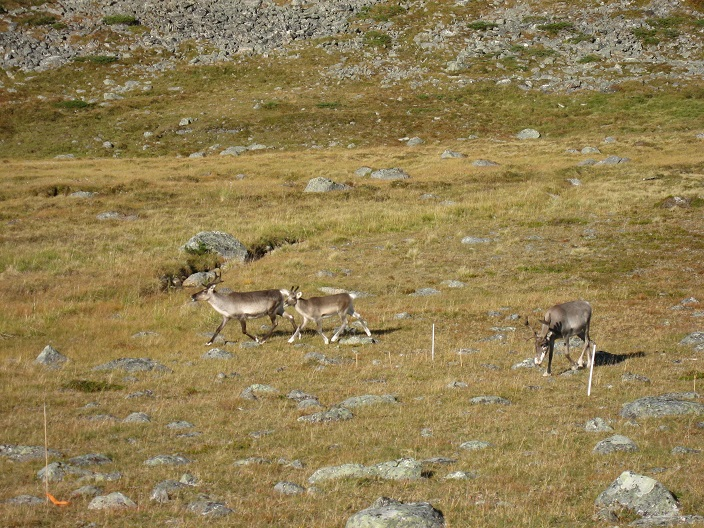
Reindeer on top of the mountain
Narvik Kirche
Summer at the church
Summer flowers
Massive waterfall
Young willow catkins
View from Narvik’s hospital, with lilac flowers
Building a bridge over the fjord will gain al drivers at least an hour
Norwegian fjord
Posing with the water, getting soaked
Minimalistic mountains
Insect investigating our reindeer antler
Catching mosquitoes with our license plate, harvest of the year!
Posing with the plot
Fieldwork on the most beautiful spot of the world
Fieldwork on the most beautiful spot of the world
Summer bridge – still next to the sadly impassable river
Rhinanthus flower in the mountains
Plateau in the valley, beautiful brown
Experimental view from my favourite plot
Salix catkins
Extremely old Betula tree
Waterfall from a cliff
Buttercup is the earliest in spring, here
Rocks!
Alpine views
Views!
Fieldwork
Jumping over rivers
Plot
Golden plover
Angry lemming
Green, the whole north is green!
Snow, so much snow left!
Minimalistic mountain moments
Fieldwork
The research center
Red clover – focal invader
Look at this tiny cute snail!
Massive floods of melting water
Bartsia alpina
Hooray, a toilet!
Dryas octopetala
Lowest elevation plots
Butterball!
That’s a lot of water
Midnight sun is the best
At the lakeside
Beautiful Bistorta vivipara
Don’t fall in the water
Midnight sun
Wild river
Art – made by ages of wild rivers
Baby firework for America’s independence day
Midnight sun at the lake
The Abisko canyon was wilder than ever
That’s a crazy amount of water!
The Abisko canyon was wilder than ever
The Abisko canyon was wilder than ever
Black and white
Stone-man overlooking Abisko
Nothing as soft as a willow catkin
Label and soil temperature sensor attached
I’d drive to the top every day
Reflections
Rocks and clouds
Brave little birch
Brewing our camping poison
Basic camping stuff
Camping in Norway
Home-made temperature houses
Roadside research at its best
Norway is crazy
Horsetail is so funny
Little creek in magical forest
Birches, birches everywhere
Beautiful rock, a gift from the river
Another roadside fellow
Lichen
Ready to rock the summer
Collecting mosses
That’s a crazy old lichen
Tiny tiny piny trees, but old, so old!
Ready to jump into the fjord?
Ready to jump into the fjord?
That’s a spiky stone!
Views on Norwegian fjords
Silene in the mountains
Cute little orchid
Skua
Attacking skua, mind your heads!
Watch out for the attack of the fierce skua!
Black snail
New plot!
Still a lot of snow to melt, but this spot was free for a new plot
Reindeer are better than people
Two seasons in one picture
Let’s see what is happening to the balance in mountains! Is this a starting avalanche, or will it last a bit longer?
Cute little hut
Climbing mountains by car
Softest moss in history
Drosera in the marsh
Hiking in no-man’s land
The clouds are coming
Abisko valley
‘Butterball’
Fieldwork in the tundra
Abisko valley
Little plot
Clouds and sun and mountains
Making soup on a campfire with a view
Little creek on high elevations
Skua on the look-out
Melting snow in a river
Rhodiola rosea and the Törnetrask lake
Beginning of spring
Flooded plots, melting snow, impassible wetness
Ferns and horsetails
Chile 2015
Lunch made by our local colleague, with funny bread (tasty as well!)
Trips to the field sites were sometimes a real adventure, especially right after snowmelt