Kitchen ecology

Ecology should not always be about the large scale. Sometimes there is no need to go all the way to Chile or Sweden to find some exciting plants!

Basil

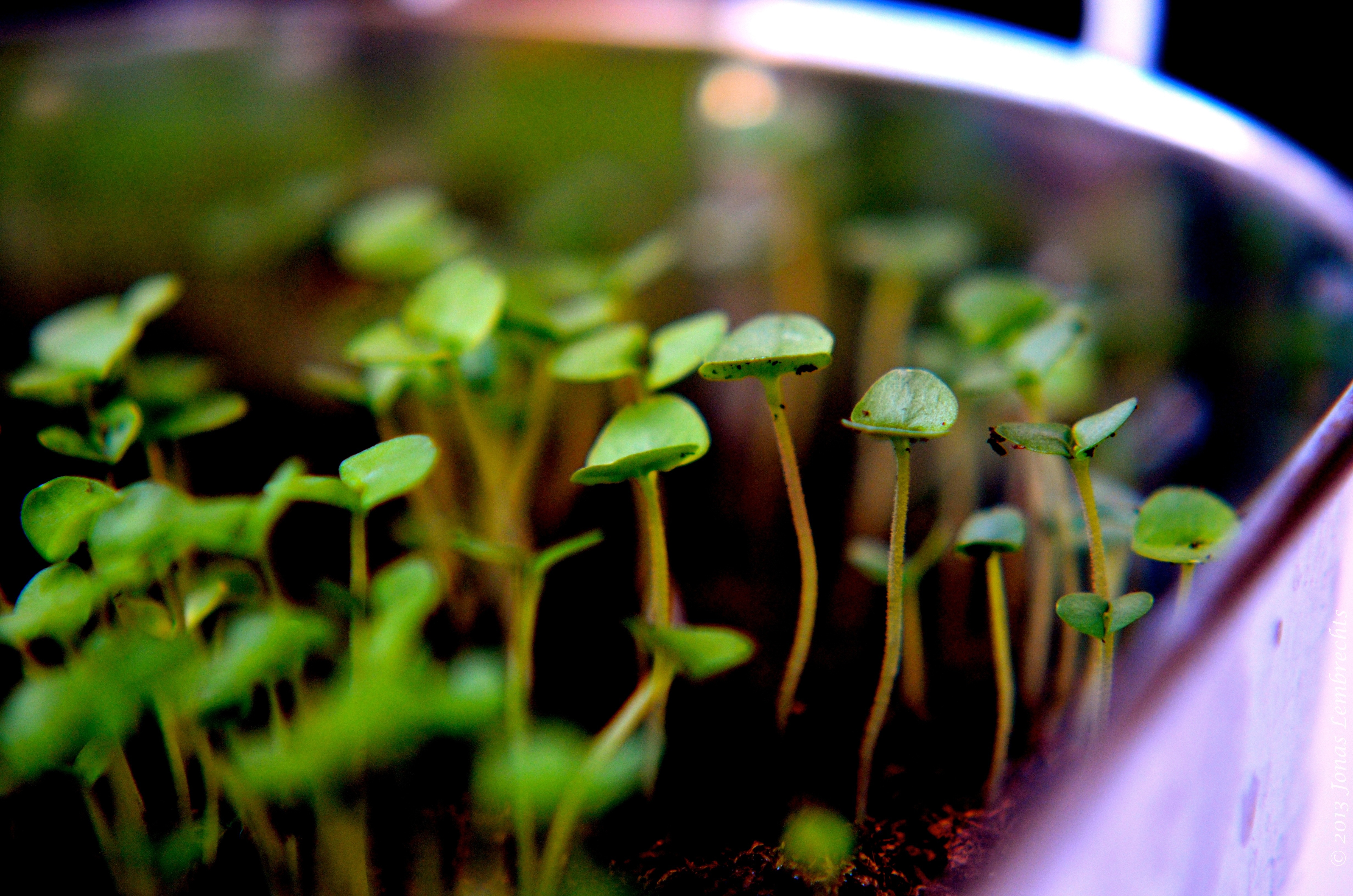
I have twenty square centimeters of fantastic ecology right in my kitchen. I am growing some basil herbs, 4 different species in a stylish metal bucket. I see it as a test to check if all my theoretical background provides any support in raising my own kitchen plants.

Germinating basil

It made me already very excited to see them germinate so fast. You can see them gain centimeters every week!

Basil field

Also: what a high germination rate! Almost all of the seeds made it to the seedling phase, so I will have to thin out soon to give the strongest plants more space (we learned here how tough competition would be disastrous for seedlings). I can only hope my seedlings in Chile will turn out to be as successful when I go back there next week!

Basil at sunset

Posted in General | 1 Comment

My friend robin

DSC_0798

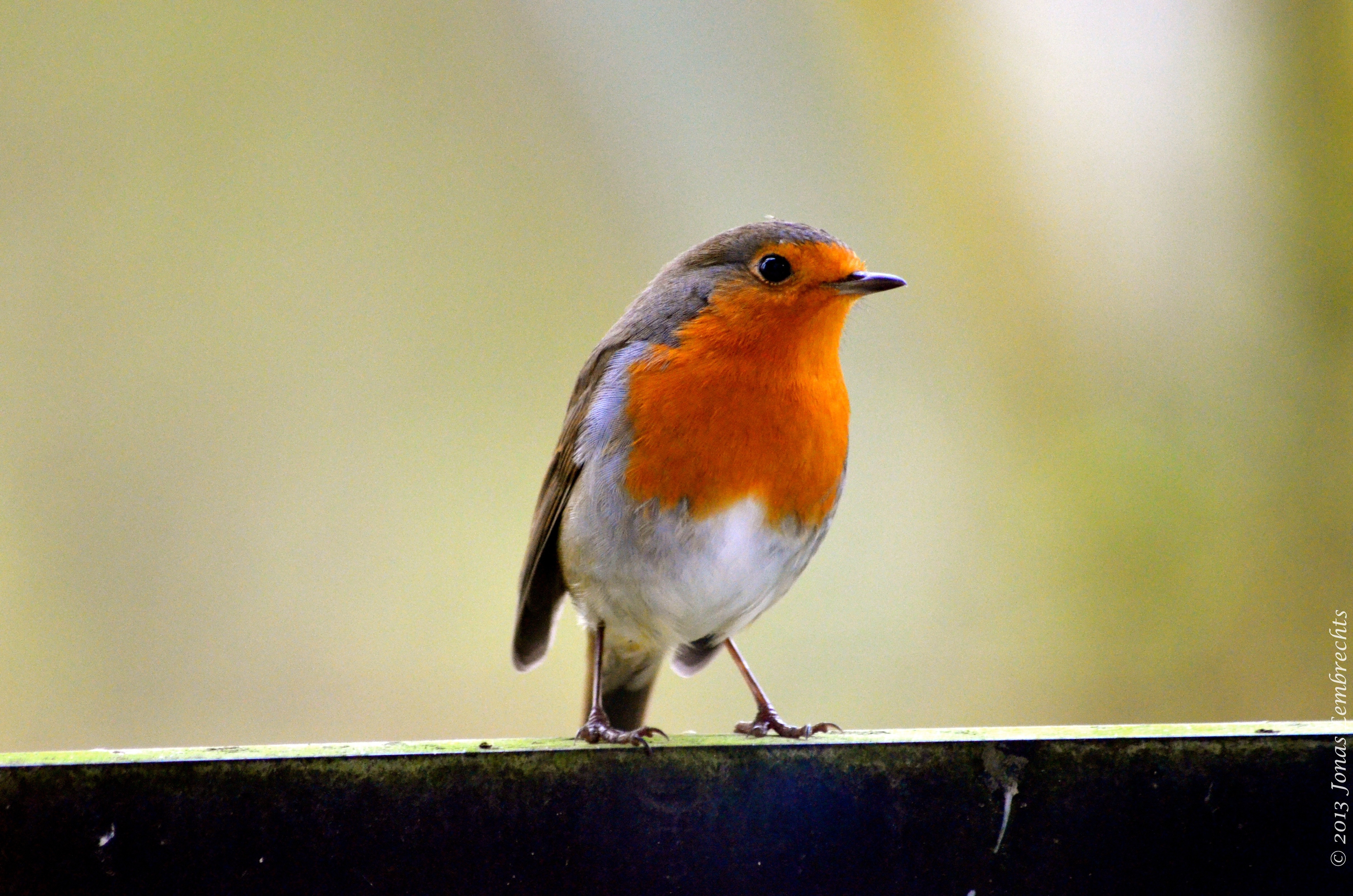
It is great joy working with playful action of birds behind the office windows.

DSC_0801

Although we did not have a cold winter at all, a lot of birds were still very happy with all my extra food. This is my personal favorite: the European robin.

DSC_0784

The moment he found out how to balance on the food, he became one of my most common visitors.

DSC_0790

Posted in General | Leave a comment

More about roadside vegetation

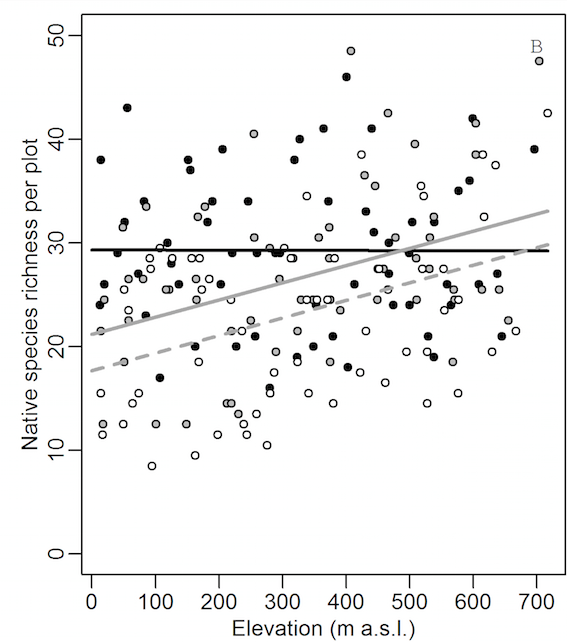
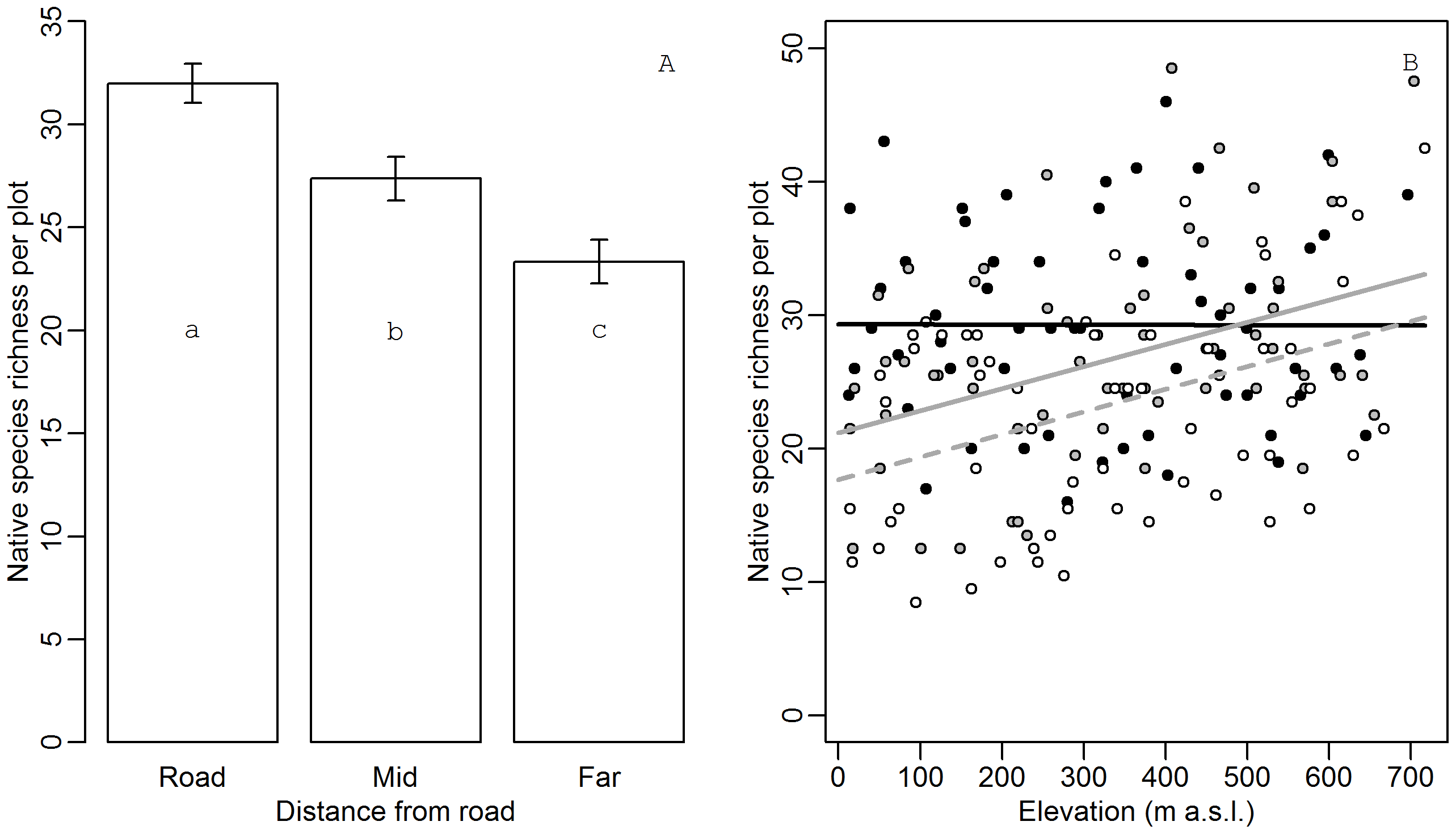
Roadsides host more plant species than the natural vegetation. That is the stunning conclusion I draw in my previous post. While this difference is clear on low elevations, it vanishes as we get higher in the mountains, ending in similar species richness in the alpine zone above the tree line. Surprisingly, as can be seen on the graph, this pattern is the result of a higher diversity of alpine species (dashed grey line, white dots) in the natural vegetation.

Graph native species richness

Native species richness per plot with elevation. Black lines/dots = roadsides, grey line/dots = intermediate, dashed grey line/white dots = natural vegetation

       The alpine zone is a rocky, barren place without trees. That sounds as a bad thing for plants, but it also results in a higher availability of open places. The dominance of mosses and dwarf shrubs like the crowberries I wrote about, is less intense here. More open spots, less competition, more diverse habitats, all kinds of factors that could explain the higher plant diversity visible in the graph.  All of this explains the higher species richness on high elevations. But why don’t we have the additional higher species richness here that we saw in the lowland roadsides?

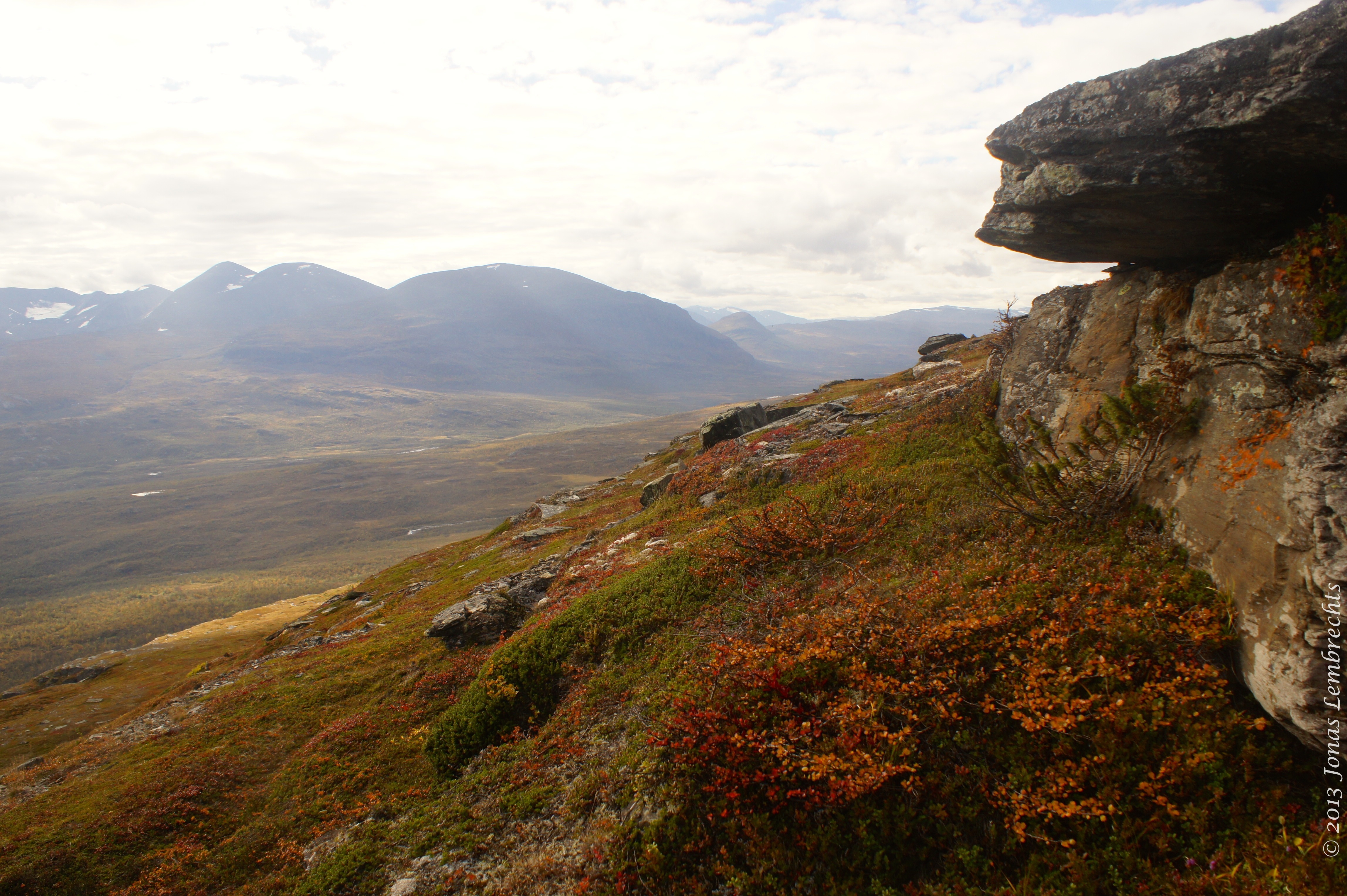
Alpine vegetation

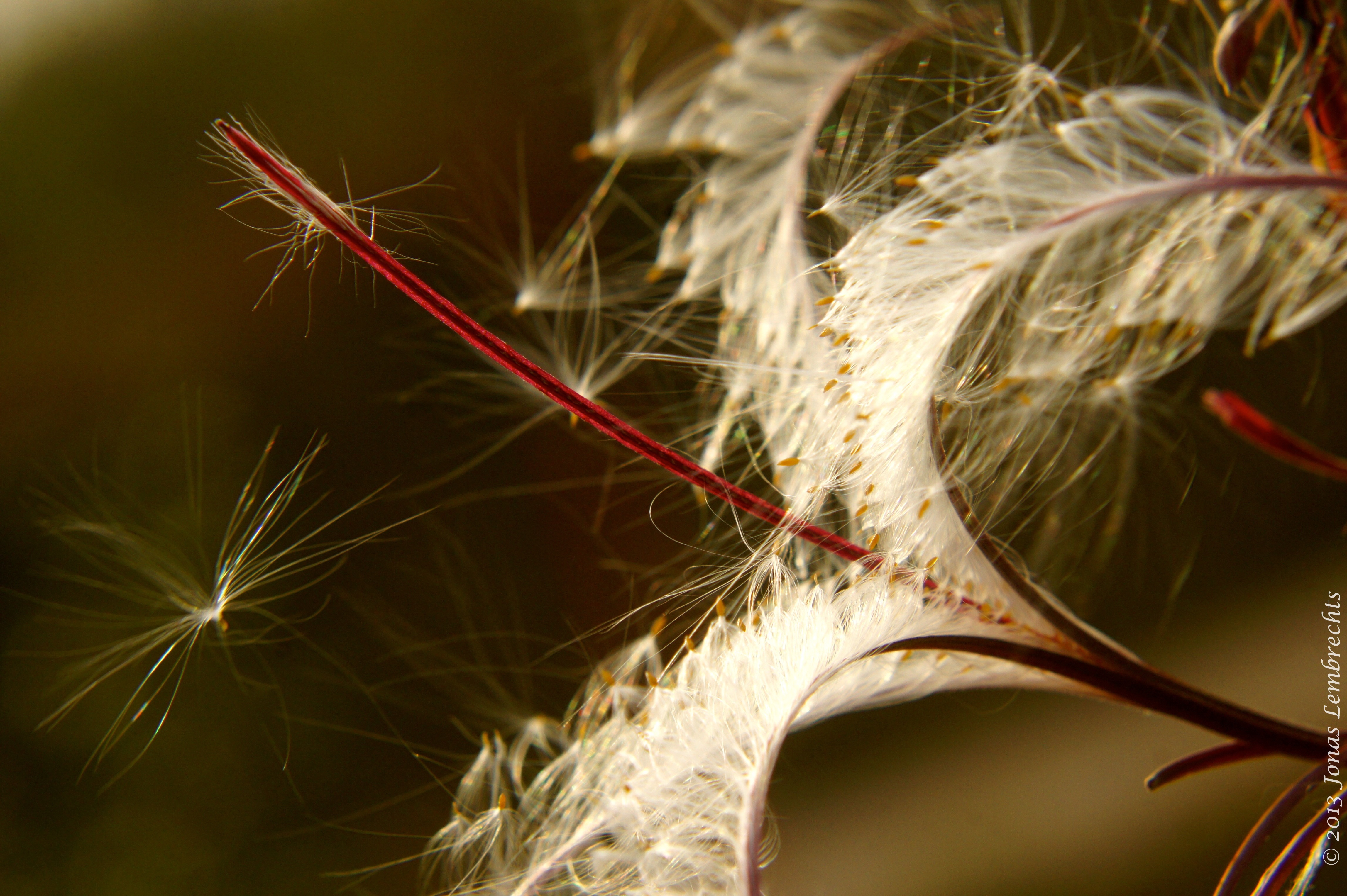
Here is why: the higher amount of species in lowland roadsides comes from a bunch of typical roadside species, mostly highly competitive weeds (e.g. willowweed, see picture). They do not belong in the normal undisturbed subarctic mountains, but typically follow humans, agriculture and the availability of rich soils and mild conditions. This kind of culture followers forms an important part of the lowland roadside vegetation. These species are added on top of the baseline species richness of typical subarctic mountain vegetation. Therefore: higher roadside diversity.

Hairy willowweed, a typical competitive weed

These competitive weeds are rare in the roadsides on high elevations, where conditions are not mild at all. The roadsides there serve more as a refuge for stress-tolerant alpine species, because the difference with the natural alpine vegetation is much smaller: both contain open, low vegetation, with a lot of bare rock and bad protection against harsh weather. Perfect for stress-tolerant plants (like Saxifraga, see picture), a disaster for the competitive kind.

Saxifraga, a typical stress-tolerant alpine species

Conclusion: the subarctic mountain road has a much smaller effect on native plants than its lowland counterpart. Lowland roadsides suffer from the invading pressure of competitive weeds, while they serve on high elevations more as a refuge for a wide diversity of alpine species.

Roadside vegetation

You want to know the exact scientific story? Here it is! The story spread in the meantime to the international (scientific) media. Find already one link to the media here.

Posted in Sweden, The research | Tagged , , , , , , , , , | 4 Comments

Changes in the mountains

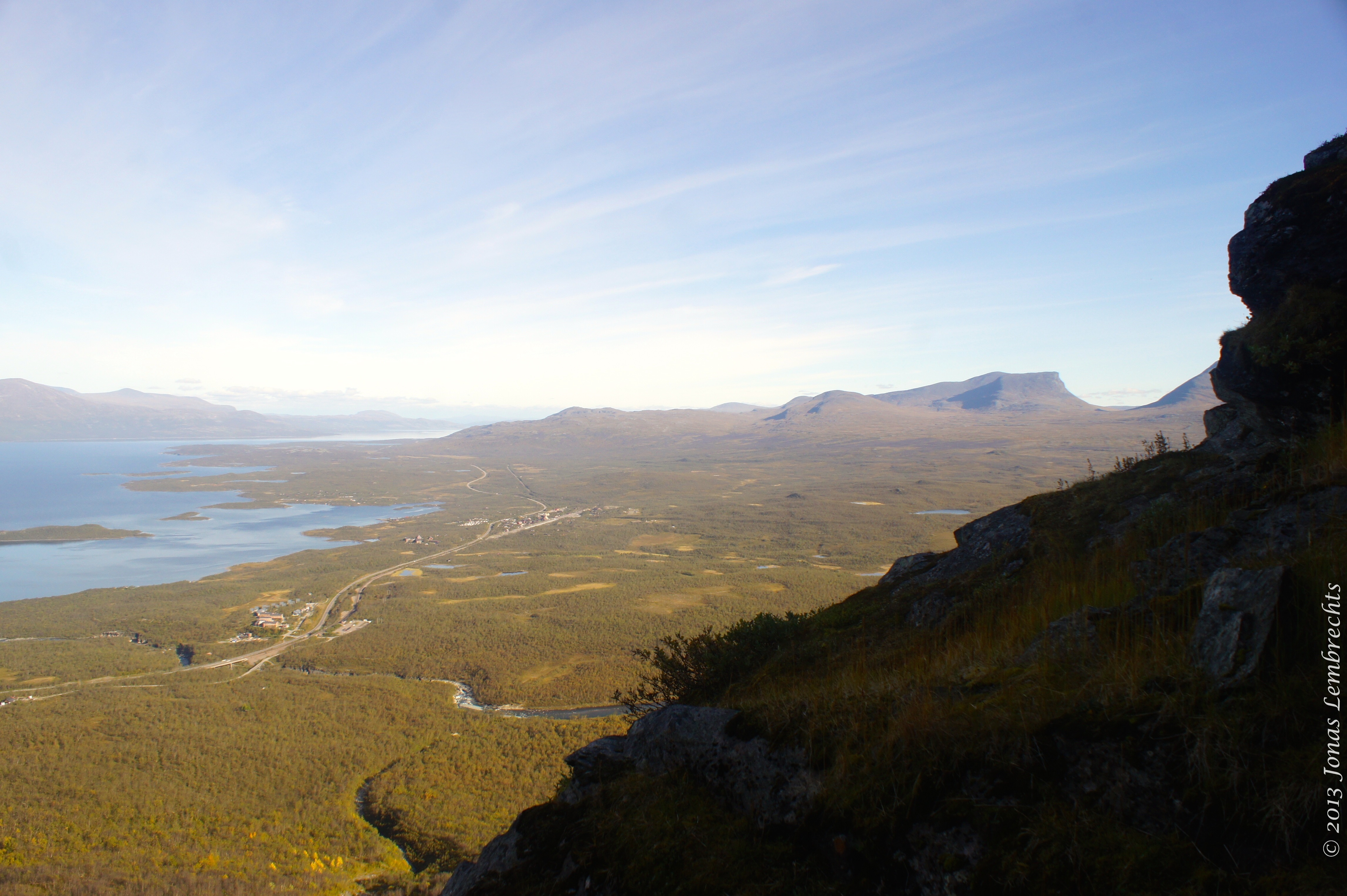
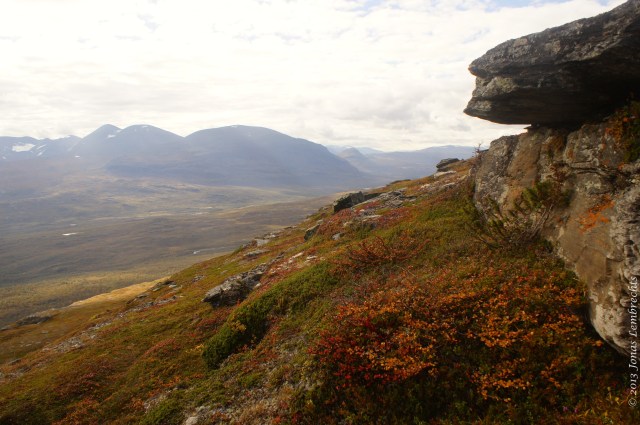
View on the valley of the Abiskojokka

Mountains are increasingly important islands of nature in our rapidly changing world. They contain some of the most diverse biodiversity hotspots in the world, have a high aesthetic value and their conservation even has a lot of economic importance. There are countless reasons to be happy that we still can rely on this pure and undisturbed nature.

Mountains

For now, alpine ecosystems are among the better conserved ecosystems in the world. However, we should not be too satisfied with that conclusion. While you are reading this, the countless mountain resources get increasingly exploited. How our beloved mountain ecosystem will react to these changes is hard to predict. Adding to the first steps towards predicting the future reaction of the mountains, that is exactly what our article in PLoS ONE was about (check here the scientific version: Lembrechts, Milbau and Nijs (2014)).
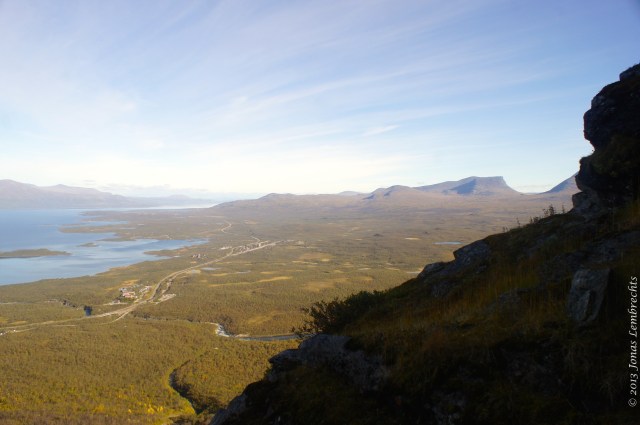
View on Abisko village

Our main research goal was to study the reaction of the alpine plant world to the building of roads. One lonely road to the top often marks the beginning of an intensive process of disturbance, as it creates access for both tourists and industry. It is well known that roadsides change the ecosystem completely and that they cut the core of the natural vegetation in tiny useless pieces.
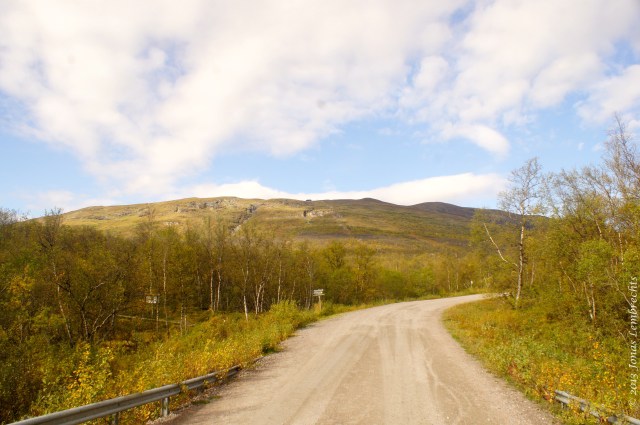
 Roads

Surprisingly, roadsides in the subarctic mountain system allow a HIGHER diversity of plants, as can be seen on this graph. This could sound a bit surprising at first, as we would on first thought expect indeed a negative influence of disturbance.

 Graph native richness

However, before we all start celebrating this positive outcome, we should have a closer look at the processes that explain this higher species richness. I already highlighted the completely different growing conditions in roadsides. Apparently, these conditions are ideal for a lot of species that normally do not get a chance in the natural system.

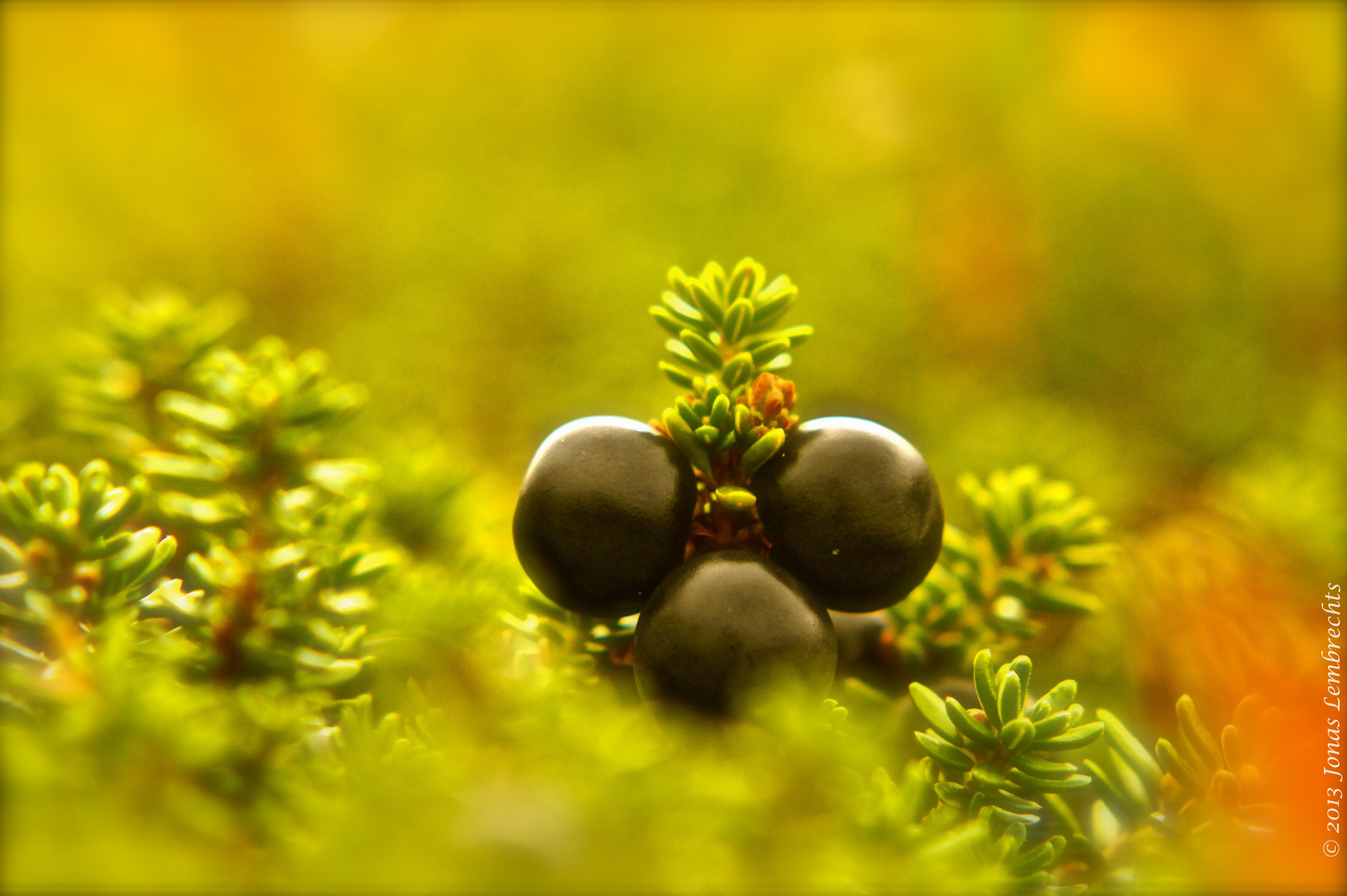
In our system, this sudden opportunity for so many species results from the clear negative effect of the roads on the most important plants in the Scandinavian mountains: mosses and crowberries. Together with a limited amount of other berry species, they form an  uninterrupted, dense understory. This effectively blocks all germination chances for virtually all other species. The crowberries use an even more vicious trick: they produce chemical compounds that actively limit germination chances of other species. Consequently, the normal, undisturbed ‘climax’ vegetation in the subarctic mountains hosts often not more than a meager ten species, the others are all efficiently outcompeted.
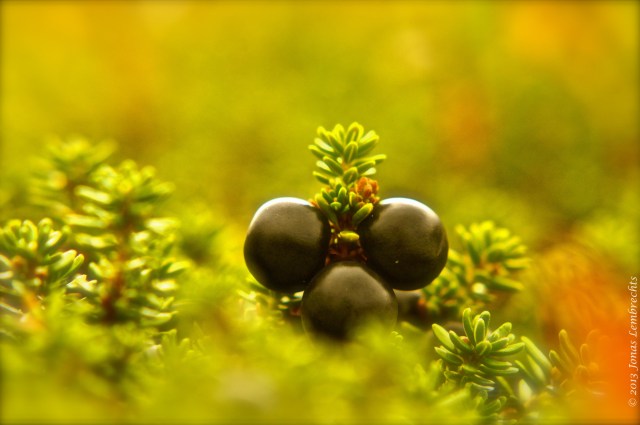
 Crowberry - Empetrum nigrum

When humans start building roads in these systems, the dense cover of mosses and berries is destroyed. The natural vegetation disappears and the remaining bare soil creates magnificent opportunities for new seedlings of so many species that would otherwise stand no chance at all.
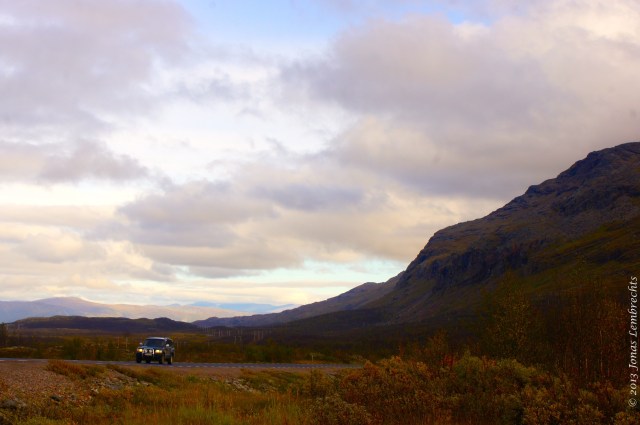
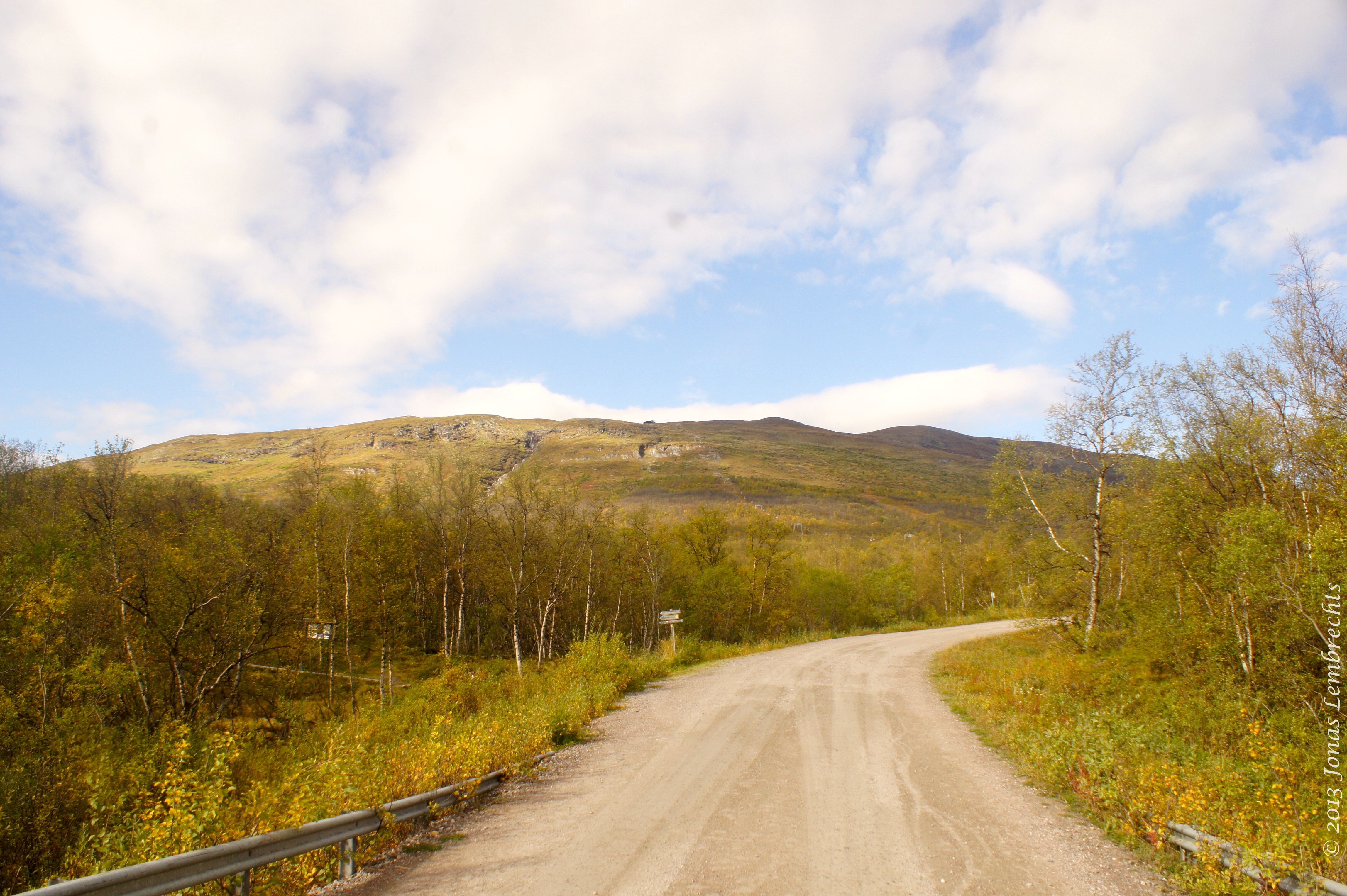
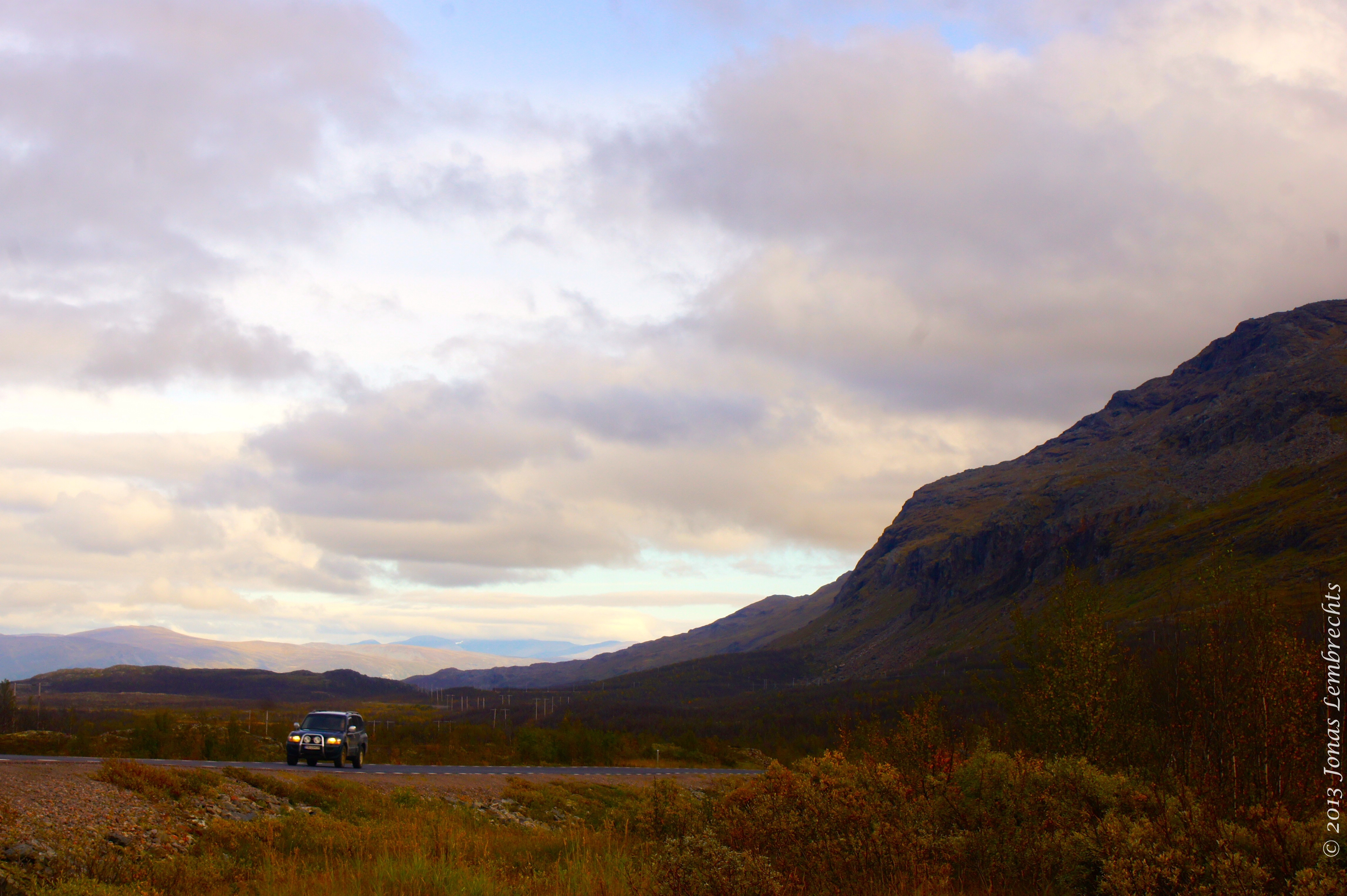
Road in the autumn

So, the loss of the insuperable bully leaves the playground free for all other plants to flourish. This gives a higher diversity, although it is completely different vegetation than we would expect to find.

But there will be more. It is not only the basic species richness that changes in the roadsides, but the disturbance causes a whole sequence of other effects. More about them in a following post.
Posted in Sweden, The research | Tagged , , , , , , , , , , , | 14 Comments

Press

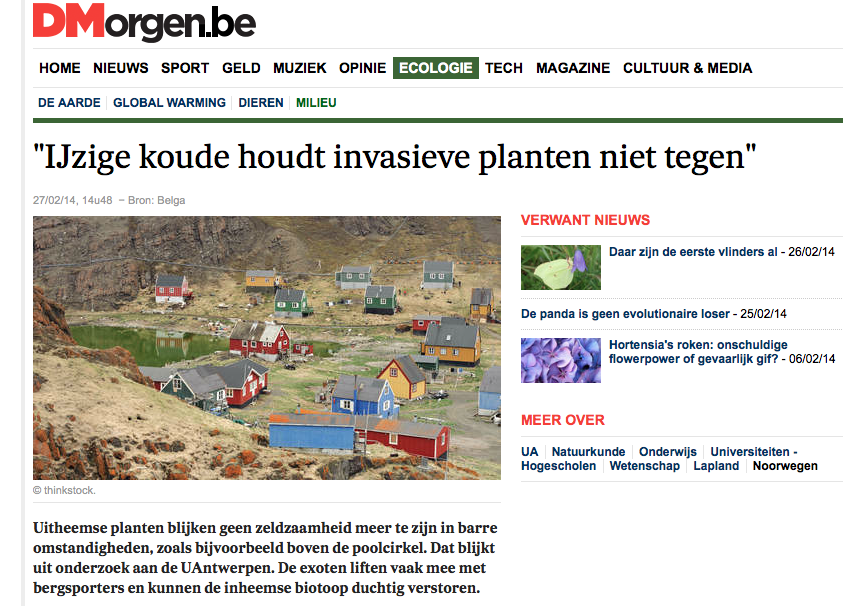
I got my first paper published (the one that kept me waiting so impatiently), and the story even got covered by the popular media! They were impressed by our warning that alien plant species are not stopped by the freezing cold in the subarctic mountains when they are transported there by unlearned travelers.

The research article itself can be downloaded from my ResearchGate or be read on the website of PLoS ONE.  The highlights got cited on several Belgian news sites (among others: DeMorgen, De Redactie). Unfortunately, media cover has only been in Dutch for now, but the English version of the press release can be found here. Definitely worth the read!

My story on DeMorgen.be

As the media show only the most exciting part of the results and the scientific version may be a bit boring to read, I will break down the main story to a more interesting read on my blog over the next days.

Posted in The research | Tagged , , , , , , , | 3 Comments

Humans in the lowlands

I like to compare mountains with islands. Islands of undisturbed nature in a wild and dangerous ocean of  human influence; the lowlands. Wave after wave of human influences crashes on the slopes of the island-mountain, trying to erode the natural richness to wipe it out forever.

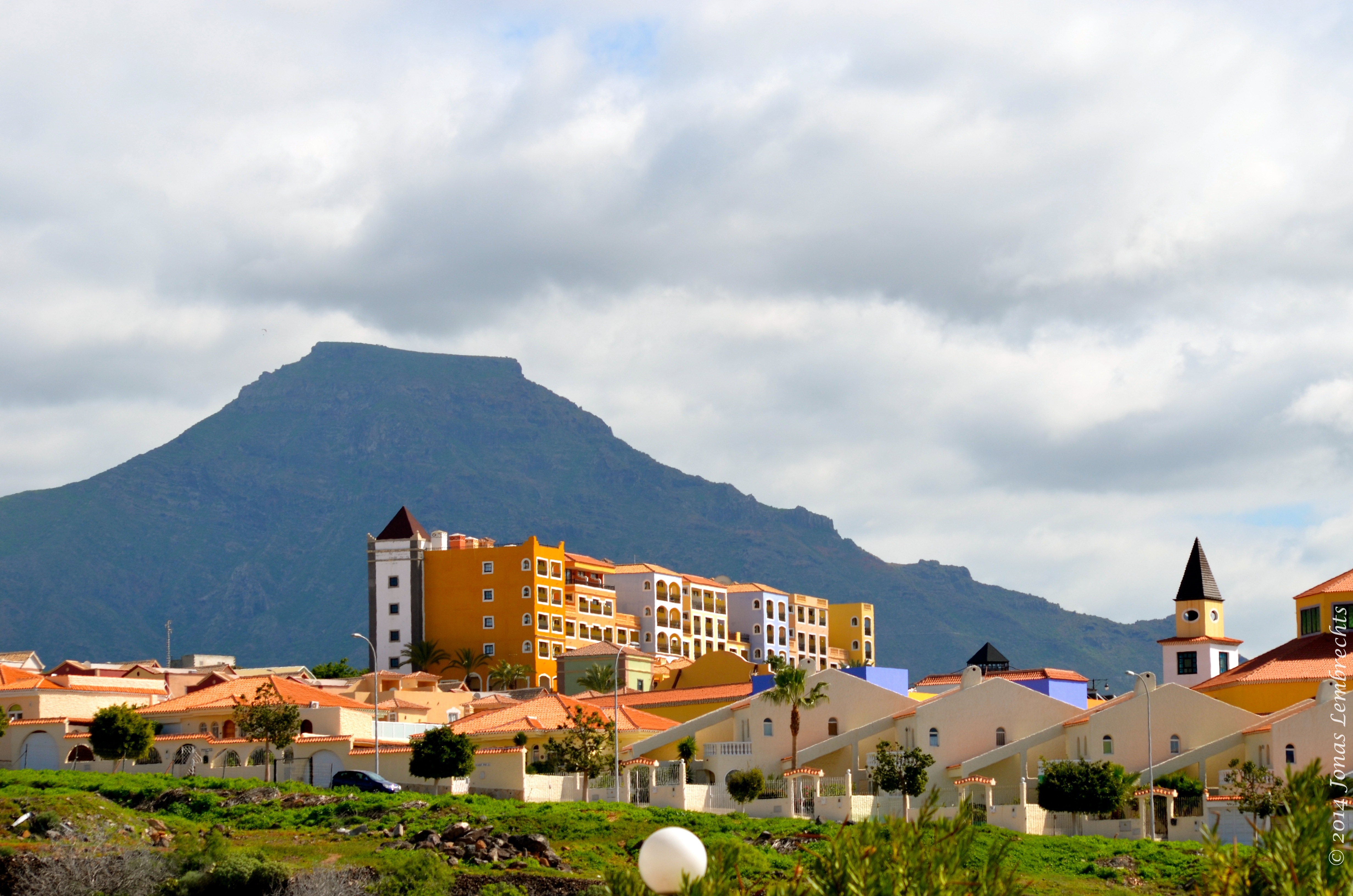
Tenerife - 494

How long the natural richness of the mountains will survive this storm, depends on two main factors: the power of the symbolic waves and the resistance of the mountains against the ‘erosion’. The size of the second one, the resistance, remains for now largely unresolved. The pattern of number one is clearer: the wave power is growing and increasing its pressure on the mountains.

DSC_0108

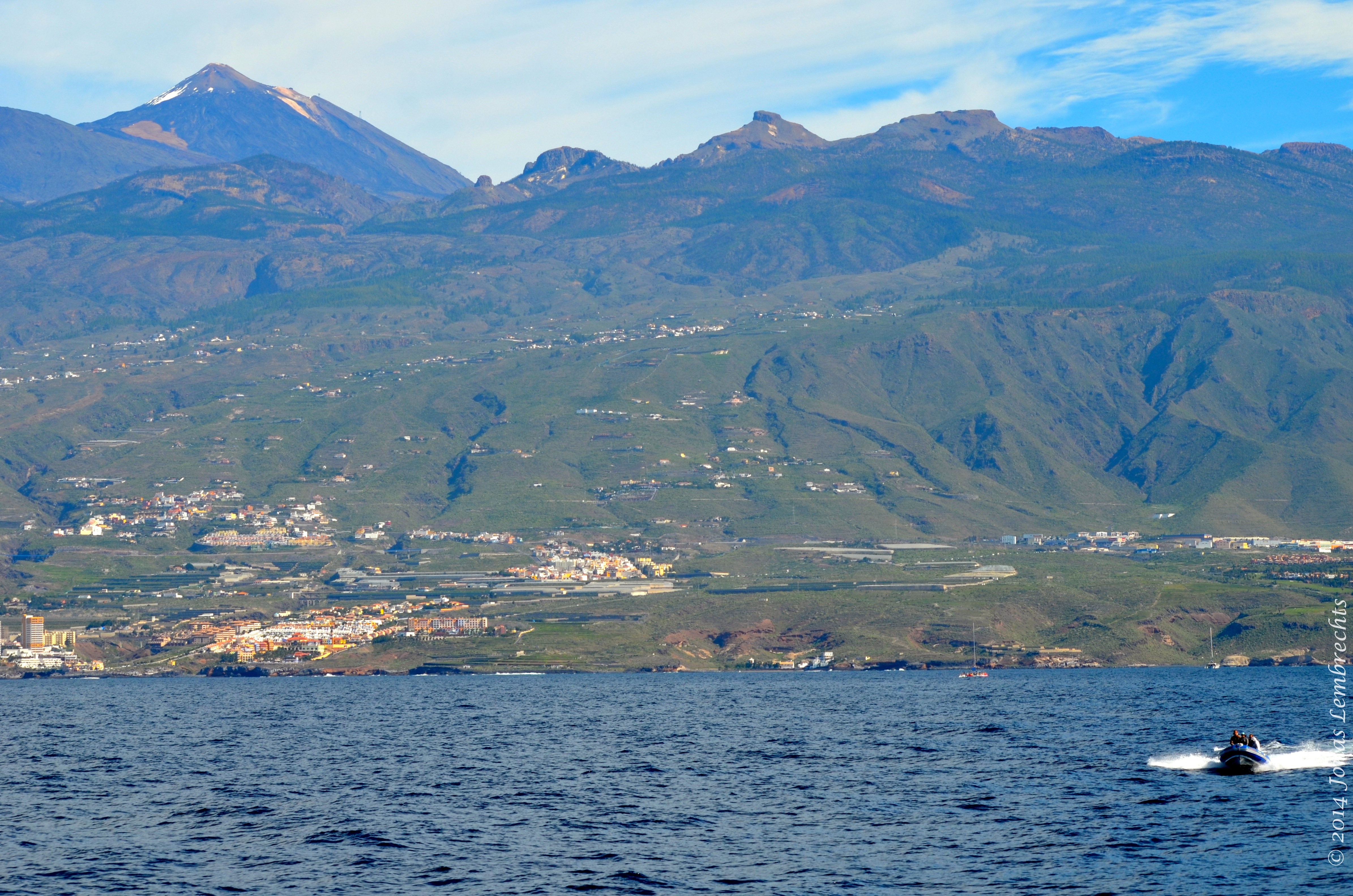
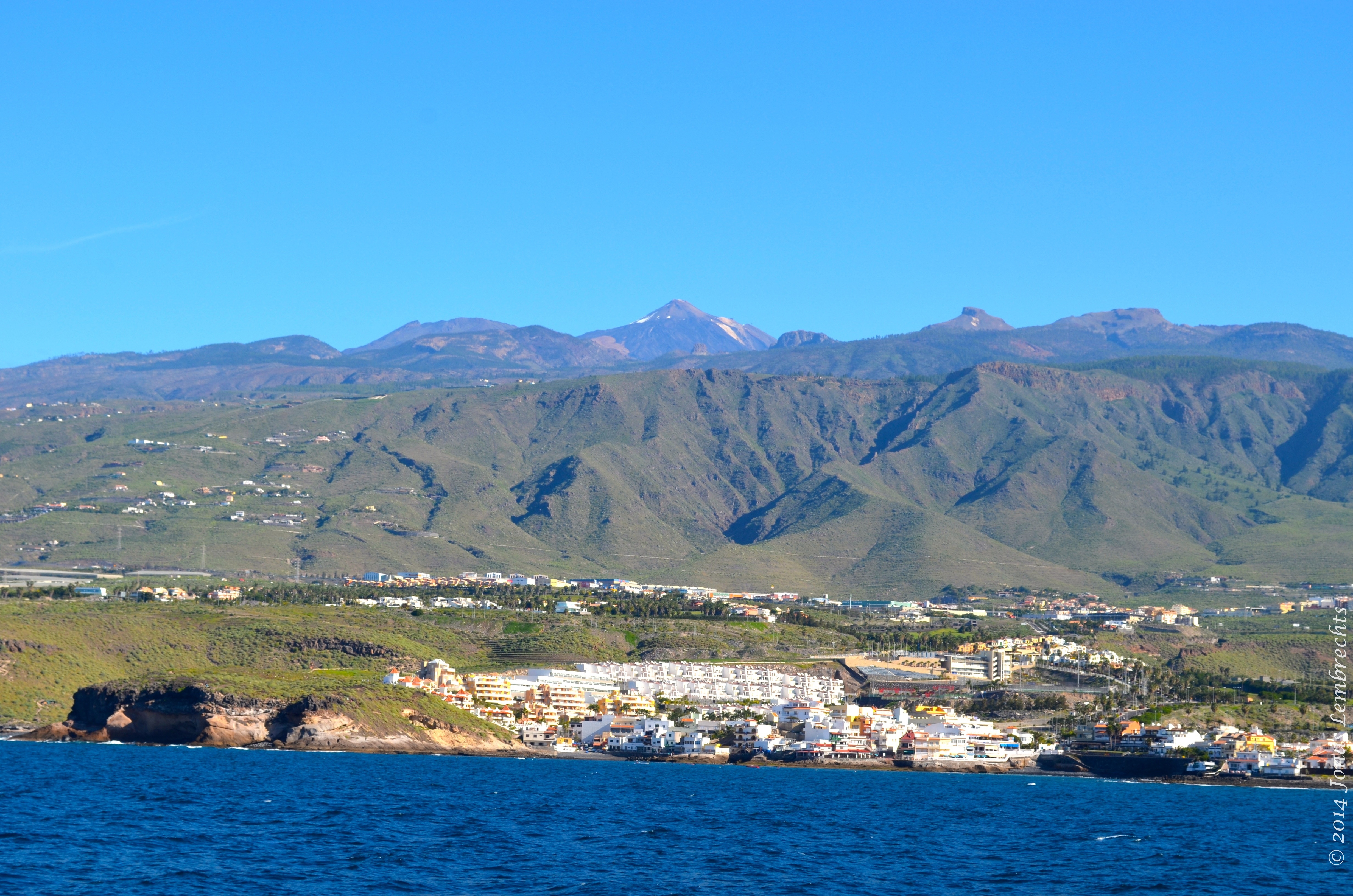
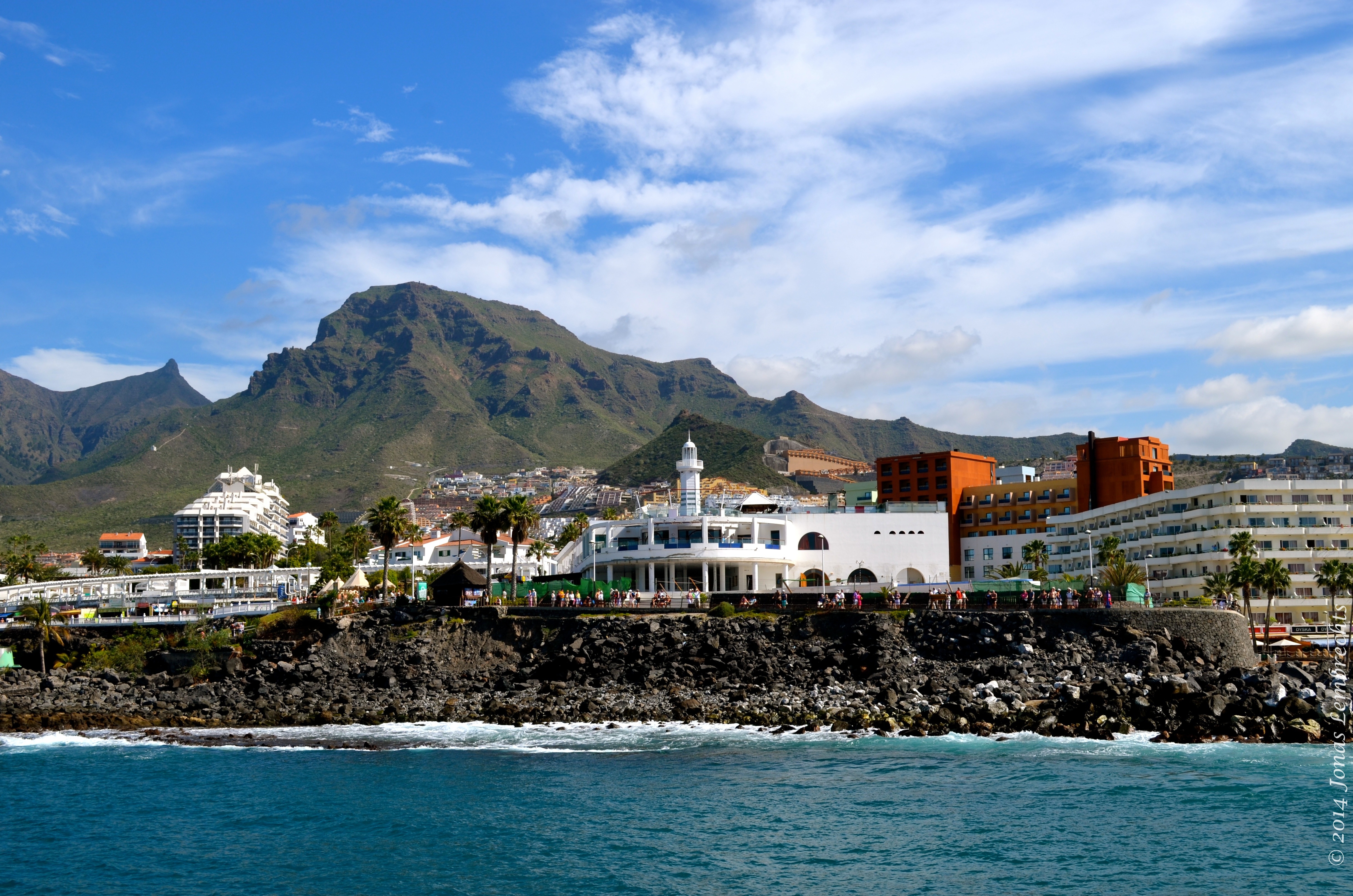
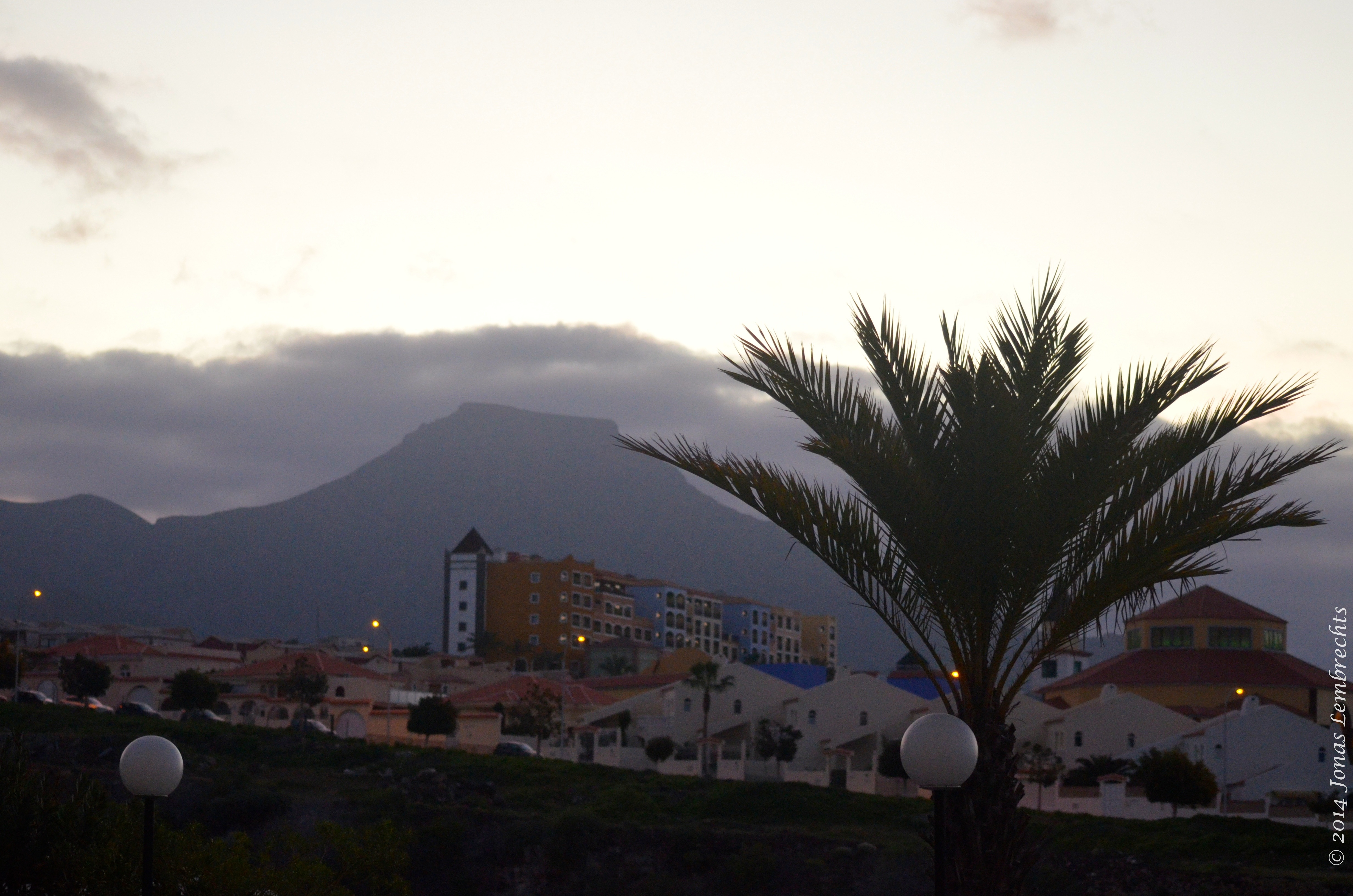
The island of Tenerife nicely shows how that difference between low- and highlands looks in all mountain regions. The mountain area itself is a beautiful, deserted and desolate moon landscape, while the lowlands are crowded with a growing amount of tourists. The hotels and apartments cover a whole coastline and claim a reasonable amount of space. The segregation is very distinct here, as can be seen from the ocean: a coastline with lines of hotels until all of a sudden the mountains stop the expansion.

Tenerife - 392

The presence of a large amount of people in the lowlands should however not necessarily be a problem for the mountain nature, it only becomes one when the extent of human disturbance crawls higher and higher in the mountains. But that is what is happening the last centuries, often unnoticed or even unwanted by the culprits.

Tenerife - 500

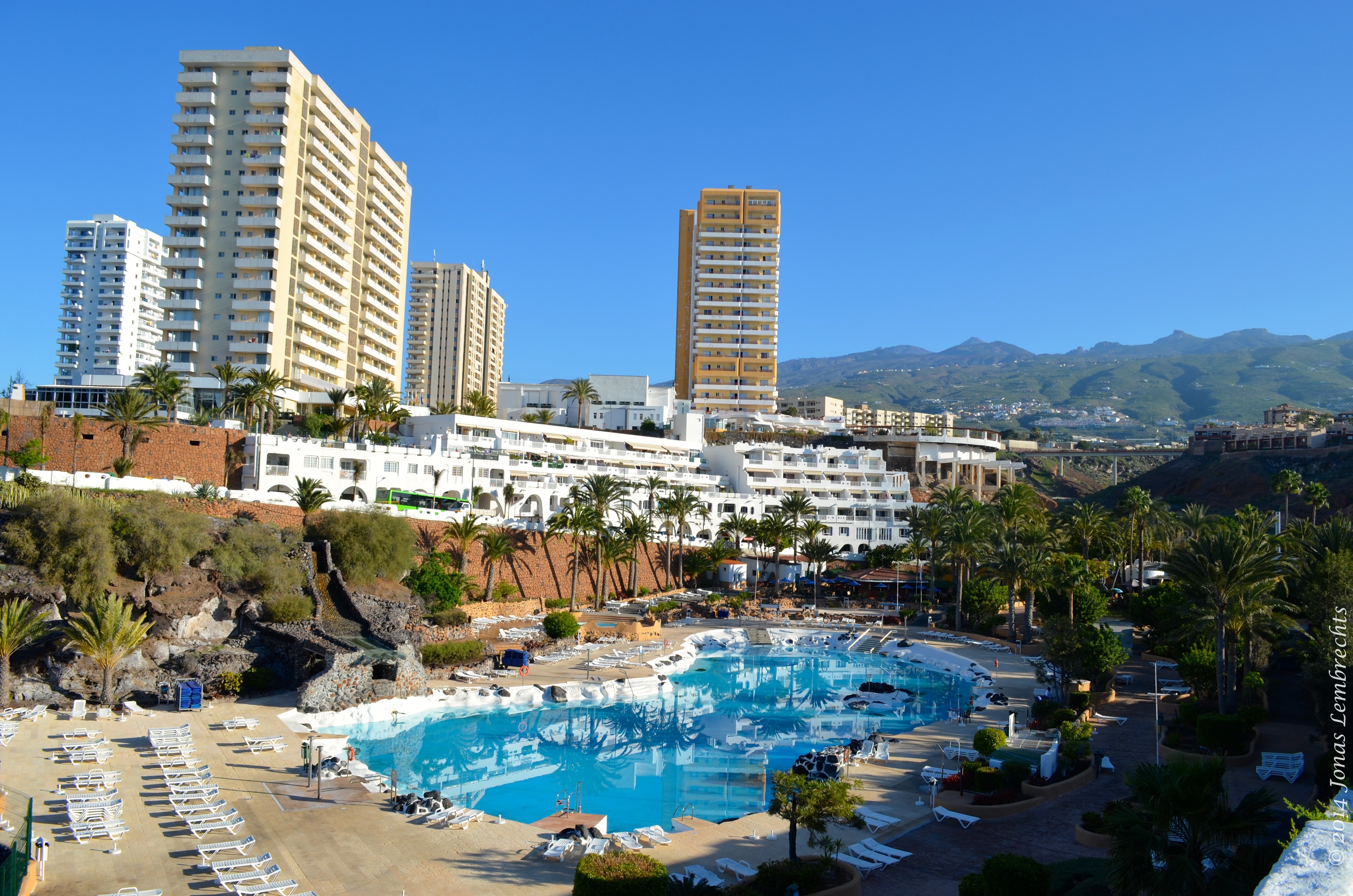
On Tenerife, the difference between highlands and lowlands is extraordinary large, because of the dominance of the tourists and the low percentage of industry and local communities. Most of the tourists never leave the hotel, leaving the mountains for what they are. It is however debatable if this complete ignorance is good or bad for the mountain nature.

Tourists

Tenerife - 763

Posted in Canary Islands, The research | Tagged , , , , , , , | 4 Comments