Originally posted on BioDiverse Perspectives.
Photography is classified as art, ecology is science. Two distinct worlds that only very rarely show some overlap. I am however convinced that a combination of both disciplines could be very fruitful. Being a photographing ecologist, or ecological photographer not only gives artistic satisfaction, but it can also be a serious addition to your science.
Although taking pictures on a busy fieldwork day might feel like a waste of precious time, it can be really valuable to assign some minutes in the field to photography and make sure you are familiar with at least the basic skills of the art.
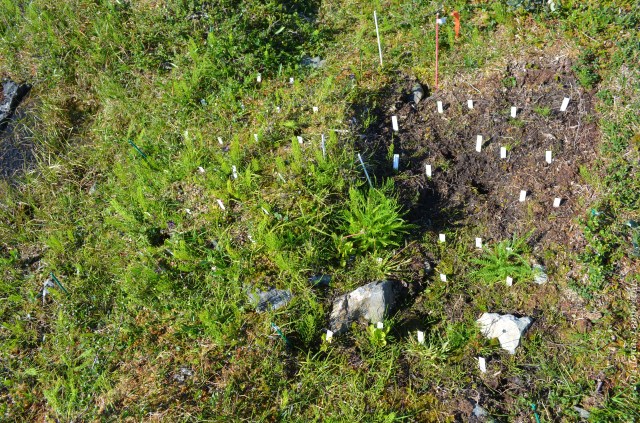
Inevitably, there will be a moment where you have to present your work: posters, powerpoint presentations, or just to a supervisor in the lab. The saying that one image is better than a 1000 words might be getting old, but it still holds true, a thing every scientist probably realizes when working on his slides.
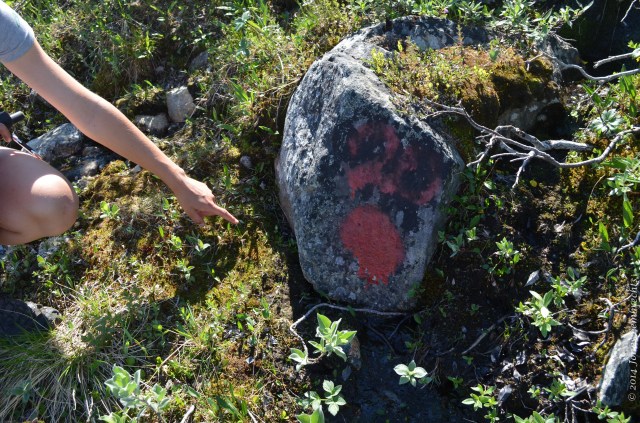
It might be common sense to spend at least five minutes of your working time in the field to photograph field sites, measuring methods and environmental characteristics, for your own reference or other peoples imagination. But it would even be better if you added another five minutes to the first five to zoom in on some details.
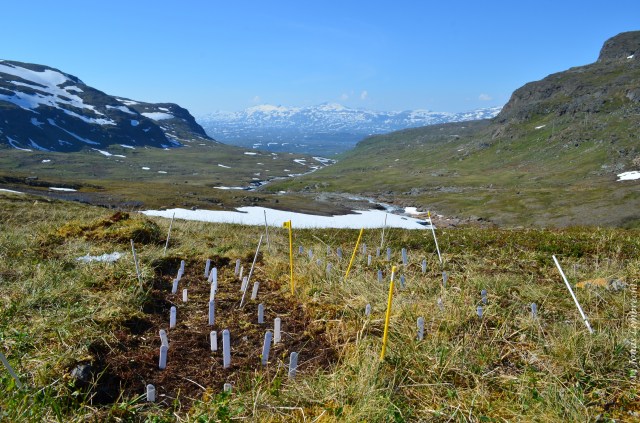
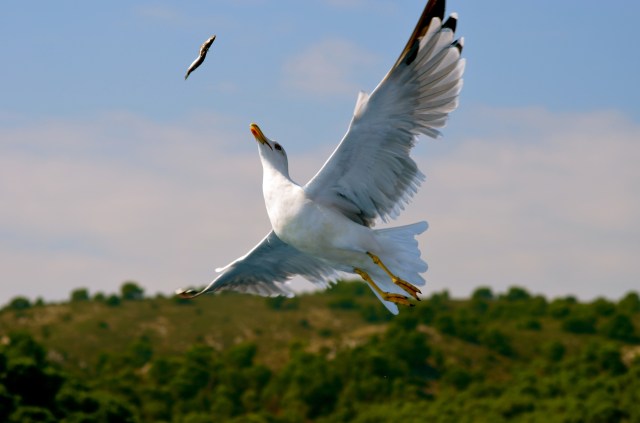
Change the viewpoint and try to catch your field site in its environment. The lower scientific value is replaced by an aesthetic one. Or get some of your study species into focus…

It is pretty obvious that a beautiful picture makes every story more attractive. If you want to convince the non-scientific world of the importance of your research, a catching picture will increase your impact factor a thousandfold (and I promise you, journalists are great at choosing the most irrelevant ones if you leave that task to them).
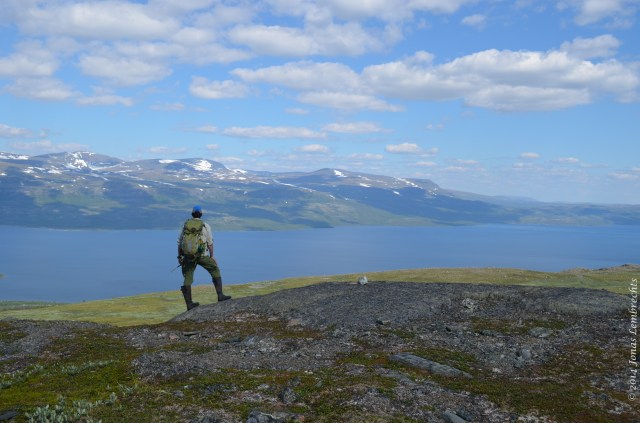
Even for the scientific public, however, a catchy picture will improve the results and the scope. No matter how interesting your story, nice illustrations will keep a larger audience awake during your presentation, and attract more people to your posters. Just give them those few seconds relief from the interesting but tiring statistical theories!
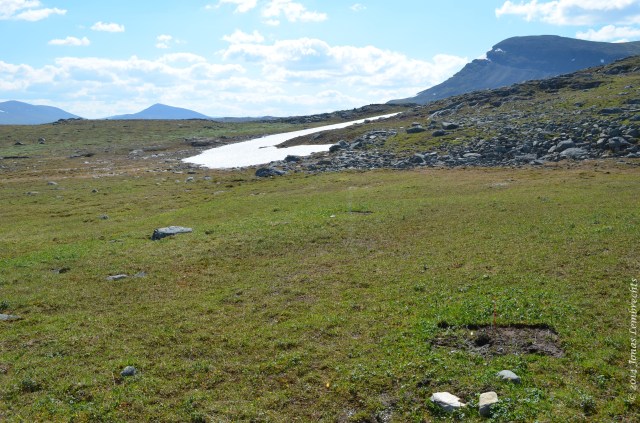
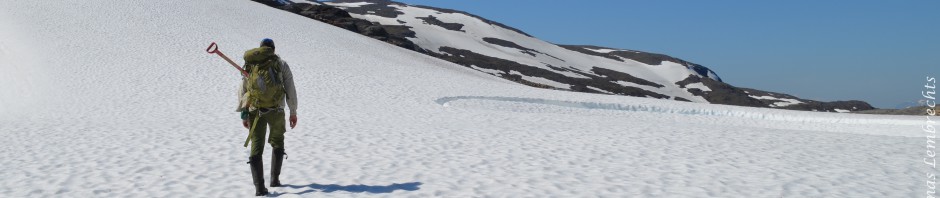
To finish, never forget the power of stories. Science is more than only the results and the 2 or 3 papers that come out of it. The process, arguably the largest part of the work, and the impressive, exotic, adventurous stories resulting from them can help enhancing the public’s understanding and appreciation of your research every day of the year. A photographic diary of your field trip might raise a lot more interest than all your scientific papers combined.

Biology is a foreign discipline to a large part of the population. They do not have a clue about how our scientific statements come into existence. They will be surprised about the complexity of the scientific process, and the variation, excitement and attractiveness of ecological fieldwork. Scientific information will follow on the way.

This should make the importance of the use of photography as a powerful tool in science obvious. Let us thus all pack a camera as indispensable fieldwork gear in the future and revive our artistic alter ego’s. In some future posts, I will cover a set of useful skills to make those few artistic minutes as efficient as possible, so with only 3 or 4 clicks, you can get the best results out of your camera.


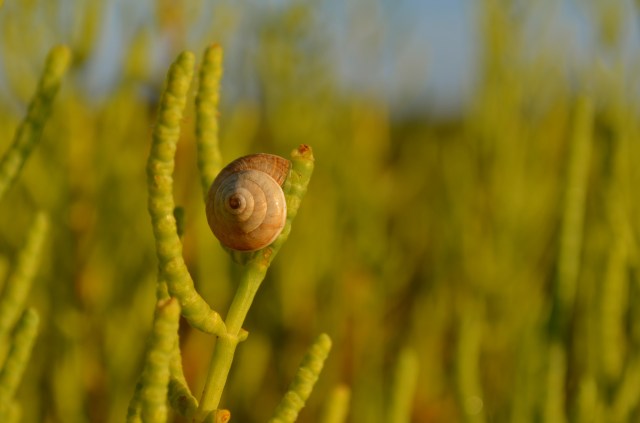
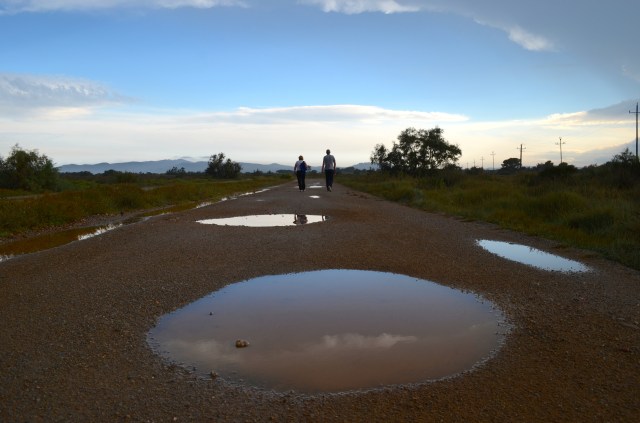 Hundreds of little frogs and toads everywhere, thousands of snails on the move, all shiny and new.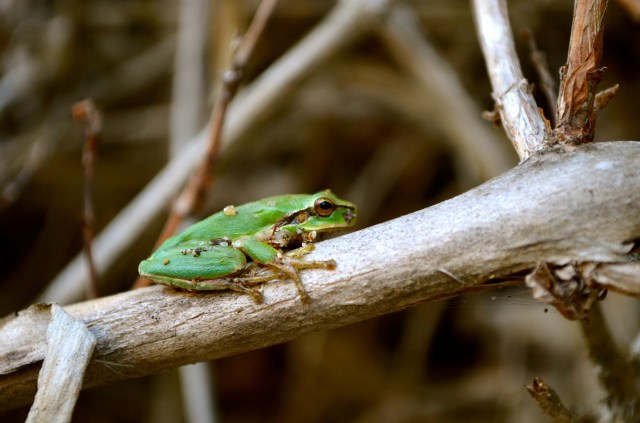



 The 3D lab