Argentina

I have seen Argentina only once, and that was from behind a fence at the Chilean border, close to Punta Arenas.

Cows in Patagonia

What I saw were flat Patagonian grasslands for miles and miles without end, with adorable brown cows eating their way through that vast endless world. Could you imagine anything more Argentinian?

Cows in Patagonia

I now have a small chance to check if that stereotypical glimpse was close to the truth, as I will go on a short trip to San Carlos de Bariloche, at the feet of the Patagonian Andes. Although it is still Patagonia, the city is much more to the north than were I gazed at my cows. Let us see this week if that means more than grass and cows!

Hay hayWe are having a workshop there about the provisional results of the research, so it is definitely going to be an exciting trip. I try to keep you updated!

Posted in Argentina | Tagged , , , , , , , , | 2 Comments

Disturbing thoughts

Disturbance is defined in the Oxford Dictionary as ‘the interruption of a settled and peaceful condition’.

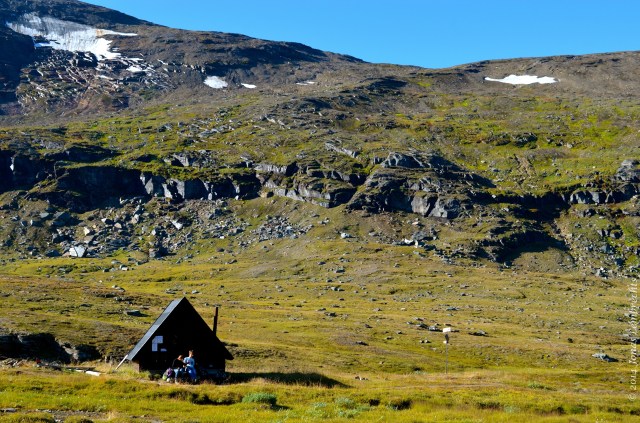
Hiking hut in mountains

Nature is everything but a ‘peaceful condition’. However, without disturbance it would be a settled one. In ecology, we use the term ‘climax vegetation’ for such a settled state: an ecosystem with climax vegetation has had enough time to develop to its final stage and find a dynamic equilibrium. Without disturbance, the system would stay the same (not exactly, as individuals will die and be replaced, but dynamically).

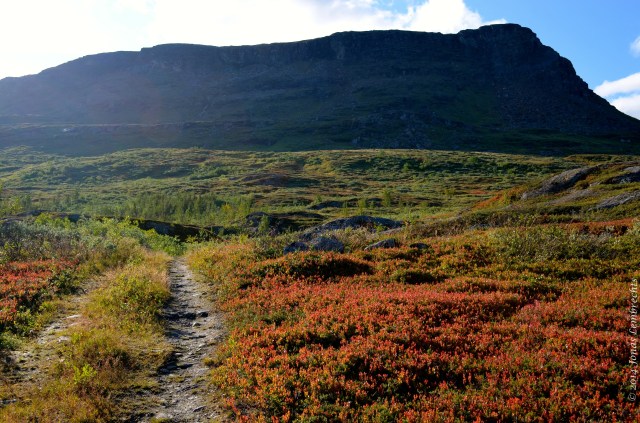
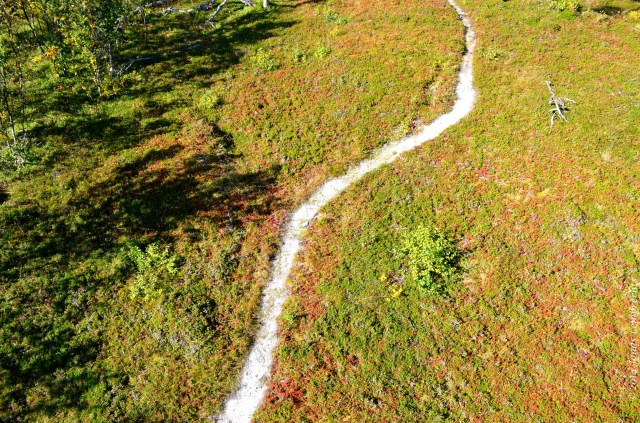
Hiking track through autumn tundra

Climax tundra disturbed by a hiking trail

Disturbance however, from natural or human origin, disrupts this equilibrium. It will  shuffle the ecosystem in such a way that the previous hierarchy disappears. It is the ecological version of a coup, a revolution. It creates instability, removes those in power and provides opportunities for a new order, all of a sudden.

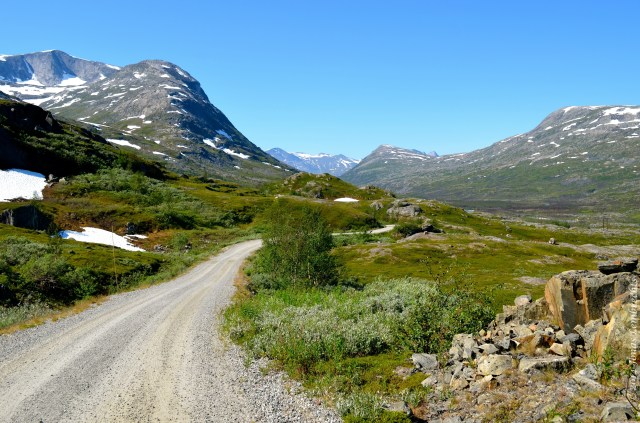
Alpine road

This sudden reshuffling of the cards in the struggle for survival is exactly what makes disturbance one of the most interesting ecological processes to study. As modern humans amply showed they are the kings of major disturbing events, those unstable conditions are rapidly taking over the world.

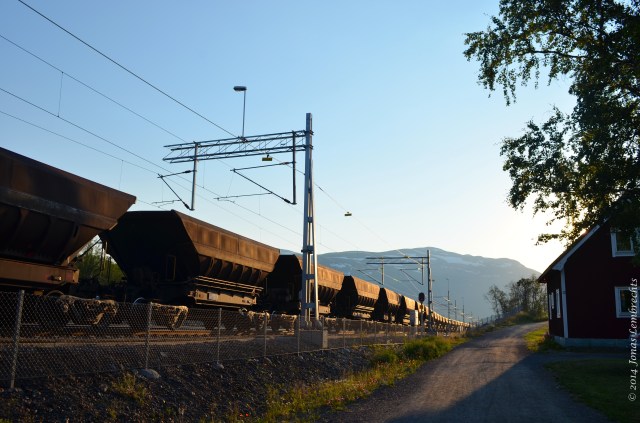
Mining train next to road, Abisko

In alpine and arctic tundra vegetation, large-scale antropogenic disturbances are relatively new. The slow-growing tundra plants are more than any other species ill-prepared to deal with its consequences (see also the results of this paper).

Alpine trail seen from the air

The local effects of disturbance on tundra are crystal-clear. There do however remain some important questions: how is the adjacent undisturbed tundra going to react on the disturbance? Can we expect a snowball effect, where the initial climax vegetation starts deteriorating and gets replaced by a new disturbance-adapted species set? Also: is there an alternative possible vegetation on the highest elevations, or is it tundra or nothing?

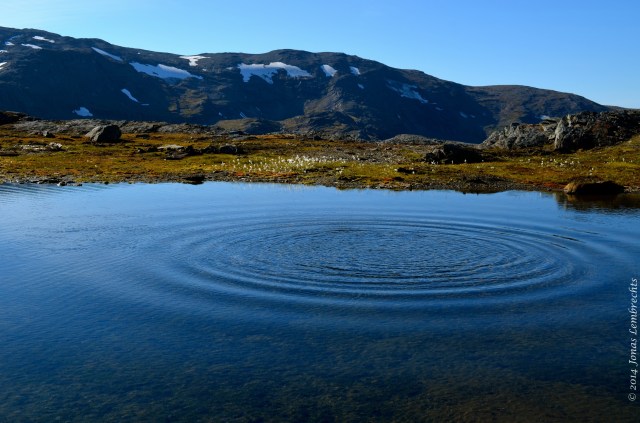
Disturbance in a silent pool

Will the effects of local disturbance spread like a wave through the tundra?

Disturbance research is a major part of my PhD. This chapter will hence be added to the ‘Science‘-menu on the top. I also hope to add some of my own theoretical insights to scientific literature within a reasonable timespan.

    Winter trail in the Swedish mountains

Posted in General | Tagged , , , , , , , , , , , , , , | 3 Comments

Low again

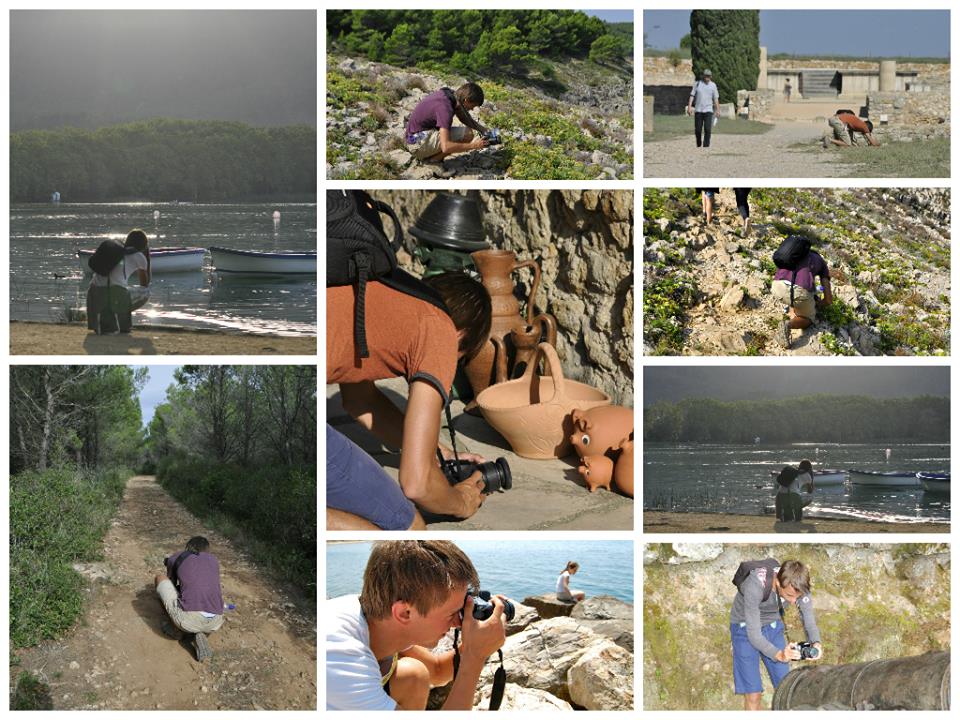
In a previous post, I pointed out the importance of getting low to get the best pictures. I did not realize however that I am indeed crawling through the dust all the time.

Getting low

Pictures © of Yora Stappers and Kami Stappers

It was only when my travel companions pointed out my pose on almost every picture I was on, that I realized how devoted I was to my own mantra to get ‘low’. The tilting screen of my beloved Nikon is a great help, there, although it slows down the autofocus and the shutter speed a bit.

As a little bonus: this cute piggie was the result of the action in the middle of the mosaic.

Terracotta pig

Posted in The research | Tagged , , , | Leave a comment

No longer lost

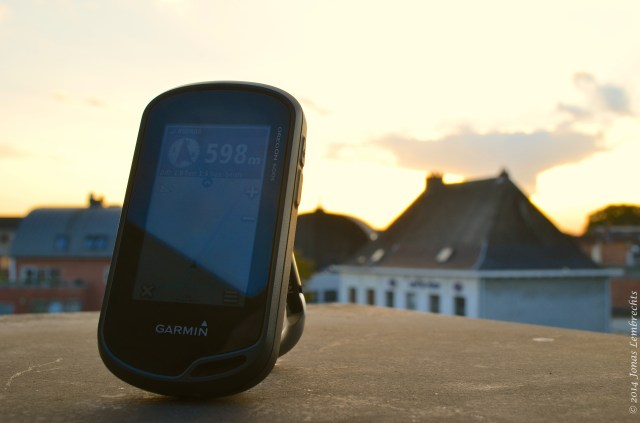
I could add an awesome piece of equipment to my fieldwork gear: a Garmin Oregon 600t, a high-tech walking gps that promised me that I would never get lost in the mountains.

Garmin Oregon 600t

Little friends like this one are a crucial item in the backpack of every mountain ecologist. They mean more than the only trustworthy way to find back plots or measurement equipment from previous years. They are also from extreme importance in providing exact elevation information as input for ecological models (to define elevational distributions for species, for example).

Garmin Oregon 600t

Although they will never fully replace the traditional topographic maps on paper (you do not want to be stuck on an unknown mountain with failing gps batteries!), I would never have a field trip without one.

Approved by the sun

With this little piece of technology, I professionalized my research once again a bit more. Ready for the next field season!

River in the mountains

As a final note: struggling on which GPS to buy? I am happy to provide a review for my Garmin Oregon!

Posted in General | Tagged , , , , , , , , , , | Leave a comment

Summer extended

Spanje Jonas - 1298

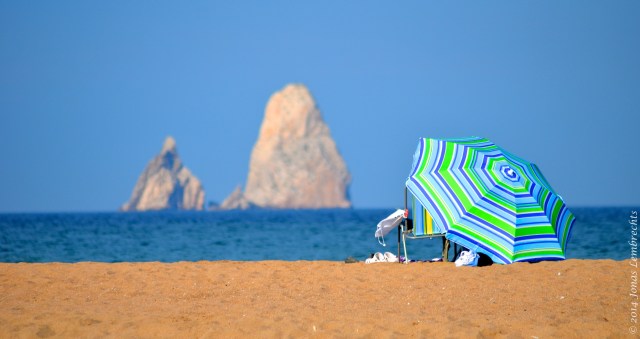
For those suffering from nostalgic feelings for the summer, click here for a happy and sunny photo gallery from my latest trip to Spain. Enjoy!

 Spanje Jonas - 1817

Spanje Jonas - 0558

Posted in General | Tagged , , , , , , , , , , , , , , | 2 Comments

Low

Originally posted on BioDiverse Perspectives.

In a previous post, I wrote about the power of photography for ecologists. Now, it is time to provide some real tips for photographing ecologists. How to take home some pictures that will impress others, without – importantly – losing any working time?

Cotton grass on lake shore in mountains

Most ecologists will take a camera into the field anyway. It is used to take pictures of their research site or subject, or record some important details for later. As you already have your camera in your hand, it will not cost you too much effort to take just one more picture.
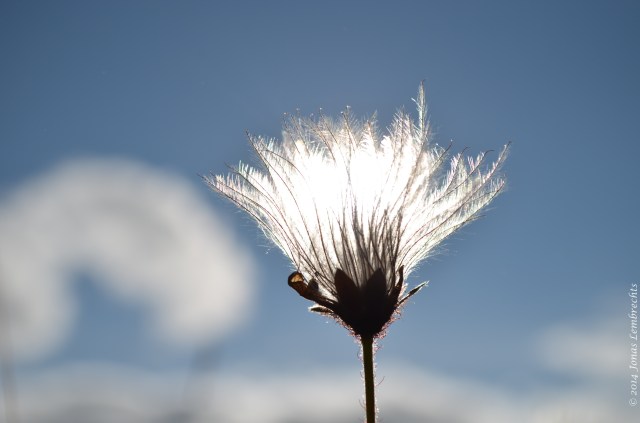
Seeds against the sun

In that case, it might be a smart idea to get a little bit lower, up to the level of your study object, to check the world from its point of view.

Mountain mushroom

The combination of integrating your study object in the landscape and letting it stand out of the background results in more interesting images. It makes it possible for an observer to feel a connection with the subject and it makes the picture tell a much more interesting story.

Hiking in the Swedish mountains

Even if your study object is a dull bird or a boring plant, getting on its level will bring out the best in it and give it a soul.

House sparrow

If possible, try to include the horizon in the picture. It will ask a lot more of your knees, but the rewards are big. As the (obviously real) Lappish proverb goes: ‘A beautiful horizon can even make a dead lemming look poetic’.

Dead lemming in the mountains

I invested a lot of effort in getting a nice overview of my study species, the nonnative plants in my plots. An awfully difficult subject for an artist, I have to admit, but by quickly spending two minutes as a photographer before you dive into the science, was highly rewarding even in this case.

Experimental plot

Take home message: low! Take your pictures from a low angle and give their stories a boost!
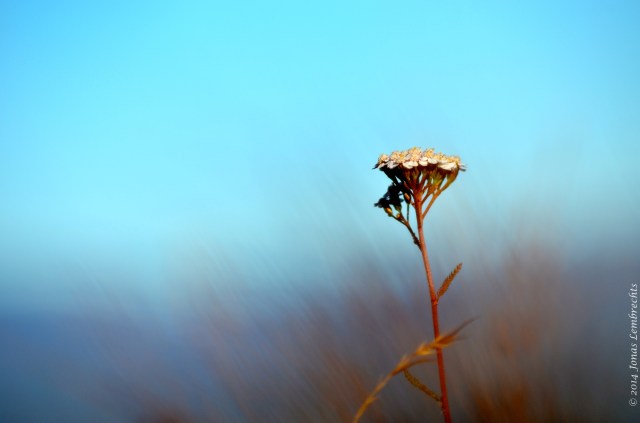
 Achillea flowers

Posted in General | Tagged , , , , , , , , , , , | 5 Comments