There are some striking differences between Europe and South-America. An important one that caught my ecological eye is created by the high levels of exotic invasions. Compared to the invasion in the places I visited in South-America, plant invasion in Europe is only in its starting phase (see also here).
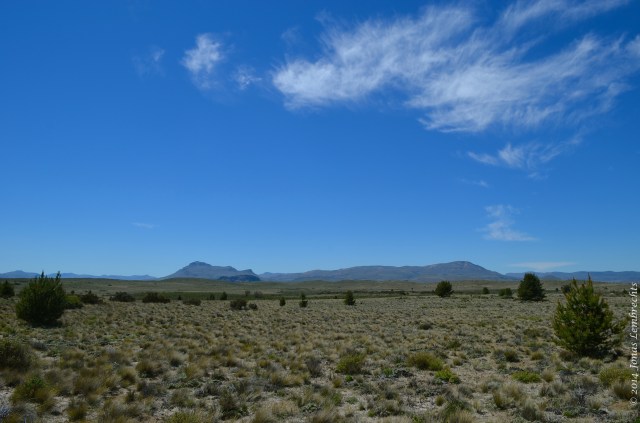
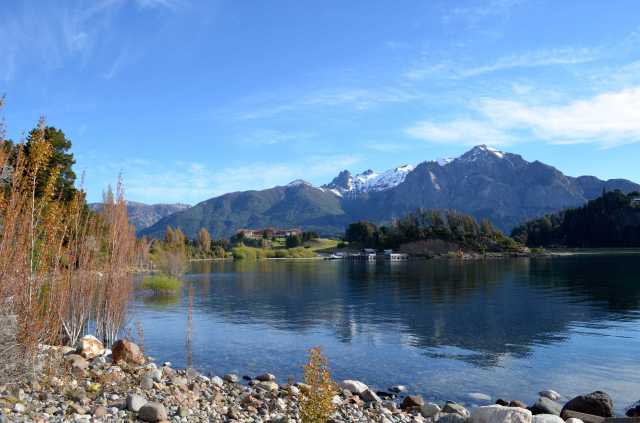
Everywhere I came in Patagonia, exotic species were booming. Cities are almost completely filled with exotics and whole areas start feeling like a European or North-American ecosystem.

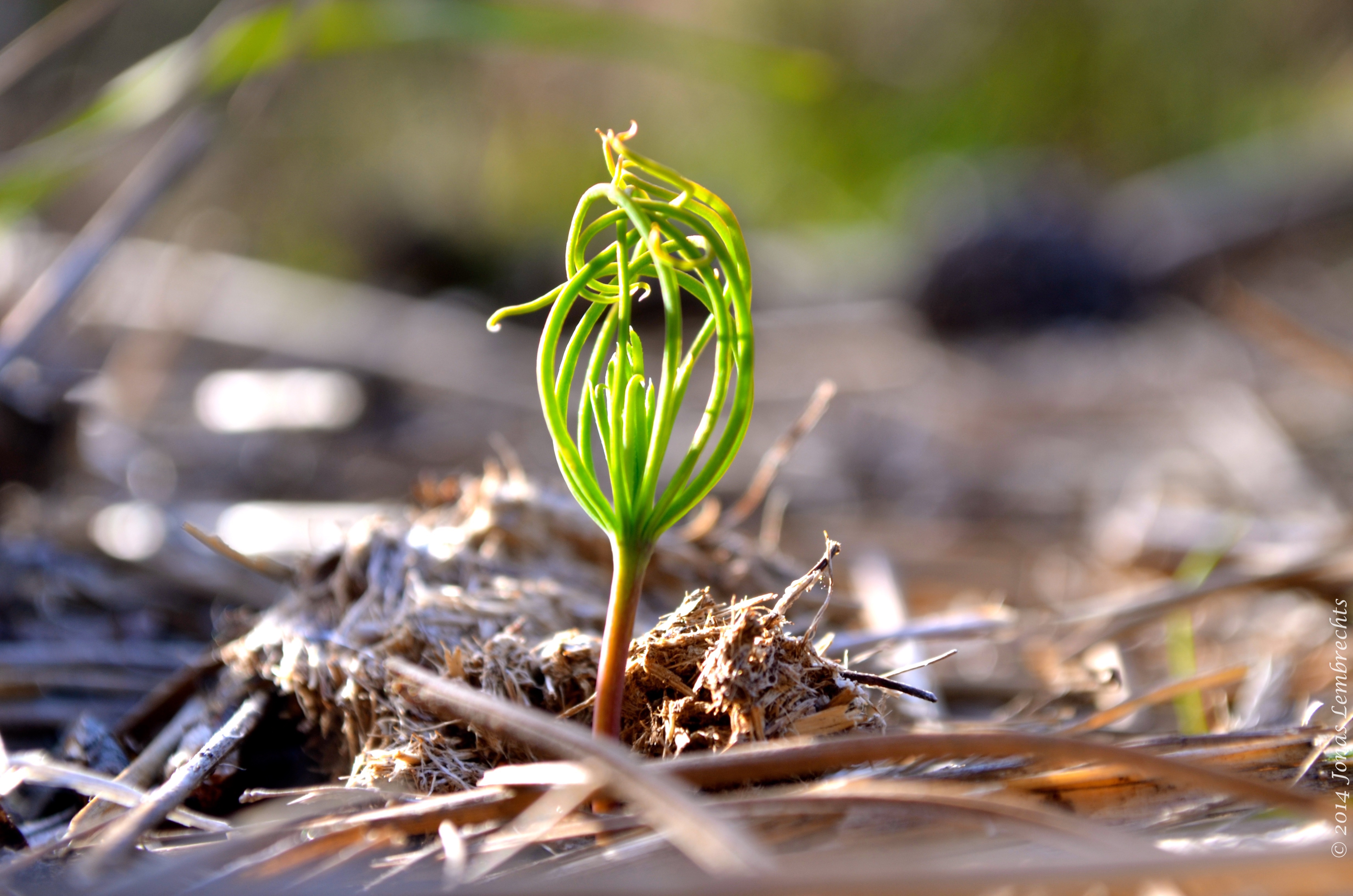
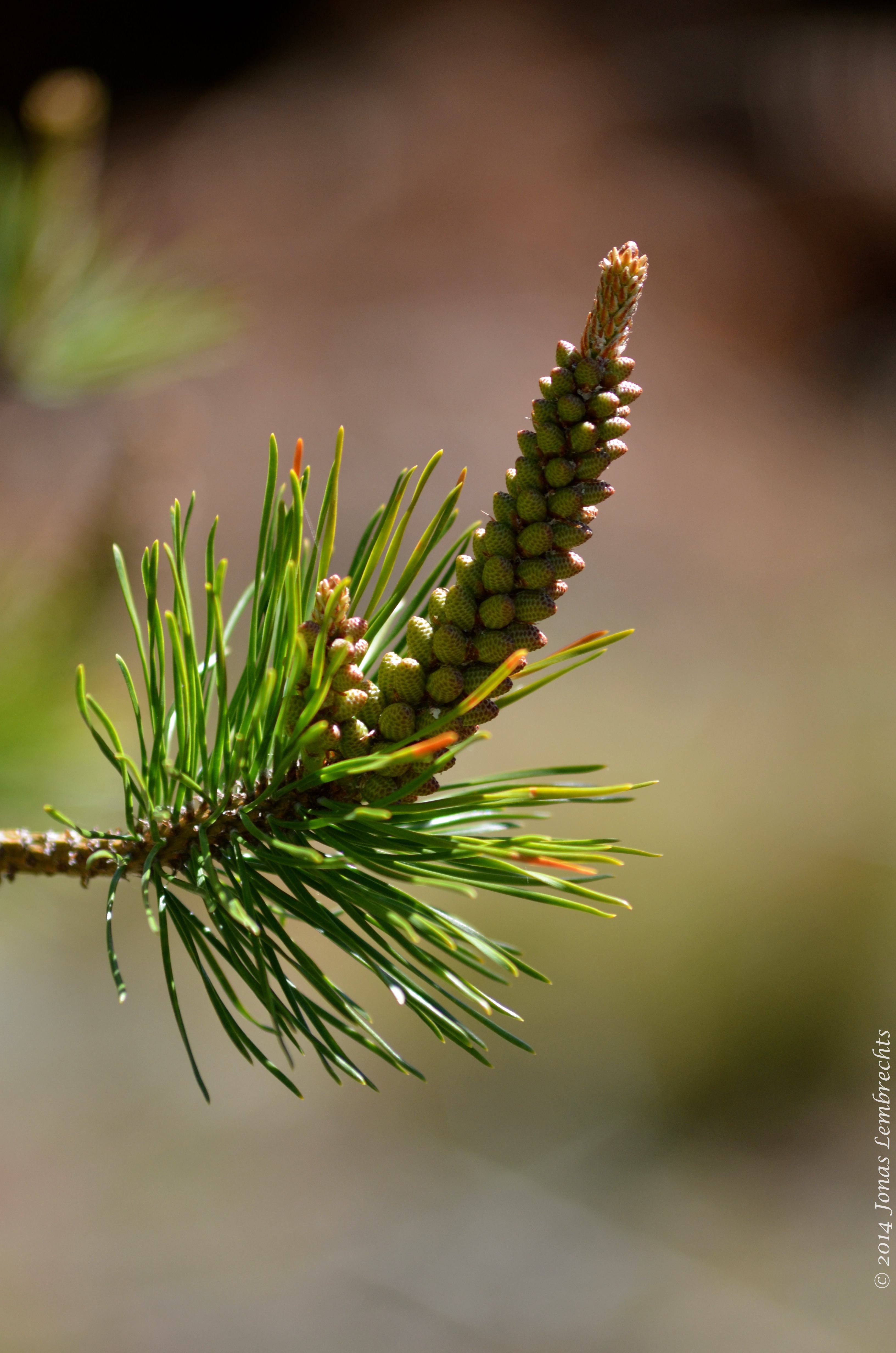
One of the most obvious problems is created by North-American pine species, in large amounts introduced for their economical value.
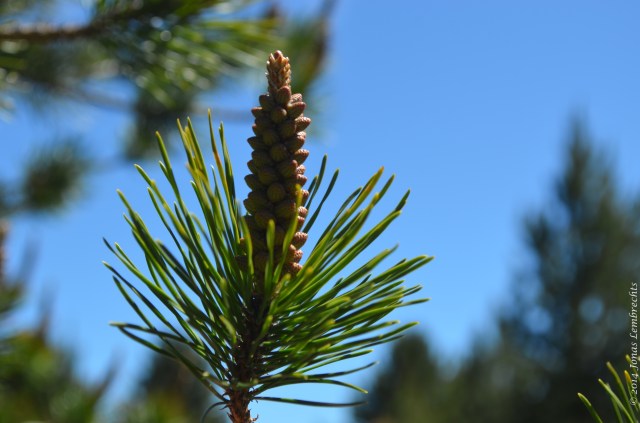
With their love for the growing conditions in the open Patagonian steppes, they turned out to be impossible to constrain within their well-defined plantation. They can be found spreading over large distances, steadily changing the steppe into a closed monoculture.

Their capacities to rapidly dig for water in this dry ecosystems probably lies at least partly at the root of this impressive competitive behaviour.

If you wait too long, management of the invaded sites becomes almost unfeasable. Even if the trees can be eradicated, the question remains if the old steppe will find possibilities to regrow.

The main problem is the ever-present seed source, the nearby plantation. As it has its economical value, it can not be removed. As long as the source remains, the fight with the emerging pines might be impossible to win.
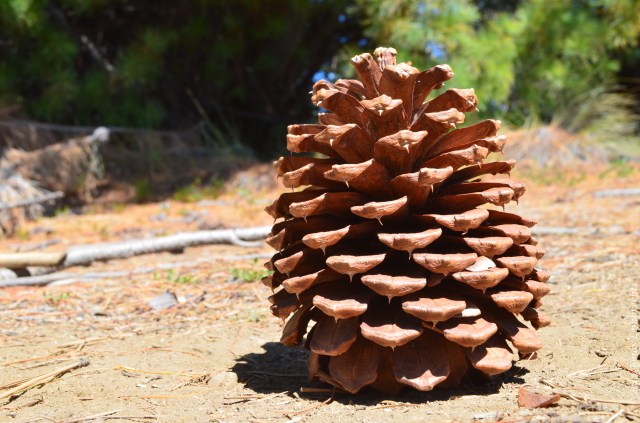
Those eagerly invading pines and the forested system that result from them will have a huge effect on the other exotic invaders underneath them. If that effect is positive or negative, that is a story I hope to tell in a near future.

Specialist on the matter and guide on our highly interesting excursion in the field, is Argentinian scientist Martin Nuñez.














 The 3D lab
