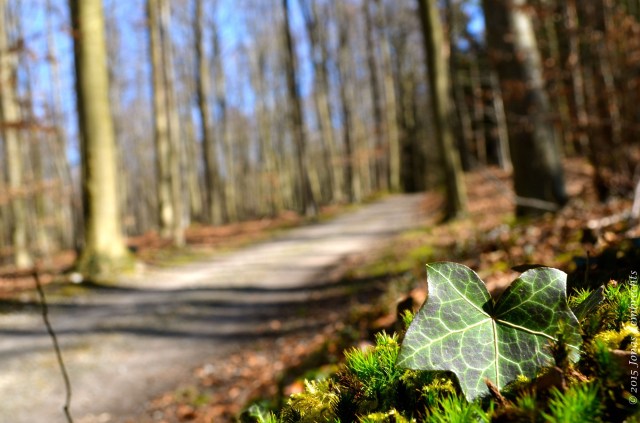
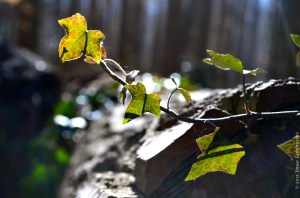
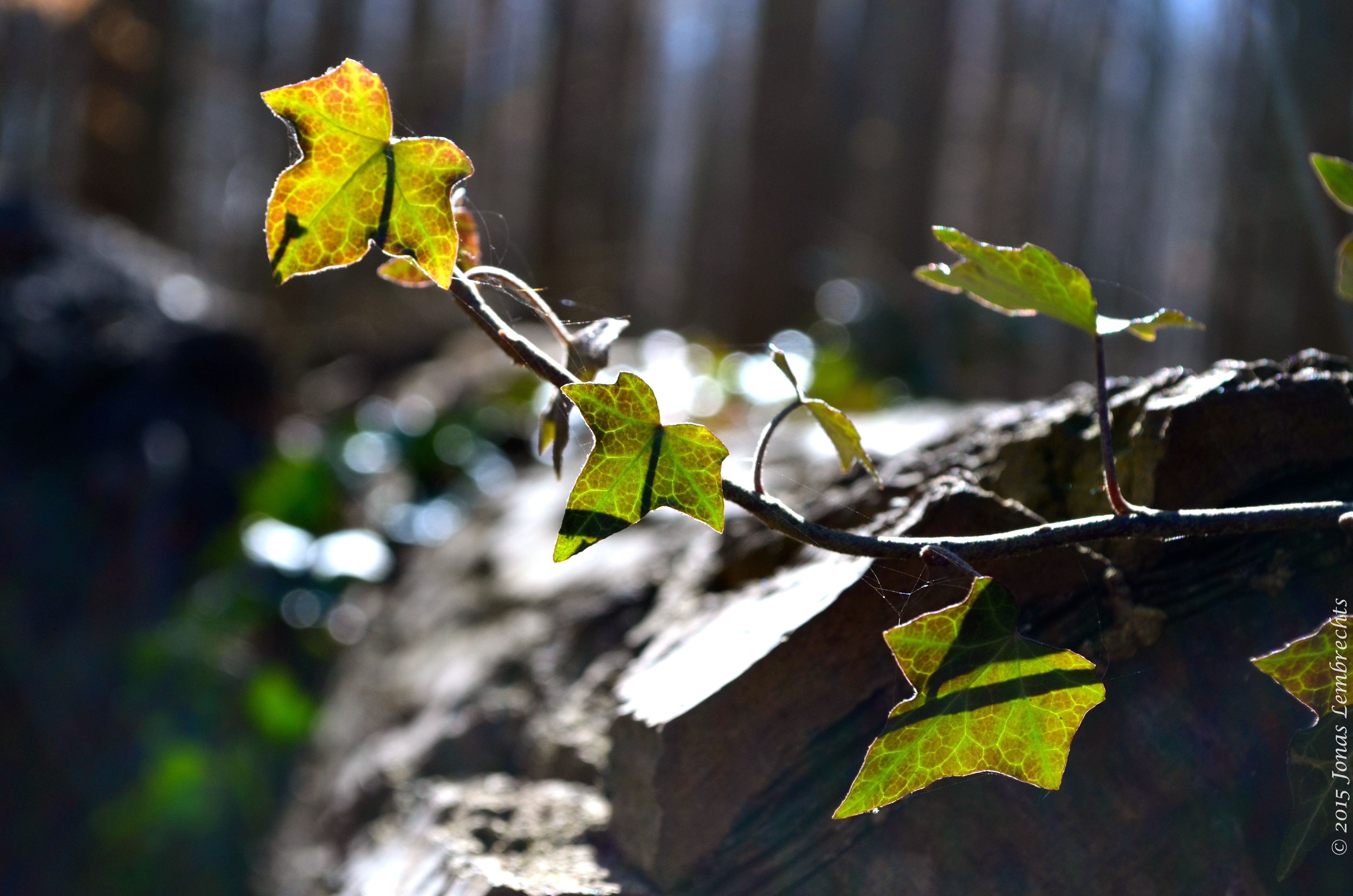
Common ivy on forest floor
I am preparing half a day course on forest types for the 3d years at our university. The course will be completed with an excursion to the Hallerbos, one of the most beautiful and world-famous forests in Belgium.
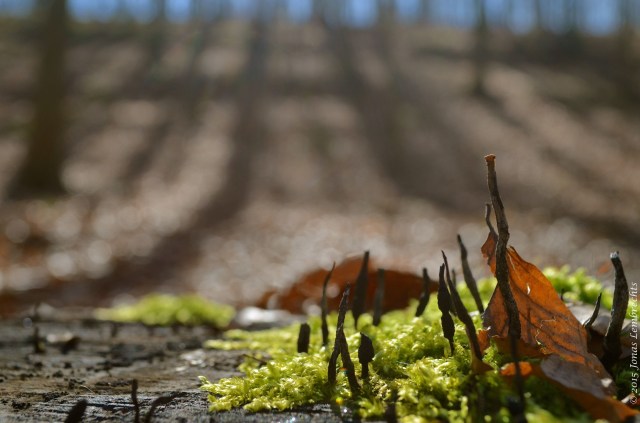
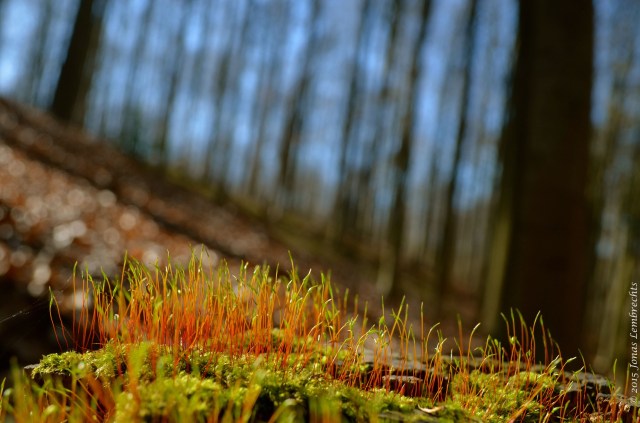
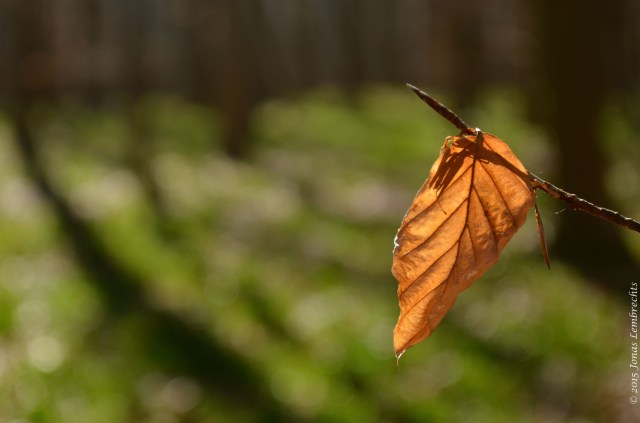
Understory in dry beech forest is often limited to mosses.
The forest is known for its rich spring vegetation, with endless maths of bluebells, painting the forest a breath-taking purple.
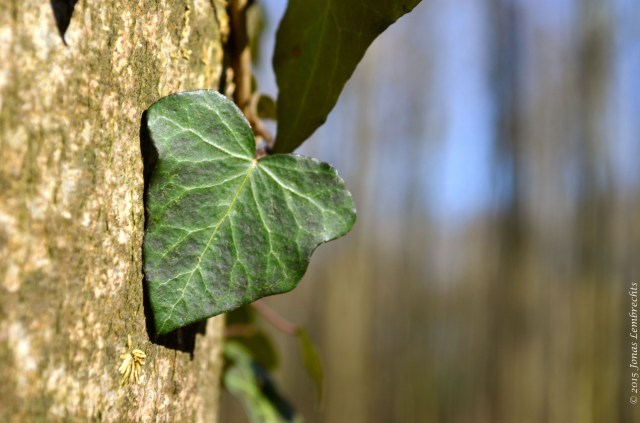
Common ivy
I had to go there last week to investigate the different forest types with my own eyes, in order to be able to teach the students everything they need to learn. Spring is only starting, but I was given a beautiful day with 15 °C and plenty of sun to roam around through the beautiful beech forest.
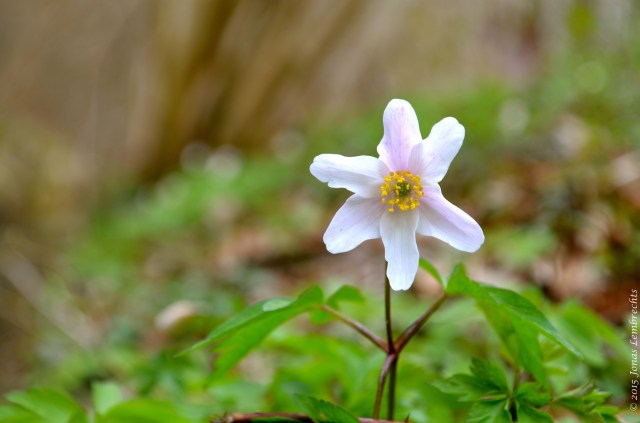
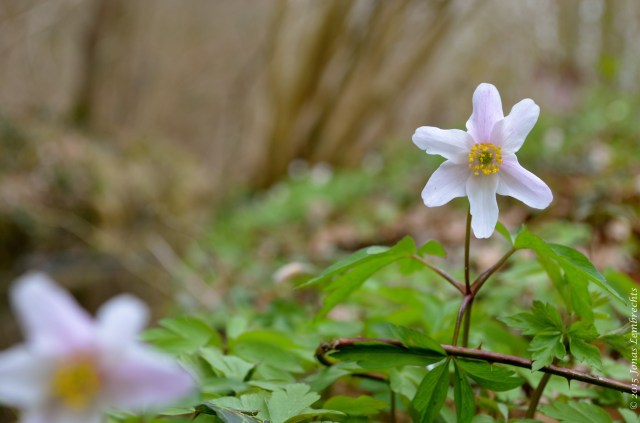
The bluebells are on their way, but I was there too early to see them flower. I was lucky enough to see the first 3 wood anemones, next to the endless fields of green leaves marking the spots where the bluebells will show of their beauty next month.
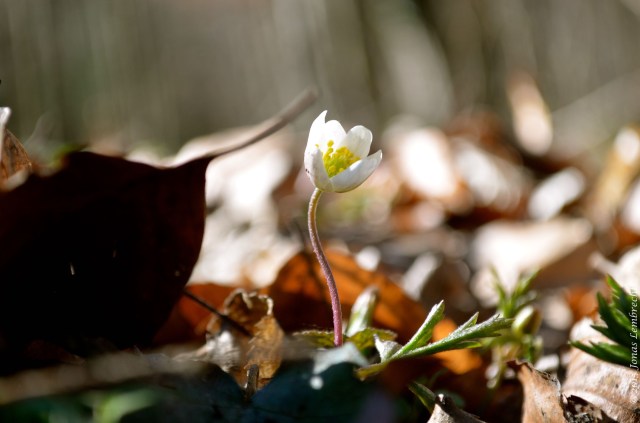
The first wood anemone of spring.
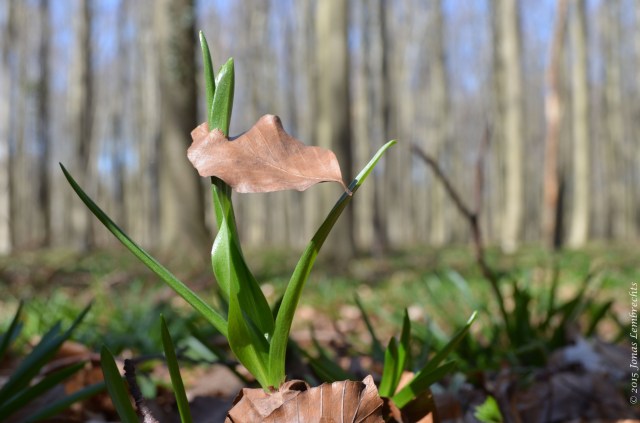
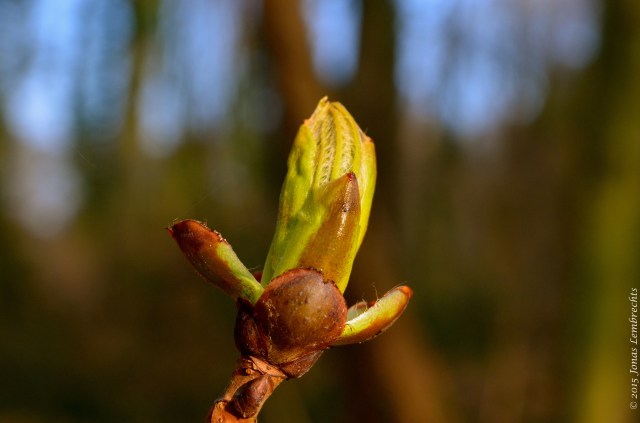
Bluebell ready for spring.
I roamed all day through the forest, walking almost 15 km to cover all different forest types in this varied forest. I learned the Hallerbos is mostly beech forest on dry hills, but crossed by several little creeks with their unique and rare wet forest and marsh vegetation.
The science of forest types is a bit of a shady business in Flanders, as we only have some shattered pieces left (around 10% of the total surface). Moreover, many of these little forest patches are not fully developed into mature and natural forests, or they are strongly deteriorating due to external (antropogenic) influences.

It is hence a tricky business to come up with a meaningfull classification of the Flemish forests, the more because the understory does not necessarily match the observed tree species due to anthropogenic cultivation.
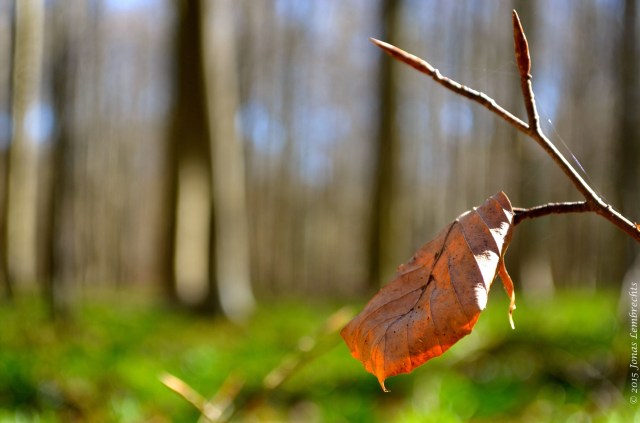
The Hallerbos is fairly unique in Belgium, as it is one of the biggest forests we have with distinct climax vegetation and a relatively undisturbed understory. The beech and hornbeam forests with their beautiful spring flora are very important in this system, which is the reason they are conscientiously protected.

Wood sorrel is a typical species of forest understory.
It is a blessing to roam through this beautiful forest and discover a vegetation that still looks like the ancient forests that covered our countries before the age of men took over.

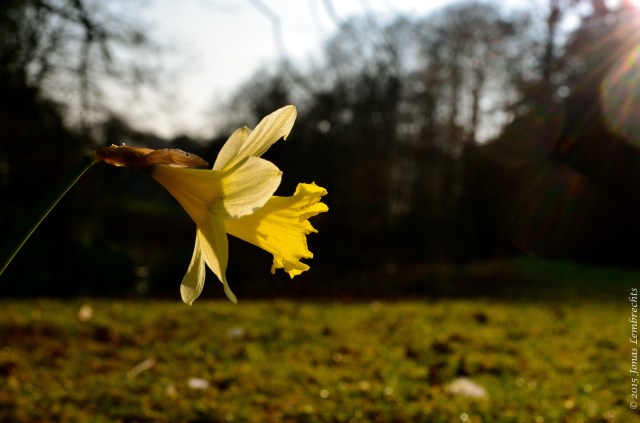
 I am happy to go back to South America as from today and bring back more stories! Until I can tell more, enjoy the beauty of spring as I added pictures from Belgium to the gallery on the right of my blog!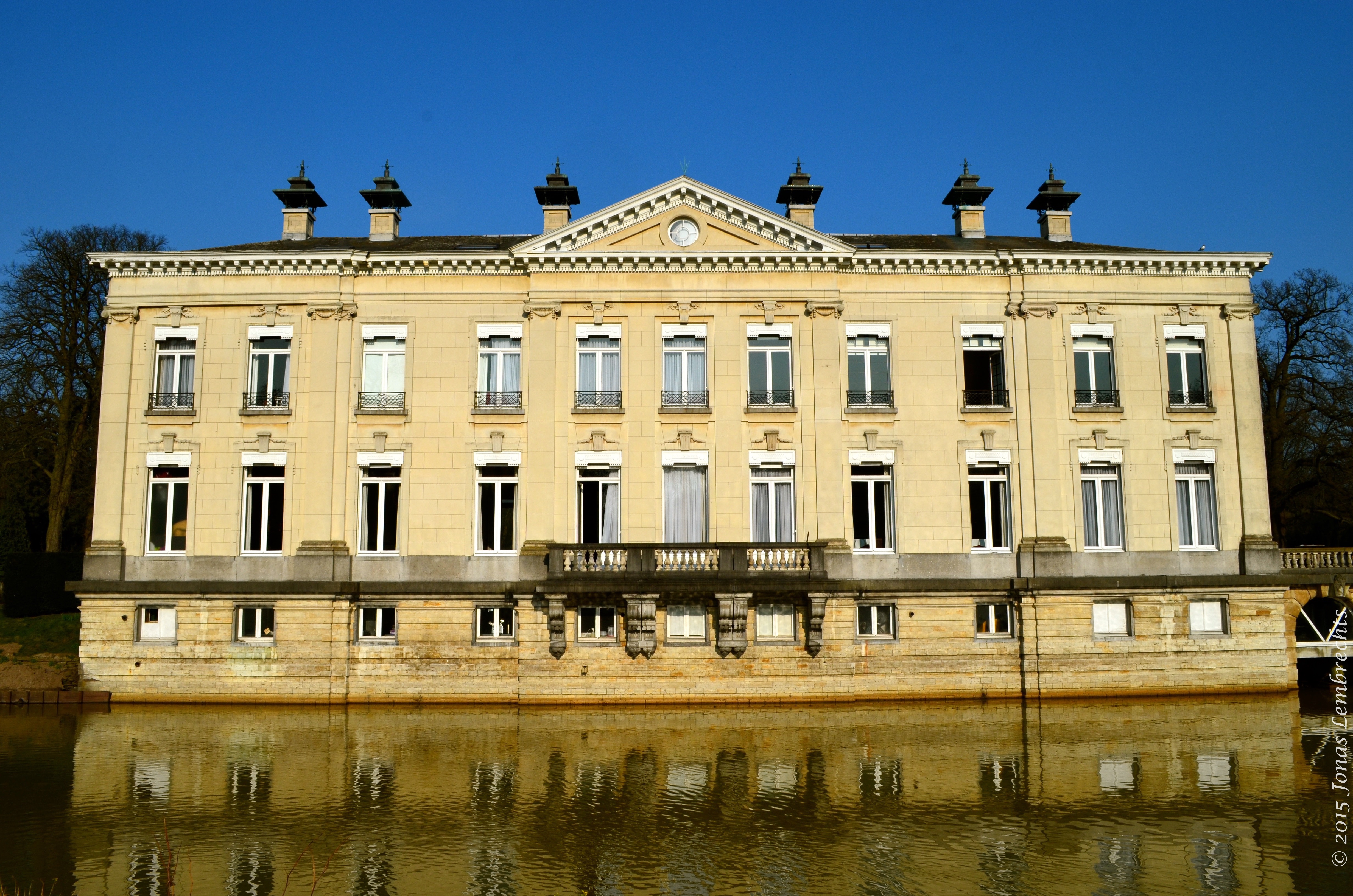

 Follow us on Twitter via @MIREN_mountains, I will try to keep it interesting!






 The 3D lab