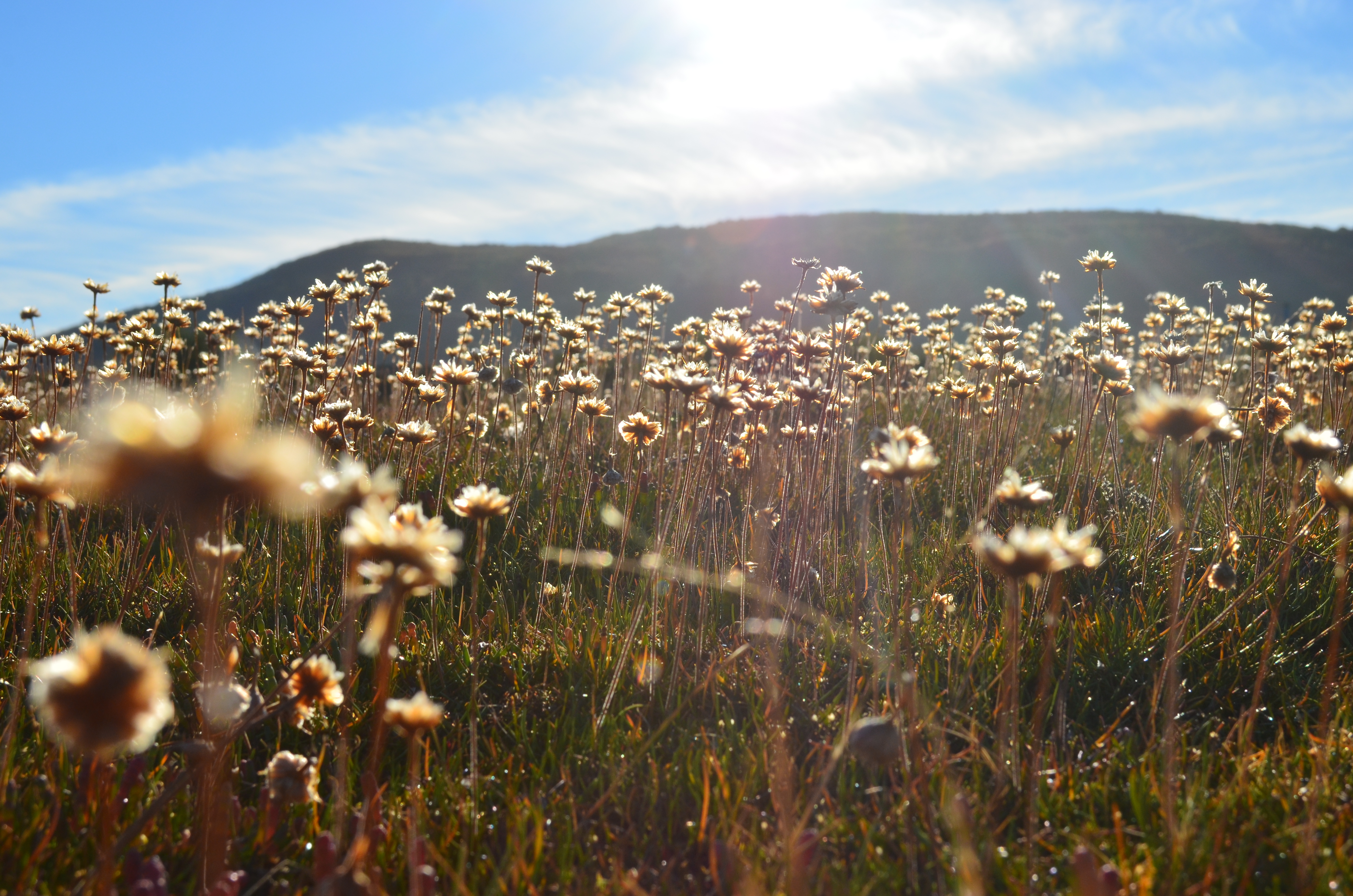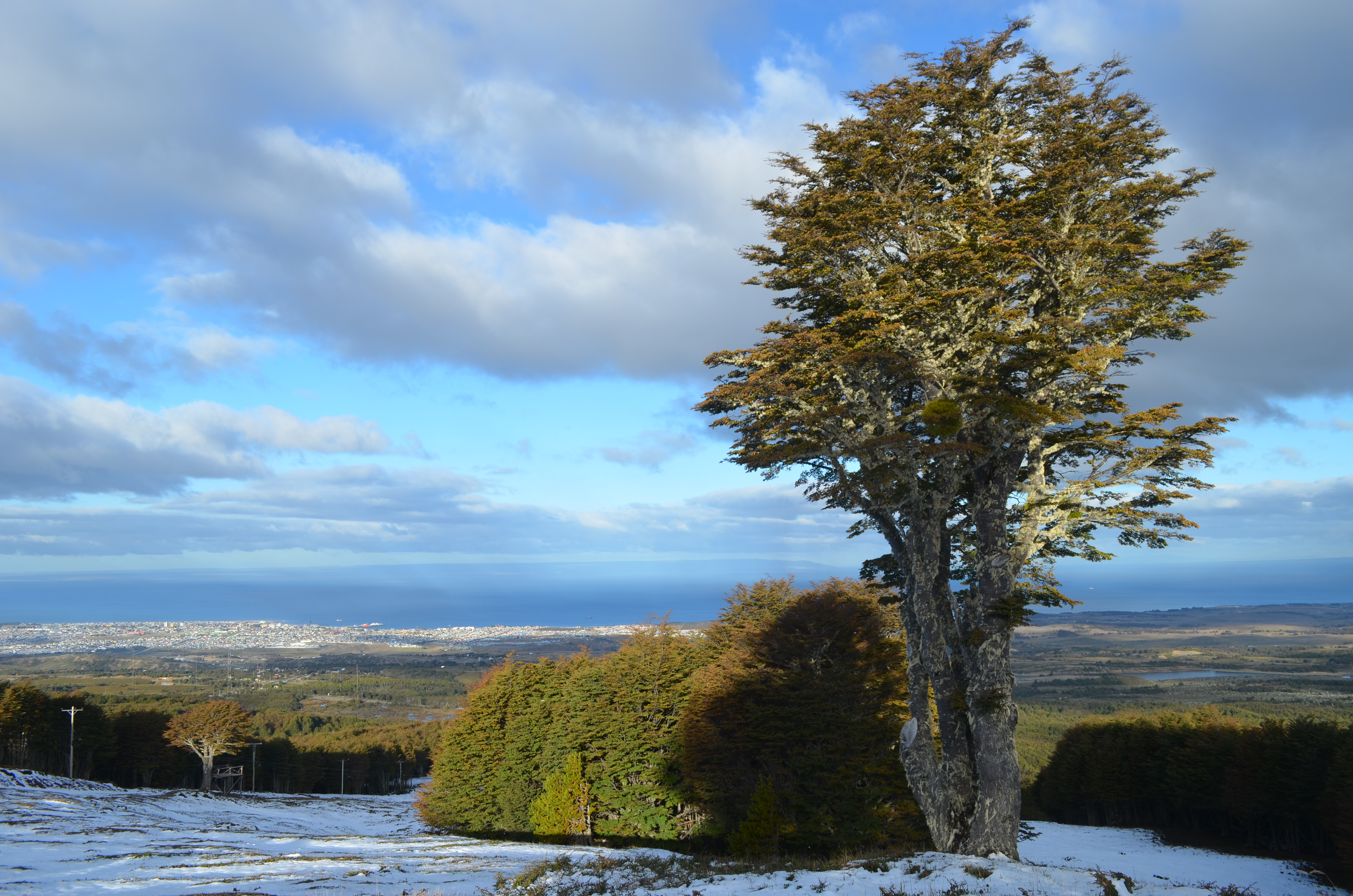
Lenga forest

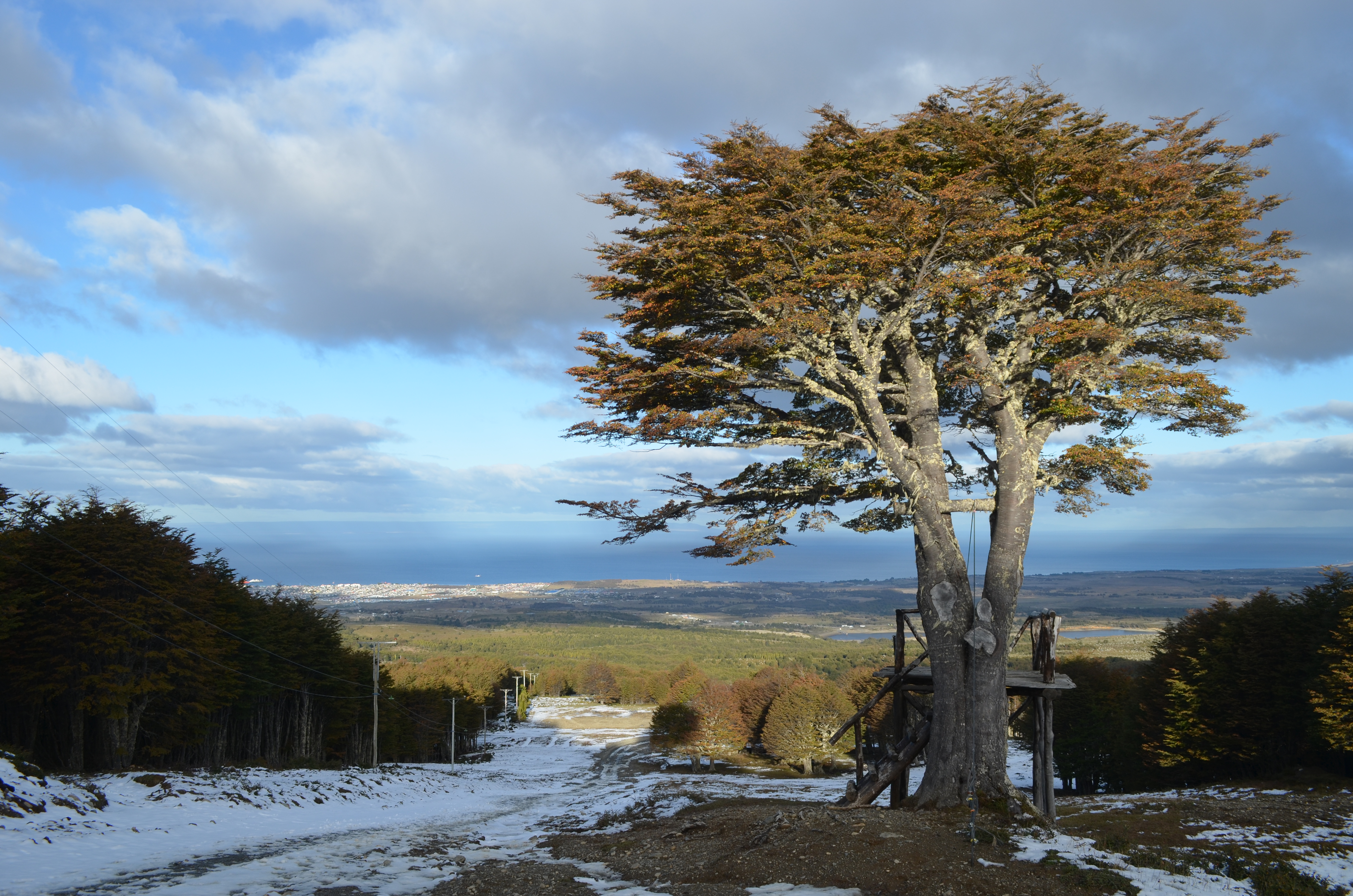
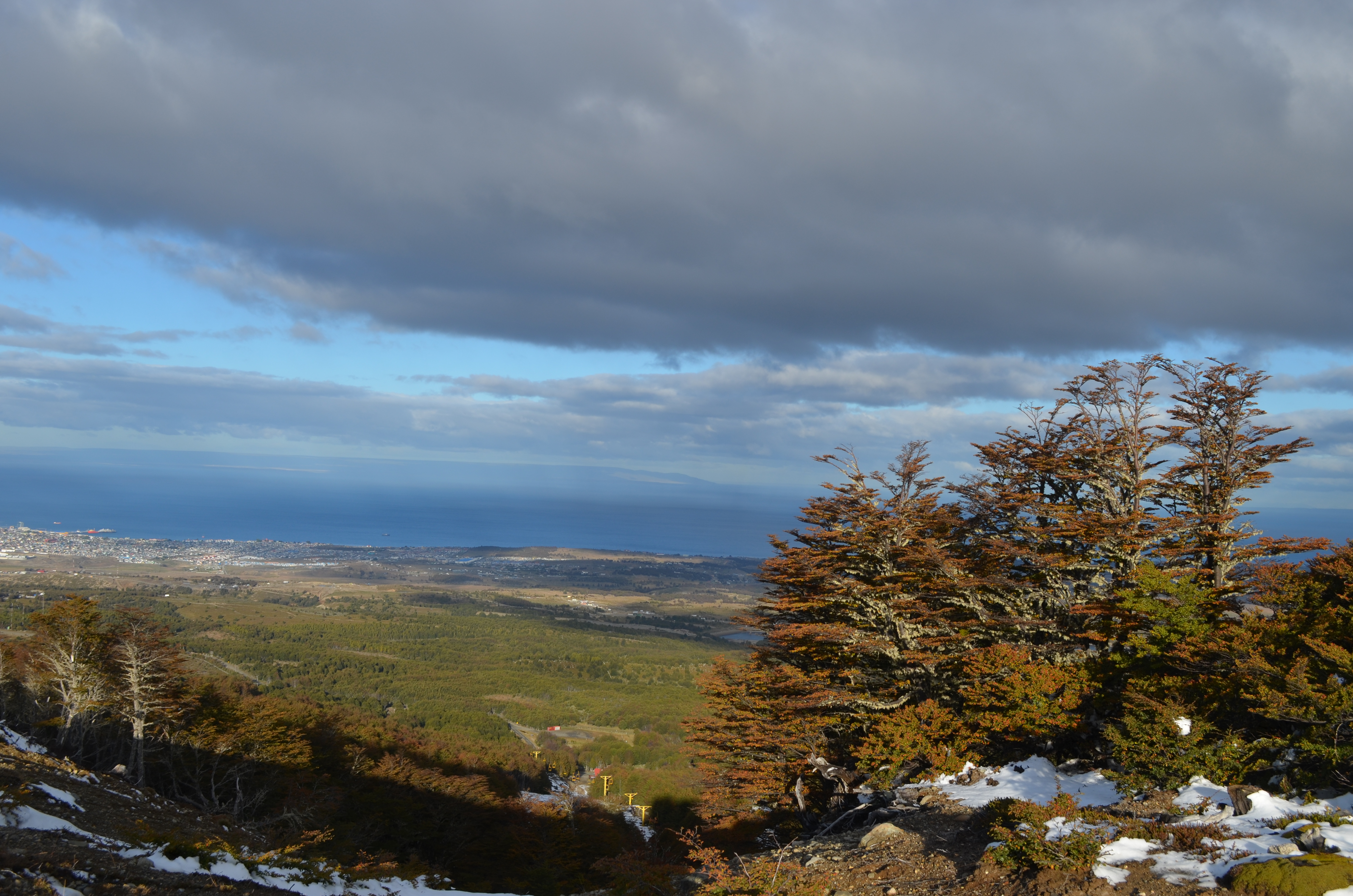
The Magellanic subantarctic forests (lenga bosque, in their own language) display an indescribable beauty. In the region of Punta Arenas, they consist almost entirely of one species: Nothofagus pumilio, or Lenga tree, a deciduous tree proudly covering the southernmost forests of the world.
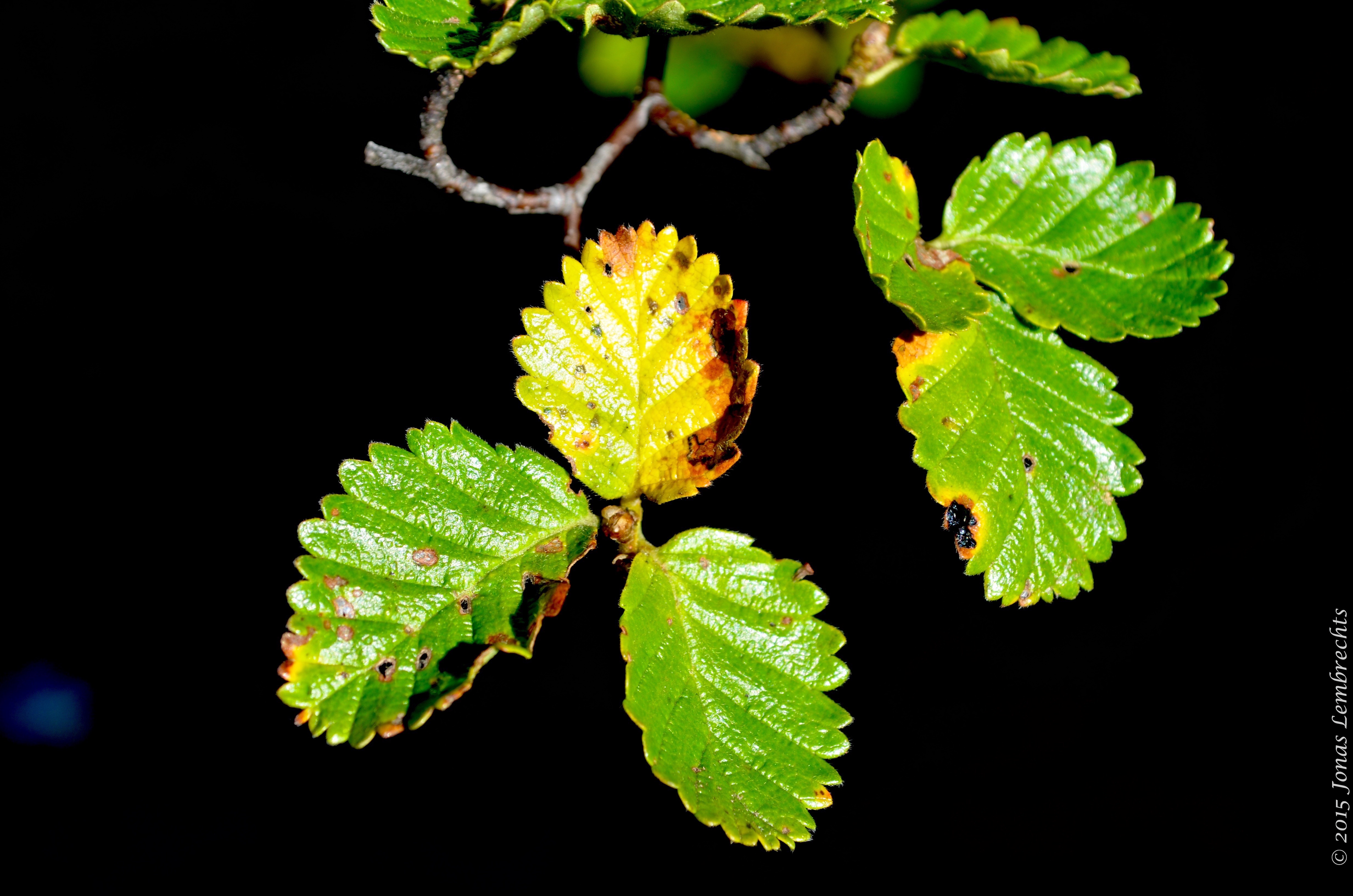
Branch of Nothofagus pumilio

I am so in love with the beauty of these forests that I decided to spend at least two extra posts on their beauty. There are just so many things to show! I will focus on the ‘lenga’ tree, although there is a nice relative called ‘coigüe’ that has evergreen leaves and prefers the wetter areas to the west of the Andes.
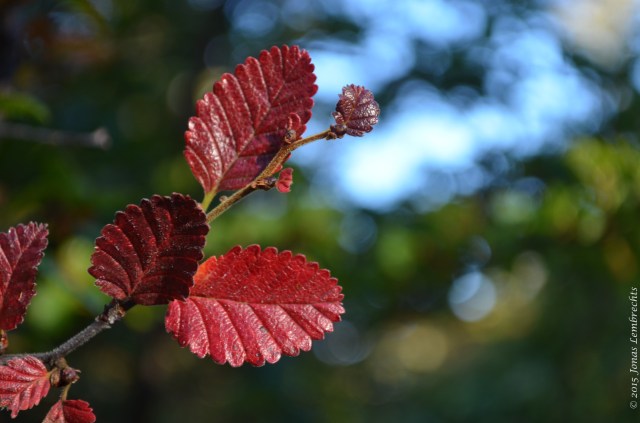
Autumn leaves of lenga tree

Over the years in South America, I experienced these lenga forests in different seasons, but now we got to experience the ultimate picture with their beautiful winter and autumn dress. You might recall the views from some of my previous posts (here and here, for example). In April, the trees show their most beautiful colours before shedding their leaves to prepare for the harsh winter conditions, turning everything in a mosaic of red, green and yellow colours.
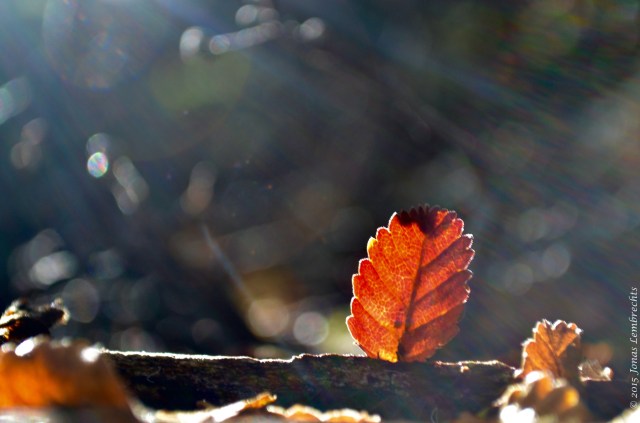
Leaf of the lenga tree Nothofagus pumilio

The lenga trees are typical for cold climates with abundant snow. When left alone, they can grow to magnificent sizes, but in a lot of places they suffer from forest management. My local lenga-specialist at least assured me they could get even more beautiful in other parts of the Andes! Around the big city of Punta Arenas, many of these forests have sadly been burned, mainly to feed the omnipresent cattle.
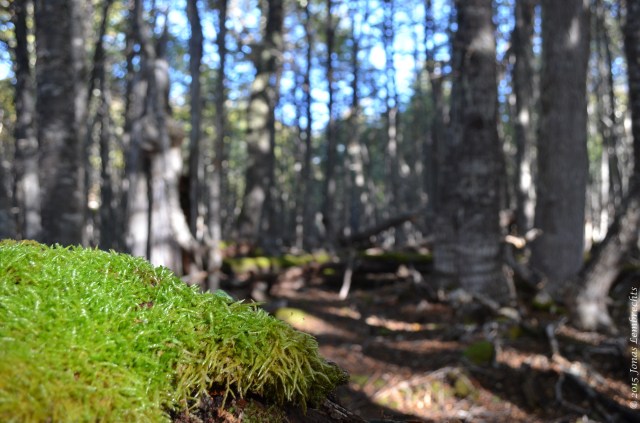
Moss on a tree in southern Nothofagus forest

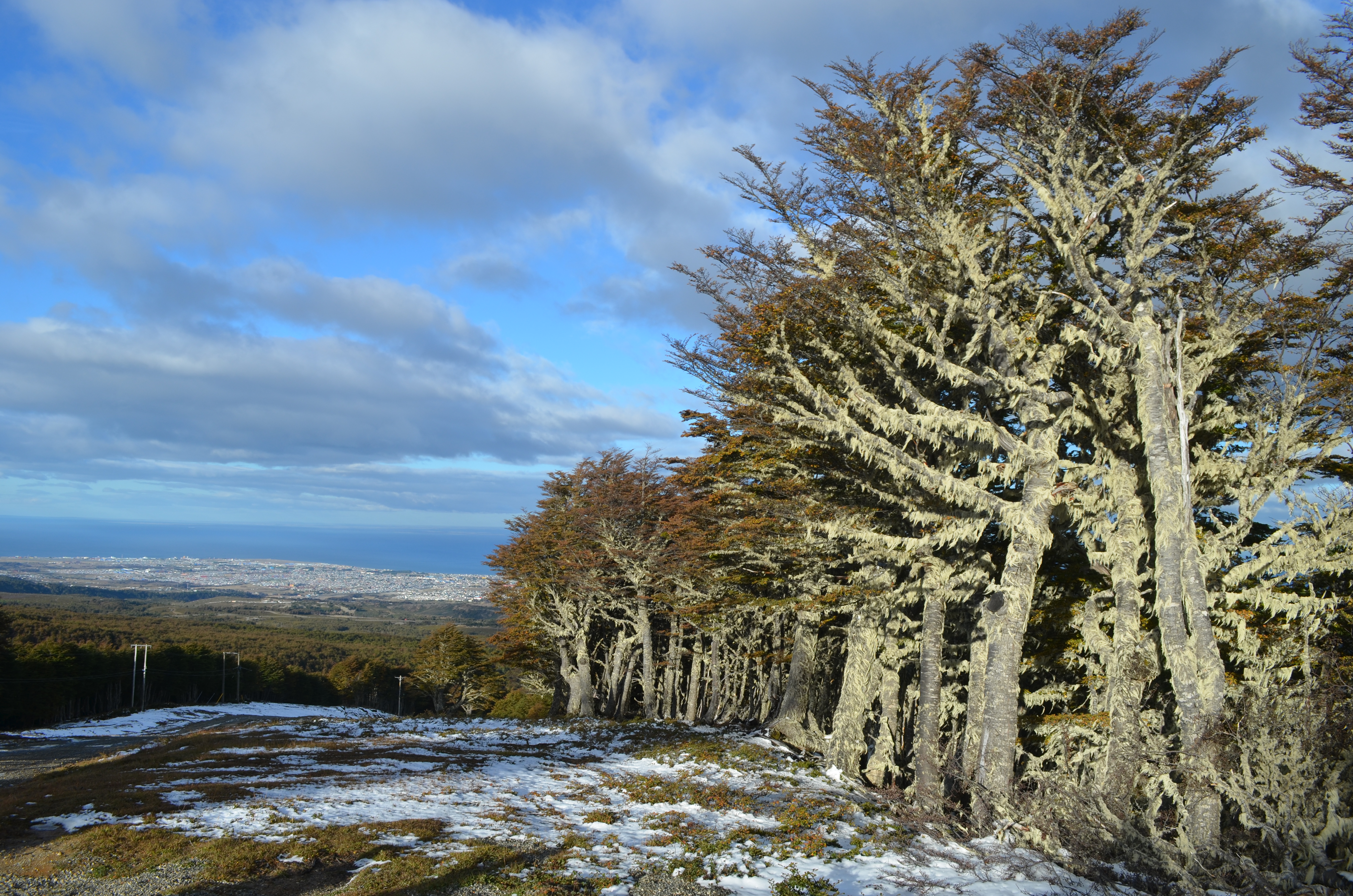
Nevertheless, even the relatively young trees and managed forests got these ancient century-old look over them, thanks to the abundant growth of ‘Old Man’s Beard’, definitely my favourite lichen in history. This beauty turns forests into spooky Lord of the Rings-style ancient natural cathedrals in no time. They are draped over virtually all branches and hang down from the trunks, covering the whole forest in a green furry coat.
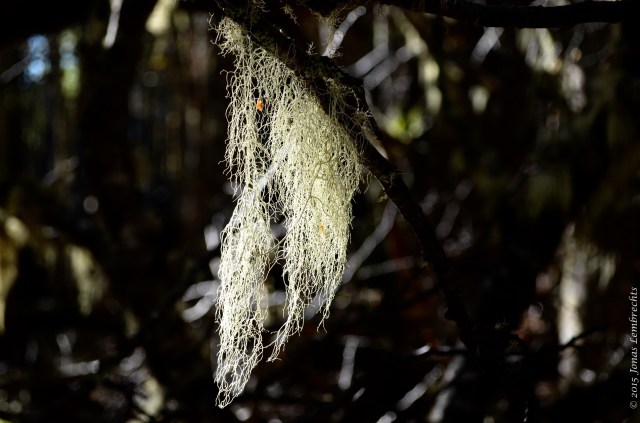
The lichen Old Man's Beard

The combination of the beautiful autumn colours, the old treebeards and the late autumn-sun were a killer combination to get this forest high in the top list of my all-time favourite natural places in the world.
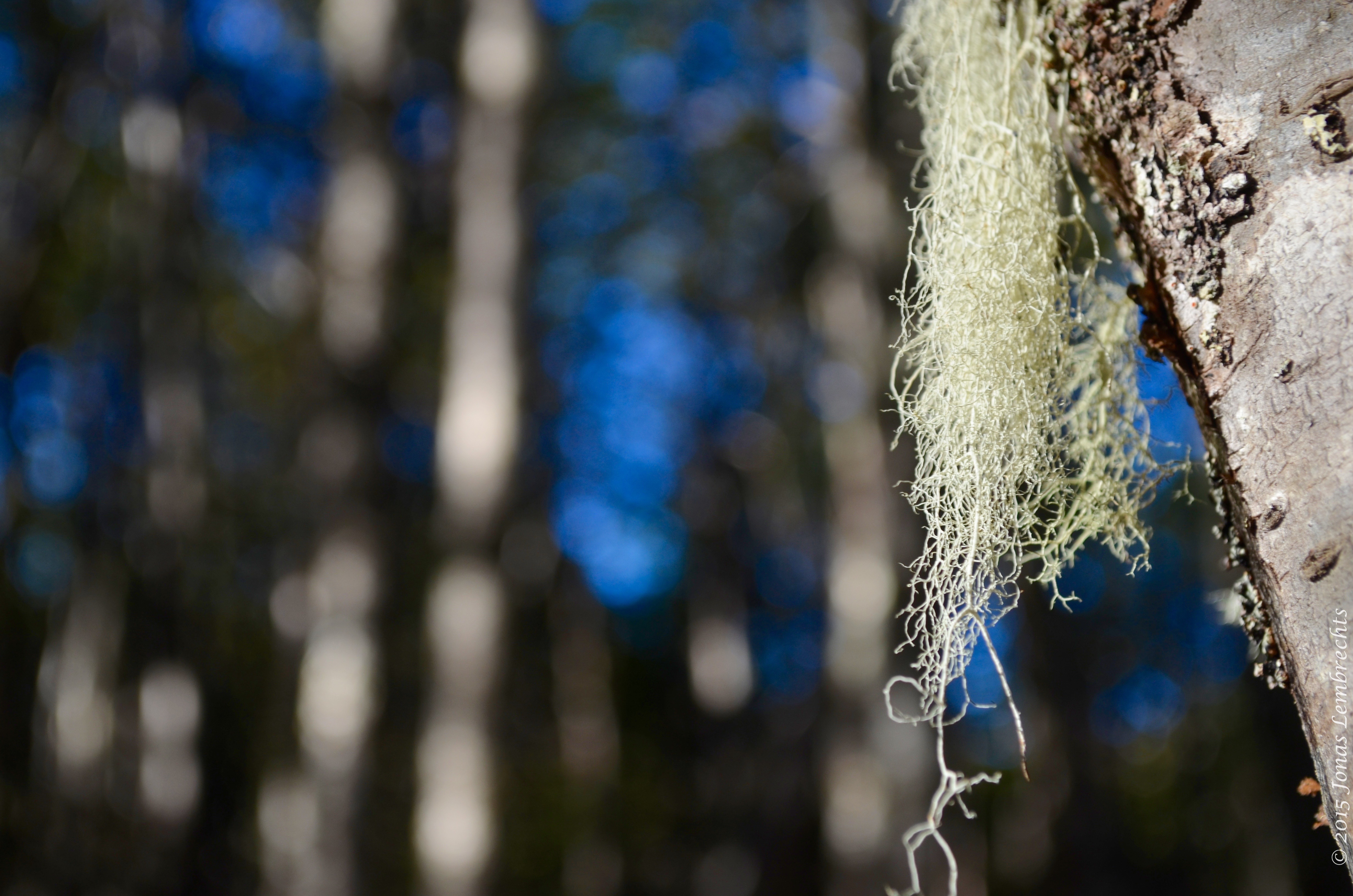
Old Man's Beard lichen, Punta Arenas

Posted in Chile | Tagged , , , , , , , , , , , | 7 Comments

Growing wild

I think I can reveal a little bit of the results of our recent fieldwork trip to southern Chile. I think I will have to in any case, cause what we saw is too fascinating to keep silent about it here.

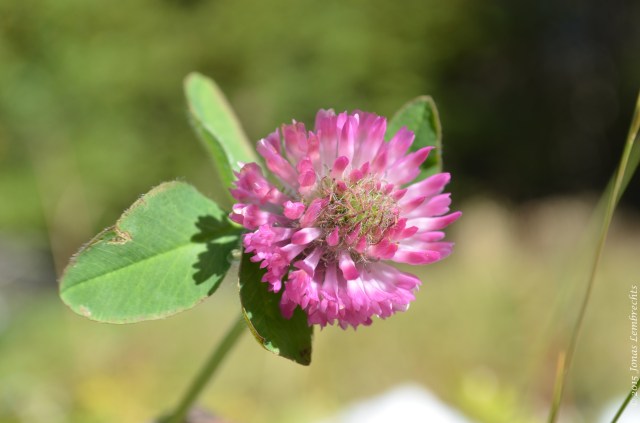
Red clover flower

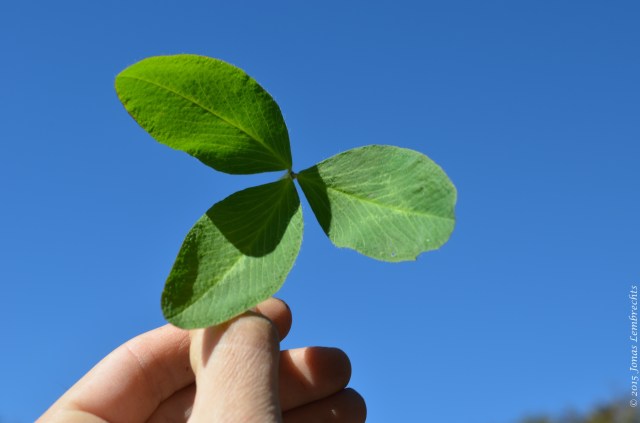
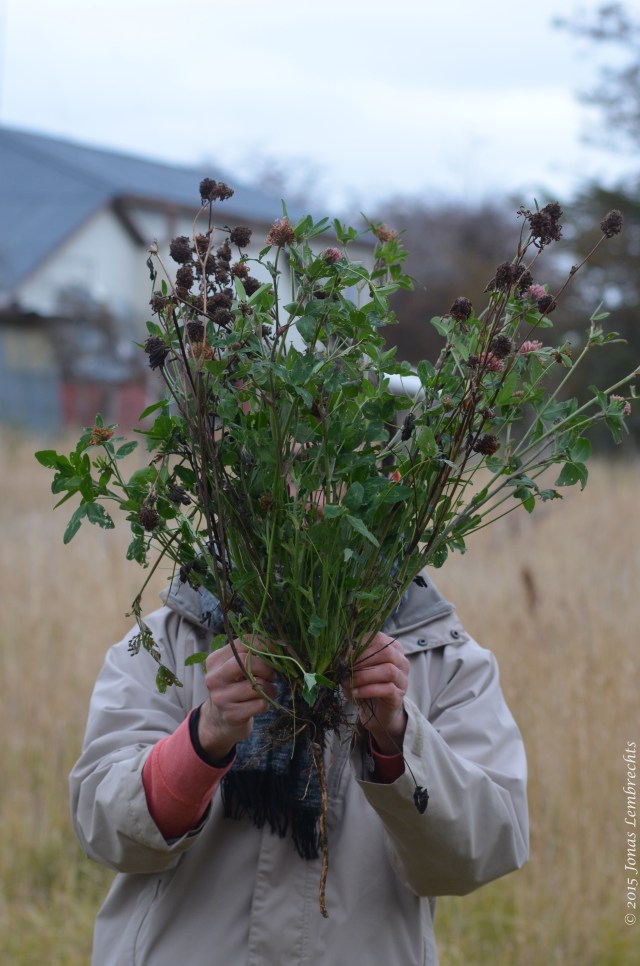
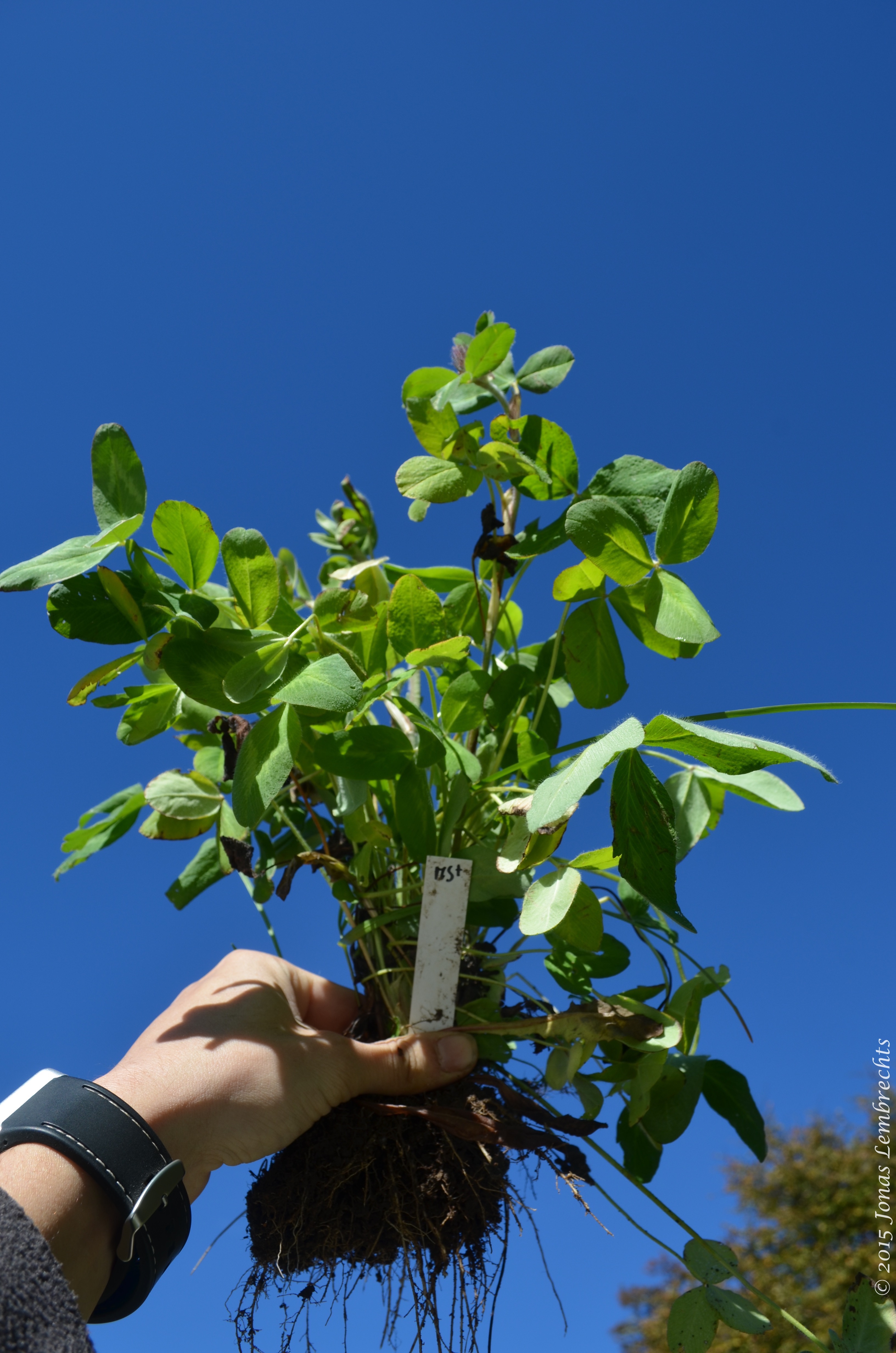
Some of our non-native example species we sowed grew spectacularly big, with big flowers and healthy large leaves.

Large leave of Trifolium pratense

It is exciting – but at the same time highly worrying – to see the plants doing so well at this place so extremely far from home. Even we had troubles to survive the cold, and it was only for one week (but, I should mention, mostly on the highest elevations only).

Huge invasive red clover

Especially the clover species were booming, as you might see for yourselves. But that should not surprise too much, as they were everywhere in the local ecosystem already. The climate at the lowest elevation seems to be perfectly suited for them.

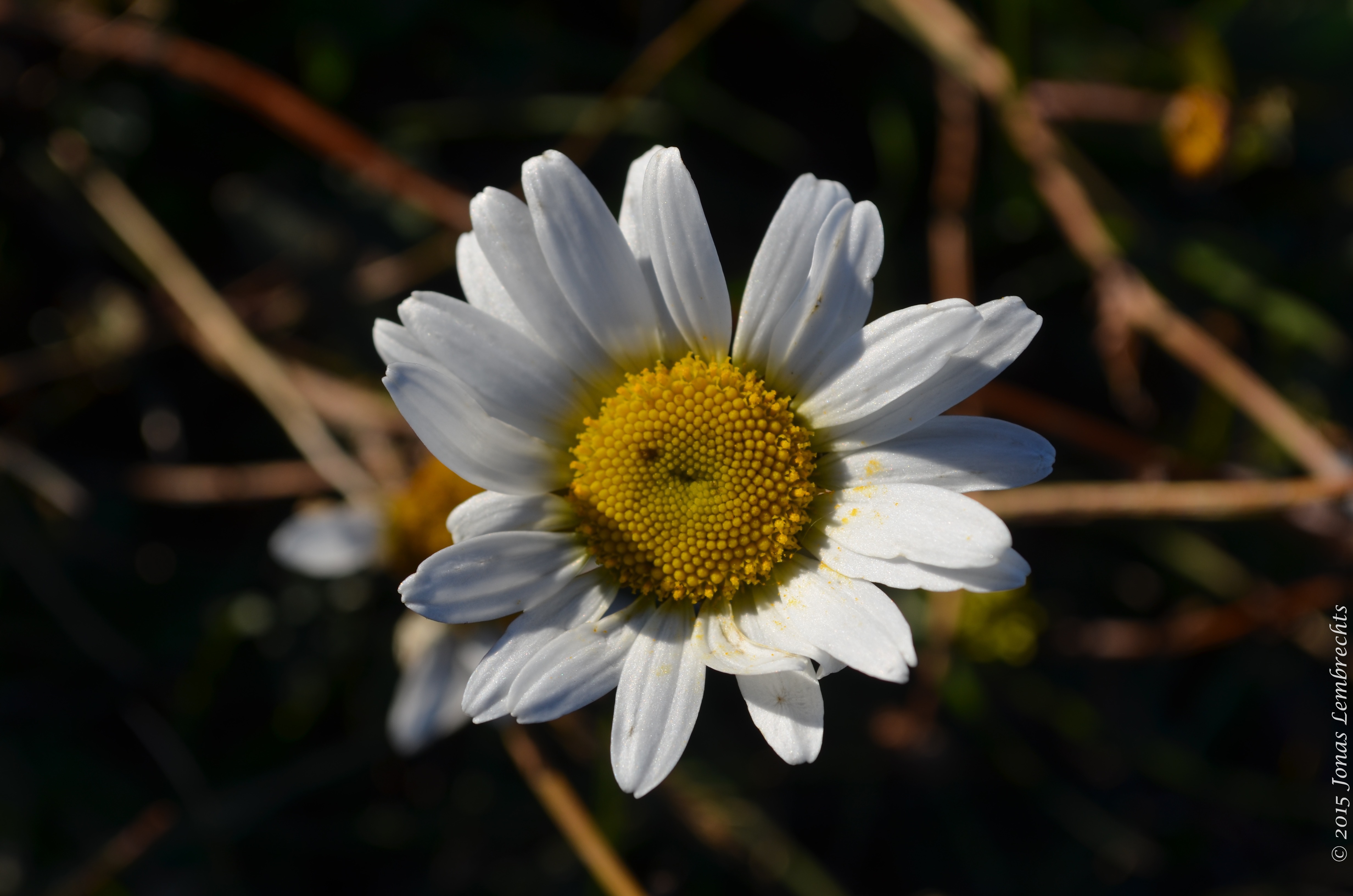
White clover flower

White clover in a local roadside

And it is not only clovers that flourish in the south. The scary part is that large percents of the vegetation at this moment consists of exotic species of different kinds, most of them from European origin.

DSC_0208

It is one of the main aims of our research to compare the situation in this area flooded by non-natives in Southern Chile with the more undisturbed situation in northern Sweden. Can we predict how the situation in both areas will evolve? Can we predict what will happen in the future? The results of the most recent trip to Chile look promising in any case, so I hope to get some interesting stories on here soon!

 Clover growing wild

Posted in Chile | Tagged , , , , , , , , , , | 5 Comments

From winter to autumn… to summer!

You will remember the dreadfull weather conditions at our field sites from one week ago and this post. You might also recall the beautiful autumn that followed these 40 centimeters of fresh and beautiful snow (here).

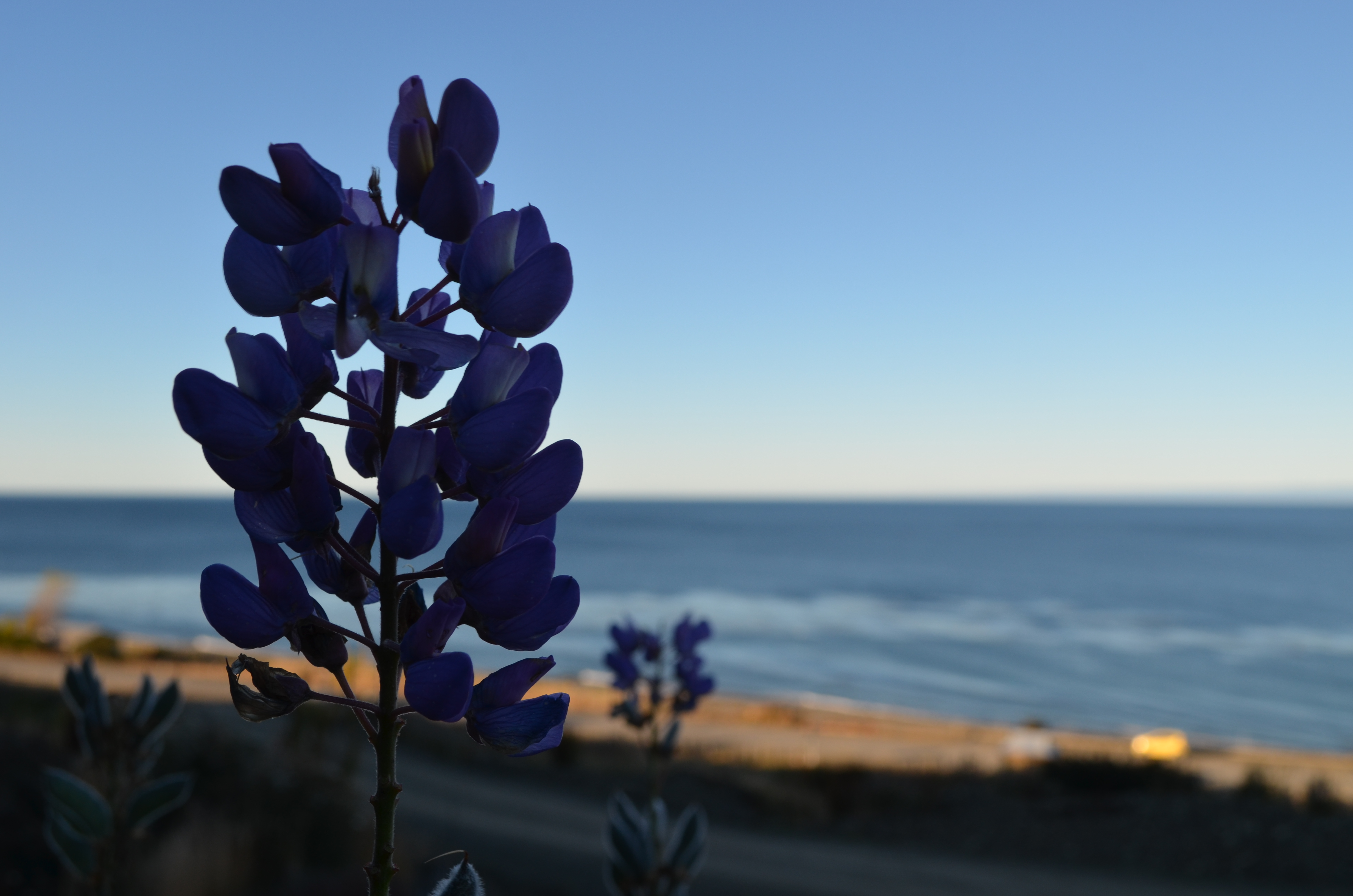
Lupinus overlooking the street of Magellan

The weather kept improving, and temperatures kept climbing to a stunning 14 °C, which is  – combined with sunny weather – impressively hot for a subarctic ecologist like me. The snow vanished rapidly and the deep blue sky gave Chile a complete summer make-over.

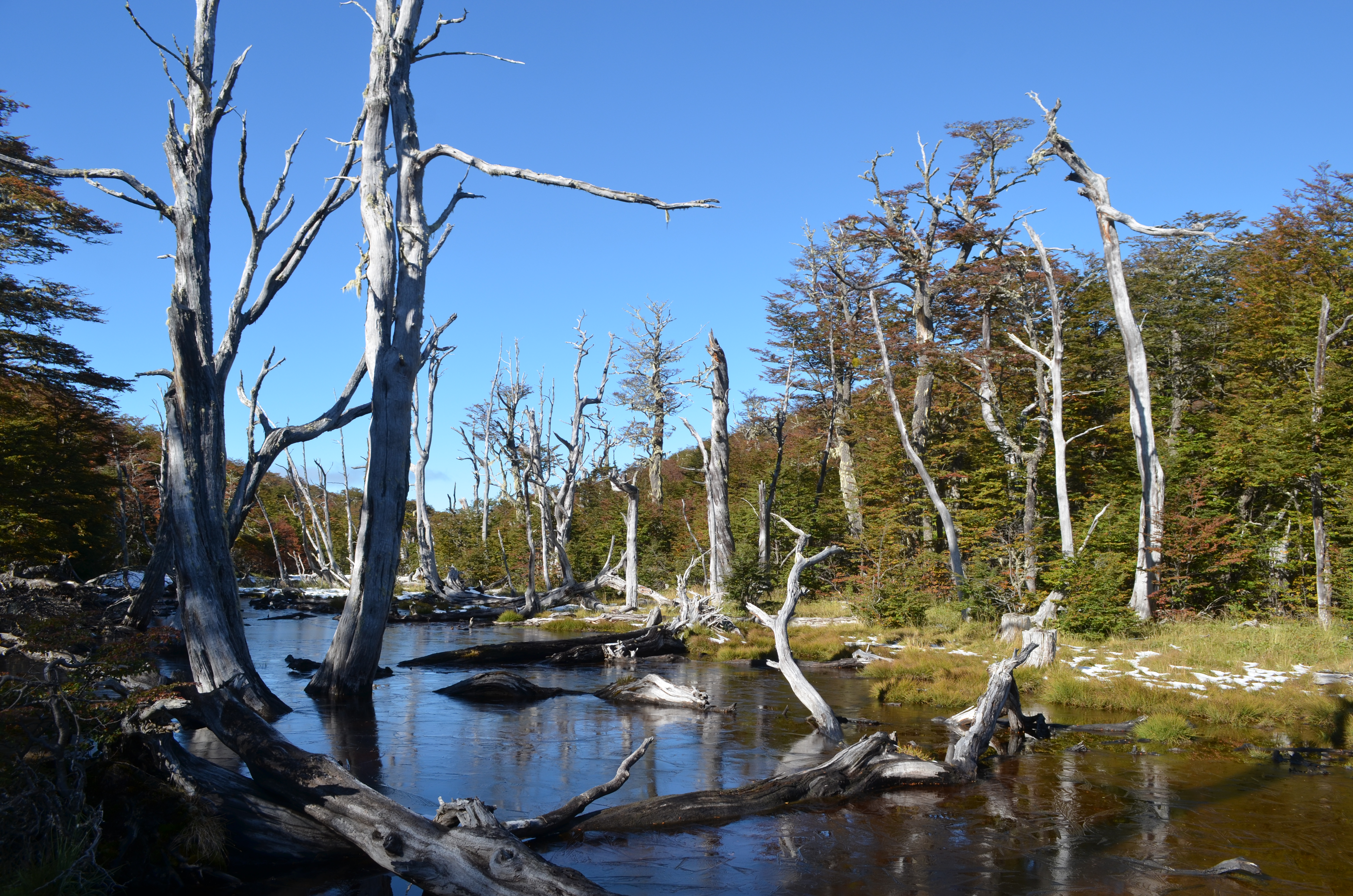
Marsh with dead trees in Nothofagus forest

It was astonishing to go back to the same place from earlier that week and see how the landscape had totally changed. The ice and snow on this marsh on 400 meters in the hills had completely vanished in less than 4 days, and even our plots were almost snow-free.

Caracara flying overhead

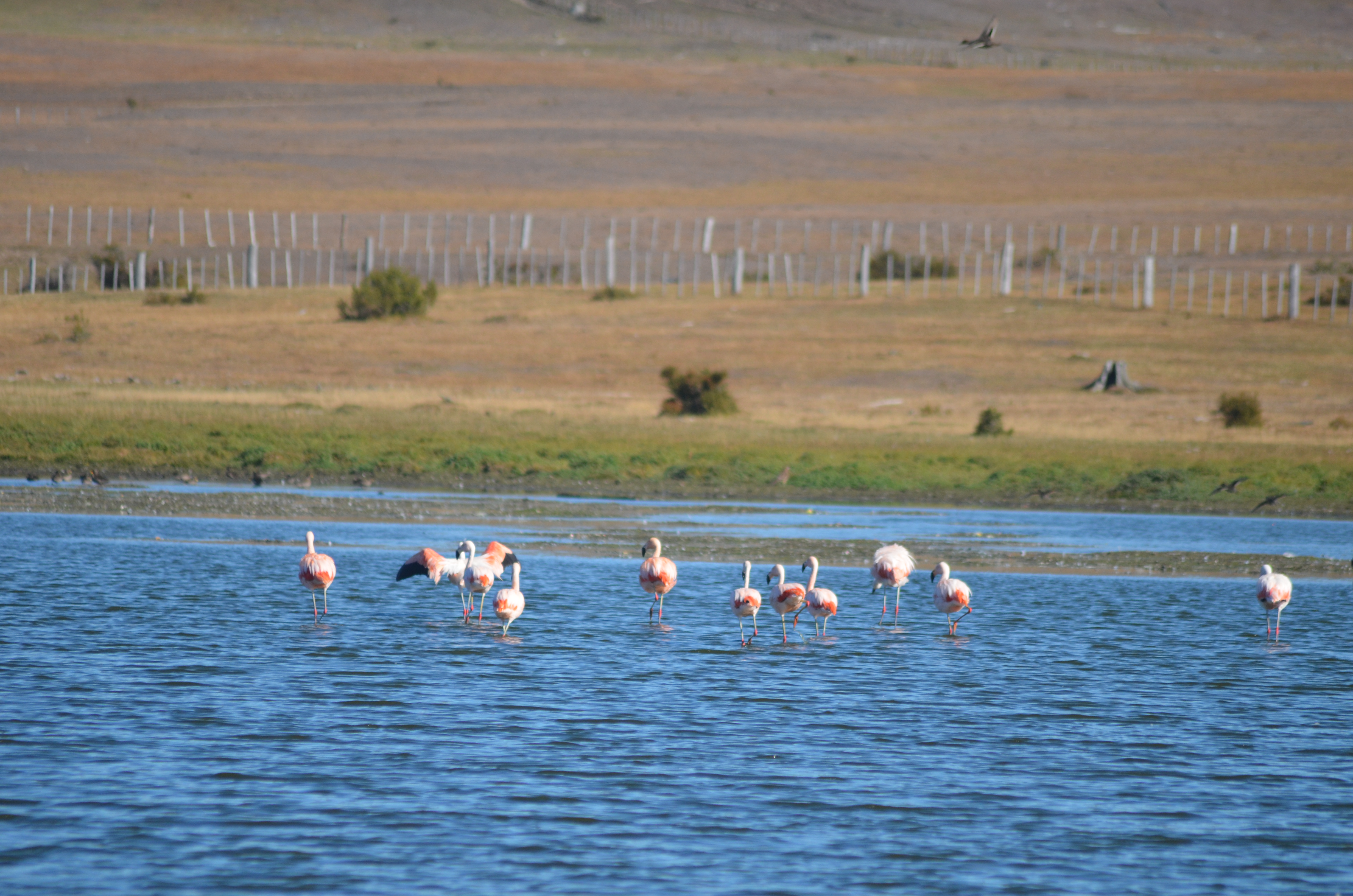
For the fieldwork, this was a blessing, and I enjoyed peeling off all these extra layers of clothes while working in the warm grass. With caracara birds piercing through the blue air and flamingo’s in the lakes, we seemed to have been dropped in the true postcard-Chile.

Flamingo's in Punta Arenas

The improved weather conditions truly helped finishing all fieldwork in time, which I can at the end of this trip proudly announce as a success story!

Salt marsh vegetation Street of Magellan

I am currently in a hotel in Santiago Airport. Due to persistent fog in Punta Arenas on the 8th and 9th of April, planes could not fly and my travels back got delayed. After a scary night without information in Santiago de Chile, I got now rebooked on the flight to Paris with only a delay of 24 hours. Ecology is truly an adventure…

Posted in Chile | Tagged , , , , , , , , , , , , , , | 3 Comments

The graveyard

On our way south from Punta Arenas to the most beautiful of our mountain gradients, we drive along the beautiful coast of the street of Magellan. I hope to post about its beautiful nature in the near future, but now I wanted to show the most striking landmarks of this area.

Crashed boat

Right out of the city center, you pass the rusting glory of what looks like the sad remainders of a much more important international port in the past. The water and the coast are covered with one rusty old ship after another.

Cormorants on abandoned ship

It is a spooky sight to see all these once magnificent kings of the ocean rust to dust, falling on their side and slowly dissappearing underneath the waves.

Abandoned ships in Punta Arenas

In previous times, the harbour of Punta Arenas was considered to be one of the most important of Chile, at least before the building of the Panama canal. Since then, the city has been obliged to slowly shift its economy away from the sea.

Lord Lonsdale ship graveyard Punta Arenas

I imagine the ships beached in Punta Arenas all through the 20th century as a sad reminder of these better times for the harbour. It turned out some of them got a new life as a breakwater, to reduce damage of the biting winds of Punta Arenas, but in general they seem to be completely forgotten.

Cormorant on abandont ship

The cormorants like these magnificent viewing points though, as they can dry their plumage on the poles and ropes. Unfortunately, it is quite difficult to find information on these majestic pieces of wasted iron and steel, so I fear there story will stay a mystery.

Posted in Chile | Tagged , , , , , , , , , , , , , | Leave a comment

From winter to autumn

When we arrived in Punta Arenas, we found a peaceful winter landscape in the mountains (see these pictures).DSC_0519

Winter seemed to have come really early in the mountains, so we were a bit worried about our fieldwork. But it seemed to be false alarm, because a few days, weather started to improve, and temperatures started to climb to ten degrees and more.

DSC_0508

The snow cover made way for an autumn landscape, and the austral forest showed its best side with beautiful colouring that changed every day.

DSC_0514

The fourty centimeters of snow quickly started to melt and the dominant white got replaced by orange. For our fieldwork, it is a blessing, as we could find back our plots more easily.

DSC_0517In the background, you can see the city of Punta Arenas, bathing in the sun on the shore of the street of Magallan, a view that keeps us company all through the fieldwork. The trees are the ever impressing southern Nothofagus trees. They are all bearded with lichens that give them a spooky appearance.

Posted in Chile | Tagged , , , , , , , , , , | 3 Comments

Happy easter!

We almost missed Easter with our hard work in Punta Arenas, but we managed to get the right atmosphere with some easter eggs.

Easter egg!

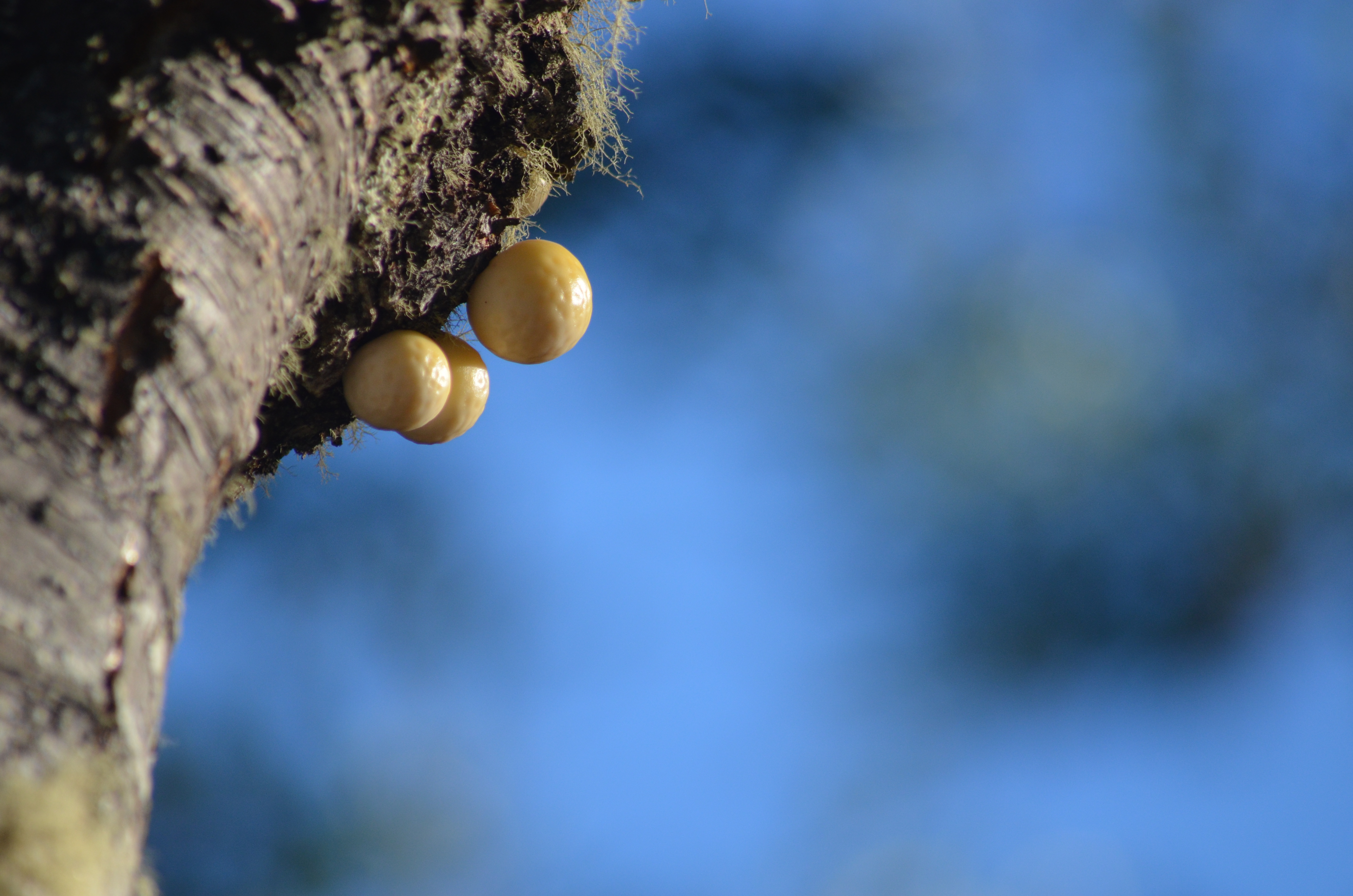
Some were tasty, some were extremely beautiful, like these nice yellow Easter-mushrooms on the trees in the forest.

Nature's easter eggs, some mushrooms

So, in between the fieldwork, we wish everybody a happy Easter from beautiful Patagonia!

Posted in Chile | Tagged , , , , , , , , , | 4 Comments