Forest fun

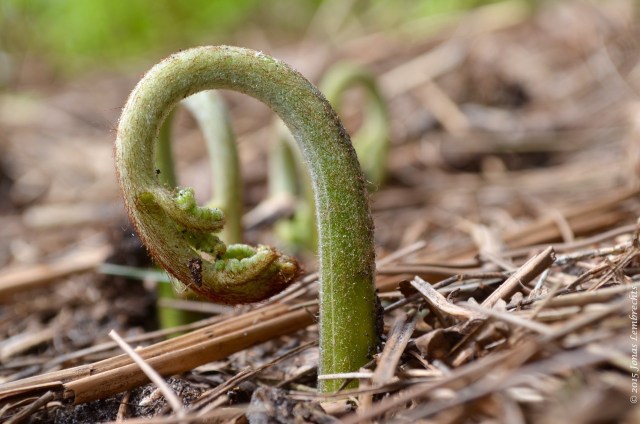
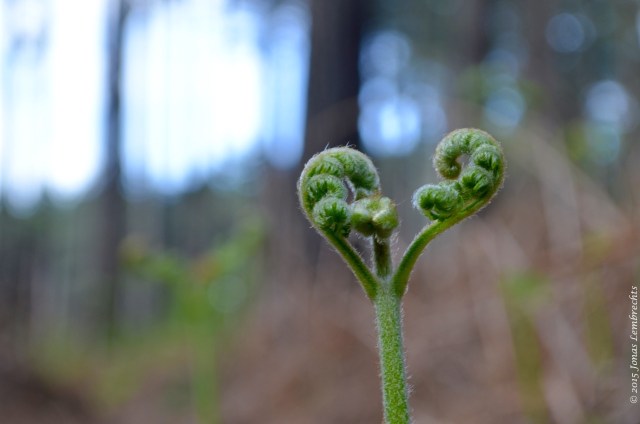
Young bracken

In the middle of April, I had to teach a course on forest ecology with an excursion to the Hallerbos, one of the most famous forests in Flanders.  Besides its endless rolling hills with old beech trees, it is especially well known for its wild hyacinths, a typical understory species of Atlantic oak and beech forests.
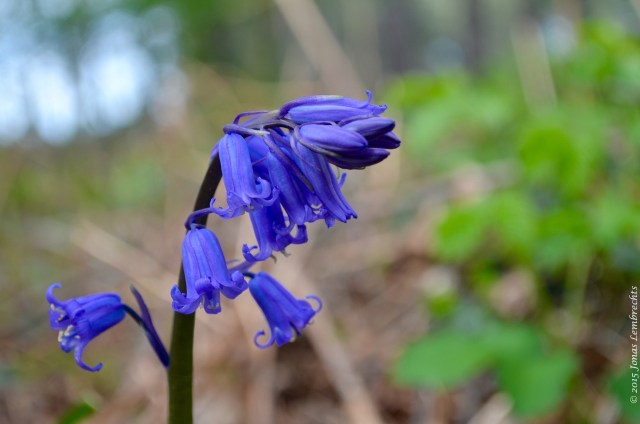
Hyacinth

You should take my word for granted that we had the best day of the year to visit the spring flowers: the sun shining through the delicate light green beech leaves on the endless fields of blue hyacinths. All spring flowers in their full glory, absorbing all the precious light before the forest canopy closes some weeks later. You should take its beauty for granted, as I did not take any pictures!
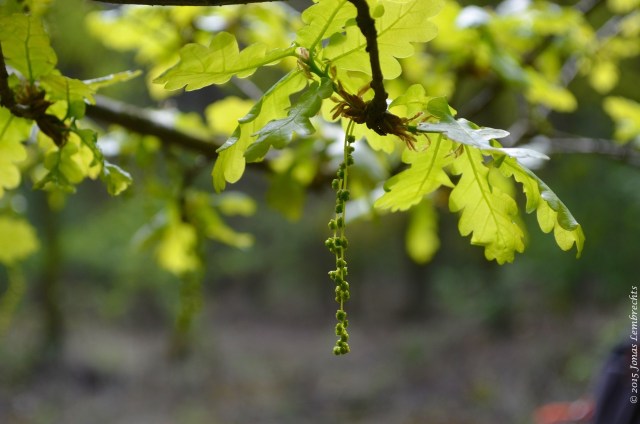
Summer oak

I made up for that by visiting the ‘Kloosterbos’ in East Flanders, a forest with less obvious appeal, but certainly not less potential!
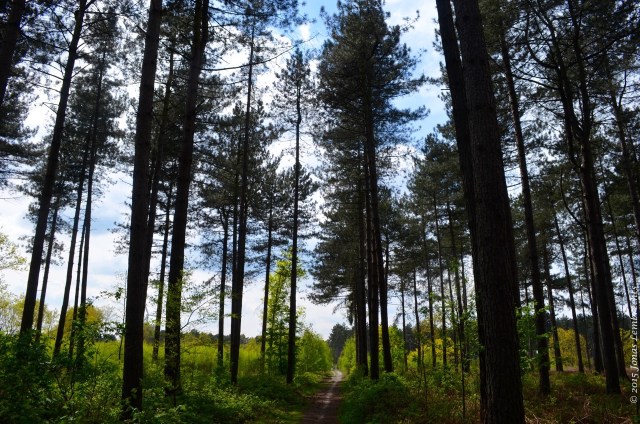
Pine forest

The Kloosterbos has poorer soils than the Hallerbos, resulting in an understory dominated by broad buckler fern and common bracken (although some richer spots might have potential for hyacinths and other pretty understory flowers).
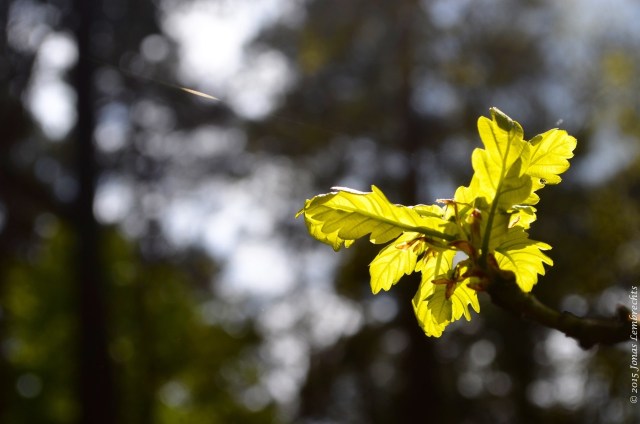
Inland oak

As so often in Europe, however, the original deciduous forest has been replaced by pine trees, a species with a devastating effect on forest quality. The good news for this forest is that most pine replacements are from a recent date and not older than a century.
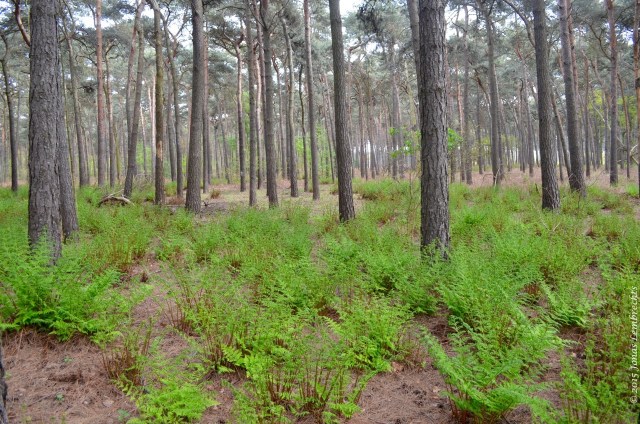
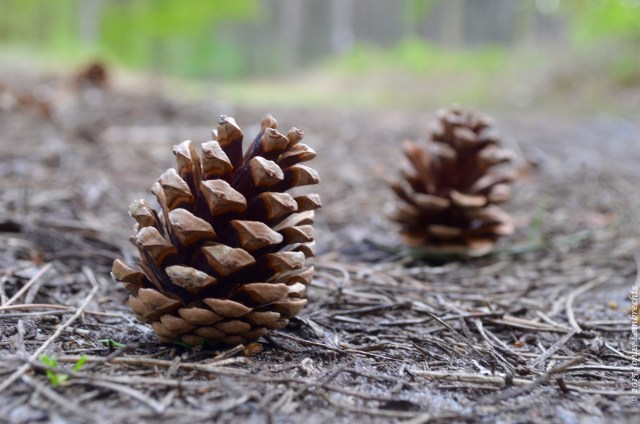
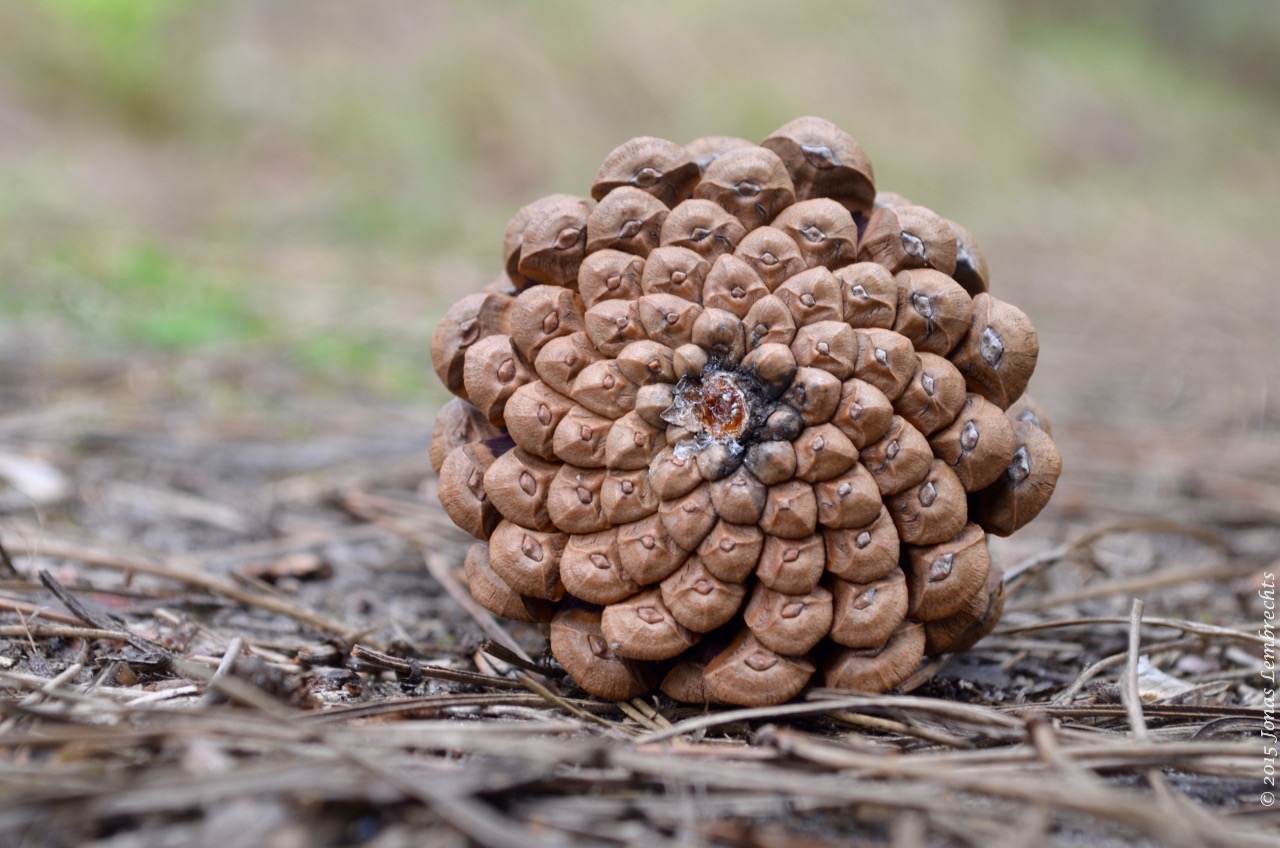
Pine forest with buckler fernsPine cones on the forest floor

Therefore, a large amount of the typical understory is still intact, as the inevitable acidification of the soil caused by the pines is still in process. At the moment, important measures are taken to replace the pine plantations by natural birch, oak and beech and recreate the forests we have lost (and some patches of poor heath land).
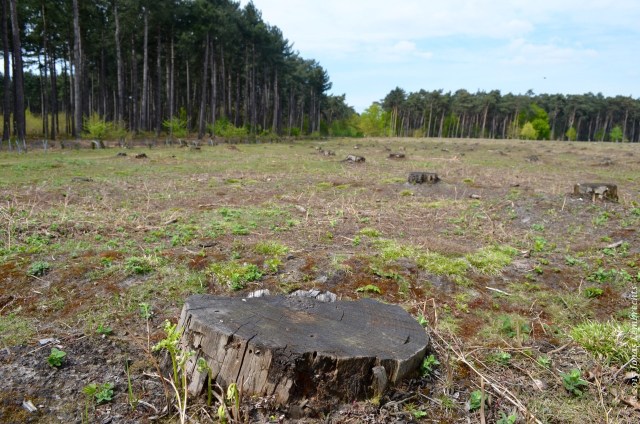
Cleared pine forest

This is a valuable management decision, as it will conserve a forest vegetation that is so typical but yet so underrepresented in our country.
DSC_0337

You might understand I had a most interesting forest walk in again a surprisingly interesting part of our own little country.
Pine cone

Posted in Belgium | Tagged , , , , , , , , , , , | Leave a comment

Buzzy burr

I can again proudly announce that I wrote a new post about Chile on Scilogs.be, the Belgian science-blog. Find it here (but pay attention, it is in Dutch!)

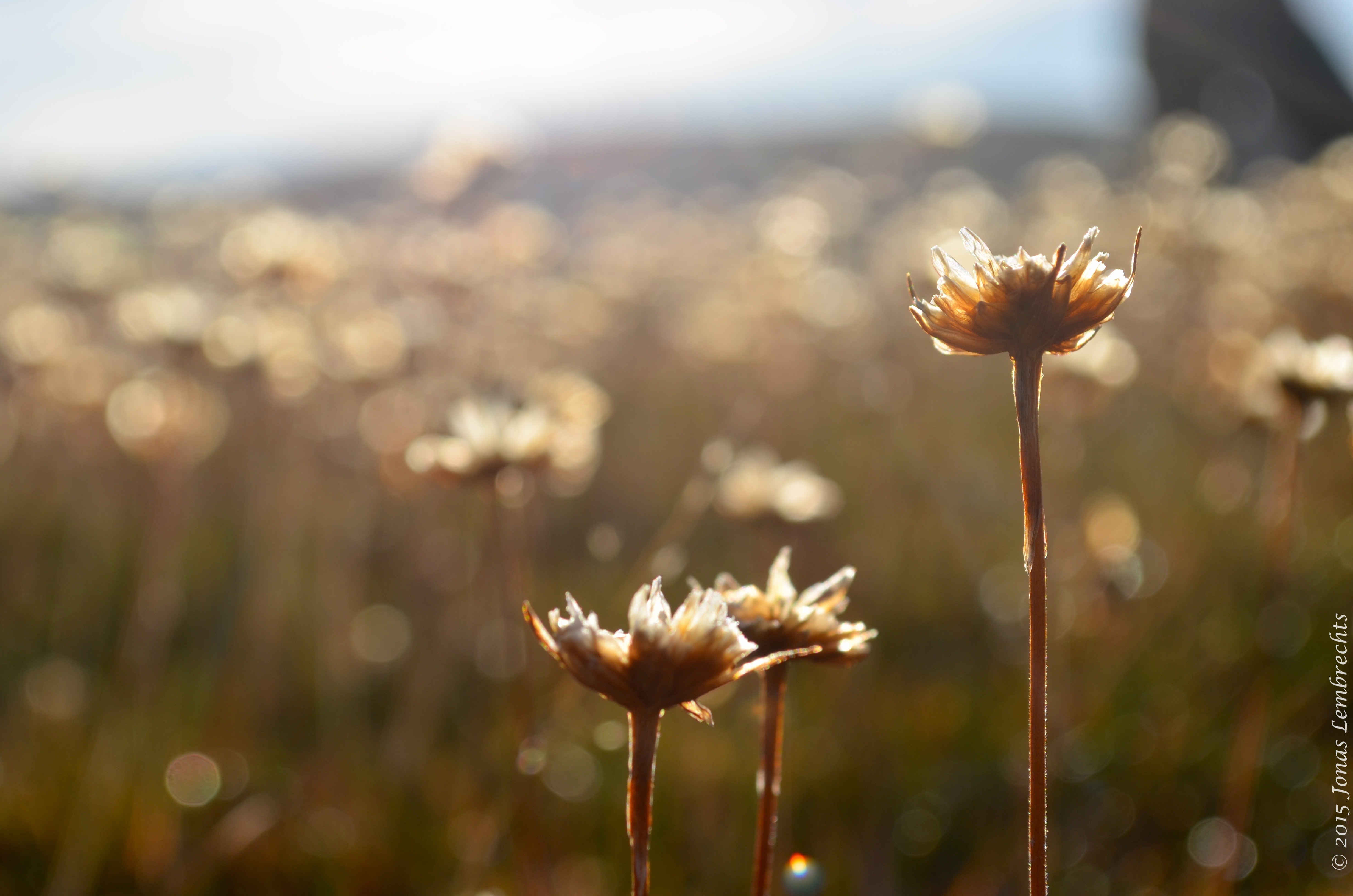
Acaena with goose feather

Don’t worry, more English posts will follow soon! In the meantime, enjoy this little flag called buzzy burr. Isn’t that cute?

Posted in General | Tagged , , , , , , , , | Leave a comment

As beautiful as ever

I wanted to make an overview of all the adventures we had in Chile, before moving on to the next exciting stages in my PhD. So click here to see the image gallery, or visit it on the right side of my website (which might work better than the link).

DSC_0174

You might have seen some of these stories and pictures already in my previous posts, but there are still many more things to show, so you will not regret the visit!

DSC_0183

So enjoy the gallery and experience the remarkable beauty of Punta Arenas, the southernmost city of the world.

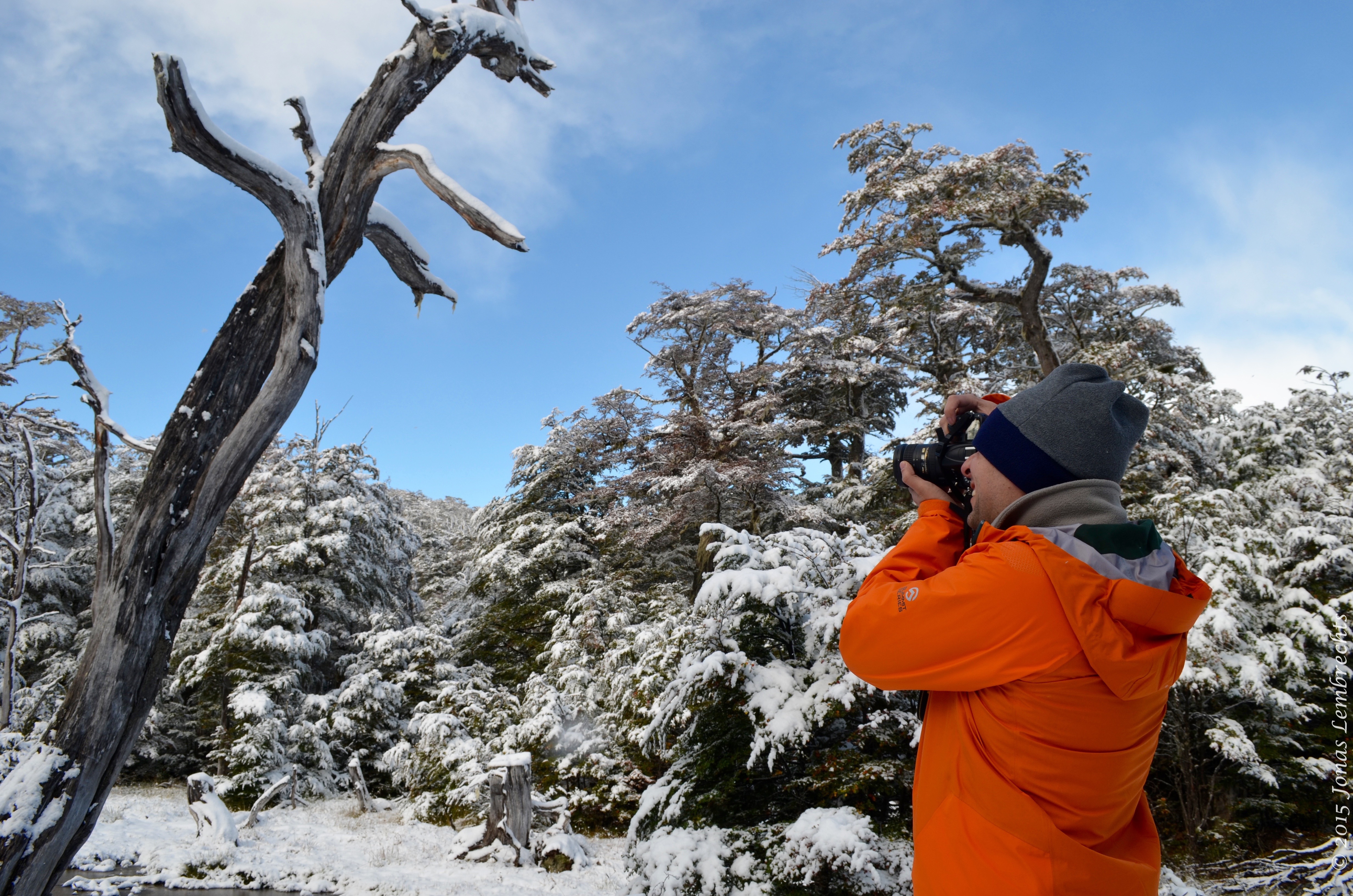
DSC_0082As you browse through the pictures, you will see the Street of Magellan on a rare summer day, the most beautiful cemetery you will ever see, a Nothofagus forest in the snow and long rows of awesome plants and animals we encountered during our adventures. I might highlight some things in future posts, but that depends on the rate on which I experience new exiting things.

DSC_0158

Posted in Chile | Tagged , , , , , , , , , , , , , , , , | 6 Comments

Brave as a (dande)lion

A warm spring day at the end of April, I climb a hill to an open sand plain on a wasteland next to the highway. As I reach the top, the heat strikes me like a hammer.

Teasel overlooking the little desert

On the open sandy field, temperatures are through the roof, making it a burden for the couple of plants that try to survive there. And these hard circumstances trigger a big feedback, as the heat kills of the plants that normally do such a good job to keep the temperatures between reasonable boundaries.

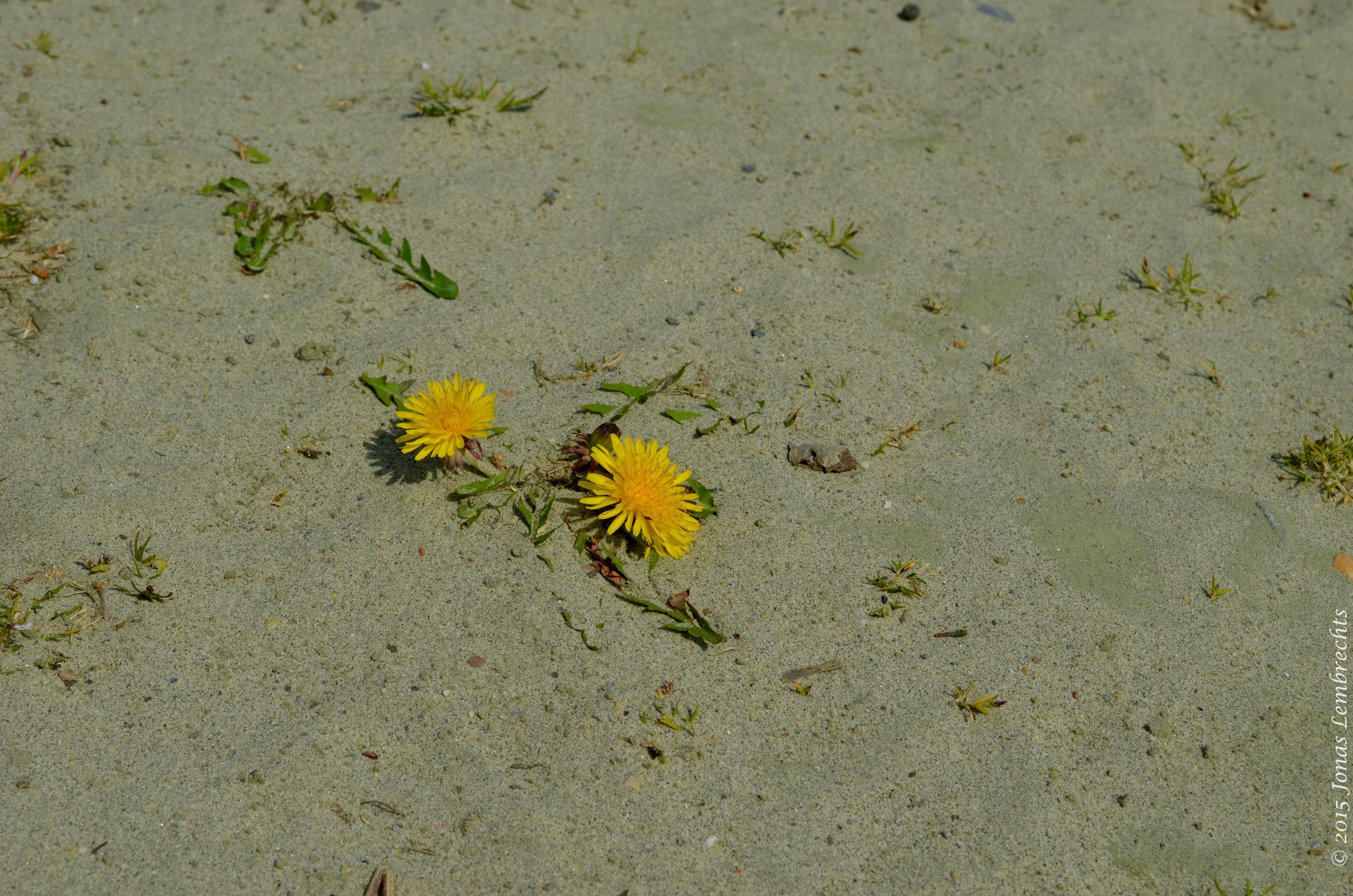
Dandelion in burning sand

Where they cannot grow, the temperatures will not be buffered – especially not on a dry sandy soil, making germination of new plants almost impossible. This feedback can drastically slow down the recolonisation of an area like this.

The brave dandelion

It was hence a pleasant surprise when I saw this optimistic dandelion bravely flowering on the hottest spot of all. Another reminder of the impressive flexibility that this species can show, as they can survive – and win the competition – everywhere from the most stressful to the easiest environment.

We will definitely here more of these winners of ecology in the future!

Posted in Belgium | Tagged , , , , , , , , , , | 6 Comments

The Antarctic feel

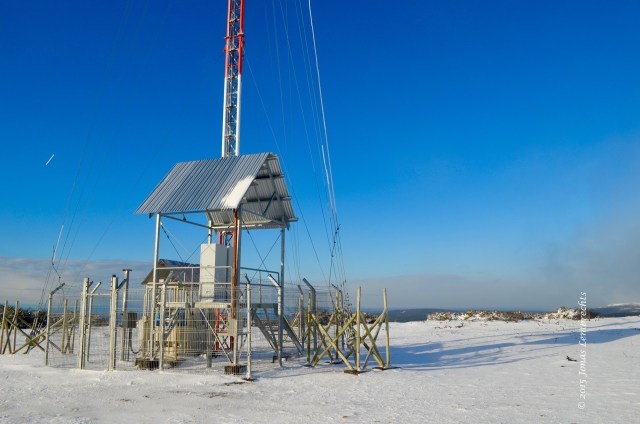
Punta Arenas is the closest a big city gets to Antartica. The implications of that fact are nowhere felt better as on the top of the Cerro Mirador, the mountain overlooking the city.

Punta Arenas club Andino ski resort

I have to admit the weather conditions in Punta Arenas can be fairly mild during the whole year, thanks to the tempering influence of the ocean all around.  The top of the mountain however houses a completely different world with circumstances much worse than in the lowlands.

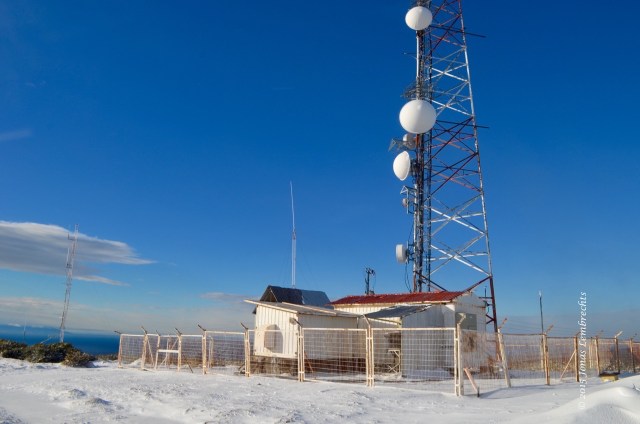
Television mast overlooking Punta Arenas

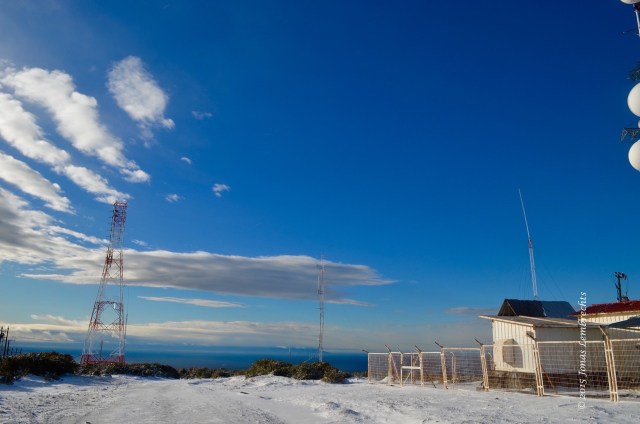
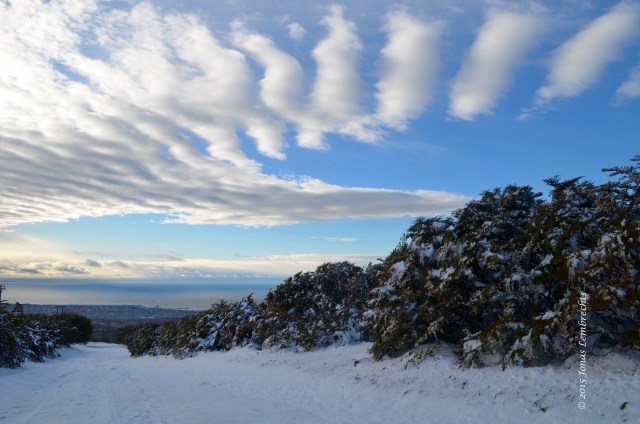
We had an experimental plot on top of this mountain, almost 650 meters above the city. Year after year, the weather seemed to be doomed on this plot. No matter how good the conditions at sea level, the top of Cerro Mirador is bitingly cold and haunted by snow storms.

Buildings on top of Cerro Mirador

And while Punta Arenas already has a reputation of a city with devastating winds, the top of the mountain seems to double that wind speed easily (beware of murderous pieces of ice hurling down from the top of these masts!).

Television mast above Punta Arenas

All together, our highest plot in southern Chile is the best place to experience the real ‘Antarctic’ feel without having to go to the cold continent itself.

Top of Cerro Mirador, Punta Arenas

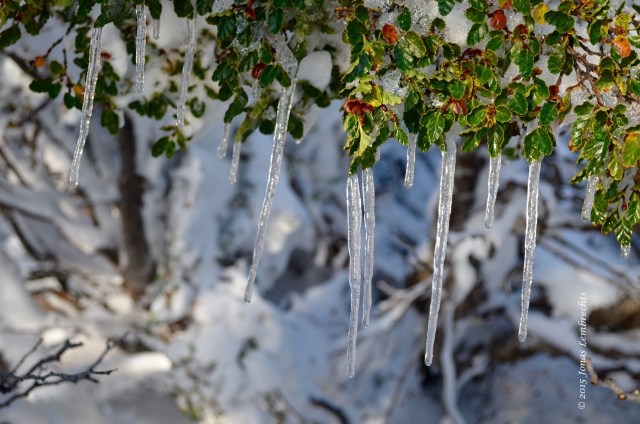
… I admit, that last sentence was a bit of an exaggeration. There is still a lot of live surviving there (although even our strongest non-native species finally bail out here). The Nothofagus trees are reduced to a stubborn shrub-like growth form, but they bravely persist.

Ice on Nothofagus leaves

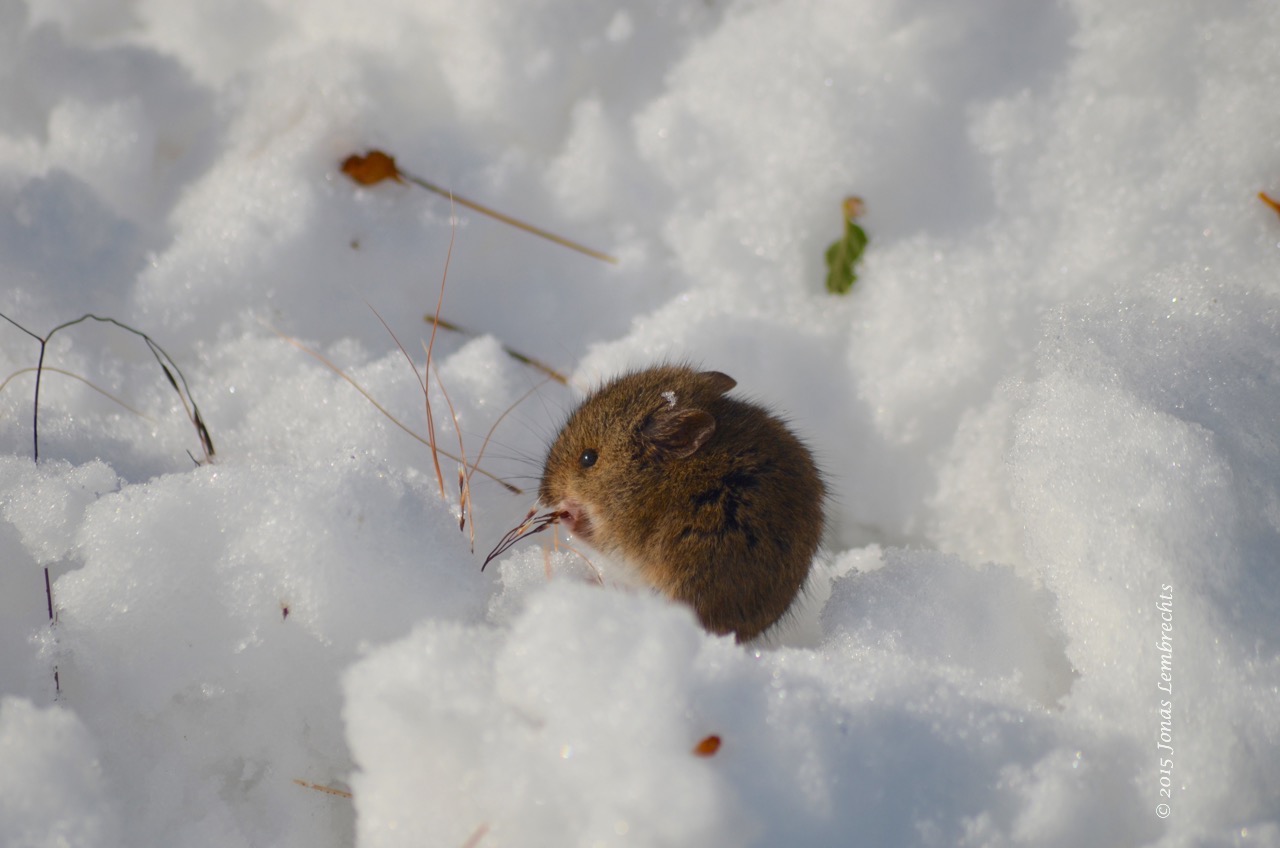
And there is always that one brave little animal I showed before, proving it is all not as bad as it looks!

Little mouse in the snow

Posted in General | Tagged , , , , , , , , , , , , | 3 Comments

Lyrical about a forest

Oh, the Patagonian forests! You might remember me getting lyrical about them in a previous post, but I did not have enough time there to express all my love for them. I especially wanted another chance to speak about all wonderful things living together under these colourful leaves.

Darwin's fungus lenga forest

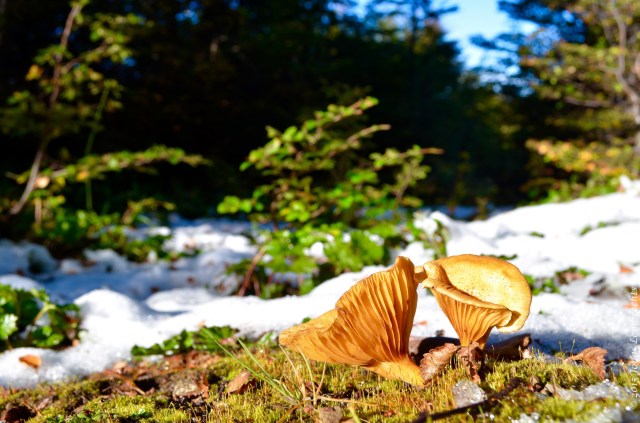
Imagine a sunny day, ten degrees, clear blue skies… The days before have been troubled by icy snow storms that smell of winter, but the sun is strong enough today to melt all the snow. A rare hot spell before winter really takes over the south.

Mushroom in lenga forest

At first, the lenga forest seems completely silent. Then, slowly, noises start coming through. The last remainders of the snow drip from the leaves of the Nothofagus trees and water droplets slip from the hanging lichens of Old Man’s Beard, re-imagining the best melodies of a natural  organ.

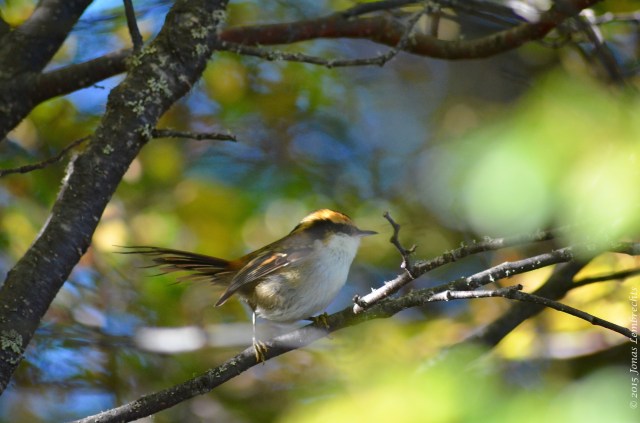
DSC_0698 (1)

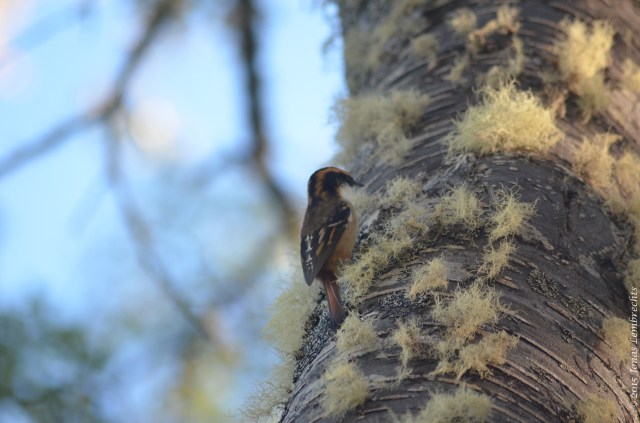
The trees start sparkling with the sounds of thorn-tailed rayaditos, beautiful little fellows that tirelessly roam the bark and branches for insects. They are curious enough to hop close-by and show off their warm colours in the rays of the sun.

DSC_0680 (1)

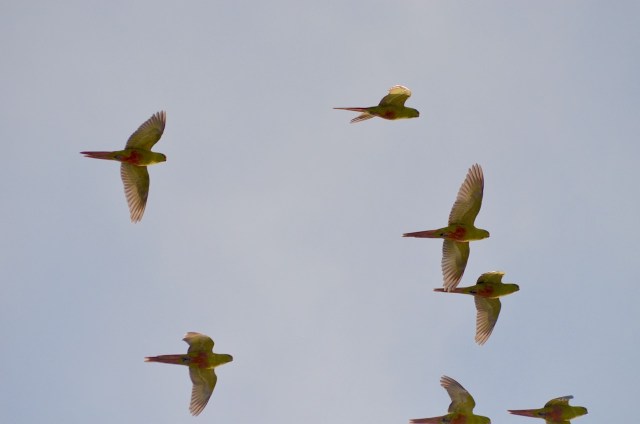
A flock of austral parakeets disrupts the peace as they soar over the tree tops. Their tropical plumage contrasts beautifully with the snows of winter. They do not seem to mind; not all parakeets are by definition summer lovers, so it seems.

Flock of austral parakeets

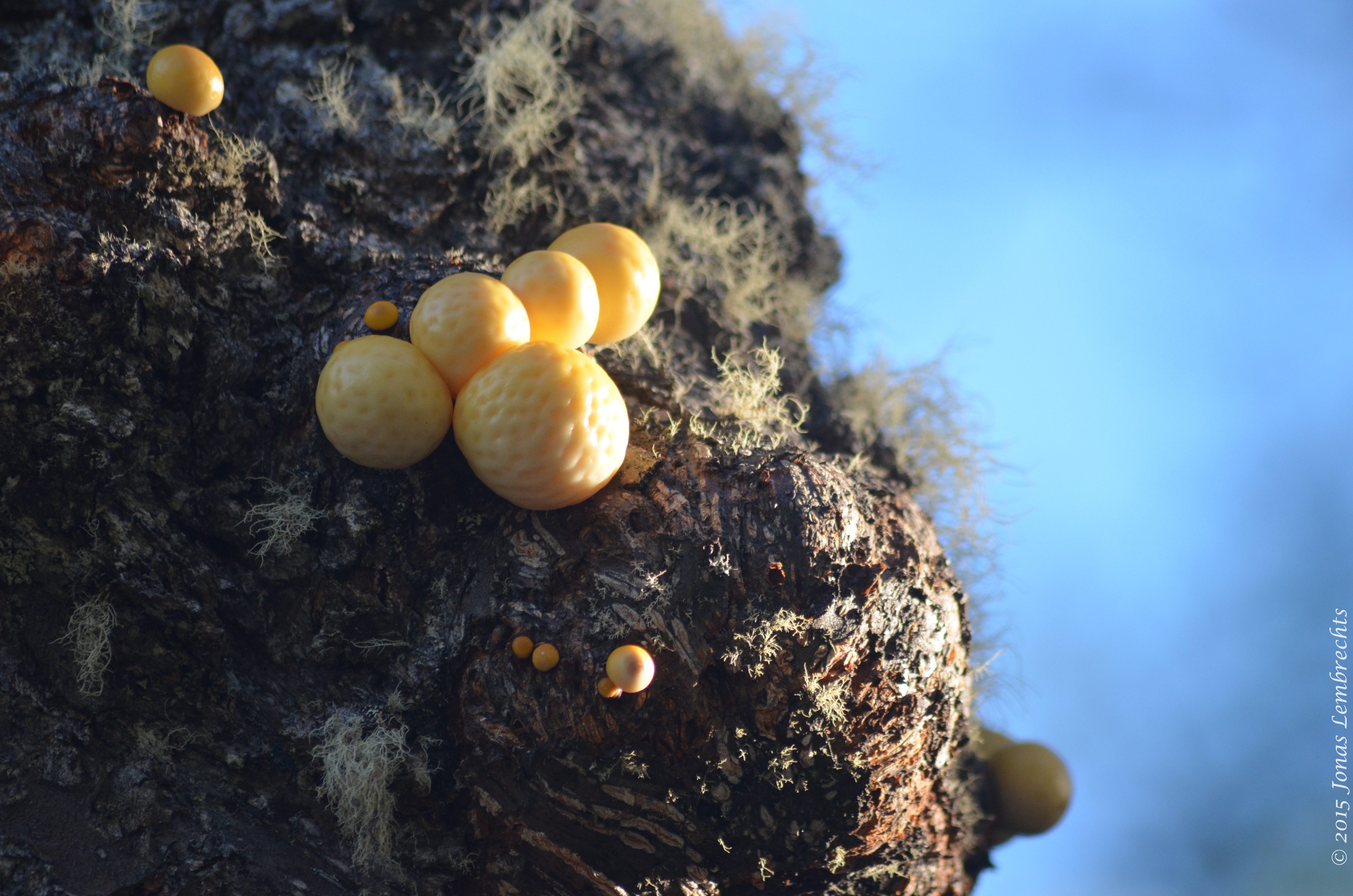
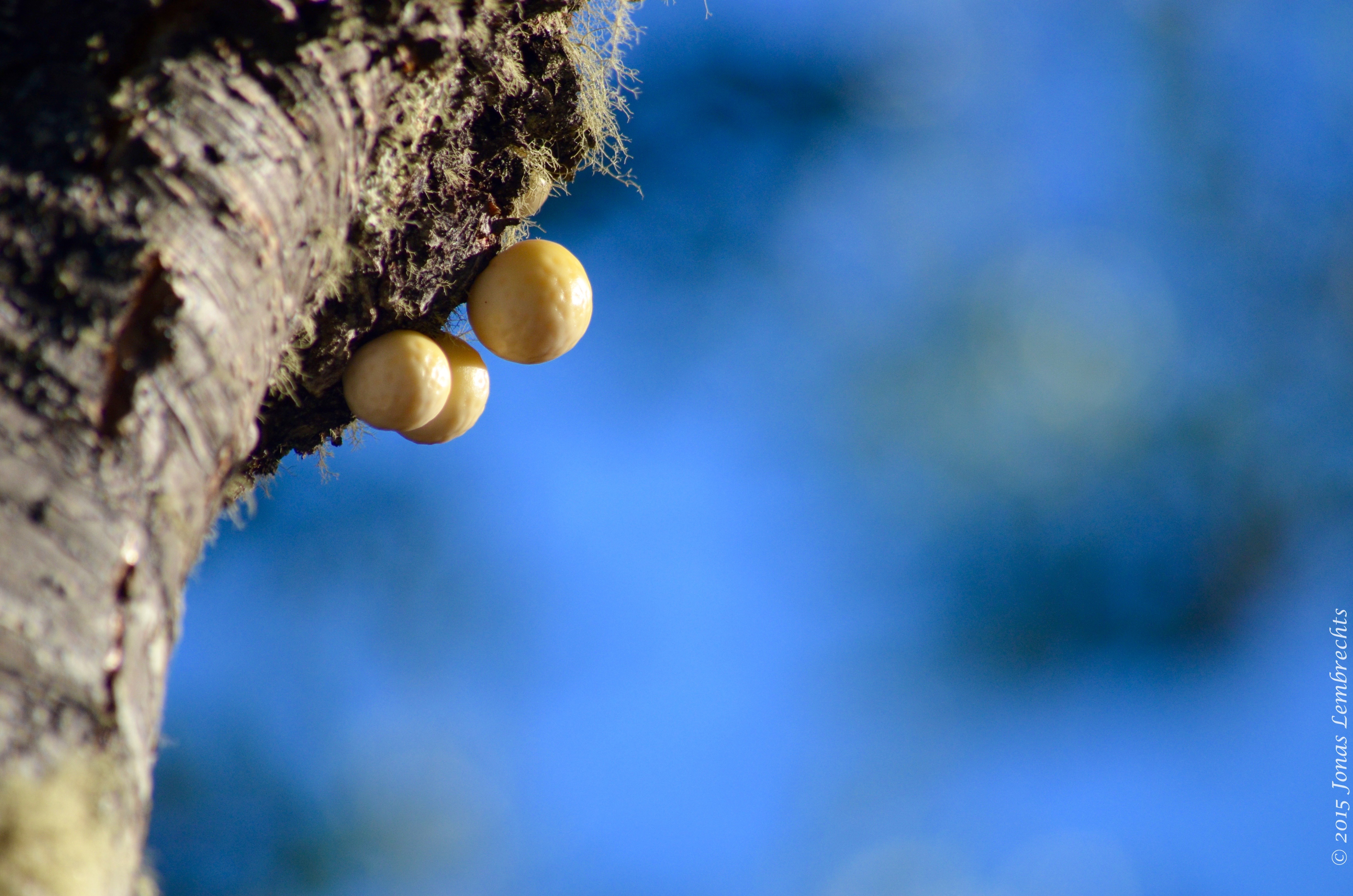
All around the forest in April, the signs of autumn are abundant. Mushrooms take the lead, here, with a special mention for Darwin’s fungus, a yellow little golf ball named after the famous scientist, who took samples of this funny creature in the lenga forests on his trip with the HMS Beagle.

Darwin's fungus Nothofagus pumilio

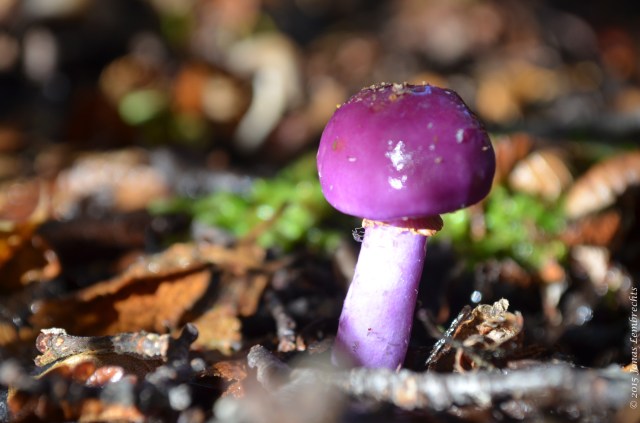
Another mushroom currently stays unnamed by me, although it might have been even more striking with his shiny purple hat.

Pink mushroom in lenga forest

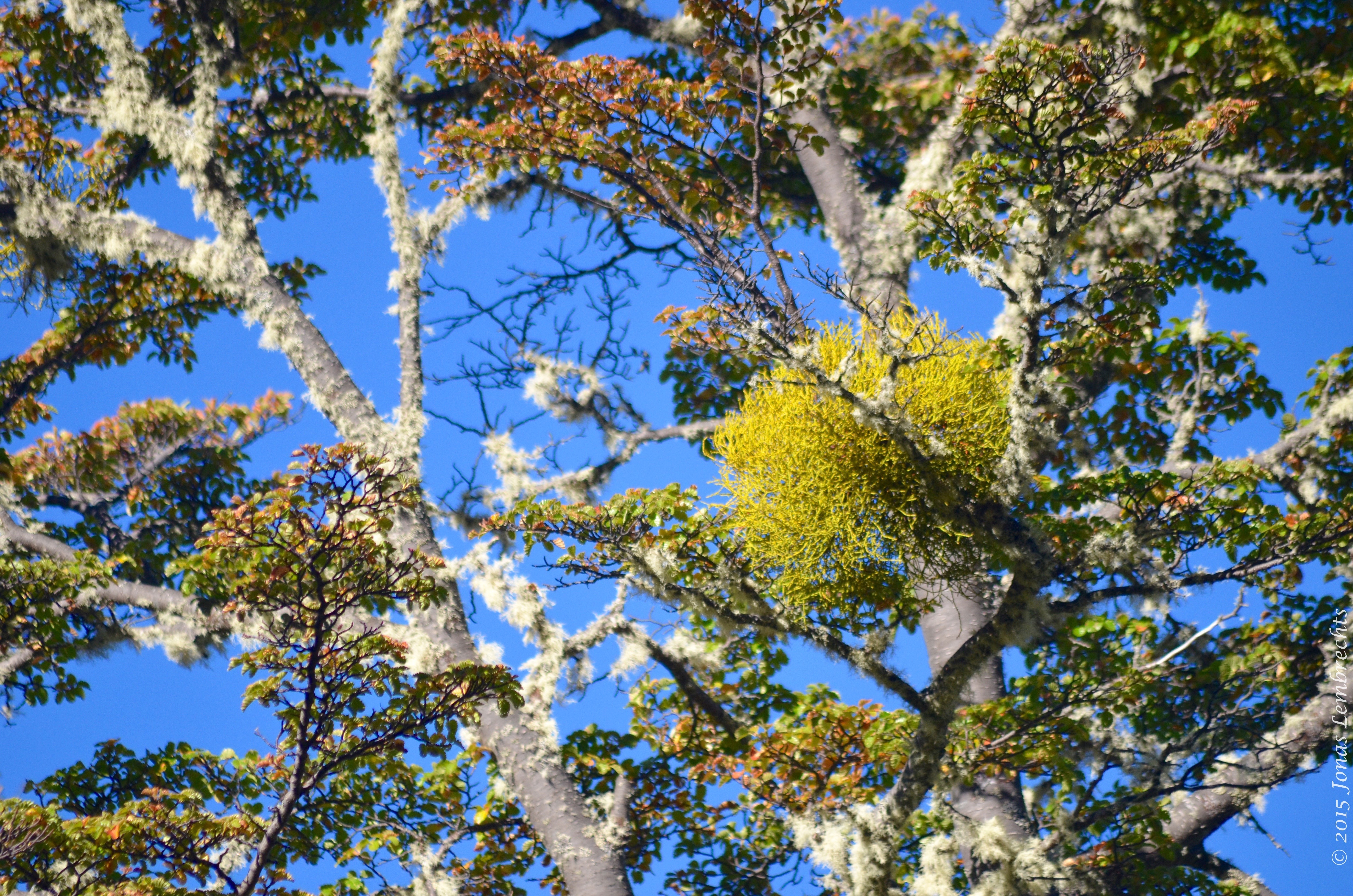
Although diversity might be lower in the harsh world of the subarctic than in its tropical counterpart in the north of South America, the remaining species easily make up for that with character and charisma. Another one of my favourites is the Misodendron, or feathery mistletoe, who happily parasites the lenga trees together with the Old Man’s Beard-lichen. There are clearly whole ecosystem living underneath the canopy of these lenga trees!

DSC_0671 (1)

The Nothofagus forests of the south might be less famous than the rainforests of the tropics, but they deserve at least the same admiration!

Autumn leaves of lenga tree

Posted in Chile | Tagged , , , , , , , , , , , , , | 8 Comments