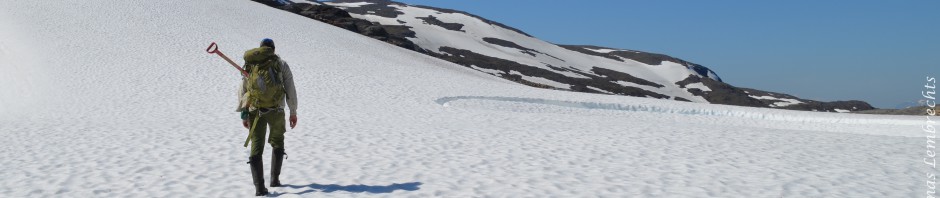
It has been a roller coaster ride to get the whole team in northern Scandinavia, as you can read here, but now the fieldwork is on a roll!
Vegetation surveys in the alpine zone
That things are going well is testified by the pictures I am receiving back at home from the great fieldwork and breathtaking views I’m missing out from.
Thanks to the enthusiasm and efficiency (and also sheer size, with one PhD, 5 master students, a bachelor student and a part-time field assitant!) of the team, the work is progressing much faster than initially feared. That is a good thing, as this way we might catch up with the close to a week of delay we accumulated at the start, thanks to our flight and transportation issues.
MIREN roadside vegetation survey
For me at home, it is simply a blessing to see the Excel sheets filling up day by day with important data on the distribution of so many important plant species along our Norwegian mountain roads. The database of the Mountain Invasion Research Network will get a fabulous present with what we are finding here!
What an epic week was this! The mountain part of The 3D Lab wanted to get to northern Sweden for an important summer of fieldwork, but the world was against it…
The team on its first mountain hike. An amazing group of young scientists which I’m honoured to show the beauty of northern Sweden
A massive strike at Scandinavian Airlines (they seem to be in big, big trouble, but that’s a whole other story) resulted in the consistent cancellation of ALL flights to Kiruna, for now already over two weeks in a row. So we had to come up with creative ways to get the 7 team members up there. After a week of delay, a two-day drive from Stockholm all the way up to the north of Sweden, and a well-timed pick up of a few team members at the nearest airport, we ended up making it. The live updates from that epic trip can be found on my Twitter feed!
Overnight stay halfway Sweden, in Umeå, enjoying the midnight twilight
But a bit of travel chaos was not going to stop us, as we were on an important mission: the tenth anniversary survey of my own master thesis project: the long-term monitoring of plant species distributions along Norwegian mountain roads!
Monitoring plant communities along Norwegian mountain roads
Every five years, the vegetation along these mountain roads gets resurveyed, to keep a close eye on how human disturbances and climate change together reshuffle plant species distributions. The master students will all look at a different aspect of that story, ranging from the potential upward expansion of non-native species, over the impact of microclimate to the interaction of plants with the local bumblebees.
Vegetation monitoring with a view
Now, I went for delegating: I left them – with a bit of heartache – to their work and travelled back home. But I trust they will do a great job up there, under the experienced leadership of long-time lab member Jan (it’s the 5th year anniversary of HIS thesis on the transect).
Already a trip of epic proportions, and likely one the team members won’t ever forget. Don’t we just look like the fellowship of the ring?
And obviously I’ll keep fulfilling my favourite role as ‘human plant ID-app’, identifying species over WhatsApp whenever they’re in doubt.
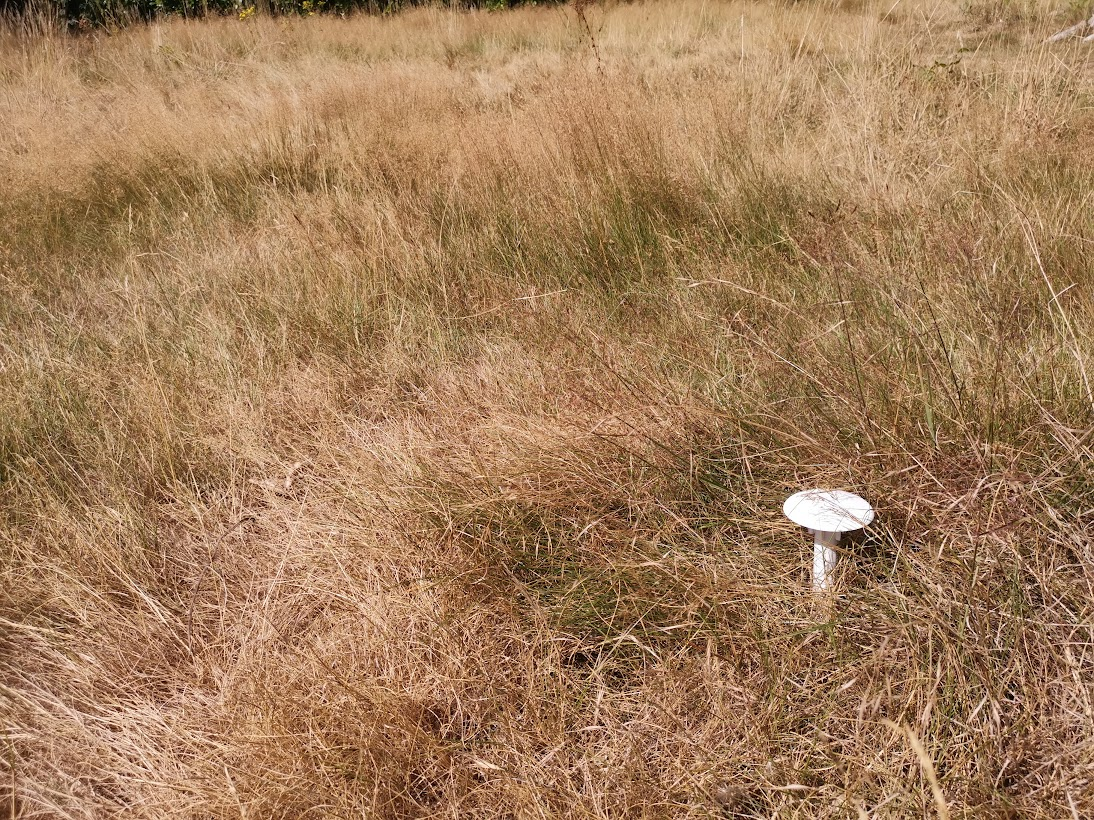
Two of our trusty research tools together: a microclimate sensor (mushroom on the right) and a pin-point frame for vegetation monitoring
Yesterday, we took (part of) our team to the ‘Kalmthoutse Heide’, one of Flanders’ most impressive heathland areas.
The goal? Prepare for the upcoming fieldwork season in northern Scandinavia, where soon a team of 6 from our lab will go to resurvey our long-term plant community plots up there (and do a lot of other awesome stuff).
The students doing a ‘mock-transect’, following all the steps and processes we will take in the field, including plant identification
Such a preparatory day gives us the perfect opportunity to get familiar with the different monitoring techniques, the nature of the work and the time it will take. This way, we save a good day of trial-and-error when we actually arrive in Scandinavia, next week.
Additionally, we get a first glimpse of many of the plant species we will encounter in northern Scandinavia. It is actually rather shocking how much overlap there is in species between our Flemish heathlands and at least the lowlands of the northern Scandes. Ruderal lowland species like Trifolium (clover), Taraxacum (dandelion), Cirsium (thistle) and Poa (grasses), but also many of the more typical species of the area, such as Deschampsia flexuosa and several of the dominant tree species: Betula pubescens (birch), Pinus sylvestris (pine) and Sorbus (mountain-ash).
This gives the students – many of whom have so far very little experience with plant identification – a good plant species base when arriving in Abisko.
And, of course, it allows us to work together as a team for the first time, and me to get to know the new students a bit!
I got to spend a bit under a week in the city of Davos, in the Swiss Alps, last week (more on the what and why here!). With such a backdrop for a conference, we decided that an early morning trip into the depths of the Alps would be a good way to prepare for more scientific discussions.
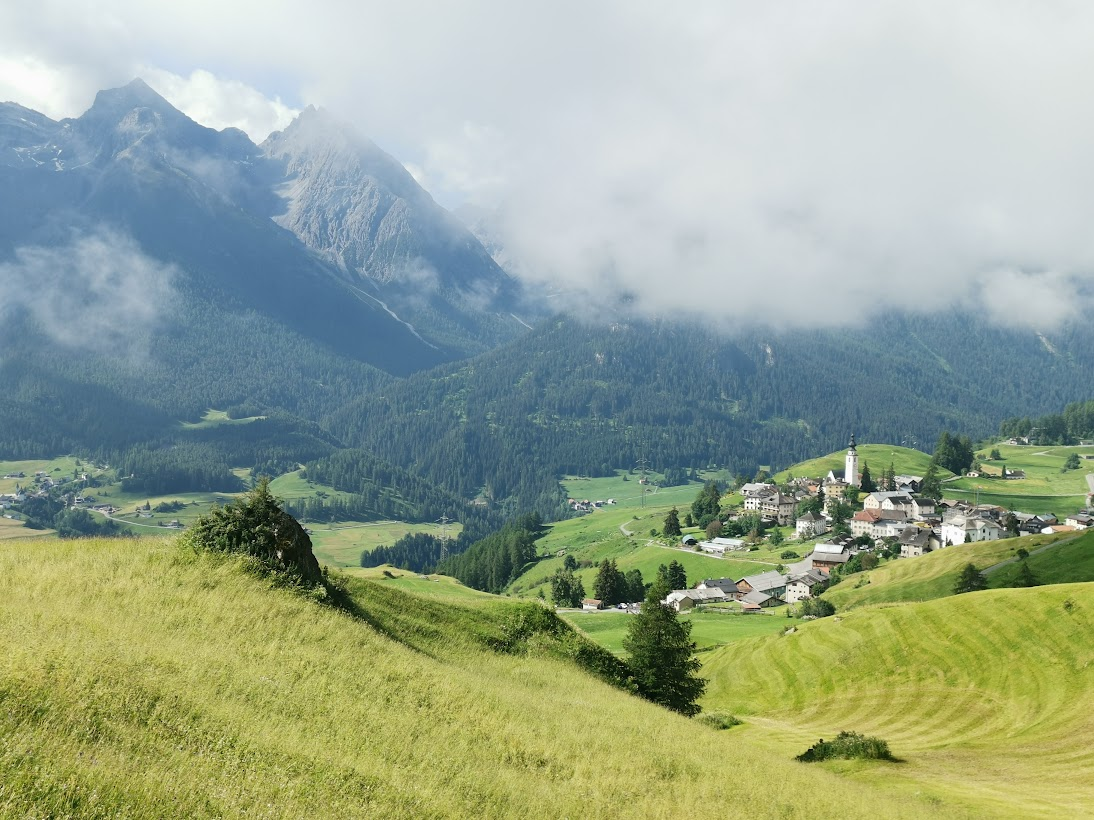
View from the Flüelapass – close to Davos
And did that not disappoint! The Alps are truly stunning in early summer, with their fields of flowers, stunning views and picturesque villages.
Little mountain village of Ftan
I quickly realized that I hadn’t seen enough mountains recently. As my research has increasingly been moving into the computer and out of the field, it was getting increasingly rare that I saw the mountains with my own eyes.
Microtopography above Ftan
So this post is here just to shamelessly plug in some mountain views.
It is a question not too often asked: what is the impact of hiking trails on the vegetation they cross? In a series of observational studies in mountain regions across the globe with the Mountain Invasion Research Network, we are trying to tease these impacts apart.
Part of the MIREN team in Mendoza surveying the dry steppe vegetation
In a recent study, led by the MIREN team from Mendoza, we show what these trails do with the surrounding vegetation in the dry Argentinean Andes. As so often, we found a positive effect of trails on non-native species presence, although surprisingly little impact on richness and cover was found. In contrast, the presence of livestock – assessed simply by counting their dung – had a positive effect on non-native presence, richness, ánd cover.
Lead author Lisi monitoring vegetation on a breathtaking mountain backdrop
Additionally, the typical decline of non-native species with elevation was observed: the higher one goes into the mountains, the fewer non-natives are found. Nevertheless, even the highest elevations were not entirely free of non-native species, with the omnipresent Cerastium arvense and Taraxacum officinale occurring all the way up to 3500 m a.s.l.
The native vegetation of the dry Argentinian Andes includes this fabulous ‘mandala-shaped’ Viola species
The conclusion here is rather worrying: the dry Andes vegetation – with its patches of bare soil under protective shrub canopies that facilitate establishment – are relatively vulnerable for non-native plant species expansion away from the trail into the natural vegetation. This effect is strengthened by the intensive use of the landscape by livestock, which rarely sticks to the trail and might spread non-natives even more rapidly away from the trails. With the more than 40 non-native plant species identified in the system, it is clear that the effect of trails here reaches significantly further into the mountain vegetation than the mere imprint of footsteps.
Touristic activities such as horseback riding can mean a significant boost for the spread of non-native plant species in the region
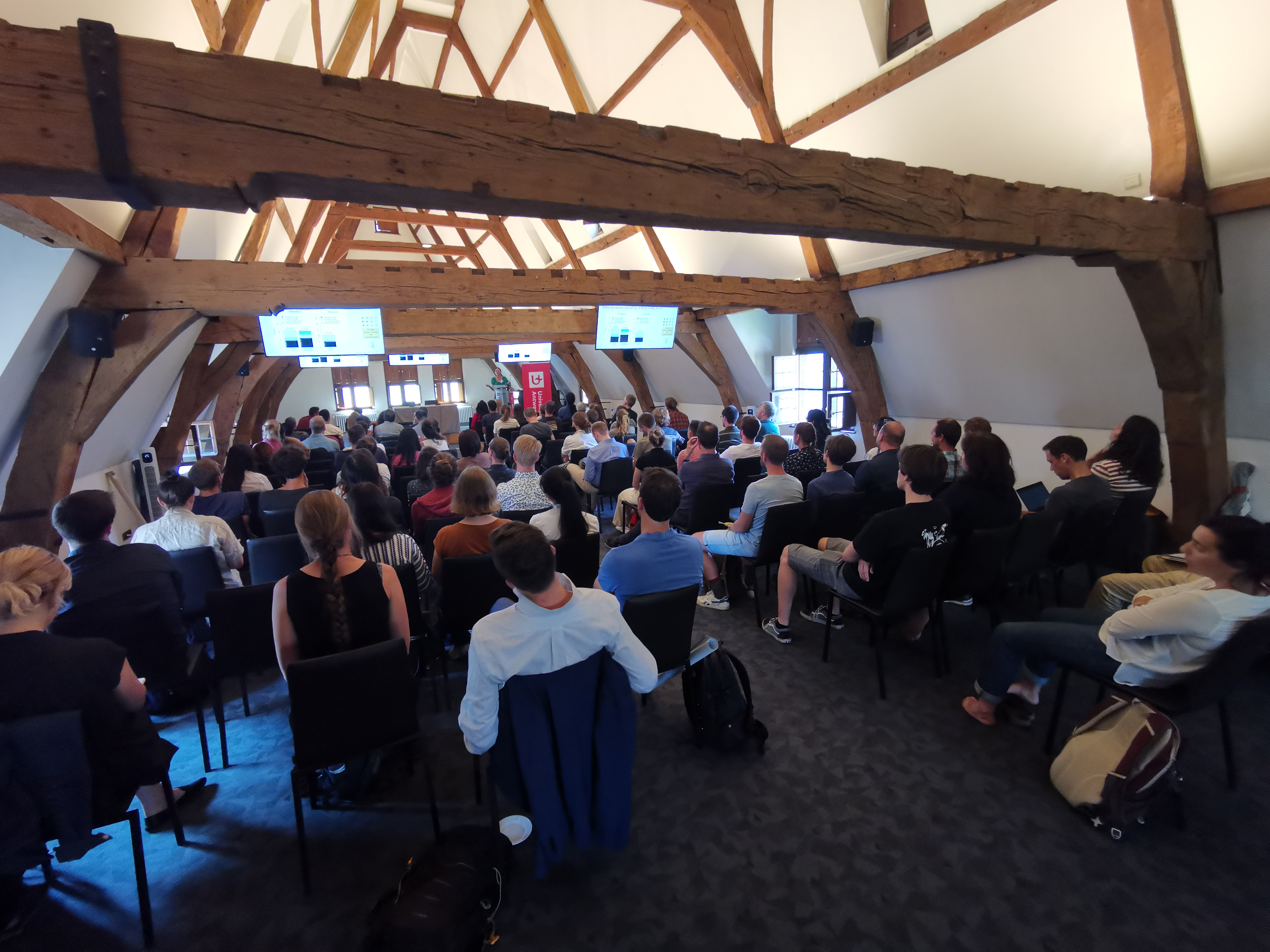
Today I will be presenting our SoilTemp project at the World Biodiversity Forum in Davos, Switzerland. That place might ring a bell from many a global convention, and the conference name even sounds familiar to the World Economic Forum hosted here. In fact, we are here with a same ambitious goal: bringing together some of the worlds’ experts on biodiversity towards a globally coordinated effort to save as much of it as we can.
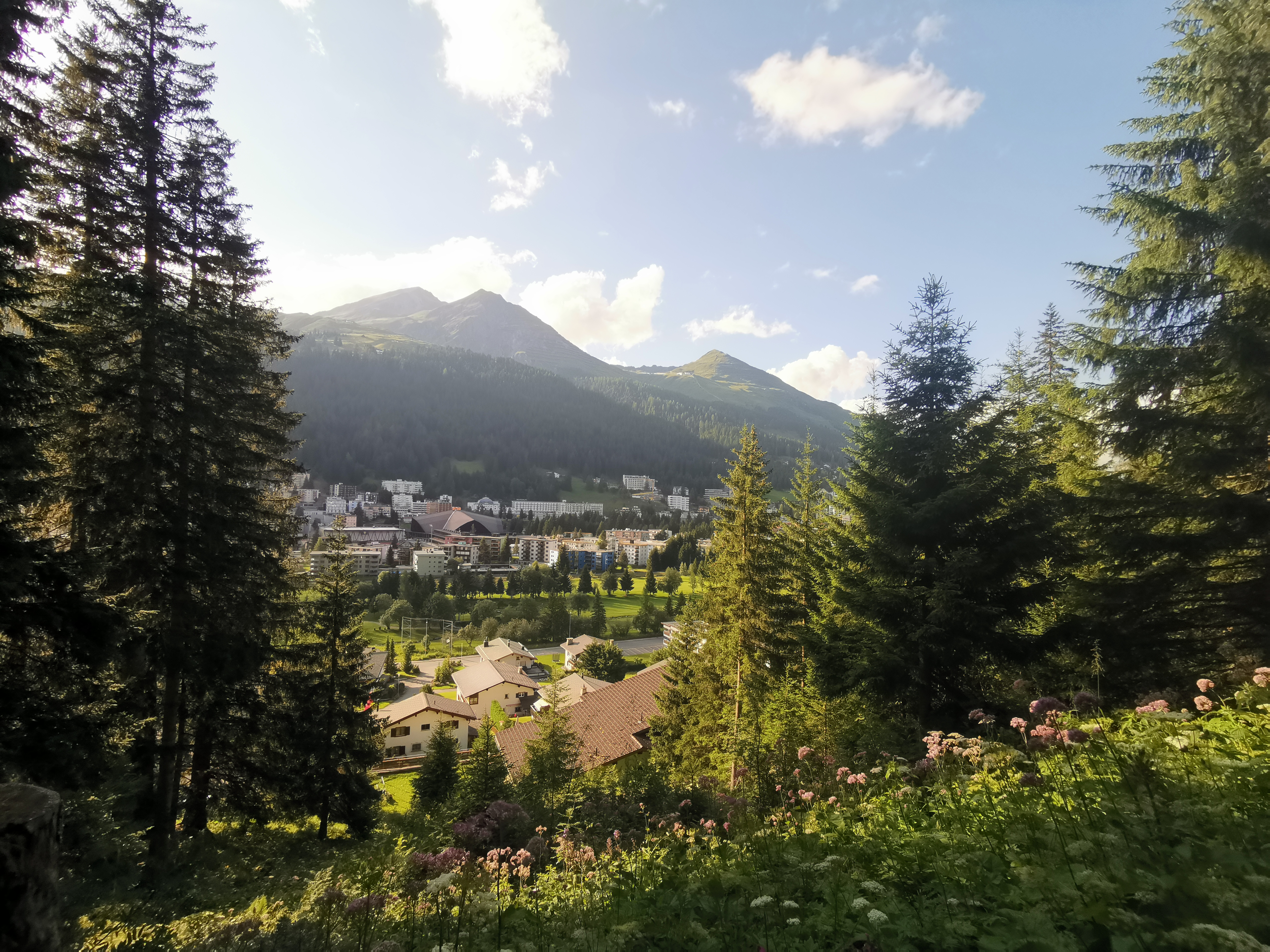
View of Davos and – for those who know where to look – its conference center
High ambitions, for sure, but high stakes as well.
An important line of thought throughout the conference, however, is that there is surprisingly much about the sheer numbers of biodiversity that we simply don’t know yet. Especially in remote areas like mountains, and for more ‘obscure’ organisms like soil micro-organisms, we simply do not know yet what is out there, let alone how much of it we are loosing as a result of global change.
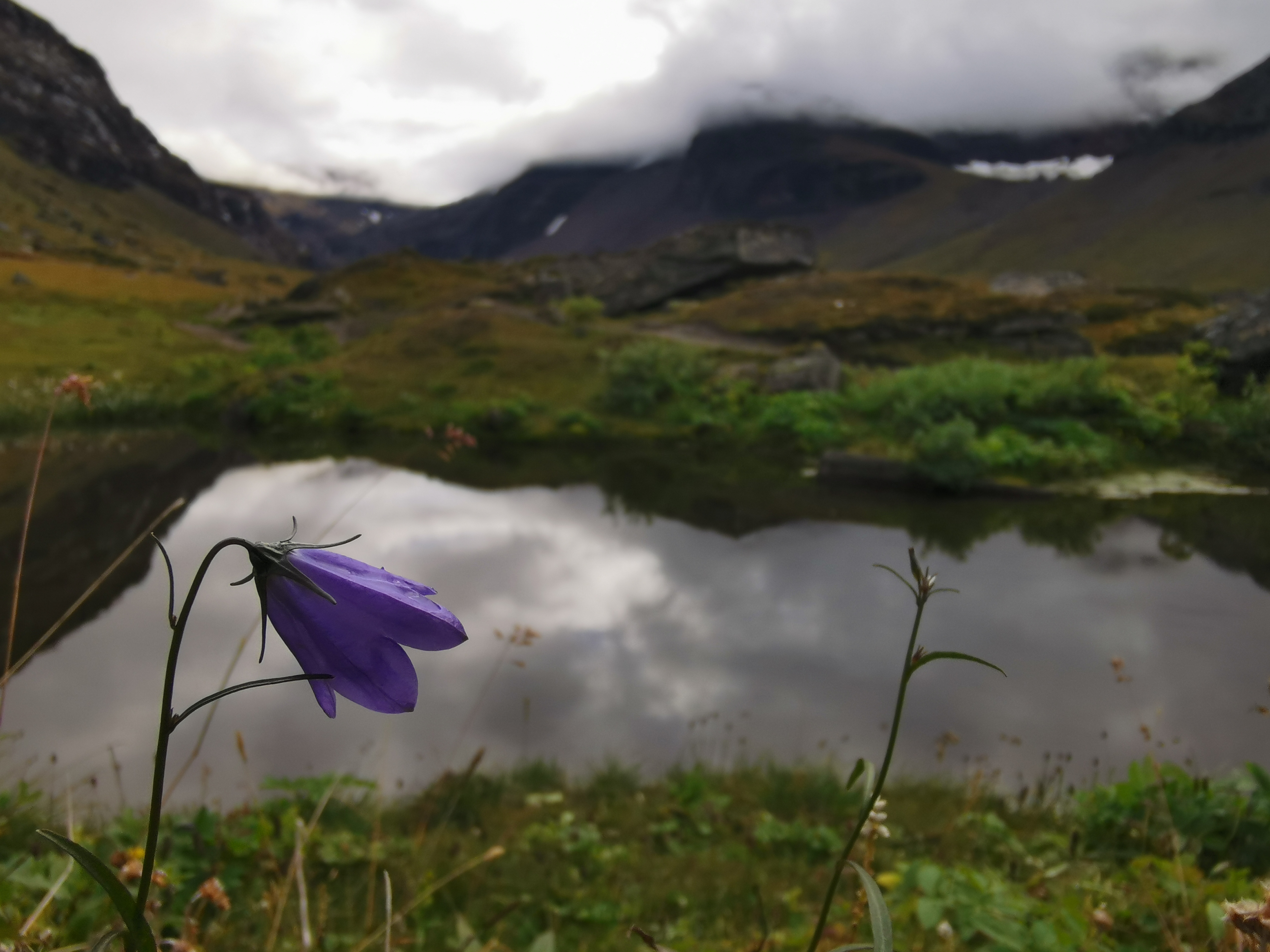
Rampion flower in a trailside in the Swiss Alps close to Davos, proudly reminding us what a wonderful biodiversity we can find in this world.
The good news is that this issue is more and more being voiced, and global efforts to monitor, map and predict global biodiversity are increasingly popping up. Many great examples of those were presented here this week.
Tomorrow, I will be showing how I think our work with SoilTemp can help in that regard: we are working hard to provide the necessary climatic baseline data to aid that mapping and predicting. Indeed, without good, accurate and most importantly relevant climate data – and all of that is also still rather patchy across the globe – it is even harder to get an idea of the fate of our worlds’ biodiversity.
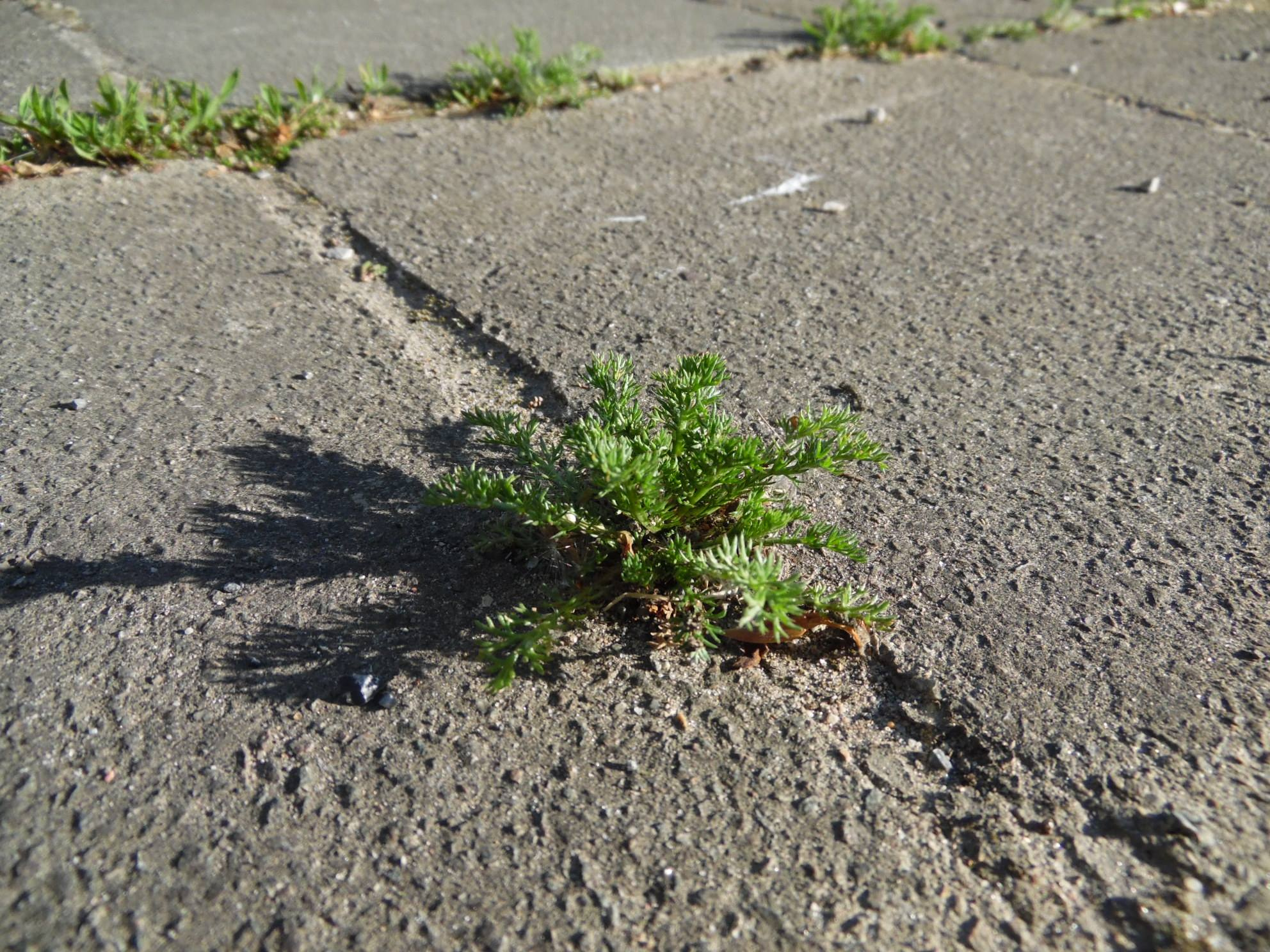
Campanula flower stubbornly holding on to the rocks of a road tunnel. Anthropogenic pressures are seriously threatening biodiversity, but there is still an awful lot to fight for!
Young bluebell (Hyacinthoides non-scripta) surrounded by flowers of yellow archangel (Lamium galeobdolon)
The common bluebell (Hyacinthoides non-scripta), the signature flower of the Hallerbos
Single bluebell flower surviving on a wetter spot, as indicated by the field of wild garlic (Allium ursinum)
A really wet patch of forest, with giant horsetail (Equisetum telmateia) in a field of wild garlic (Allium ursinum)
Wild garlic (Allium ursinum) in the Hallerbos flowers a bit later than the bluebells, yet this one was already in full bloom
A bumblebee visiting yellow archangel (Lamium galeobdolon)
Wild garlic (Allium ursinum)
Weirdly beautiful, the inflorescence of pendulous sedge (Carex pendula), typical for the wettest spots in the forest
A little stream in the Hallerbos, surrounded by endless fields of wild garlic (Allium ursinum)
The herb-paris (Paris quadrifolia), less common in the forest
Wild garlic (Allium ursinum)
Bluebells (Hyacinthoides non-scripta)
Weirdly beautiful, the inflorescence of pendulous sedge (Carex pendula), typical for the wettest spots in the forest
Another one from the wet plots: large bitter-cress (Cardamine amara)
Young beech leaves, as soon as they are fully grown, spring in the understory is over
A beech forest without understory, most likely too dry and too acid for any survivors
A young beech seedling (Fagus sylvatica), looking nothing like a beech, yet everything like a tiny dancer
Young beech seedling (Fagus sylvatica)
Bluebells (Hyacinthoides non-scripta)
Mountain melick (Melica nutans), a grass in the most amazing green
Bluebells (Hyacinthoides non-scripta) in a rare patch of mountain melick (Melica nutans), a grass in the most amazing green
Bluebells (Hyacinthoides non-scripta)
Montpellier 2017
The entrance to the cathedral of Montpellier
The cathedral of Montpellier
The entrance to the cathedral of Montpellier
The cathedral of Montpellier
Narcissus poetics
The cathedral of Montpellier
The botanical garden of Montpellier
Brackish Camargue vegetation
A typical lagune
Brackish Camargue vegetation
Camargue horses
Camargue horses
Camargue horses
Brackish Camargue vegetation
Camargue horses
Brackish Camargue vegetation
Little egret in the evening sun
Flamingo’s in the evening sun
A typical lagune
Dandelion fuzz
Grass lily
Grass lily
Dandelion fuzz
Veronica in a sea of poplar fluff
Euphorbia in a sea of poplar fluff
Poplar
Gare du Midi, Brussels
Sweden autumn 2016
Autumn in Abisko
Yellow leaves of mountain birch, with lake Torneträsk in the background.
Lapporten, the gate to Lapland, in Abisko
Rain blowing over the Abisko National Park
The colours of the north: red fireweed and yellow mountain birches, with lake Torneträsk on the background
Yellow leaves of mountain birch, with lake Torneträsk in the background.
Rain on the background, the ski lift in Abisko on the foreground
The steep slope of mount Nuolja on a dramatic looking morning
The beautiful colors of lake Torneträsk in Abisko
A little stream on top of the mountain, with a view on Lapporten, the gate to Lapland
Well, that is a beautiful table with a nice view on lake Torneträsk in Abisko
Our little experiment on top of the mountain in Abisko, with a view on Lapporten
Autumn in Abisko is extremely colorfull
The ski lift with a view on Abisko National Park and Lapporten
Hiking dowhill towards lake Torneträsk
This green is greener than the greenest green: moss on top of mount Nuolja
Well, that is a beautiful table with a nice view on lake Torneträsk in Abisko
The ski lift with a view on Abisko National Park and Lapporten
The most beautiful hiking trail of the world: Nuolja in Abisko
Angelica archangelica, often the biggest plant of the Arctic
The most beautiful hiking trail of the world: Nuolja in Abisko
Cirsium helenioides, the melancholy thistle
Hiking down mount Nuolja
The steep slope of mount Nuolja on a dramatic looking morning
The colours of the north: red fireweed and yellow mountain birches, with lake Torneträsk on the background
The prettiest yellow and blue: autumn in Abisko
Fireweed, Epilobium angustifolium
Campanula or bellflower, I think ‘uniflora’
Vaccinium myrtillus
Cornus suecica, the prettiest red of the world
Hieracium alpinum, alpine hawkweed
Carex atrata, one of my favourite sedges
Alpine clubmoss, Diphasiastrum alpinum
Agrostis capillaris, bentgrass
Common yarrow (Achillea millefolium)
Anthoxanthum odoratum, sweet vernal grass, fully grown and mature
Snow scooter trail
Our plot in the mids of a field of horsetails (Equisetum pratense)
Equisetum pratense
Cliff overlooking the valley with the road to Norway
Seedling of Taraxacum officinale, the dandelion, after two years of growing in bad conditions
Poa alpina, the alpine meadow-grass, with its viviparous seeds
Massive flowerhead of Angelica archangelica
Angelica archangelica
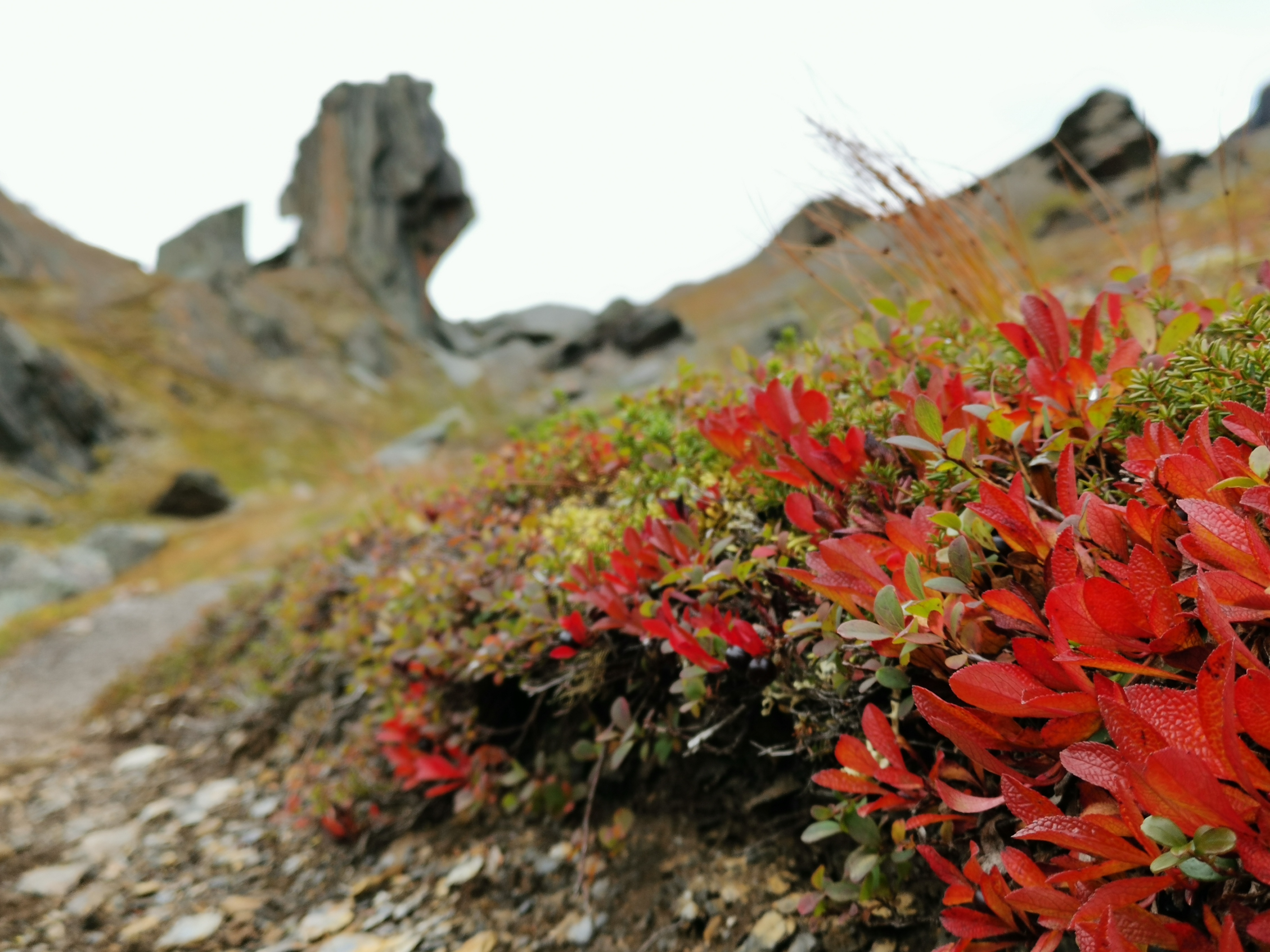
Blueberry (Vaccinium myrtillus) in autumn
A lowland marsh in Abisko in autumn
Installing the plots of our trail observations on top of mount Nuolja
Tanacetum vulgare (Tansy), non-native for the high north
Autumn forest down in the valley
The valley of Nuolja to Björkliden
Summer on the Nuolja-side
A full rainbow behind mount Nuolja in Abisko
It’s raining in the west, clouds trapped behind the mountains
A strong wind blowing rain from behind the mountains to our side
Betula nana, the dwarf birch, mini autumn forest
The valley of Björkliden in autumn
Sweden spring 2016
Trifolium repens
Eriophorum vaginatum
Rubus arcticus
The valley of the lakes
Ranunculus glacialis
Salix reticulata
Melting snowpatch on a lake
Silene suecica
Overlooking the valley of Laktajakka
Western European species like the red clover (Trifolium pratense) here are often listed as non-native species in mountain regions.
Cornus suecica
Dryas octopetala
Oxyria digyna
Trifolium pratense
A rainy hike
Although the alpine zone has been harder for invasives to access than most places, human structures like trails are often an easy gateway for the invaders to get up there. Picture from Abisko, Swedish Lapland.
Silene acaulis
Bartsia alpina
Ranunculus glacialis
Amiens
Cathedral at night
Cathedral with a glimpse of spring
Enjoying silence and the morning sun
View from my office window
Sunny but cold, the Quai Bélu
The museum behind the beautiful gates
Frozen to the bone
Colourful mirror
Nice architectural curve
The southern side
Sunny but cold, the Quai Bélu
Amiens is filled with cute little houses
House on the square before the cathedral
Cathedral at night
Just outside of Amiens
View from my office window
Cathedral at night
Cathedral at night
Cold!
Le Club d’Aviron in winter weather
Winter sun on the Place du Don
Almost cold enough for ice-skating
Sun rising above the water
Gargoyle planning to eat the cathedral
Maria without a shirt
Frozen mirror
Cathedral seen from the frozen Parc Saint-Pierre
Sweden autumn 2015
Lichen
Sweden summer 2015
View on the 1000 meter plots
Doing research on a cold Arctic morning
Plots flooded by the snowmelt
Flooded by the snowmelt
Meltwater river, racing down the mountain
After a hike, even the most basic house looks cosy. Little hut in the mountains, open for everybody
Snowbridge, maybe don’t cross…
Snowbridge
View from a cliff
Silene acaulis or cushion pink, cutest plant of the Arctic
Two seasons in one image
Steep slope
Hiking down
Narvik Kirche, church of the subarctic
Narvik Kirche
Reindeer on top of the mountain
Narvik Kirche
Summer at the church
Summer flowers
Massive waterfall
Young willow catkins
View from Narvik’s hospital, with lilac flowers
Building a bridge over the fjord will gain al drivers at least an hour
Norwegian fjord
Posing with the water, getting soaked
Minimalistic mountains
Insect investigating our reindeer antler
Catching mosquitoes with our license plate, harvest of the year!
Posing with the plot
Fieldwork on the most beautiful spot of the world
Summer bridge – still next to the sadly impassable river
Rhinanthus flower in the mountains
Plateau in the valley, beautiful brown
Experimental view from my favourite plot
Salix catkins
Extremely old Betula tree
Waterfall from a cliff
Buttercup is the earliest in spring, here
Rocks!
Alpine views
Views!
Fieldwork
Jumping over rivers
Plot
Golden plover
Angry lemming
Green, the whole north is green!
Snow, so much snow left!
Minimalistic mountain moments
Fieldwork
The research center
Red clover – focal invader
Look at this tiny cute snail!
Massive floods of melting water
Bartsia alpina
Hooray, a toilet!
Dryas octopetala
Lowest elevation plots
Butterball!
That’s a lot of water
Midnight sun is the best
At the lakeside
Beautiful Bistorta vivipara
Don’t fall in the water
Midnight sun
Wild river
Art – made by ages of wild rivers
Baby firework for America’s independence day
Midnight sun at the lake
The Abisko canyon was wilder than ever
That’s a crazy amount of water!
The Abisko canyon was wilder than ever
Black and white
Stone-man overlooking Abisko
Nothing as soft as a willow catkin
Label and soil temperature sensor attached
I’d drive to the top every day
Reflections
Rocks and clouds
Brave little birch
Brewing our camping poison
Basic camping stuff
Camping in Norway
Home-made temperature houses
Roadside research at its best
Norway is crazy
Horsetail is so funny
Little creek in magical forest
Birches, birches everywhere
Beautiful rock, a gift from the river
Another roadside fellow
Lichen
Ready to rock the summer
Collecting mosses
That’s a crazy old lichen
Tiny tiny piny trees, but old, so old!
Ready to jump into the fjord?
That’s a spiky stone!
Views on Norwegian fjords
Silene in the mountains
Cute little orchid
Skua
Attacking skua, mind your heads!
Watch out for the attack of the fierce skua!
Black snail
New plot!
Still a lot of snow to melt, but this spot was free for a new plot
Reindeer are better than people
Two seasons in one picture
Let’s see what is happening to the balance in mountains! Is this a starting avalanche, or will it last a bit longer?
Cute little hut
Climbing mountains by car
Softest moss in history
Drosera in the marsh
Hiking in no-man’s land
The clouds are coming
Abisko valley
‘Butterball’
Fieldwork in the tundra
Abisko valley
Little plot
Clouds and sun and mountains
Making soup on a campfire with a view
Little creek on high elevations
Skua on the look-out
Melting snow in a river
Rhodiola rosea and the Törnetrask lake
Beginning of spring
Flooded plots, melting snow, impassible wetness
Ferns and horsetails
Chile 2015
Lunch made by our local colleague, with funny bread (tasty as well!)
Trips to the field sites were sometimes a real adventure, especially right after snowmelt