Trolls (!)

I start the year with a nostalgic post about my visit to Sweden in July to cheer up those brave Scandinavians in the far north that don’t have much daylight at the moment.

There is this one valley in Lapland where trolls are still living. It is allowed for tourists to visit the area, but great care should be taken not to disturb them. They have their forts on top of the mountains, from where they trow large rocks at each others’ head over the valley.  The valley itself is a total chaos of fallen rocks without any structure or organization, which results in an impressive landscape.
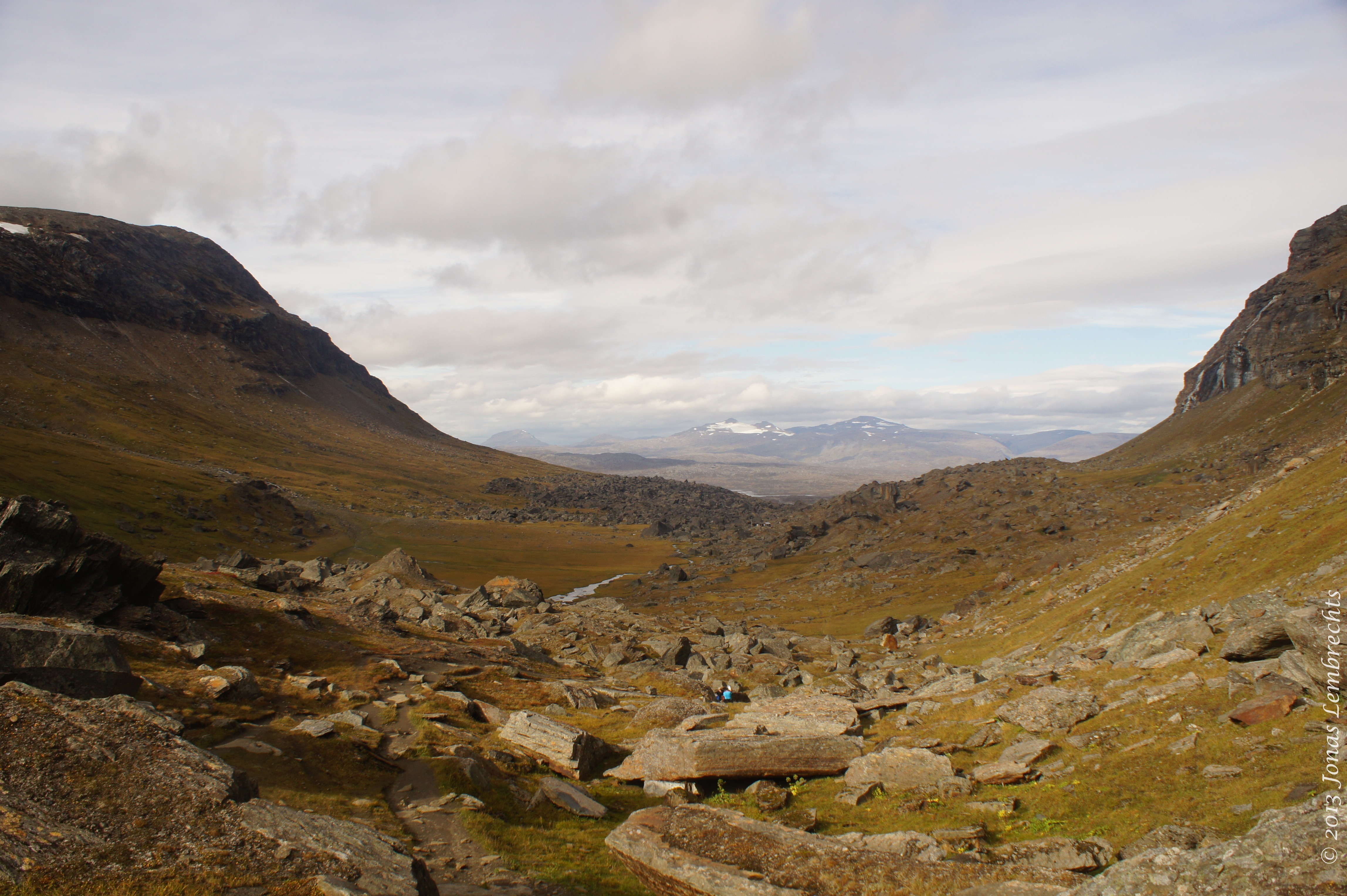
Kärkevagge

If you walk there, between the huge rocks and with the towering mountains everywhere around you, it is easy to believe trolls are wandering through the cold mountains of Lapland. No wonder the mythology is still so alive in Scandinavia. Especially in the dark winter nights, the impressive power of the valley of Kärkevagge could easily result in stories about monstrous men.
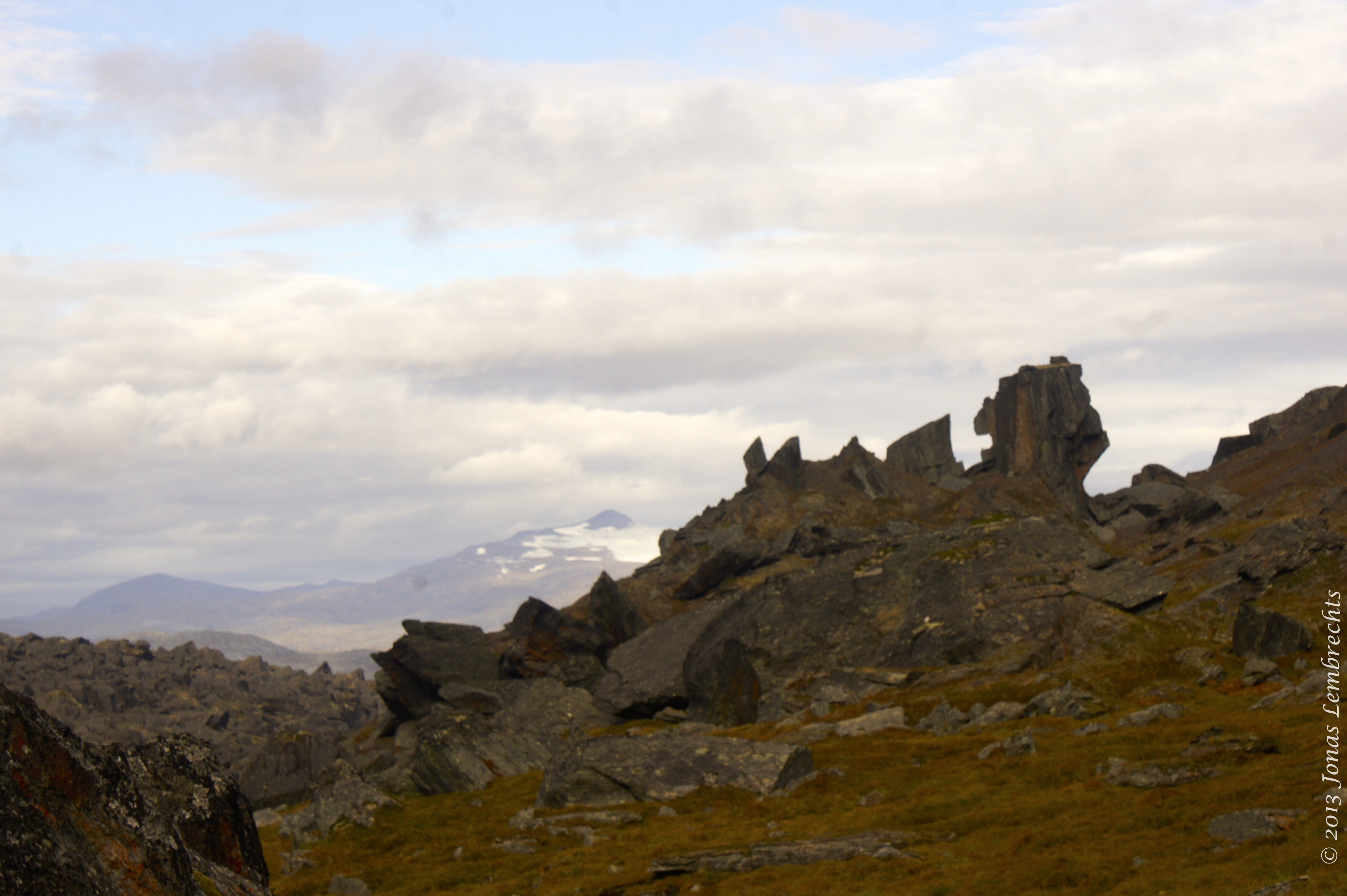
Rocks and trolls

A lot of the more strangely shaped rocks are not thrown by the trolls, no, they are trolls themselves. If touched by direct sunlight, they immediately petrify, as the lucky hobbit Bilbo Baggings knows everything about. They are everywhere in the Scandinavian mountains, those trolls that were to slow and surprised by the rising of the sun.
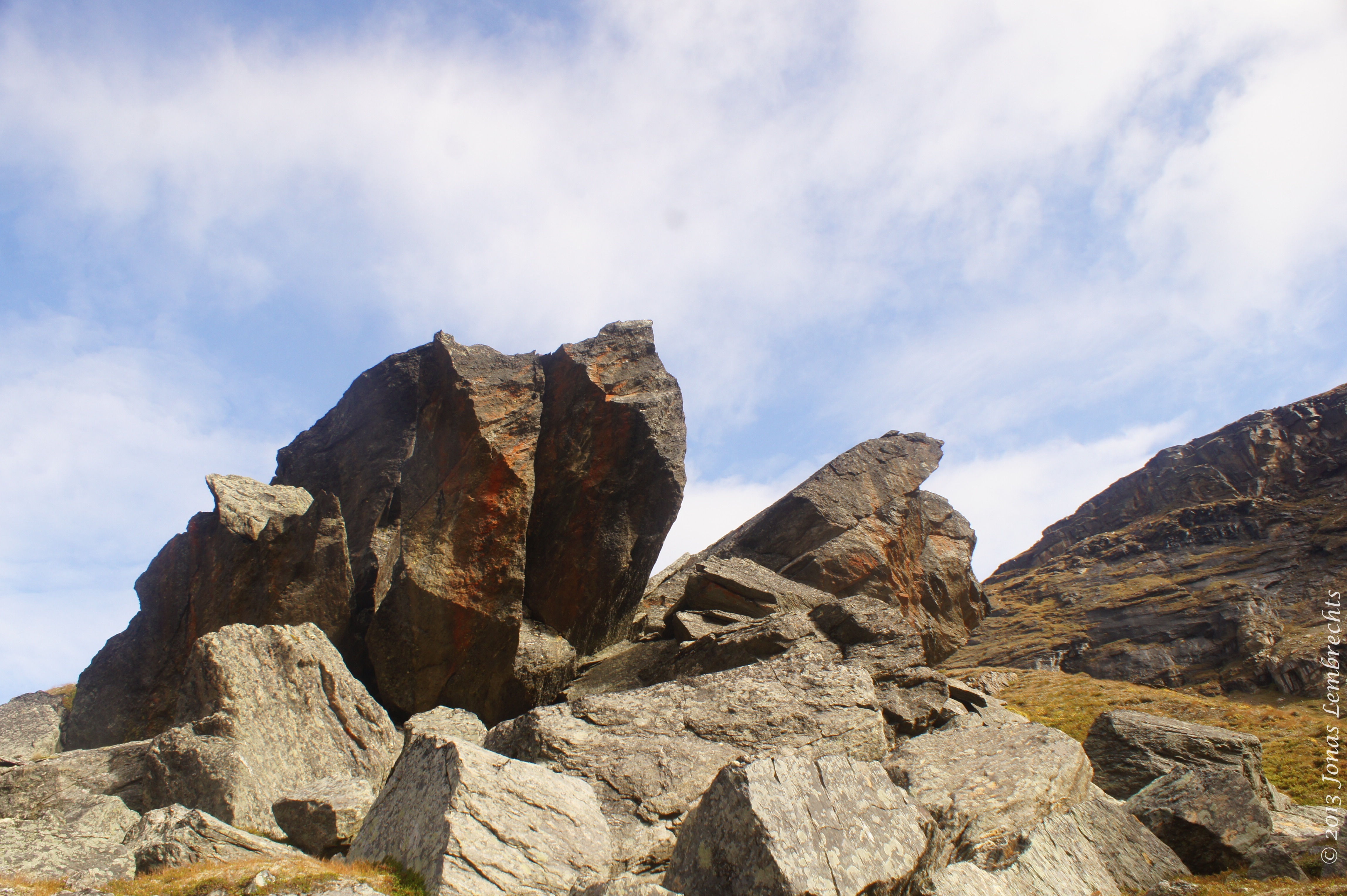
Rocks and trolls

They add to the wonderful atmosphere of Scandinavia, a feeling you should definitely go experience yourself.
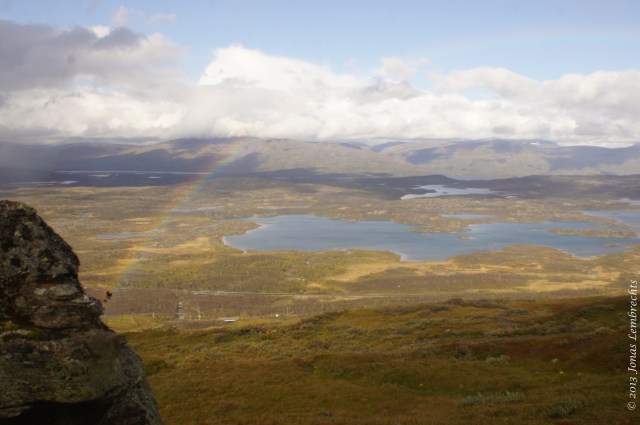
Rainbow over Kärkevagge

Enjoy the beauty of Lapland in the image gallery ‘Lapland’ on the right.
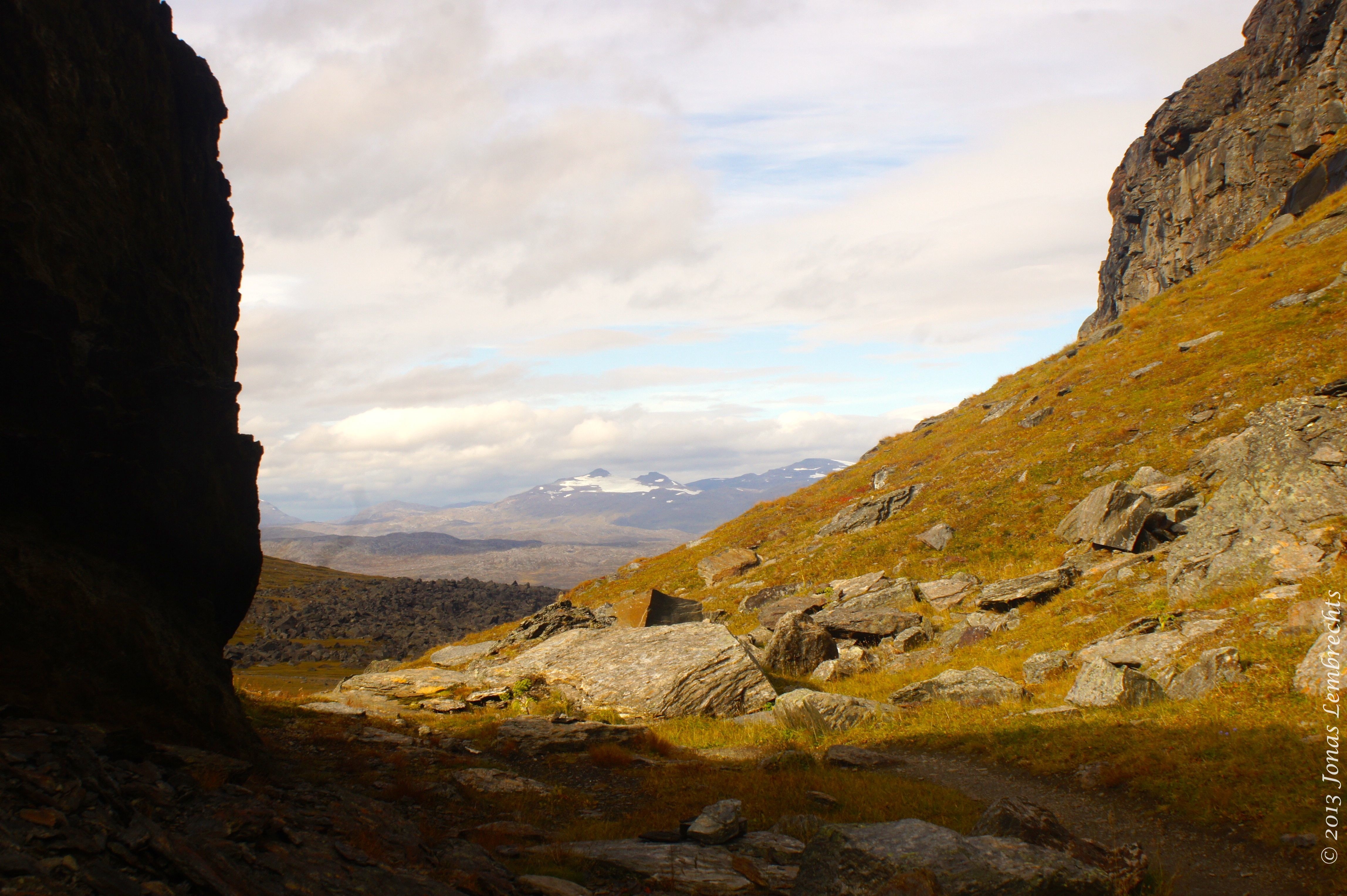
Kärkevagge

Posted in Sweden | Tagged , , , , , , , , , , | 1 Comment

End of the year

The year is almost over, meaning I will celebrate my first New Year as a PhD student. The first 3 months of my job went by incredibly swift. It feels like I should start worrying about the end already!

Christmas star

On the other hand, now I have full days available to study the mountains I love, I can realize a lot more than I thought. The hard work should start to pay of in 2014, as my  rewards are on the way in the form of my first (and maybe even second) paper. Moreover, I am preparing several large and small presentations, I start some teaching and expand my international network of colleagues and projects, all while the plants of my experiments are steady growing only to reveal their secrets when I start traveling again in spring.

A bright and interesting future, that’s for sure, so this is a good time to wish you all a happy new year and post my most important good intention for the next year: working hard in order to gather interesting science, stories and images to share with all of you.

Christmas bauble

Posted in Belgium | Tagged , , | 1 Comment

Macro

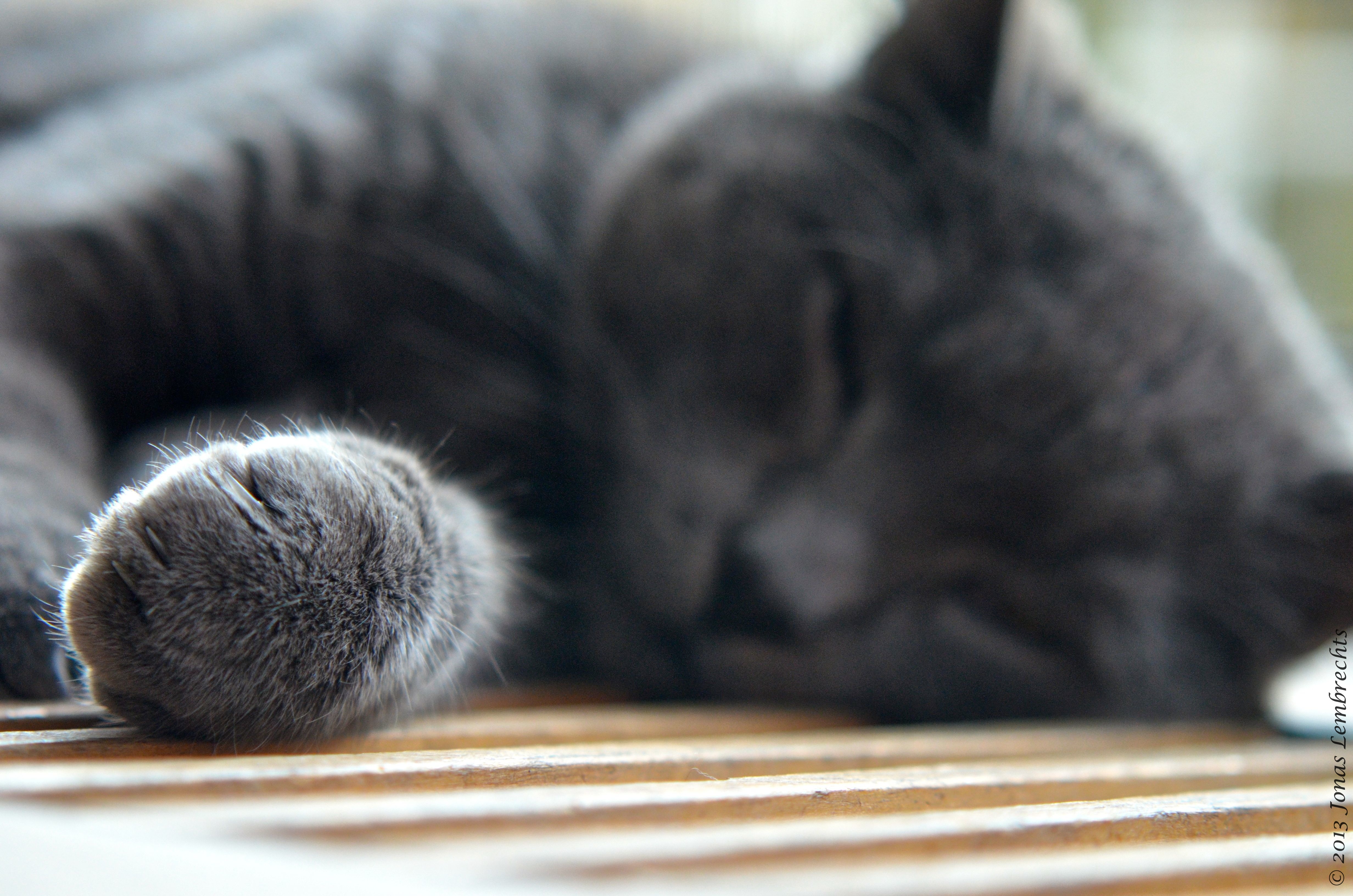
 Paw  Thanks to my personal favorite Santa Claus, I recently added these nice little rings to my photographic equipment:

Macro lens

It is a 4-piece close-up lens set that will allow me to get incredibly close to my subject. They are especially useful to capture the beautiful mini-majestic world I lost my heart to. I hope to use them to bring you more breathtaking images of the plants I study. I promise to take them with me as I travel the globe.

Pineapple

Other photographers wondering if they would prefer these above a regular macro-lens: the quality is not comparable, but if you are limited in packing weight (as I am when I am on a scientific mission) and still want to catch some of the macro-world, these lenses are an irresistible option. Major plus: they are not expensive at all.

Paw

Posted in Belgium | Tagged , , , | 3 Comments

Hero-rats

It is Christmas again, traditionally the period in which one of the local radiostations organizes a benefit campaign for some praiseworthy charity organization.

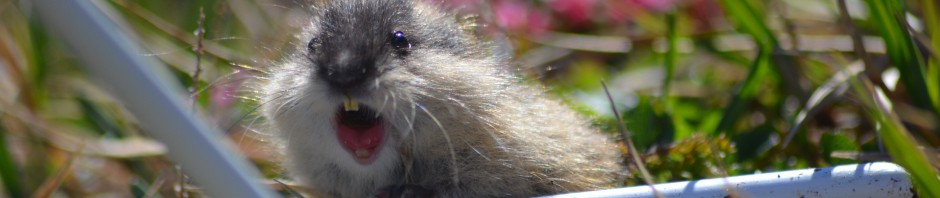
 Hero-rat

This year, the university of Antwerp contributed to the campaign by raising money for one of their own projects, called Apopo. This project is a wonderful example of the use of biology in our society. The Apopo-project is a university-supported and Africa-based training program for rats to detect landmines and tuberculosis.

Isn’t that just plain wonderful use of biological knowledge?

SONY DSC

In 2010, on an internship with the university to Tanzania, we visited the training site of these hero rats. For no more reward than pieces of delicious banana, they help to clean post-war regions from highly dangerous landmines. They use their sensitive little noses to  smell the ammunition. This same skill and hunger for bananas can be used to recognize the smell of tuberculosis in sputum samples, significantly speeding up tuberculosis diagnosis in highly populated areas in Africa.

Apopo Tanzania

Wonderful project, no doubt about it, but unfortunately very expensive. It costs approximately 6000 euros to train a rat. From then on, it can luckily be used for a long time, sniffing through fields and warning the mining service where to find the explosives. Fortunately, they are not heavy enough themselves to let the mines explode, so sacrificing the cute little heroes is not necessary.

Hero-rat

(They proudly joined the ‘Animals’-gallery on the right of this blog).

Posted in Belgium | Tagged , , , | 3 Comments

Profiling the bad boys

In war, it is important to profile your enemies. You should know the qualities and the weaknesses of the other party, to adequately predict their next move.

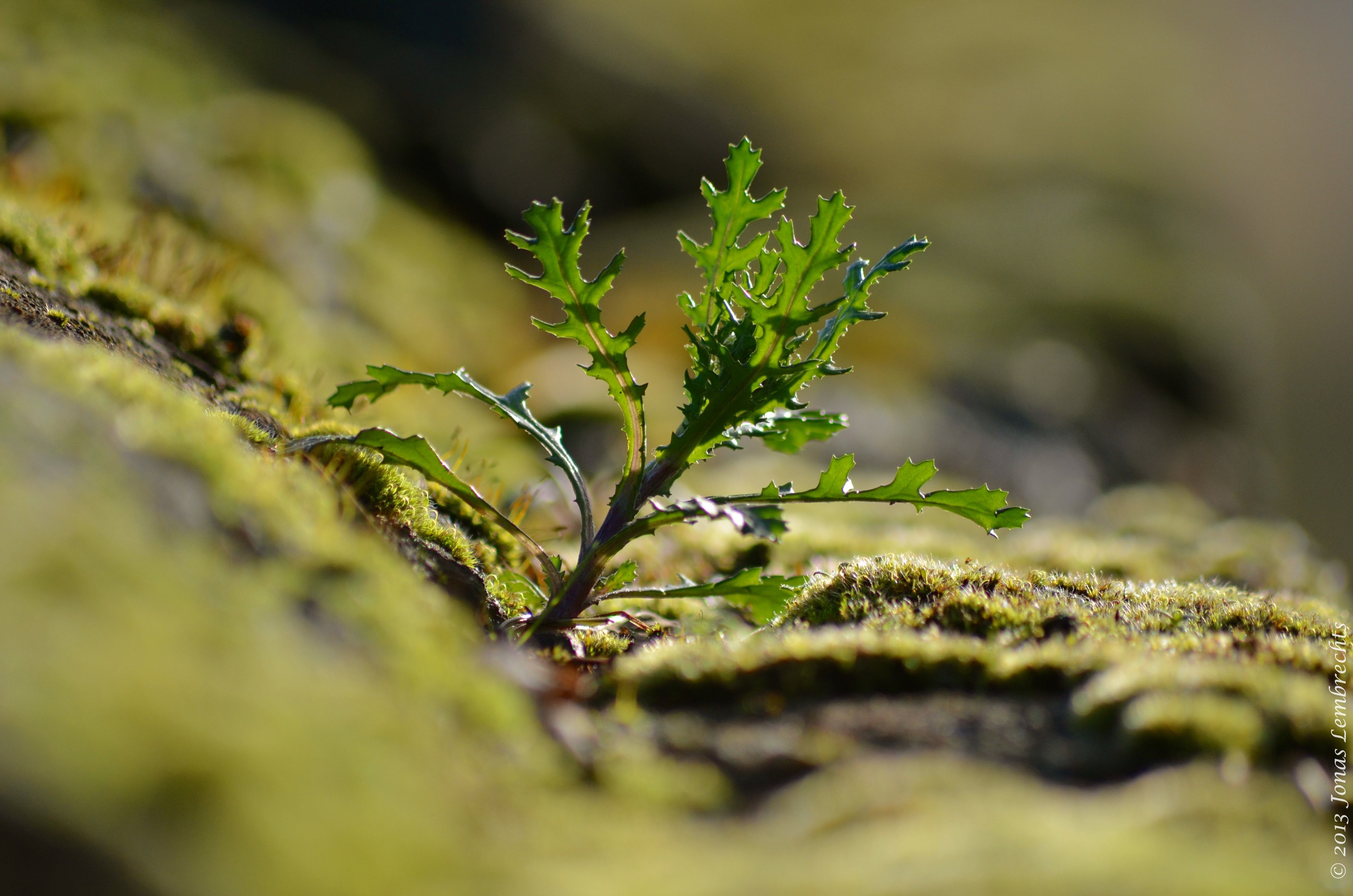
As I said on the results page,  invasiveness is not a skill known to every plant. Plants need the combination of the right characteristics, with a little bit of additional luck. Here, I profile some of the most likely candidates for invasion: the ruderals (check those badasses out on the picture!).

 Ruderal

These species are designed for the guerrilla-war: they travel fast, have fantastic germination capacities even in the most horrible circumstances and reproduce like rabbits in the shortest possible timespan.

They like human presence, because they are perfectly adapted to survived in disturbed plots where other plants fail to thrive. Between cracks in roads, on the railroad, vertically on walls, simply everywhere where they can find a tiny hole. This is the exact explanation for why they are so widespread in cities and all kind of places influenced by humans. They follow us everywhere were we expand our concrete world.

Ruderal2

The above gives a traditional view of an ideal invader: quickly reproducing plants, always  first to germinate on disturbed plots. However, as I will show later, we will need another profile if we look at invasion in mountains. There, the ruderals turn out to be not the main danger. We will have to re-profile our enemies there, or we will totally miss the point.

Posted in The research | Tagged , , , , , | 5 Comments

Spoiling the birds

I like spoiling those happy little feather balls before my office window. After a trial period, in which I tried to seduce them to come closer to my window, I now installed some more high-tech equipment:

Bird food

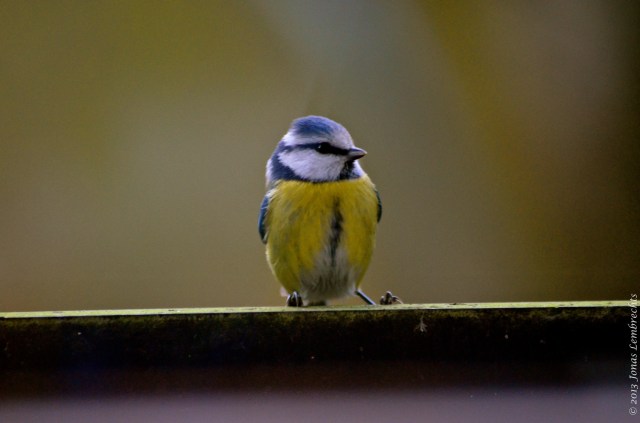
It seems to work pretty fine, as the regular visits of great tits (and occasional squirrels) continue. With the increasingly cold weather, even more birds seem convinced to visit me and my generosity. I ticked off blue tits, long-tailed tits, robins and even some goldcrests.

Blue tit

Although my fancy supply mechanism looks perfect, most birds still seem to prefer the cheap stuff. I don’t know why, although they showed furious picking behavior towards the plastic cover (no, my fierce friend, you’re not getting anything by just hitting the plastic!). Maybe it is all just a little bit too complicated for their tiny bird-brains.

Blue tit

Nevertheless, I am waiting excitingly until it starts freezing, because then the feathered traffic will only increase!

Long-tailed tit

These and some other cute pictures joint the picture gallery ‘Animals’ on the right of my blog. I strongly recommend taking a look!


Posted in Belgium | Tagged , , , | 6 Comments