Back in time

An alien is a species that is introduced in an area where it did not occur naturally.

That’s it. A simple definition (although it is only one in a million) and easy to work with! If a plant grows somewhere where you could not find him before, you may call him ‘alien’.

Unfortunately, there are plenty of problems with this simple definition. As always, nature is too stubborn to fit in the nice scientific framework that we want to press on it.
Just one example: how do you know a plant was absent from an area before?

Many aliens were introduced together with our western way of agriculture, which is somewhere from the 16th century onwards. But data from this period are horribly scarce (going back more than 30 years is already a little disaster!). We rely on the lists of some lonely historic plant freaks, who marked down the species they saw in their gardens. But this kind of freaks where scarce, and they definitely failed in writing down everything that grows!

Agriculture

Following agriculture has proven to be a very rewarding strategy for aliens

That is why the field of Paleobotany is so extremely important in keeping the rest of ecology smoothly on the rails. They make their way through the piles of dusty historical data to reconstruct the history of all species.

There is a wonderful website that collects global historic occurrence data. I like to choose some of my study species and watch how they slowly take over the world. (Follow here the dandelion, for example).

1930

Dandelion-distribution around 1930…

… after the ’60…

Today

… and today!

I especially like how these dandelions take over New Zealand, Japan and all these remote islands in the middle of the ocean. Check also the huge expansion in the Americas (where it should NOT be!). The chance that they flew on their own little wings all the way to Hawaii is very unlikely. There is a much larger probability that we, humans, are involved.

Dandelion1

Dandelions flooding a field in southern Chile

There comes a small warning with the use of this kind of data: although it beautifully shows the presence of the plants, it is extremely difficult to prove its ABSENCE. As you can see, data from before 1930 are quiet scarce, not because dandelions were a rare species, but just because nobody wrote its occurrence down! We should thus be very careful in the use of this information.
Posted in The research | Tagged , , , , , , , , , | 7 Comments

The lake of the trolls

A serious candidate for ‘most impressive place of the world’:

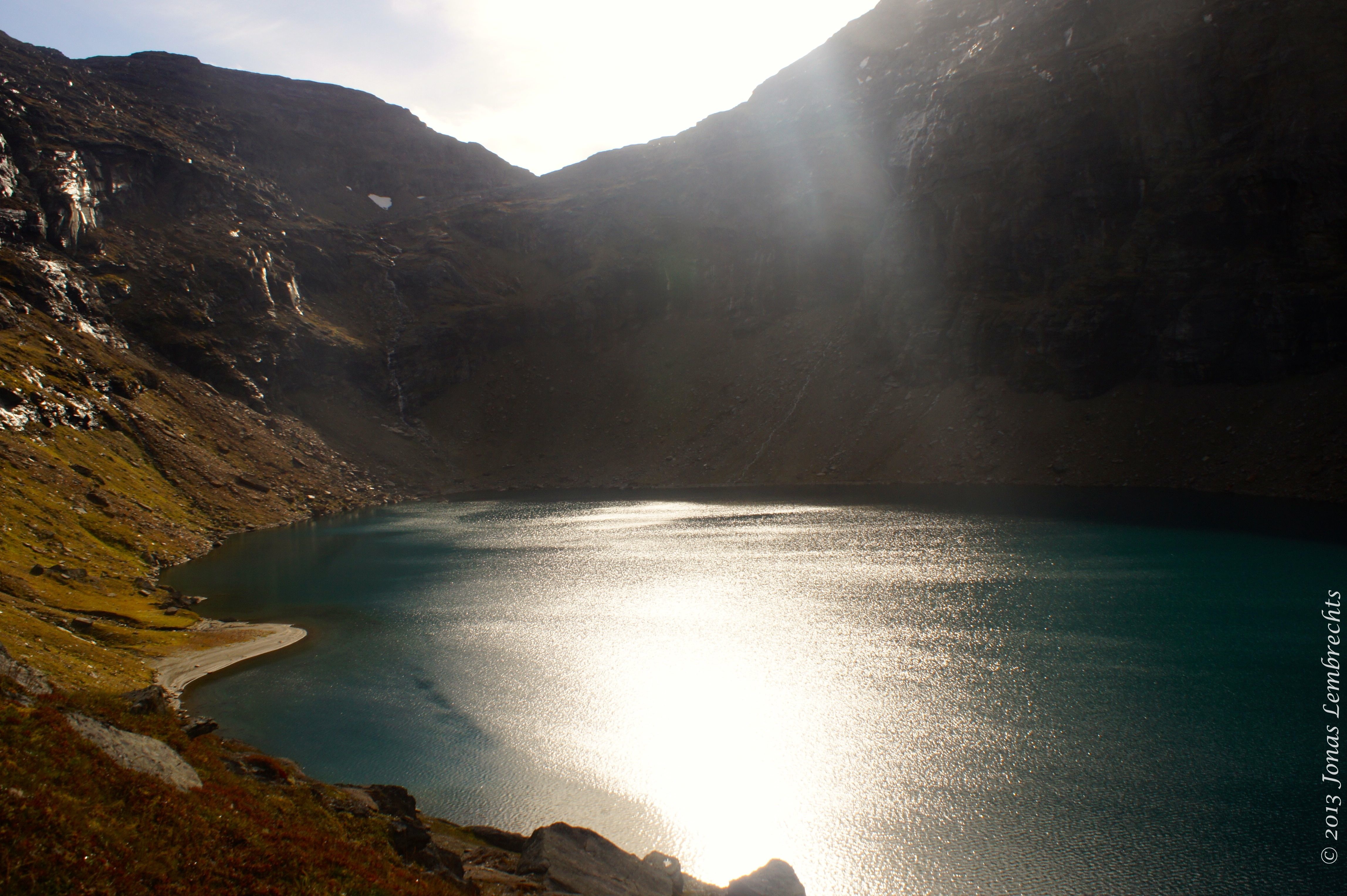
At the far end of the valley of the trolls lies a lake. It is the clearest lake of Sweden and surrounded on all sides by steep mountains. It barely sees the sun and stays frozen until far in July. On the coldest days, trolls use it to go ice-skating.

Trollsjön

I visited the lake on one of the few moments in the year it actually saw the sun. It was a wonderful clear sky, you could see all 34 meters towards the very bottom of the lake and everything felt like summer.

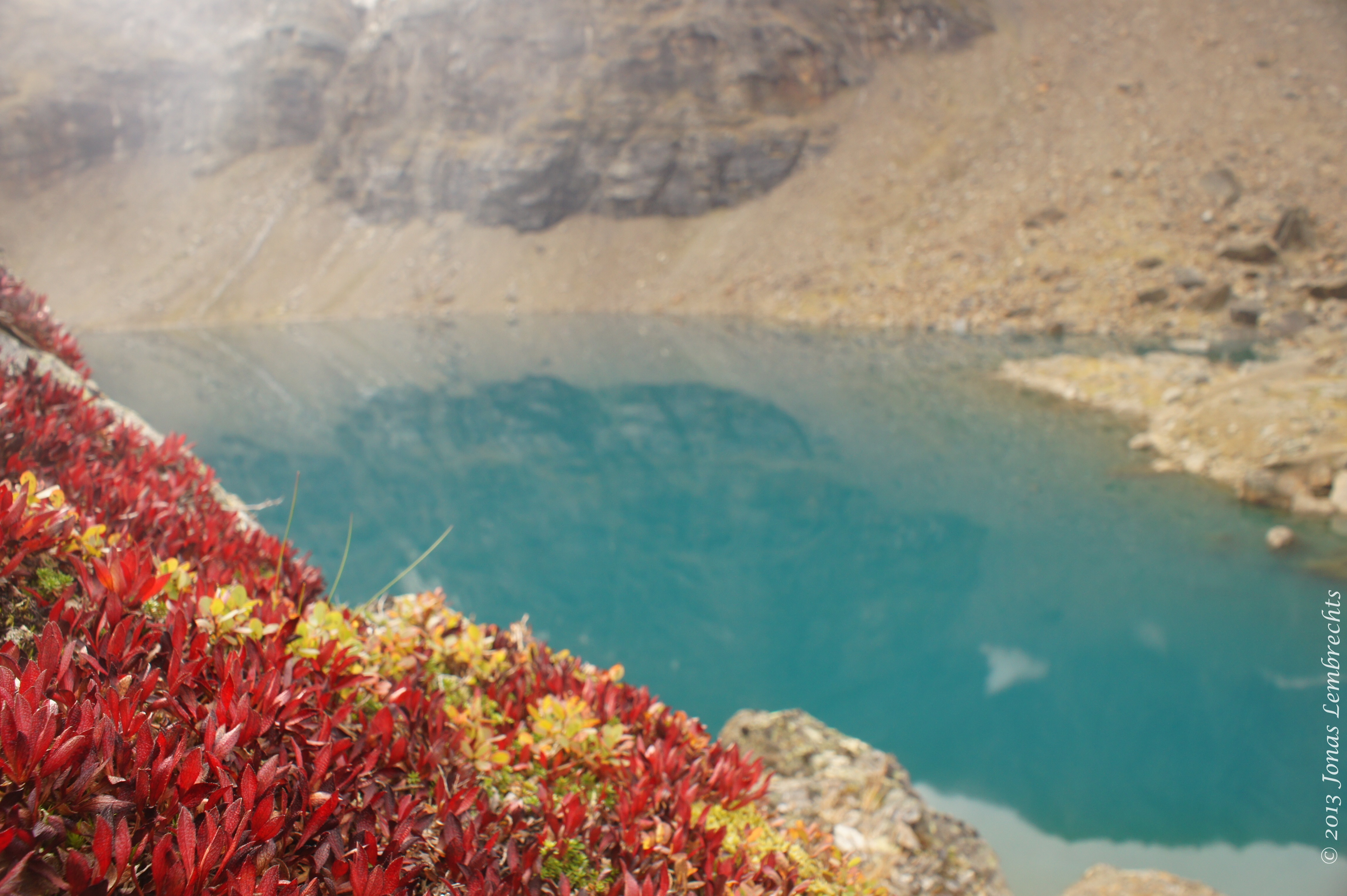
Trollsjön in summer

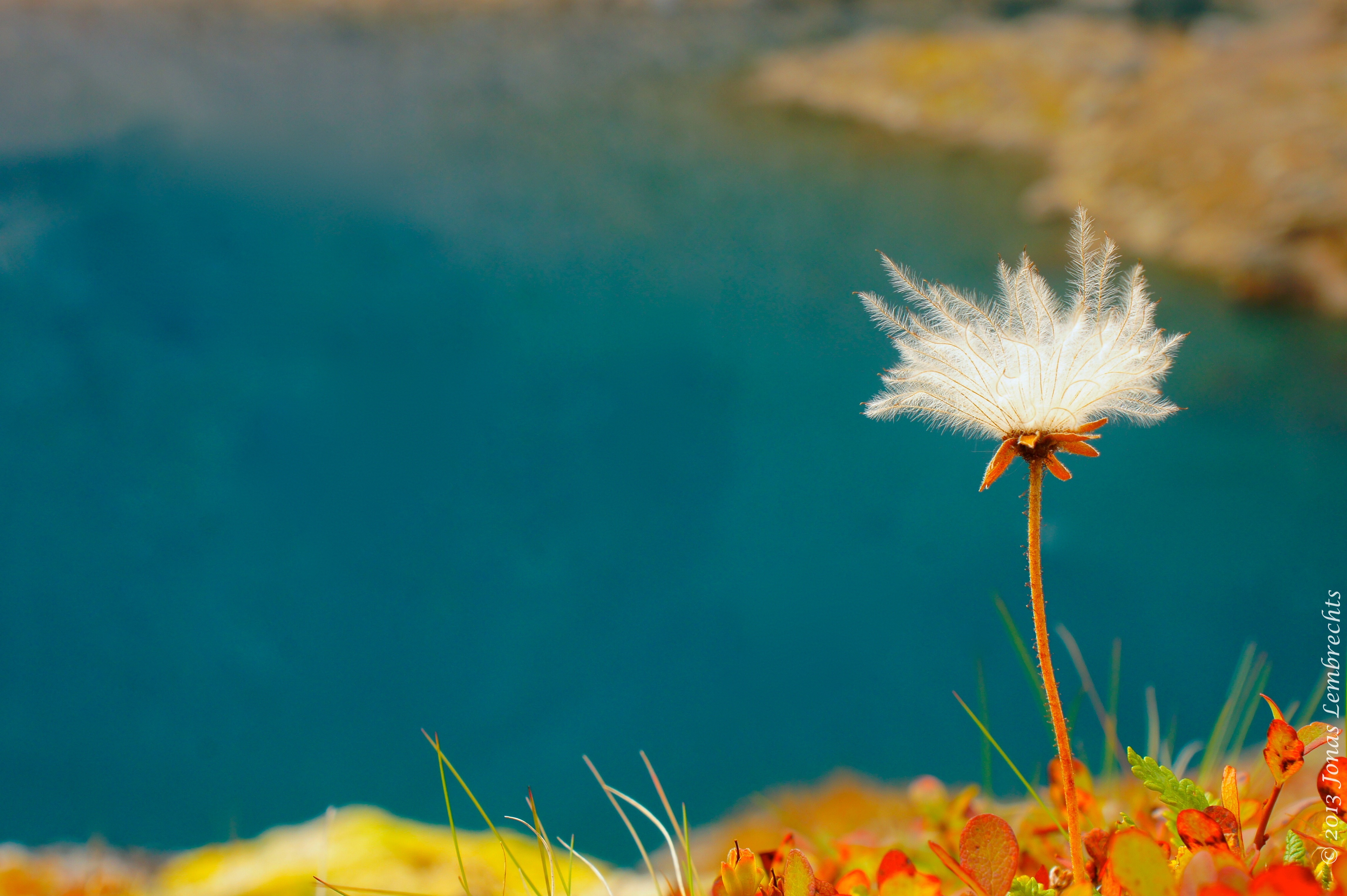
The color is an incredible clear blue, which matched perfectly with the orange and red of the upcoming autumn.

Trollsjön

The indescribable feeling if you stand on one of these steep slopes and overlook the amazing view, that’s the exact reason why I love the mountains so much. It is a world full of this kind of wonderful surprises, something from which I can never get enough.

Trollsjön

Check out the picture gallery ‘Abisko’ on the right side of my blog, it show more of these fantastic mountain views!

Posted in Sweden | Tagged , , , , , , , , , | 1 Comment

Trolls (!)

I start the year with a nostalgic post about my visit to Sweden in July to cheer up those brave Scandinavians in the far north that don’t have much daylight at the moment.

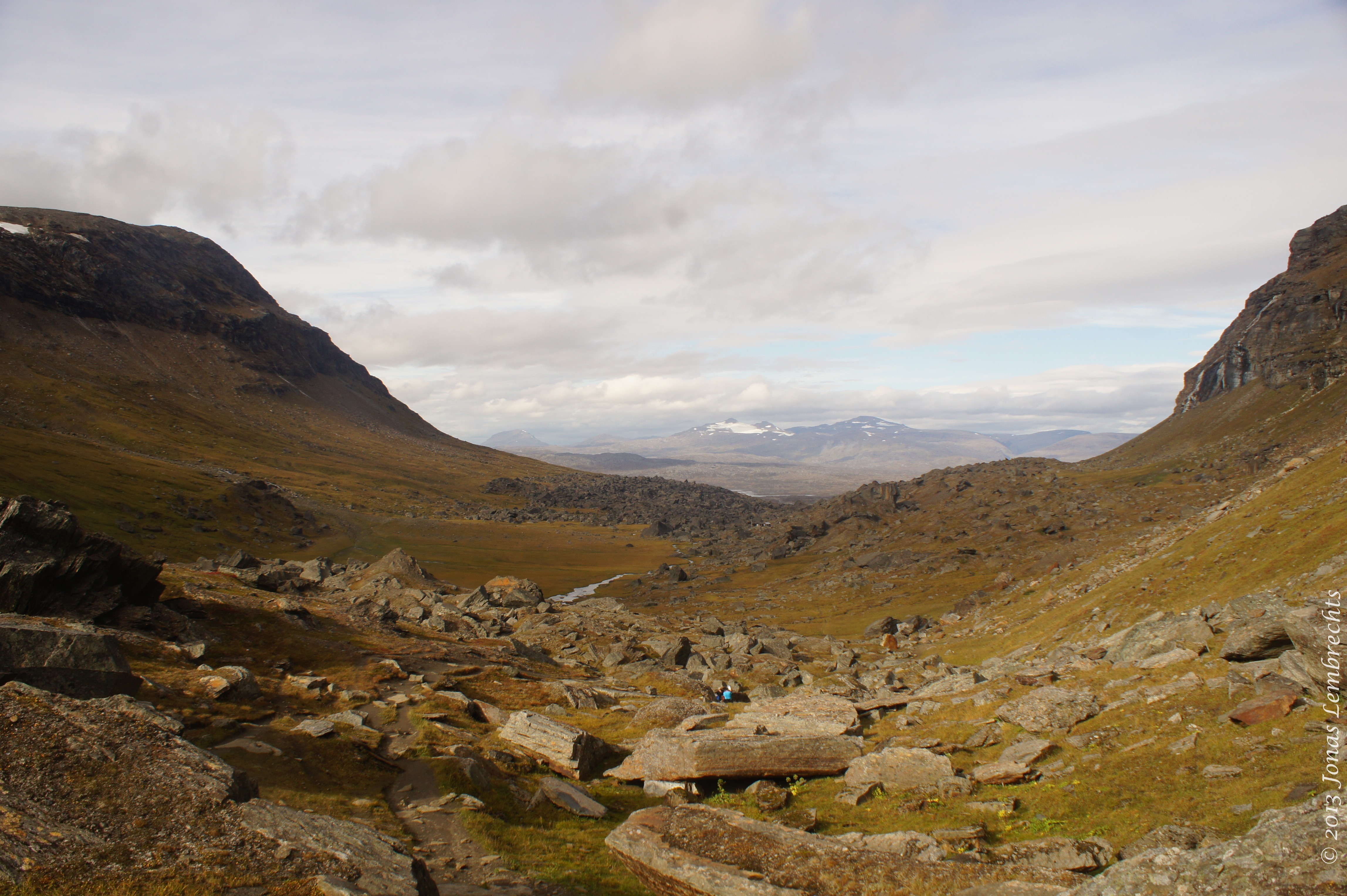
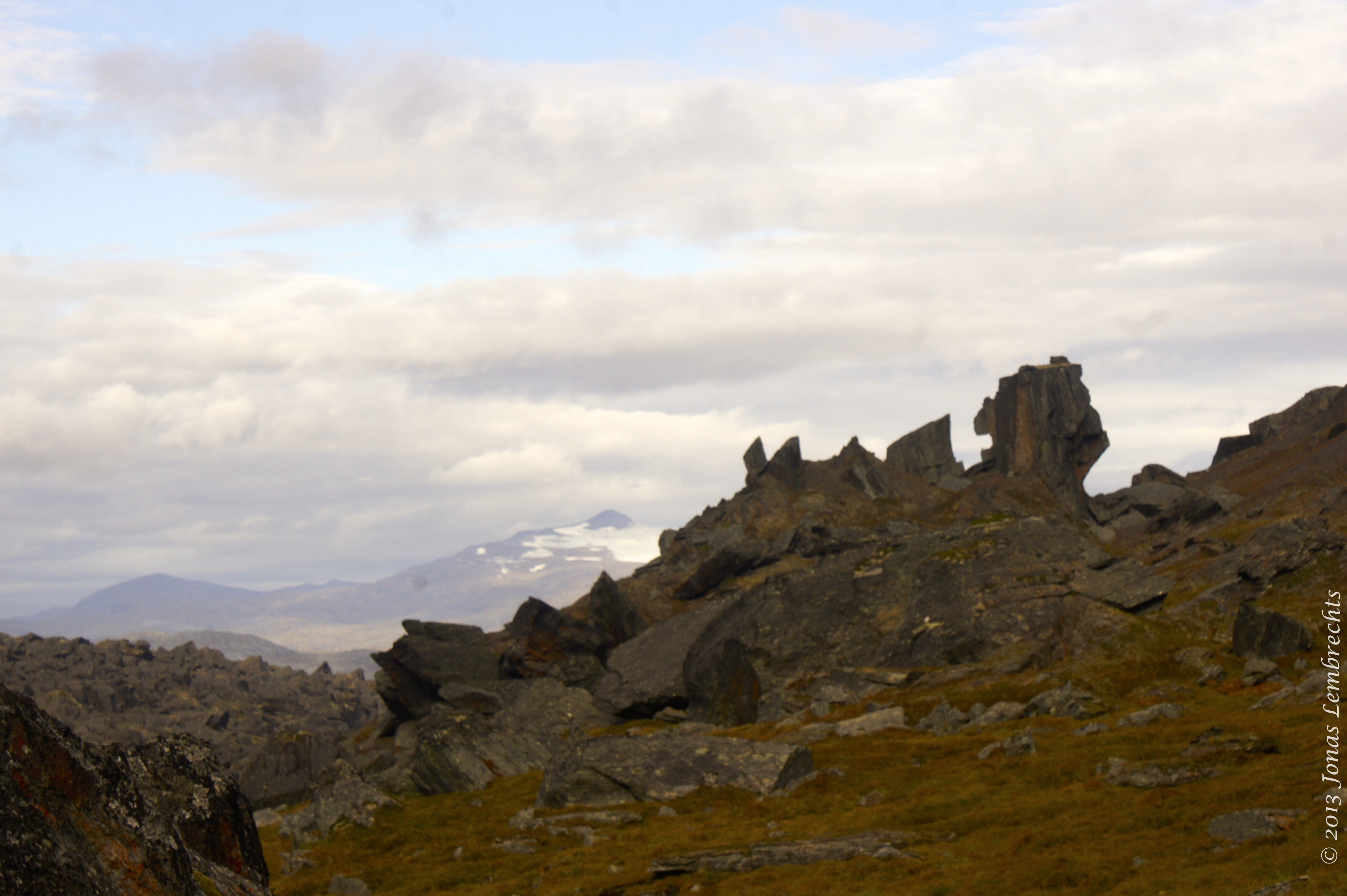
There is this one valley in Lapland where trolls are still living. It is allowed for tourists to visit the area, but great care should be taken not to disturb them. They have their forts on top of the mountains, from where they trow large rocks at each others’ head over the valley.  The valley itself is a total chaos of fallen rocks without any structure or organization, which results in an impressive landscape.

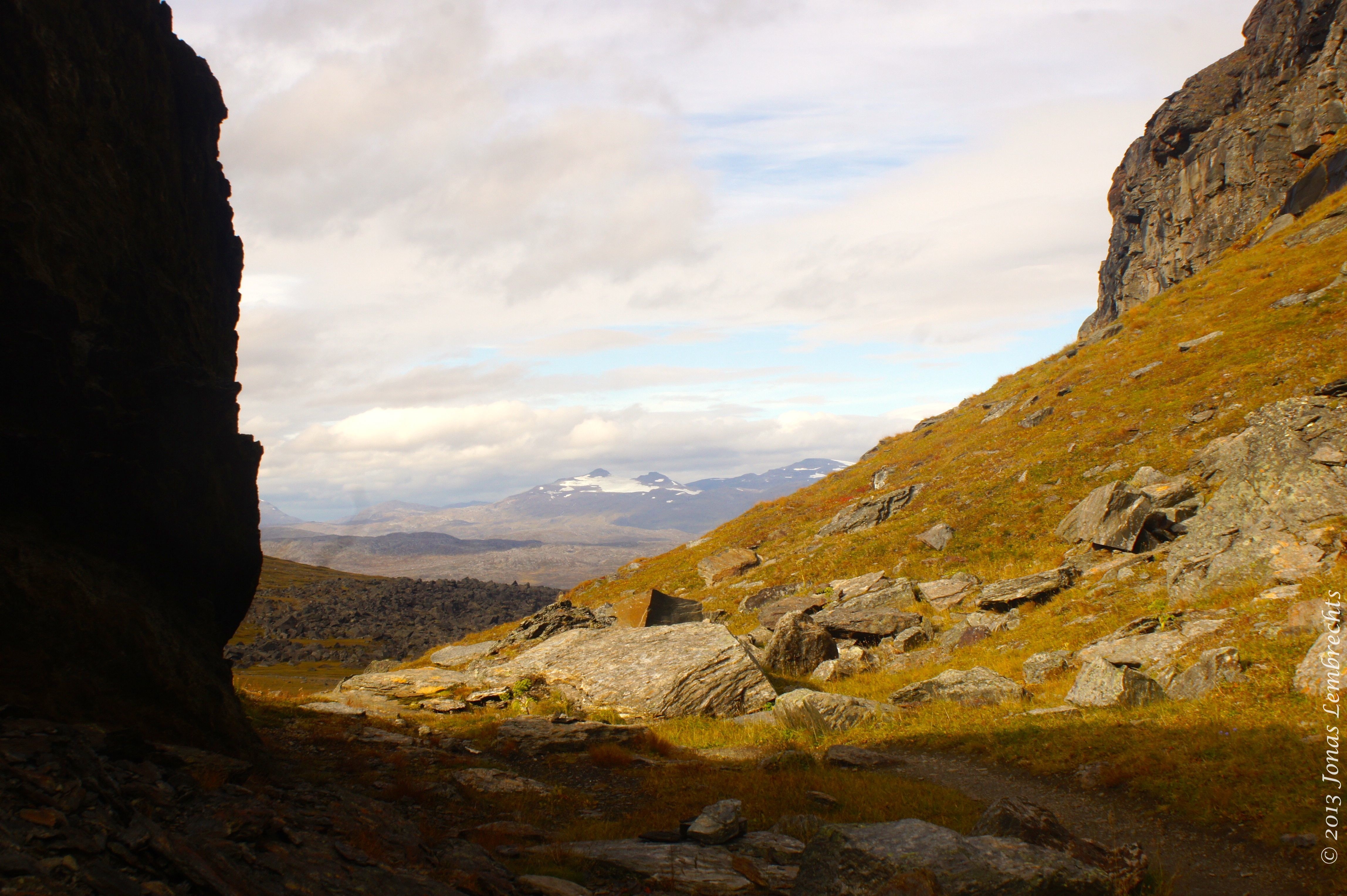
Kärkevagge

If you walk there, between the huge rocks and with the towering mountains everywhere around you, it is easy to believe trolls are wandering through the cold mountains of Lapland. No wonder the mythology is still so alive in Scandinavia. Especially in the dark winter nights, the impressive power of the valley of Kärkevagge could easily result in stories about monstrous men.

Rocks and trolls

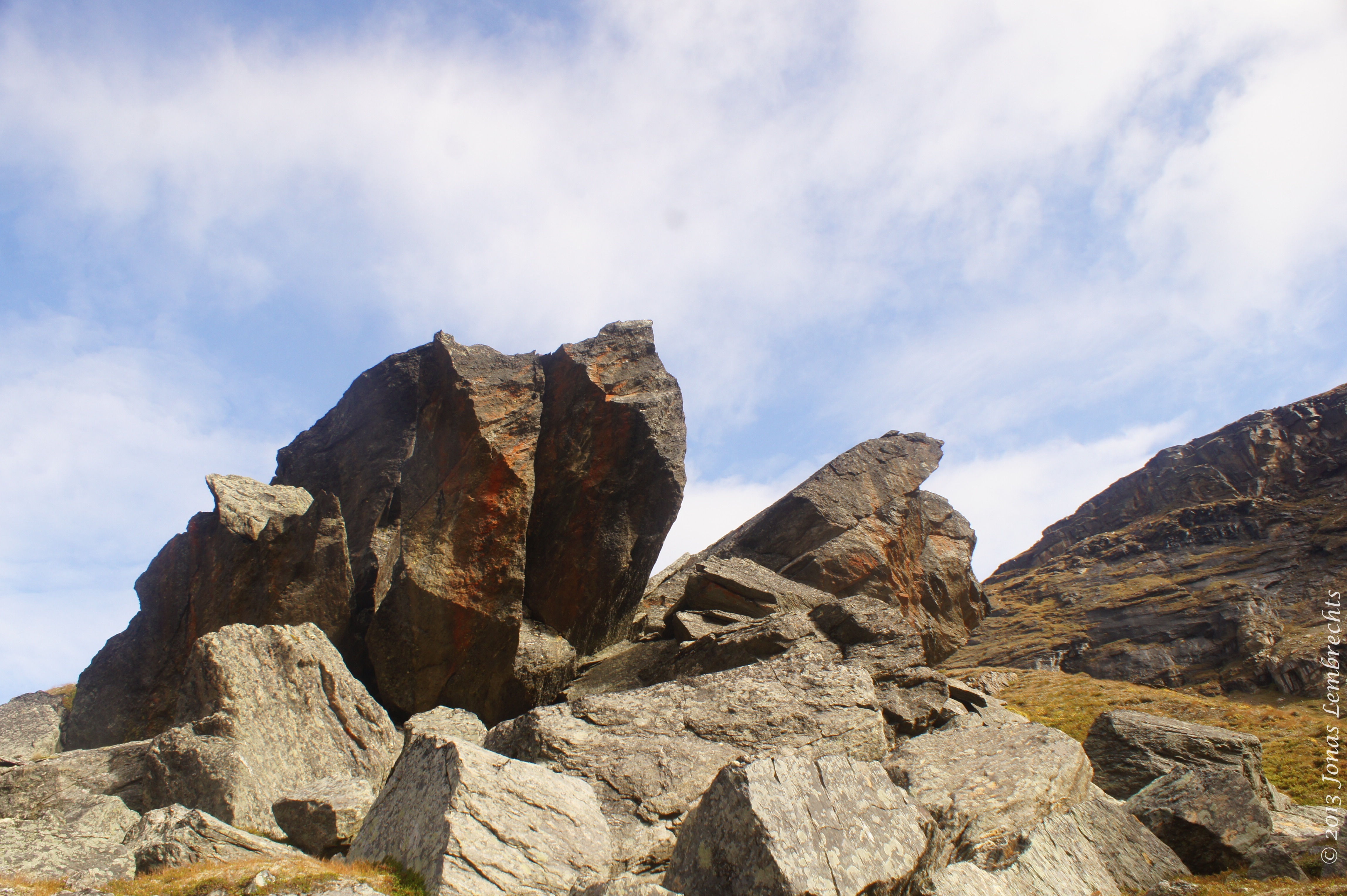
A lot of the more strangely shaped rocks are not thrown by the trolls, no, they are trolls themselves. If touched by direct sunlight, they immediately petrify, as the lucky hobbit Bilbo Baggings knows everything about. They are everywhere in the Scandinavian mountains, those trolls that were to slow and surprised by the rising of the sun.

Rocks and trolls

They add to the wonderful atmosphere of Scandinavia, a feeling you should definitely go experience yourself.

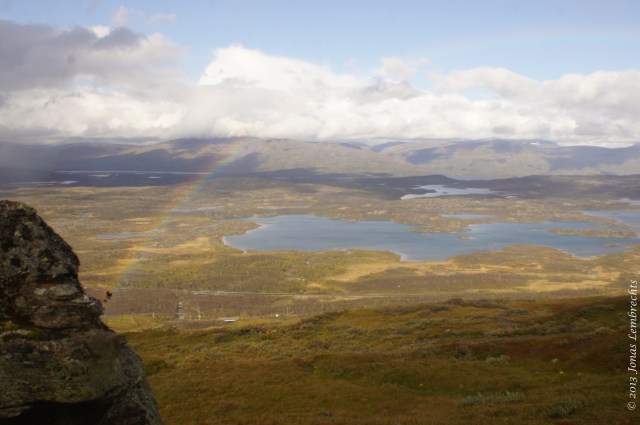
Rainbow over Kärkevagge

Enjoy the beauty of Lapland in the image gallery ‘Lapland’ on the right.

Kärkevagge

Posted in Sweden | Tagged , , , , , , , , , , | 1 Comment

End of the year

The year is almost over, meaning I will celebrate my first New Year as a PhD student. The first 3 months of my job went by incredibly swift. It feels like I should start worrying about the end already!

Christmas star

On the other hand, now I have full days available to study the mountains I love, I can realize a lot more than I thought. The hard work should start to pay of in 2014, as my  rewards are on the way in the form of my first (and maybe even second) paper. Moreover, I am preparing several large and small presentations, I start some teaching and expand my international network of colleagues and projects, all while the plants of my experiments are steady growing only to reveal their secrets when I start traveling again in spring.

A bright and interesting future, that’s for sure, so this is a good time to wish you all a happy new year and post my most important good intention for the next year: working hard in order to gather interesting science, stories and images to share with all of you.

Christmas bauble

Posted in Belgium | Tagged , , | 1 Comment

Macro

 Paw  Thanks to my personal favorite Santa Claus, I recently added these nice little rings to my photographic equipment:

Macro lens

It is a 4-piece close-up lens set that will allow me to get incredibly close to my subject. They are especially useful to capture the beautiful mini-majestic world I lost my heart to. I hope to use them to bring you more breathtaking images of the plants I study. I promise to take them with me as I travel the globe.

Pineapple

Other photographers wondering if they would prefer these above a regular macro-lens: the quality is not comparable, but if you are limited in packing weight (as I am when I am on a scientific mission) and still want to catch some of the macro-world, these lenses are an irresistible option. Major plus: they are not expensive at all.

Paw

Posted in Belgium | Tagged , , , | 3 Comments