The perfect shape

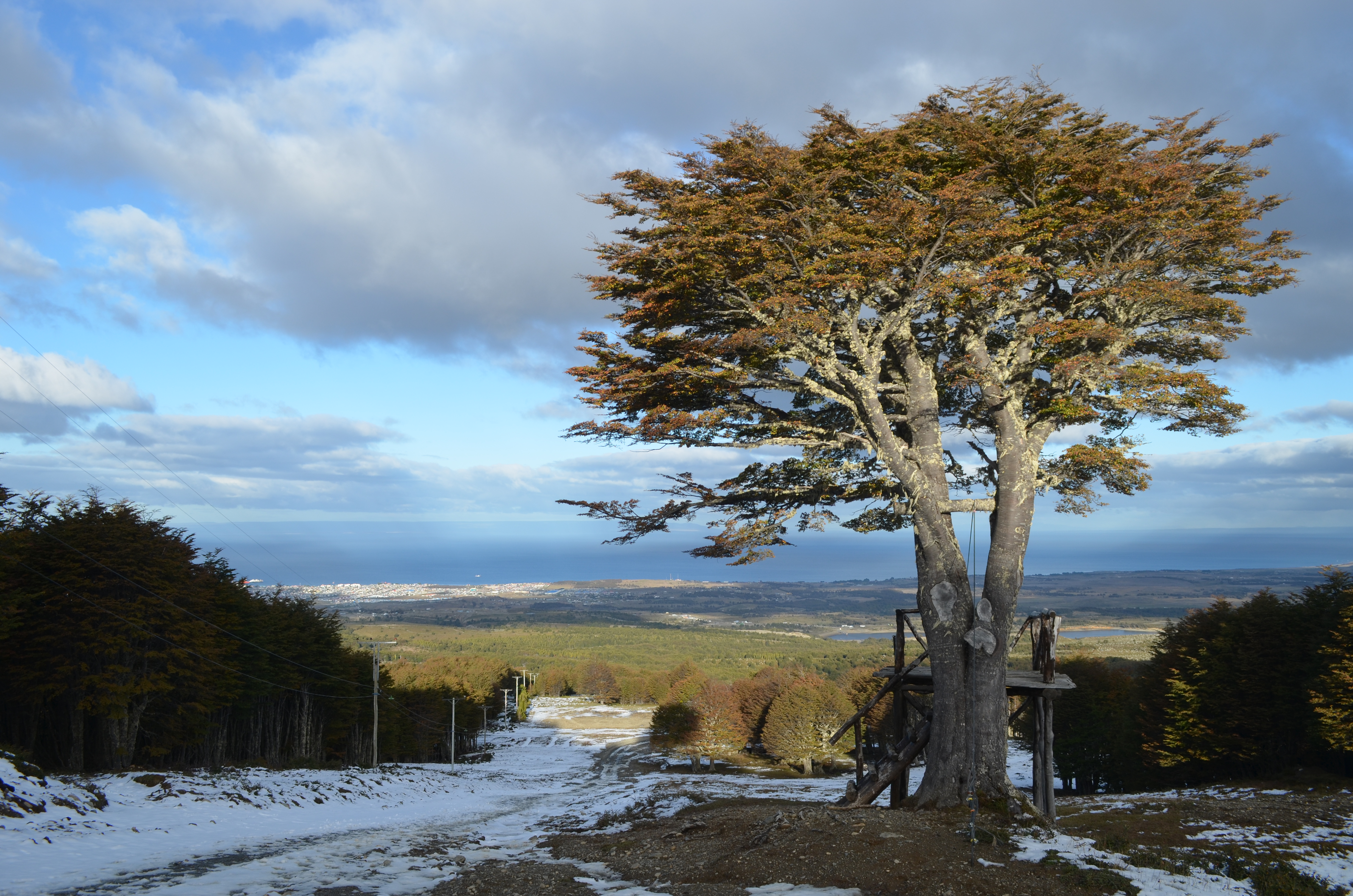
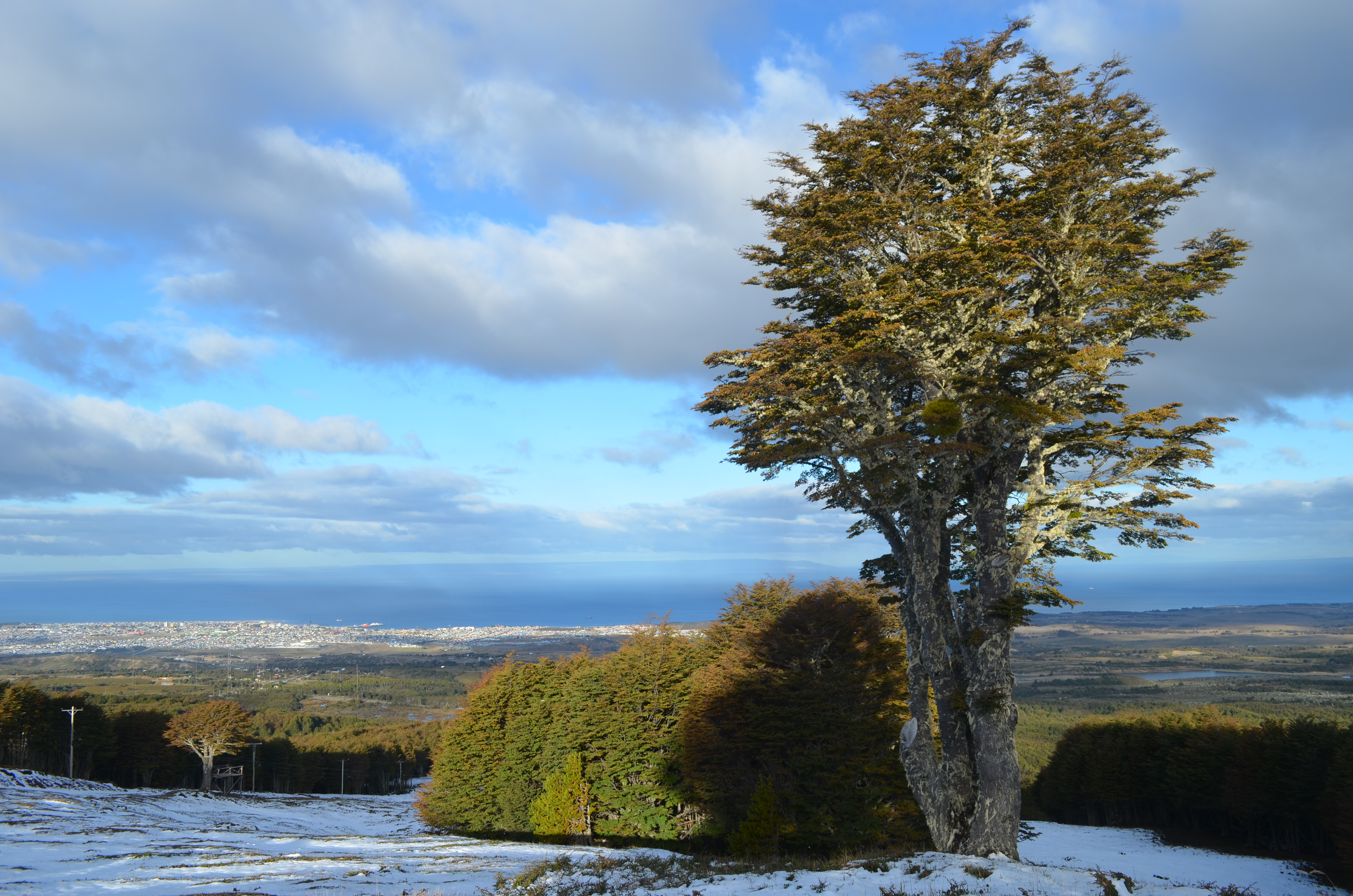
Give a tree all the space it needs and it will grow into one of the most majestic living beings in the world.

DSC_0090

Lonely tree in Huldenberg, in the hills of Brabant, Belgium

There is a huge difference between a tree in a forest and a lonely one, without any other trees bothering him. In a forest, there is competition everywhere. Fighting for light in the sky and growing as tall as possible, fighting for nutrients or water in the soil and spending all your energy on digging deeper and further for those precious resources.

DSC_0087

A lonely tree  has all the space it needs, it does not have to worry about competition. It can grow exactly the shape it wants, which is – again – the ideal shape to catch the light.  It is interesting to see how they maximise their light input by creating the perfect shape and how all leaves contribute their part.

DSC_0107It must be fantastic to be a lonely tree…

Posted in Belgium | Tagged , , , , , , , , | 3 Comments

SciLogs

I posted another scientific story on the EOS-blog at SciLogs.be, this time about microclimate and plants. Unfortunately for my dear international public, these posts are in Dutch, but you can take my word on it that it is a big honour for a starting scientist in Belgium to blog for them!

Red clover at the warm side of a Norwegian fjord

Red clover at the warm side of a Norwegian fjord

Posted in General, Science | Tagged , , , , , , , | 1 Comment

Conquest of a continent – pine invasion in South America

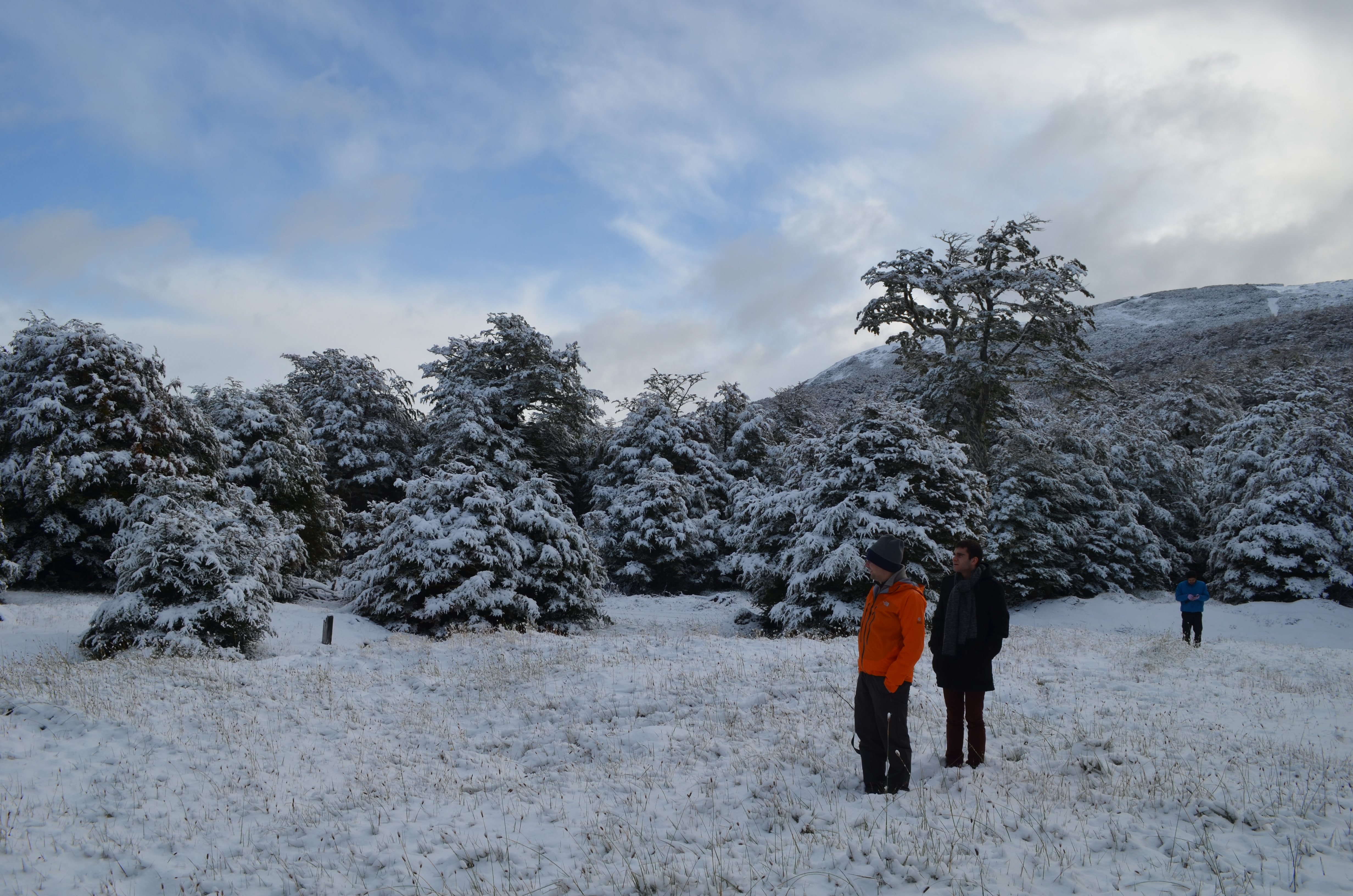
DSC_0362San Carlos de Bariloche, Argentinia. The road to the airport is flanked by massive pine trees, blocking the view on the surrounding dry Patagonian steppe. They seem to flourish in this environment, although they are far from home. The new environment does not seem to stop them from growing tall and strong, and –most importantly – producing large amounts of seeds.

DSC_0368

Those huge pinecones might have given it away, but pine plantations of every species can produce an enormous mass of seeds that dramatically accelerates the invasion process.

DSC_0211

Pine seedling, the beginning of invasion

The impact of this seed rain is obvious as soon as one steps through the first row of planted trees. All through the Patagonian steppe, a mosaic of big, small and smaller pine trees is developping, turning the open steppe landscape into a conifer forest. The correlation with the planted seed source is obvious, with many and tall trees close to the roadside, from where they gradually decline in number and size over the next ten to hundreds of meters.

DSC_0401

Pines invading the Patagonian steppe

This potential for spread outside the plantations and the massive impact of conifers on the native open steppe vegetation has sparked the attention of ecologists. Although many conifer species were introduced in South-America in the 19th century or earlier, the true large-scale introductions by means of commercial plantations only started throughout the 20th century. This makes conifer invasion a fairly recent phenomenon in South-America.

DSC_0427

Invasion front, where pines are far from each other and limited in size.

This last fact might be an important key towards the management of the invasion. The introduction of conifers to South-America lags behind to several other important cases of pine invasion elsewhere on the Southern Hemisphere, like New Zealand, South Africa and Australia. With current conservation measures fairly weak in South America, it is really important to learn lessons from the successes and failures concerning past introductions elsewhere.

DSC_0379

Experimental removal of pines to investigate regeneration of the natural vegetation.

Current investigations focus on the impact of these rapid changes on native ecosystems all over South-America. Changes in fire frequencies in the steppe, diversity losses in plants and animals, it all occurs in the shade of the spreading pines. Other important questions involve the abilities of the original vegetation to regrow after removal of the pines. More recently, we raised the question how this ongoing invasion might facilitate – or limit – invasion of other nonnative plant species. On that I surely hope to report in the future.

DSC_0435

Pine invasion might replace the beautiful planes of the Patagonian steppe.

We will certainly hear more from these South-American pines, as they will more and more define the landscape all over the continent as they do in so many places all over the world.

DSC_0410

Examples of literature:

Langdon B, Pauchard A, Aguayo M (2010). Pinus contorta invasion in the Chilean Patagonia: local patterns in a global context. Biological Invasions 12:3961-3971.

Simberloff D, Nunez MA, Ledgard NJ, Pauchard A, Richardson DM, Sarasola M, Van Wilgen BW, Zalba SM, Zenni RD, Bustamante R, Pena E, Ziller SR (2009). Spread and impact of introduced conifers in South America: lessons from other southern hemisphere regions. Austral Ecology doi:10.1111/j.1442-9993.2009.02058.x

   DSC_0395

Posted in Argentina, Chile | Tagged , , , , , , , , , , , | 7 Comments

It’s gonna get dark!

I hope to get lucky the 20th of March! If weather conditions allow it, we will be able to see up to 90% of the solar eclipse in Belgium.

Solar eclipse 20 march 2015

It would have been even better if I had fieldwork in Northern Scandinavia at that moment, but it will be an awesome experience anyways.

Posted in Belgium | Tagged , , , , , | 4 Comments

Belgian winter

Wood harvest - National Park Hoge Kempen

I made a lot of pictures in and around Belgium this winter. Find a nice overview of them in this gallery on the right of my blog.

Bunker in French dunes Evening sun in the dunes, De Panne

Posted in Belgium | Tagged , , , , , , , , | 7 Comments

Ready?

The sun sets above the sea at the Belgian coastline, on one of these days that hint towards the approaching spring.

 Sunset above North sea at Belgian coastFor plant ecologists, these hints of spring trigger the start of the fieldwork season. I am currently wrapping up the final analyses for my third introduction paper and, as from today, I start looking forward with full enthusiasm to the data collection and planned papers for coming season. I am sure it will bring so many good things, and I am ready to face them all!

I promise to keep you posted about all these adventures, from wherever in the world I will be.

Posted in General | Tagged , , , , , , , , , , , , | 1 Comment